The Pennsylvania Trees That Drop The Most Mess
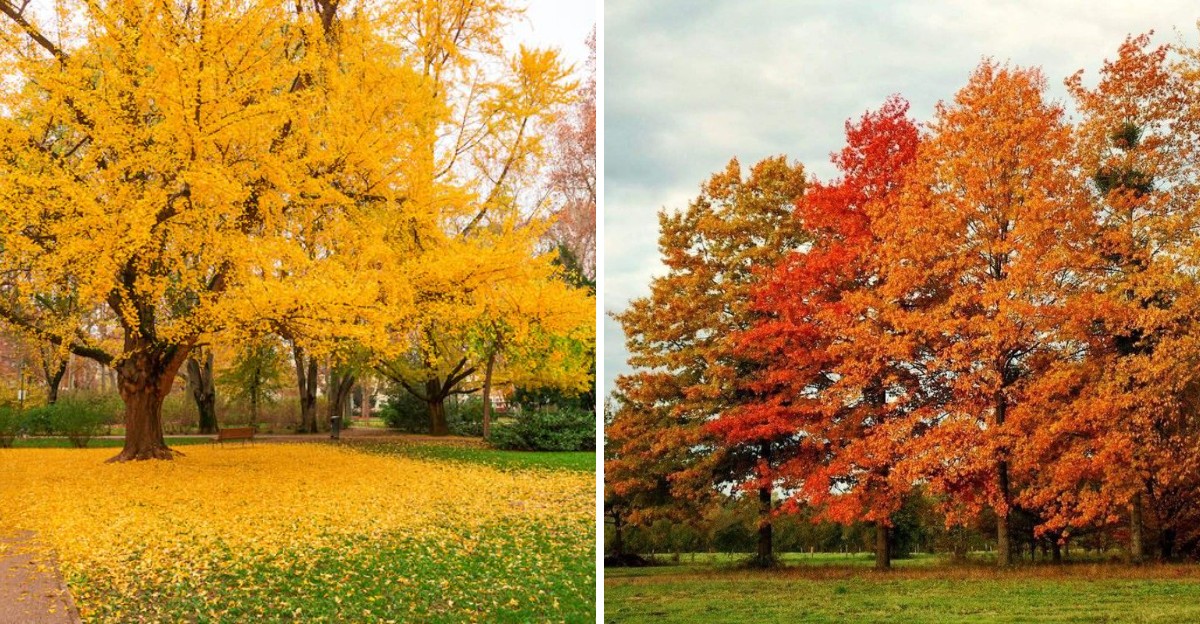
One ancient tree species drops fruit that smells a lot like rancid cheese on city sidewalks every autumn. People have walked past these trees for centuries, holding their noses and wondering what on earth just happened.
Pennsylvania yards hide plenty of other troublemakers too, from spiky seed balls to nuts that stain your driveway. Some trees even shed their own bark in big flakes, leaving pale patches that look a bit like camouflage.
I have to admit, I used to blame the wind for every scattered pile on my lawn each fall. Then I started paying attention, and I learned that certain trees simply love making extra chores for gardeners.
You might already have one of these busy shedders growing right beside your patio or favorite garden bed. Which Pennsylvania tree do you suspect is quietly planning your next weekend of raking and sweeping?
1. Sweetgum
Stepping barefoot on a sweetgum ball feels a lot like landing on a tiny, spiky medieval toy. These round seed pods fall by the hundreds during autumn and winter, rolling into every corner of your yard.
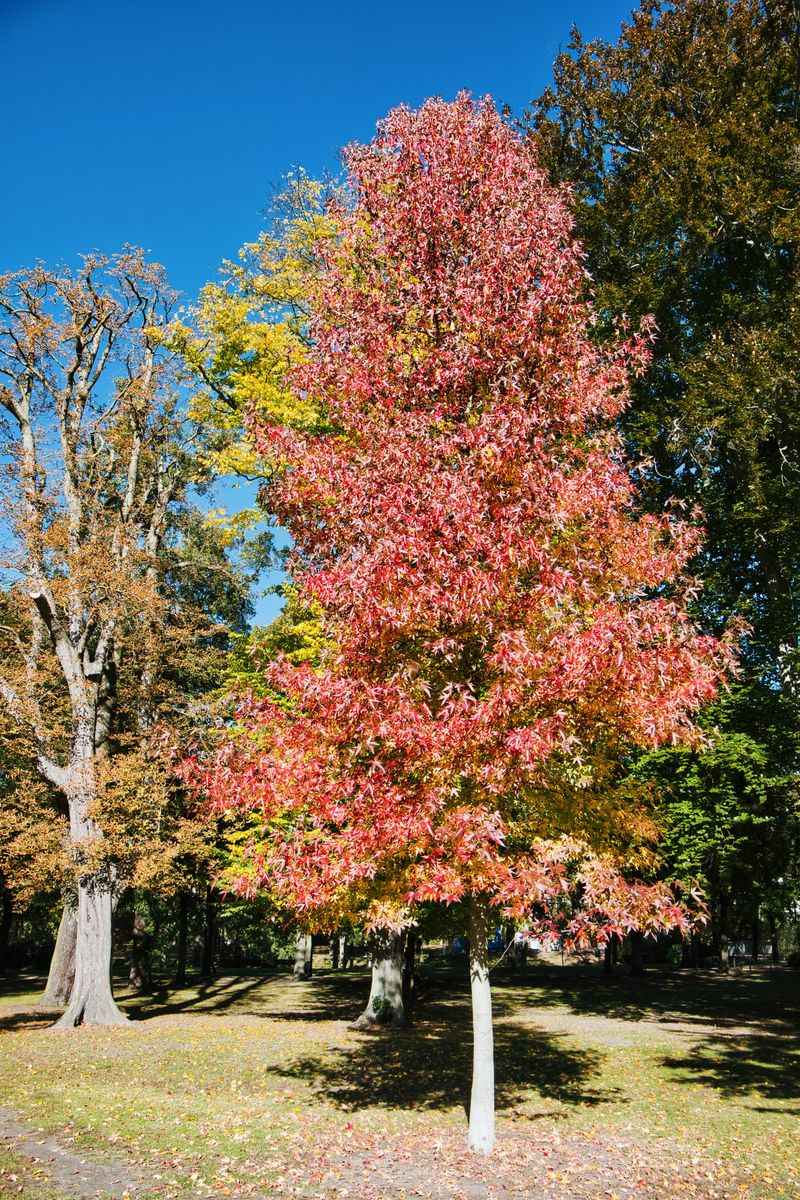
I love the star-shaped leaves, which turn orange, red, yellow, and purple when the weather cools down. Still, I can understand why many homeowners grumble each time they pull out the rake for another round.
The hard pods resist raking because they slip through tines and hide deep inside the grass. Mowers can also fling them like little missiles, so you should clear the lawn before cutting it each time.
Sweetgum, or Liquidambar styraciflua, can reach 60 to 80 feet tall and sometimes grows past 100 feet. It is hardy in USDA Zones 5 to 9 and handles compacted soil, drought, and hungry deer surprisingly well.
Wildlife seems thrilled by the mess, since finches and juncos pick seeds from the spiky balls all winter. Squirrels and chipmunks also join the feast, which makes the litter feel a little more useful for nature lovers.
If you want the fall color without the pods, look for a fruitless cultivar called Rotundiloba at local nurseries.
Another option named Slender Silhouette stays narrow and produces fewer fruits, which helps a lot in smaller yards.
Plant any sweetgum away from patios and walkways, since rolling pods can create real tripping hazards for visitors. A sturdy nut gatherer tool with a wire basket makes cleanup much faster than an ordinary leaf rake.
2. Black Walnut
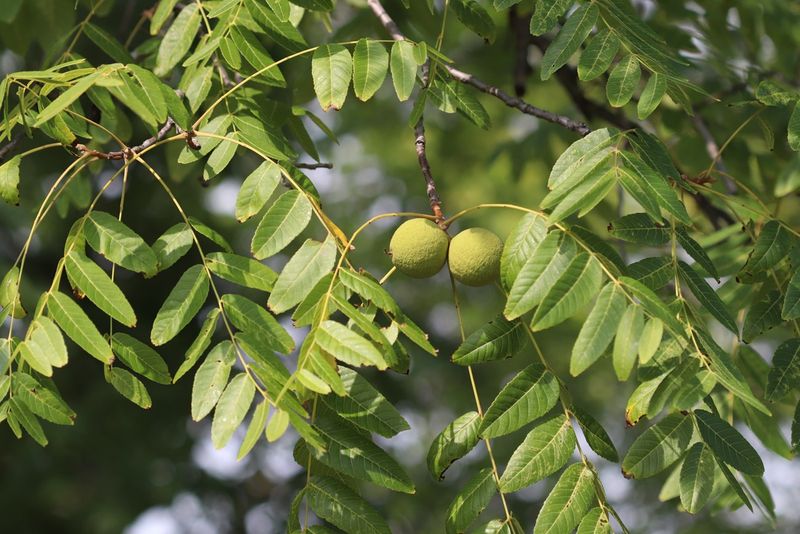
Few sounds startle me quite like a black walnut thudding onto the shed roof on a quiet September afternoon.
These green, tennis-ball-sized fruits fall hard, and they leave dark stains that seem to cling to concrete for weeks.
Juglans nigra is a native Pennsylvania tree, and it often drops its leaves weeks before most neighbors start changing.
The large compound leaves carry 10 to 23 leaflets each, so early raking becomes part of the routine.
The nuts measure about 1 to 2 inches across, and the husks give off a strong, earthy smell. Wear gloves when you gather them, because the husk juice can stain your hands brown for several days.
Gardeners face another challenge under the canopy, since the roots release a compound called juglone into the soil.
Tomatoes and many other vegetables often struggle near walnut trees, so place your vegetable beds well away from them.
Personally, I think the timber and wildlife value make this tree worth keeping when it already grows nearby. Squirrels happily bury the nuts, and plenty of people crack them for rich, bold flavor in baking projects.
Try collecting fallen nuts every few days during the heaviest drop to keep stains off your driveway. A rolling nut harvester works great on lawns, and a stiff broom helps with stubborn husk bits on pavement.
Hardy in USDA Zones 4 to 9, black walnut thrives along streams and old fencerows across the state. Give it plenty of space, and you will enjoy shade while managing the messy season much more easily.
3. Ginkgo
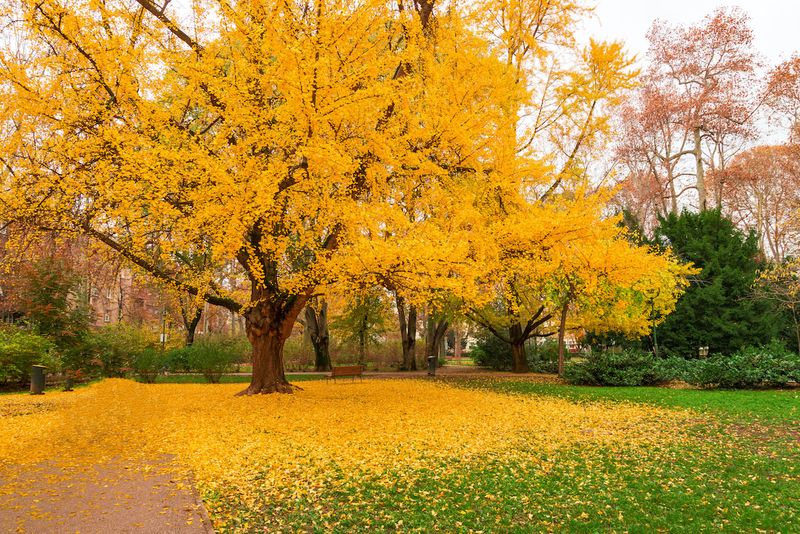
Walk past a female ginkgo in late October, and your nose will likely notice the problem before your eyes. The squishy fruits smell a lot like rancid cheese, and people often compare the odor to something much worse.
Ginkgo biloba is often called a living fossil, since its family line stretches back millions of years. Individual trees can live for more than 1,000 years, which makes their fan-shaped golden leaves feel even more special.
Only female trees produce the smelly fruit, because ginkgos grow as separate male and female plants.
Unfortunately, nobody can tell which sex a young seedling will become, so buying grafted male cultivars is the safer choice.
The sticky outer flesh can irritate skin, so use gloves whenever you scoop fruit from sidewalks or patios.
Grounds crews often blow the fallen fruit away from walkways quickly, because crushed pulp spreads the odor even more.
Believe it or not, the inner seeds are eaten roasted in some cuisines, though only in small amounts. I prefer leaving that adventure to experienced foragers, since raw seeds and fruit pulp can cause health problems.
Ginkgos are hardy in USDA Zones 3 to 8 and tolerate road salt, pollution, and compacted soil. That toughness explains why you see so many lining busy streets in Philadelphia, Pittsburgh, and many smaller towns.
When shopping, choose a named male variety like Autumn Gold or Princeton Sentry for odor-free shade. You will still enjoy that brilliant yellow leaf drop, which tends to happen almost overnight after a hard frost.
4. Honey Locust
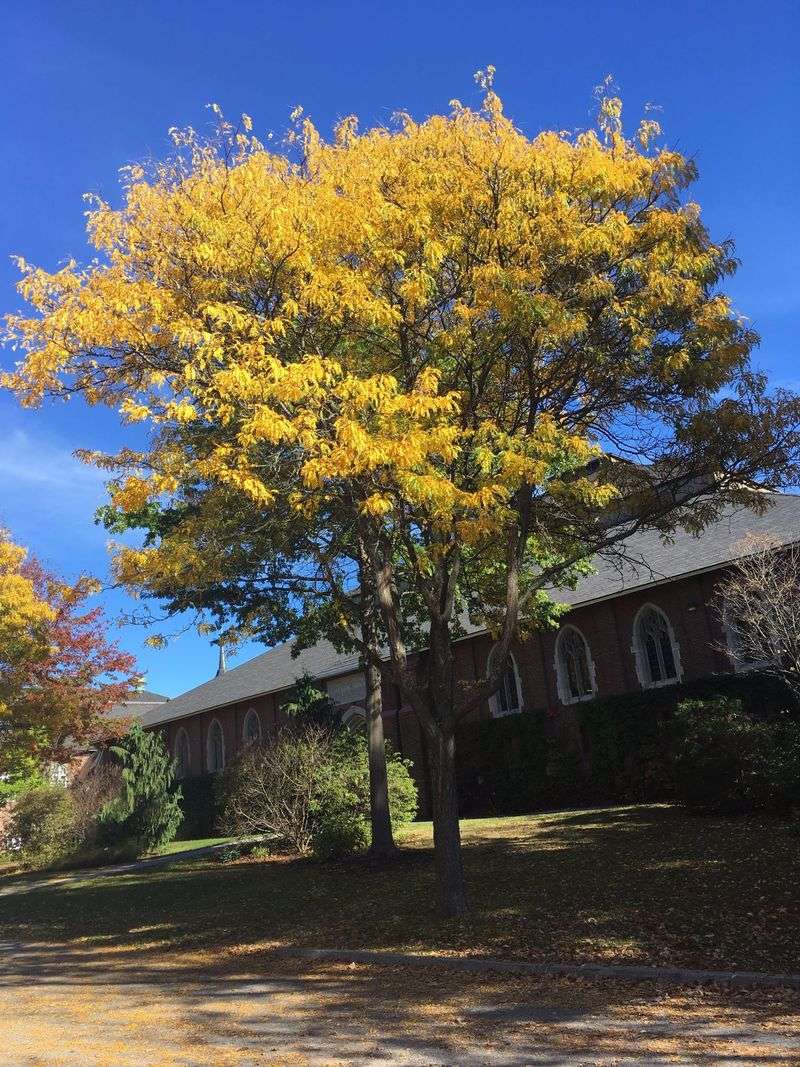
Long, twisted pods dangling from a honey locust remind me of leathery ribbons left over from a strange party. Some reach a full 18 inches, and they keep falling from autumn well into the colder winter months.
Gleditsia triacanthos is native here and grows fairly fast, which explains its popularity along streets and parking lots. Its small leaflets turn bright yellow in fall, then slip into the lawn without much raking at all.
The pods are another story, since they pile up and tangle in shrubs, gutters, and garden beds.
You may need several cleanup sessions, because many pods hang on stubbornly before finally dropping after windy storms.
The honey part of the name comes from a sweet pulp inside the pods, which wildlife eagerly enjoys. Deer, squirrels, and even cattle munch on them, so fallen pods rarely go to waste in rural yards.
Wild trees often carry fierce, branching thorns that can grow several inches long on trunks and branches.
Most landscape trees come from the thornless variety inermis, though sprouts below a graft can sometimes produce thorns again.
Look for podless cultivars such as Skyline or Shademaster if you want fewer chores each autumn and winter. These options still give the airy, dappled shade that lets grass grow beneath the canopy without much trouble.
Honey locust is hardy in USDA Zones 3 to 9 and handles drought, pollution, and brief standing water. Plant it in full sun with well-drained soil, and it will settle in quickly for many years.
5. American Sycamore
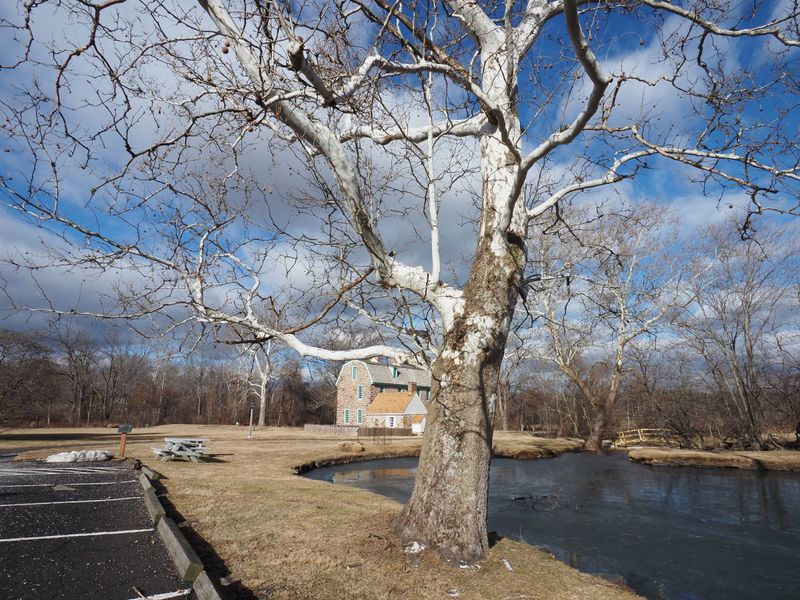
Along creek banks, sycamores glow like pale giants, with ghostly white upper branches that seem lit from inside. That eerie look comes from bark peeling away in thin flakes, revealing smooth, creamy layers underneath.
Platanus occidentalis sheds bark as a normal part of growing, since the outer layer cannot stretch with the trunk. The flakes drift across lawns all year, adding to the large leaves and fuzzy seed balls that fall later.
Those round seed balls cling to branches through winter, then break apart into fluffy bits that blow everywhere. I have found them stuck in screen doors and tangled in my hair after a breezy spring walk.
Healthy peeling may actually help the tree shed fungi, pollutants, and pests that settle on older bark.
So if your sycamore looks patchy and camouflaged, you can relax, since that pattern usually signals normal growth.
These native trees reach 70 to 100 feet tall and spread wide, so they need serious elbow room. Their strong roots can lift sidewalks and driveways, so plant them well away from paved surfaces and foundations.
Sycamores are hardy in USDA Zones 4 to 9 and thrive in wet, average, or even polluted urban sites. They make great choices for large properties near streams, where their shade and erosion control really shine.
Keep a leaf blower handy, because bark chips and big leaves pile up quickly on patios and decks. Composting the leaves works well, though they break down slowly unless you shred them with a mower first.
6. Pin Oak
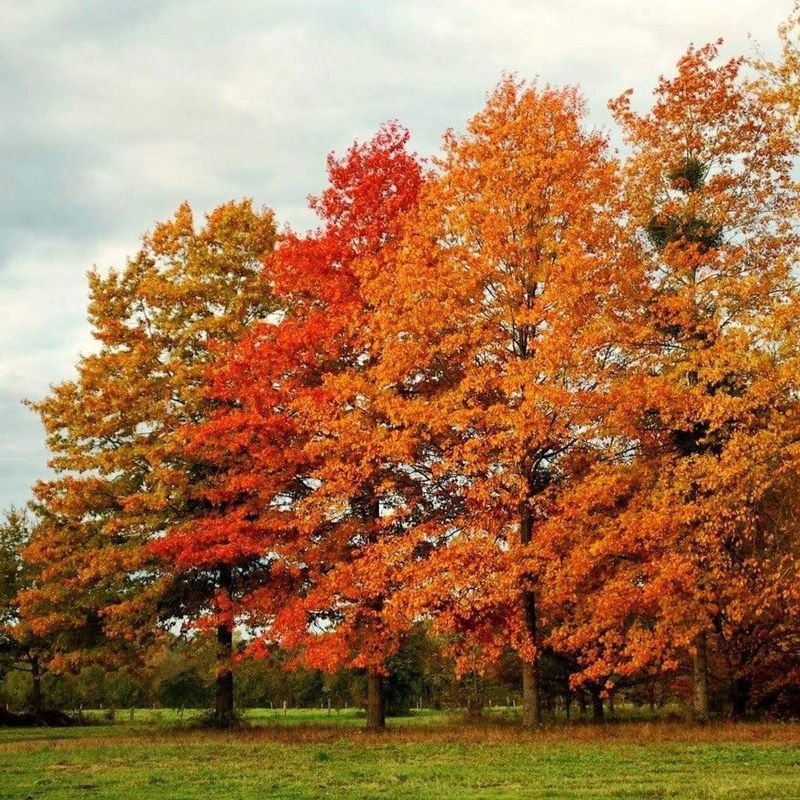
Tiny acorns from a pin oak can sound like popcorn on a deck roof when a breeze rolls through. These little nuts measure about half an inch across, but the sheer number keeps homeowners busy every fall.
Quercus palustris drops its acorns from September through November, so cleanup becomes a regular weekend task.
The acorns crunch underfoot on driveways, and they can roll under shoes on steps, so sweep walkways often.
I love the shape of this tree, with its neat pyramid outline and lower branches angling gently downward. Its glossy leaves have deep, rounded notches with bristly tips, and they turn rich red in autumn.
Many leaves cling to branches into winter, then fall in batches during snowy or windy stretches. That means you might rake twice, once in fall and again during early spring before new growth appears.
Wildlife adores these acorns, and deer, squirrels, and chipmunks visit often to fill up before cold weather. Leaving a few under nearby shrubs can support backyard critters while still keeping lawns and paths fairly tidy.
Pin oak prefers acidic soil, and its leaves may turn yellow in alkaline ground from a condition called chlorosis. A soil test from Penn State Extension can help you check pH before planting this native shade tree.
Hardy in USDA Zones 4 to 8, pin oak tolerates wet spots and even some standing water. Prune it during late winter dormancy, which reduces the risk of spreading oak wilt to healthy trees nearby.
7. Kentucky Coffeetree
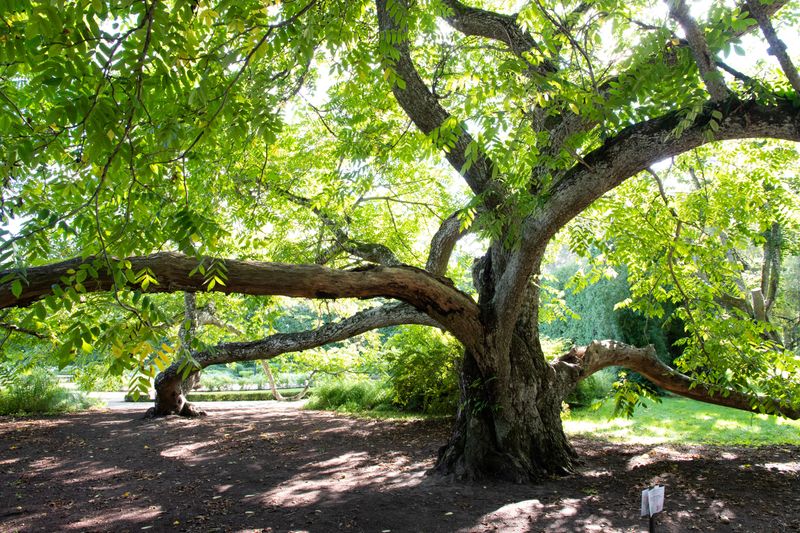
Bare winter branches on a Kentucky coffeetree often hold dark, leathery pods that rattle like castanets in the wind.
These chunky pods measure 4 to 10 inches long, and they eventually tumble onto lawns and sidewalks below.
Gymnocladus dioicus is native to Pennsylvania, though you may not spot one often in neighborhood yards. Only female trees make pods, and each one holds hard seeds wrapped in a sweet, sticky green pulp.
Safety matters here, since the seeds, pulp, and leaves are poisonous if eaten raw by people or animals. Keep curious dogs and small children away from fallen pods, and gather them promptly with gloves and a bucket.
The leaves are truly huge, sometimes reaching 3 feet long, with many small bluish-green leaflets. They turn yellow in fall, and the tiny leaflets drop first, followed later by the long central leaf stems.
What surprises me most is how tough this tree can be in difficult urban spots across many cities. It tolerates drought, salt, wind, pollution, and alkaline soil, which makes it a sturdy choice for exposed sites.
Growing 60 to 80 feet tall, this tree develops a bold, open branching pattern that looks striking against snow. Its coarse winter outline adds interest when most other trees look plain and gray against the sky.
Choose a male cultivar such as Espresso if you want the beauty without the pods and their risks. Plant it in full sun with moist, well-drained soil, and it will reward you for many decades.