The Drought-Proof Pennsylvania Native Shrub That Replaces Boxwood Along Driveways
Boxwood has been the default driveway shrub in Pennsylvania landscapes for decades. Tidy, structured, evergreen, and reliably available at every garden center in the state.
But boxwood is showing its limitations as Pennsylvania summers grow hotter and drier, and the combination of disease pressure, drought stress, and the ongoing attention these shrubs demand is pushing more homeowners to look for something better.
There is one native Pennsylvania shrub that replaces boxwood along driveways so effectively that most people who make the switch never look back.
It holds its structure through every season, stays looking sharp without constant shearing, and handles dry stretches that would push a stressed boxwood into decline.
Once established, it manages itself with a self sufficiency that boxwood, even in ideal conditions, never quite achieves.
And unlike boxwood, which contributes almost nothing to the local ecosystem, this native shrub actively supports the birds, pollinators, and beneficial insects that a healthy Pennsylvania yard depends on.
Northern Bayberry Handles Dry Driveway Conditions
Most shrubs throw a fit when the rain stops coming. They droop, turn yellow, and beg for attention.
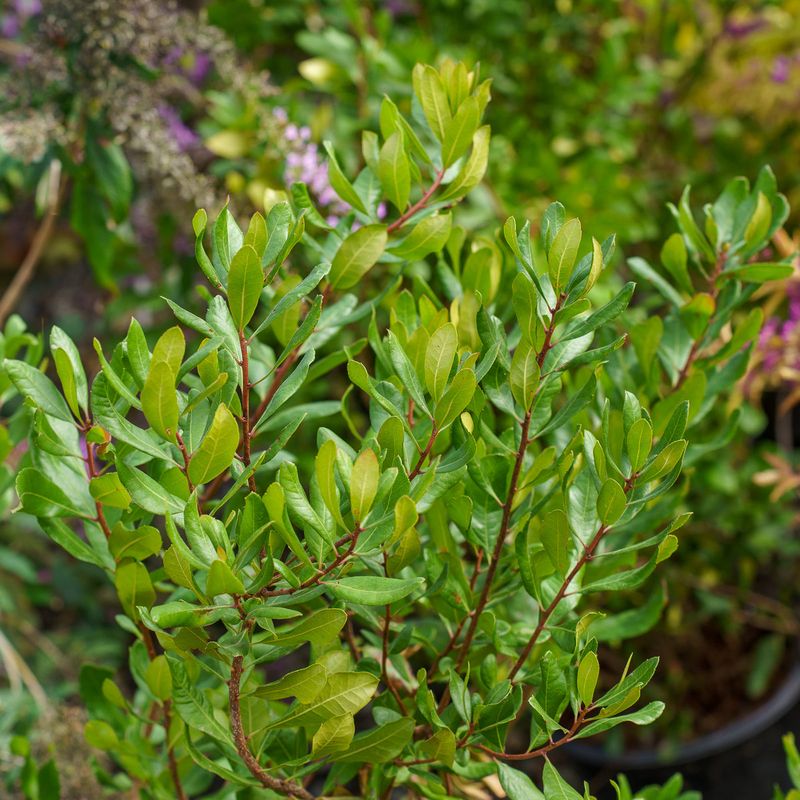
Northern bayberry (Morella pensylvanica) is not most shrubs. Born and raised in the tough coastal and inland regions of the northeastern United States, this plant has learned to thrive where others struggle.
Along driveways, soil conditions tend to be rough. The ground near pavement heats up fast, dries out quickly, and often lacks the rich nutrients that pampered garden plants expect.
Northern bayberry actually does fine in sandy, gravelly, or low-nutrient soils. It has a partnership with soil bacteria that helps it pull nitrogen straight from the air, so it feeds itself even when the ground offers very little.
Once established after its first season or two, bayberry rarely needs supplemental watering. Compare that to boxwood, which can struggle badly during hot, dry Pennsylvania summers and may need regular irrigation to stay healthy.
Bayberry roots dig deep and spread wide, anchoring the plant and pulling up whatever moisture is available underground.
For homeowners who want a hedge that does not demand constant attention, this trait alone makes bayberry worth considering. You plant it, give it a little water while it gets settled, and then mostly let it do its own thing.
It handles the dry stretches that catch other shrubs off guard. Practical, tough, and genuinely low-maintenance, Northern bayberry earns its place along the driveway by simply refusing to give up when conditions get hard.
That kind of reliability is hard to find in a landscape plant.
It Tolerates Salt Better Than Many Ornamentals
Winter in Pennsylvania means road salt, and lots of it. Every time a plow goes by or a car pulls in, salty slush splashes onto whatever plants are growing along the driveway edge.
For many popular ornamentals, that salt spray is a real problem. Boxwood, arborvitae, and other common hedge plants can show brown, burned-looking foliage after a rough winter of salt exposure.
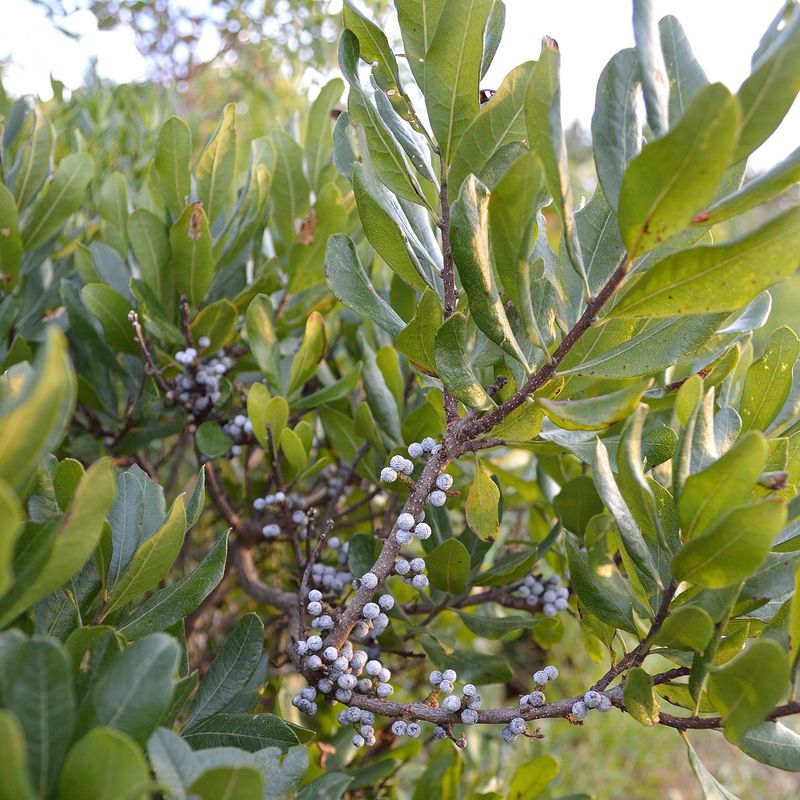
Northern bayberry handles this challenge much better than most. Its waxy, semi-glossy leaves resist salt absorption, and its roots tolerate salty soil conditions that would stress out more sensitive plants.
Your Pennsylvania Garden Changes Every Week. Your Plan Should Too.
Gardening in Pennsylvania changes quickly throughout the season. Every Friday you’ll receive a simple weekly plan showing exactly what to plant, prune, fertilize, harvest, and protect so you never miss the right timing.
This is not a coincidence. Bayberry naturally grows along coastlines, roadsides, and exposed edges where salt in the environment is just part of everyday life. It evolved to handle it.
For driveway plantings in Pennsylvania, this salt tolerance is a huge practical advantage. You do not have to worry about wrapping your hedge in burlap every fall or building little barriers to protect it from splash.
Bayberry simply shrugs off what would damage other shrubs. That saves time, money, and frustration every single winter season.
Homeowners who have lost boxwood or other evergreen shrubs to salt damage year after year often feel defeated. Switching to a salt-tolerant native like bayberry changes that experience completely.
You get a hedge that actually looks good in spring instead of one that spends half the season recovering from winter stress.
Bayberry keeps its form and color reliably, giving your driveway a cleaner, healthier appearance from one season to the next without the worry that comes with more delicate landscape choices.
It Creates A Dense Natural Hedge
Some people love the perfectly clipped, razor-sharp look of a formal boxwood hedge. Others want something that feels a little more relaxed and natural, something that looks like it belongs in the landscape rather than being forced into a geometric shape.
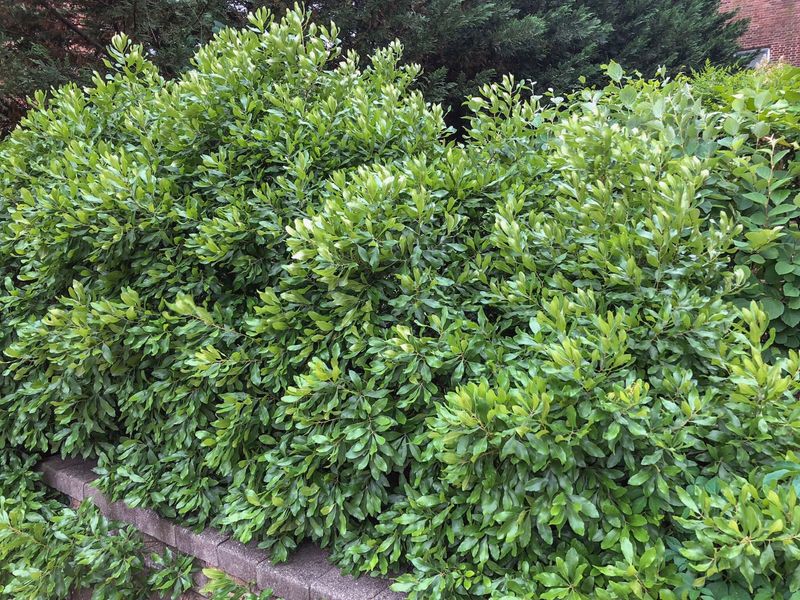
Northern bayberry lands firmly in that second camp, and that is a big part of its appeal. Bayberry grows with multiple stems rising from the base, creating a full, bushy silhouette that fills in nicely over time.
As the individual stems branch out and the plant matures, it forms a solid wall of foliage that provides real screening along a driveway.
You can block views, define the edge of your property, or simply create a sense of enclosure without relying on a plant that needs constant shaping to hold its form.
The texture of bayberry foliage adds visual interest too. The leaves are narrow and slightly glossy, with a pleasant aromatic scent when brushed or crushed.
That fragrance is a bonus you never get from boxwood, and it makes walking past the hedge a genuinely pleasant experience rather than just a neutral one.
Planting bayberry in a staggered double row along the driveway creates an even denser hedge that fills in beautifully within a few growing seasons. Space the plants about four to five feet apart to allow each one room to develop its natural shape.
Over time, the individual plants knit together into a continuous green screen. The result looks intentional and tidy without requiring the kind of obsessive maintenance that formal hedges demand. It is a natural solution that works hard with very little fuss from you.
It Needs Less Constant Shaping
Raise your hand if you enjoy spending your weekends on a ladder with hedge trimmers, trying to keep boxwood looking perfectly square. Most people would rather be doing just about anything else.
One of the best things about Northern bayberry is that it simply does not demand that kind of regular, precise maintenance to look good.
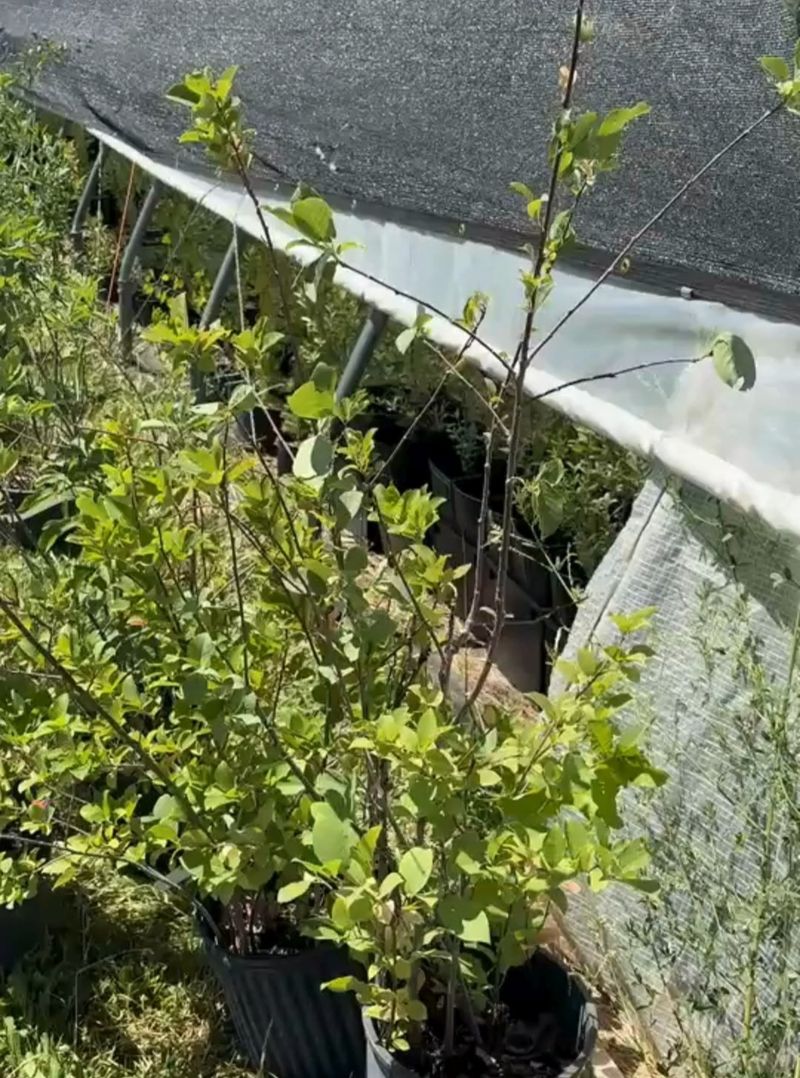
Bayberry naturally grows into a rounded, mounded form. Without any pruning at all, it develops a shape that looks intentional and attractive.
The stems fill in evenly, the plant stays relatively compact for its size, and nothing about it looks wild or unkempt. For a driveway hedge, that natural tidiness is incredibly convenient.
When some light shaping is needed, a once-a-year trim in late winter or early spring is usually enough to keep things looking fresh. You are not dealing with the weekly or biweekly trims that formal evergreen hedges often require.
A pair of hand pruners or a light pass with hedge shears takes care of the job quickly. Remove any crossing branches or stems that are growing in an awkward direction, and the plant handles the rest on its own.
Avoiding heavy pruning is actually better for bayberry in the long run. Cutting it back too hard can reduce the berry production on female plants and temporarily thin out the foliage that makes it such a good screen.
Light and infrequent is the approach that keeps bayberry looking its best year after year.
For busy homeowners who want a handsome driveway hedge without a demanding maintenance schedule, this shrub is genuinely one of the easiest choices available in the Pennsylvania landscape.
Give It Sun And Room To Spread
Sunlight is bayberry’s best friend. Plant it in a spot that gets full sun, meaning at least six hours of direct light per day, and it will reward you with the thickest, most vigorous growth possible.
Driveway edges are often perfectly suited for this because they tend to be open, sunny, and unshaded by large trees. That sunny exposure is actually a challenge for many shrubs but a sweet spot for Northern bayberry.
Partial shade is tolerable for bayberry, but the plant tends to get a bit looser and leggier when it does not get enough light. Along a driveway where you want a dense, full hedge, full sun really does make a noticeable difference in how the plant performs.
If your driveway runs along a south or west-facing edge, you have ideal conditions for bayberry to thrive.
One thing to plan for is spread. Mature bayberry plants can reach six to ten feet wide, and they spread by sending up suckers from the roots.
Over time, a single plant can become a small colony if left unchecked. Along a driveway, this suckering habit can actually work in your favor, helping fill in gaps and creating a thicker hedge naturally.
To keep things manageable, mow or clip suckers that pop up outside the area where you want the hedge to grow. This takes just a few minutes a couple of times a year and keeps the plant contained without much effort.
Give each plant at least five feet of width when you first install it, and leave a little extra room beyond that so the natural spread does not become a problem as the years go by.
Wildlife Gets An Added Benefit
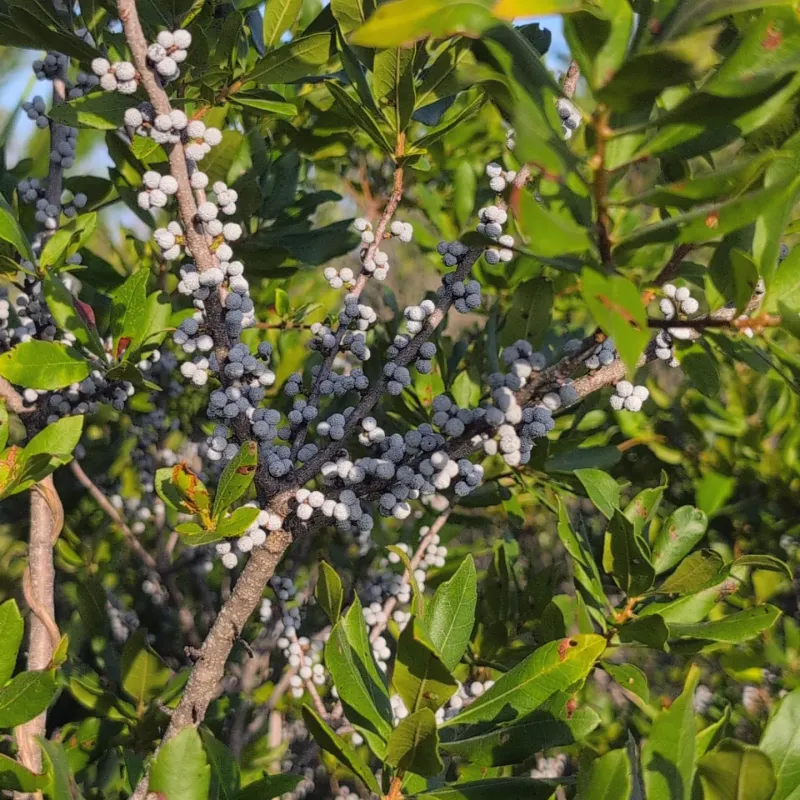
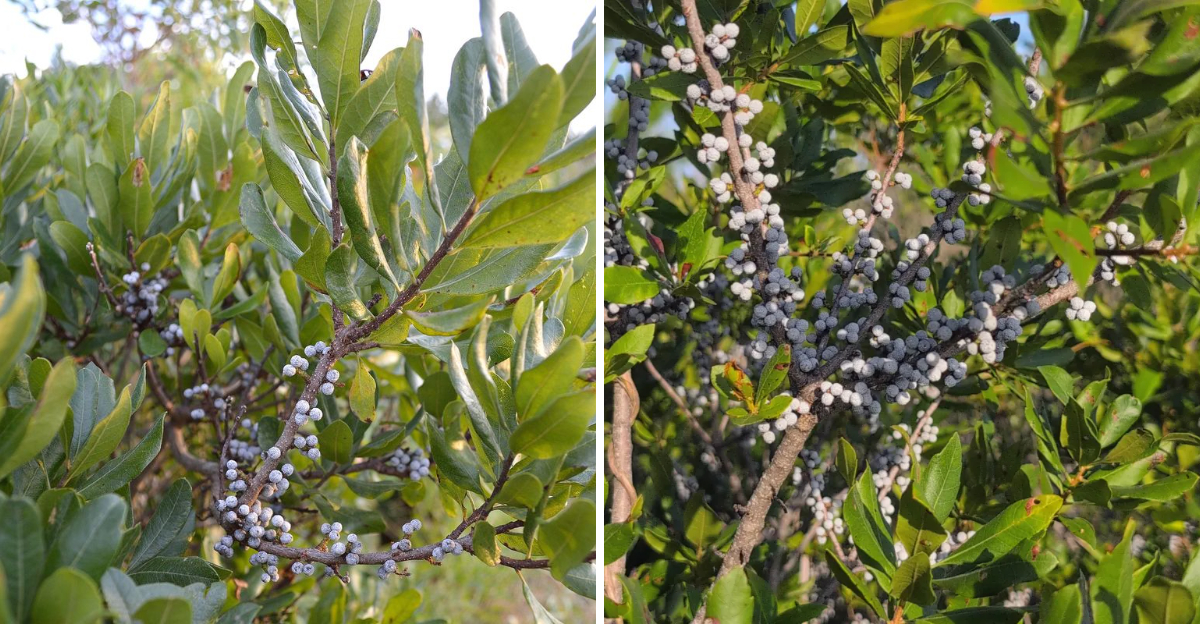
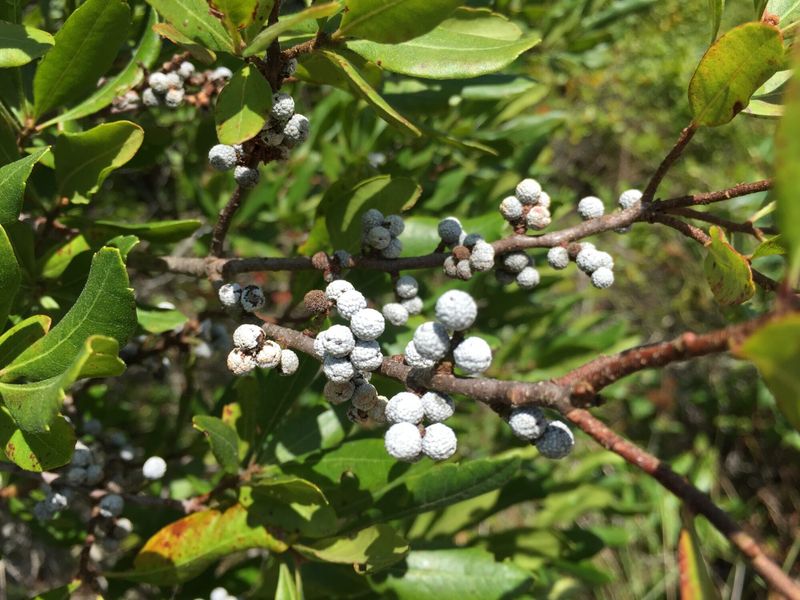
Here is something boxwood simply cannot offer: food for birds. Northern bayberry, specifically the female plants, produces clusters of small, waxy, gray-coated berries that ripen in late summer and persist well into winter.
Those berries are a valuable food source for dozens of bird species that pass through or overwinter in Pennsylvania.
Yellow-rumped warblers are especially well known for their love of bayberry fruit. Tree swallows, bluebirds, and several species of sparrows also feed on the berries during migration and cold-weather months when other food sources are hard to come by.
Planting bayberry along your driveway essentially turns your hedge into a wildlife feeding station without any extra effort or expense on your part.
To get berries, you need at least one female plant in your planting. Bayberry is dioecious, which means male and female flowers grow on separate plants.
Nurseries do not always label them clearly, so buying several plants together increases your odds of getting a mix of both. Once you have a female plant with a male nearby for pollination, berry production happens naturally every year.
Beyond the birds, the waxy coating on bayberry berries has a long history of human use too. Colonists once boiled the berries to extract the wax for making fragrant candles.
It is a fun piece of American history connected to a plant that still grows wild across Pennsylvania today. Adding bayberry to your driveway hedge means you are not just getting a tough, low-maintenance shrub.
You are bringing a little piece of native ecology right to your front yard, and the birds will absolutely notice.