The Native Ohio Plants That Spotted Lanternflies Leave Alone
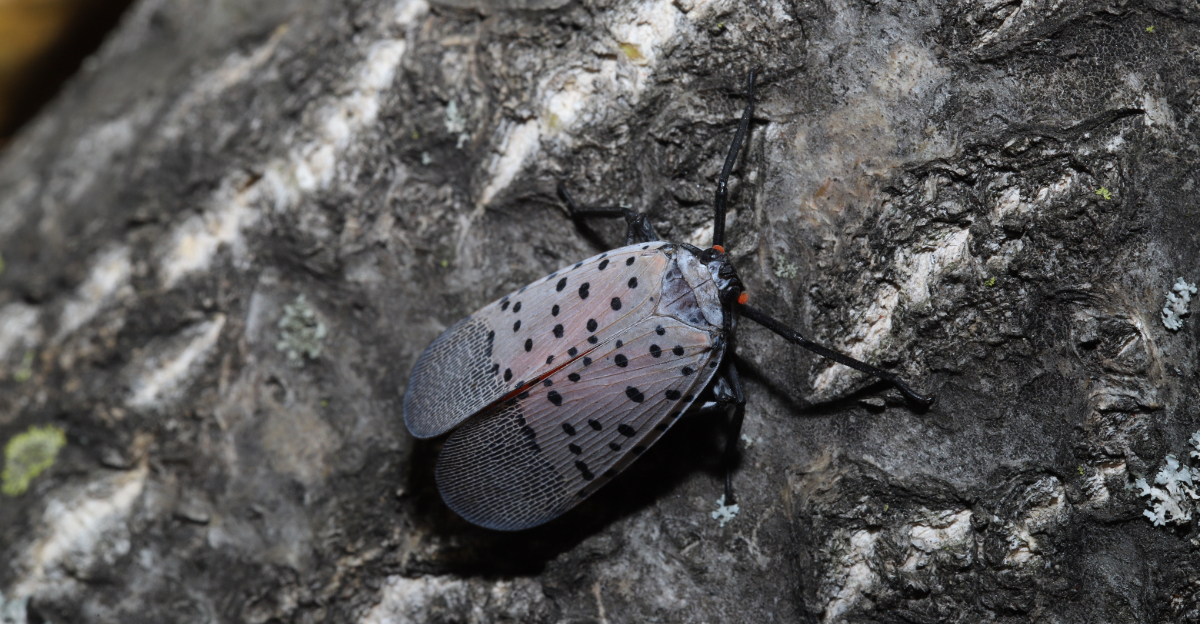
Spotted lanternflies are spreading across Ohio, and they’re not equally interested in everything growing in your yard. These pests show a clear preference.
Certain plants draw them in fast, especially one widespread invasive tree that acts almost like a magnet for the entire population.
Other plants barely register as a target at all, and a specific group of Ohio natives fall into that second category almost across the board.
That difference matters more than most gardeners realize. A yard filled with the wrong plants can turn into a lanternfly hotspot without anyone noticing why, while a yard built around the right natives stays largely ignored by comparison.
Your plant choices might already be working for or against you in this fight. A handful of natives give you a real advantage without a single spray.
1. Eastern Red Cedar Sits Low On Their Menu
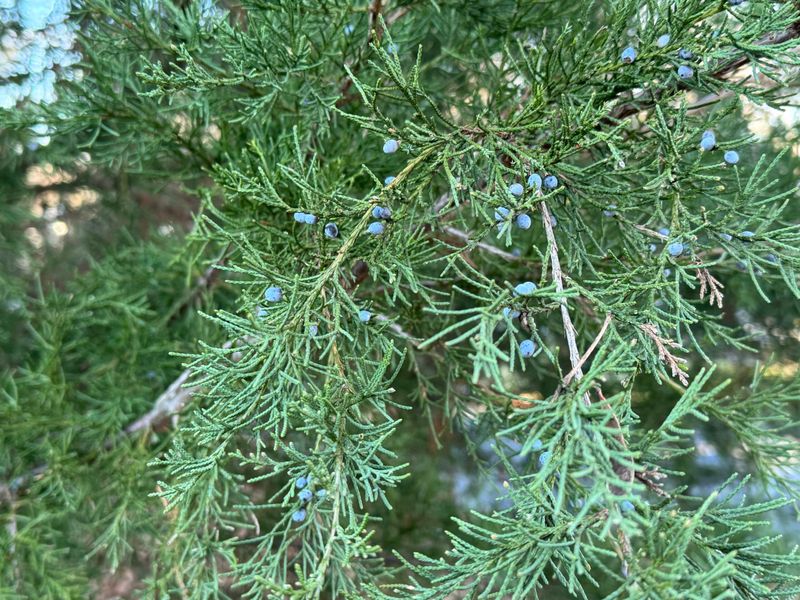
Picture a rugged, pyramid-shaped evergreen standing firm in an open field while other nearby plants attract waves of spotted lanternfly nymphs. That image captures something real about Eastern Red Cedar, known scientifically as Juniperus virginiana.
Ohio State University Extension recognizes it as a true native, naturally occurring across much of the state in fields, woodland edges, and disturbed sites.
Spotted lanternfly guidance from Penn State Extension and the USDA places conifers in the category of poor or uncommon feeding hosts. Eastern Red Cedar is a conifer, which puts it in that less-favored group.
That does not mean a spotted lanternfly will never land on the tree or crawl across its bark. Insects can rest or lay egg masses on surfaces they do not use for feeding.
The key distinction is feeding preference, and conifers like this one simply do not rank high on that list.
In the landscape, Eastern Red Cedar grows in full sun and handles dry, rocky, or clay-heavy soils with ease. Mature trees can reach 40 to 50 feet tall, though many stay smaller depending on the site.
Its dense, scale-like foliage stays green year-round, providing reliable winter cover. Birds, especially cedar waxwings, rely on its small blue berries for food.
For homeowners wanting a tough, native, low-maintenance evergreen that spotted lanternflies are unlikely to feed on heavily, Eastern Red Cedar is a strong candidate.
2. White Pine Offers A Less Tempting Target
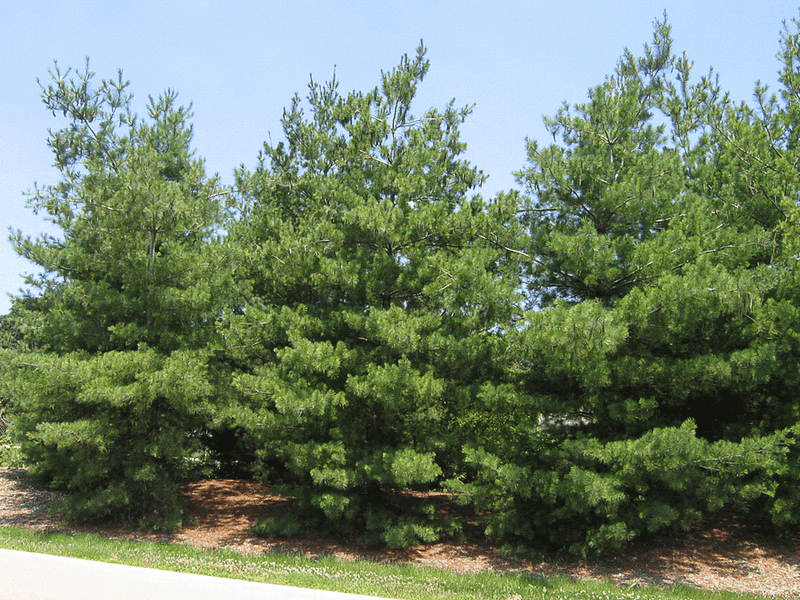
Few evergreen trees make as bold a visual statement as a mature Eastern White Pine, Pinus strobus, with its long, soft, blue-green needles sweeping gently in the breeze. Eastern White Pine is native to the state and well suited to many parts of the state.
It appears on Ohio State University Extension’s recommended native plant lists and occurs naturally in northeastern forests.
From a spotted lanternfly standpoint, pine ranks among the poor or uncommon feeding hosts according to guidance from Penn State Extension and the USDA. Choosing a tree lower on the spotted lanternfly’s feeding preference list is a reasonable strategy.
This is especially true when replacing Tree of Heaven or another highly favored host. Planting White Pine will not guarantee a yard free of spotted lanternflies, but it removes a tempting food source from the equation.
Your Ohio Garden Changes Every Week. Your Plan Should Too.
Gardening in Ohio changes quickly throughout the season. Every Friday you’ll receive a simple weekly plan showing exactly what to plant, prune, fertilize, harvest, and protect so you never miss the right timing.
Eastern White Pine grows quickly and can reach 50 to 80 feet tall at maturity, so placement matters. It needs room to spread and performs best in full sun to light shade with moist, well-drained, slightly acidic soil.
Avoid planting it in compacted urban soils or areas with heavy clay without amendment. Its dense canopy offers excellent screening along property lines.
Homeowners with smaller yards should consider its eventual size carefully before planting. For larger properties, Eastern White Pine provides evergreen structure, year-round privacy, and wildlife value.
It also ranks well below the spotted lanternfly’s preferred feeding choices.
3. Canadian Hemlock Keeps Its Native Appeal
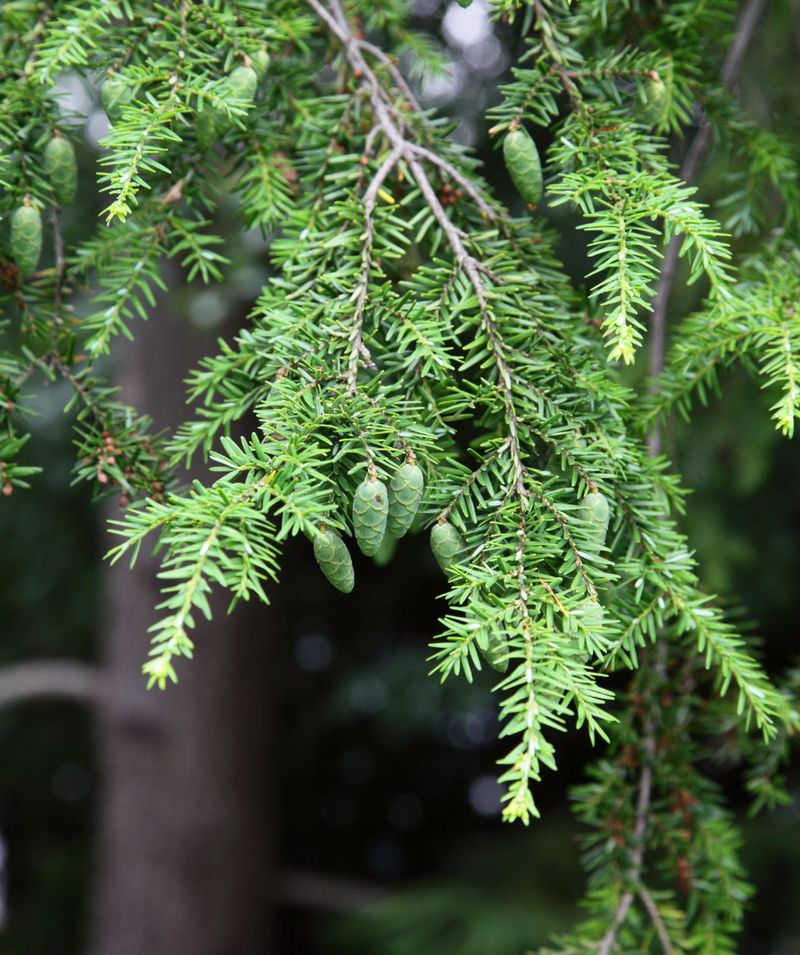
Tucked beneath a canopy of hardwoods in northeastern region, Canadian Hemlock, Tsuga canadensis, thrives where many sun-loving conifers would struggle. Ohio State University Extension confirms Canadian Hemlock as a native species.
Natural populations occur in shaded ravines, along stream banks, and on cool slopes in northeastern region. Its preference for partial to full shade makes it a genuinely useful option for spots that other conifers cannot fill.
Conifers are broadly recognized as poor or uncommon spotted lanternfly feeding hosts by sources such as Penn State Extension and the USDA.
Canadian Hemlock falls within that group, which is a reasonable point in its favor for homeowners thinking about spotted lanternfly pressure.
No plant can be called completely untouched, and egg masses can appear on almost any surface, but feeding preference is what matters most here.
Canadian Hemlock grows slowly and can eventually reach 40 to 70 feet tall in ideal conditions. Regular pruning can also maintain it as a hedge or screen.
It prefers cool, moist, well-drained soils with protection from harsh winds and drying summer heat. Gardeners should be aware that hemlock woolly adelgid poses a real threat to this species in the state.
Checking with Ohio State University Extension for current pest management guidance before planting is a smart step.
Still, for shaded native landscapes where spotted lanternfly pressure is a concern, Canadian Hemlock brings genuine evergreen structure and ecological value.
4. Common Juniper Adds Tough Evergreen Cover
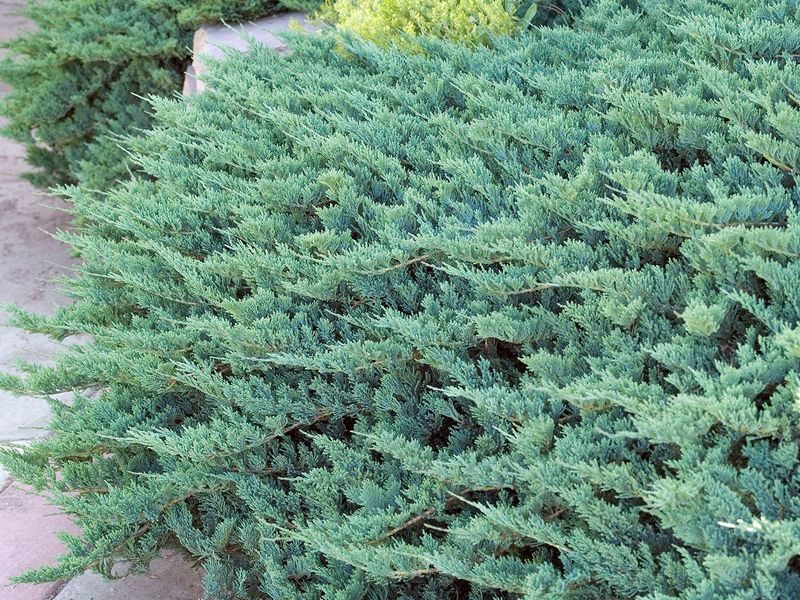
Low to the ground and surprisingly tough, Common Juniper, Juniperus communis, earns its place in landscapes through sheer resilience.
The State University Extension lists it as a native species found in Ohio, typically growing on dry, rocky, or sandy sites with excellent drainage and full sun.
Its spreading, mat-like form sets it apart from upright cedar trees, making it a distinct option for ground-level evergreen coverage.
Junipers as a group, including Eastern Red Cedar and Common Juniper, belong to the conifer family. Penn State Extension and the USDA identify conifers as generally poor or uncommon feeding hosts for spotted lanternflies.
That said, Common Juniper is not immune to all spotted lanternfly interactions. Insects may still rest on its branches or deposit egg masses on its stems, just as they might on fences, rocks, or other surfaces.
Feeding preference is the meaningful measure, and junipers rank low on that scale.
In the right site, Common Juniper requires very little maintenance once established. It tolerates drought, poor soil, and exposed conditions that would challenge many other native shrubs.
Its needle-like foliage is prickly, which can deter browsing animals and make it useful along slopes or in naturalized areas. Mature spread varies but often reaches 4 to 8 feet wide.
Common Juniper is a practical choice for homeowners seeking a native, low-growing, sun-loving evergreen. Spotted lanternflies are also unlikely to feed on it heavily.
5. Virginia Pine Fits Ohio’s Drier Ground
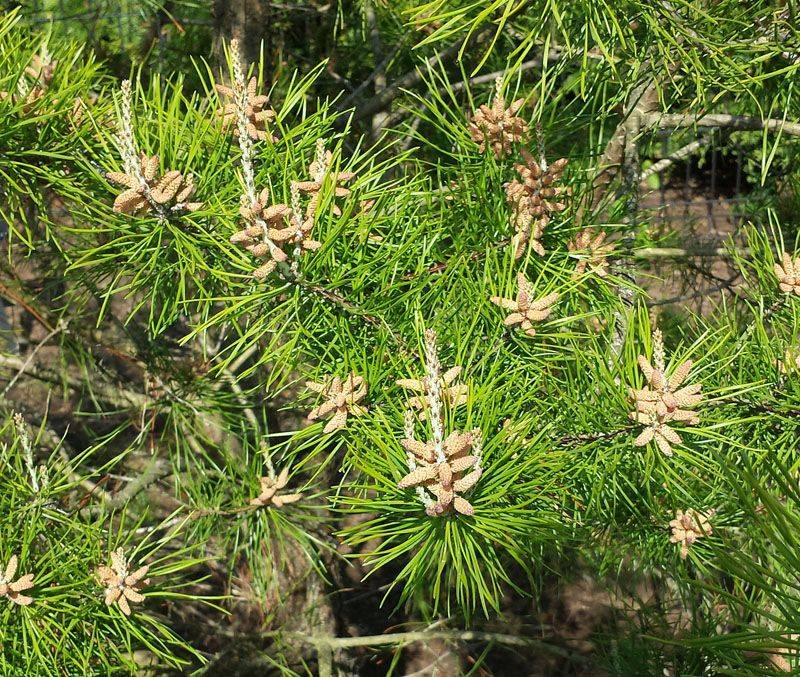
Rocky ridges, dry slopes, and thin, acidic soils are exactly where Virginia Pine, Pinus virginiana, tends to feel most at home. Virginia Pine is native to portions of southeastern region.
The USDA PLANTS database and regional horticultural sources recognize it as a native species in the state. Its natural range hugs the Appalachian foothills, which means it is genuinely adapted to some of more challenging terrain.
As a pine, Virginia Pine belongs to the conifer group that Penn State Extension and the USDA identify as poor or uncommon feeding hosts for spotted lanternflies.
Selecting a conifer over a highly favored host, such as Tree of Heaven, grapevine, or hops, is a reasonable strategy for reducing feeding pressure in a yard.
No conifer provides complete protection, and spotted lanternflies may still use any plant or surface for resting or egg laying.
Virginia Pine has a naturally irregular and sometimes twisted form. It suits naturalized plantings, wildlife gardens, and informal windbreaks better than tight formal landscapes.
Mature trees typically reach 15 to 40 feet tall, depending on site conditions. Full sun and well-drained, dry to moderately moist soil give it the best start.
Avoid planting it in heavy clay or wet areas where it will not perform well. Virginia Pine works well for dry, difficult sites in southeastern Ohio.
It brings native character and wildlife value while ranking low on the spotted lanternfly’s preferred feeding list.
6. Pitch Pine Handles Tougher Garden Sites
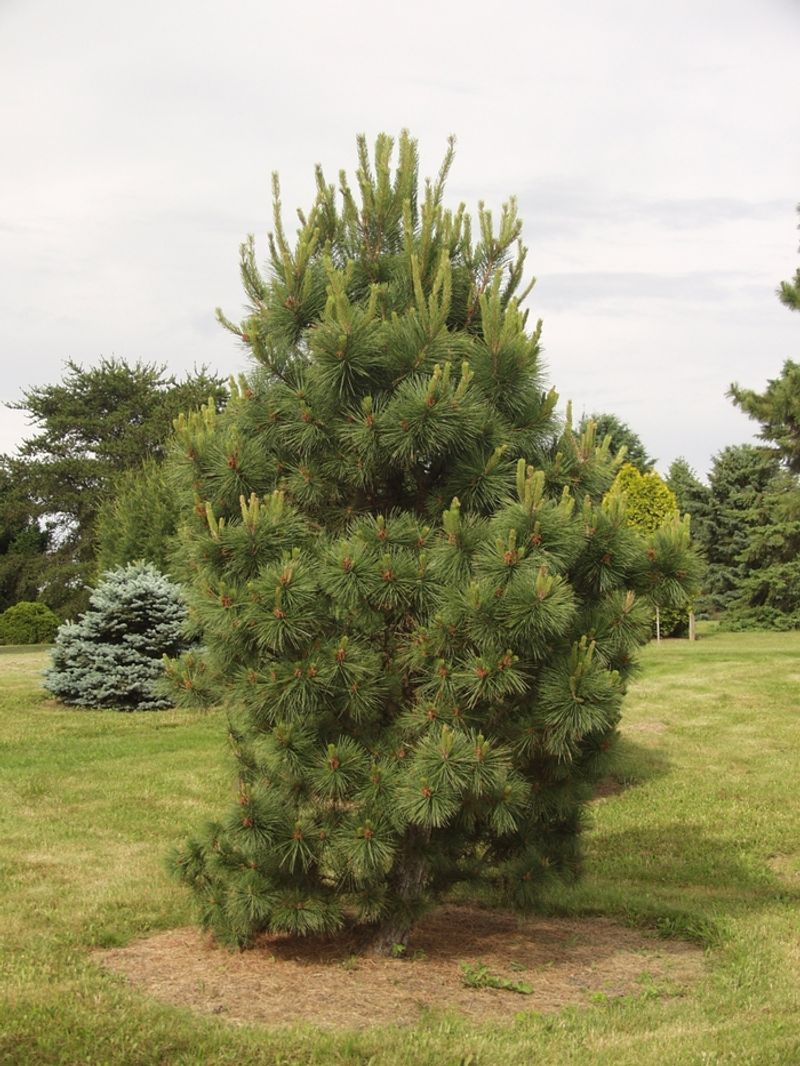
Gnarly, thick-barked, and built for adversity, Pitch Pine, Pinus rigida, is one of the most stress-tolerant native pines found in the state. The USDA PLANTS database confirms Pitch Pine as native to Ohio, particularly in the northeastern and eastern parts of the state.
It historically grew on dry, sandy, or rocky sites with poor, acidic soils. Its reputation for handling difficult conditions is well-earned and well-documented.
Pitch Pine is a conifer, and conifers are broadly listed as poor or uncommon feeding hosts for spotted lanternflies by Penn State Extension and the USDA.
Homeowners dealing with spotted lanternfly pressure near highly favored hosts may find value in adding native conifers like Pitch Pine to their landscape plan.
That said, no pine or conifer should be treated as fully off-limits to spotted lanternflies. Egg masses can appear on bark, and insects may rest on branches without actively feeding.
Mature Pitch Pines can reach 40 to 60 feet tall under good conditions, though trees on poor sites often stay smaller and develop a more open, sculptural shape. Full sun and dry, well-drained, sandy or gravelly soil suit it best.
Pitch Pine is not a good fit for average suburban yards with rich, moist soil. It belongs on the right site, chosen for the right reasons.
Pitch Pine offers real native value in naturalized areas, habitat plantings, and challenging dry ground in eastern region. It also ranks low on the spotted lanternfly feeding scale.
7. Canadian Yew Brings Greenery Into Shade
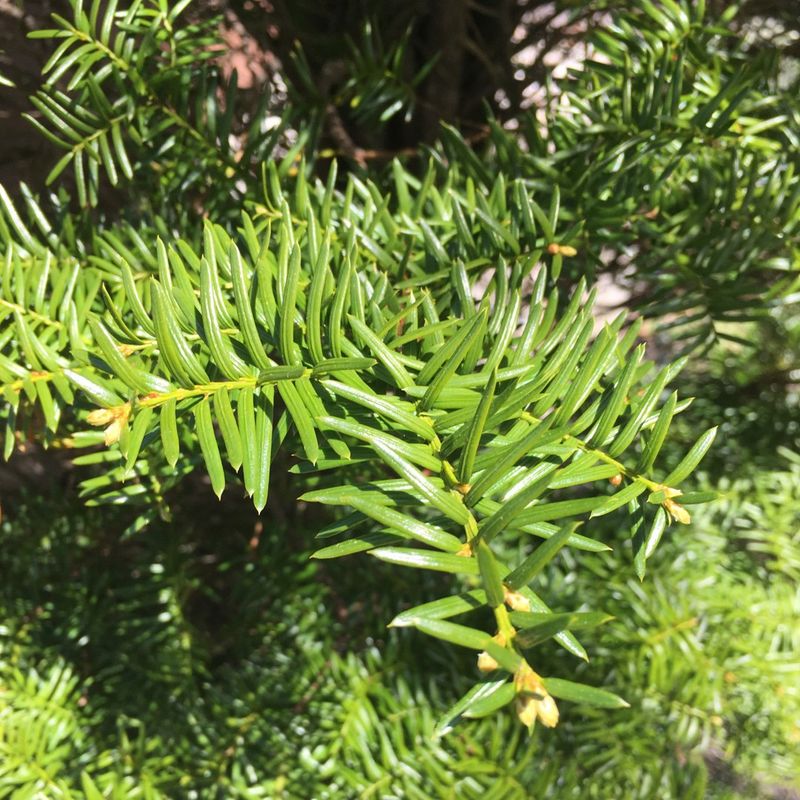
Shaded corners of the yard that feel bare and forgotten in winter can come alive with Canadian Yew, Taxus canadensis. The State University Extension and the USDA PLANTS database confirm Canadian Yew as native to Ohio.
It naturally occurs in shaded, moist woodland understory settings across parts of the state. Its low, spreading form fills in beneath taller trees where few other evergreen shrubs can thrive.
Yews are not pines or junipers, so their spotted lanternfly feeding relationship deserves careful handling.
Penn State Extension and the USDA broadly identify conifers and related plants as poor or uncommon feeding hosts compared to highly favored species like Tree of Heaven.
Yews are gymnosperms, related to but distinct from pines and junipers. Published Extension research on spotted lanternfly feeding specifically on Taxus canadensis is limited.
The broader group of less-preferred, non-flowering woody plants generally appears to receive less feeding attention. Treating it as a guaranteed safe option would overstate the evidence.
Canadian Yew typically grows 3 to 6 feet tall and spreads wider than its height, making it a useful ground-level native for shaded sites. It prefers moist, well-drained soil and does not tolerate drought or heavy sun exposure well.
Planting it in the right shaded location gives it the best chance to establish and thrive. Canadian Yew is worth considering for gardeners seeking a native, low-growing, shade-tolerant evergreen.
It also has a relatively low profile for spotted lanternfly feeding pressure.
8. Northern White Cedar Adds Dense Native Cover
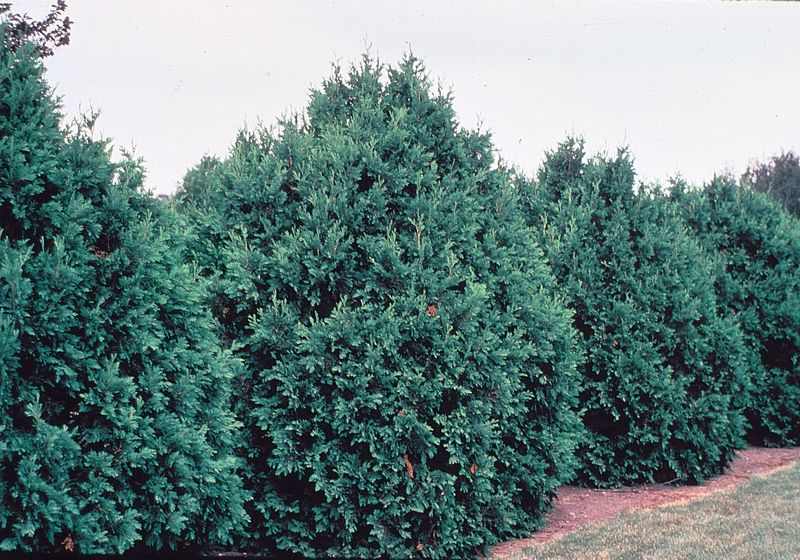
Along the edges of wetlands, limestone outcroppings, and cool, moist lowlands, Northern White Cedar, Thuja occidentalis, grows in its natural element.
The USDA PLANTS database and Ohio State University Extension confirm its native status in the state, with natural populations found mainly in northern parts of the state.
Its dense, scale-like foliage and columnar form make it a popular choice for hedges, screens, and wildlife plantings.
Northern White Cedar is a conifer. Penn State Extension and the USDA consistently place conifers in the poor or uncommon feeding host category for spotted lanternflies.
That does not mean spotted lanternflies will never interact with the tree. Egg masses can be deposited on almost any flat, rough surface, including tree bark, fence posts, and outdoor furniture.
Inspecting Northern White Cedar and nearby surfaces for egg masses in fall and winter remains a smart practice, even if the tree ranks low as a feeding host.
Mature Northern White Cedar can reach 25 to 40 feet tall, and many cultivated forms stay more compact. It performs best in full sun to partial shade with moist, well-drained soil, though it tolerates wet conditions better than many conifers.
Choosing any native plant for your yard should start with matching the plant to your actual site conditions, including light, moisture, soil type, and available space. A native conifer planted in the wrong spot will struggle regardless of its spotted lanternfly profile.
Get the site right first, and Northern White Cedar will reward you with dense, reliable evergreen cover for many years.