The Eight Legged Hitchhiker Still Waiting In California Leaf Litter In Late Fall
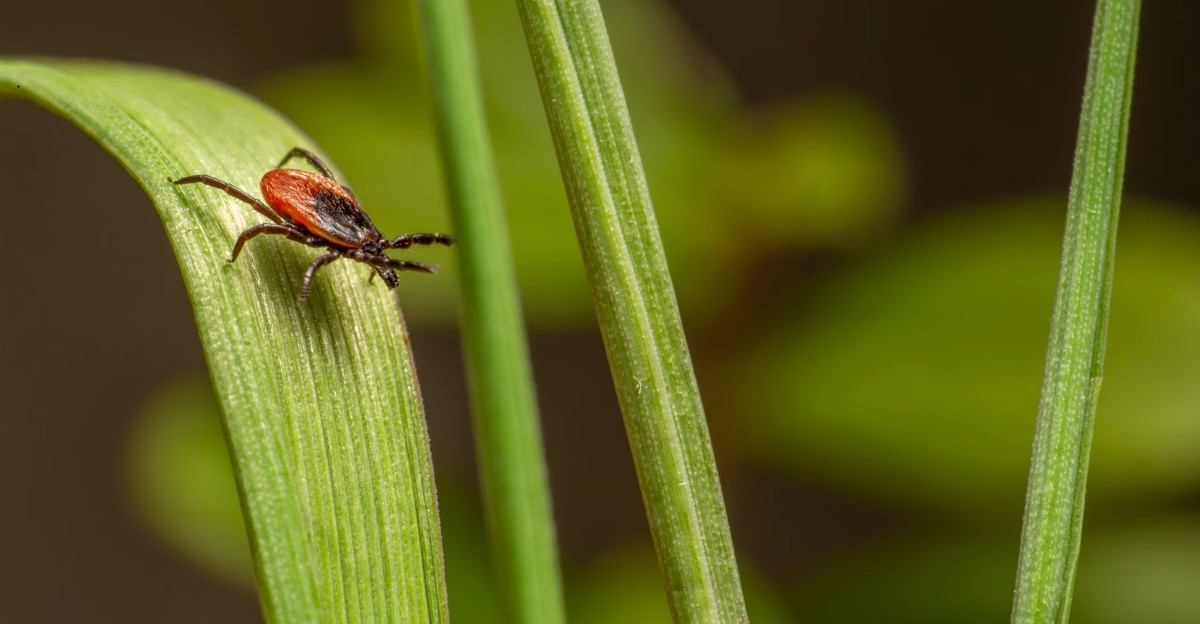
A creature the size of a sesame seed can survive many months between meals, and it spends that time simply waiting. It climbs a blade of grass, stretches out its front legs, and holds on for whoever brushes past.
That waiting game picks up after the first fall rains in California. Cooler air and damp leaves suit this tiny traveler far better than the dry heat of summer.
I’ll admit, the first time I found one on my sleeve after raking under an oak, my skin crawled for an hour. You may have carried one indoors without noticing, since many are smaller than a freckle.
The quiet part is what gets me. No buzzing, no bite you feel right away, and no warning sign on the leaf pile. So who exactly is hiding in that crunchy layer, and how do you keep it from catching a ride?
That Tiny Hitchhiker Under The Oak Leaves Is Right On Schedule
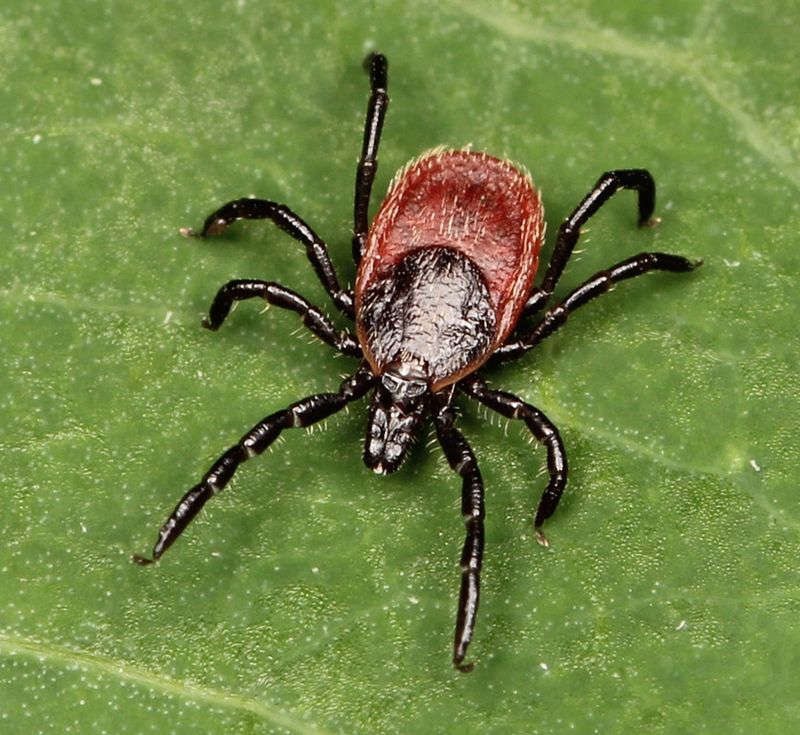
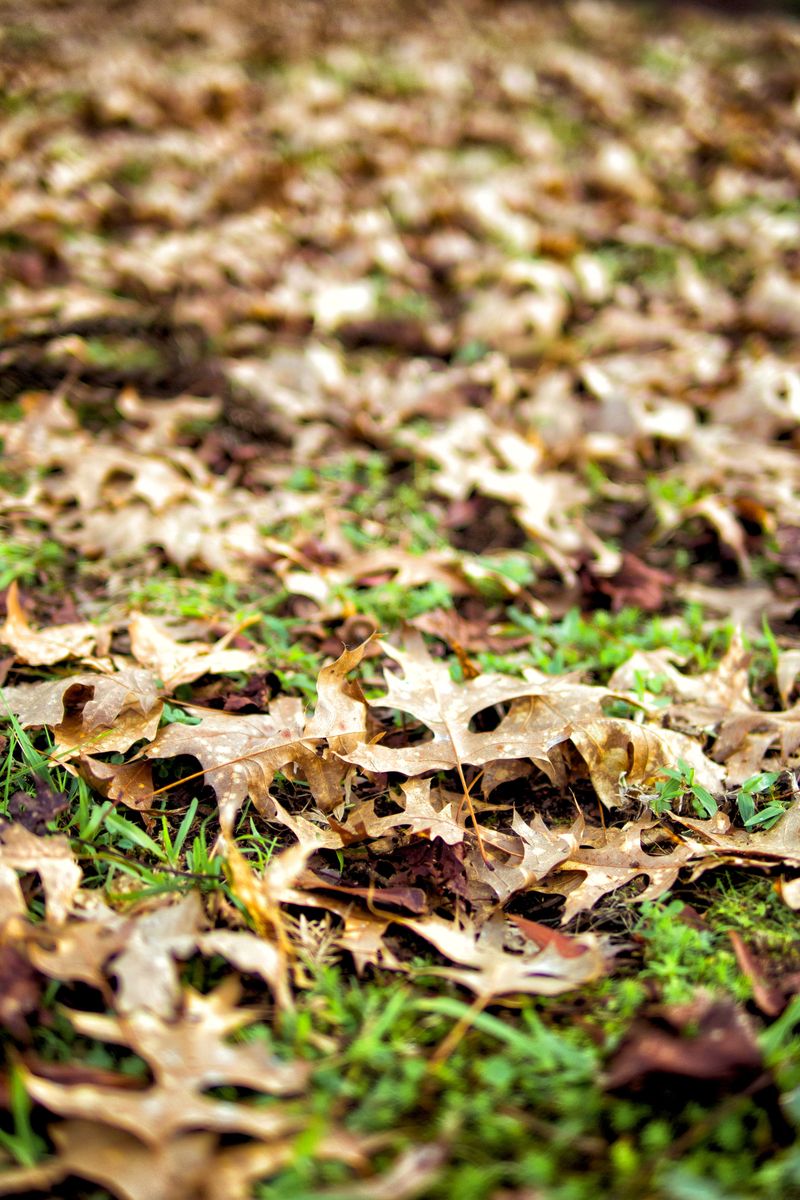
Raking under a coast live oak in November feels peaceful, but the leaf pile has a tenant. The western blacklegged tick, Ixodes pacificus, is the most likely eight-legged hitchhiker hiding there this time of year.
Spiders get blamed for a lot, yet they rarely ride along on people. Ticks are built for it. They cannot jump or fly, so they wait on leaves, logs, and plant stems until a deer, dog, or gardener brushes by.
Research from UC Berkeley and public health teams found young ticks, called nymphs, living in oak leaf litter, on fallen logs, and even on tree trunks. Those shady spots stay damp, which keeps these tiny creatures from drying out.
Adults are the bigger story in late fall. They are about the size of a sesame seed, with a dark shield and dark legs, and they become active after the first good rains. Females are easier to spot thanks to their orange-red back half.
So that speck on your glove probably is not lost or confused. It is doing exactly what its kind has done for ages, sitting patiently in a cool, moist spot. Knowing who it is makes the rest of your garden chores much less spooky.
Western Blacklegged Ticks Love The Cool, Rainy Months
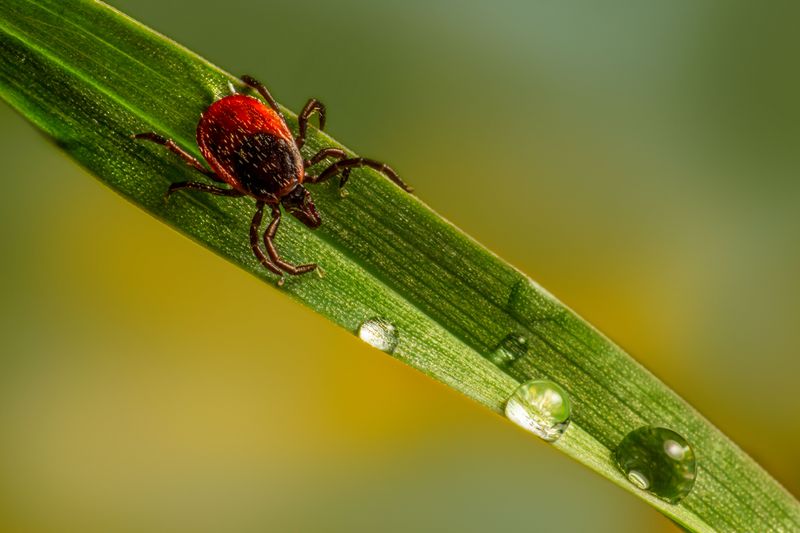
Cool, drizzly weather sends most of us indoors, but it brings adult western blacklegged ticks out. According to the California Department of Public Health, adults are most active from late fall through early spring, roughly November to April.
Moisture is the secret. Ticks lose water easily, so the dry summer in much of the state keeps them tucked low. Once rains soak the ground and leaves, they can climb up and wait without shriveling.
Nymphs follow a different calendar. They peak in spring and early summer, and they mostly stay in leaf litter, on logs, and around rocks. That means a fall tick is usually a grown-up, while spring brings the tiny ones.
Regional differences matter too. Humid north coast counties and the Sierra Nevada foothills tend to see more ticks than the low desert, where heat and dryness make life hard for them. Western blacklegged ticks have been found in 56 of the state’s 58 counties, so wooded areas almost anywhere deserve a little caution.
For gardeners, this timing is handy to know. Late fall is when you pull summer annuals, spread mulch, and rake oak leaves, all of which put your hands right in tick territory. A mild afternoon after a storm is prime time for questing adults.
Watch For Ticks Waving Their Front Legs From Grass Tips
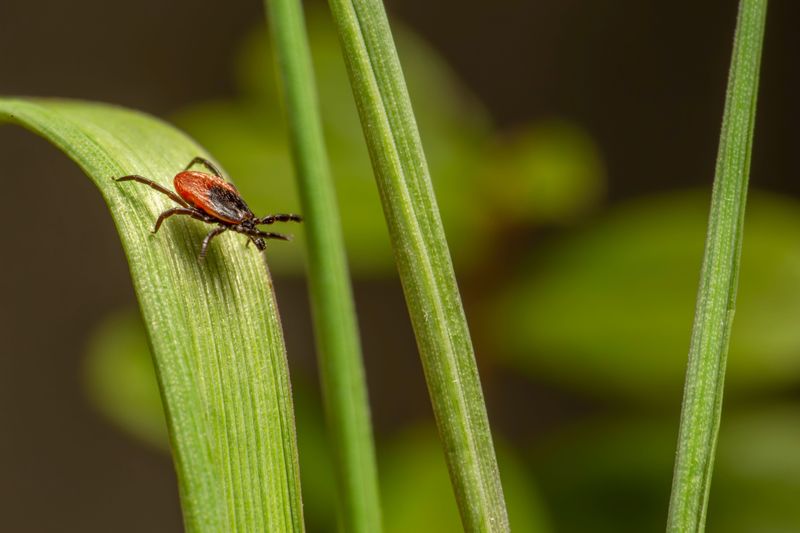
Lean close to a trailside grass blade after a rain and you might see something odd. A tiny dark creature clings to the tip, its front legs stretched wide like it wants a hug.
Scientists call this questing. Those front legs carry special sensors, known as Haller’s organs, that pick up carbon dioxide, body heat, and movement. When you walk by, the tick grabs your sock or pant leg and starts climbing.
Adult ticks usually quest on grasses and low shrubs, often about knee height or lower. Nymphs stay closer to the ground in leaf litter, so sitting on a log or kneeling in an oak bed puts you at their level.
Once aboard, a tick often wanders for a while before settling in. Western blacklegged ticks like warm, hidden spots such as behind knees, around waistbands, and along the hairline. Hikers along the coast and foothills notice this most from November through spring.
You can use this behavior to your advantage. Walk in the center of paths, avoid brushing against overgrown edges, and tuck pants into socks when working in brushy corners. Light-colored clothing makes a crawling speck easier to see, and your fashion sense will recover faster than you think.
Blue-Bellied Fence Lizards Quietly Help Lower Lyme Disease Risk
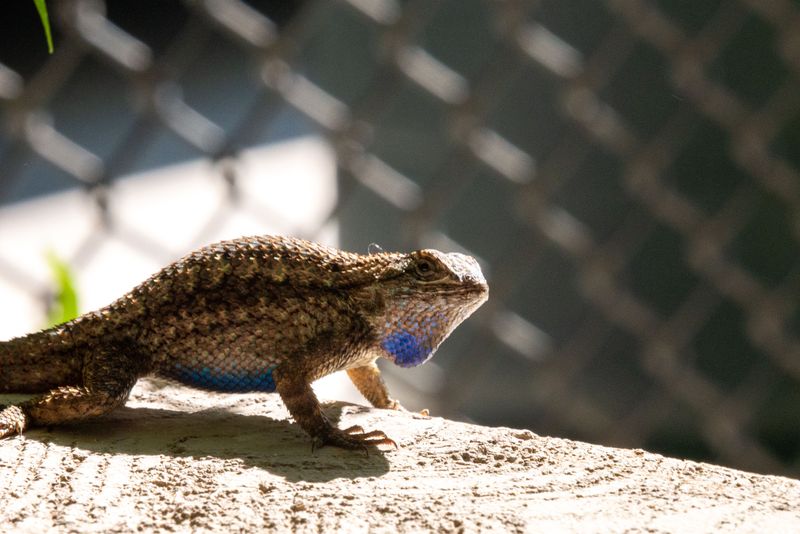
Some garden allies show up in surprising forms. The western fence lizard, that blue-bellied sunbather on your fence post, helps lower the spread of Lyme disease.
Young ticks often feed on these lizards. Research led by Robert Lane at UC Berkeley found a protein in the lizard’s blood that clears Lyme bacteria from ticks feeding on them. A tick that picked up the germ elsewhere can lose it after a lizard meal.
This partly explains why Lyme disease is far less common in California than in the Northeast. Only a small share of western blacklegged ticks carry the bacteria, often around 1 percent of adults and a few percent of nymphs in some areas.
Fewer bacteria does not mean zero risk, though. The same ticks can carry other germs, including those behind anaplasmosis, so precautions still matter.
You can welcome lizards with rock piles, logs in sunny spots, and fewer pesticides. They also snack on crickets and beetles, which makes them handy neighbors. Personally, I count every basking lizard as a free member of my garden crew.
They are less visible during chilly weeks, but the habitat you build this fall will be ready when they warm up in spring.
A Quick Tick Check After Raking Oak Leaves Pays Off
My favorite end-of-chore ritual is a quick mirror check and a hot shower. The CDC recommends showering within two hours of coming indoors, which can help wash off ticks that have not attached yet.
Start at the top and work down. Check your scalp, behind your ears, under your arms, inside your belly button, around the waist, behind the knees, and between your toes. A hand mirror or a helpful family member makes the hidden spots easier.
Clothes need attention too. Toss garden clothes in the dryer on high heat for 10 minutes to handle any hitchhikers clinging to the fabric. If the clothes are damp, they need more time.
Do not forget your dog or cat. Pets roam through leaf piles and carry ticks inside, so run your fingers through their fur, especially around ears, collars, and toes. Ask your vet about tick prevention suited to your area.
Gear can help as well. Clothing treated with permethrin, plus EPA-registered repellents such as DEET or picaridin on skin, can reduce bites. Follow label directions carefully, especially for kids, and give every glove and boot a quick look before heading inside.
Fine-Tipped Tweezers Beat Folk Remedies For Removing An Attached Tick
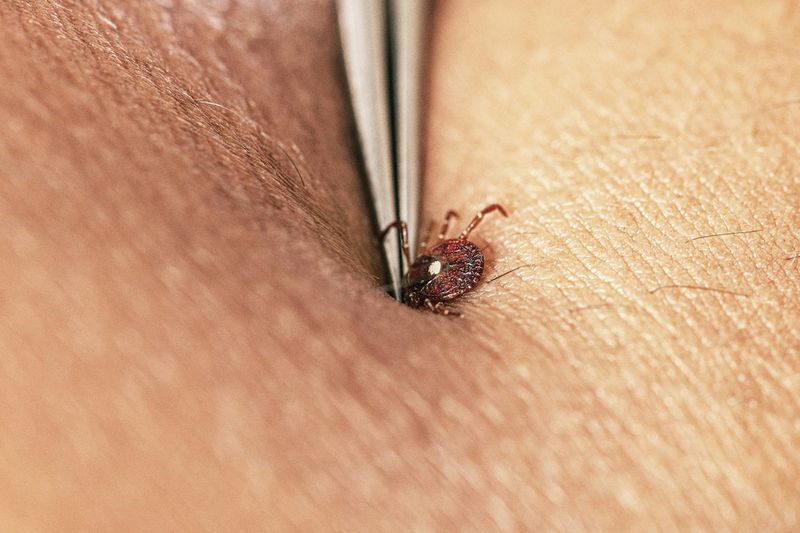
Old tricks like painting a tick with nail polish or touching it with a hot match sound clever. They are not recommended. Health agencies say they can irritate the tick and delay removal, giving it more time to pass along germs.
Fine-tipped tweezers are your best tool. Grab the tick as close to the skin as possible and pull upward with steady, even pressure. Avoid twisting or jerking, which can leave mouthparts behind.
If a small piece stays in the skin, try to remove it with clean tweezers. If you cannot, leave it alone and let the skin heal. Then wash the area and your hands with soap and water or an antiseptic.
Skip crushing the tick with your fingers. Place it in a sealed bag or container, and jot down the date and where you were working. I keep a pair of tweezers in my garden tote for exactly this reason.
Watch the bite area for several weeks. A spreading rash, fever, chills, aches, or fatigue are reasons to call your doctor, and mentioning the bite helps since California doctors may not suspect Lyme disease right away.
Some county vector control districts will identify ticks, and a few also test them.
A Wood Chip Border Keeps Leaf Litter Ticks Away From Your Patio
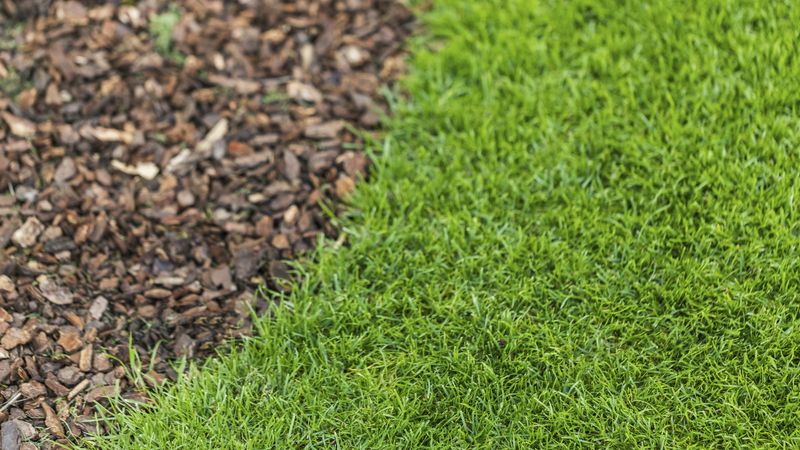
A tidy yard edge does more than look nice. The CDC suggests a 3-foot strip of wood chips or gravel between lawns and wooded areas to limit tick movement into play and patio zones.
You do not need to rake every leaf on your property. Leaf litter feeds soil, shelters beneficial insects, and helps native plants. The goal is placement, so keep leaves in beds and under trees, away from paths, play areas, and the spots where you sit or kneel most.
Mow grass regularly and trim back overgrown edges where adult ticks like to quest. Stack firewood neatly in a dry, sunny spot, since woodpiles attract rodents that host young ticks.
Sunny, open beds tend to stay drier than shady corners, and ticks struggle there. Planting drought-tolerant natives like sages and buckwheats in those bright spots gives you beauty with fewer tick hideouts.
Deer carry adult ticks, so deer-resistant plantings and fencing can help in foothill gardens. Bird feeders also draw rodents, so place them away from the house or clean up spilled seed often.
Most of all, give this tiny traveler respect rather than panic. A few smart habits let you enjoy cool-season gardening in California without bringing home an unwanted passenger.