Which California Areas Get Frost In November And Which Rarely Do
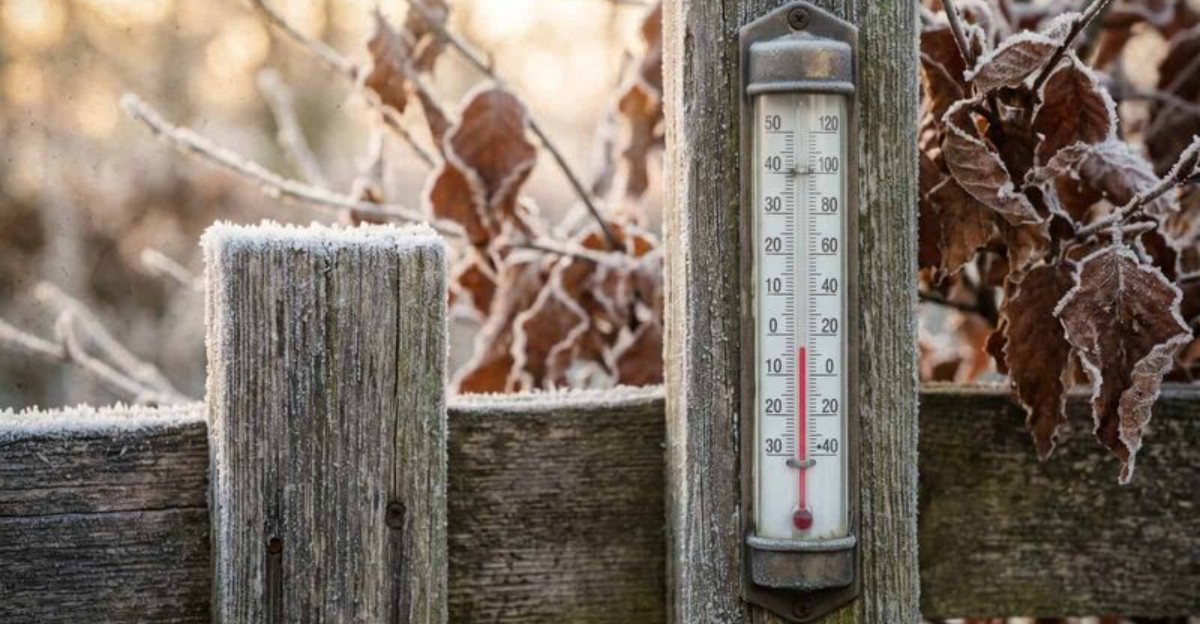
Some neighborhoods in Los Angeles and San Diego can go years without a single frosty morning. Meanwhile, a few hours inland, farmers in the San Joaquin Valley sometimes scrape icy windshields before Thanksgiving.
That split happens inside one state, under the same November sky. Cold air is heavier than warm air, so it slides downhill and pools in low spots on calm, clear nights. A garden in a dip can freeze while a yard on a gentle slope nearby stays fine.
I love how this turns gardening into a bit of detective work. Your zip code matters, but so do your hills, your walls, and how far you live from the ocean.
So where does November frost actually show up in California, and where is it more rumor than reality? The answer might change what you plant, cover, or move this weekend.
Cold Air Pools In The Central Valley Before Thanksgiving
Frosty mornings in Fresno surprise plenty of newcomers. Long-term records put the average first fall frost there around late November, and nearby Stockton follows a similar pattern.
Sacramento tends to run a little later, with its first frost often arriving in early December. Even so, a cold snap can push it into November during clear, dry years.
The Central Valley is basically a giant bowl. Mountains ring it on almost every side, and on still nights the heavy, chilly air settles across the valley floor like water filling a tub.
Clear skies make it worse. Without clouds acting as a blanket, the ground loses heat fast after sunset, and temperatures near the soil can dip below freezing even when the forecast says 34°F.
Valley fog adds a twist. Thick tule fog can sometimes hold warmth near the ground, so frost is more likely on crisp, starry nights than on gray, soupy ones.
If you garden anywhere from Redding to Bakersfield, treat November as frost season. Keep tomatoes, peppers, basil, and young citrus on your watch list, and check overnight lows every evening once the calendar flips past Halloween.
Ocean Breezes Keep Coastal Southern California Gardens Frost-Free
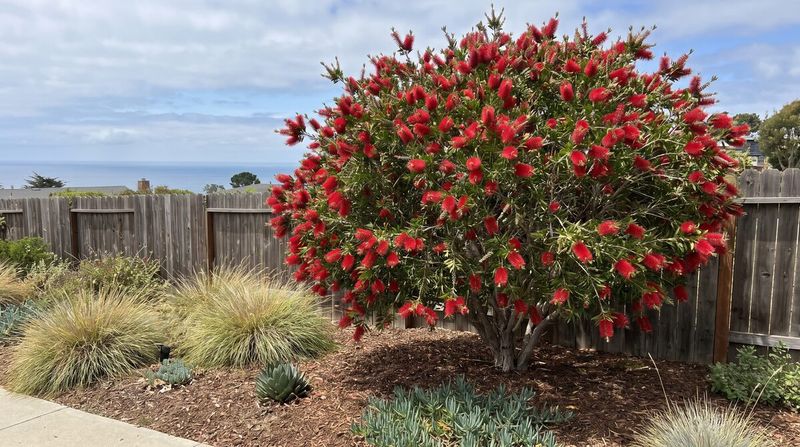
Hibiscus blooming in late November? Along much of the Southern California coast, that sight is perfectly normal.
Cities like San Diego, Long Beach, Santa Monica, and Oxnard sit in USDA Hardiness Zones 10a to 11a in many spots. Their coldest winter nights usually stay well above freezing, so November frost is rare near the water.
The Pacific deserves the credit. Ocean water changes temperature slowly, and the marine air flowing ashore keeps nights mild and days comfortable.
That gentle climate lets gardeners grow plants that would sulk elsewhere. Avocados, bougainvillea, bananas, and many succulents carry on through fall with barely a pause.
Distance from the beach matters a lot, though. Move just 10 or 15 miles inland into valleys like the San Fernando or parts of inland San Diego County, and occasional frost becomes possible in winter.
Coastal gardeners can use November for planting instead of protecting. It is a lovely month to set out cool-season vegetables, native shrubs, and new perennials while the soil is still warm and winter rains may help settle the roots.
Sierra Foothill Towns Like Placerville Often Frost By Mid-November
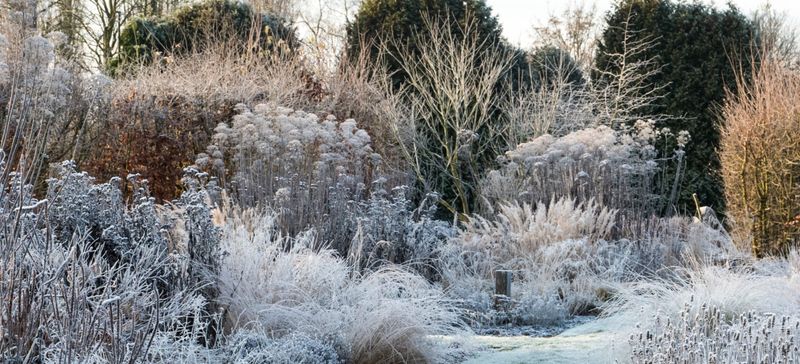
Foothill gardeners often get the first wake-up call. In towns like Placerville, Auburn, Grass Valley, and Sonora, the first fall frost commonly lands in early to mid-November.
Elevation plays a big part here. Many foothill communities sit between roughly 1,500 and 3,000 feet, where nights cool down faster than in the valley below.
Hilly ground creates its own little weather. Cold air rolls down slopes and collects in creek bottoms and low meadows, while homes partway up a hillside may stay several degrees warmer.
That warmer band on slopes has a name: the thermal belt. Old-time orchard growers in the foothills often planted fruit trees there for exactly that reason.
Fall gardening still works well in these areas. Garlic, onions, fava beans, and hardy greens like kale handle light frost without much fuss.
Tender plants need a plan, though. Bring potted geraniums and succulents under a porch roof, and harvest the last green tomatoes before a hard freeze sneaks in.
Personally, I would mark November 1 on the calendar as the day to start watching foothill forecasts closely. It beats losing a whole fall crop to one clear, still night.
Bay Area Shoreline Gardens Rarely See Frosty Lawns
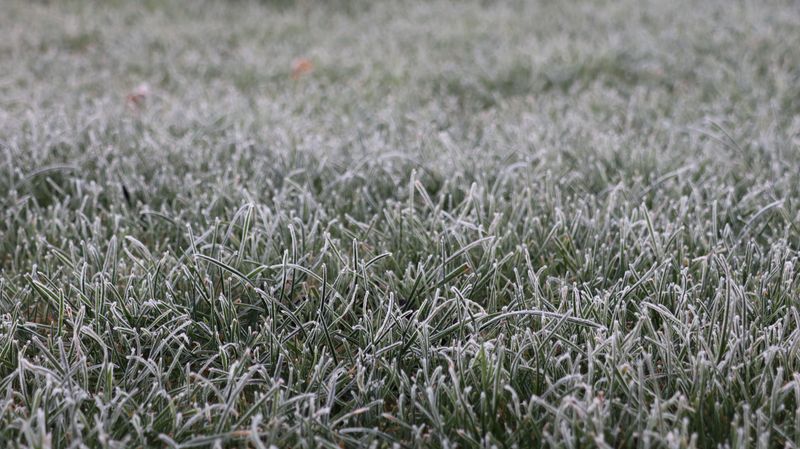
San Francisco has recorded freezing temperatures only on rare occasions in its long weather history. Along the bay shoreline, frosty November mornings stay uncommon.
Spots like Berkeley flats, Alameda, and Oakland near the water enjoy the same ocean-and-bay cushion. Fog and moist marine air help hold heat close to the ground at night.
Things change quickly as you head inland. Walnut Creek, Livermore, Morgan Hill, and the hills of Santa Clara County can see frost during winter, sometimes as early as late November.
That is the Bay Area in a nutshell. A short drive can move you from a garden full of blooming salvias to one where gardeners are tucking frost cloth around their lemon trees.
Sunset climate zones, which many California gardeners prefer over USDA zones, capture these differences better. They look at ocean influence, humidity, and summer heat, not just winter lows.
Shoreline gardeners can relax a bit in November. Still, it helps to know which direction your cold air comes from, especially if you live in a canyon or valley pocket inside an otherwise mild city.
High Desert Towns And Sierra Peaks Get Hard Freezes Early
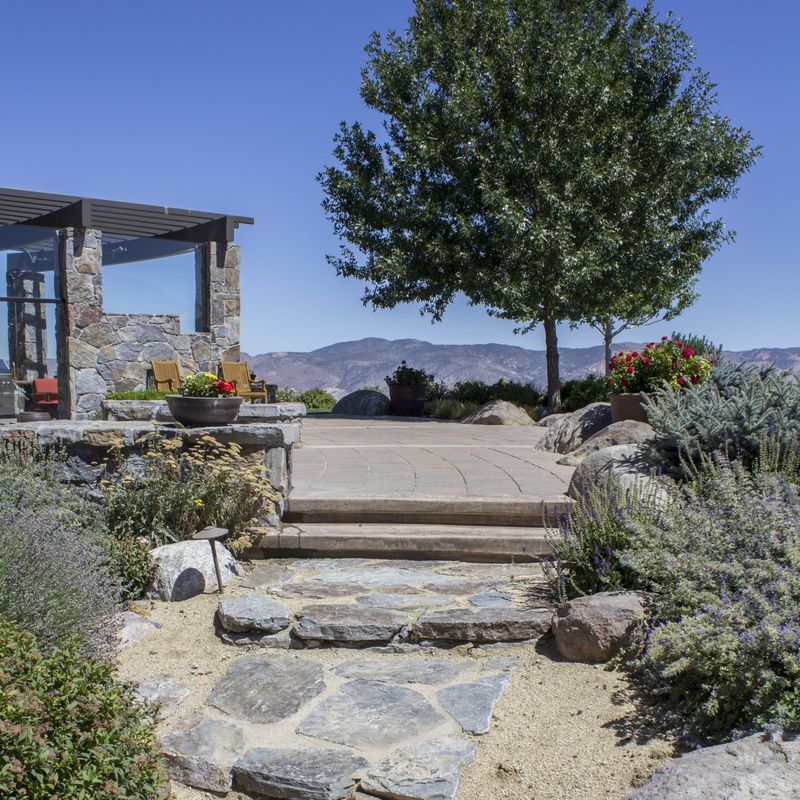
Mountain gardeners laugh a little when November frost comes up. Around Lake Tahoe, Truckee, and Mammoth Lakes, frost can show up in September, and some years it appears in nearly every month.
November in the high Sierra means real winter is close. Snow, hard freezes, and short growing seasons shape every planting choice there.
The high desert tells a sneakier story. Places like Victorville, Apple Valley, Lancaster, and Palmdale sit around 2,300 to 3,000 feet, and their dry air lets heat escape quickly after dark.
Daytime can feel sunny and pleasant, yet nights often drop below freezing in November. Hard freezes of 28°F or lower are possible, which is cold enough to harm many tender plants.
Low deserts behave differently. Palm Springs and much of the Coachella Valley see occasional winter frost, but November freezes there are uncommon.
For high-elevation and high desert yards, tough native plants are a smart bet. Desert willow, Apache plume, and many sages handle both scorching summers and frosty nights with surprising grace.
Low Spots And Shady Corners Can Turn Your Yard Into A Frost Pocket
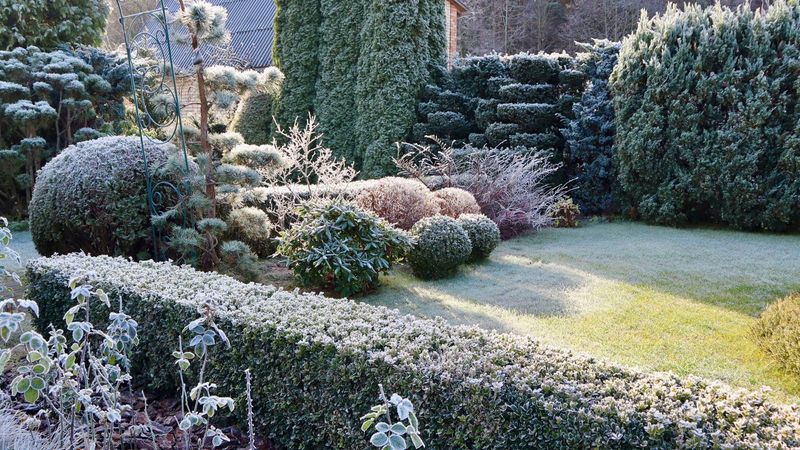
Ever notice frost on one side of your lawn but not the other? That patchy pattern is a microclimate at work.
Cold air behaves a lot like spilled water. It drifts downhill and gathers behind fences, hedges, and walls that block its flow, creating frost pockets right inside a single backyard.
Walls can help, too. A south- or west-facing wall soaks up sunshine all afternoon and gives some of that warmth back at night, making it a cozy spot for potted citrus or tender herbs.
Paved areas and buildings in cities trap extra heat as well. Scientists call this the urban heat island effect, and it can keep downtown gardens a few degrees warmer than rural fields nearby.
Overhead cover changes things a lot. Plants under tree canopies or eaves lose less heat to the open sky than plants in exposed beds.
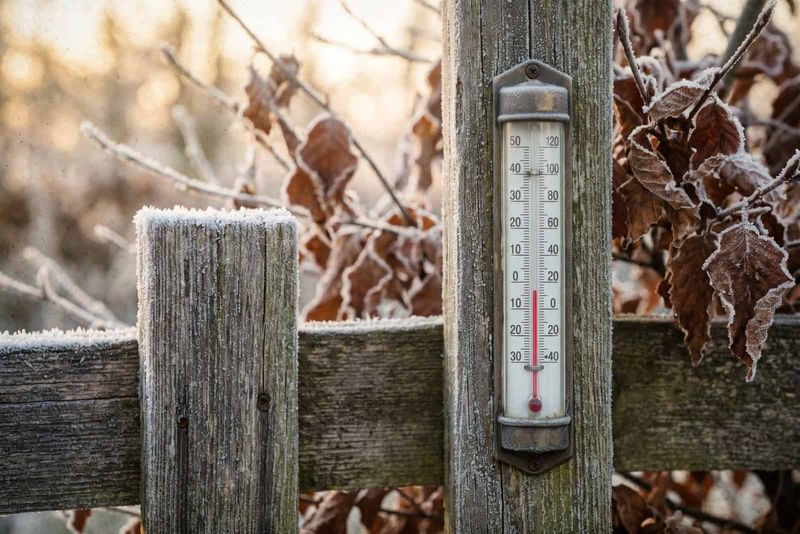
A cheap outdoor thermometer is a great tool here. Place one in your lowest spot and another near your warmest wall, then compare readings on a few chilly mornings to learn where your real trouble zones are.
Frost Cloth And Pre-Frost Watering Can Save Tender Plants
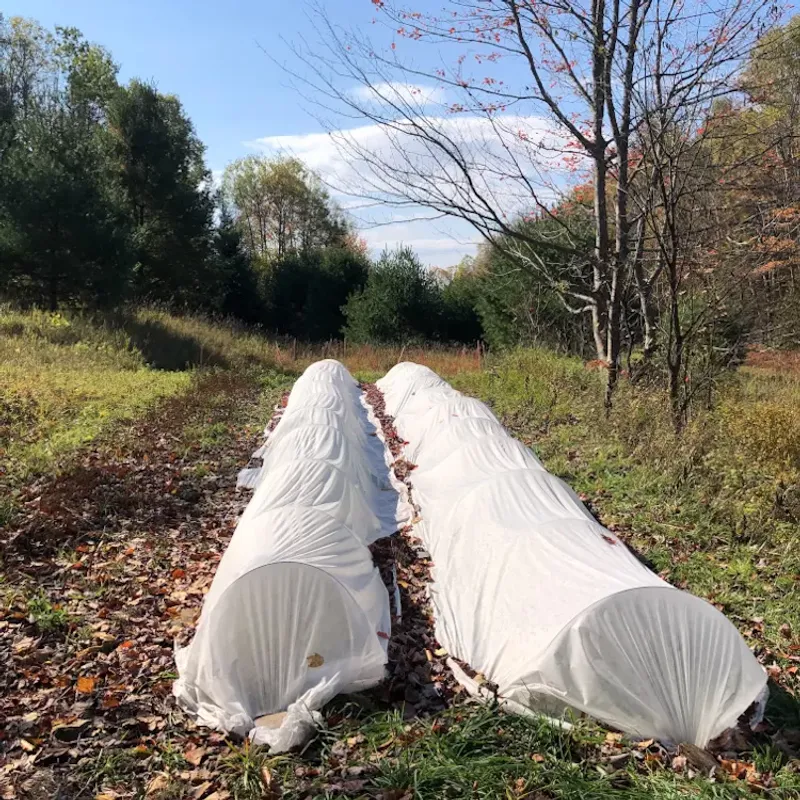
One saved night can buy you weeks of extra harvest. That is why a little frost prep pays off in colder parts of the state.
Start watching forecasts about two weeks before your area’s average first frost date. UC Master Gardener programs suggest acting when lows are expected near 32°F, and many gardeners cover plants once forecasts drop to the mid-30s.
Frost cloth, old bedsheets, or cardboard boxes all work. Drape covers all the way to the ground in late afternoon so they trap heat rising from the soil, and remove them the next morning.
Skip plastic touching the leaves. It can transfer cold straight into the foliage and cause more harm than good.
Moist soil holds heat better than dry soil. The University of California recommends watering a day or two before a cold night, as long as drainage is good.
Small citrus and potted plants appreciate extra help. A string of old-style incandescent holiday lights under the cover adds gentle warmth, while pots can simply roll into a garage or under a patio roof.
Your Local Frost Date Is The Best Tool In Your Garden Shed
Statewide forecasts paint with a wide brush. Your own frost date, paired with what you notice in your yard, tells a far more useful story.
Look up historical frost data for the weather station nearest you. Websites using NOAA records, along with your county’s UC Master Gardener program, can show average first frost dates and the odds of an early cold snap.
Remember that averages are just averages. A median date in late November means frost arrives earlier about half the time, so planning a little ahead is wise.
Match plants to your real conditions. Coastal gardeners can lean into subtropicals, while valley, foothill, and high desert gardeners do best with frost-hardy crops like garlic, peas, spinach, and native shrubs.
Keep a simple garden journal, too. Jot down the date of your first frost each year and which plants handled it well.
After a few seasons, you will know your yard better than any app. That kind of knowledge makes November feel less like a gamble and more like a season you can plan for with confidence.