The Fall Armyworm Warning Every California Lawn Owner Needs Before November
A healthy lawn can change its look surprisingly fast. Grass that seemed perfect early in the week may show ragged, discolored patches only a few days later, sometimes with an unusual crowd of visitors overhead.
That sudden shift often has a hidden cause, one that works mostly after dark.
Autumn brings the peak season for this kind of trouble across much of California.
The damage tends to mimic a far more familiar problem, and the most common response can actually make things worse.
A handful of simple checks, using items already found around the house, can reveal what is really happening.
Catching the culprit early, before November arrives, keeps a small patch from becoming a yard-wide repair job.
Armyworms Strike Lawns From Late Summer Into Fall
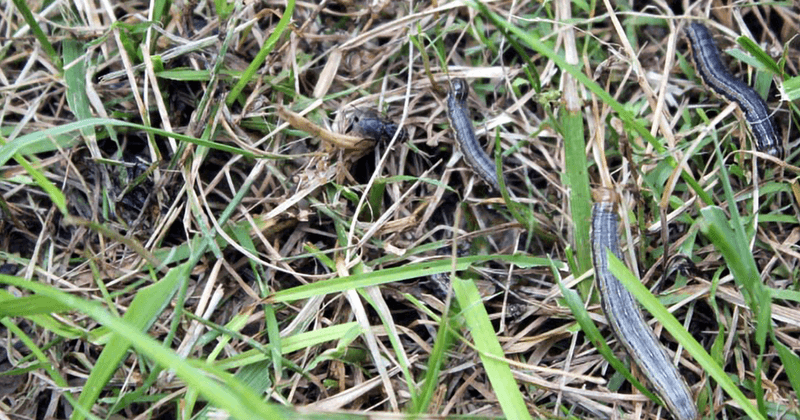
Late summer feels like the season to relax in the yard, yet for armyworms it rings more like a dinner bell. These caterpillars and their cousins, the cutworms, stay active in California lawns from about mid-March through October.
Fall often brings the peak. Several generations can develop in one year, so numbers keep climbing as the season goes on.
A lawn that looked fine in July may host a crowd of hungry larvae by late September. The name fits, since large groups can march across turf and leave bare ground behind.
The true fall armyworm, known scientifically as Spodoptera frugiperda, is mainly a pest of the southern United States and reaches only the southern tip of California near the Mexican border.
Most Californians are more likely to encounter the western yellowstriped armyworm or the common armyworm. All of them chew grass blades in much the same way.
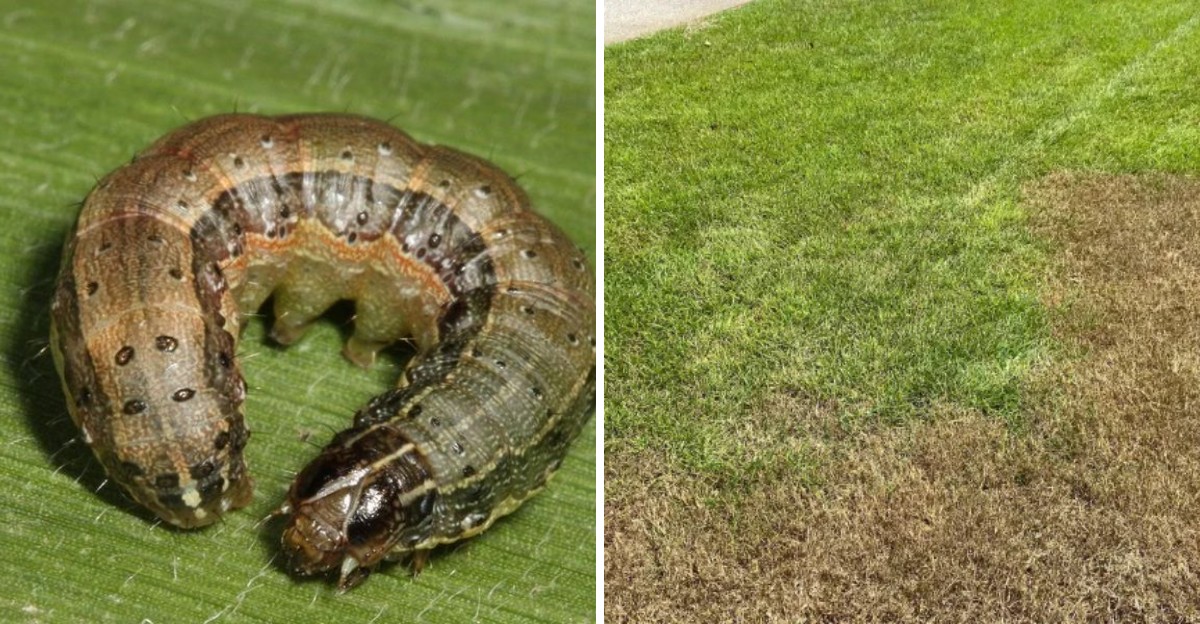
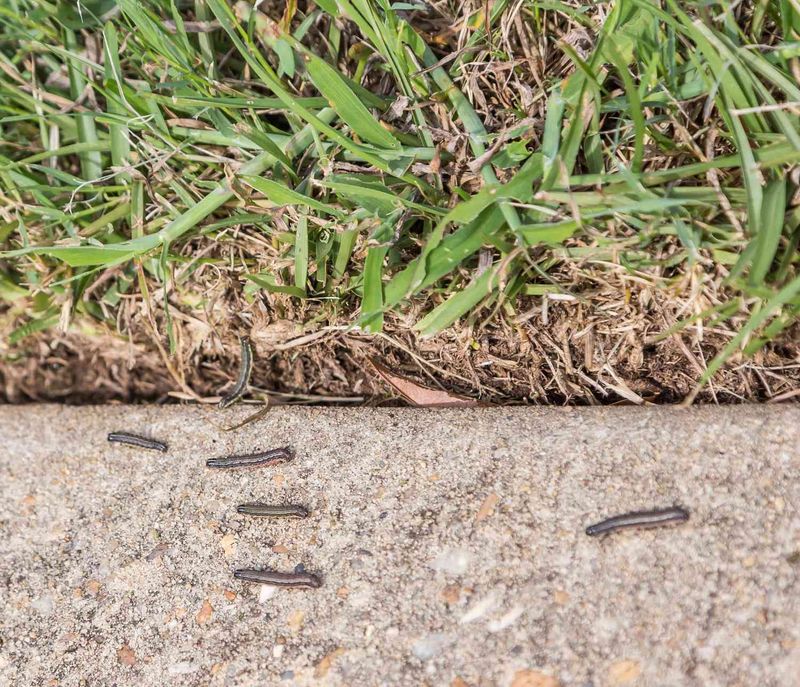
Young larvae are tiny and easy to miss. Older ones grow to about an inch and a half long and eat far more.
Colors range from greenish to brown or nearly black, often with stripes running down the body. Fall armyworms show a pale, upside-down Y on the head.
A reminder for weekly lawn walks through September and October costs nothing. Catching a problem in week one proves far easier than repairing bare patches in week four.
Mid-October still offers time to act before November.
Brown Patches Can Look Like Drought
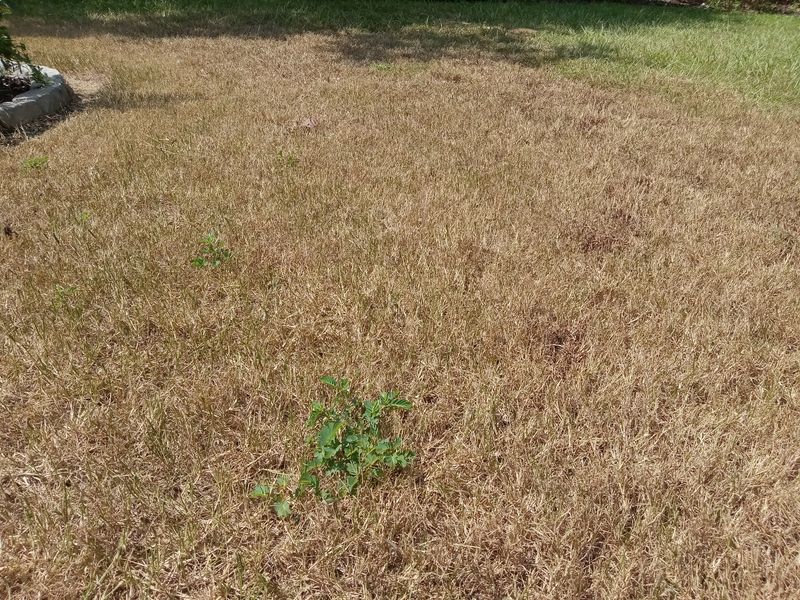
Plenty of homeowners see brown spots and reach straight for the hose. Sometimes that response fits, yet other times the real culprit crawls beneath the blades, and extra water only helps it.
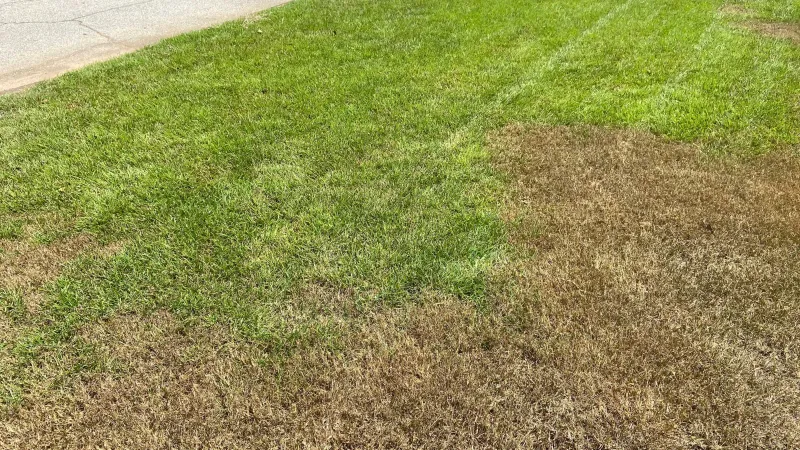
Caterpillar damage often appears as circular spots or slightly sunken patches of brown grass. From a distance, it looks a lot like drought stress.
Up close, the details tell a different story. Blades chewed, notched, or cut off near the soil point toward caterpillars rather than simple dryness.
A tug test adds clarity. A handful of brown grass pulled gently tells a lot. Turf that peels back like a loose carpet suggests white grubs have eaten the roots below.
Grass that stays firmly attached signals healthy roots, making leaf-feeding caterpillars a strong suspect.
Drought damage carries its own clues. Thirsty grass usually turns a bluish gray first, and footprints stay pressed in long after someone walks across it.
Your California Garden Changes Every Week. Your Plan Should Too.
Gardening in California changes quickly throughout the season. Every Friday you’ll receive a simple weekly plan showing exactly what to plant, prune, fertilize, harvest, and protect so you never miss the right timing.
Dry patches tend to line up with sprinkler gaps, sunny slopes, or spots near hot pavement, while caterpillar patches can pop up anywhere, even in well-watered areas.
Speed offers another giveaway. Drought usually creeps in over a week or two, while armyworm damage can spread across a yard in just a few days, sometimes overnight.
A lawn that goes from green to tattered between weekends deserves a closer look before the sprinklers get cranked up, especially during the busy weeks of October.
Birds Feeding On The Lawn Are A Clue
A dozen starlings stomping across the grass like tiny inspectors rarely show up for the view. Birds have sharp eyes for a free meal, and a lawn full of caterpillars looks like a buffet.
University experts in Texas and Georgia point to heavy bird activity as one of the earliest signs of fall armyworm trouble.
Blackbirds, grackles, starlings, and even crows gather and peck steadily at the turf, often before brown patches become obvious to people.
Birds also hunt grubs, worms, and seeds, so one robin hopping around in spring is no cause for alarm. A group returning to the same section day after day, especially in late summer or fall, deserves attention.
Steady visits to one spot suggest something tasty lives there.
Skunks and raccoons may join in, too. Their digging leaves small holes or torn-up sod that can resemble vandalism to a puzzled homeowner.
Those animals usually hunt grubs, so the tug test helps sort out the suspects quickly.
Birds work best as helpful scouts rather than pests. Noting where they gather, then checking those exact spots with a soapy water flush, narrows the search quickly.
Birds also eat a good share of larvae on their own. A few native shrubs or a birdbath nearby invite more of these feathered helpers to stick around, adding natural pest control through the fall season and beyond.
A Soapy Water Flush Brings Them Up
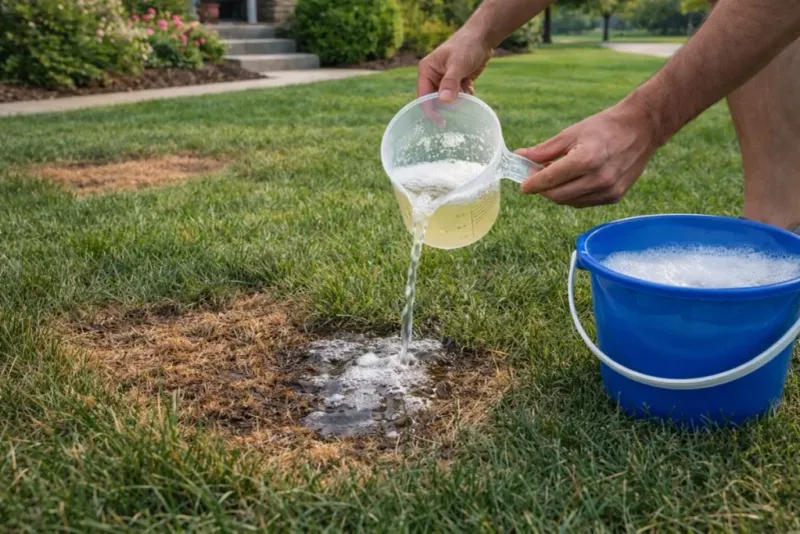
A bucket, a measuring spoon, and a bottle of plain dish soap make up the simplest detective kit in lawn care. Within minutes, hidden caterpillars usually come crawling out.
UC IPM and other university guidance call for mixing one to two tablespoons of liquid dish soap into one to two gallons of water. The mixture, poured slowly over about one square yard of turf, soaks in rather than running off.
Choosing the test spot wisely matters. The edge of a brown patch, where green grass meets damaged grass, works best, since larvae tend to feed along that border as they move into fresh blades.
Testing the center of a bare patch often turns up nothing, because the caterpillars have already moved on.
Five to ten minutes of watching tells the story. The soap irritates the larvae, and they wriggle up through the thatch to the surface.
UC IPM suggests treatment may be warranted when about 15 or more caterpillars appear per square yard.
Repeating the flush in two or three spots around the yard, including a healthy area for comparison, paints a clearer picture.
When counts run high, UC IPM lists low-impact options such as Bacillus thuringiensis and spinosad, which work best on young larvae, along with beneficial nematodes. Product labels deserve a careful read, and a licensed pest professional can help with heavy infestations.
The small amount of soap won’t harm the lawn, and October testing catches trouble while larvae are still small.
Caterpillars Hide In Thatch By Day
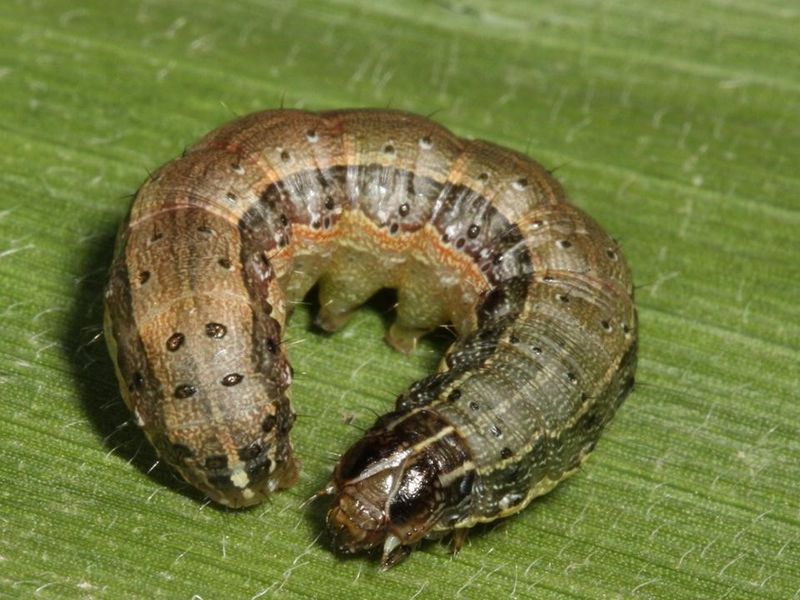
A noon stroll across the yard may reveal no caterpillars at all. A return visit after dark with a flashlight can change the scene completely, since armyworms and cutworms keep night-owl hours with appetites to match.
During the day, larvae tuck themselves into the thatch layer, the spongy mat of spent stems and roots between green blades and soil. Some burrow into small holes in the ground instead.
Down there, they stay cool, moist, and hidden from birds and sun.
Once the sun sets, they climb up to feed. Cutworms often snip blades right at the base, while armyworms chew the leaves and can strip grass down to the crown.
By morning, they slip back into hiding, leaving only the damage behind as a clue.
A night patrol is easy and even a little fun. An hour or two after sunset, a slow walk across suspect areas with a flashlight held low, its beam skimming across the grass, reveals plenty.
Curled or crawling caterpillars, along with tiny green pellets of droppings, signal active feeding.
Families often enjoy turning the job into a backyard flashlight safari. A small cup for collecting a few larvae allows a closer look.
A clear sample helps a local nursery or UC IPM resources identify exactly which species has moved in. Cooler October nights may slow feeding a bit, though warm evenings can keep larvae busy well into the month.
Damp Lush Lawns Draw The Moths
A soggy corner beside a leaky sprinkler might seem harmless. To a female armyworm moth, it looks like prime real estate, and UC IPM notes that armyworms favor damp areas, with moths laying eggs in damp, stressed turf.
The moths themselves are plain, grayish brown, and about an inch across. They fly at night and are drawn to porch lights, so they often appear near windows in late summer.
Each female can lay hundreds of eggs in clusters on grass blades, fences, or nearby plants.
Eggs hatch within a few days during warm weather, and the tiny larvae start feeding right away on the closest tender grass.
Lush, heavily fertilized lawns full of soft new growth give them an easy start, since too much nitrogen in late summer can roll out the welcome mat.
Stressed spots matter as well. Grass weakened by poor drainage, heavy shade, or compacted soil struggles to bounce back after feeding.
A sturdy lawn can shrug off light damage, while a struggling one browns quickly.
A quick yard inventory pays off. Lingering puddles, sprinkler heads that run too long, and low spots that stay squishy all deserve notice, along with areas that receive the heaviest fertilizer.
Those spots merit the first flashlight checks and soapy flushes each fall, since they make the moths’ favorite landing zones. Fixing leaks and easing off late-season fertilizer this October helps keep next year’s problem smaller.