The Fall Lawn Mistake That Leaves Michigan Yards Patchy In Spring
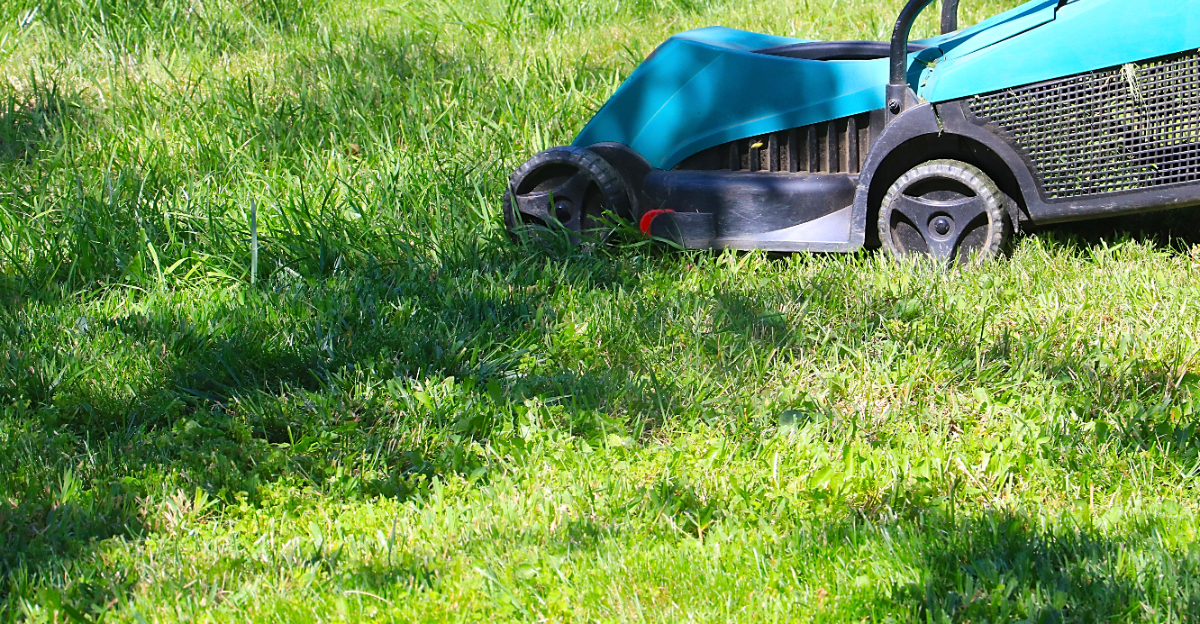
Fall is one of the most important seasons for lawn care in Michigan, but it’s also when a lot of yards quietly set themselves up for trouble.
Grass is actively recovering from summer stress and storing energy for winter, which makes this the season when small mistakes have an outsized effect on how the lawn looks come spring.
One common misstep during this window can weaken grass just enough that it struggles to bounce back after months of cold and snow cover.
The damage doesn’t usually show up right away, which is part of why it catches so many Michigan homeowners off guard. By the time spring arrives, thin, patchy areas can seem to appear out of nowhere.
Avoiding this mistake now can make a real difference in how full and healthy a Michigan yard looks once the growing season returns. Here’s the fall lawn habit worth rethinking.
1. Cutting The Lawn Too Short Before Winter
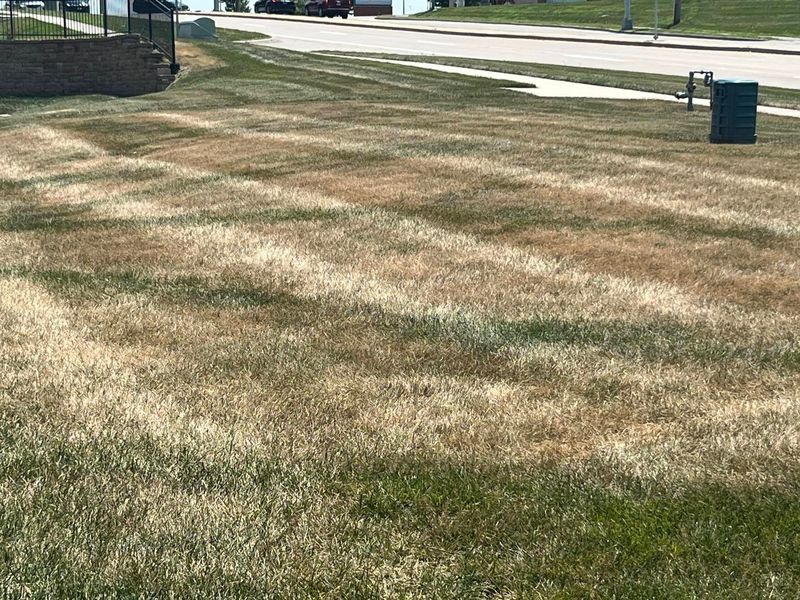
Trimming your grass extra short before the snow flies feels smart, like you are getting ahead of winter chores. In reality, scalping your lawn removes the leafy blades that protect the crown, which is the part of the plant near the soil where new growth begins.
When that crown sits exposed, cold Michigan winds and freezing temperatures reach it more easily. Grass stores energy in its lower blades during fall, and cutting too low strips away those reserves right when the plant needs them most.
Short grass also lets more sunlight hit the soil, which encourages weed seeds to sprout once things warm up. That means you could be fighting crabgrass and dandelions in spring instead of enjoying a smooth green lawn.
Michigan winters can swing between deep freezes and quick thaws, and weakened turf handles that stress poorly. Bare crowns are more likely to suffer winter injury, leaving you with thin, patchy spots by April.
A better move is to lower your mowing height gradually over several weeks rather than in one big chop. Small trims let the grass adjust without shock.
Keep your blade sharp too, since a clean cut heals faster than a ragged tear. Dull blades shred the tips and invite problems.
Give your lawn that little bit of extra length going into the cold months. Come spring, you will likely notice fewer bare areas and a fuller, healthier yard waiting for you.
2. Keep The Final Mow At The Right Height

Getting that last cut of the season just right makes a bigger difference than most homeowners expect.
For Michigan lawns, which are mostly cool-season grasses like Kentucky bluegrass and fescue, the sweet spot for the final mow sits around two and a half to three inches.
Grass left at this height keeps enough blade to soak up sunlight and store energy through the colder months. That stored energy fuels a strong comeback when temperatures rise again.
Going too short weakens the plant and exposes the soil, while leaving it too tall creates its own headaches. Long, floppy blades can mat down under snow and trap moisture against the surface.
Your Michigan Garden Changes Every Week. Your Plan Should Too.
Gardening in Michigan changes quickly throughout the season. Every Friday you’ll receive a simple weekly plan showing exactly what to plant, prune, fertilize, harvest, and protect so you never miss the right timing.
Matted grass becomes a cozy home for snow mold, a fuzzy patch problem that shows up as circles of matted turf in spring. Nobody wants to start the season scraping those spots away.
To hit the target height, plan to lower your mower in small steps during the final few cuts of fall. Trimming off no more than a third of the blade at a time keeps stress low.
Measure once with a ruler if you are unsure where your mower sits, since deck settings can be misleading. A quick check saves guesswork later.
Think of that final height as a warm blanket that is thick enough to protect but not so heavy it smothers. Land in that range, and your lawn heads into winter balanced and ready.
Come spring, balanced turf greens up more evenly across the whole yard.
3. Do Not Stop Mowing Too Early
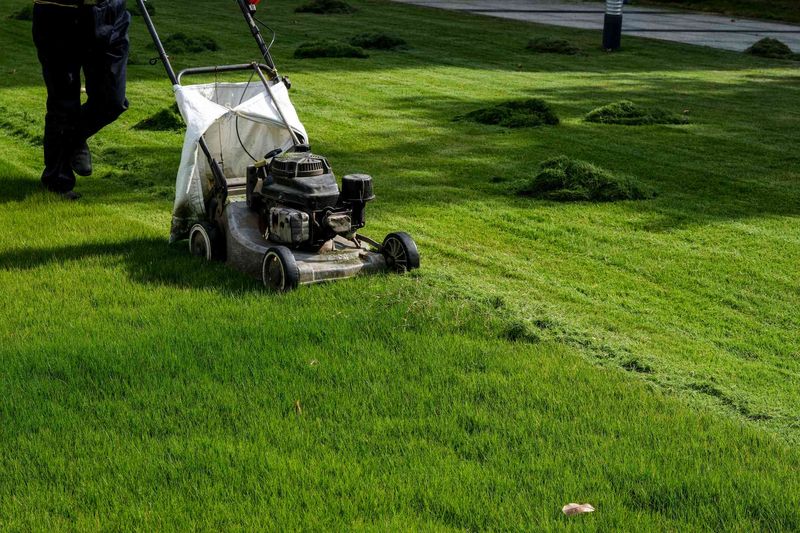
There is a temptation to park the mower the moment the calendar flips to fall. Grass, though, does not read calendars, and cool weather can actually keep it growing steadily well into autumn.
Cool-season grasses common in Michigan love the mild days and chilly nights of September and October. That comfortable weather pushes fresh growth even after the summer heat fades away.
If you stop cutting too soon, blades keep stretching and eventually flop over on themselves. Long, tangled grass mats down when snow arrives and can smother the healthy crowns underneath.
Matted areas often turn into thin or damaged spots by the time the snow melts. That is exactly the patchy look you are trying to avoid.
The smarter approach is to keep mowing until growth naturally slows to a crawl, usually after several hard frosts. You will notice the grass barely needs trimming, and that is your signal to stop.
Pay attention to your yard rather than a set date, since Michigan weather shifts from year to year. Some autumns stay warm longer than others.
Keep your final cuts on the shorter end of the healthy range so the lawn heads into winter tidy. Just remember to lower the height slowly, not all at once.
Staying on top of those late-season mows takes only a little extra effort. The payoff is a smoother, more even lawn that wakes up strong once the warm days return again in spring.
4. Avoid Leaving Thick Leaves On The Grass
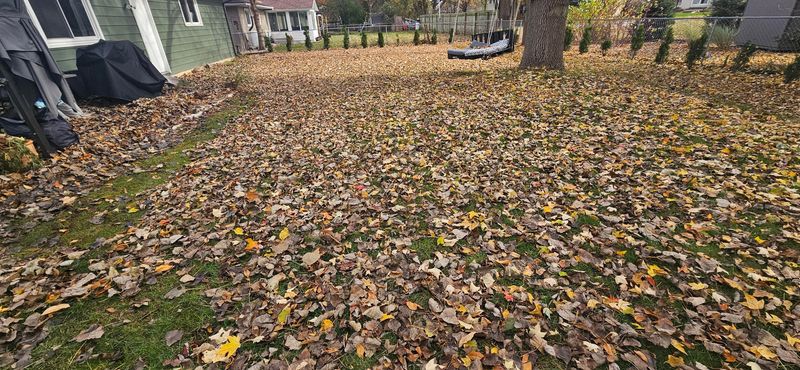
Falling leaves paint Michigan yards in gorgeous reds and golds, and it is easy to let them pile up. A thin scattering is harmless, but a heavy blanket of leaves turns into trouble fast.
Thick layers block sunlight from reaching the grass below, and plants need that light to keep making food. Starved of light, the turf underneath grows weak and pale.
Leaf piles also trap moisture against the surface, creating a damp, dark environment. Those exact conditions invite mold and fungus that can leave slimy, matted patches behind.
By the time snow melts in spring, areas smothered by leaves often show up bare or thin. What looked cozy in November becomes a repair project in April.
You do not have to rake every single leaf, though. Mulching them with your mower chops the leaves into tiny pieces that settle down between the grass blades.
Those shredded bits break down over winter and add nutrients right back into the soil. It is like free fertilizer that saves you bagging time.
When leaves fall thick and fast, especially under big maples or oaks, a combination of mulching and occasional raking works best. Clearing the heaviest drifts keeps things balanced.
Aim to keep leaves from building into a solid mat before the snow settles in. A few passes with the mower on a dry afternoon usually does the trick.
Handle the leaves and your grass keeps breathing through the season, ready to green up evenly when spring rolls around.
5. Do Not Skip Fall Overseeding When Needed
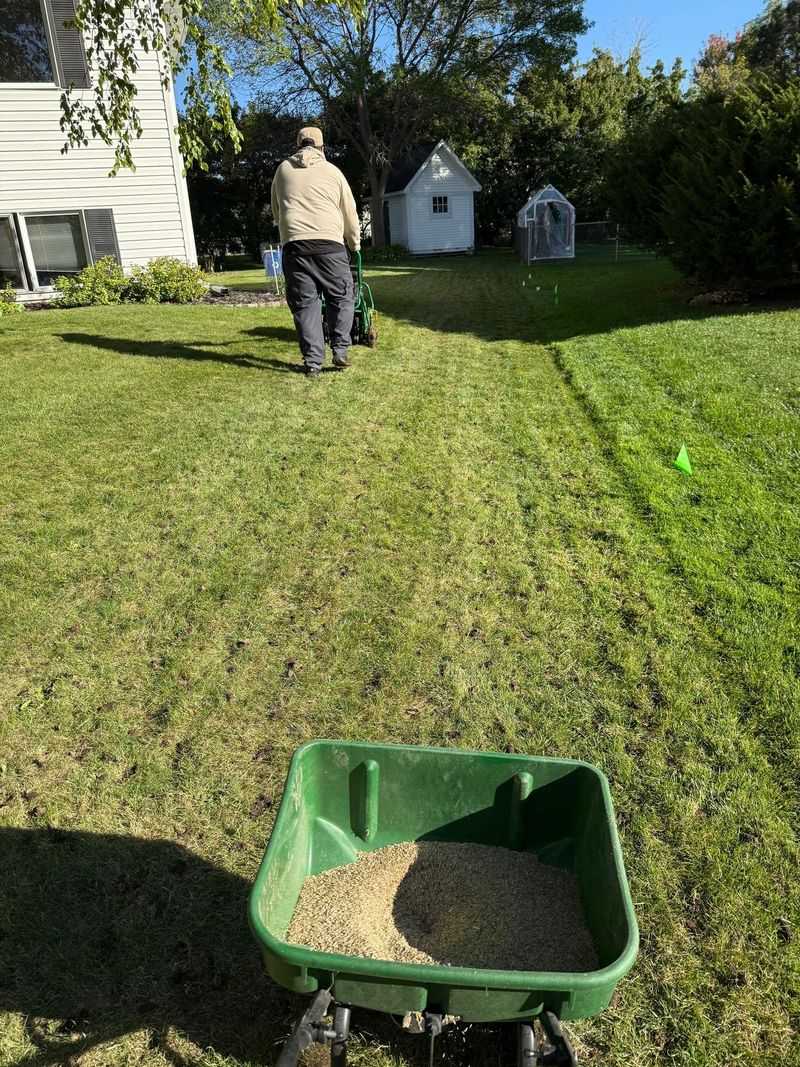
If your lawn looked thin and worn out by the end of summer, fall is your best chance to fix it. Overseeding simply means spreading fresh grass seed over existing turf to fill in the sparse spots.
Early fall is the golden window in Michigan, roughly late August through mid September. The soil still holds summer warmth, which helps seeds sprout quickly, while cooler air keeps young seedlings comfortable.
New grass planted during this stretch has time to build roots before winter arrives. Strong roots mean the seedlings can survive the cold and take off running in spring.
Skip this window, and thin areas tend to get worse instead of better. Bare patches invite weeds, which happily move into any open space you leave for them.
Before spreading seed, mow a little shorter and rake the area so seeds can reach the soil. Good seed-to-soil contact is the secret to solid germination.
Choose a seed blend suited to Michigan conditions and your amount of sunlight. Sunny yards and shady yards call for different mixes.
Keep the seeded areas lightly moist for the first couple of weeks, watering gently so you do not wash the seeds away. Consistency matters more than heavy soaking.
Wait too long into October and cold soil slows sprouting to a crawl. Timing really is everything here.
Give thin turf that early-fall boost, and you set the stage for a thicker, fuller lawn that shrugs off patchiness next spring.
6. Avoid Overwatering Late In The Season
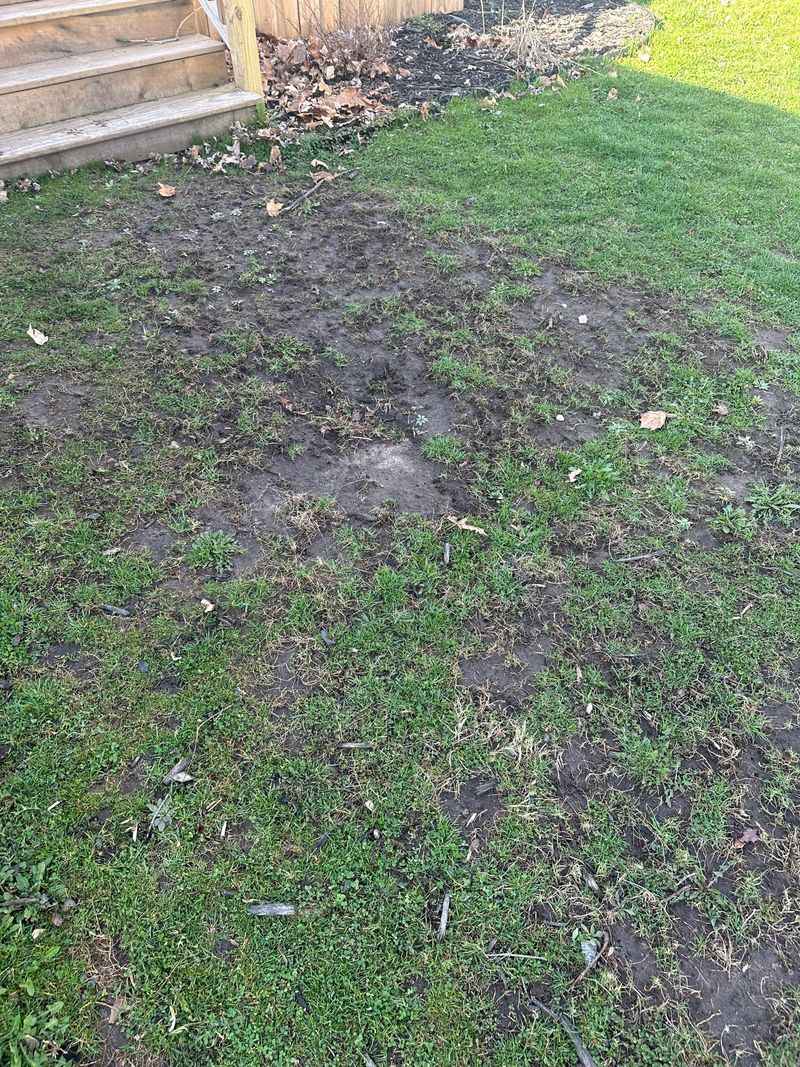
Watering habits from July do not belong in October, yet many folks keep their sprinklers on the same schedule. As fall cools down, grass needs far less water than it did during the hot, dry stretch of summer.
Cooler air means slower evaporation, so moisture sticks around in the soil much longer. Keep dumping water on top of that, and the ground stays soggy for days.
Constantly wet soil sets the stage for problems, especially heading into winter. Damp turf going into freezing weather is more likely to develop fungal issues and snow mold.
Soggy conditions also weaken roots, since they need some air pockets in the soil to stay healthy. Waterlogged ground pushes that air out and leaves roots gasping.
Michigan autumns often bring plenty of rain on their own, which can cover much of what your lawn needs. Let nature handle part of the job for you.
A simple trick is to check the soil before watering by pressing a screwdriver into the ground. If it slides in easily and comes out damp, you can skip the sprinkler.
As the season winds down, taper off watering gradually rather than stopping cold. Your grass adjusts better to a slow change.
One deeper watering before the ground freezes can help roots, but daily light sprinkling does more harm than good this time of year.
Ease up on the hose in fall, and you help your lawn stay firm, healthy, and free of soggy trouble spots come spring.
7. Feed The Lawn At The Right Time
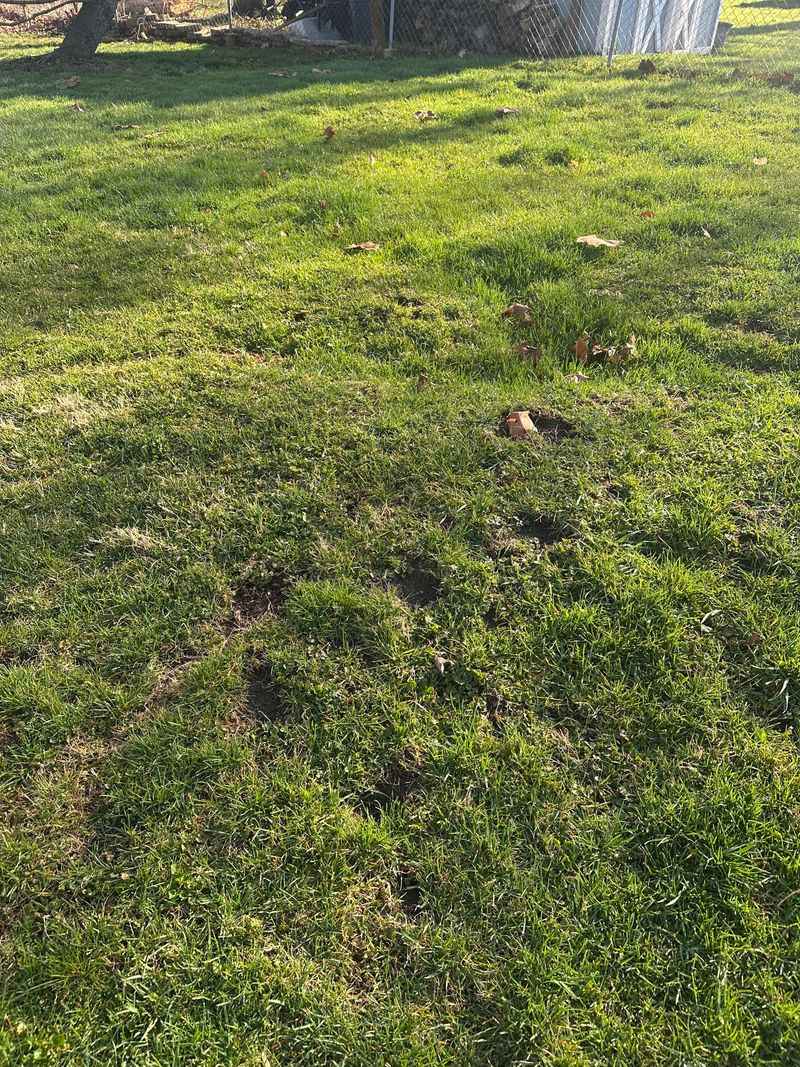
Feeding your lawn in fall is one of the most powerful things you can do for it, when the timing lines up. As grass slows its top growth, it shifts energy toward building deeper, stronger roots below the surface.
A well-timed fall feeding supports that root growth and helps the plant stock up energy for winter. Those reserves become fuel for a fast, green start once spring arrives.
In Michigan, a feeding in early to mid fall usually hits the mark nicely. This gives the grass time to soak up nutrients before the ground gets too cold to absorb much.
Piling on too much fertilizer backfires, though. Extra nitrogen can push tender new growth right when the plant should be settling down, leaving it vulnerable to cold snaps.
Overfeeding can also run off into storm drains and nearby lakes, which is a real concern in a state loaded with water. A light, measured hand protects both your lawn and the environment.
Choosing a fertilizer made for fall use helps, since these blends balance nutrients for root support rather than lush blade growth. Read the label and follow the recommended amount.
A spreader keeps the application even, so you avoid dark green streaks next to pale spots. Uneven feeding shows up quickly.
Water lightly after applying to help nutrients reach the soil, unless rain is already on the way. Feed smart in fall, and your lawn rewards you with steadier, more even growth next spring.
8. Do Not Ignore Soil Compaction
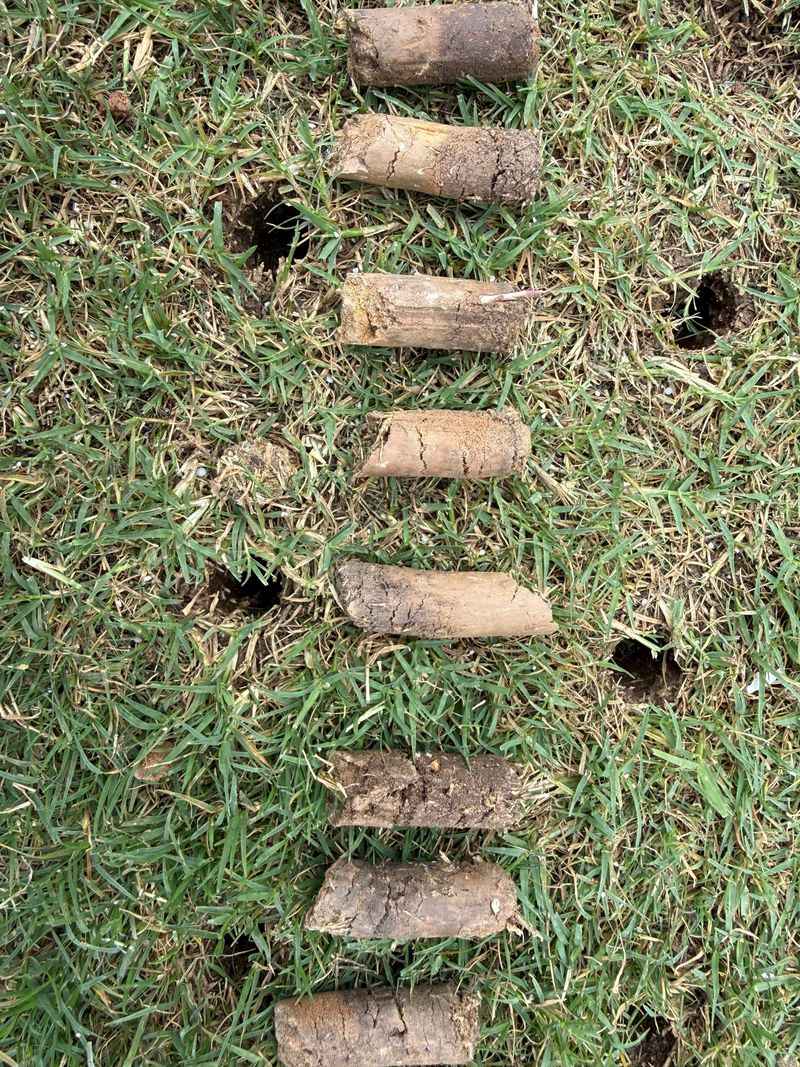
Ever notice how a path across the yard turns hard and worn from all the foot traffic? That squeezing of the soil is called compaction, and it quietly holds your lawn back.
When soil gets packed tight, the tiny air pockets that roots depend on disappear. Roots then struggle to spread, grab water, or reach nutrients deep down.
Compaction shows up a lot in Michigan yards thanks to heavy clay soils, kids playing, and mowers rolling the same routes. Over time, the ground gets denser and denser.
Grass growing in packed soil ends up shallow-rooted and weak, which makes it prone to thinning and bare patches. Water may even puddle on top instead of soaking in.
The classic fix is core aeration, where a machine pulls out small plugs of soil across the lawn. Those little holes let air, water, and nutrients flow back down to the roots.
Fall is a great window for aeration in Michigan because the grass is actively growing and can heal the holes quickly. The cooler weather takes pressure off recovering turf.
Aerating pairs perfectly with overseeding and fall feeding, since seed and nutrients drop right into those fresh openings. It is a smart combo for a struggling lawn.
Leave the soil plugs on the surface and let them break down naturally, feeding the lawn as they crumble. Loosen up compacted ground before winter, and your grass roots can stretch out and set up a fuller, healthier spring comeback.