When To Fertilize Your Christmas Cactus For A Spectacular Winter Bloom In Michigan
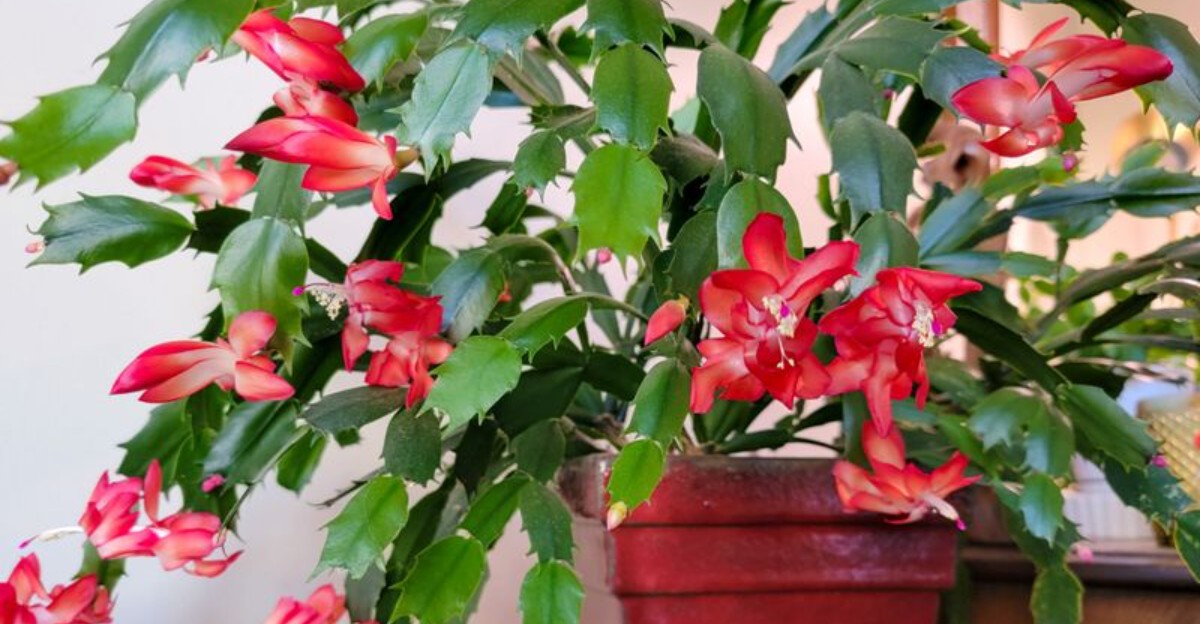
A Christmas cactus follows a seasonal schedule, and fertilizer has to match it. Feeding at the wrong time can send the plant into leaf growth when it should be setting buds. In spring and summer, the plant grows new segments and welcomes regular, diluted feedings.
As fall approaches, the days shorten and nights cool. That change tells the plant to stop growing and start flowering. This is the moment to ease off the fertilizer.
Michigan homes help by getting cooler and darker as autumn deepens. Once buds appear, steady moisture and a cool, stable spot support the bloom.
After the flowers fade, the plant rests before the cycle starts again. Learn this rhythm, and your cactus will reward you with a heavy show around the holidays.
1. Start Feeding When Spring Growth Begins
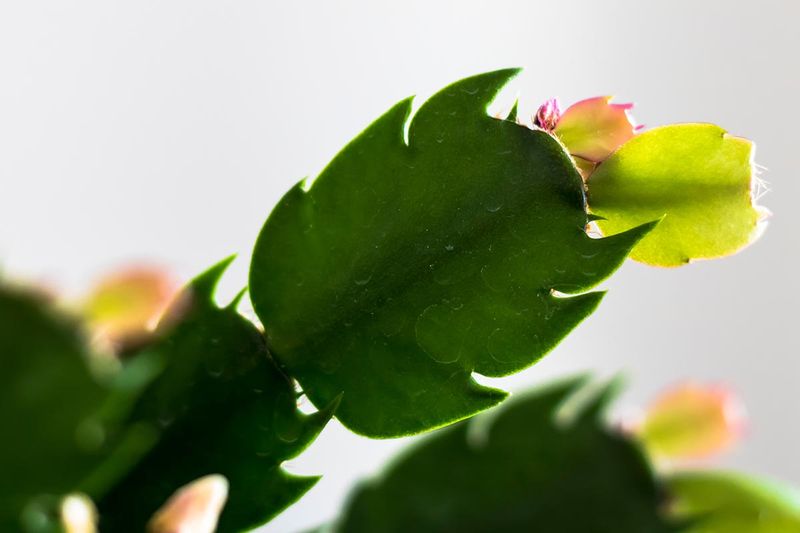
Tiny, bright green nubs at the ends of your Christmas cactus stems are the best alarm clock a gardener could ask for. Those little pads mean your plant has woken up, and it is ready for its first meal of the year.
Timing matters because of how Schlumbergera grows. The new stem segments that form in spring and summer are the exact spots where next winter’s flowers will appear.
More healthy segments mean more tips, and more tips mean more places for buds to pop out later in the year.
So when should you start? Watch the plant closely after its winter bloom and short rest. Once you see fresh, light green segments forming at the stem tips, usually sometime in spring, you can begin feeding.
Before that point, the plant is still resting and cannot use much fertilizer. Feeding a sleepy plant is a bit like serving a big breakfast to someone still in bed.
The food just sits there. In a pot, unused fertilizer can build up in the soil and bother the roots, so patience pays off. Michigan gardeners have a special reason to watch for this moment.
After months of short, cloudy winter days, your plant has been living on very little light. As spring days stretch longer, that extra sunshine flips a switch inside the plant and kicks off new growth.
Keep your cactus near a bright window during this season so it can soak up as much of that returning light as possible. A spot facing east or west often works well.
Once those green tips appear, mark the date on your calendar. Your fertilizing season has officially begun, and every feeding from here builds toward a fuller winter display.
2. Feed Lightly Every Few Weeks Through Summer
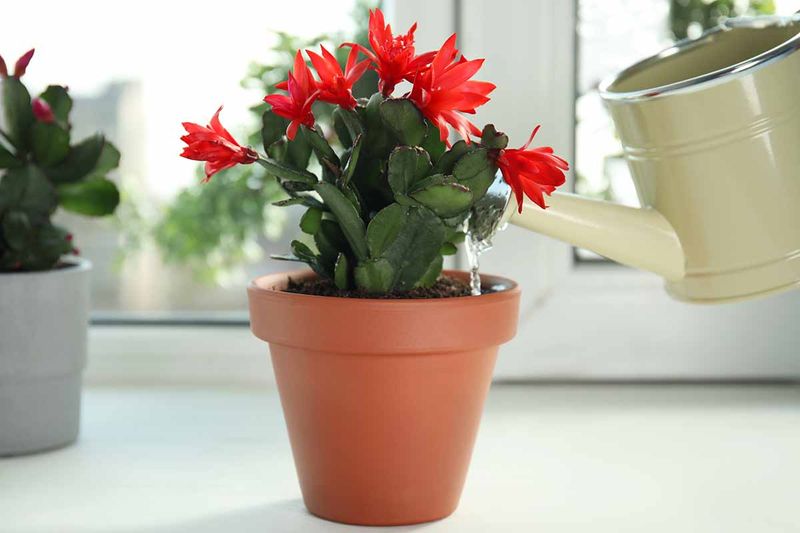
Less really is more with a Christmas cactus. Unlike hungry tomato plants, this forest cactus from Brazil prefers small, steady snacks over big feasts.
In its native home, it grows on tree branches in the rainforest, where nutrients trickle down slowly from rain and fallen leaves.
Its roots are fine and delicate, built for gentle conditions. Heavy fertilizer can leave salts behind in the soil, and those salts can burn the roots and turn stem tips brown or limp.
Your Michigan Garden Changes Every Week. Your Plan Should Too.
Gardening in Michigan changes quickly throughout the season. Every Friday you’ll receive a simple weekly plan showing exactly what to plant, prune, fertilize, harvest, and protect so you never miss the right timing.
Here is a simple routine that works. Pick a balanced, water-soluble houseplant fertilizer, such as a 10-10-10 or 20-20-20 formula. Mix it at about half the strength listed on the label.
Feed every two to four weeks from spring through summer. Always water the plant first so the soil is moist, then add the fertilizer mix. Dry roots soak up fertilizer too fast, which can cause damage, while damp roots take it in more gently.
Every couple of months, give the pot a plain water flush. Let clean water run through the drainage holes for a minute. It washes away extra salts and keeps the soil fresh.
Michigan summers are short but bright, and that makes a big difference. Plants sitting in sunny windows or out on a shady porch grow actively during the warm months.
All that growth uses up nutrients, so regular light feedings keep the plant supplied without overdoing it.
If you tend to forget, try linking feeding day to something you already do, like the first and third Sunday of each month. A simple habit keeps your cactus steady, green, and growing strong all season.
3. Give It A Summer Outdoors In Shade
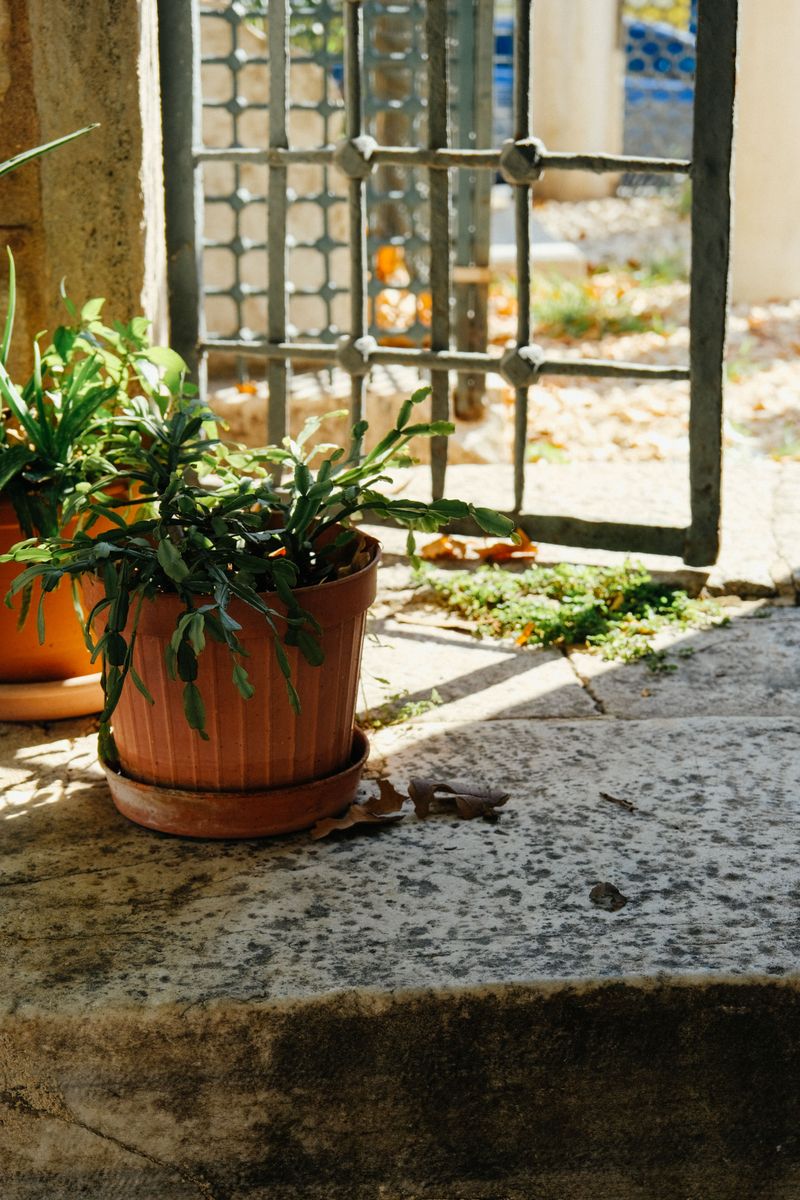
Ask longtime Christmas cactus growers for their secret, and many will smile and say one word: porch. A summer vacation outside can turn a skinny plant into a thick, bushy one.
Outdoor air and bright, filtered light encourage sturdy new stems. Those strong segments become the launch pads for winter flowers. Fresh breezes also help the plant grow tougher than it would inside all year.
Shade is the key word, though. Direct afternoon sun can scorch the flat stems, turning them reddish, yellow, or pale. A little reddish tint is a sign of stress, so if you see it, slide the pot to a shadier spot.
Wait until nights stay above about 50°F before moving the plant outside. In much of Michigan, that usually means late May or early June. Good spots include under a covered porch, beneath a leafy tree, or along the north or east side of the house.
Keep up the light feedings while the plant is outdoors. Check the soil more often too, since wind and warm days dry pots faster than indoor air does. Water when the top inch feels dry.
Heavy summer storms are another thing to watch. Soggy soil can lead to root rot, so tuck the pot under cover during long rainy spells, and make sure it has good drainage holes.
Michigan only offers a few warm months, which makes this window extra valuable. Those weeks of soft light and fresh air pack in a lot of growth. By the time fall arrives, your cactus will be fuller, greener, and ready for its big moment.
4. Make The Last Feeding In Late Summer
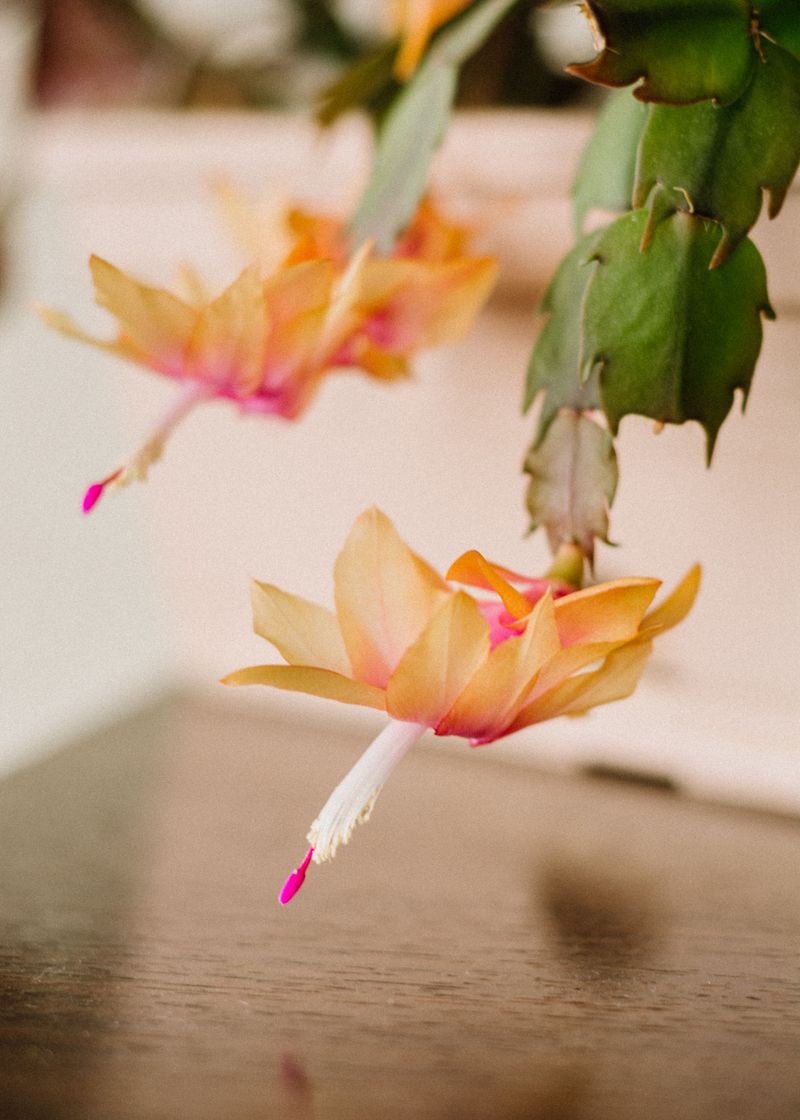
August is when smart growers quietly put the fertilizer bottle back on the shelf. It may feel strange to stop feeding a plant that looks so healthy, but this step sets up the whole bloom season.
Fertilizer tells a plant to keep growing leaves and stems. That is great in spring, but by fall you want something different. You want the plant to slow down and send its energy into flower buds instead of more green pads.
If you keep feeding into September and October, the cactus gets mixed signals. It may push out extra leafy growth and form fewer buds. Some plants even skip blooming almost completely because they are too busy growing.
Plan your final feeding for around the end of August. After that, give plain water only. Let the plant gently ease into cooler temperatures and shorter days without any extra push.
Think of it like winding down before bedtime. The plant needs a calm, quiet period to switch from growth mode into bloom mode. Taking away fertilizer is one of the clearest signals you can give.
Here in Michigan, nature lends a helping hand at this time of year. Late summer nights often start dipping into the 50s, even while days stay warm. Those cooler evenings naturally tell the plant that fall is coming and buds should start forming soon.
A sticky note on the fridge or a phone reminder can make this easy to remember. Write something simple like last cactus feeding on your calendar for late August.
That small note can mean the difference between a few scattered blossoms and a plant covered in color.
5. Use Cool Nights And Long Darkness To Set Buds
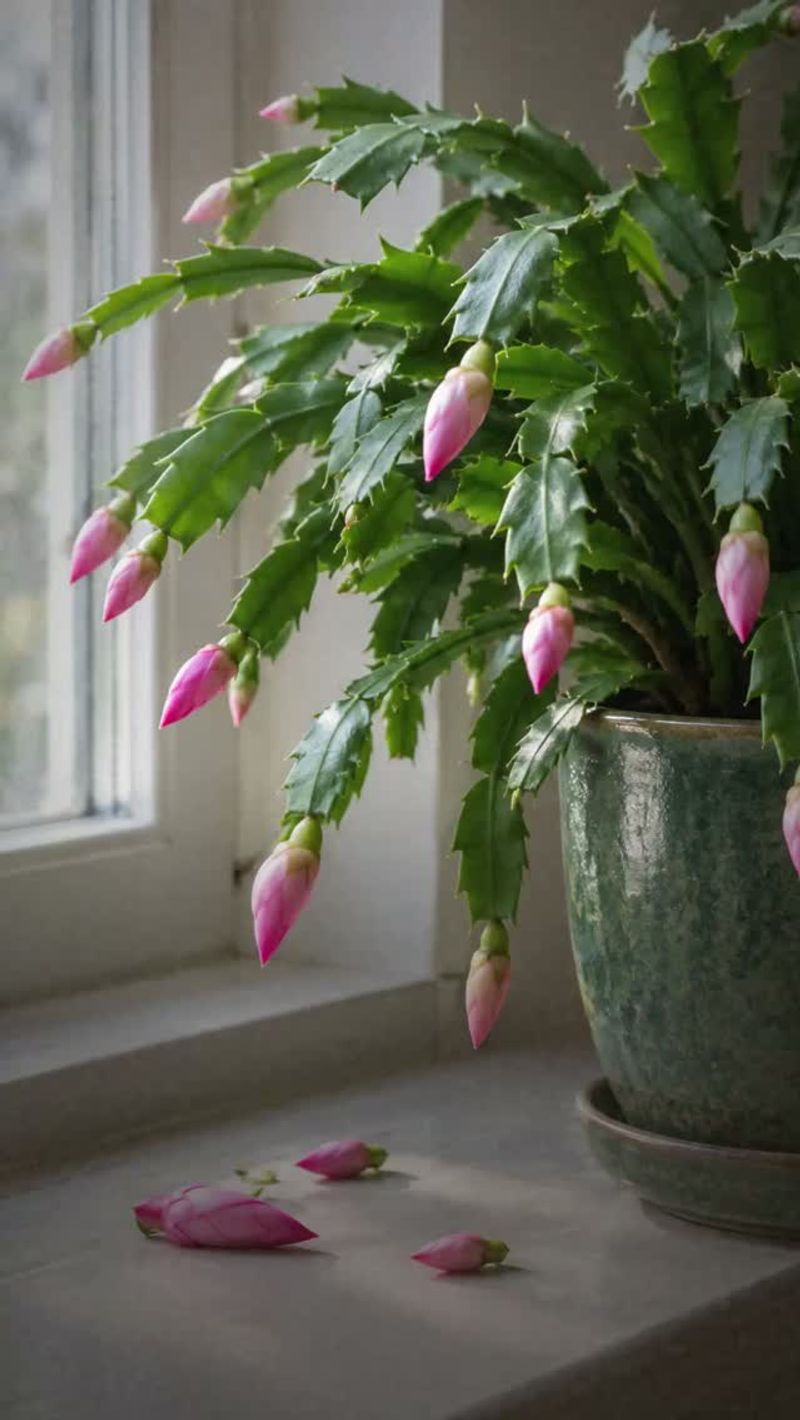
Plenty of people feed their Christmas cactus perfectly and still end up with zero flowers. The missing piece usually has nothing to do with fertilizer at all. Buds form in response to two things: cool temperatures and long, unbroken nights.
A well-fed plant kept in a warm living room with lamps glowing until midnight may never get the message to bloom. Even a few minutes of light at night can interrupt the process.
Start by leaving your plant outside into early fall. Bring it inside when nights drop toward about 50°F, and definitely before any frost. Frost can badly damage the tender stems.
Indoors, choose a cool room that stays around 50 to 60°F. A spare bedroom, an enclosed porch, or a basement room with a window can all work. The goal is about 12 to 14 hours of total darkness every night for roughly six weeks.
If no dark room is available, you can cover the plant with a cardboard box each evening and remove it in the morning. It sounds silly, but it works.
Water a bit less during this time, letting the top inch or so of soil dry out between drinks. Soon you will spot tiny pink or red bumps at the stem tips. Those are your future flowers. Michigan makes this step surprisingly easy.
Fall brings crisp nights and early sunsets, and by October the sun often sets before 7 p.m. You are simply working with the weather instead of fighting it, and your plant will thank you with buds right on schedule.
6. Hold Off On Fertilizer While It Blooms
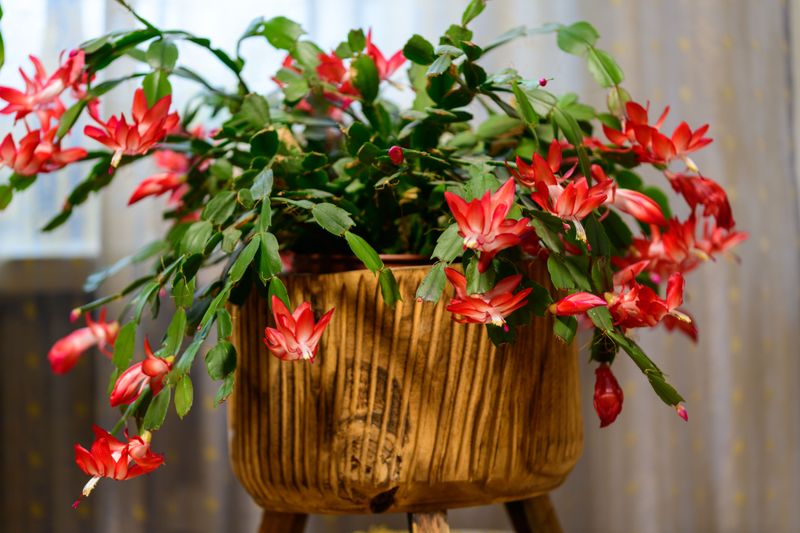
Those first open flowers are your reward, so enjoy them without reaching for the fertilizer. A blooming Christmas cactus already has everything it needs.
During bud and bloom time, the plant pours its energy into flowers. Extra fertilizer will not make the blossoms bigger or last longer.
Instead, it can add stress, and a stressed cactus may drop its buds before they ever open, which is truly heartbreaking after months of care.
Simple care works best now. Keep the soil lightly and evenly moist, never soggy and never bone dry. Big swings between wet and dry are a common cause of bud drop.
Location matters just as much. Keep the plant in a cool spot, away from heat vents, fireplaces, radiators, and drafty doors. Sudden blasts of hot or cold air can make buds fall off quickly.
Try not to move the pot once buds appear. Even turning it around can upset the plant, because buds grow toward the light and shifting direction can confuse them. Pick a good spot early and let it stay put.
Michigan winters bring a hidden challenge. Furnaces run for months, and heated indoor air can get very dry. That dryness stresses blooming plants and can shorten the flower show.
A small humidifier nearby, or a tray of pebbles and water under the pot, can raise moisture a little. Just make sure the pot sits above the water, not in it. With steady care and no fertilizer, your plant can stay covered in color for several weeks.
7. Let It Rest Before Feeding Again
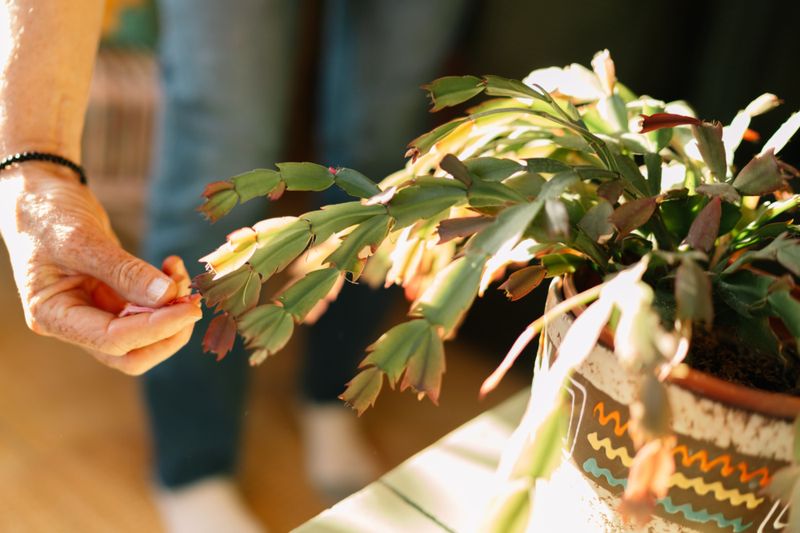
Every great performer needs a break after the show. Once the final flowers fade, your Christmas cactus is ready for a quiet, restful stretch.
After blooming, the plant naturally slows down. It has used a lot of energy to make all those flowers. A few weeks with no fertilizer and a little less water gives it time to recover and get ready for a fresh round of spring growth.
Start the rest once the last blossoms drop. For about six weeks, water a bit less than usual, letting the top inch or two of soil dry before watering again. Skip fertilizer completely during this time.
Place the plant in bright, indirect light, like near an east window or a few feet back from a sunny one. Pinch off spent flowers so the plant looks tidy. You can also gently trim a few stems, which encourages branching and even more blooms next year.
When new bright green segments appear in spring, the cycle begins again. Go back to light feedings every few weeks. Spring is also the best time to repot if roots are crowding the pot, though this cactus actually likes being a little snug.
Choose a pot just one size bigger, with a fast-draining mix made for cactus or succulents. Fresh soil gives roots a clean start for the season ahead.
Michigan plants often finish blooming in mid to late winter, just as the days slowly start to grow longer. That timing fits perfectly.
The rest period carries your cactus toward spring light, and before you know it, those green tips will signal another year of beautiful flowers.