6 Ways To Pinch Petunias For Bigger Blooms All Summer And Keep Them Thriving In Michigan
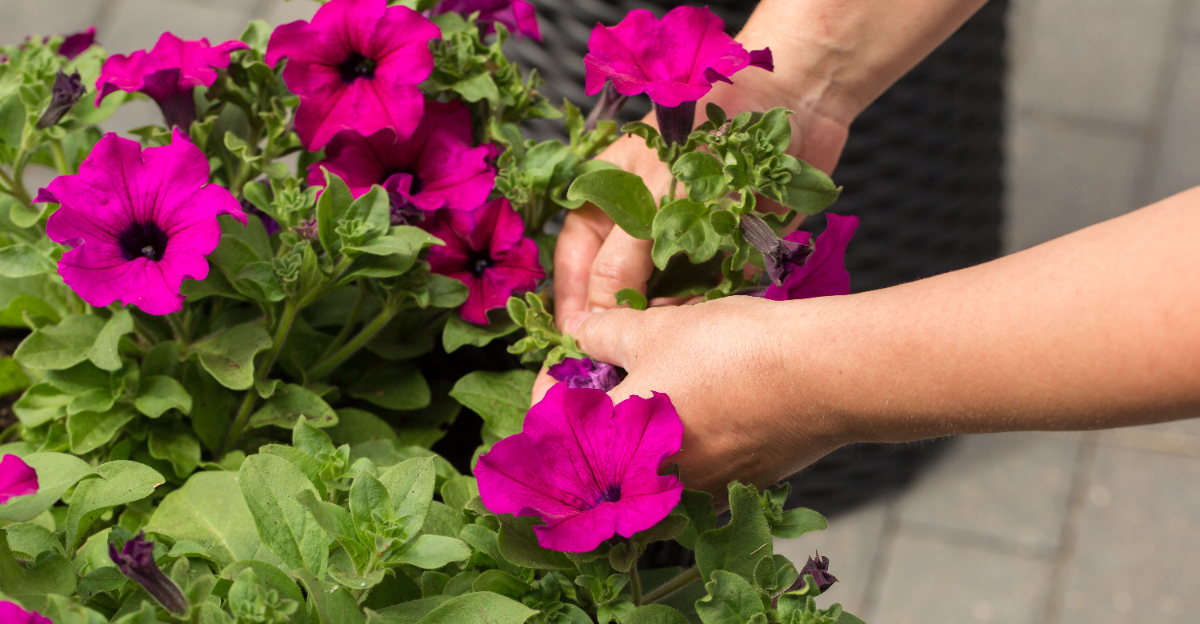
Pinching petunias regularly is one of the simplest ways Michigan gardeners can keep blooms full and vibrant all season long. Start by pinching back leggy stems early in the season to encourage fuller, bushier growth from the base.
Removing spent blooms right after they fade redirects the plant’s energy toward producing new flowers instead of seed pods. Cutting stems back by about a third mid summer helps reset growth when petunias start looking tired or stretched out.
Pinching just above a leaf node encourages branching, giving you more blooms per stem over time. Feeding petunias with a balanced fertilizer after each pinch supports strong regrowth.
Watering consistently, especially after trimming, helps plants recover quickly from the stress of cutting. A little regular maintenance keeps petunias blooming strong right through Michigan’s warm summer months.
1. Pinch Upright Petunias At About Six Inches Tall
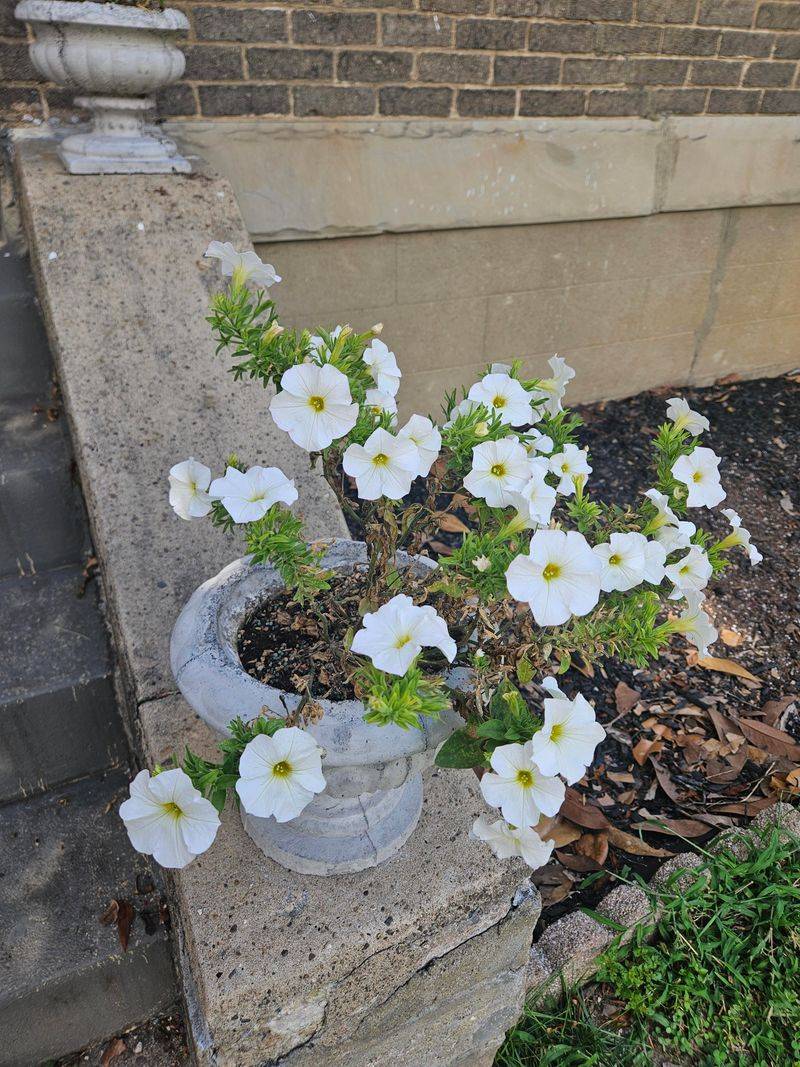
Most gardeners plant petunias and just wait for blooms, but there is one simple move that changes everything.
When your upright grandiflora or multiflora petunias reach about six inches tall, pinching the growing tip at the top of the main stem sends a signal to the plant to branch out.
Instead of putting all its energy into one tall stem, the plant starts producing multiple side shoots. More side shoots mean more places for flowers to develop, and that adds up to a much fuller, more colorful plant by midsummer.
Pinching may slow flowering for a short time while those new branches form, but the payoff is absolutely worth it.
You might notice a brief pause before buds reappear, but what comes back is noticeably bushier and more productive than before. Think of it as a short-term investment with a big seasonal reward.
One thing to keep in mind is timing. Newly transplanted petunias need a chance to settle into their new spot before you start pinching.
Wait until the plant is clearly growing actively, with healthy green leaves and strong stems, before you remove any growth.
In Michigan, where spring planting often starts after the last frost around mid-May, giving your petunias two to three weeks to establish before pinching is a smart approach.
Container petunias on patios and decks benefit from this technique just as much as those planted directly in garden beds. Starting with good timing sets the whole season up for success.
2. Remove The Tip Above Healthy Leaves
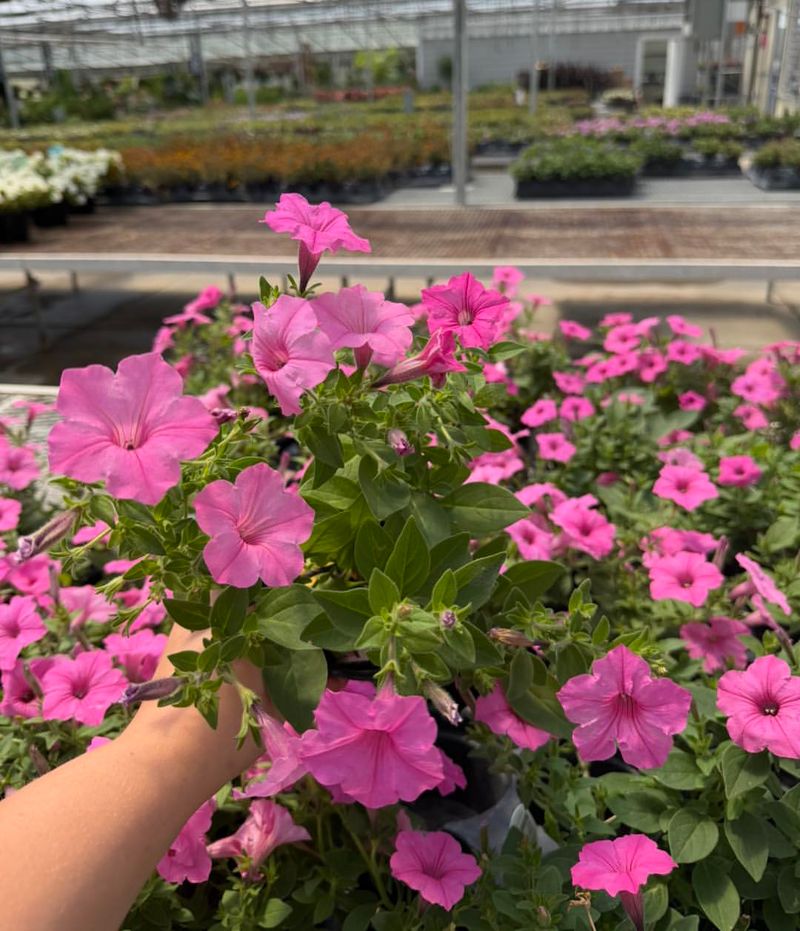
Knowing exactly where to pinch makes a real difference in how well your petunia responds. The soft growing tip at the very end of each stem is the target, and you only need to remove about one to two inches of that tip.
You can do this with clean fingers by simply snapping the soft tissue off, or use sharp hand pruners for a cleaner cut. Either way works well as long as your tools are clean and the foliage is dry when you work.
The key is where you make that pinch. Always remove the tip just above a healthy pair of leaves, not in the middle of bare stem.
Your Michigan Garden Changes Every Week. Your Plan Should Too.
Gardening in Michigan changes quickly throughout the season. Every Friday you’ll receive a simple weekly plan showing exactly what to plant, prune, fertilize, harvest, and protect so you never miss the right timing.
Tiny buds sitting right near those leaf nodes are where new side branches will sprout from, so leaving healthy leaves in place gives the plant the best possible launching point for fresh growth.
Crushing the remaining stem or leaving a long bare section above the leaves can slow recovery and invite problems.
Working with dry foliage is a smart habit, especially when you are moving from plant to plant. Moisture on leaves can make it easier for certain issues to spread between plants, so choosing a dry morning or early afternoon is a good routine to get into.
If you are using hand pruners, wiping the blades between plants takes only a second and keeps things clean.
This small level of care might seem minor, but across a whole season of pinching, it adds up to healthier, more reliable plants throughout your Michigan garden or container display.
3. Pinch Long Stems Evenly Around The Plant
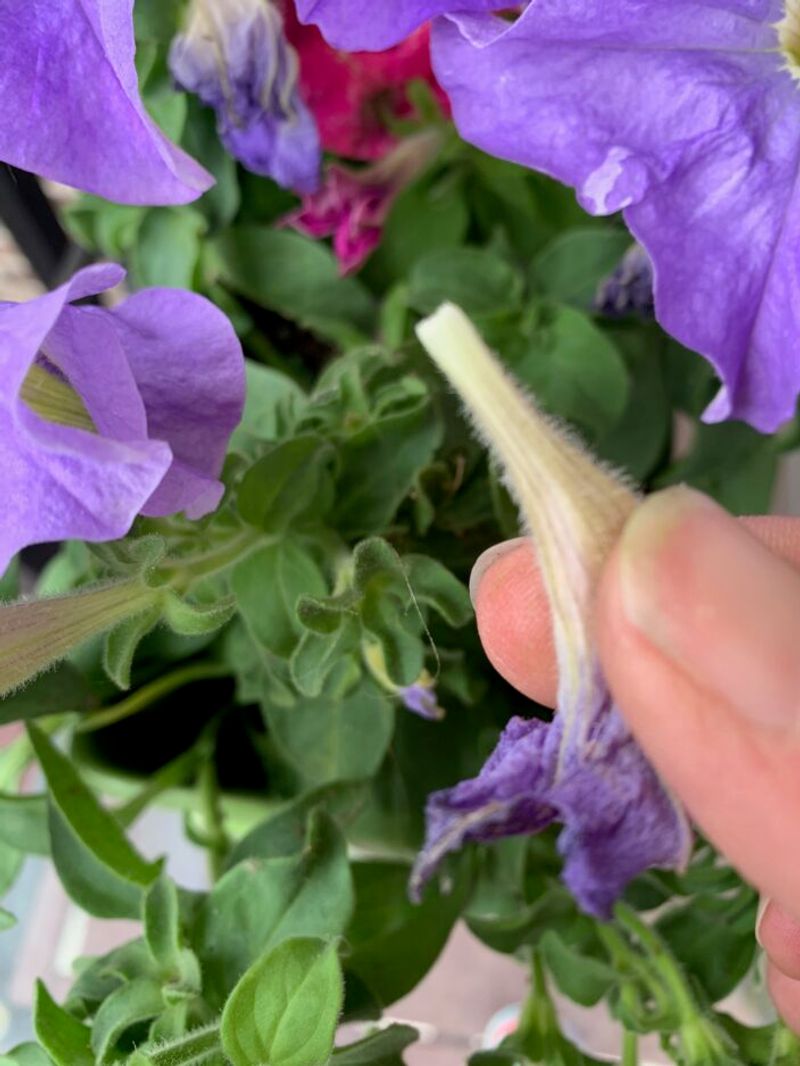
Ever looked at a petunia and noticed it growing longer on one side than the other? Uneven growth is common, especially when plants are near walls, fences, or other structures that shade one side more than the other.
Selective pinching is a great way to fix this without starting over. By shortening only the longest stems, you encourage those stretchy branches to branch out while the shorter, healthier stems keep producing flowers without interruption.
The trick is to work your way around the entire plant rather than focusing on just one side. Pinching only the left side or only the front can make the imbalance worse over time. Instead, step back after every few cuts and look at the overall shape from a distance.
A rounded, even silhouette is what you are going for, and it is much easier to achieve when you pause and assess between snips rather than rushing through the whole plant at once.
Shorter stems that already look healthy and full do not need to be touched. Leave those alone and let them keep blooming while the longer stems catch up.
This balanced approach gives you a plant that looks intentional and tidy rather than wild and overgrown.
Michigan summers can be warm and humid, which encourages fast growth, so checking on your petunias every week or two and making small adjustments keeps things looking great from June through September.
A few minutes of thoughtful pinching each week does more for your petunia display than almost any other single care step you can take during the growing season.
4. Remove Faded Flowers With The Seed Section
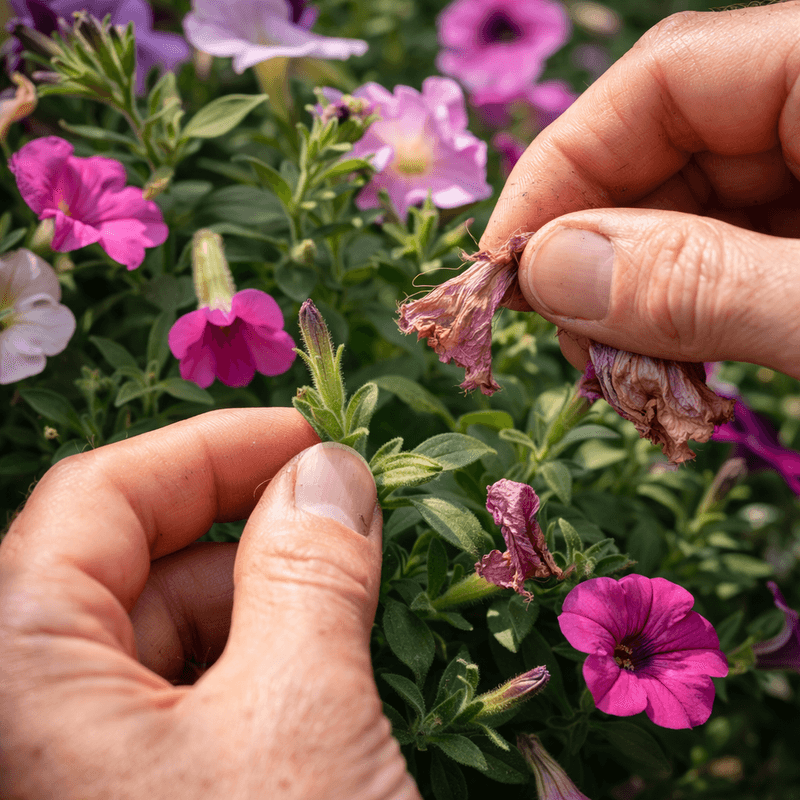
Here is something a lot of gardeners miss: pulling off just the wilted petals is not enough to keep traditional petunias blooming. When a petunia flower fades, there is a small swollen section right beneath it where seeds can begin to form.
If that seed-forming section stays on the plant, the petunia shifts its energy toward making seeds instead of producing new flowers. To keep the blooms coming, you need to remove both the faded flower and that swollen base together.
Pinching them off at the same time takes only a second per flower, but it makes a noticeable difference over the course of a season.
You will see more buds forming and fewer bare spots on your plants when you stay consistent with this habit.
It is especially helpful for traditional petunia varieties, which tend to hold onto their faded flowers longer than newer types.
Many modern petunias, including several popular Wave and Supertunias, are bred to drop their spent blooms on their own, so they need less of this kind of grooming.
Even so, occasionally going over these plants and removing any lingering faded flowers or seed sections can keep them looking tidy and performing at their best.
In Michigan, where petunia season runs from late May through early October, staying on top of spent flower removal every week or so pays off in a longer, more impressive display.
Combine this habit with regular watering and feeding, and your petunias will reward you with consistent color from one end of summer to the other.
5. Shorten Leggy Petunias During The Middle Of Summer
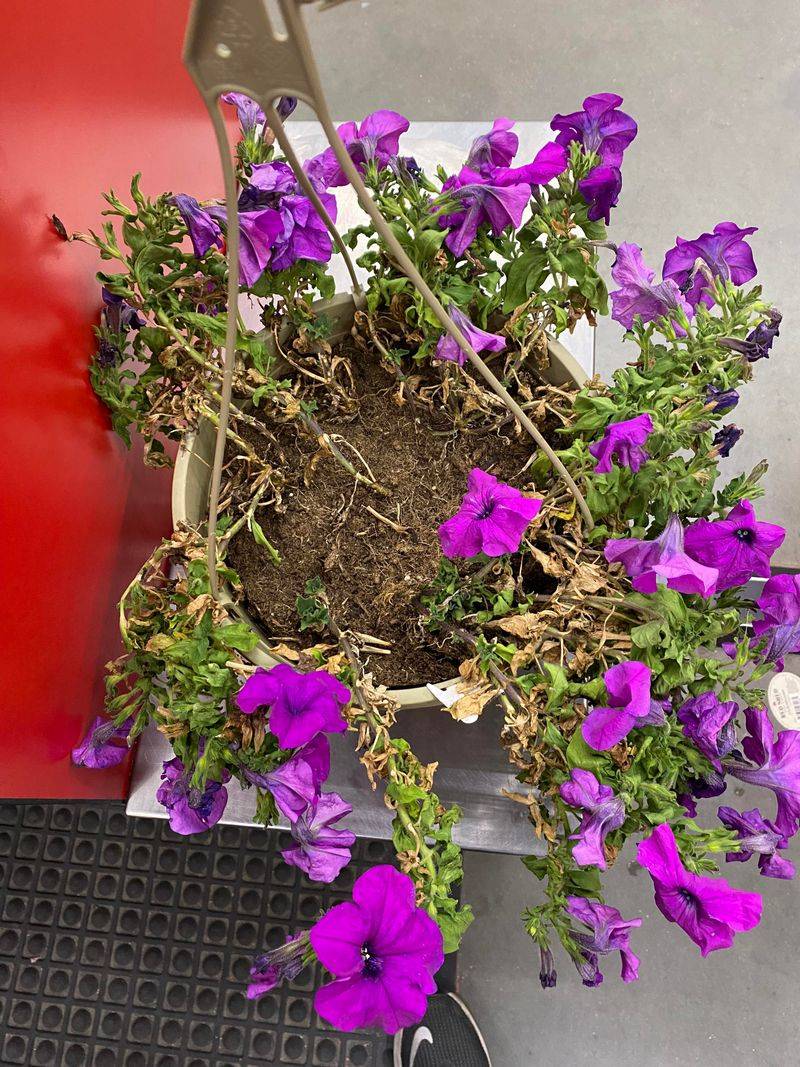
By July, it is pretty common to see petunias that started the season beautifully suddenly looking long, sparse, and a little sad. Michigan summers bring heat and humidity, and petunias can stretch quickly under those conditions.
When that happens, a more aggressive approach than simple pinching is the right move.
Michigan State University Extension actually recommends cutting back leggy petunias by about one half during midsummer to reset the plant and encourage a fresh flush of growth.
This kind of pruning can feel a little dramatic the first time you do it, but trust the process. Leave healthy leaves on the remaining stems so the plant still has the energy it needs to push out new branches.
Within about two weeks, you should see fresh growth emerging and new buds beginning to form. The plant that comes back after a hard midsummer pruning is often more compact, more colorful, and more vigorous than it was before.
Timing matters when you do this kind of work. Choose a morning or early evening when temperatures are cooler rather than working during the intense heat of a Michigan afternoon.
Make sure your plant has been watered beforehand, because pruning a stressed or dry plant is harder on the roots and slows recovery.
A well-watered, cooler-hour pruning session gives your petunias the best conditions to bounce back quickly.
By early August, plants that received a good midsummer trim are often back in full bloom and looking better than neighbors that were left to stretch without any intervention. It is one of the most rewarding moves in summer petunia care.
6. Match Pinching To The Petunia Type
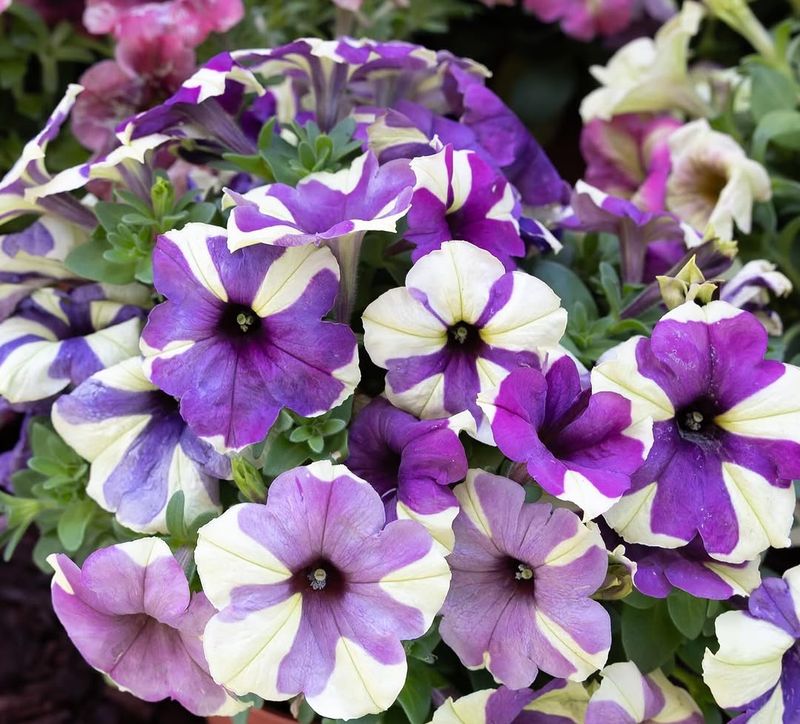
Not every petunia needs the same treatment, and pinching the wrong type the wrong way can actually work against you. Before you start snipping, it helps to know what kind of petunia you are working with.
Upright grandiflora and multiflora types are the classic varieties most people grow in pots and garden beds, and these respond really well to early pinching.
Removing the growing tip while they are young pushes them to branch out and fill in, which is exactly what you want.
Spreading petunias, like the well-known Wave series, are built differently. They naturally branch and spread on their own without any help, trailing beautifully over container edges or sprawling across garden beds.
Pinching these the same way you would an upright variety is not necessary and can actually interrupt their natural growth pattern.
For spreading types, the most useful thing you can do is remove any stems that are damaged, diseased, or growing so long they look out of place.
Milliflora petunias, which produce smaller flowers in large quantities, also tend to branch freely on their own and rarely need aggressive pinching. Checking the tag or label that came with your plants is always a good starting point.
Cultivar-specific care instructions can save you a lot of guesswork and help you get the most from whichever variety you choose.
Michigan garden centers typically carry a wide range of petunia types, so knowing what you have before you start pinching means every cut you make is working in your favor rather than setting the plant back.
7. Water The Root Zone After Pinching
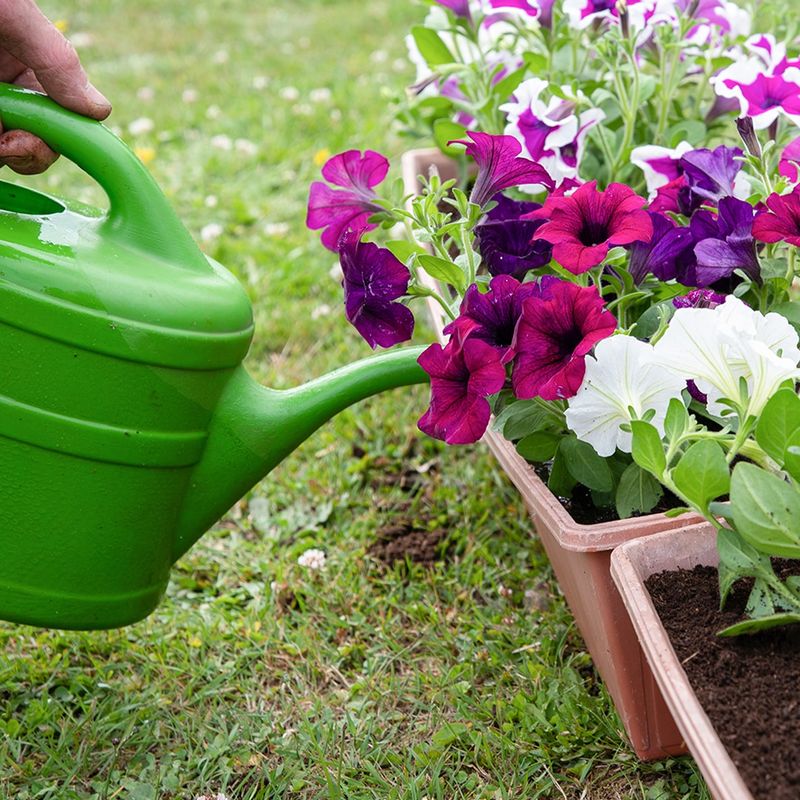
After pinching, your petunia is putting energy into forming new branches and buds, and that process needs consistent moisture to go smoothly.
Keeping the root zone evenly moist, without overdoing it, is one of the most supportive things you can do right after any pinching session.
Soggy soil is not the goal here. What you are after is steady, reliable moisture that keeps the roots comfortable while new growth develops.
Container petunias need extra attention because the limited soil volume in pots dries out much faster than garden beds, especially during Michigan’s warm and windy summer days. A small container in full sun can go from moist to bone dry in just a day or two.
Checking your containers daily during hot stretches and watering when the top inch of soil feels dry is a reliable routine that keeps plants on track.
Garden-bed petunias are generally more forgiving, but they still benefit from a thorough watering when the soil around the roots begins to dry out.
Always direct your water toward the soil rather than spraying it over the foliage, and make sure containers have drainage holes so excess water can escape freely.
One thing worth knowing is that wilting does not always mean a plant needs more water. Sometimes petunias wilt temporarily during the hottest part of the afternoon and then perk back up on their own by evening.
Before reaching for the hose, check the soil moisture first. Consistent, thoughtful watering after pinching makes recovery faster and keeps your Michigan petunias performing beautifully all season long.
8. Support New Growth With Sunlight And Appropriate Feeding
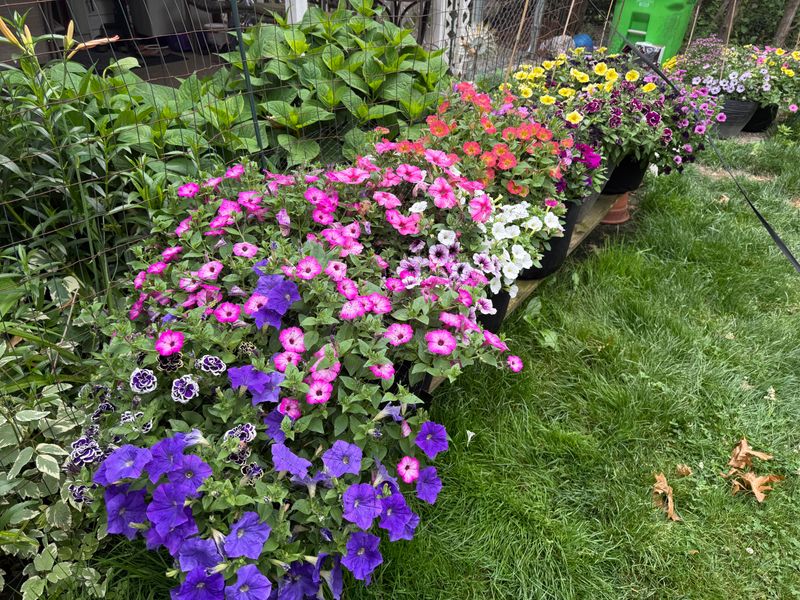
Sunlight is one of the most important factors in how well petunias recover after pinching. Petunias flower best with at least five to six hours of direct sunlight each day, and they genuinely thrive in full sun.
Plants growing in shadier spots will still respond to pinching, but they will branch and rebloom more slowly than those getting plenty of bright light.
If your containers are in a low-light area, moving them to a sunnier spot after a pinching session can speed up recovery noticeably.
Feeding plays a big role too, especially for container petunias. Frequent watering, which containers need a lot of in Michigan summers, gradually flushes nutrients out of the potting mix.
Without regular feeding, even a perfectly pinched petunia can start looking pale and sparse by August.
A balanced water-soluble fertilizer applied every one to two weeks keeps nutrients available right when the plant needs them most for pushing out new branches and buds.
Spreading and vigorous varieties tend to be especially hungry, so check the product directions and follow them closely. More fertilizer is not always better, and over-feeding can cause lush leafy growth at the expense of flowers.
For garden beds, a soil test through Michigan State University Extension is a great way to know exactly what nutrients your soil already has before adding anything.
Correct pinching works best as part of a complete care routine that includes good drainage, steady moisture, enough sunlight, and smart feeding.
When all those pieces come together, Michigan petunias can look absolutely stunning from planting day straight through the first frost.