The Fall Pruning Mistake That Costs Georgia Gardeners Their Forsythia Blooms
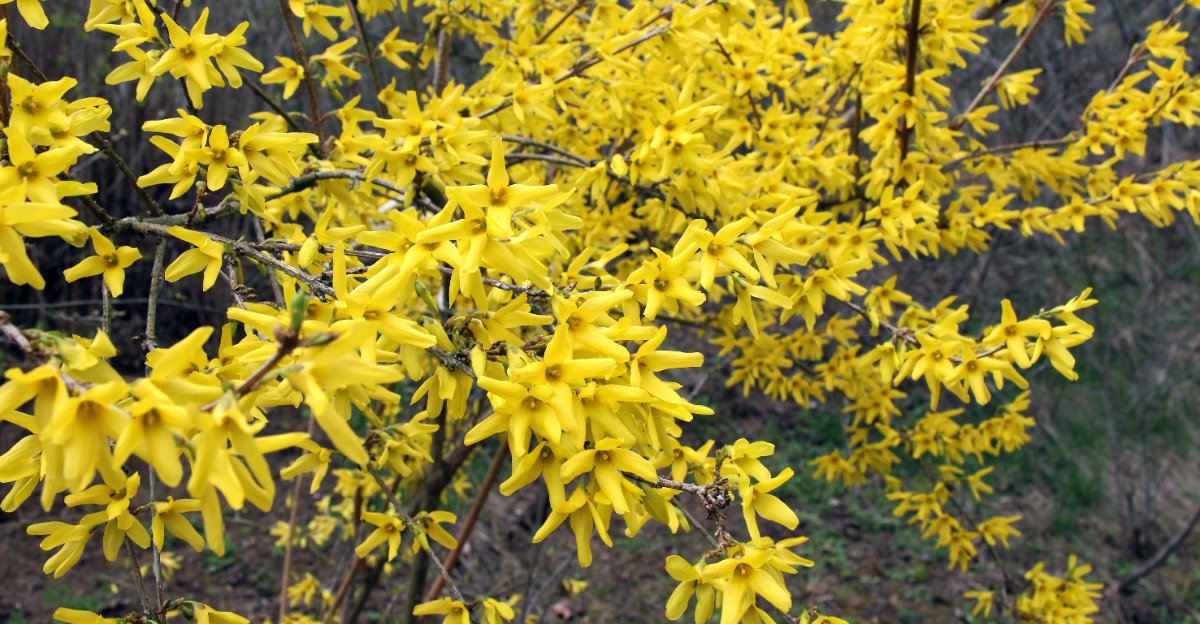
Those bare forsythia branches next spring may trace back to one simple choice made months earlier. Fall can seem like the perfect time to tidy an overgrown shrub, but timing matters here.
Forsythia follows a flowering cycle that makes certain seasonal cuts especially risky. What looks like harmless cleanup can remove growth carrying the color you expect when warmer weather returns.
For Georgia gardeners, that makes knowing when to reach for the pruners especially important. The shrub may look ready for shaping even when leaving it alone is the smarter move.
Do not let an untidy fall appearance push you into cutting too soon.
Once you understand where next season’s yellow display comes from, the reason becomes clear.
Good timing now can protect the bright spring show that makes forsythia worth growing.
1. The Wrong Fall Cut Shows Up Months Later
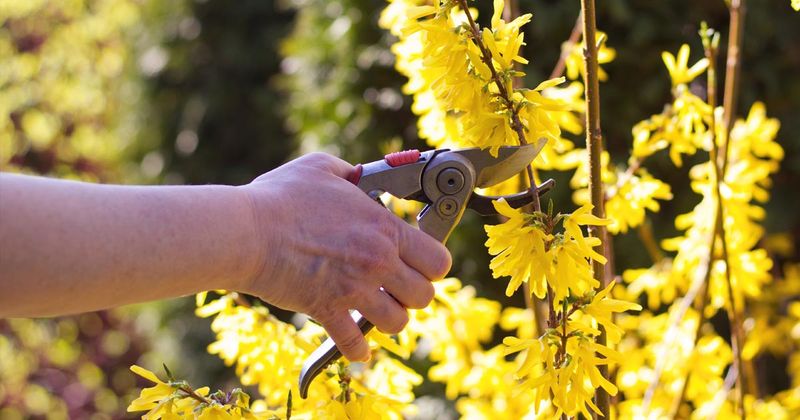
A forsythia can look perfectly fine after a fall trim, and that is exactly what makes this mistake so easy to miss. Nothing seems wrong right away.
Weeks pass, the shrub stays green, and you move on to other yard work.
Then spring arrives. Other shrubs leaf out and flower, but your forsythia just sits there looking bare and dull.
A few scattered blooms might appear, but nothing like the full yellow burst you were expecting.
What happened? The pruning you did in October or November removed the flower buds that were already set and waiting for spring.
Forsythia does not form its buds in spring. It sets them during the previous growing season, long before fall arrives.
By the time you pick up the hedge trimmers in autumn, those buds are already attached to the stems you are cutting off. You cannot see them with the naked eye at that stage, but they are there.
Months pass between the cut and the consequence. That gap is what makes fall pruning so misleading.
Gardeners rarely connect October trimming to a disappointing March display. Knowing that connection exists is the first step toward protecting your forsythia and keeping its spring show strong year after year.
2. Forsythia Forms Next Year’s Flowers On Older Wood
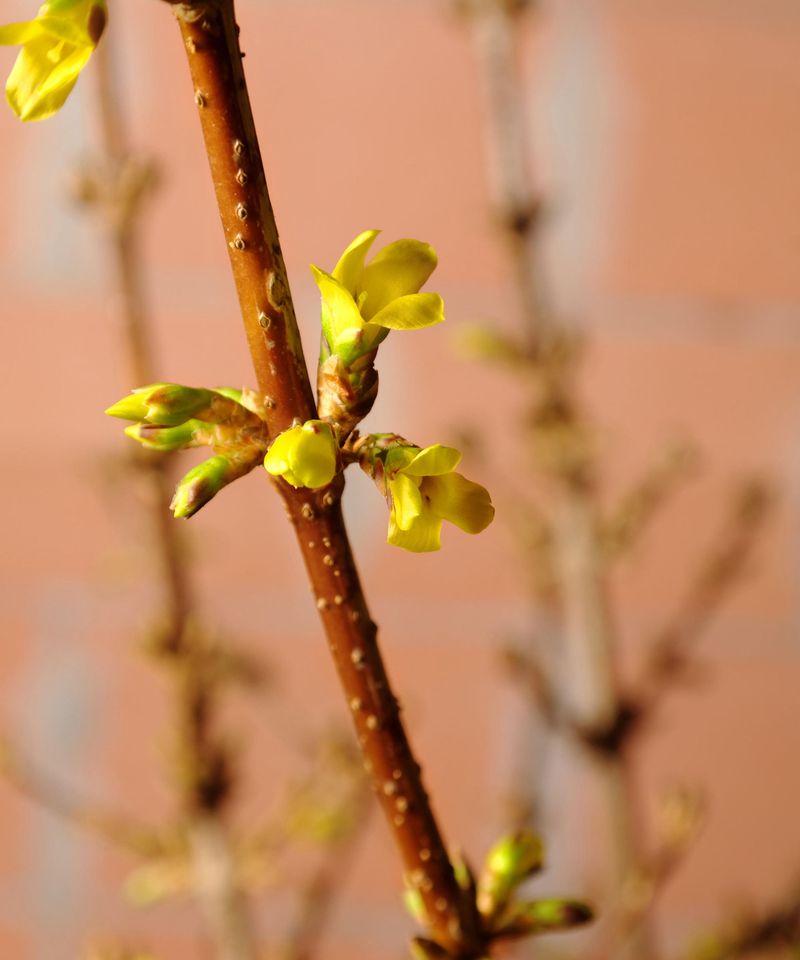
Forsythia is what gardeners call an old-wood bloomer. That phrase matters more than it might sound.
Old wood refers to stems that grew during the previous season, not the current one.
Flower buds form on those established stems during summer. By late July or early August in most parts of the South, the buds are already in place.
They sit quietly through fall and winter, just waiting for warmer temperatures to trigger them into bloom.
New growth that shoots up in spring or summer will not flower until the following year. So every stem on your forsythia has a role to play, but the timing is offset by a full growing season.
Shrubs that bloom on new wood are different. You can cut those back in fall or winter without losing flowers.
Butterfly bush and crape myrtle fall into that category. Forsythia does not, and mixing up the two types is a common source of frustration.
Your Georgia Garden Changes Every Week. Your Plan Should Too.
Gardening in Georgia changes quickly throughout the season. Every Friday you’ll receive a simple weekly plan showing exactly what to plant, prune, fertilize, harvest, and protect so you never miss the right timing.
Checking whether a shrub blooms on old or new wood before pruning can save you a full year of waiting. For forsythia specifically, the rule is straightforward: the stems carrying next spring’s flowers are already on the plant right now.
Cutting them off in fall means starting over and waiting another full season for results.
3. Fall Pruning Removes Part Of The Coming Display
Imagine cutting a third of your lights off a string before the holidays and then wondering why the display looks dim. Fall pruning forsythia works the same way.
Every stem removed in autumn is a stem that will not flower in spring.
A heavy fall trim can strip away a significant portion of the bloom potential before winter even starts. Lighter trimming still causes losses, just smaller ones.
Even selective cuts in the wrong season add up over time.
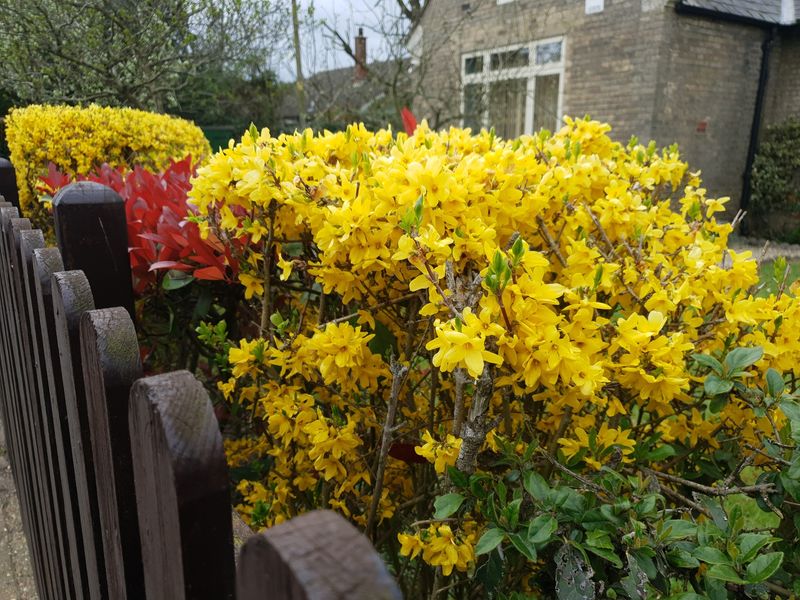
Forsythia is a generous shrub. Left alone after its proper pruning window, it can produce hundreds of blooms across dozens of arching branches.
That fullness is what makes it so striking in early spring.
Repeated fall trimming gradually reduces that fullness. Gardeners sometimes notice the shrub seems less vigorous than it used to be, without connecting it to their annual autumn cutback.
Vigor can decline slowly over several seasons of misdirected pruning.
In Georgia, where spring comes early and forsythia often blooms as soon as late February, protecting those buds through winter matters. A shrub that has been fall-pruned may produce only a fraction of its potential bloom count.
Skipping the fall cut and waiting for the right season preserves the full display and keeps the shrub performing at its natural best.
4. Late Trimming May Also Trigger Tender New Growth
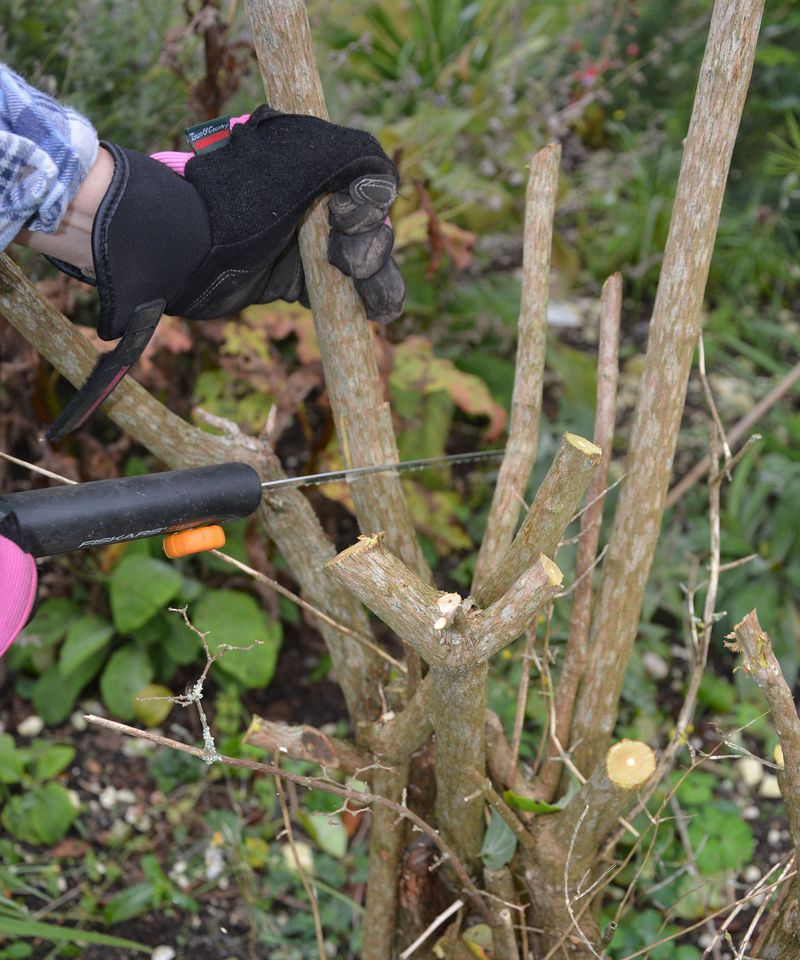
Cutting into a forsythia late in the season can do more than remove buds. It can actually wake the shrub up at the wrong time.
Pruning sends a signal to the plant that growth is needed, and the shrub may respond by pushing out soft new shoots.
That tender new growth is a problem when cold weather is still ahead. Young stems that emerge in September or October have not had time to harden off.
A hard frost can damage them, and repeated cold snaps can stress the shrub further.
Hardening off is the natural process where stems toughen up as temperatures drop gradually through fall. New growth triggered by late pruning misses that window entirely.
Not every forsythia will respond this way. Some shrubs push new growth aggressively after cuts, while others are more reserved.
Soil fertility, recent rainfall, and overall plant health all play a role in how the shrub reacts.
Across the South, fall temperatures can swing unpredictably. A warm October followed by a sharp November cold front is not unusual.
Forsythia that pushed new growth after a fall trim may be more vulnerable during those temperature swings than an unpruned shrub would be.
Avoiding late-season cuts sidesteps this risk entirely. Waiting for the correct pruning window protects both the buds and the overall health of the plant heading into winter.
5. The Best Pruning Window Comes After Flowering
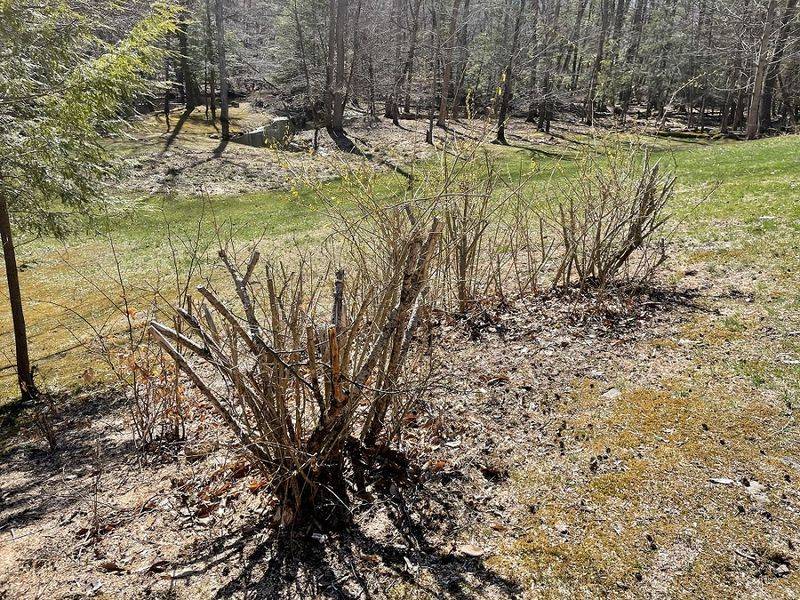
Forsythia gives you a clear signal when it is ready to be pruned. Wait until the flowers fade and the blooms drop.
That moment, right after peak flowering, is the ideal time to pick up your pruners.
Pruning at this point lets you shape the shrub without touching any future buds. The plant has just finished its display, and the new growth that will carry next year’s flowers has not yet formed.
You are working in the narrow window between the two cycles.
In Georgia, that window often falls somewhere between late February and early April, depending on the year and location. Forsythia tends to bloom early here compared to northern states, so the post-bloom pruning season also arrives ahead of schedule.
Timing does not have to be exact to the day. A week or two of flexibility exists around peak bloom drop.
Pruning a little early while a few flowers linger is generally fine. Waiting a few weeks after bloom is also acceptable in most cases.
What matters is staying well clear of late summer and fall. By August, new buds have begun forming on the current season’s growth.
Any pruning after that point starts cutting into next spring’s flower supply.
Marking your calendar right after bloom fades is a simple habit that keeps forsythia on track and makes the spring show reliably full.
6. Older Stems Should Come Out Near The Ground
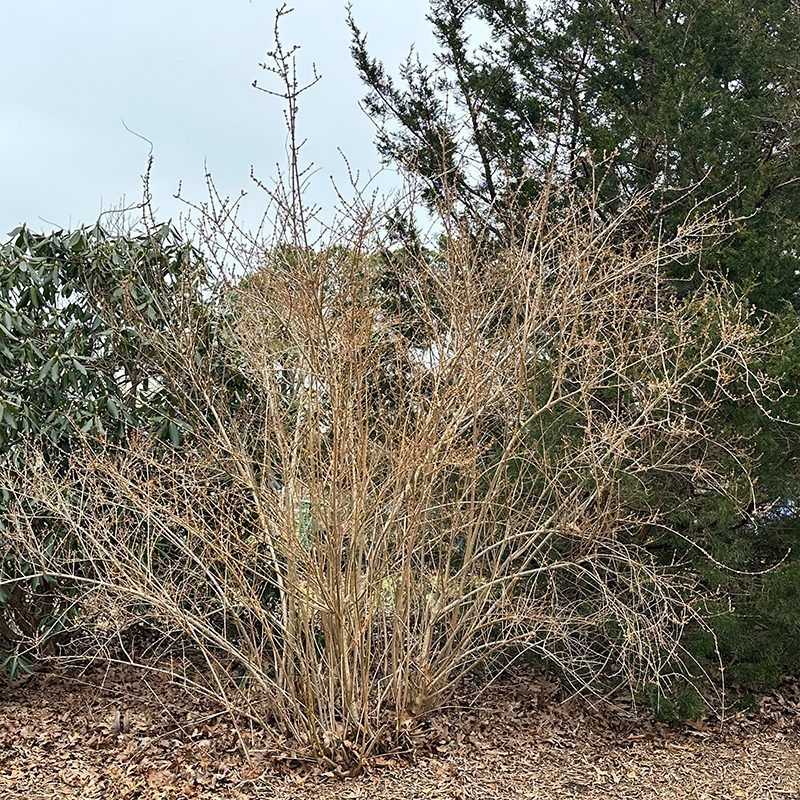
Forsythia does not need to be sheared into a ball to stay healthy. Hedge trimmers might create a tidy shape, but they often cause more problems than they solve on flowering shrubs.
A better approach targets the oldest, thickest canes at the base. Cutting a few of those down near ground level each year encourages the shrub to push up fresh, vigorous stems.
New canes tend to bloom more freely than old, woody ones that have been on the shrub for many years.
Removing two or three of the oldest stems per season is a reasonable pace. Over several years, this gradually renews the entire shrub without gutting it all at once.
The process is sometimes called renewal pruning or rejuvenation pruning, depending on how aggressively it is done.
Canes that cross over each other, rub together, or grow toward the center of the shrub are also good candidates for removal. Improving airflow through the center helps the remaining stems stay healthy and productive.
Shearing, on the other hand, cuts stems at uniform heights across the whole shrub. It creates a tidy look but removes flowering tips and encourages dense, twiggy growth near the surface.
Over time, sheared forsythia can become a tangled mass that blooms poorly.
7. Good Timing Keeps The Yellow Display Full
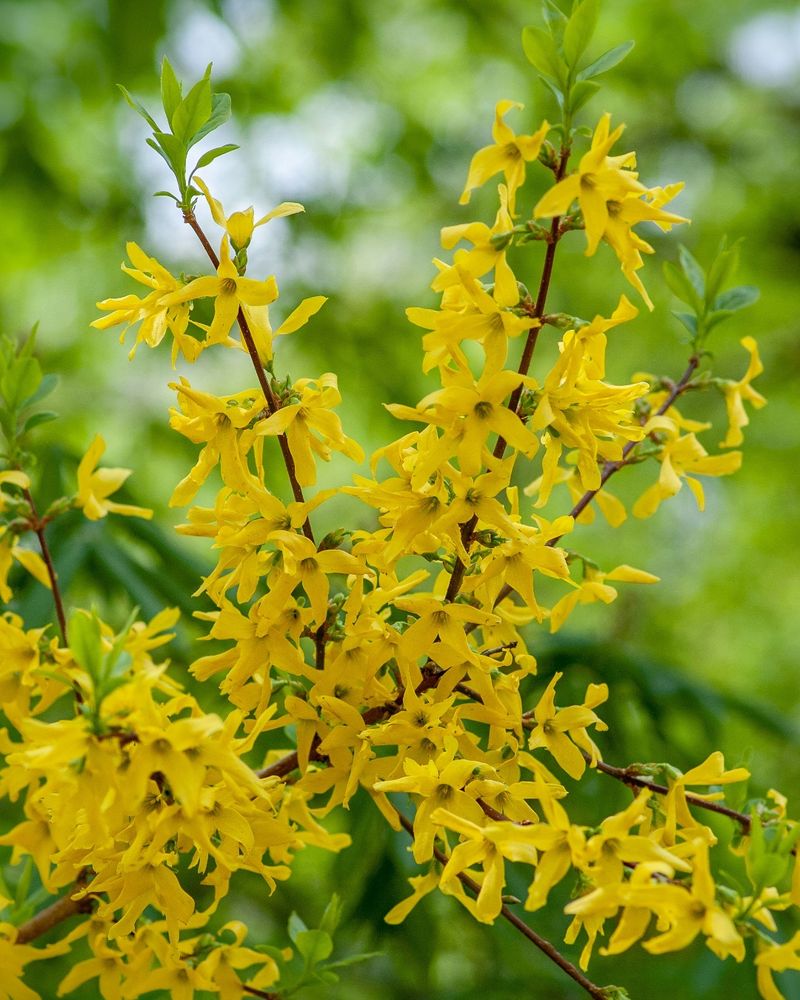
Forsythia is one of the most forgiving shrubs you can grow, as long as you respect its timing. Get the pruning window right, and it tends to reward you generously every spring with minimal fuss.
Skipping fall trimming is the single biggest adjustment most gardeners need to make. Once that habit changes, forsythia often bounces back within a season or two, depending on how much of the shrub was affected by previous cuts.
Pairing good timing with selective pruning creates the best results.
Removing old canes after bloom, shaping lightly while flowers are fading, and leaving the shrub alone through summer and fall covers most of what forsythia needs from a pruning standpoint.
Fertilizer, water, and sunlight all influence how well the shrub performs, but none of those inputs can compensate for pruning at the wrong time. Timing is the foundation everything else builds on.
Across Georgia and the broader Southeast, gardeners who switch to post-bloom pruning often report noticeably fuller displays the following spring.
The improvement is not guaranteed for every plant in every yard, since soil conditions, sun exposure, and plant age all matter.
But for most healthy forsythia, the change in timing alone can restore much of the bloom coverage that fall cuts were quietly taking away.