What To Plant In That Dark Strip Between Georgia Houses This Fall
Plenty of side yards between houses end up as a strip of bare dirt and struggling grass that nobody enjoys.
That narrow space gets very little direct sun, so plants that thrive out front often give up there.
It can also stay damp after rain, and the soil in Georgia neighborhoods is often packed hard from construction. Those conditions rule out a lot of the usual choices before they have a chance.
Still, a dark side yard does not have to stay an eyesore you avoid.
Several shade-tolerant plants can handle low light and tight spaces without much fuss. Planting them this fall gives their roots time to settle in before summer heat returns.
Walk that strip on a sunny afternoon and notice how much light actually reaches the ground.
1. Cast Iron Plant Earns Its Name In Deep, Dim Shade
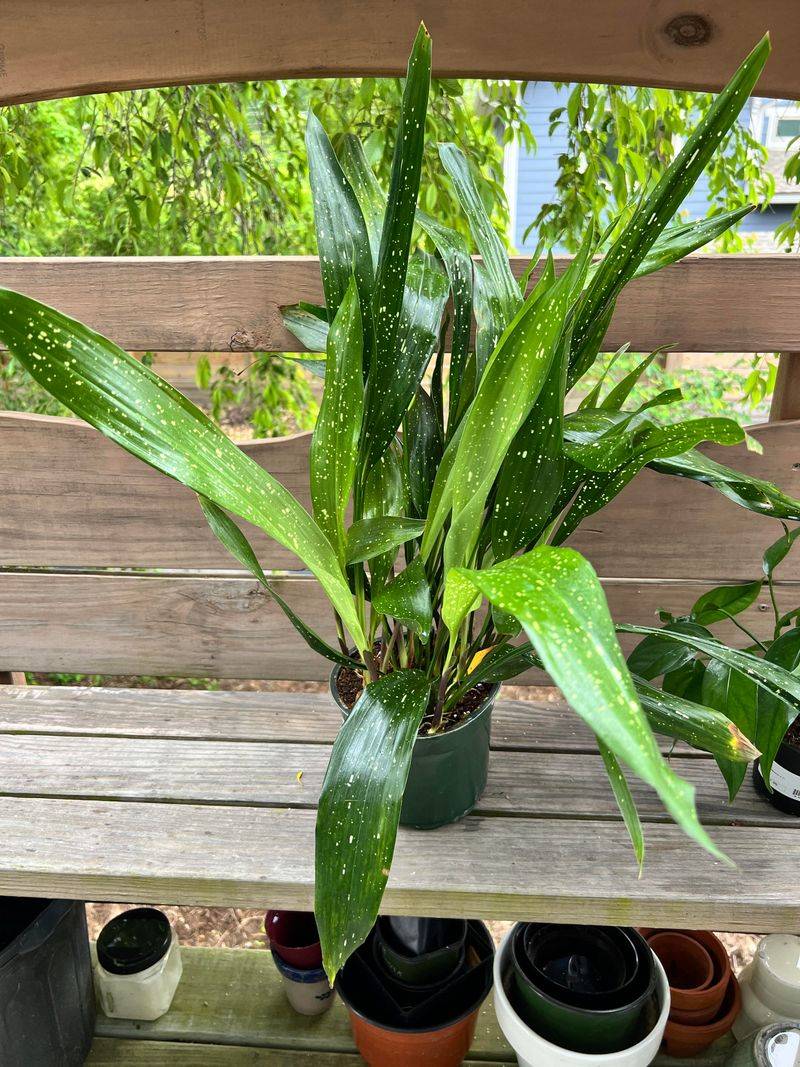
Some plants sulk the moment they lose a little sun. Cast iron plant is the opposite, and it seems perfectly content in the darkest corner of a side yard.
Its long, glossy leaves rise straight from the ground and can reach about 2 feet tall.
That clean, upright look fits well in a narrow strip. It adds steady green against a fence or wall without spilling over onto the path.
Cast iron plant also handles neglect better than most. Once its roots settle in, it can get by on very little water and almost never needs feeding.
Direct sun is the one thing it truly dislikes, since bright afternoon light can scorch the leaves and leave pale, bleached patches.
It grows slowly, so start with plants that are already a good size if you want the space to fill in sooner. Over the years, the clumps spread outward and form a thick, even patch.
In the coldest parts of north Georgia, a harsh winter may brown some leaves, but new ones usually show up in spring.
Cut any tattered leaves right down at the base. Fresh growth will replace them and keep the planting looking tidy.
2. Year-Round Green Comes Easy With Christmas Fern
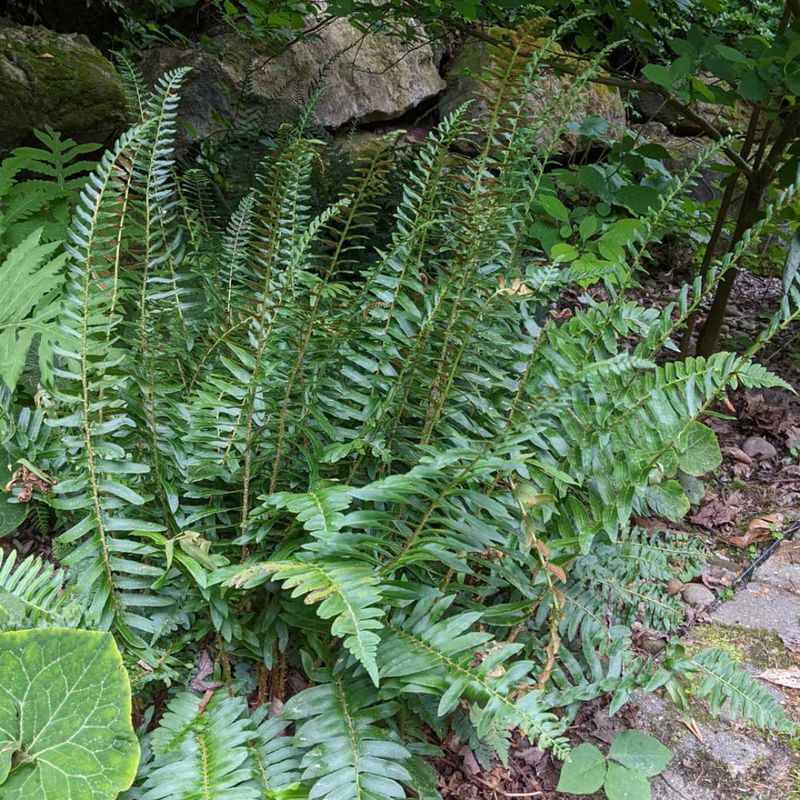
Plenty of ferns disappear when cold weather arrives, leaving the side yard bare until spring. Christmas fern holds on to its color all winter, which is how it earned its cheerful name.
This native fern grows in neat clumps about 1 to 2 feet tall and wide.
Its fronds arch outward in a fountain shape, and each small leaflet has a little bump near the base. Many people say those leaflets look like tiny Christmas stockings hanging from the stem.
Christmas fern grows wild on shady slopes and woodland edges across Georgia, so it feels right at home in a dim strip between houses. It tolerates clay better than many ferns and handles some dry spells once established.
It also stays put in its clump instead of spreading all over the place.
That makes it easy to plan around in a tight space. You can set plants about 18 inches apart along a wall or walkway and expect them to stay tidy.
Your Georgia Garden Changes Every Week. Your Plan Should Too.
Gardening in Georgia changes quickly throughout the season. Every Friday you’ll receive a simple weekly plan showing exactly what to plant, prune, fertilize, harvest, and protect so you never miss the right timing.
In late winter, older fronds start to flop and look a bit worn. Trimming them away right before new fiddleheads appear gives the plant a fresh start and keeps the strip looking cared for.
Its evergreen fronds also help the area look finished during months when many shade plants have faded back.
3. Hellebores Bloom In Late Winter When Little Else Does
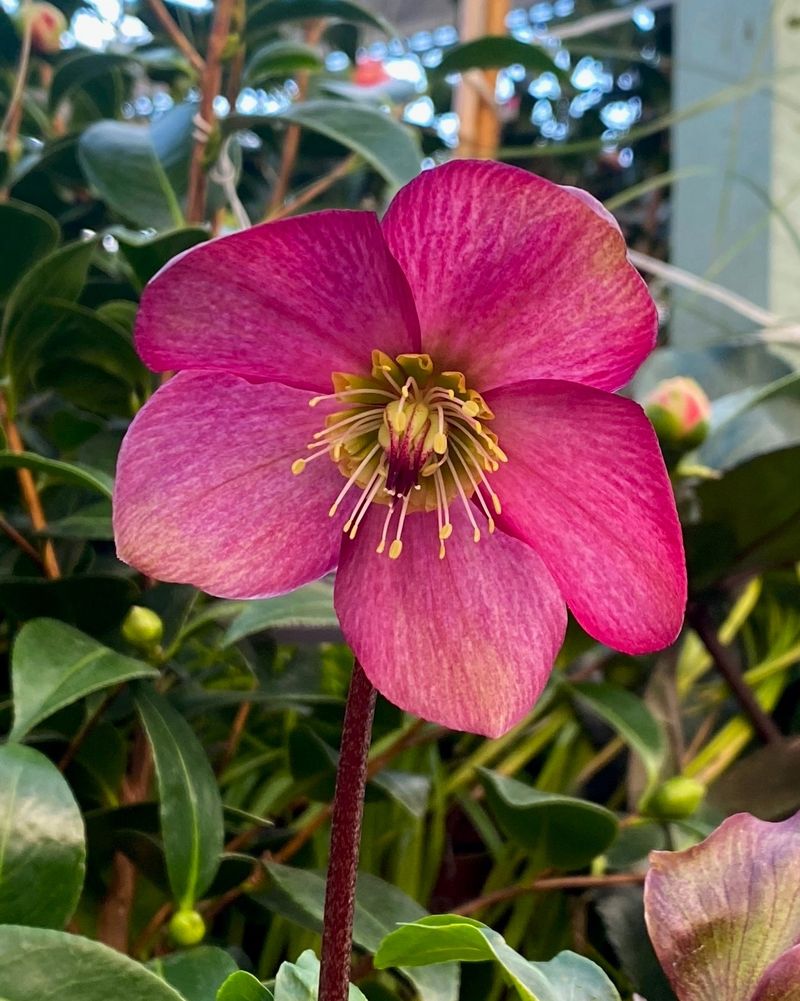
By February, most gardens look tired and gray. Hellebores choose that quiet stretch to open their flowers, and they bring real color to a shady side yard.
The blooms come in white, pink, deep plum, and soft green, and some are speckled inside.
Many people call them Lenten roses because they often flower around the start of spring. The blooms tend to hang downward, so planting them near a path or window makes them easier to enjoy.
The leathery leaves stay green through most of the year. They give the strip a full look long after the flowers fade.
Hellebores grow well in partial to full shade, which makes them a strong fit for spaces between Georgia homes.
They do need decent drainage, though. Soggy soil can rot the roots, so mix in compost or plant them on a slight rise if water tends to collect after storms.
Deer and rabbits usually leave hellebores alone, since all parts of the plant are toxic.
In late winter, trim off old, ragged leaves before the flower buds open. That small chore lets the blooms show clearly and makes room for fresh new leaves to come up in spring.
4. Between Stepping Stones, Dwarf Mondo Grass Fills Narrow Shady Gaps
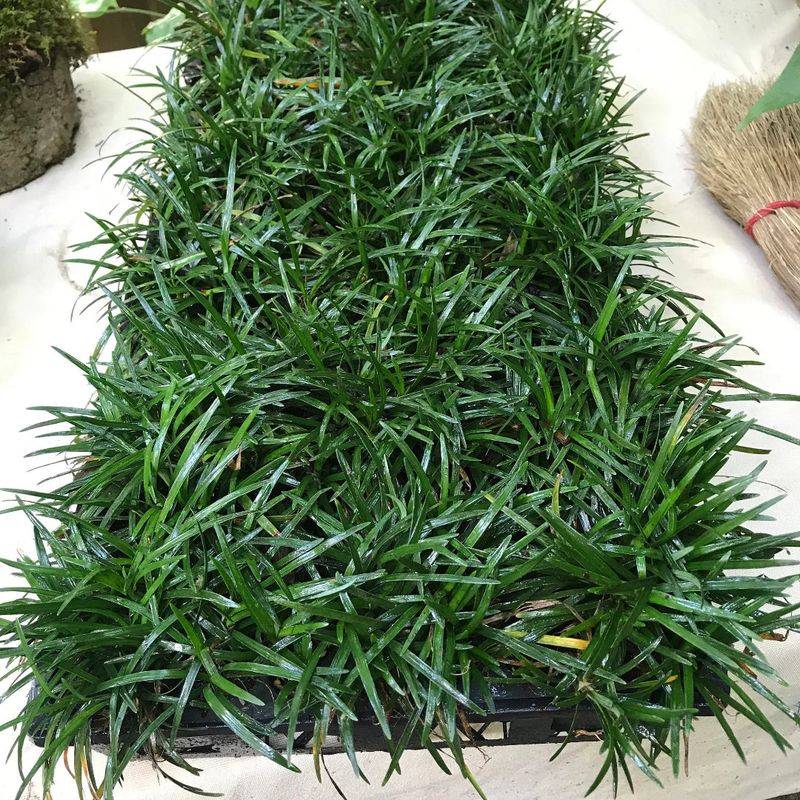
A path through a side yard often turns into mud when grass won’t grow between the stones. Dwarf mondo grass solves that problem with a low, soft carpet that thrives in shade.
It grows only 2 to 4 inches tall, so it never covers up the stones.
The thin, dark green blades stay neat all year without mowing. That makes it a great match for tight spaces where pushing a mower would be a real hassle.
Dwarf mondo grass spreads slowly by underground runners. Plant small clumps or plugs about 3 to 4 inches apart, and they should knit together within a couple of growing seasons.
It handles light foot traffic well, though it won’t stand up to heavy daily use like a lawn would.
Keep the soil evenly moist during the first year while roots get established. After that, it can get by on far less water and usually needs little care beyond pulling a few stray weeds.
Fall is a smart time to plant in Georgia, since cooler weather gives the roots time to grow before summer heat.
Once it fills in, the path looks finished and much more inviting to walk through.
5. In Milder Areas, Fatsia’s Bold Leaves Brighten A Gloomy Corridor
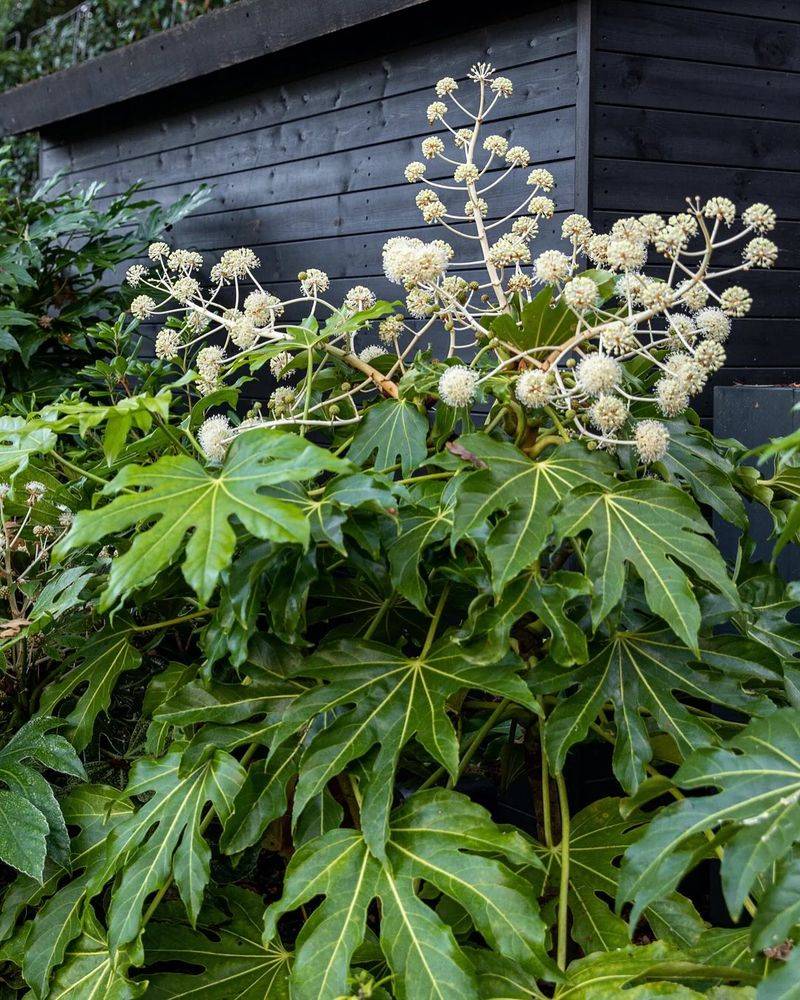
Small leaves can get lost in a dark side yard. Fatsia goes the other way with big, glossy leaves that can stretch more than a foot across.
Each leaf is deeply cut into finger-like lobes, giving the plant a lush, almost tropical look.
That bold texture stands out even in heavy shade. A single fatsia near the end of a narrow corridor can make the whole space feel more interesting and planned.
It grows into a rounded shrub about 6 to 10 feet tall over time. In fall, it sends up clusters of creamy white flower balls that later turn into small black berries.
Fatsia does best in the middle and southern parts of Georgia, where winters stay milder.
Hard freezes can damage the leaves, especially in exposed spots. Planting it close to a house wall helps, since the building holds warmth and blocks cold winds.
It likes rich, moist soil that still drains well, along with steady protection from afternoon sun.
If the plant gets leggy or too tall, cut a few of the oldest stems back near the ground in late winter. New shoots will fill in from below and keep it full.
6. Speckled Aucuba Adds Variegation Where Sun Rarely Reaches
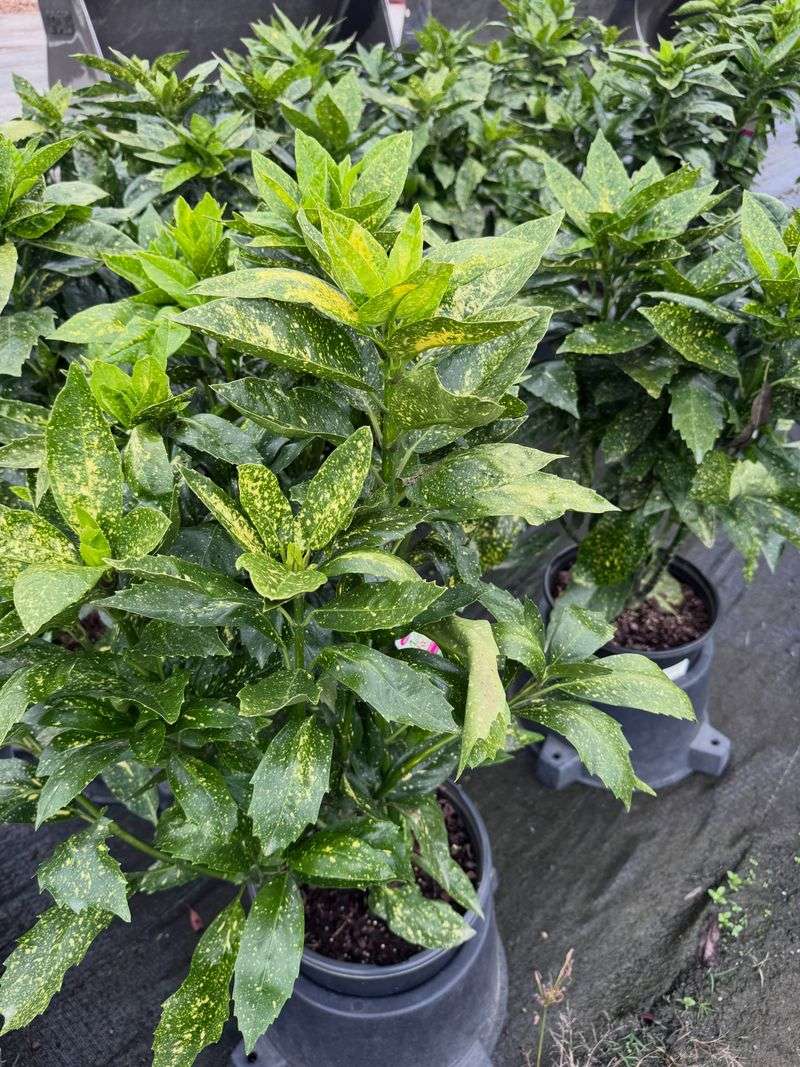
Dark green plants can blend together in a shady strip until everything looks the same. Speckled aucuba breaks that up with glossy leaves dotted in bright gold.
Those flecks catch whatever little light reaches the ground and make the space feel brighter.
Many people know this shrub as gold dust plant, a name that fits its look perfectly. It works well as a backdrop along a fence or as a soft screen near a window.
Aucuba actually prefers deep shade. Strong sun can burn the leaves and turn them black, so a dim side yard suits it better than an open bed.
Most plants grow about 6 to 10 feet tall, though dwarf types stay closer to 3 or 4 feet.
Good drainage matters a lot. Aucuba can develop root rot in soggy ground, so avoid low spots where water sits after rain or improve the soil with compost before planting.
Female plants produce bright red berries in winter if a male plant grows nearby. That extra color is a nice bonus in a space that often looks dull.
Across much of Georgia, it stays evergreen and needs only light pruning to keep its natural shape.
Its bold foliage also gives the narrow bed a stronger focal point without needing flowers to make the area feel interesting.
7. Holly Fern’s Leathery Fronds Look Polished Even In Low Light
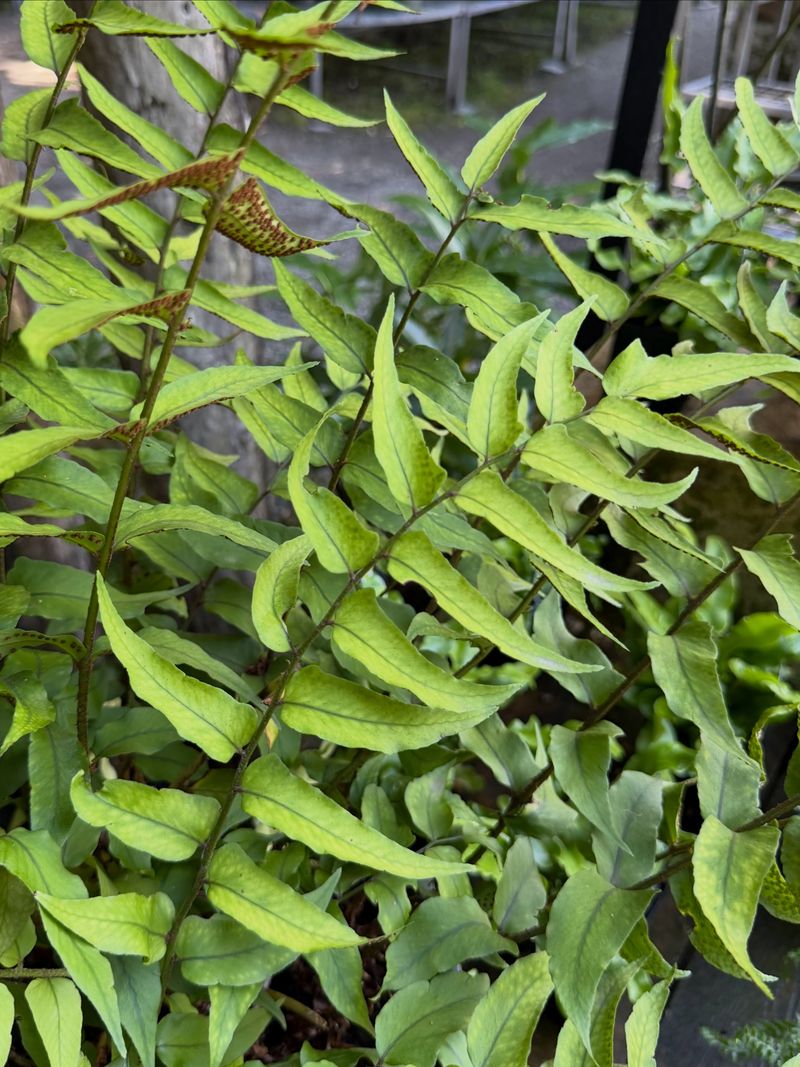
Some ferns look soft, lacy, and delicate. Holly fern has a sturdier, shinier style that holds up well in tight, shady spots.
Its thick, glossy leaflets look a lot like holly leaves, which is where the name comes from.
That polished look stays strong through most of the year. In a side yard, it gives a clean, finished feel that pairs well with brick, stone, or painted siding.
Holly fern grows in clumps about 2 feet tall and wide. It doesn’t creep or spread, so it keeps its place along a walkway without crowding nearby plants.
It does best in partial to full shade with moist soil that drains well.
Avoid burying the crown when planting, since too much soil over the center can cause rot. Set the plant so the top of the root ball sits level with the ground.
Once established, holly fern handles short dry spells better than many ferns. A layer of mulch helps hold moisture and keeps roots cool through hot summers.
In the colder northern parts of Georgia, a hard winter may damage some fronds. Trim them away in early spring, and fresh new growth should unfold within a few weeks.
8. Native Foamflower Sends Up Frothy Spring Blooms In Shade
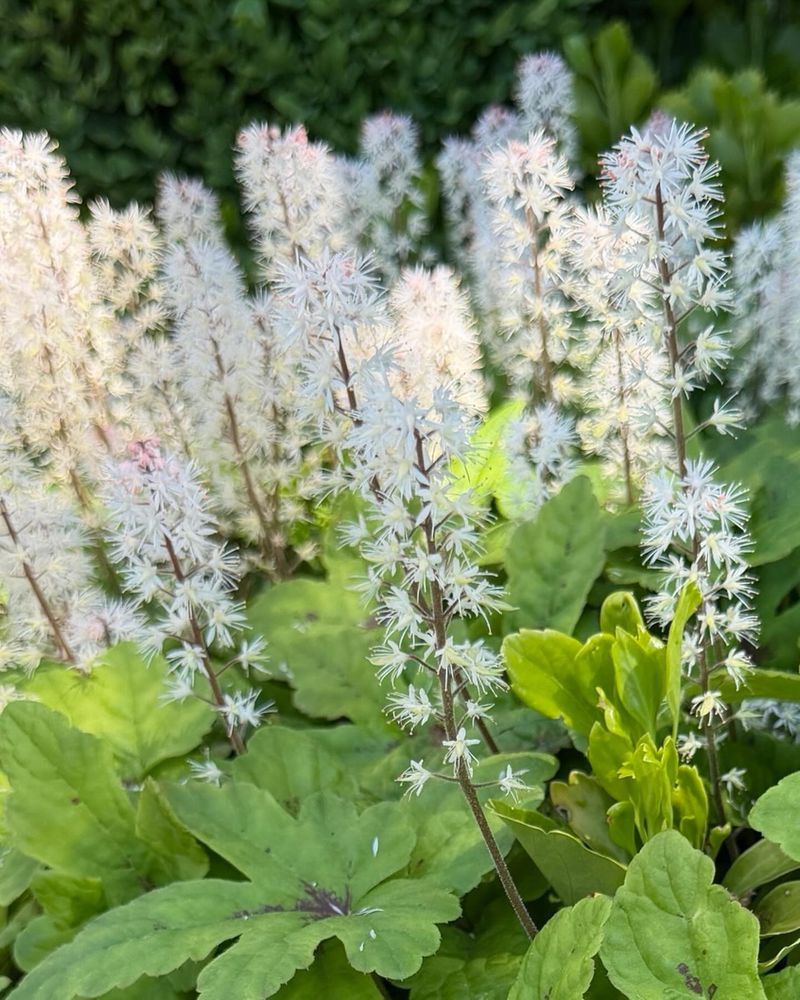
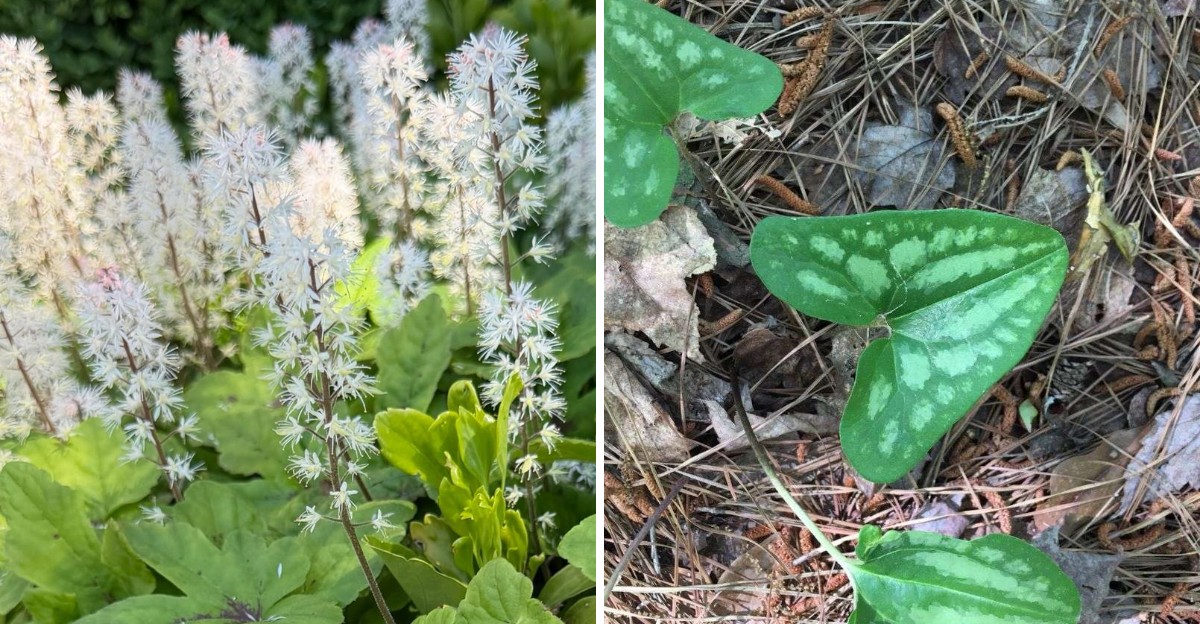
Spring color can be hard to find in a dark side yard. Foamflower fills that gap with fluffy spikes of tiny blooms that look like sea foam.
The flowers are usually white or soft pink and rise on thin stems just above the leaves.
Those blooms show up for several weeks in mid to late spring. They also bring in early bees and other small pollinators looking for food in shady spots.
The leaves deserve attention too. Many varieties have heart-shaped or lobed leaves with dark veins, and some turn red or bronze when cold weather arrives.
Foamflower is native to shady woodlands in north Georgia, so it handles shade and cooler soil with ease.
It grows best in rich, moist soil that still drains well. Mixing compost into hard, packed dirt before planting gives the young roots a much better start.
Some types spread by runners and slowly form a soft groundcover. Others stay in neat clumps, which works well along a narrow path or wall.
Most plants stay well under a foot tall. Space them about 12 inches apart, and keep the soil from drying out completely during their first summer in the ground.
9. Low And Evergreen, Heartleaf Ginger Hugs The Ground Along Walls
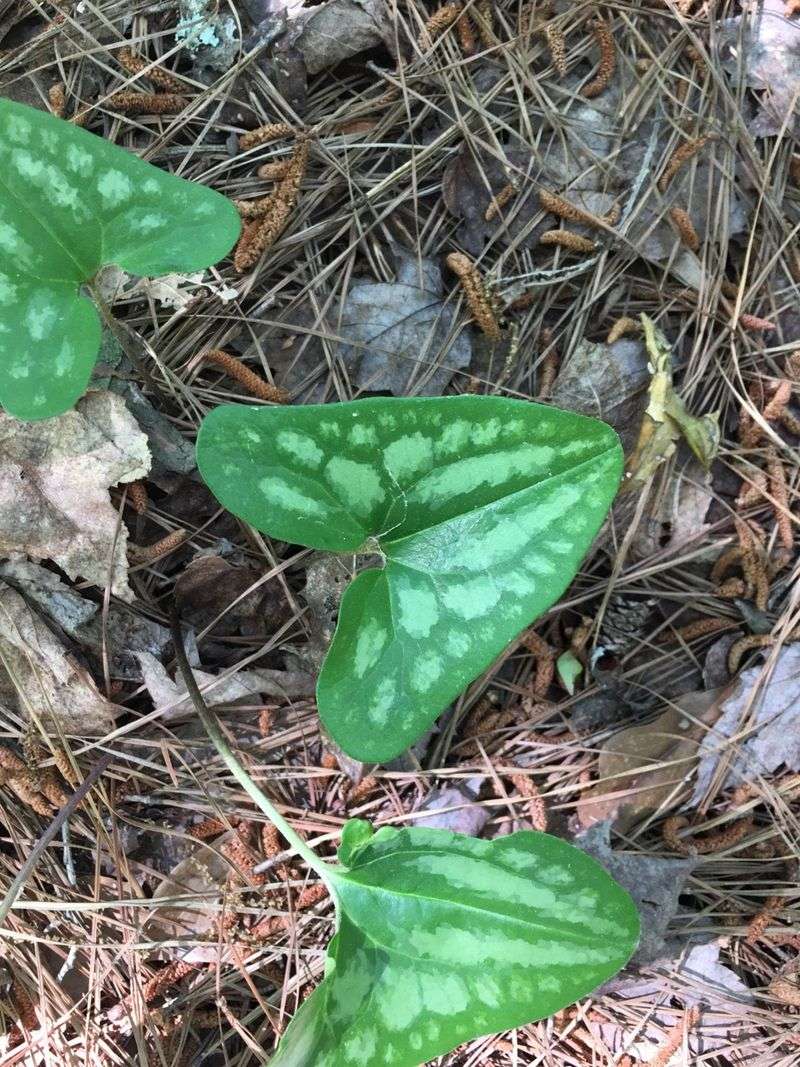
The base of a house wall is often the hardest place to fill. Heartleaf ginger stays low and tidy, making it a good fit for that thin, shaded edge.
Its glossy, heart-shaped leaves are often marked with silver patterns.
This native plant typically grows only about 2 to 4 inches tall. It stays green all year, so the strip along the wall never looks bare, even in the middle of winter.
Despite its name, heartleaf ginger is not the ginger used in cooking. People sometimes call it little brown jug because of its odd, jug-shaped flowers that hide near the ground under the leaves in spring.
Ants help spread the seeds, which is one reason new plants slowly pop up nearby.
Heartleaf ginger grows wild in shady woods throughout Georgia. It prefers acidic soil that drains well and doesn’t stay soggy for long after rain.
It grows slowly, so expect patience to be part of the process. Spacing plants about 8 to 12 inches apart helps them fill in faster.
Mulch with shredded leaves or pine straw to keep the soil cool and moist. Over time, the patch becomes a soft green border that needs very little care.