The One Thing North Carolina Raised Beds Need In October To Keep Nutrients From Washing Away By Spring
Every October, North Carolina gardeners pull the last peppers and stand admiring their tidy raised beds like proud parents. The soil looks dark, crumbly, and ready for a long winter nap under the cool autumn sky.
Then the winter rains arrive, drumming on bare dirt for weeks while nobody is outside watching the beds closely. Quietly, the good stuff your plants need starts slipping away, sinking deep below where hungry roots can reach.
By March, that rich bed can look the same but feel strangely tired, like a sponge squeezed dry. Seedlings sprout, turn pale yellow, and sulk in the corner while you scratch your head and check the calendar.
Many North Carolina growers blame the weather, the seed packet, or even that one suspicious squirrel from next door. The real trouble often started months earlier, back when the beds looked finished and everyone went indoors for cocoa.
A Living Green Blanket Over Bare Soil
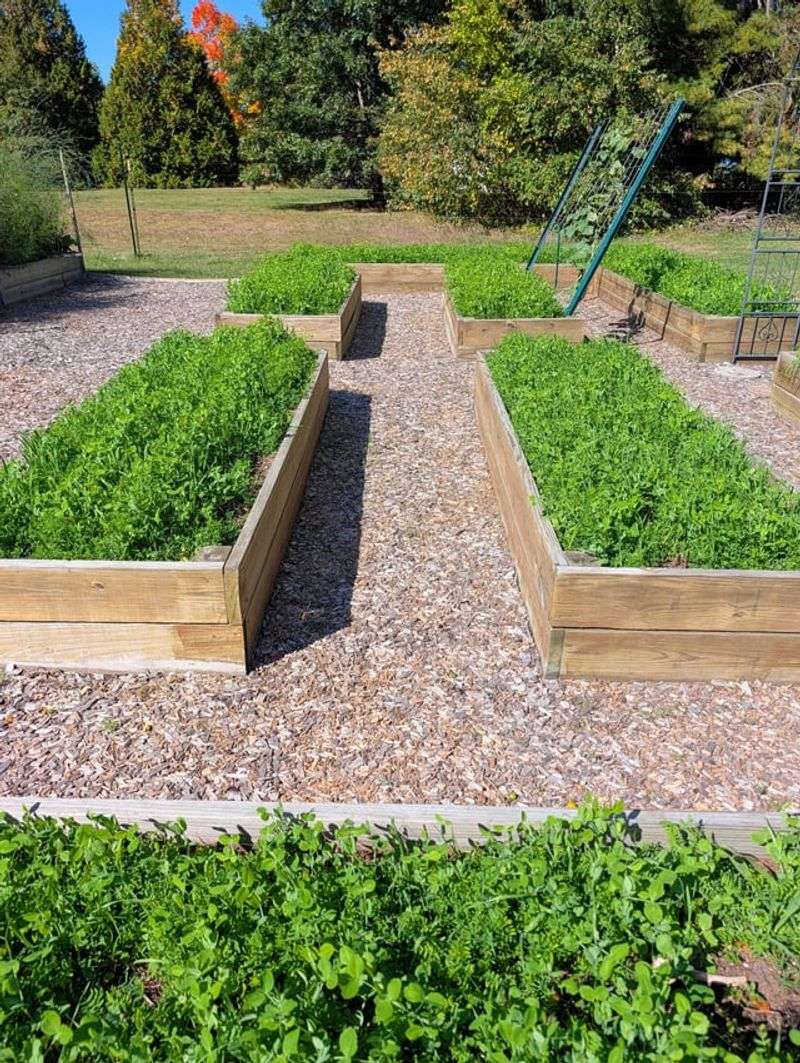
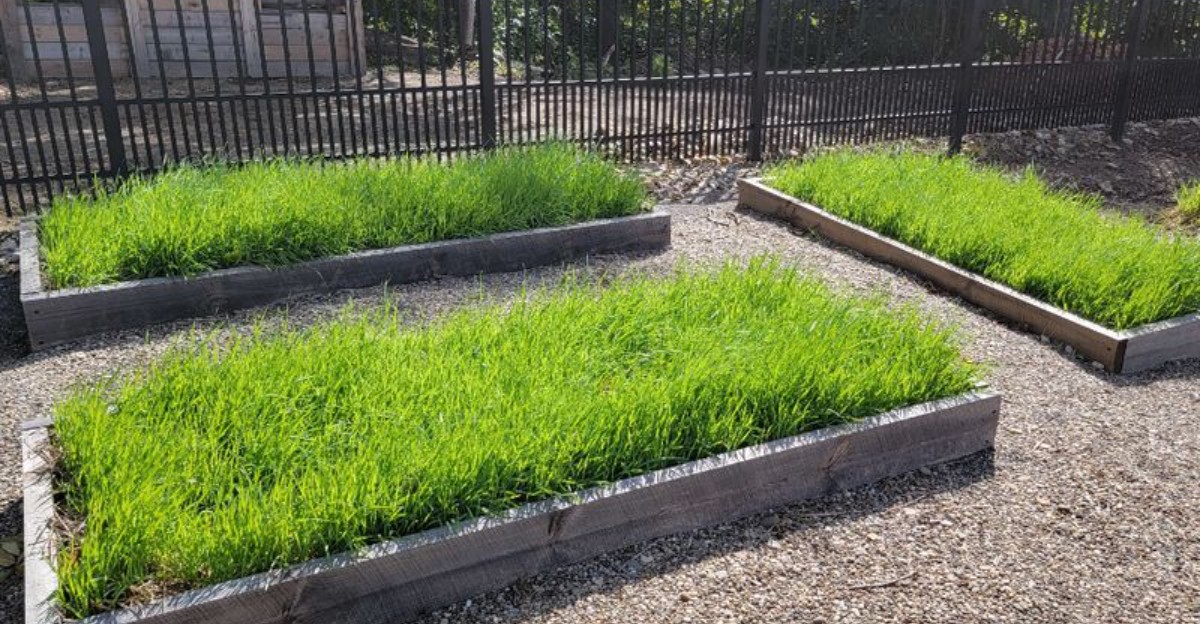
Picture a cozy quilt tossed over your garden, except this one grows by itself and feeds the ground. Cover crops work like that, sprouting quickly in fall and holding the soil together through chilly, wet months.
Bare soil in raised beds faces a rough winter, especially with the heavy rains North Carolina often gets. Heavy storms can wash nitrogen and other nutrients downward, past the root zone where spring vegetables will later feed.
Living roots act like tiny nets, grabbing those loose nutrients and storing them inside leaves and stems until spring. When you cut the plants down later, the stored food slowly returns to the soil for your new crops.
Raised beds often drain faster than in-ground rows, which is great for summer but tricky during soggy winters. Water moves quickly through the loose mix, carrying nutrients below the roots before they can grab them.
A green cover also shields the surface from pounding raindrops that crust the top layer and seal out air. Earthworms favor the sheltered, moist soil under a cover crop, which gives them a better home through the cooler months.
Weeds also struggle to move in, because the cover crop claims the space, sunlight, and moisture first. Chickweed and henbit pop up in many Carolina gardens each winter, but thick plantings help crowd out many of them.
Think of it as hiring a quiet helper who works all winter and asks for nothing except a little seed. Your spring garden can reward you with richer soil, steadier growth, and fewer yellow leaves on young plants.
Best Cover Crop Choices For North Carolina Raised Beds
Crimson clover is one of the most popular cover crops across the South, and for good reason. Its bright red flowers feed early bees, while bacteria living on its roots pull nitrogen from the air and store it underground.
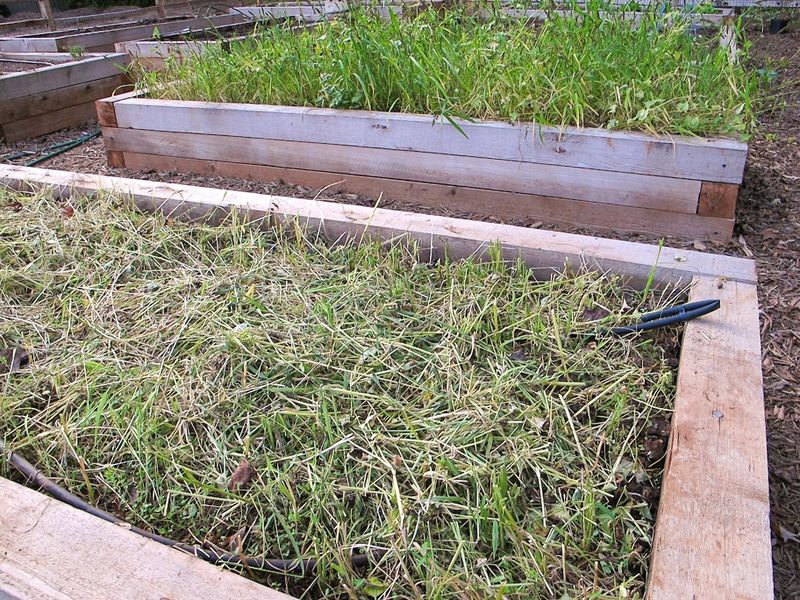
Cereal rye is the hardiest of the group, growing in cold snaps that slow down other plants. Its thick roots grab leftover nutrients fast, which makes it a smart pick after heavy feeders like tomatoes.
Your North Carolina Garden Changes Every Week. Your Plan Should Too.
Gardening in North Carolina changes quickly throughout the season. Every Friday you’ll receive a simple weekly plan showing exactly what to plant, prune, fertilize, harvest, and protect so you never miss the right timing.
Rye can grow tall and stubborn, though, so small beds might prefer something easier to manage by hand. Many gardeners mix a little rye with clover, getting both the strong roots and the free nitrogen boost.
Hairy vetch is another nitrogen champion, with soft purple blooms and vines that sprawl across the bed. Pair it with oats or rye so the vines have something sturdy to climb instead of tangling everywhere.
Oats are a favorite for beginners because they often fade back on their own when temperatures drop well below freezing. In the mountains, a deep freeze usually flattens them, leaving a soft mulch that is easy to plant through.
Daikon radish, sometimes called tillage radish, drills a fat root deep into packed soil like a living corkscrew. In colder areas, the root softens and breaks down over winter, leaving open channels for water, air, and spring roots.
For most North Carolina raised beds, a simple blend of crimson clover and oats offers an easy, reliable start. Grab seed from a local farm store, where staff often know which varieties handle your county best.
Ideal October Sowing Dates Across North Carolina Regions
Ask three Carolina gardeners when to plant cover crops, and you might hear three different answers over coffee. Each one could be right, because the state stretches from chilly mountain peaks to warm, sandy beaches.
In the western mountains, around Boone and Asheville, aim to sow by early October before frosts arrive. Cold weather comes sooner up there, and seeds need about four weeks of growth to root in well.
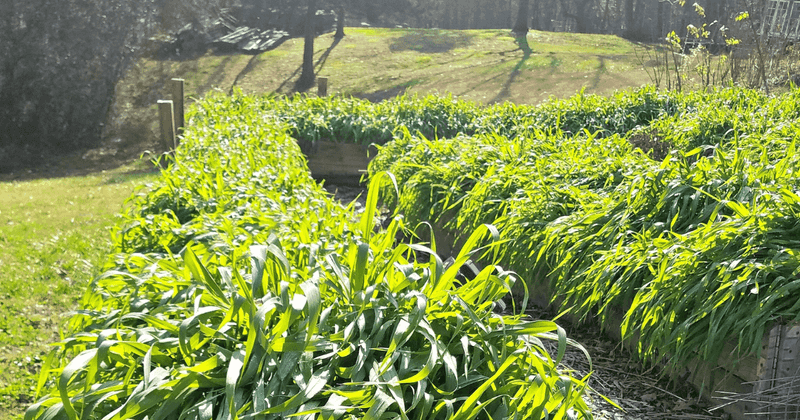
Rye handles mountain chill best, so pick it if your beds sit at higher elevations. Oats also work there as a short-term cover that fades after a hard freeze.
Clover can still work there if it goes in very early in the month, though September is the better window.
The Piedmont, including Charlotte, Greensboro, and Raleigh, enjoys a wider window from early to late October. Early to mid-October is the sweet spot there for clover and vetch, while rye and oats can go in a bit later.
Down in the Coastal Plain, from Wilmington to the Outer Banks, gardeners can sow into early November. Mild coastal air keeps the soil warm longer, so seeds sprout quickly even when the calendar says late fall.
A handy rule of thumb says to plant about four to six weeks before your first expected hard freeze. Check your county extension office website for local frost dates, since they can shift a week either way.
Running a little late is fine, because rye sprouts in surprisingly cool soil and still offers solid protection. Sowing something in late October beats leaving the bed bare and exposed to the long, rainy months ahead.
Soil Nutrients That Cover Crops Protect Through Winter
Did you know a single acre of clover can add around one hundred pounds of nitrogen to the soil? Your raised bed is much smaller, of course, but the same natural magic happens on a tiny scale.
Nitrogen is the nutrient most likely to slip away during winter, since it dissolves easily and travels with water. Plants use it to build green leaves, so a shortage shows up as pale, slow seedlings come spring.
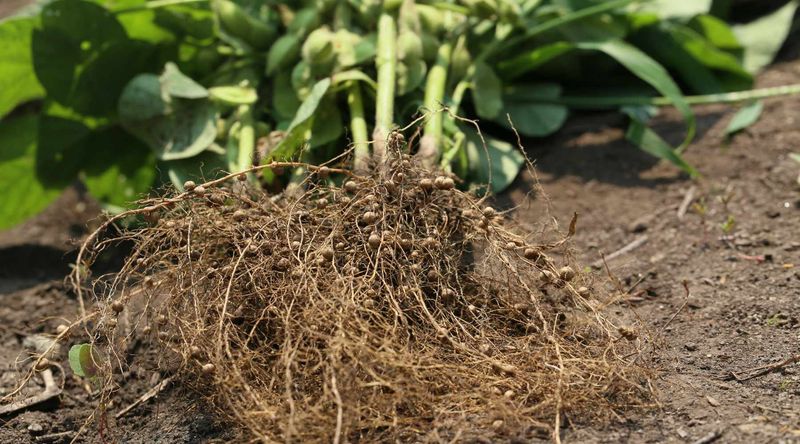
Legumes like clover and vetch team up with helpful bacteria that live in little bumps along their roots. Those bumps, called nodules, turn nitrogen from the air into a form plants can actually use for growth.
Potassium also benefits from a winter cover, since sandy soils near the coast lose it quickly in heavy rain. Grasses like rye scoop up extra potassium and hold it safely in their leaves until you return.
Phosphorus tends to stick tightly to soil, but cover crops help by keeping that soil from washing away. Less erosion means the phosphorus you added last year stays put instead of drifting into nearby streams.
Organic matter is the quiet bonus, building up each time cover crop roots and leaves break down. More organic matter helps raised beds hold moisture longer, which matters during dry stretches in the warmer months.
Soil microbes also stay busier with living roots nearby, trading sugars from the plants for minerals in return. A lively underground community in winter often means stronger, healthier vegetables once planting season rolls around.
Simple Seeding Steps For Small Raised Beds
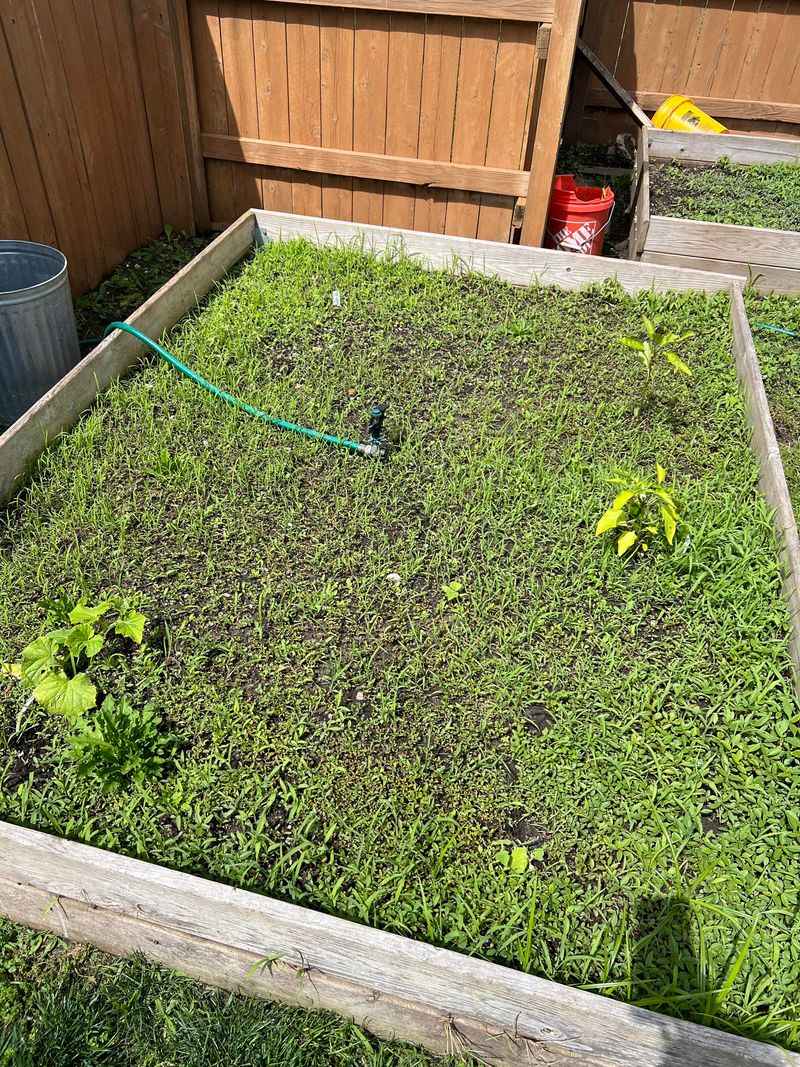
Seeding a cover crop is easier than baking cookies, and it makes far less mess in the kitchen. Most raised beds take about fifteen minutes from start to finish, even for someone trying it the first time.
Start by pulling out spent summer plants, old stakes, and any stubborn weeds still hanging around the edges. Leave small roots in place, since they break down over winter and feed the soil life below.
Next, rough up the top inch of soil with a hand rake or garden fork to loosen any crust. Seeds need good contact with the dirt, and a slightly bumpy surface gives them little pockets to settle into.
Scatter seeds evenly by hand, using roughly half an ounce of clover seed for every fifty square feet of bed. Larger seeds like rye and oats need a heavier hand, closer to two ounces for the same space.
Clover and vetch work best with an inoculant, a dark powder packed with the helpful root bacteria. Toss the seeds in a bowl with a little water and the powder before spreading them across the bed.
After scattering, gently rake the seeds in or sprinkle a thin layer of compost over the top. Pat everything down with the back of a rake so birds have a harder time spotting a free snack.
Water the bed well, then keep the surface lightly moist until tiny green sprouts appear in about a week. Fall rain usually handles the rest, though a dry October spell may call for a quick sprinkle.
Spring Bed Preparation Before The First Planting
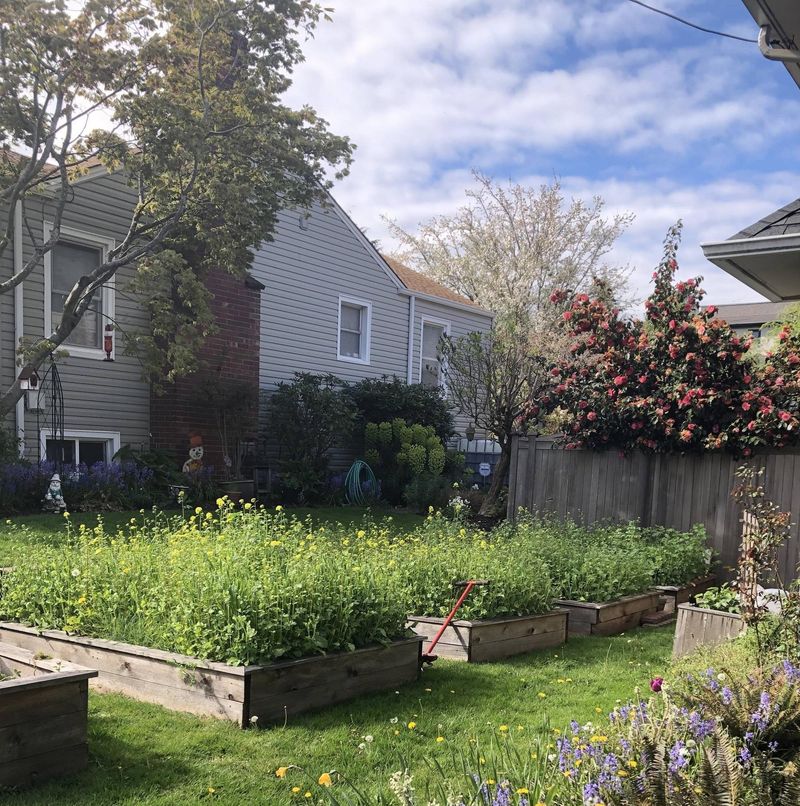
By spring, your raised bed can be lush and green, and you might feel a little sad cutting it. Stay strong, because that leafy growth is about to become the best meal your spring vegetables could ask for.
Plan to cut cover crops about three to four weeks before you set out your first spring transplants. That gap gives the chopped plants time to break down so they do not tie up nitrogen in the soil.
Timing matters most with clover and vetch, which deliver the most nitrogen when cut right as flowers begin opening. In much of North Carolina, that bloom stage arrives somewhere between April and early May, depending on the region and the year.
Grab a pair of hedge shears or a string trimmer and cut the plants down close to the soil line. Chop the tops into smaller pieces, which helps them soften faster and makes the cleanup feel less overwhelming.
You can leave the clippings on top as mulch or lightly mix them into the first few inches. Skipping deep digging protects soil structure and keeps those busy earthworms happily working in their winter tunnels.
Before planting, add a thin layer of finished compost to top off the bed and smooth the surface. A simple soil test from the North Carolina Department of Agriculture can show the soil pH and which nutrients the bed may need.
Fun fact: North Carolina residents can get NCDA soil tests free from April through November, with a small fee during the busy winter season. Once the results arrive, your bed should be rich, crumbly, and ready for peppers, beans, and tomatoes to thrive.