The Fall Trick That Keeps Mice Out Of Ohio Garages And Sheds All Winter

A house mouse can slip through a gap about the width of a pencil. That is roughly a quarter inch, which means a worn garage door seal is basically an open invitation.
I learned this the hard way when I found chewed grass seed bags and a tidy nest of shredded paper behind my potting bench. The culprit had moved in quietly sometime in October, right when the nights in Ohio started turning sharp.
You probably have the same visitors scouting your space right now. They are small, clever, and surprisingly good climbers, and they only need a few weeks to settle in and start a family.
Personally, I used to buy traps first and ask questions later. Then I discovered a simple autumn habit that stops the problem before it starts, and it costs less than a bag of birdseed.
Want to know what changed everything for me?
A Hole The Size Of A Pencil Is All A Mouse Needs
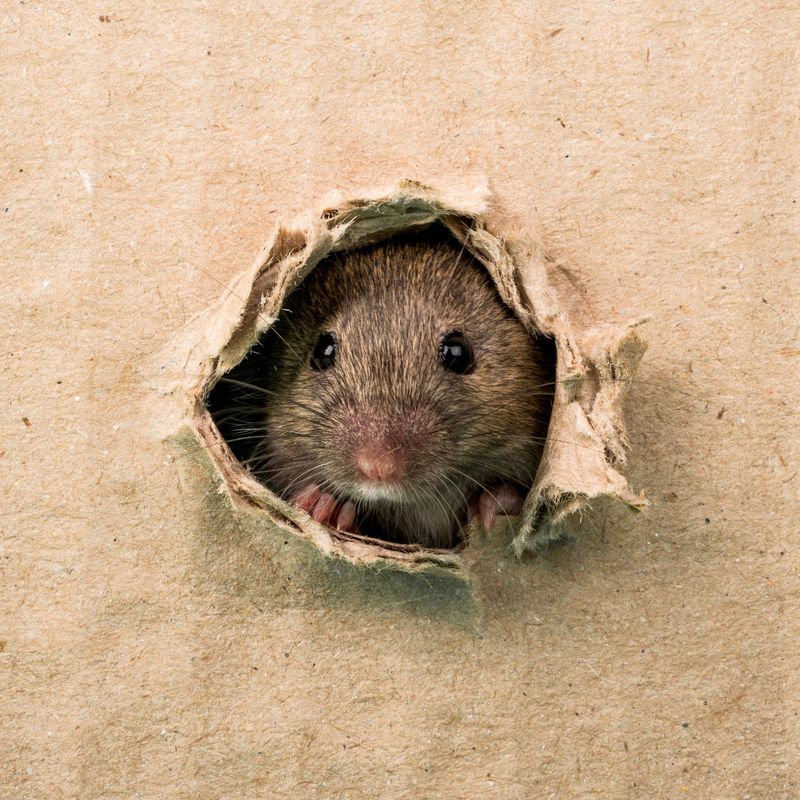
Mice are built like furry water balloons. Their skulls are narrow, and their bodies flatten easily, so a gap around a quarter inch wide is often enough for an adult house mouse to wriggle through.
That fact is the heart of the whole fall trick. The most reliable way to keep mice out of a garage or shed is exclusion, which simply means sealing up the openings before they move in.
University extension experts, including those at Ohio State, point to this as the most lasting form of rodent control.
Traps and baits only deal with mice that are already inside. Sealing the building stops new ones from arriving, which saves you a winter of cleanup and chewed belongings.
Timing matters here too. Deer mice and house mice start hunting for warm shelter as temperatures drop in September and October.
If you seal things up before that rush, you are closing the door while the guest list is still short.
I like to think of it as locking the pantry before the party starts. A free afternoon, a flashlight, and a few basic supplies can do more than a whole shelf of gadgets.
The sections below walk through exactly where to look and what to use.
Steel Wool And Caulk Make A Barrier Mice Can’t Chew Through
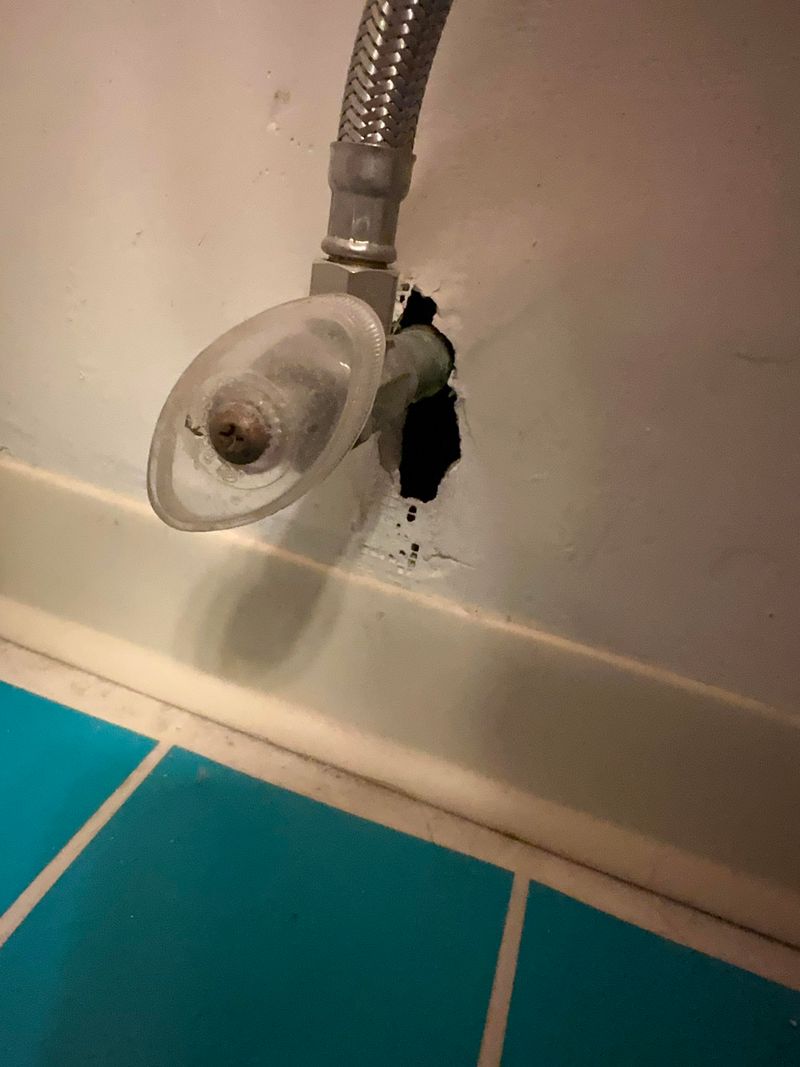
Steel wool has saved more of my garden supplies than any trap I have ever bought. Mice dislike gnawing on those sharp metal fibers, so packing them into small holes works beautifully.
Start with gaps around pipes, wires, dryer vents, and hose bibs. Electricians and plumbers often leave small openings when they run lines through walls, and mice treat those spots like private hallways.
Stuff the steel wool in tightly, then seal over it with a bead of exterior caulk. The caulk holds the wool in place and keeps out moisture, so the metal does not rust away quickly.
Copper mesh is another solid choice because it resists rust even better.
For larger holes, use hardware cloth with a quarter-inch mesh, sheet metal, or mortar. Expanding foam is handy, but mice can chew right through it.
If you use foam, always back it with steel wool or metal mesh first.
Vents deserve special attention. Flimsy plastic vent covers are easy for rodents to gnaw, so swap them for sturdy metal screening.
A few dollars at the hardware store now beats replacing chewed insulation and wiring later in the year.
That Worn Garage Door Seal Is Probably The Biggest Gap
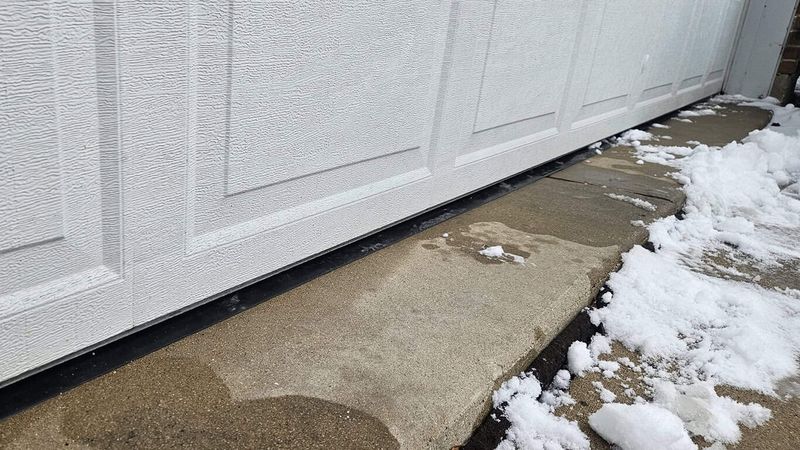
Here is my favorite five-minute test. Close the garage door on a sunny afternoon, turn off the lights, and kneel down inside with a flashlight.
If you see daylight peeking under the door or along the sides, a mouse can probably find its way in. Rubber bottom seals crack, flatten, and shrink over time, especially after a few hot summers and icy winters.
Concrete floors also settle and crack, which can leave uneven gaps along the door bottom. A new bottom seal often fills these spots nicely, and many kits are easy for homeowners to install.
Some folks add a threshold strip on the floor for an even tighter fit.
Do not stop at the bottom. Check the side and top weatherstripping too, since mice are skilled climbers and will use rough siding or trim to reach higher gaps.
Shed doors need the same love. Many prefab sheds have doors that warp slightly, so a sturdy door sweep can make a big difference.
I also make a habit of keeping garage and shed doors closed when I am not using them. A door left open during an evening of yard work is an easy invitation.
Birdseed And Grass Seed Bags Are A Mouse Buffet

Honestly, my shed used to be a five-star restaurant for rodents. Paper sacks of birdseed, grass seed, and dog food sat on the floor, and the mice found them fast.
Food is a huge reason mice choose one building over another. Once they find a steady supply, they stay, build nests, and raise young.
A female house mouse can have several litters a year, so one lucky family can grow quickly.
The fix is simple. Move seed, pet food, and fertilizer containing organic ingredients into metal cans or thick, hard plastic bins with tight lids.
Galvanized trash cans work great and stack well in a corner.
Cardboard boxes are a poor choice. Mice chew through them easily and then shred them for cozy bedding.
While you are at it, sweep up spilled seed and crumbs. Old bulb bags, saved vegetable seeds, and even leftover pumpkins from fall decorating can attract attention.
Bird feeders hung close to the garage scatter seed on the ground too, so consider moving them farther away. Less food nearby means fewer reasons for a mouse to stick around.
Clutter Piles Give Mice Perfect Nesting Spots
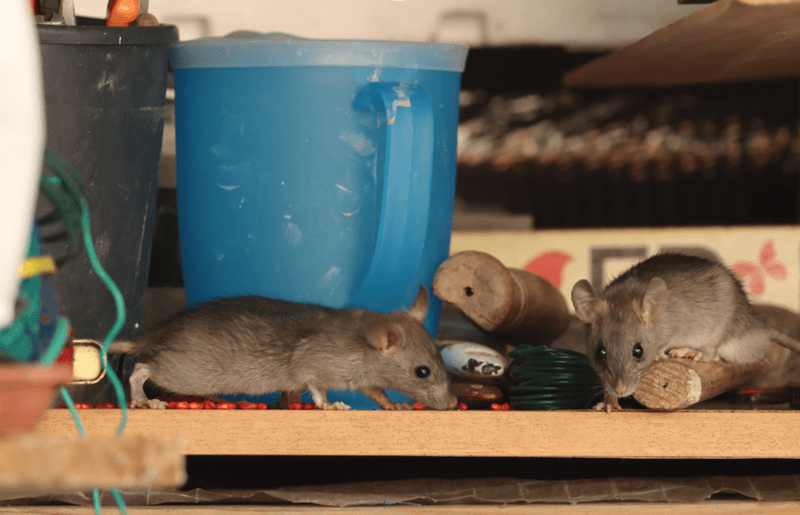
Mice love a mess. Piles of rags, old newspapers, flower pots, and forgotten cardboard boxes give them dark, quiet corners to raise their young.
A fall cleanup takes away those hiding places. I spend one chilly Saturday sorting through my shed, tossing worn-out fabric, recycling stacks of paper, and getting rid of anything I truly do not need.
Next, lift things off the floor. Sturdy metal shelves, wall hooks, and pegboards keep tools and supplies up high, where you can easily spot droppings or gnaw marks.
Clear plastic bins with snap lids let you see what is inside without opening them.
Do not forget your outdoor gear. Lawn mower bags, patio cushions, and camping equipment are favorite nesting spots.
Some folks even find nests tucked inside stored grills, car engines, or under the hood of a seldom-used vehicle.
A tidy space has another bonus. When everything has a place, you notice small changes quickly, like shredded paper or tiny dark droppings.
Catching that early lets you find the entry point and fix it before a whole family settles in for the winter. Plus, you will finally find your favorite trowel again.
Tall Grass And Woodpiles Near The Shed Act Like Mouse Highways

Mice rarely like crossing wide open spaces. Hawks, owls, foxes, and neighborhood cats are always watching, so rodents prefer to travel under cover.
That is why the area around your garage and shed matters so much. Tall weeds, thick shrubs, and ivy climbing the walls give mice a safe path right to your door.
Vines and branches can also help them reach vents and rooflines.
Trim plants back so they do not touch the building. Many pest experts suggest keeping a clear strip around the foundation, and a band of gravel works nicely because it is hard to tunnel through and easy to keep tidy.
Firewood is another big one. Stack it off the ground on a rack and keep it well away from your structures, ideally at least 20 feet if you have space.
Compost bins should also sit at a distance.
Sheds sitting right on soil can be tricky, since mice may burrow underneath. Burying hardware cloth around the base in an L shape, extending down and outward, can block that route.
It takes some digging, but your Ohio shed will thank you come January.
Peppermint Oil Cotton Balls Are A Helper, Not A Fix

Plenty of gardeners swear by peppermint oil, and I get the appeal. A shed that smells like candy canes sounds far nicer than one that smells like mice.
The research, however, is less exciting. University extension sources generally say scent repellents like peppermint, cinnamon, and clove may discourage mice briefly, but they are not reliable on their own.
The smell fades quickly, and hungry mice often ignore it when food and shelter are nearby.
So think of these scents as a bonus layer. If you enjoy using them, soak cotton balls in the oil and tuck them near suspected trouble spots or inside storage bins.
Plan to refresh them every few days, since the aroma disappears fast in drafty spaces.
Mothballs are a different story. They contain pesticides, and using them outside label directions is not legal or safe, especially around kids and pets.
Ultrasonic devices also show mixed results in studies.
My honest take is simple. Use pleasant scents if they make you feel better, but spend most of your effort sealing holes and removing food.
Those steps do the heavy lifting every single time.
A Quick Monthly Check Keeps Your Garage Mouse-Free Until Spring

Sealing up in early fall is the main event, but a little follow-up keeps your hard work paying off. Ohio winters bring freeze and thaw cycles that can shift soil, crack caulk, and loosen seals.
Once a month, take a slow walk around your garage and shed. Look for fresh droppings, which are small, dark, and about the size of a grain of rice.
Gnaw marks, greasy rub marks along walls, and shredded nesting material are other clues.
If you do spot signs, set snap traps along walls where mice like to travel. Place them perpendicular to the wall with the trigger end facing it, and bait with a dab of peanut butter.
Keep traps out of reach of pets and children.
Cleaning up needs care too. The CDC recommends spraying droppings and nests with a disinfectant or bleach solution, letting it soak, and wiping with gloves rather than sweeping or vacuuming, which can stir up dust that may carry hantavirus.
Mark your calendar for next September as well. Making this an annual autumn habit is the real trick, and it gets quicker every year.