These Common Yard Habits Can Attract Rats To Ohio Homes
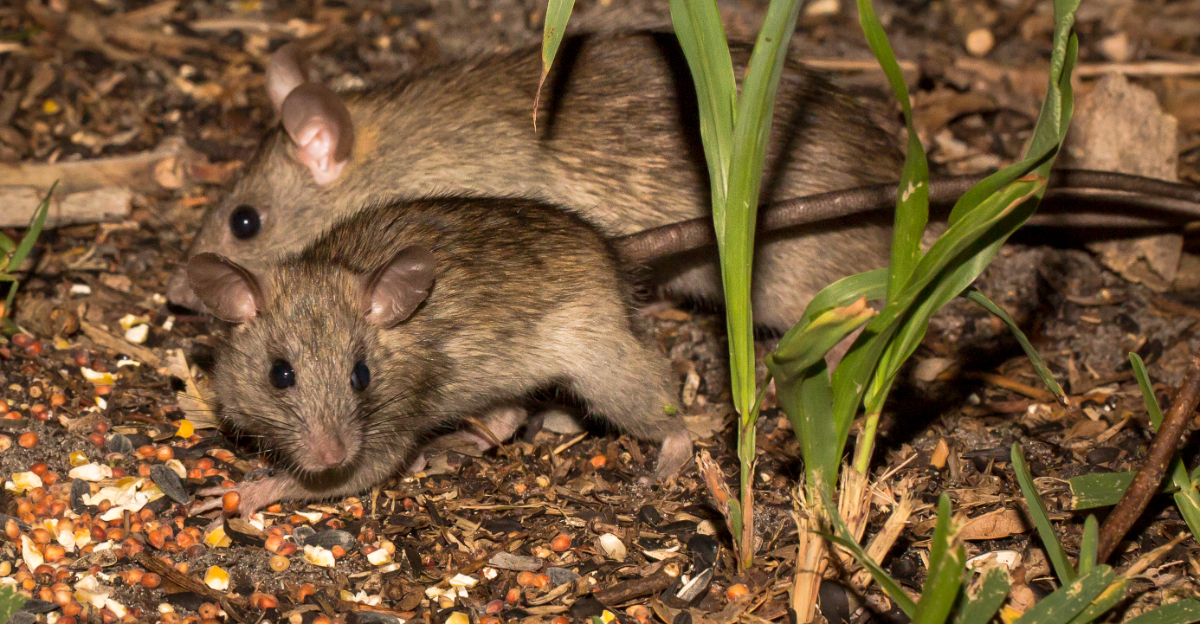
Rats in Ohio are not just a city problem. Suburban and rural properties deal with them too, and the yards that attract them most consistently are not the neglected ones.
They are the ones where certain common habits create conditions rats find worth investigating, often without the homeowner ever realizing the connection. Most people think about rats in terms of garbage and food scraps.
Those matter, but the yard itself plays a bigger role in rat activity than most Ohio homeowners ever consider. That includes how it is maintained, what grows in it, and how certain features get managed through the season.
The habits on this list are not unusual. They are things most people do without a second thought because nothing about them feels like an open invitation.
That is exactly what makes them worth knowing about before rat activity becomes an obvious problem rather than a preventable one.
1. Leaving Trash Cans Loose After Dark
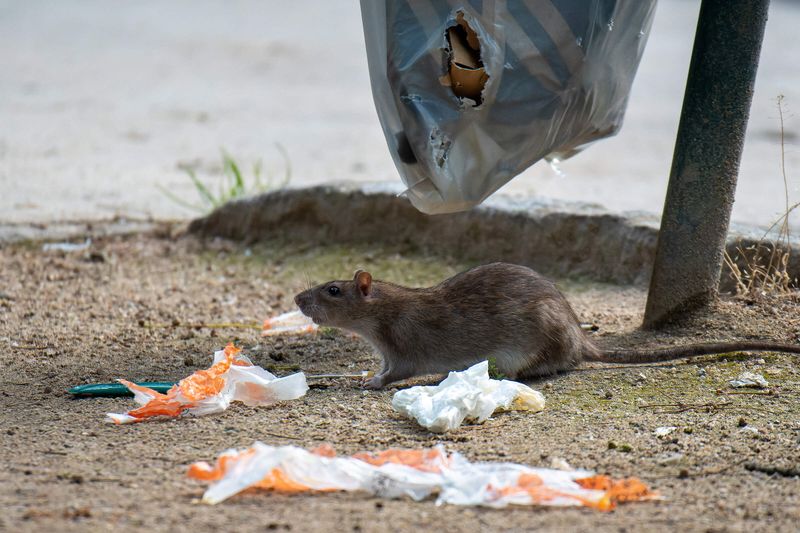
A loose lid at dusk is practically an open invitation. Garbage cans give off strong food odors when lids are cracked, missing, or weighed down unevenly.
Those smells can travel far enough to attract rodents moving through nearby alleys and fence lines. Norway rats have a sharp sense of smell, and a single exposed bag of food waste can give them a reason to return to the same spot repeatedly.
OSU Extension and Ohio Department of Health guidance both emphasize securing waste containers as a basic step in rodent prevention. Using cans with tight-fitting, locking lids is one of the most straightforward changes a homeowner can make.
Avoid overfilling bins so the lid can close completely. Rinse containers occasionally to reduce odor buildup, especially in warmer months when smells intensify quickly.
Bagging waste securely before placing it in the bin also helps contain odors. Loose scraps tossed directly into the can create more surface area for smells to escape.
Placing trash out as close to your scheduled pickup time as local rules allow reduces the number of hours it sits exposed overnight. Check your municipality’s sanitation guidelines, since some areas have specific rules about when cans can be placed at the curb.
No single loose lid guarantees a rat problem, but consistent overnight exposure can make a yard far more attractive to rodents already active in the area.
2. Letting Birdseed Pile Up Under Feeders
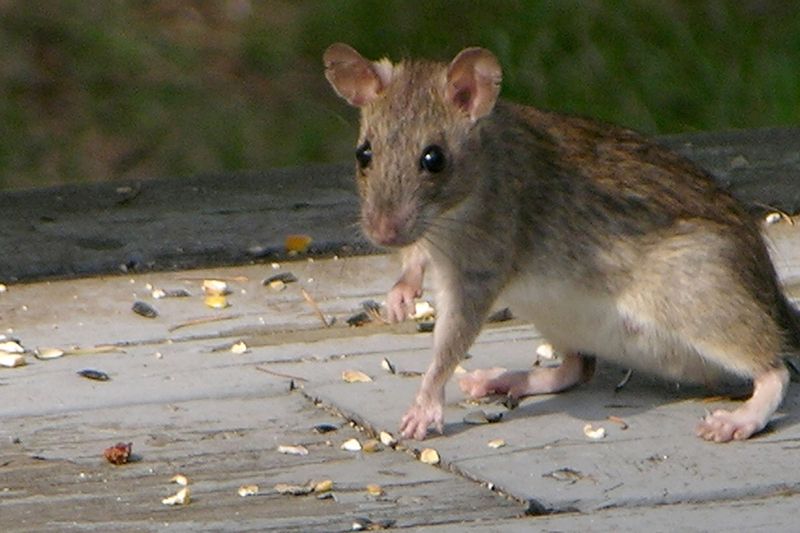
Seed scattered under a feeder looks harmless during the day. By nightfall, though, it becomes a reliable food source for any rodent already moving through the yard.
Birdseed is calorie-dense and easy to consume quickly, making it especially appealing to rats looking for a fast meal without much effort. The problem is not the birds themselves.
It is the spilled seed that accumulates on the ground and the stored bags left in garages or sheds without proper sealing.
University extension sources consistently point to spilled birdseed as a common and overlooked rodent attractant near homes. Using a catch tray beneath the feeder can help contain scattered seed before it reaches the ground.
Your Ohio Garden Changes Every Week. Your Plan Should Too.
Gardening in Ohio changes quickly throughout the season. Every Friday you’ll receive a simple weekly plan showing exactly what to plant, prune, fertilize, harvest, and protect so you never miss the right timing.
Sweeping or raking the area under feeders every couple of days reduces the buildup. Placing feeders away from the house, fences, and dense shrubs also limits how close rodents need to come to access fallen seed.
Storing birdseed in a sealed metal or hard plastic container is another practical step. Open paper bags or loosely closed plastic sacks in a garage or shed can attract rodents indoors as well.
During periods of known rodent activity in your neighborhood, reducing the amount of seed offered at one time can help. The goal is not to stop enjoying backyard birds.
Keeping the feeding area clean and seed off the ground for extended periods makes a meaningful difference.
3. Keeping Pet Food Bowls Outside Overnight
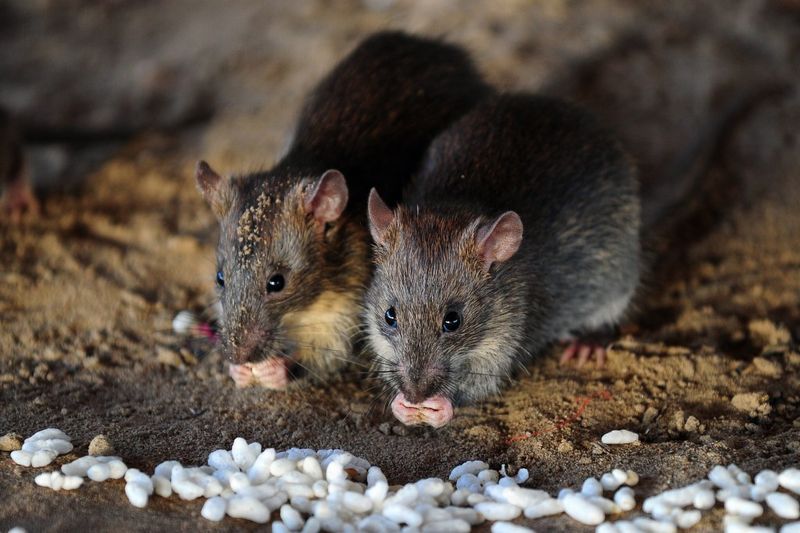
Forgotten pet bowls are one of the quietest attractants in a yard. After an evening feeding, it is easy to leave a bowl on the porch or patio and plan to bring it in later, only to forget.
By midnight, that leftover kibble can draw rodents that are already active along nearby fence lines or under garden beds. Rats are opportunistic feeders, and pet food, whether dry or wet, offers a concentrated source of protein and fat.
CDC guidance on rodent prevention recommends removing outdoor pet food bowls after pets finish eating. Feeding pets indoors whenever possible is the simplest fix.
If outdoor feeding is necessary, pick up the bowl as soon as the pet walks away. Clean any spilled food around the bowl as well, since crumbs on a porch or patio can still attract wildlife.
Pet food storage matters just as much as the bowl itself. Keeping bags in a garage or shed without sealing them properly can attract rodents to those spaces too.
Transfer dry food into a sealed, airtight container, preferably made of metal or heavy-duty plastic. Water bowls are less of a concern than food bowls, but any open water source can add to a yard’s appeal for rodents during dry or hot stretches.
Removing food access is a realistic and humane step that does not compromise your pet’s care in any way.
4. Tossing Kitchen Scraps Into Open Compost
Compost is one of the most useful things a home gardener can maintain. Done well, it reduces waste and builds healthy soil.
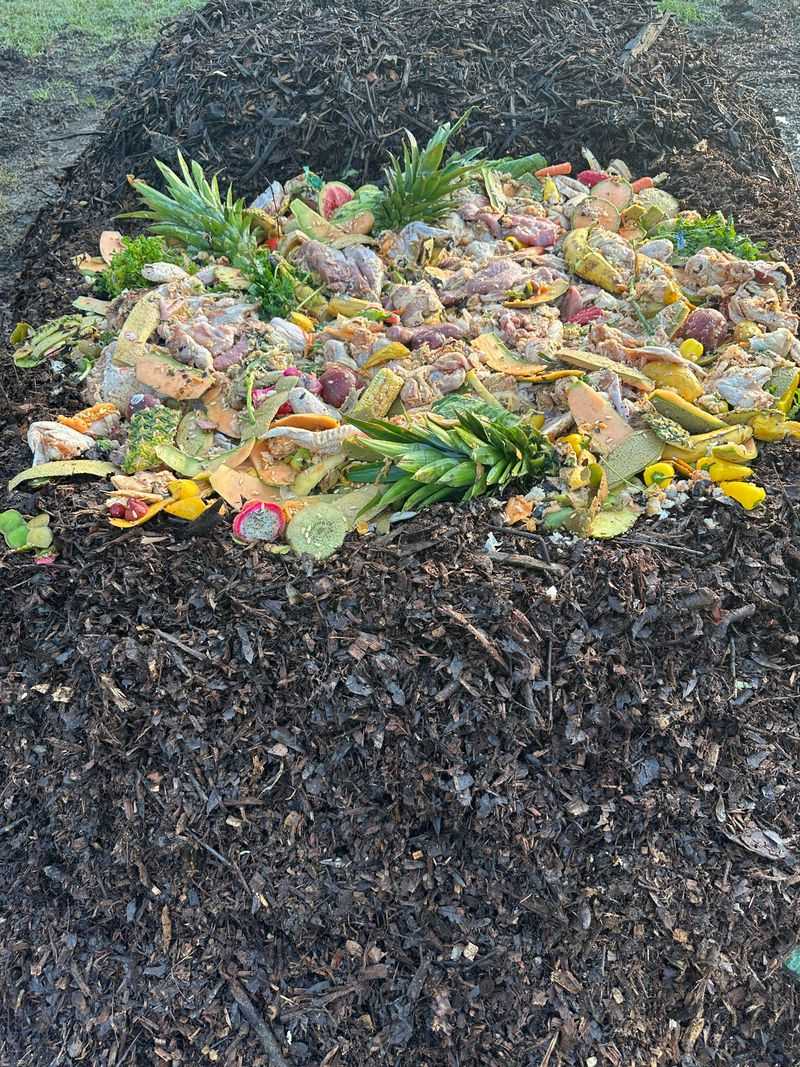
Done carelessly, an open pile loaded with kitchen scraps can broadcast food odors that attract rodents. That is especially true when the pile includes items with strong smells or high moisture content.
The issue is not composting itself. It is the combination of easy access and food-grade materials sitting close to a home’s foundation or garden edge.
Pest-management guidance and OSU Extension both note that open compost piles with meat, dairy, grease, or oily food scraps are particularly problematic.
Those materials break down slowly, hold strong odors, and are not recommended for backyard compost systems for several reasons, including rodent attraction.
Sticking to fruit and vegetable scraps, coffee grounds, eggshells, and yard waste keeps the pile less appealing to wildlife.
Using a rodent-resistant bin with a solid base and a secure lid adds a meaningful layer of protection. Burying fresh kitchen scraps deep in the center of the pile rather than leaving them on top helps reduce surface odors.
Covering new additions with dry leaves, shredded cardboard, or other carbon-rich browns is a widely recommended practice that helps balance the pile and reduce smell. Some municipalities in the Buckeye State offer composting guidance or bin programs.
Checking with your local extension office is a good starting point for smarter composting habits.
5. Ignoring Fallen Fruit And Garden Waste
Late summer in Ohio gardens can be surprisingly generous, sometimes more generous than a gardener can keep up with. Tomatoes split after rain.
Apples drop faster than they can be picked. Squash grows past its peak and starts to soften on the vine.
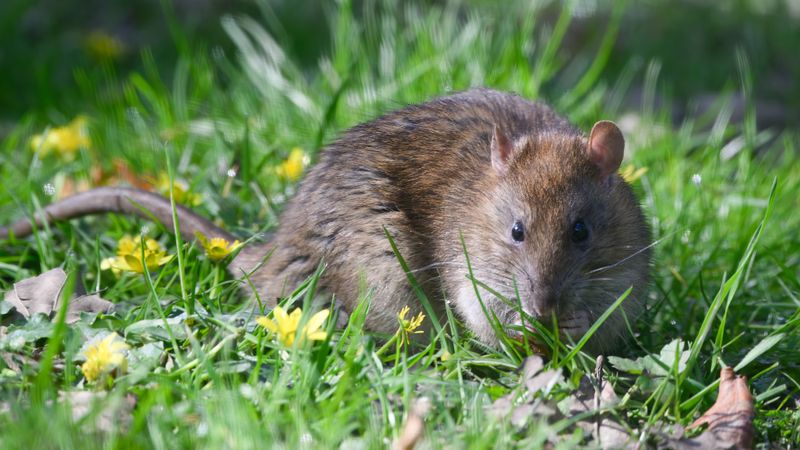
All of that edible material sitting on the ground becomes an easy food source for rodents moving through the yard at night. It does not take a large garden to create the problem.
Even a single fruit tree or a small vegetable patch can contribute if cleanup is irregular.
University extension sources note that rotting or overripe produce on the ground is a recognized rodent attractant. That is especially true in late summer and early fall when gardens are at peak production.
Picking ripe produce frequently, rather than waiting until a full harvest, reduces the amount of material that falls or decays on the ground. Removing fallen fruit promptly, even if it is damaged and not usable, limits the time it sits exposed.
Damaged vegetables, corn husks, and garden trimmings left in piles near beds or fences can also add to the problem. Composting that waste properly, rather than leaving it in an open heap, keeps the area cleaner.
Harvesting before produce collapses and cleaning up the garden edge after each picking session are practical habits that reduce edible waste at ground level. No garden attracts rats automatically.
Unmanaged food at ground level is what creates the real draw.
6. Stacking Firewood Against The House
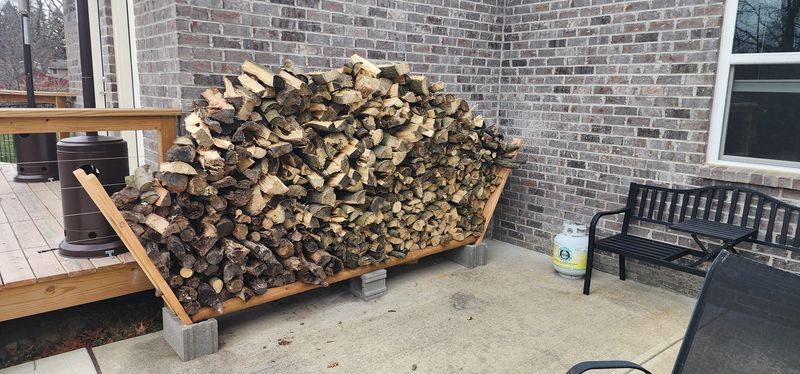
A woodpile stacked right against the house wall might look tidy and convenient. It creates exactly the kind of dark, undisturbed cover that rodents prefer for nesting and shelter.
Firewood stacks trap heat, block air movement, and collect debris at the base. Over time, those conditions can make a stack feel like a safe zone for rats moving between food sources and the structure of the home.
The closer the pile sits to the foundation, the shorter the distance a rodent has to travel to find a gap or entry point.
Pest-management guidance consistently recommends keeping firewood storage away from the home’s exterior walls when practical. Moving stacks even a few feet from the foundation can reduce their usefulness as a hiding spot.
Elevating wood off the ground on a rack also helps, since it limits the dark, compressed spaces at the base where rodents tend to nest. Keeping the area around the stack clear of leaves, grass clippings, and other organic debris removes additional cover.
Rotating older wood from the bottom of the stack and using it first keeps the pile active and disturbed. That is less attractive to nesting rodents than a pile that sits untouched for months.
Firewood can also harbor insects, which some rodents follow as a secondary food source. If you notice signs of activity near a woodpile, do not try to handle it independently.
County public-health guidance advises contacting a qualified pest professional.
7. Letting Tall Weeds Hide Fence Lines
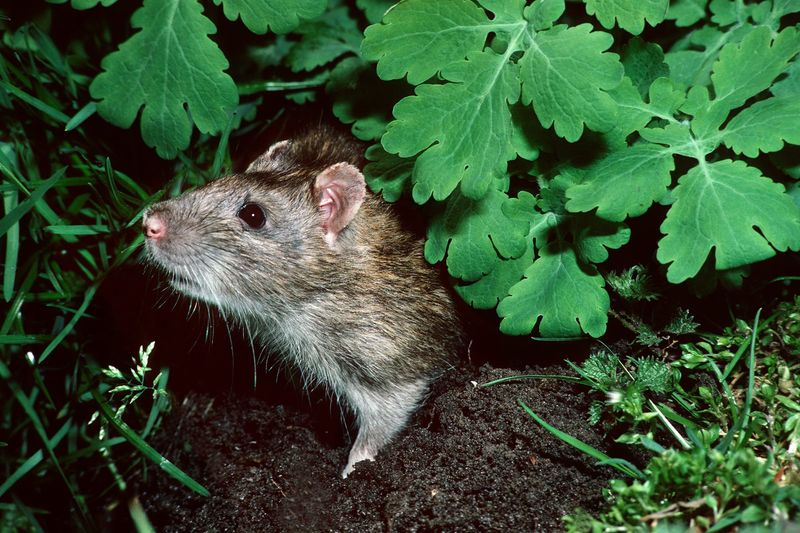
Weedy fence lines might seem like a minor landscaping issue, but they serve a real function for rodents. Tall grass, dense brush, and cluttered corners along fences give rats low-profile travel corridors.
Rodents prefer to move while staying covered, hugging walls, fences, and vegetation rather than crossing open ground. When fence lines are overgrown, they create a connected pathway that links food sources, water, and shelter with very little exposure.
Ohio Department of Health guidance on rodent prevention points to dense vegetation near structures as a contributing factor in rodent activity. Trimming weeds and keeping grass cut low along fence lines removes that cover.
Clearing corners where fences meet sheds, garages, or garden beds is especially useful, since those spots tend to collect debris and stay undisturbed for long periods.
Keeping sightlines open around the foundation and along fence edges makes the yard feel less sheltered to a rodent scouting the area.
Native plantings and intentional landscaping do not need to be removed entirely. The key is managing edges.
Clean borders between planted areas and open ground can preserve habitat value for beneficial wildlife. Regular trimming near structures also reduces the dense, unmanaged cover that rodents rely on.
Pulling weeds along the fence a few times each season takes minimal effort. Over time, that simple habit can meaningfully reduce the amount of protected travel space available to rodents moving through the yard at night.
8. Leaving Water Sources Open All Summer
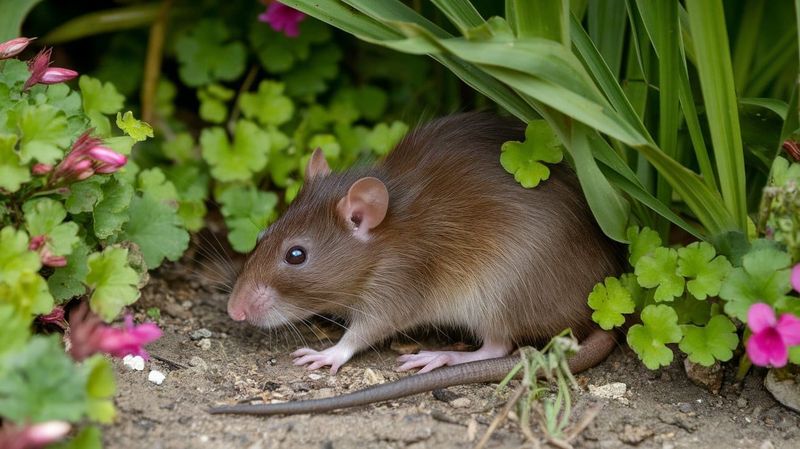
A dripping hose at the edge of a garden bed might not seem like much. During a dry July in the Buckeye State, even a small, reliable water source can make a yard significantly more useful to a rodent.
Rats need water to survive, and they will actively seek it out during hot or dry stretches. Yards that offer both food and water are far more likely to see repeat rodent activity than those that offer food alone.
CDC guidance on rodent prevention identifies standing water and leaky outdoor plumbing as environmental factors that can support rodent populations near homes.
Common sources include dripping spigots, leaky hoses, pet water bowls left out overnight, and clogged gutters that hold water after rain.
Birdbaths that are not refreshed regularly, buckets, saucers under planters, and low spots in the yard can also hold water. Each of these can contribute in a small way, especially when several are present at once.
Fixing leaks promptly and emptying containers that are not in active use are practical steps. Improving yard drainage in low spots also reduces water availability for rodents.
Refreshing birdbath water regularly discourages stagnation without eliminating the bath entirely. Checking the yard after heavy storms for new pooling areas is a useful seasonal habit.
Rats are less likely to linger in a yard that consistently offers no easy food, no hidden shelter, and no reliable water. Addressing all three together gives prevention efforts the best chance of working.