The Fast-Growing New Jersey Tree That Turns Into An Expensive Problem Within Two Decade
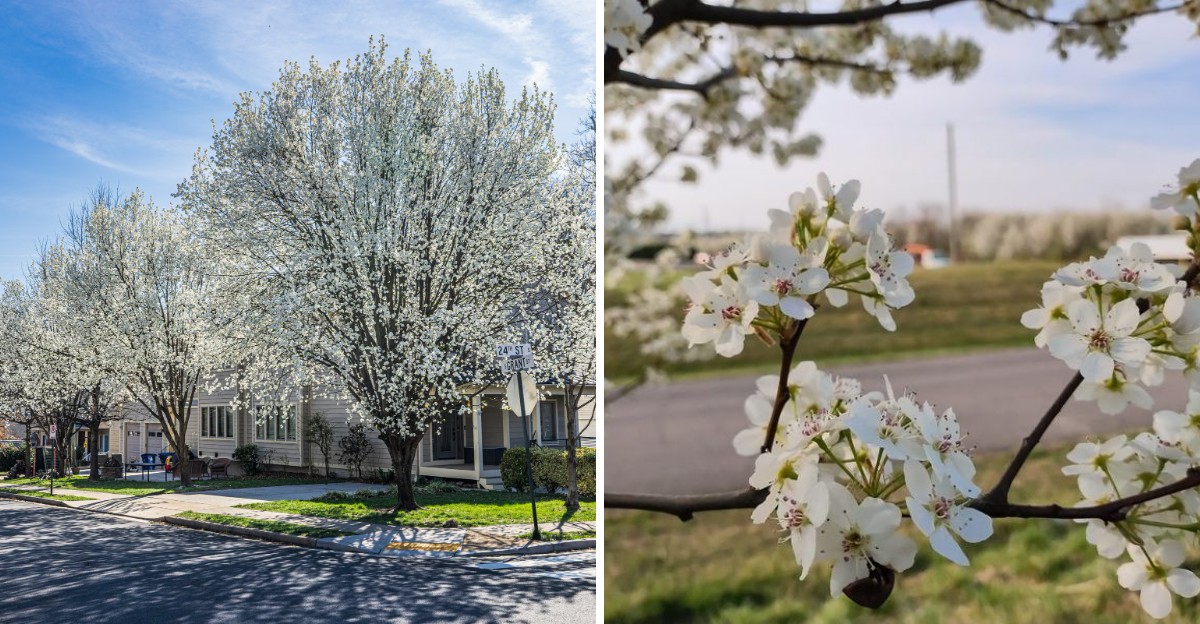
Back in the 1960s, nurseries sold one spring-blooming tree as a near-perfect street tree. Nobody saw the problems coming. Today, that same tree is being pulled from sale in New Jersey.
I still remember how pretty those snowy white clouds of flowers looked lining my old street every April. Then a single February ice storm split one right down the middle, onto a parked car.
You might notice the smell first. Those blossoms give off a scent many people compare to rotting fish, and the birds that eat its tiny fruit carry seeds into fields, woods, and highway edges across New Jersey and beyond.
The trouble usually starts quietly. A young tree shoots up fast, looks tidy and full, and seems like a smart, low-effort pick for a bare front yard. A decade or two later, homeowners are paying to cut it down.
That White-Blossomed Street Tree Has A Hidden Two-Decade Catch
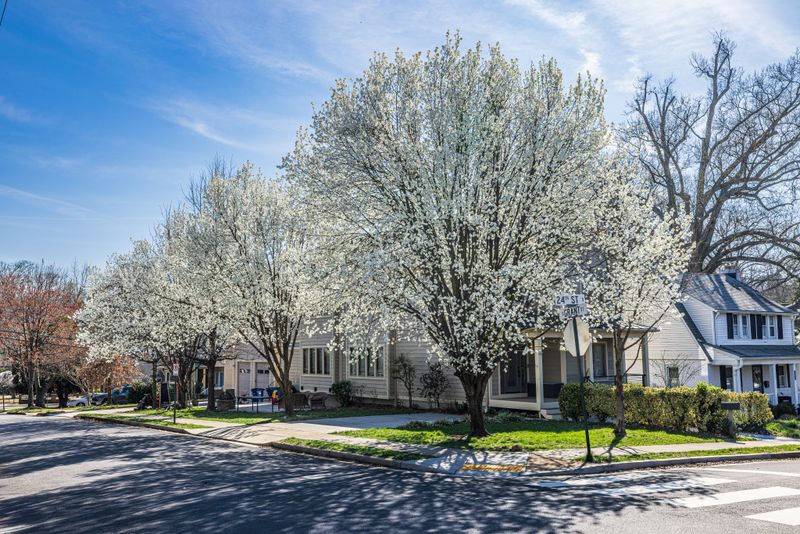
The culprit has been hiding in plain sight on countless suburban blocks: the Callery pear, best known by its famous cultivar, the Bradford pear. Every spring it bursts into white blossoms before most other trees even leaf out.
For decades, it seemed like a landscaper’s dream. It grew fast, handled poor soil and pollution, shrugged off most diseases, and formed a neat teardrop shape. Towns and builders planted it by the thousands from the 1960s through the 1990s.
The catch shows up as the tree matures. Somewhere around its second decade, and sometimes sooner, the tree gets heavy faster than its structure can handle. Many reach 30 to 50 feet tall, and that tidy shape starts working against it.
Fun fact? The species came from China and was first brought to the U.S. in the early 1900s to help fight fire blight in common pears. Nobody planned for it to become a yard ornament, let alone a problem.
If you have one now, you are not alone. Take a close look at how it is shaped, how big it has gotten, and what sits underneath it, like your car, roof, or power lines. Those details decide how urgent your next step is.
Narrow Bradford Pear Branch Crotches Are Where Trees Split Apart
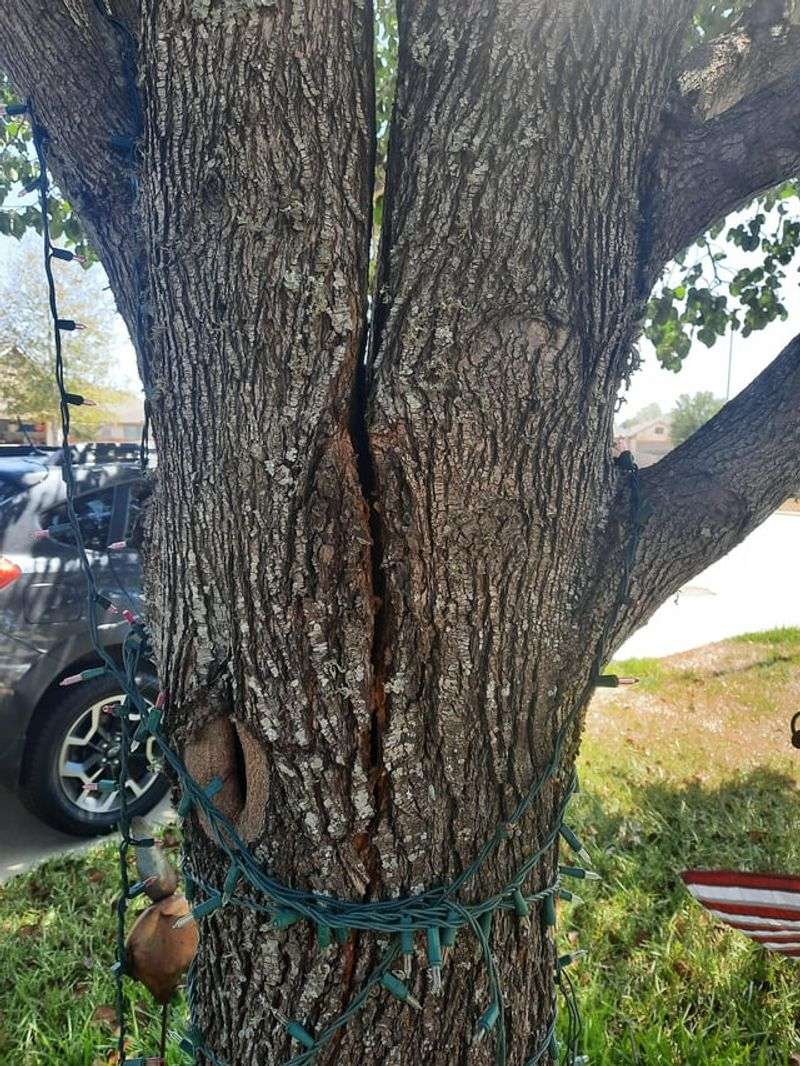
Look up into the center of a Bradford pear and you will see something odd. Lots of big limbs shoot straight up from almost the same spot on the trunk, like fingers on a hand.
Arborists call those tight, V-shaped joints weak unions. Bark gets trapped inside the crotch as the limbs thicken, so the wood never knits together firmly. The tree looks solid, but the joint is more like two sticks pressed side by side.
Add brittle wood to that setup and you get trouble. Wind, wet snow, or a coating of ice adds weight, and one limb peels away from the trunk. Sometimes the whole tree splits in half.
That is where the real cost comes in. Falling limbs can crush fences, cars, gutters, and roofs, or snap power lines.
Even when nothing gets hit, emergency cleanup after a storm usually costs more than planned work.
Pruning young trees to one central leader can help a little, but it rarely fixes the core design.
Cabling is sometimes used on older trees, though many experts see it as a short-term patch. If you spot cracks, oozing, or a widening gap at a crotch, call a certified arborist soon.
New Jersey Is Phasing Out Callery Pear Sales For Good
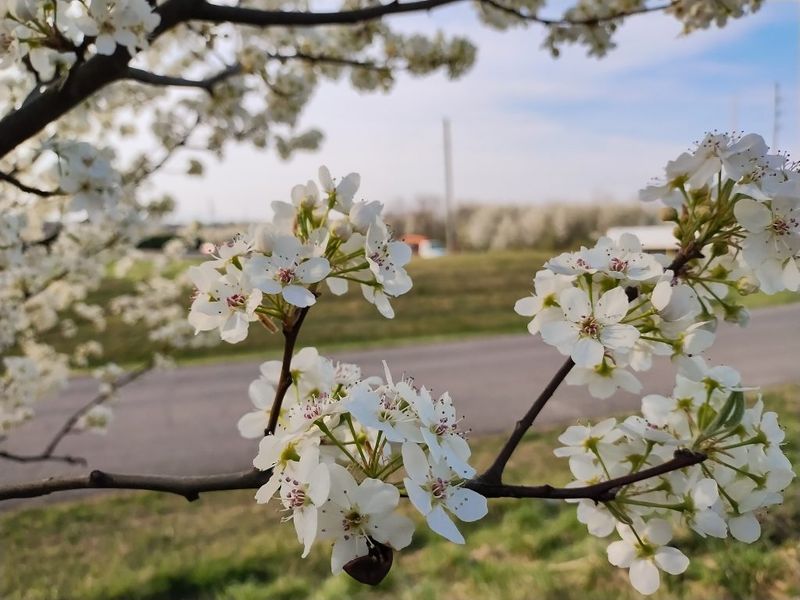
Lawmakers finally caught up with what arborists had been saying for years. New Jersey passed an invasive species law that bans the sale, distribution, import, export, and propagation of Callery pear, including the Bradford pear.
The rule does not hit all at once. It phases in over a few years, giving nurseries time to clear out stock and switch to better choices. Norway maple, another widely planted problem tree, is covered by the same effort.
So what does that mean for your yard? You are not required to cut down a pear you already own. The law targets future sales and distribution, not trees standing on private property today.
Still, the ban sends a strong signal. When a state goes this far, it usually means the plant spreads beyond yards and causes damage in natural areas. Some other states, like Ohio and Pennsylvania, have taken similar steps.
Here is a practical tip. If a contractor or online seller offers you a flowering pear, skip it, even if it carries a fancy cultivar name like Cleveland Select or Aristocrat.
Those are still Callery pears. Ask your local nursery for native spring bloomers instead, and check your town’s tree ordinance too.
Those Fishy-Smelling Pear Blossoms Are Only Part Of The Problem
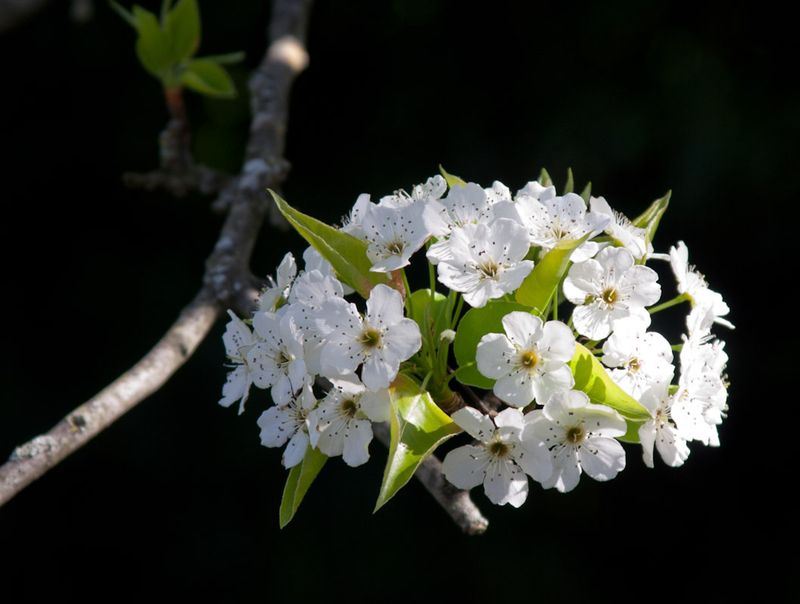
Ask anyone who has walked under a blooming Callery pear on a warm April afternoon. The smell hits you before the view does, and most folks describe it as rotting fish or something even less polite.
Scientists link that odor to chemical compounds the flowers release to attract flies and other pollinators. It is not harmful, just unpleasant, and it can make a patio near the tree a place you avoid for a couple of weeks.
Then come the fruits. Original Bradford trees were mostly sterile, but when different Callery cultivars grow near each other, they cross-pollinate. The result is clusters of small, hard, brown fruits about the size of a marble.
Birds like starlings and robins gobble them up in late fall and winter. They drop the seeds miles away, which is how a backyard tree helps seed a whole new grove along a highway.
Fallen fruit can also get mushy and smelly on sidewalks and driveways. If you have a pear and cannot remove it yet, raking up fruit helps a bit with mess. It will not stop birds from snacking on what stays on the branches, though.
Thorny Callery Pear Thickets Are Overtaking Roadsides And Old Fields
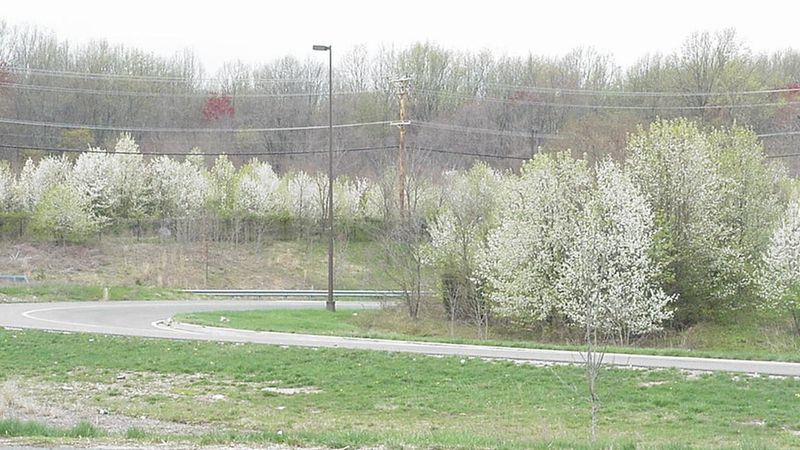
Drive almost any New Jersey highway in early April and you will see it. Those bright white patches along the woods and medians are often wild Callery pears that sprouted from bird-dropped seeds.
Wild seedlings act differently than the polished nursery trees. Many grow long, sharp thorns, some strong enough to puncture tractor tires. They form dense thickets that shade out wildflowers, young oaks, and other native plants.
That shift matters for wildlife. Native caterpillars feed on native trees, and songbirds need those caterpillars to raise their chicks. Swap a mixed meadow for a pear thicket and that food web shrinks fast.
Groups like New Jersey Audubon and local watershed partnerships spend real money and volunteer hours pulling and treating these trees. Once a thicket takes hold, clearing it often takes several seasons of follow-up work.
You can help on a small scale. Pull tiny seedlings in your yard when the soil is moist, getting as much root as possible.
Check fence lines and garden edges each spring, when the white blooms make young trees easy to spot. Every seedling caught early is one less thorny problem down the road.
Removing A Mature Bradford Pear Takes More Than A Chainsaw
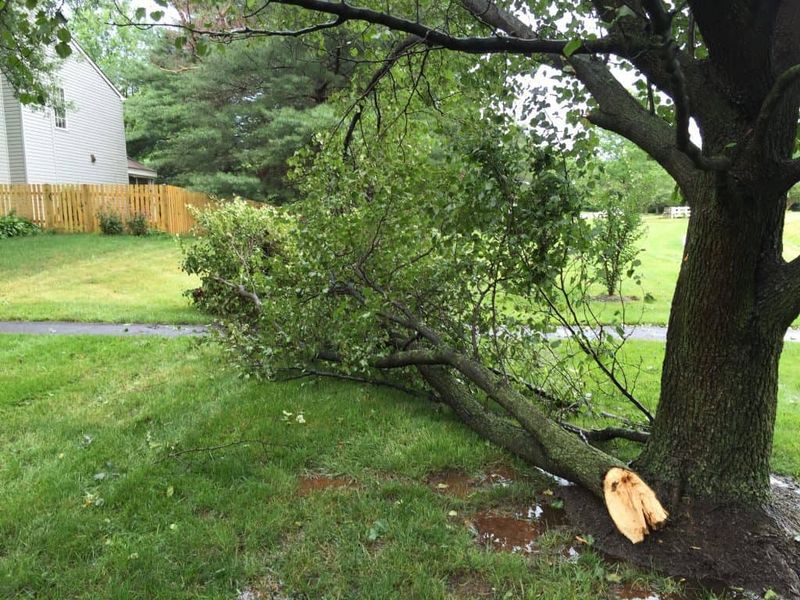
Cutting the tree down feels like the finish line. In reality, a Callery pear often fights back by sending up sprouts from the stump and roots within weeks.
That is why pros usually pair removal with a stump treatment. Applying an herbicide labeled for cut stumps right after the cut, following the label exactly, helps stop resprouting.
Stump grinding is another option, though you may still need to clip sprouts for a while. Costs vary a lot. A small pear in an open yard might run a few hundred dollars, while a big tree near a house or power lines can cost well over a thousand.
Get at least two written quotes from insured companies. Timing helps your wallet too. Planned removal in late fall or winter is often cheaper than emergency storm work, when crews are booked solid. Leafless branches also make the job easier to see and plan.
Before you call anyone, check your town’s rules. Some New Jersey municipalities require a permit to remove trees above a certain trunk size.
And if the tree touches utility lines, contact your power company first rather than letting anyone climb near those wires.
Silver Maple And Tree-Of-Heaven Follow A Similar Costly Script
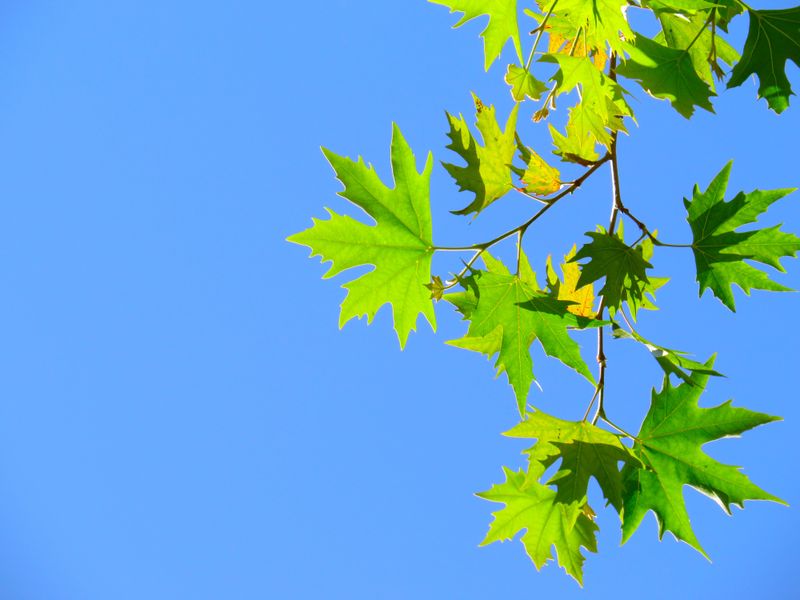
Pears are not the only fast growers with a sting in the tail. A few other speedy trees follow the same pattern of quick shade now and big bills later.
Silver maple can hit about 25 feet in ten years. Its soft wood breaks in ice and wind, and its shallow roots heave sidewalks, crack driveways, and make mowing a chore. It is native, so it has a place in wet, open areas, just not next to your foundation.
Tree-of-heaven is a whole different headache. This invasive tree spreads by huge seed loads and root suckers, and its roots can damage pavement and sewer lines.
It is also the favorite host of the spotted lanternfly, which threatens vineyards and hardwoods.
Norway maple and mimosa round out the list. Norway maple casts dense shade and has brittle unions, while mimosa often struggles with Fusarium wilt and lasts only 10 to 20 years in the Northeast.
Spot the common thread? Rapid growth usually means weaker wood, aggressive roots, or a short lifespan.
When a seller promises a tree that grows several feet a year, ask what it will look like at year fifteen.
Serviceberry And Redbud Bring Spring Blooms Without The Headaches
Swapping out a problem pear does not mean giving up spring flowers. Several native trees put on a lovely show and stay far better behaved.
Serviceberry, sometimes called shadbush, blooms white in early spring, right around pear season. It grows 15 to 25 feet tall, offers sweet berries birds adore, and turns orange and red in fall.
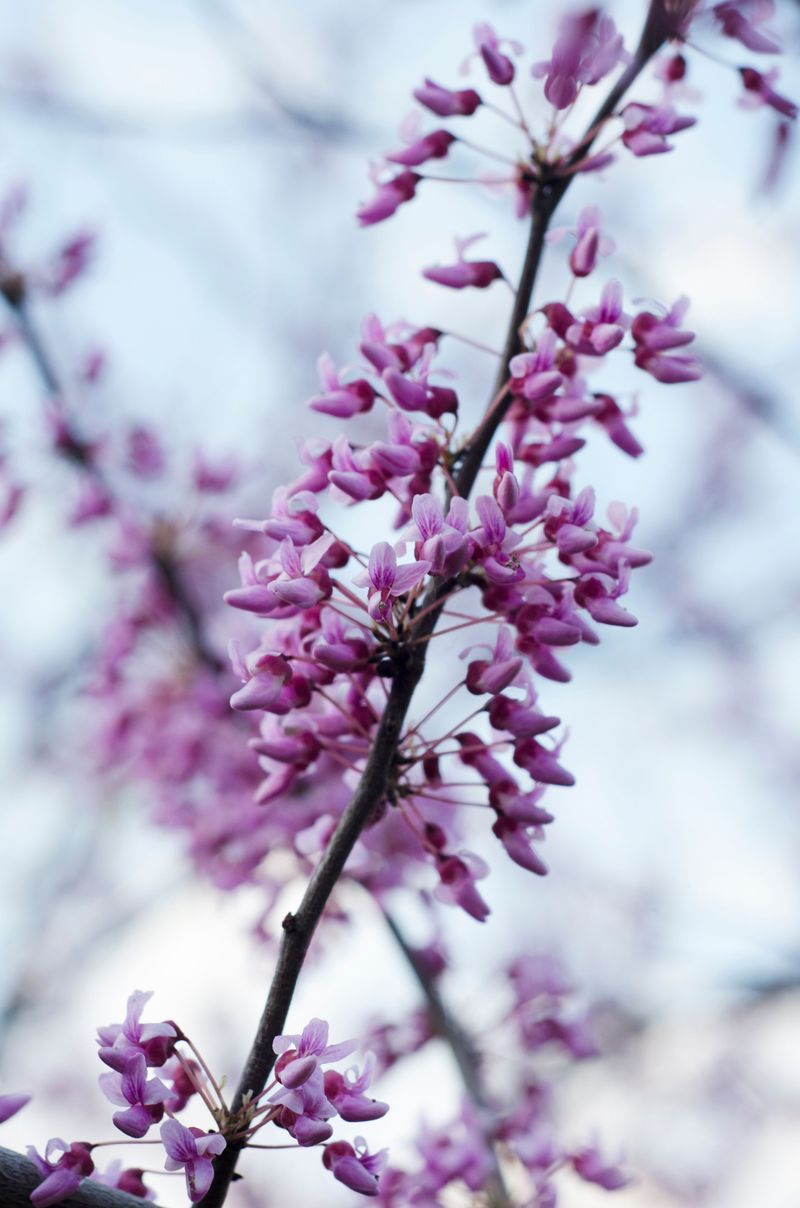
Eastern redbud covers bare branches in pink-purple blossoms and suits smaller yards nicely.
Want something bigger? Flowering dogwood brings classic white bracts, and American fringetree offers fluffy white blooms in late spring.
For shade instead of flowers, oaks grow slower but build strong wood and support hundreds of caterpillar species.
Plant in early fall or spring, when cooler weather and steady rain help roots settle. Pick a spot sized for the mature tree, not the sapling, and keep it at least 15 to 20 feet from your house and away from wires.
The big lesson is simple. A tree that grows a little slower usually costs a lot less over its life. Rutgers Cooperative Extension and your county’s master gardeners can suggest natives suited to your soil, whether you garden in the northern hills or near the shore.