A Native New Jersey Tree Just Delivered On A Promise It Made All Summer
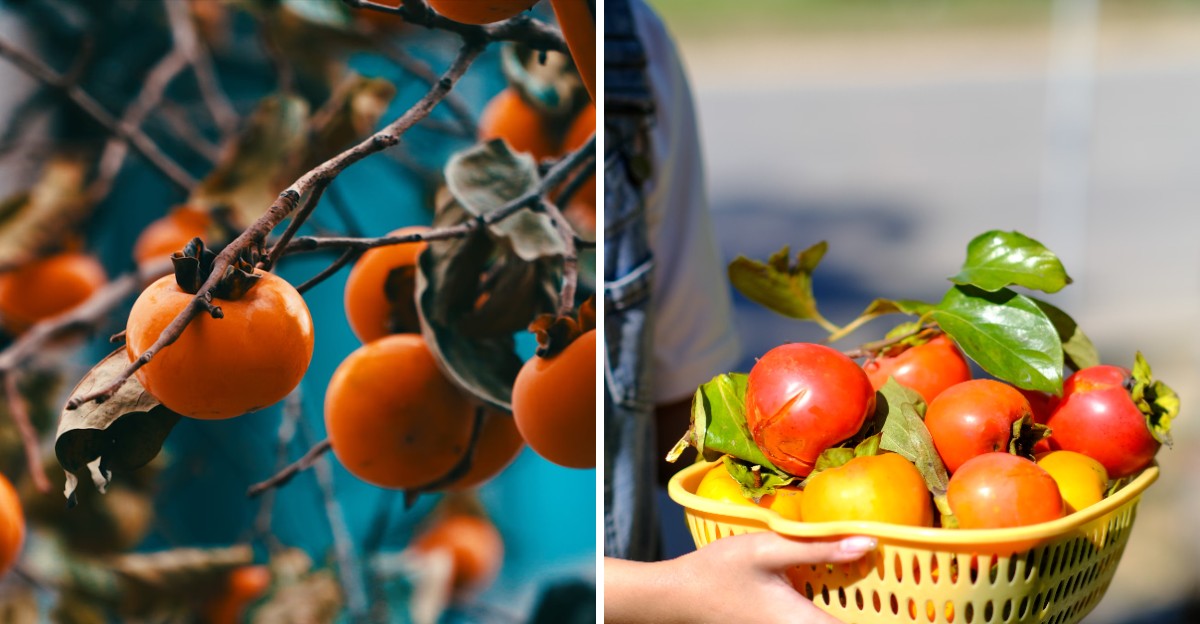
You walk past that orange fruit for months without curiosity. Weather turns cooler, yet you scarcely notice.
Persimmons hang there, hard and bitter, testing your patience. Squirrels near you ignore them despite easy access.
Hikers pass you without slowing their stride. Roadsides near you hide this transformation until autumn.
Color shifts before your eyes, green fading to orange. Texture softens until the fruit melts in your palm.
Then the ground beneath your New Jersey tree turns sticky. Sweetness spreads fast, and the smell reaches you quickly.
Wasps show up before you even open your door.
Timing here moves faster than you expect. Neighbors reach you first with buckets ready.
Weekends pull you outside with ladders and quiet determination.
Roots below keep working while you look elsewhere. What’s inside those buckets will change how you see this New Jersey season.
American Persimmon, The Wild Fruit Behind The Wait
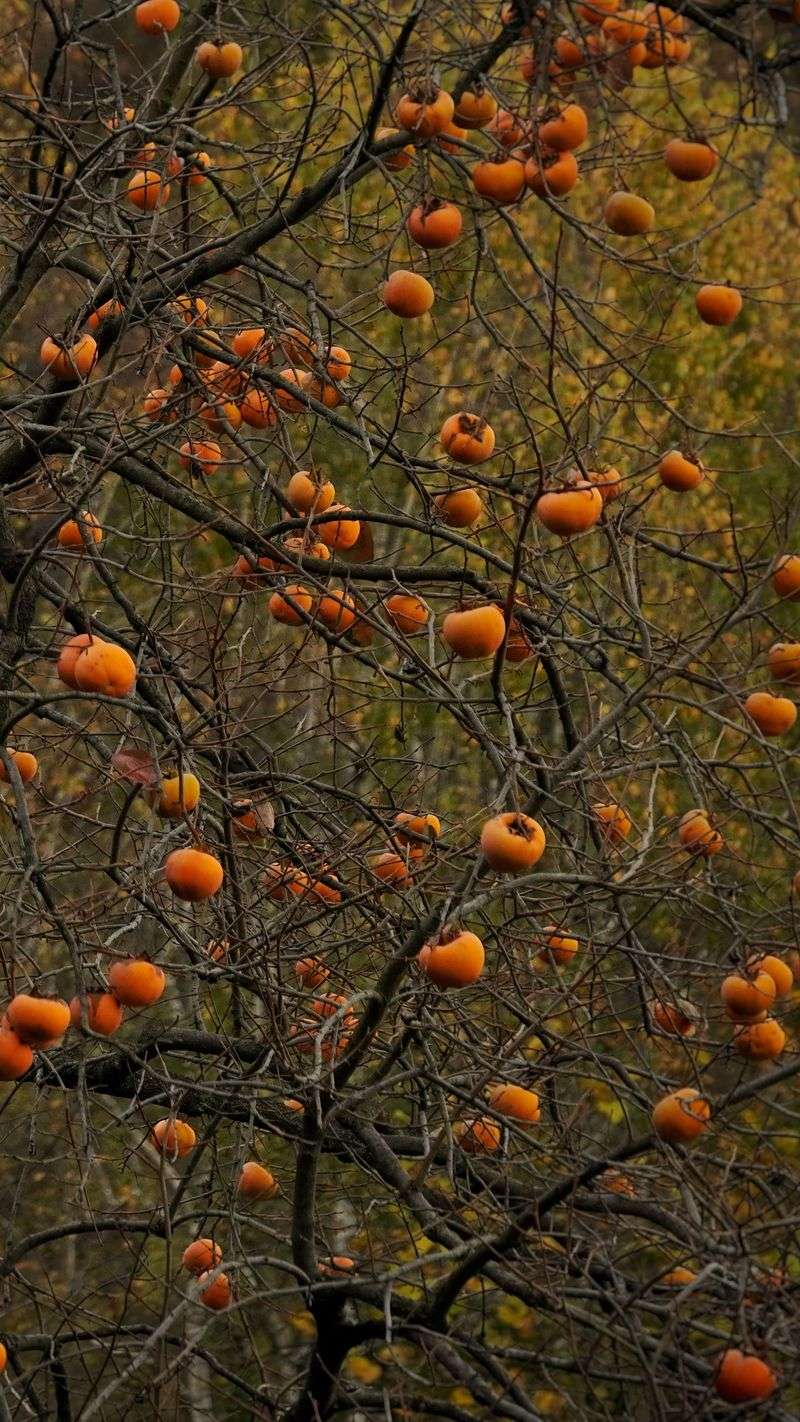
Ask an old-timer in South Jersey about wild fruit, and persimmons usually come up fast. Diospyros virginiana is our native persimmon, and it grows from Cape May to the Delaware Water Gap.
The fruit is smaller than the grocery store Asian kind, roughly the size of a plum. Ripe ones glow deep orange, sometimes with a dusty purple blush across the skin.
Flowers appeared quietly back in late May, small and greenish, easy for almost any passerby to miss. Bees handled the rest, and hard green marbles had formed by the Fourth of July.
Those marbles clung on through heat waves, thunderstorms, and August drought without softening one bit. Patience is built into this species, which frustrates gardeners hoping for quick backyard results.
Then September arrives, and the tree begins converting months of stored growth into ripe fruit. Fruit softens, sugars climb, and much of the crop turns edible within two short weeks.
Foragers across counties in central and southern New Jersey tend to track the ripening date closely. Word spreads fast, because a good persimmon tree feeds people, deer, foxes, and opossums.
Bark gives the tree away year round, cracked into small blocks like alligator hide. Once you spot that blocky pattern, you will notice persimmons along half the trails you walk.
Fun fact: persimmon wood was prized for golf club heads and textile weaving shuttles. Sweet fruit and tough timber from one scrappy native tree feels like a fair bargain.
The Real Timeline Of Early Autumn Ripeness
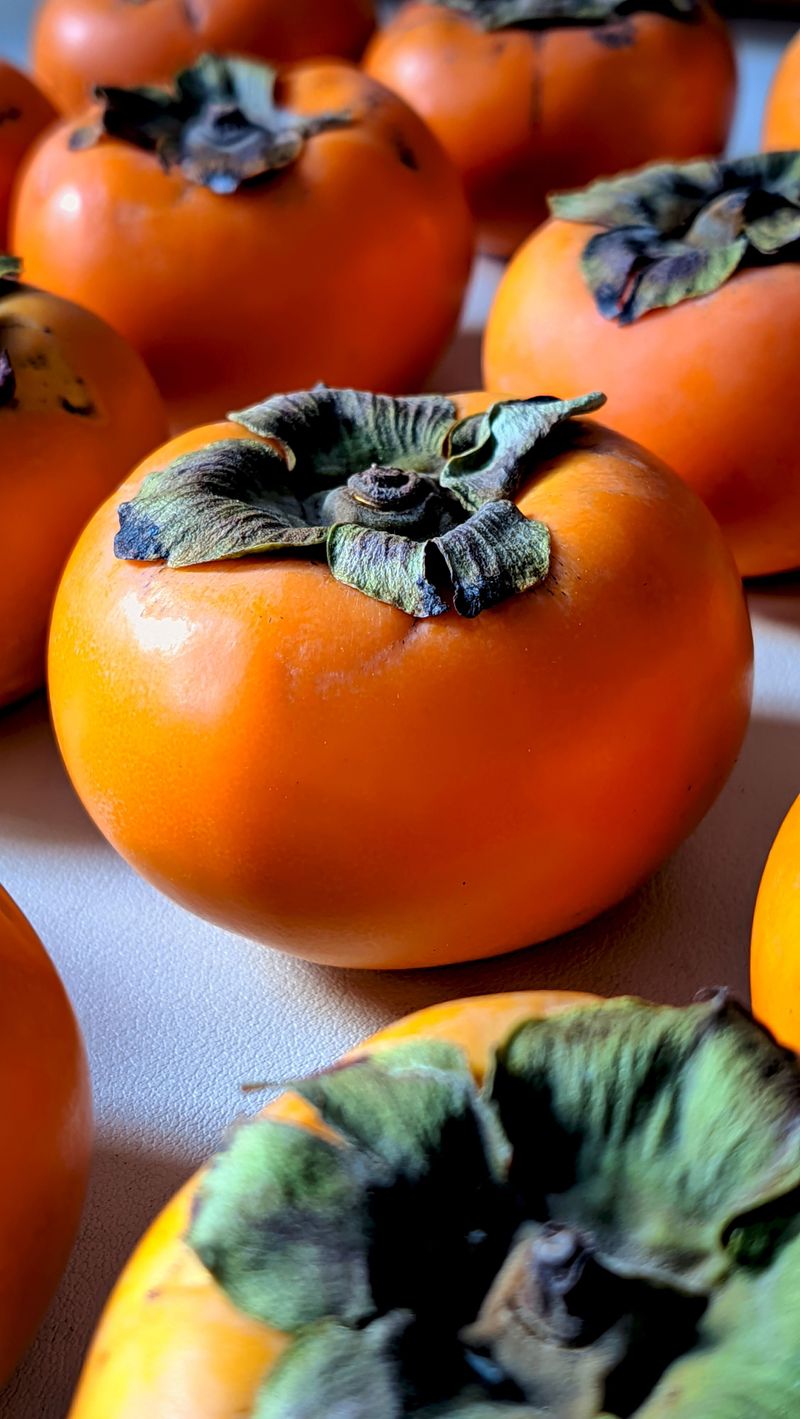
Folk wisdom says persimmons need frost before they sweeten, and that advice has confused people for generations. Ripeness actually follows the calendar and the individual tree, not the reading on a thermometer.
In New Jersey, the earliest fruit usually begins softening during the last half of September. Warmer coastal spots near Cape May often run a full week ahead of northern hills.
Peak drop lands in October for most trees, and stragglers hang on past Thanksgiving. A single tree can offer ripe fruit for six weeks, so repeat visits really pay off.
Cold weather does help in one indirect way, since freezing breaks down cell walls quickly. The softening would happen anyway, just a little more slowly across mild autumn days here.
Your New Jersey Garden Changes Every Week. Your Plan Should Too.
Gardening in New Jersey changes quickly throughout the season. Every Friday you’ll receive a simple weekly plan showing exactly what to plant, prune, fertilize, harvest, and protect so you never miss the right timing.
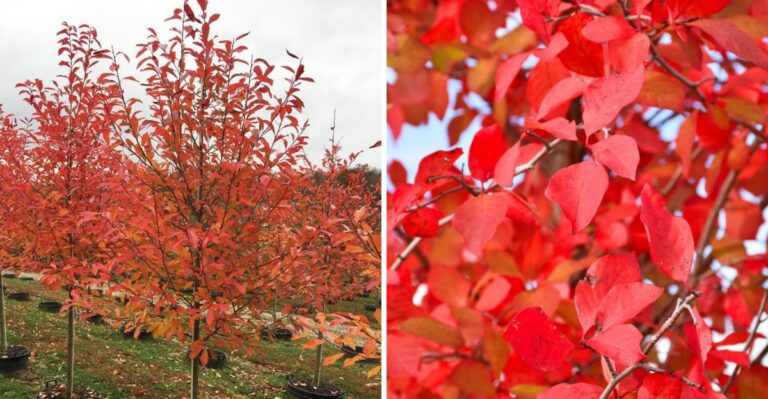
Shorter days and cooler nights steadily signal the tree to shuttle sugar into the fruit. Leaves turn yellow, then drop, leaving glowing orange fruit hanging on bare gray branches.
Track your local tree starting in mid September, checking on it every three or four days. Fruit goes from rock hard to jam soft faster than most first timers expect.
Squirrels and raccoons work the night shift, so early morning visits usually yield much more. Latecomers tend to find chewed skins and a busy crowd of remarkably cheerful wasps.
Weather swings shift everything by a week or two from one year to the next. Keep notes, because your tree tends to repeat its personal schedule fairly closely each year.
Tannins And The Chemistry Behind The Pucker
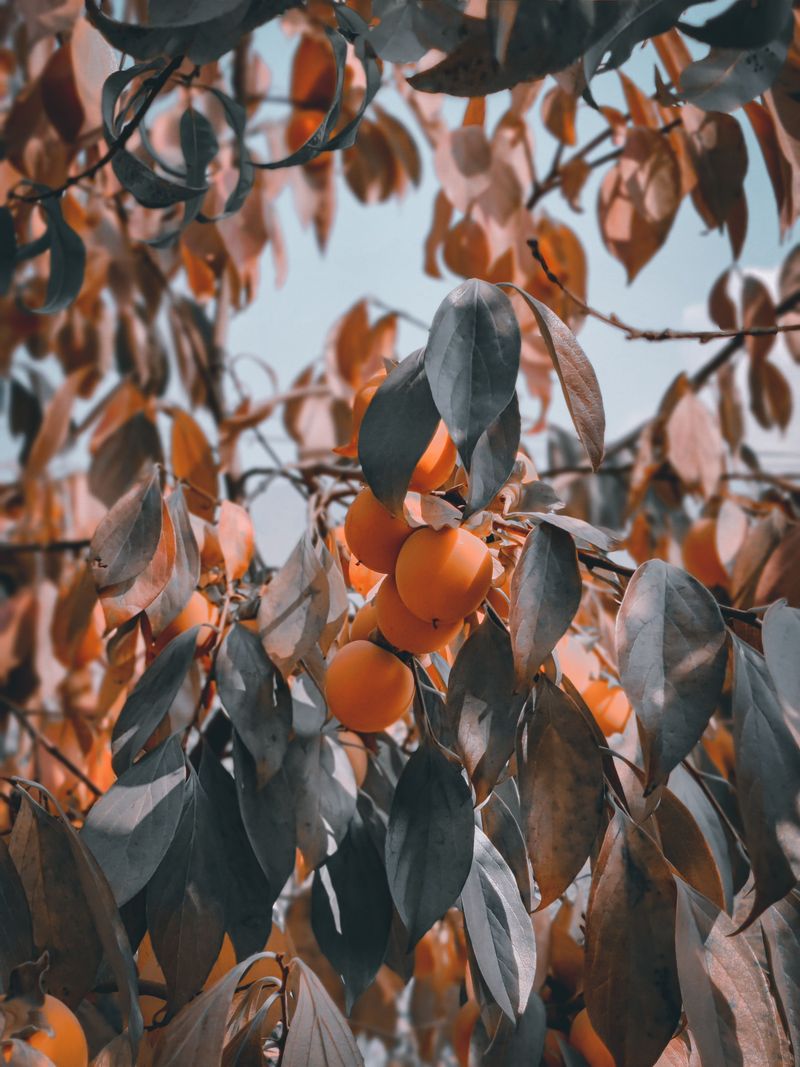
A single bite of an unripe persimmon teaches a lesson most people remember. Your mouth turns chalky, your tongue feels furry, and ordinary speech becomes briefly optional.
Blame tannins, natural compounds that latch onto the proteins floating around in your saliva. The tree uses them as armor, guarding its seeds until the timing is finally right.
While the fruit stays green, animals leave it alone, which protects seeds that are not finished. Once seeds mature, the tannins clump together and stop reacting with your mouth.
Starch inside the flesh converts into simple sugars, mostly glucose and fructose, during that same window. The texture loosens too, shifting from firm and crisp toward something closer to pudding.
Flavor at that stage surprises first timers, tasting like dates, apricot jam, and brown sugar together. Sugar content can rival that of a ripe fig, depending on the variety and how long it ripened.
Ethylene gas drives the change, the same hormone that ripens bananas on your kitchen counter. Damage, cold, and simple time all trigger extra ethylene, which speeds the softening along.
Understanding the chemistry saves you from grabbing firm fruit hopefully and then regretting it minutes later. Tannins mellow on their own schedule, and no shortcut in the field beats waiting.
Curious cooks sometimes freeze underripe fruit overnight, which ruptures cells and cuts the astringency noticeably. Results vary quite a bit, though flavor rarely matches fruit that ripened fully on the branch.
The Early Harvest Mistake Most Foragers Regret
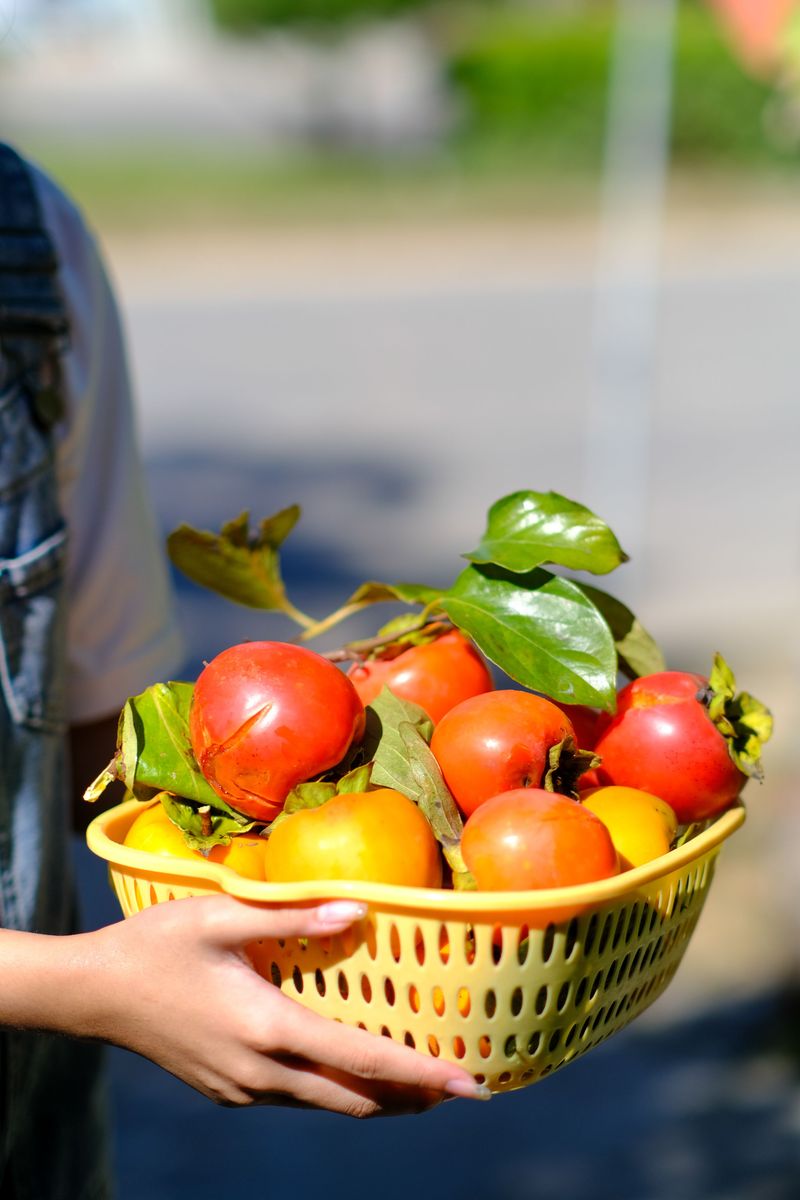
Every autumn, somebody hikes home with a bag of pretty orange fruit and very high hopes. Two hours later, that same bag sits on the counter, untouched and forgotten.
Color fools people, because persimmons turn bright orange weeks before they become pleasant to eat. Firm orange fruit still carries plenty of tannin, and the flesh feels unpleasantly gritty inside.
Picking early also strips the tree before local wildlife and neighbors get a fair share. A branch stripped in mid September offers nothing more that season, so patience really matters.
Another common misstep involves yanking fruit off the stem while the stem still resists firmly. Ripe persimmons release with barely a touch, and stubborn ones are clearly telling you something.
Storing hard fruit in a closed paper bag with an apple can rescue a rushed harvest. Flavor improves somewhat, though the result stays a clear step behind tree ripened fruit.
Skipping the taste test causes trouble too, since ripeness varies wildly across one single tree. Sample a single fruit first, and then let your own mouth make the final decision.
Trespassing ranks as the quiet mistake nobody mentions, and it sours neighborhood goodwill fast. Ask permission, stick to public land, and carry a simple bag rather than a ladder.
Waiting feels hard when fruit looks ready, yet one extra week changes the whole experience. Your patience gets repaid with something that tastes like warm honey wrapped up in silk.
Ground Drops And Soft Skins As Ripeness Proof
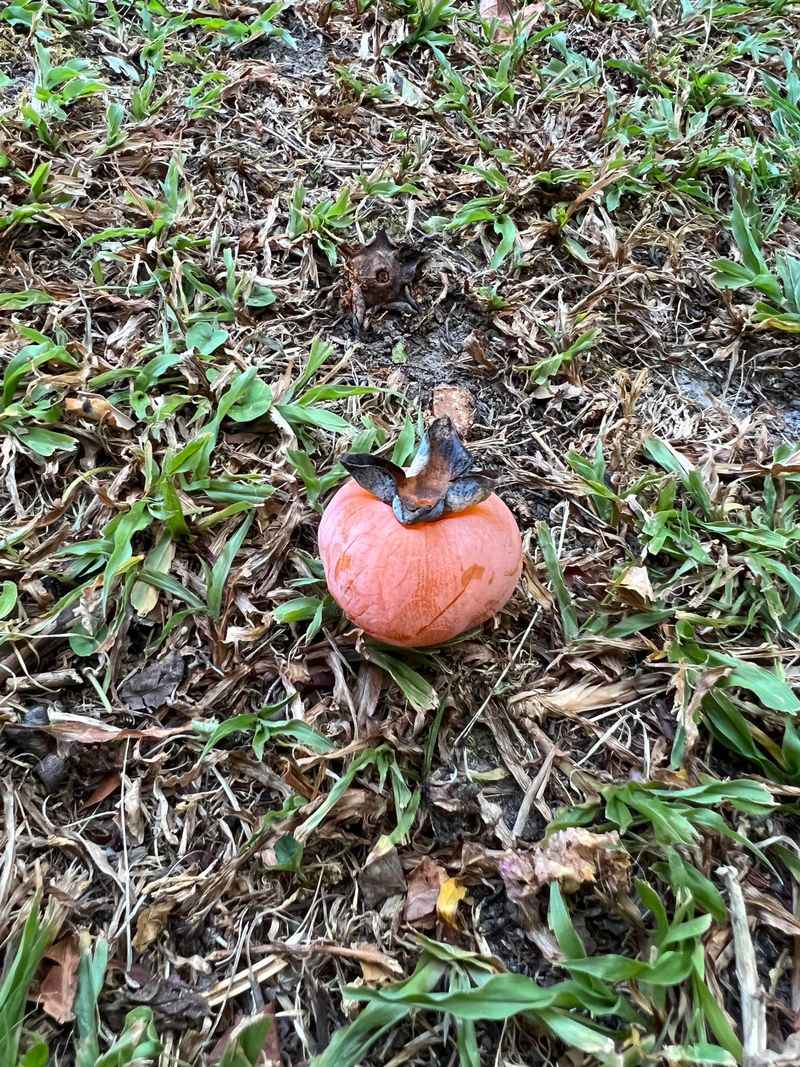
Here is the trick that experienced New Jersey foragers quietly rely on every single October. Let the tree itself decide, and gather fruit from the ground instead of the branch.
Ripe persimmons let go on their own, which makes the ground a reliable sorting machine. Fallen fruit that still feels quite firm probably came down in wind, so set it aside.
Texture tells the truth far better than color ever will, so squeeze gently before committing. A ready persimmon feels like a water balloon, with wrinkled and slightly translucent skin.
The calyx, that little leafy cap on top, pulls away easily when sugars finish developing. The flesh underneath should look glossy and deep orange, almost like thick apricot preserves.
Spread an old bedsheet beneath the tree and give the trunk a light shake each morning. Only the ripest fruit tumbles down, and the cleanup afterward takes about ninety seconds.
Check every fruit for deep splits, heavy ant traffic, and the sour smell of fermentation. Bruised persimmons work fine for pudding, while pristine ones deserve a spoon right away.
Seeds inside look like flat brown teardrops, and folklore claims they predict winter weather. Split one lengthwise, look for a spoon shape, and then argue with your relatives later.
Collect fruit in a shallow tray rather than a deep bucket, since ripe ones crush easily. Refrigerate them right away, or freeze the pulp for pudding around the winter holidays ahead.
Wildlife, Seedlings, And Next Year’s Promise
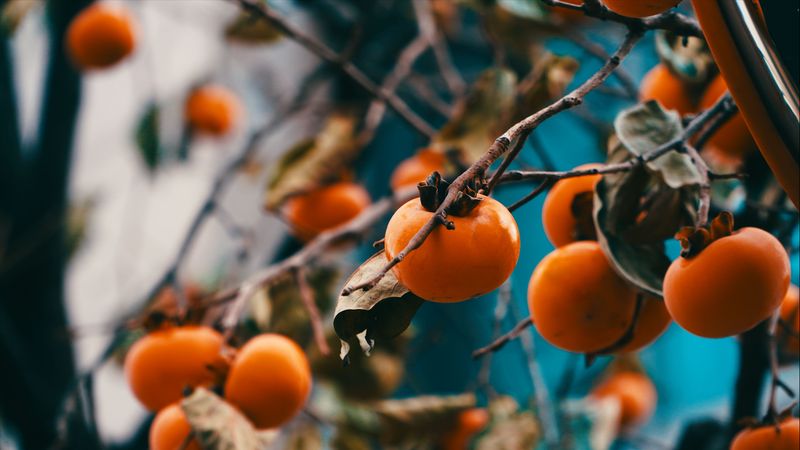
Persimmon season feeds half the neighborhood, and most of those hungry diners happen to have fur. Opossums, foxes, raccoons, deer, and even box turtles all show up for the sugar.
Leaving fruit behind is not waste, since seeds travel inside animals and sprout far away. That quiet partnership is how persimmons spread across New Jersey long before anyone planted them.
Growing your own takes quite a bit of patience, because seedlings need seven years before fruiting. Trees come as male or female, so you want both nearby for a reliable crop.
Plant a few seeds this fall in a deep pot, because the taproot dives straight down. Cold New Jersey winters handle the chilling period those seeds require before spring arrives.
Mature trees ask for very little, tolerating poor soil, summer drought, and salty coastal wind. Full sun produces the heaviest crops, and yearly pruning work stays light and simple.
Fruit drop can stain driveways and attract wasps, so planting location deserves some real thought. Tuck the tree toward a back corner, where falling fruit quietly feeds local wildlife instead.
Nurseries sell grafted varieties like Yates and Early Golden that fruit sooner and taste dependable. Native seedlings cost far less, though that particular gamble adds a little extra suspense.
Each dropped fruit is a small promise for another autumn somewhere down the road ahead. Mark your calendar, thank the old tree, and start planning pudding for next September.