The Fast-Spreading Vine Taking Over Maryland Backyards And How To Remove It Before Spring
Something is quietly waiting in your backyard. Right now, a withered vine is clinging to your Maryland fence line, and it is not finished.
This summer it grew up to six inches a day, fast enough to bury a shrub before you noticed. Tiny barbed hooks still cover every stem.
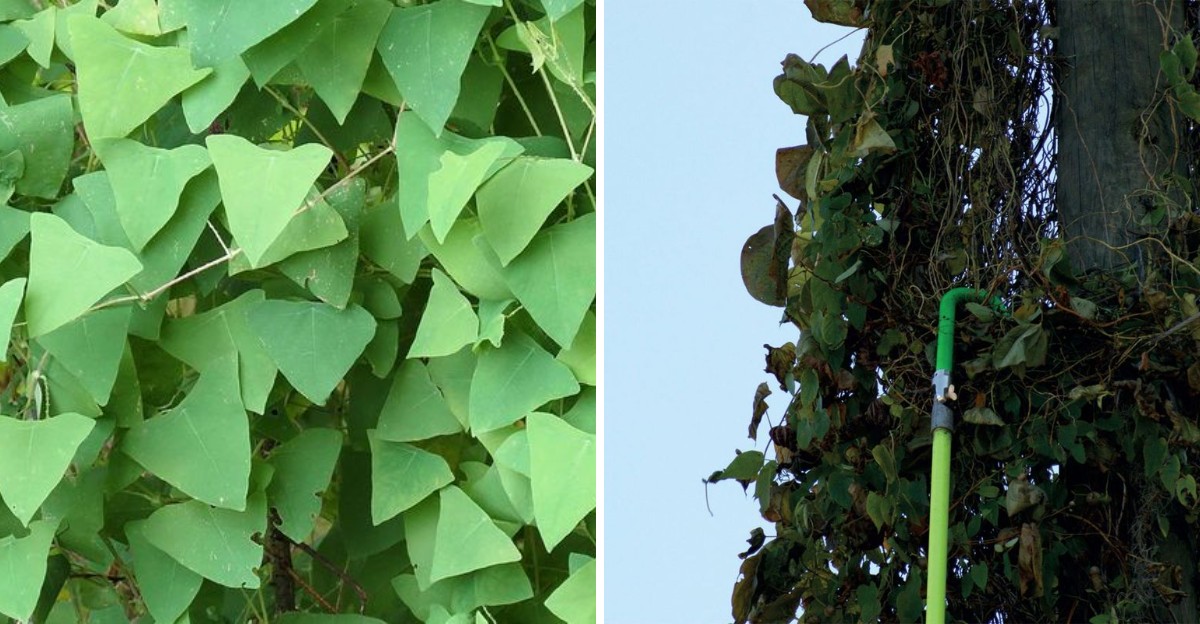
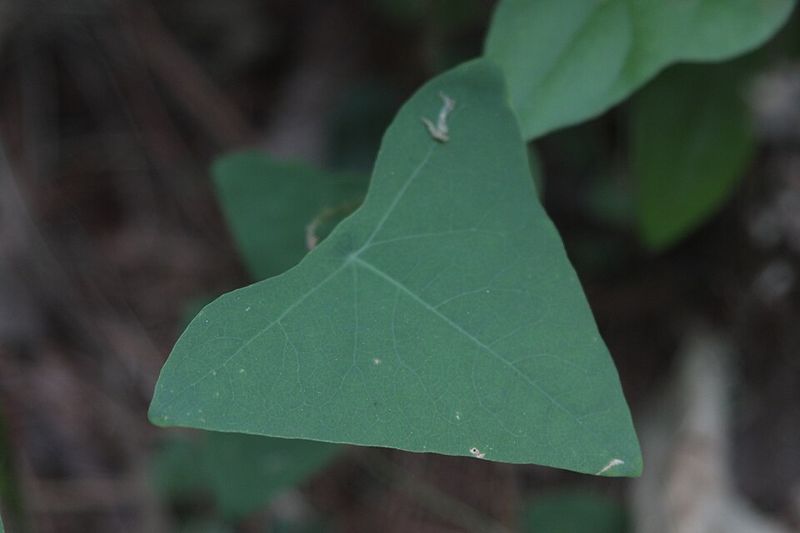
Triangle-shaped leaves once spread wide like a shield, and underneath them your plants lost light, lost air, lost ground. Can anything stop it? Yes, but you have to move first.
Most people wait until spring, and that window closes faster than you think. Every week you delay, more berries drop, and more seeds settle into your soil. Cold weather works in your favor.
Bare, brown stems are easy to find and easy to clear in November. Spotting where it grew is the one advantage worth keeping.
Nothing about this plant plays fair, and nothing about fighting it should be passive. This vine does not give up, so make November the month you stop it.
The Vine Taking Over Maryland Backyards Is Hiding In Plain Sight
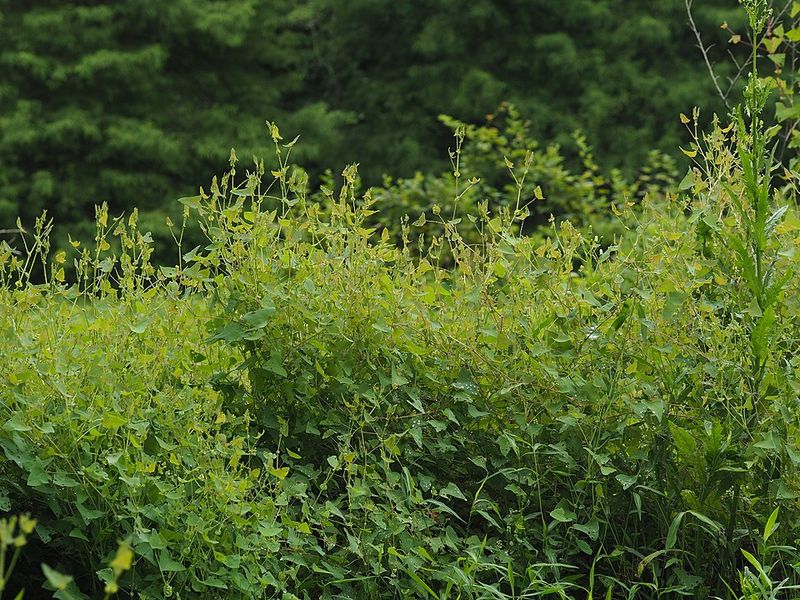
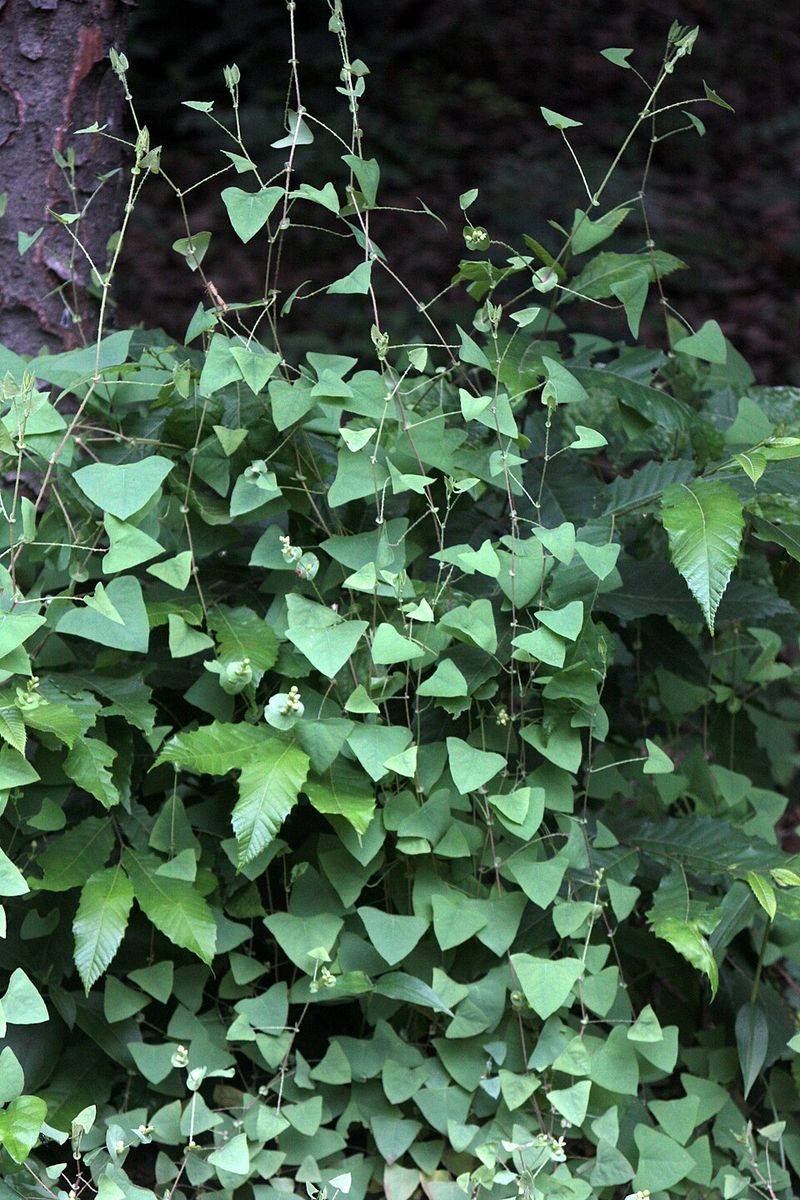
Your neighbor probably warned you about it. Mile-a-Minute Vine is the fast-spreading vine that overran Maryland backyards this year. It looks gone now, but it will be back in spring.
This plant arrived from eastern Asia decades ago, first establishing itself in York County, Pennsylvania in the 1930s via contaminated nursery stock.
From there it spread across the Mid-Atlantic and has since taken firm hold throughout Maryland. The plant earned its dramatic name honestly.
Under the right conditions, it grows up to six inches per day in warm weather. Tiny curved barbs line every stem, and they stay sharp even on withered vines.
Mile-a-Minute thrives in disturbed soil, roadsides, woodland edges, and sunny backyards. It loves the humid summers that Maryland delivers every year.
The vine produces small, steel-blue berries that birds eat enthusiastically. Those birds then spread seeds across wide areas, making control much harder.
A single mature plant can produce up to 3,500 seeds in one season. That seed bank can remain viable in the soil for up to six years after you remove the parent plant.
Homeowners often mistake it for a native plant at first glance. Once you know exactly what to look for, identification becomes much easier and faster.
Understand Why Mile-a-Minute Spreads So Fast
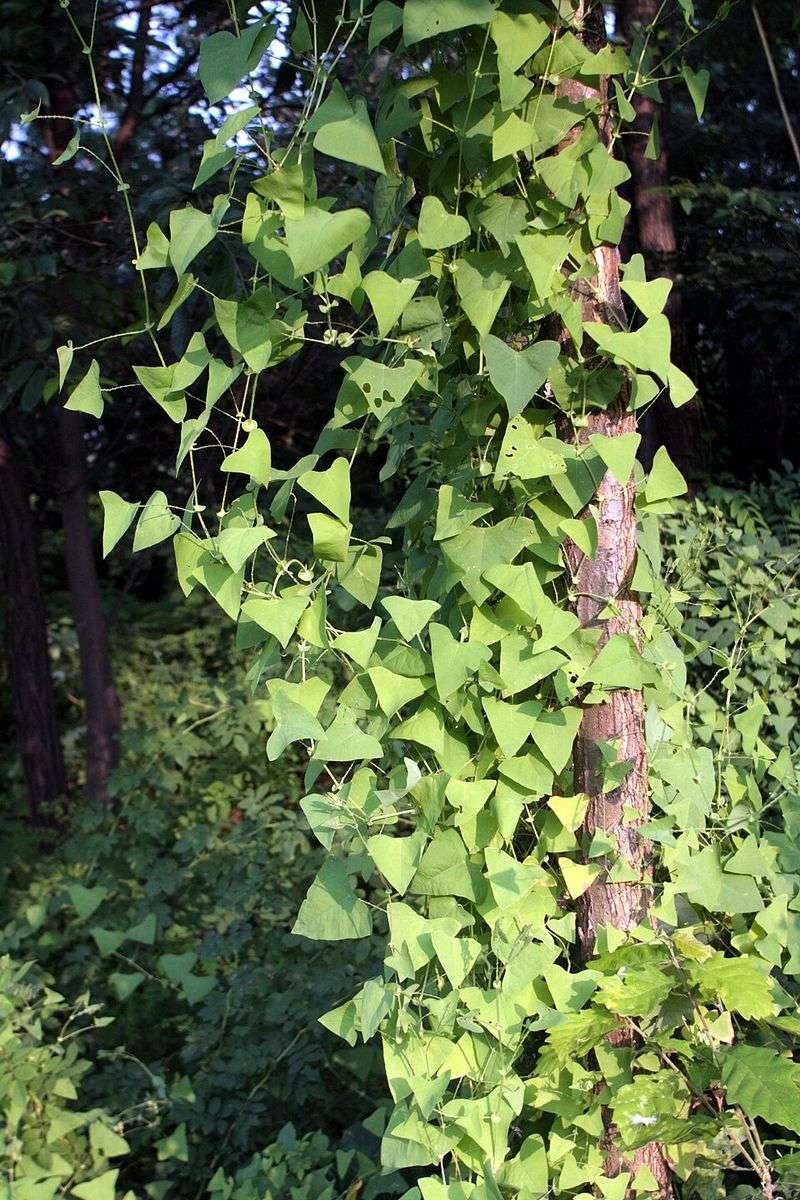
Speed is what makes this plant so difficult to manage. Few invasive vines in the Mid-Atlantic region can match how quickly Mile-a-Minute covers ground in a single season.
The secret starts with germination timing. Seeds need roughly eight weeks of cold, below about 50°F, to prepare for spring germination, and Maryland’s winter delivers exactly that.
Once that cold threshold is met, seedlings emerge in early spring. They get a head start before most gardeners notice anything unusual. Maryland’s spring weather creates almost perfect conditions for this process every year.
Once established, the vine races upward and outward at the same time. It uses those tiny barbs to anchor itself to any surface it touches.
Each plant is an annual, meaning it completes its entire life cycle in one season. But it produces so many seeds that the population grows year after year.
Those seeds travel by water, animals, and even muddy boots. That is why cleaning up fallen berries now matters so much.
The plant also photosynthesizes extremely efficiently in full sun. That energy fuels the rapid growth that catches homeowners off guard.
Shaded areas slow it down slightly, but Mile-a-Minute adapts well. Partial shade barely slows its seasonal spread either.
Spot The Signs Before It Takes Over Your Yard
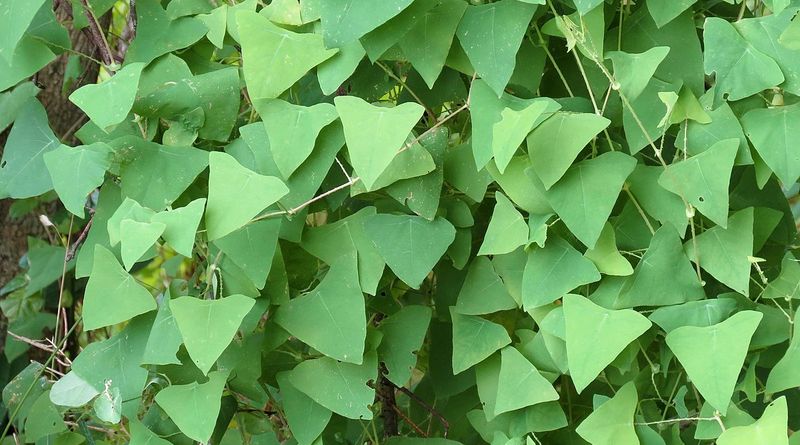
November is the easiest time to see where the vine took hold. With the leaves gone, the damage is plain to see.
Catching it now saves you enormous time and effort later. The sooner you map the problem, the easier removal becomes before spring.
Look for brown, tangled stems clinging to shrubs, fences, and low branches. Run your gloved fingers along one and you will feel tiny, recurved prickles that catch like velcro.
Circular, papery discs called ocreae wrap around each stem node. They often remain on brown stems and are the clearest identification clue for this plant.
Faded berries may still cling to the stems. Those dried berries hold next year’s whole infestation.
Check woodland edges, fence lines, and disturbed garden beds first. Mile-a-Minute tends to start in these transitional zones before moving inward.
Next spring, young seedlings will look like a small, harmless weed. Growth then accelerates dramatically in June.
Take photos of every infested spot before you clear anything. Those pictures will guide your spring monitoring.
If you find brown vines smothering shrubs or low branches, act this week. Waiting until spring means dealing with a significantly larger problem, and waiting even two weeks now lets more berries drop.
How To Remove Mile-a-Minute In November Before Spring
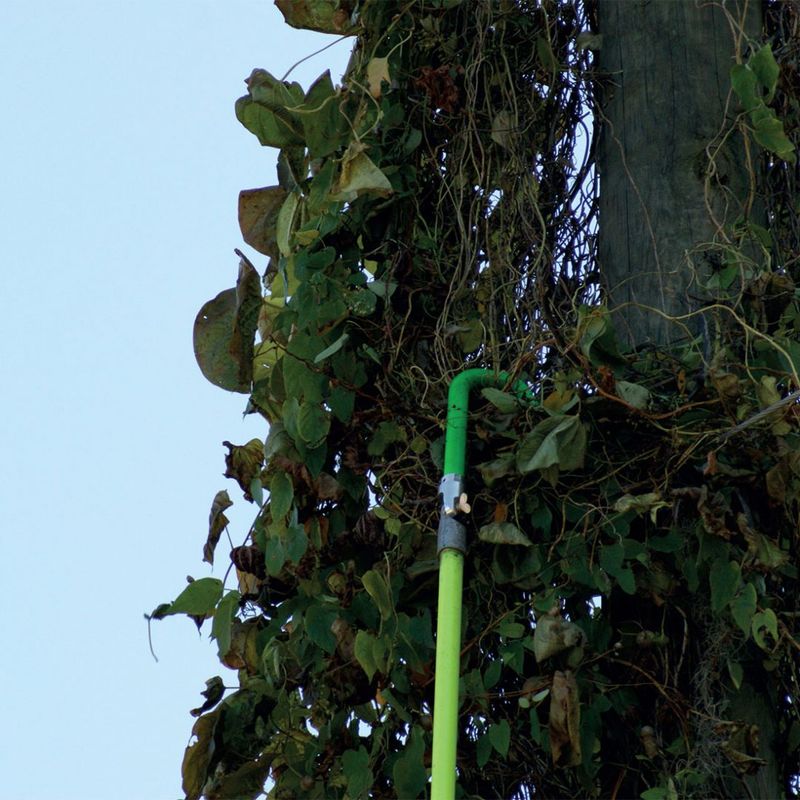
November is the best moment to clear this vine. The plant has withered, so your real target is the seeds.
Pick a dry day after the leaves have dropped. Wear thick leather gloves and long sleeves, because withered barbs still scratch.
Cut or pull the stems at the base, then lift them gently. Rough handling shakes berries loose and scatters seeds exactly where you do not want them.
Work in small sections if the patch is large. Finishing one patch properly beats rushing the whole yard.
Lay a tarp beside the vine and place the stems directly on it. Dragging stems across the yard spreads seeds along the way.
Rake the soil surface and leaf litter beneath the vine onto the tarp. Fallen berries hide in that debris, so go slowly and rake the area twice.
Put everything into heavy-duty garbage bags and seal them. Send the bags to the landfill. Never compost the material, because seeds survive standard compost piles.
Wash your gloves, boots, and tools before moving to another part of the yard. Seeds hitchhike on muddy soles.
Mark each cleared patch with a flag and take a photo. Those spots need watching closely in spring, when the first seedlings appear.
Choose The Right Herbicide For This Vine
Skip the spray in November. Frost has browned the foliage, so herbicide has nothing to absorb and the product is wasted.
Save it for spring, when seedlings emerge. Start checking your yard in early spring, when the first seedlings begin to show up.
Glyphosate-based herbicides work effectively on young Mile-a-Minute when applied directly to the foliage. Products containing triclopyr also show strong results on larger plants.
Spray on a calm, dry day with no rain expected for at least 24 hours. Rain washes herbicide off the leaves before the plant can absorb it fully.
Apply in the morning when temperatures are moderate. Extreme afternoon heat causes herbicide to evaporate before it penetrates the leaf surface properly.
Avoid spraying near water features, streams, or storm drains. Many herbicides carry environmental restrictions around waterways that Maryland homeowners must follow carefully.
Spot-treat individual seedlings whenever possible instead of blanket-spraying entire areas. Targeted application reduces chemical exposure to surrounding desirable plants and soil organisms.
Expect to see wilting and browning within seven to fourteen days. A second application is often necessary for patches with deep seed banks.
Always read the full product label before spraying anything. Labels carry legal weight and contain critical safety and environmental instructions you cannot skip.
Stop It From Coming Back Next Season
Clearing the vine once is only half the job. Without a solid prevention plan, Mile-a-Minute will return from dormant seeds next spring.
Apply a three-to-four-inch layer of wood chip mulch over cleared areas right after removal. Mulch blocks sunlight and stops most seeds from germinating successfully.
Landscape fabric under mulch adds an extra barrier in heavily infested zones. Anchor the fabric securely so the vine cannot find gaps to push through.
Fall is also a good time to plant natives in your cleared spaces. Native groundcovers and shrubs are strong choices.
Roots settle in over winter, and dense plantings compete aggressively for light and nutrients once spring arrives.
Monitor your yard every two weeks from April through September. Pulling new seedlings early keeps them from setting seed again.
Check fence lines, woodland edges, and drainage areas extra carefully. Those spots receive seeds from neighboring properties and are the first to show new growth.
Talk to your neighbors about what you found in your yard. Coordinated removal across multiple properties dramatically increases long-term success rates in the neighborhood.
Persistence wins this fight every single time. One dedicated season of prevention sets up your yard for much easier management in every season that follows.
Keep Your Yard Mile-A-Minute Free Long-Term

Long-term control of this vine is achievable with steady, consistent effort. Homeowners who commit to seasonal monitoring and smart planting consistently manage Mile-a-Minute successfully over time.
Build a simple yard-check habit into every spring. A fifteen-minute walk along fence lines and garden edges catches new growth before it becomes a serious problem.
Native shrubs like spicebush and elderberry fill space quickly and densely. Dense native plantings leave almost no open ground for seeds to find purchase.
Keep a small spray bottle of diluted herbicide ready for early April. Quick spot-treatment of single seedlings takes seconds and prevents major infestations from ever forming.
Compare this month’s photos with the ones you take next spring. Side-by-side images help you track progress and spot trouble areas before they spiral out of control.
Contact your local Maryland cooperative extension office if the infestation feels overwhelming. Extension agents offer free advice, local resources, and sometimes organized community removal events.
Healthy, dense turf grass also discourages seedling establishment in your open lawn areas. Overseeding in early fall and fertilizing at the right time keeps your lawn thick enough to crowd out unwanted arrivals.
Staying consistent with these habits keeps this fast-spreading vine from ever reclaiming your outdoor space again.