The Tiny Black Specks Hopping On Indiana Snow Aren’t Fleas At All
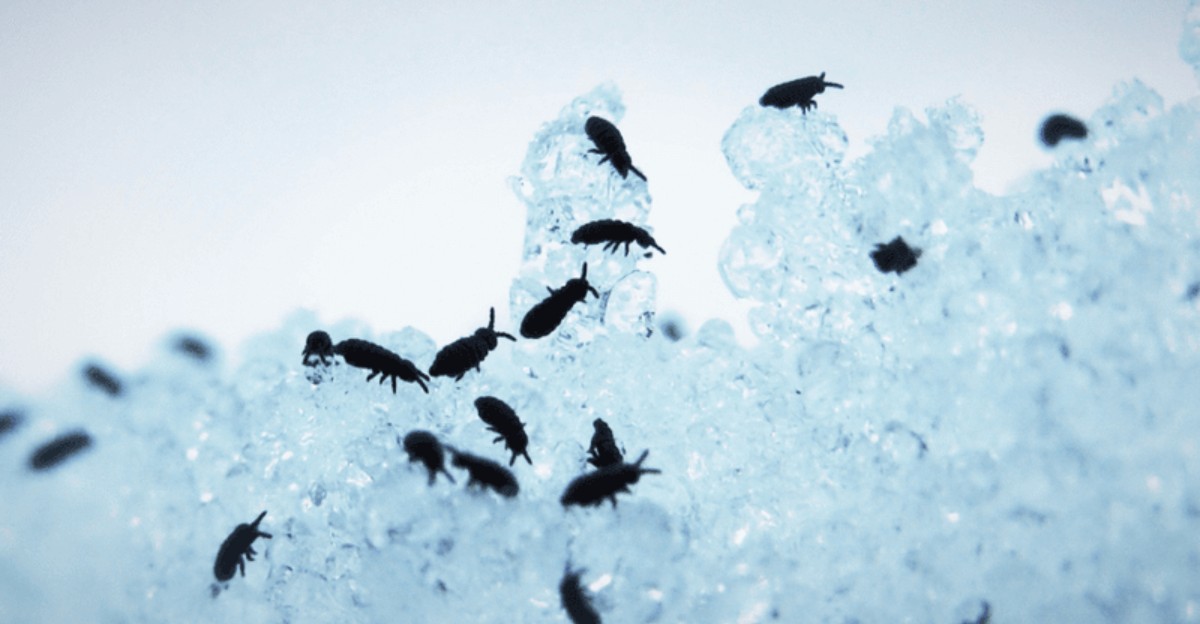
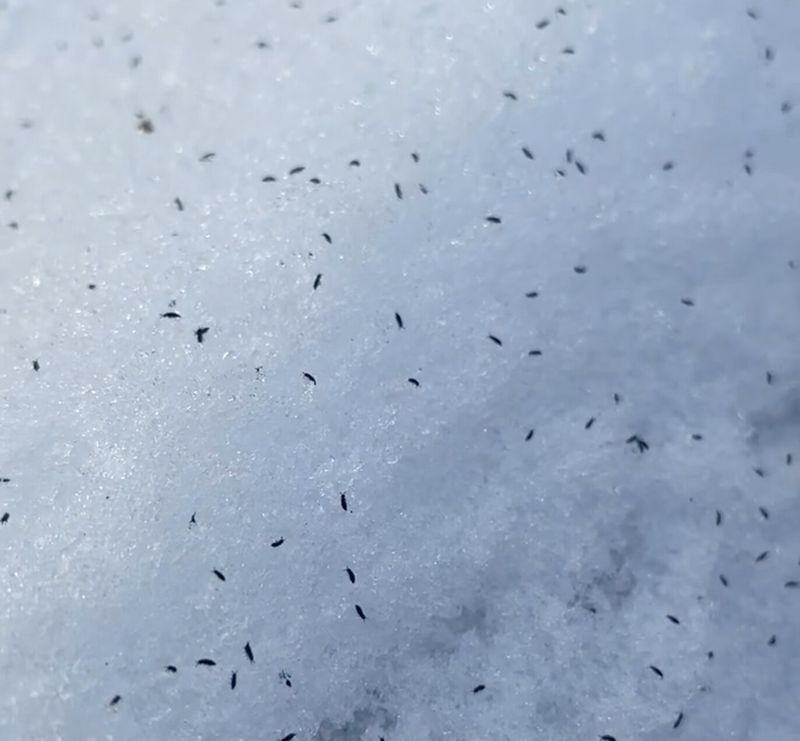
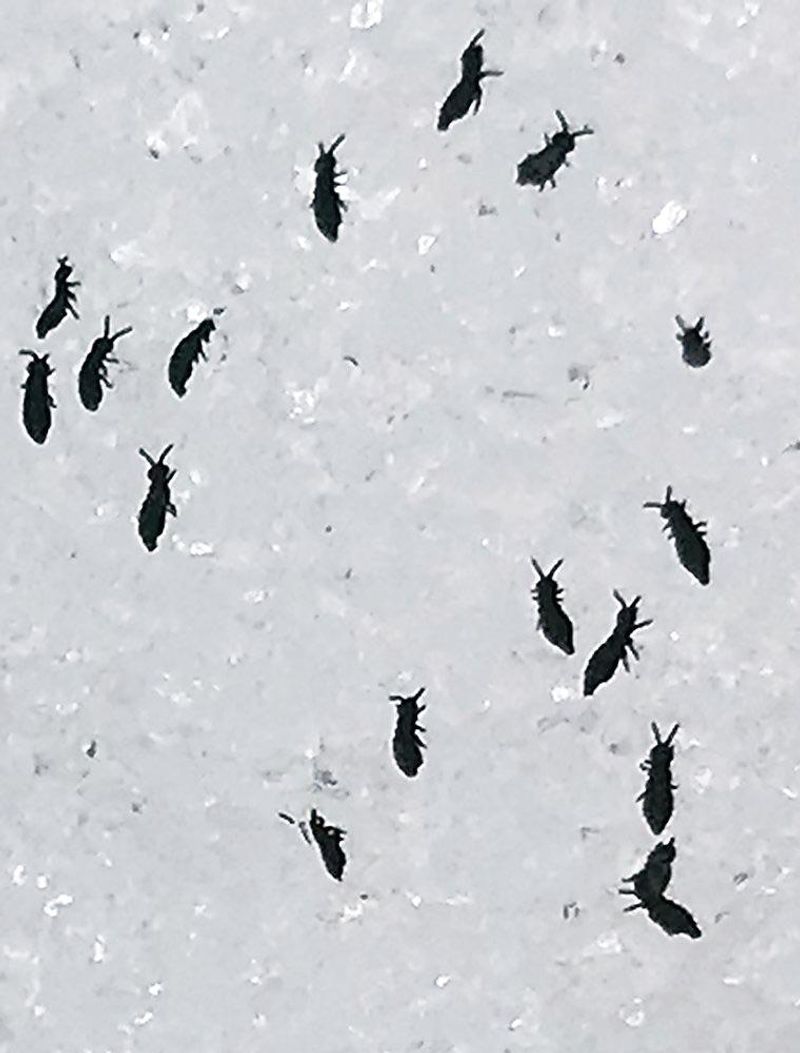
Millions of tiny creatures can gather on a single acre of melting snow, and most people walk right past them. They look like someone spilled black pepper across the yard.
I didn’t expect the pepper to start jumping. The first time I knelt beside an old maple on a mild February afternoon here in Indiana, the specks scattered like popcorn in a hot pan.
Truth is, my first thought was fleas, and my second thought was my dog. You’d probably panic a little too, because nobody wants bugs bouncing across their winter garden.
These little acrobats have a secret, though. They carry their own natural antifreeze and launch themselves with a hidden spring folded under their bellies. Now, what exactly is hopping around out there, and should you worry about it at all?
Those Jumping Pepper Specks Near Your Tree Trunks Have A Story
Late winter in the Midwest has a funny habit of hiding things in plain sight. On a sunny thaw day, you might notice dark patches on the snow that look like soot or spilled coffee grounds.
Look closer, and those patches move. The specks pile up around tree trunks, in footprints, and in little dips where snow is softening. Some gatherings hold thousands of individuals in a space the size of a dinner plate.
Not going to lie, my first reaction was mild horror. I figured something had hatched in my mulch and was coming for the house next.
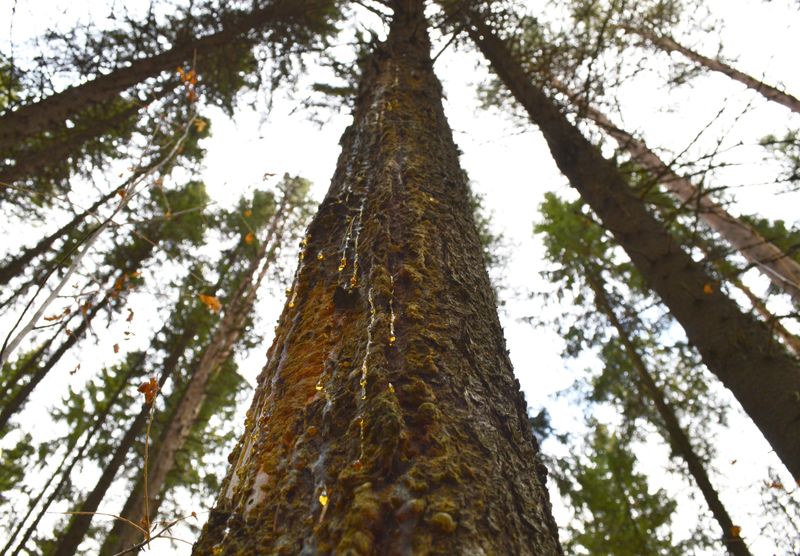
Patterns like this tend to show up from late winter into early spring. Warm spells above freezing seem to trigger them, especially after a few gray, frigid weeks. The darker tree bark soaks up sunlight, so snow melts there first and creates a cozy landing zone.
Here’s a fun test. Gently touch the patch with a stick and watch what happens. If the specks pop into the air and vanish, you’ve found the right critter.
Those hopping crowds aren’t random. Each speck is a living animal with a surprising job, and the next section clears up exactly who they are.
Springtails Wear The Snow Flea Nickname But Skip The Biting
Meet the real identity behind the mystery. Those specks are springtails, tiny six-legged animals in a group called Collembola.
People call them snow fleas because they hop and look dark against white snow. That nickname is about the only thing they share with true fleas.
Fleas are parasites that feed on blood. Springtails don’t bite people, pets, or livestock, and they don’t spread disease. Purdue entomologists and other university experts describe them as harmless.
The species most often spotted on northern snow is Hypogastrura nivicola. It’s usually dark blue, gray, or nearly black. Each one measures about one to two millimeters long, roughly the size of a pepper grain.
Fun fact for your next dinner party. Springtails have six legs like insects, but scientists now place them in their own separate group. Their mouthparts tuck inside the head, which sets them apart from true insects.
I’ll say this much, learning their real name took a load off my mind. My dog could keep rolling in the snow without any worry from me.
So if you spot them this winter, relax. You’re looking at one of the oldest and most common little animals living in soil.
A Hidden Tail Spring Sends These Snow Hoppers Flying
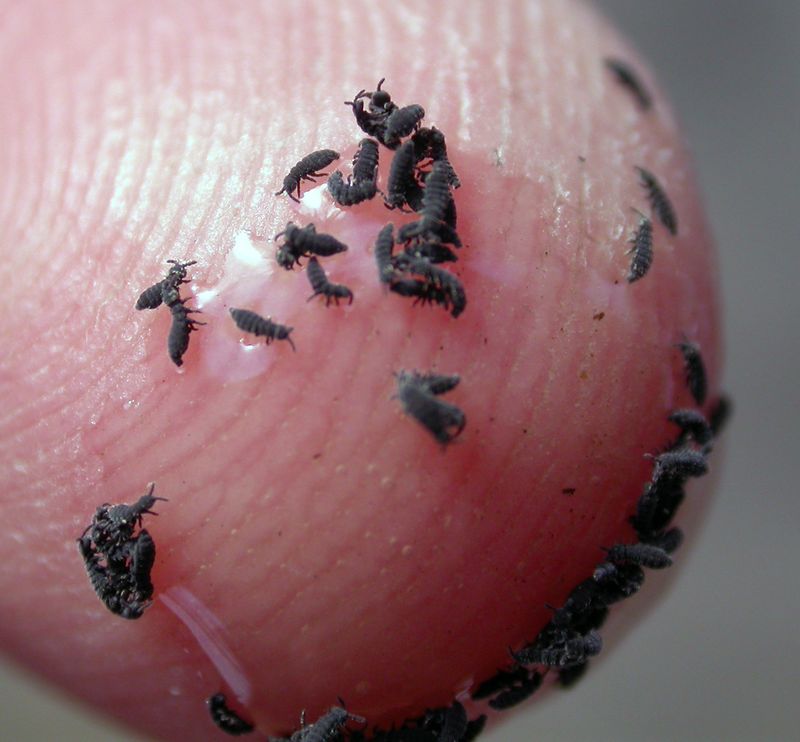
Legs have nothing to do with the big jumps. Under the springtail’s belly sits a forked tail-like part called a furcula.
Most of the time, the furcula stays folded and locked in place by a tiny clasp. When danger appears, the clasp lets go. The furcula snaps against the ground and flings the animal into the air.
The launch is lightning fast. A springtail can travel several inches in one leap, which is huge for a creature smaller than a sesame seed. Scaled up to human size, that would be like clearing a tall building.
Steering isn’t part of the deal, though. They tumble wherever the jump sends them, which explains the chaotic popcorn look on the snow.
Don’t laugh, but I’ve spent a good ten minutes crouched in my yard just poking at them. Every tap sends a little burst of specks scattering in every direction.
Kids especially love this. Hand them a magnifying glass and a twig, and you’ve got a free winter science lesson.
That jumping trick mostly helps them escape hungry predators like mites, beetles, and spiders. It also spreads the group across new patches of snow to find food.
Natural Antifreeze Keeps Snow Fleas Hopping Below Freezing
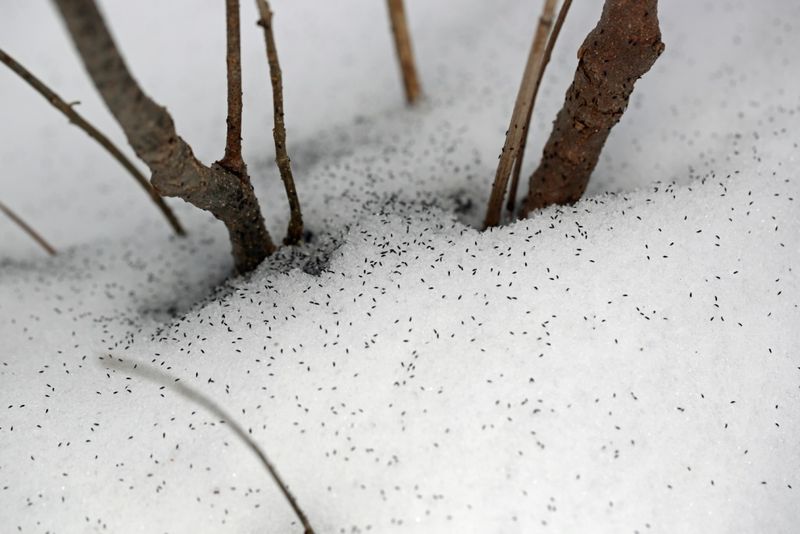
Cold weather sends most garden bugs into hiding. Springtails seem to shrug it off, and science has a neat explanation.
Researchers at Queen’s University in Canada discovered that snow fleas make a special protein rich in an amino acid called glycine. The protein binds to tiny ice crystals and stops them from growing inside the body.
Without that protection, ice would rupture their cells. With it, they stay active at temperatures near or a bit below freezing.
Scientists have even studied this antifreeze protein for human uses. Ideas include better storage of donated organs and improved frozen foods. Pretty big dreams for an animal the size of a pepper flake.
I’m a sucker for these little biology surprises. Knowing a creature in my flower bed could inspire medical research makes winter cleanup feel a lot more interesting.
Their dark color helps too. Black and blue-gray bodies absorb sunlight, giving them a small warming boost on bright days.
Still, they aren’t superheroes. During deep cold snaps, they stay tucked in leaf litter and soil where temperatures hold steadier. Mild, sunny afternoons are your best bet for spotting them on top of the snow.
Leaf Litter Recyclers Working Hard Under Your Winter Garden
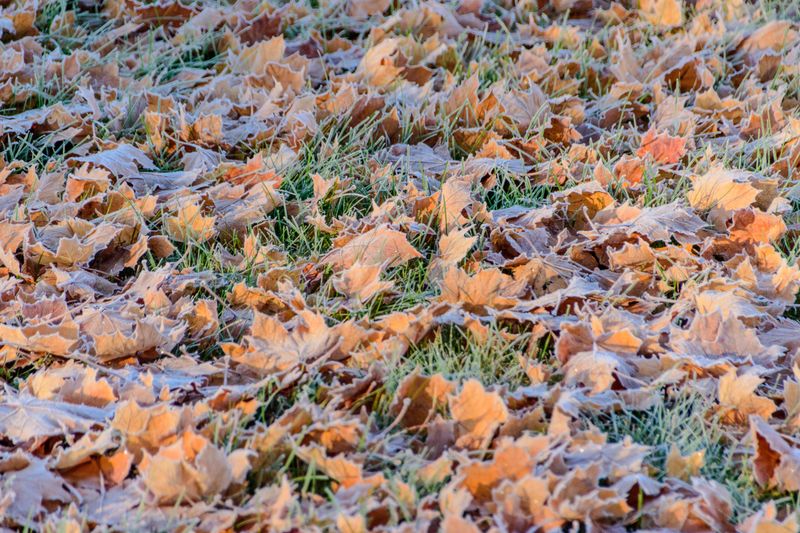
Every fall, I leave a layer of leaves in my perennial beds. Springtails are one big reason that habit pays off.
These little animals are decomposers. They munch on fungi, bacteria, algae, pollen, and bits of rotting plant material. As they feed, they help break down organic matter and return nutrients to the soil.
Healthy garden soil can hold enormous numbers of springtails. Estimates often run into the thousands per square foot in rich, moist ground.
Their work supports the whole soil food web. Springtails also become food for beetles, mites, spiders, and young salamanders, which keeps the backyard ecosystem buzzing.
Want more of these helpers? Try a few easy habits.
Leave some leaves in beds and under shrubs instead of bagging every last one. Add compost to boost organic matter. Cut back on broad pesticide use, which can reduce helpful soil life along with the pests.
Seeing lots of springtails on your snow often points to soil rich in organic material. I think of them as a quiet thumbs-up from the ground beneath my boots.
Treat them like free garden staff. They don’t ask for pay, just a little moisture and leaf litter.
Thawing Snowbanks Bring Springtails Up From The Soil
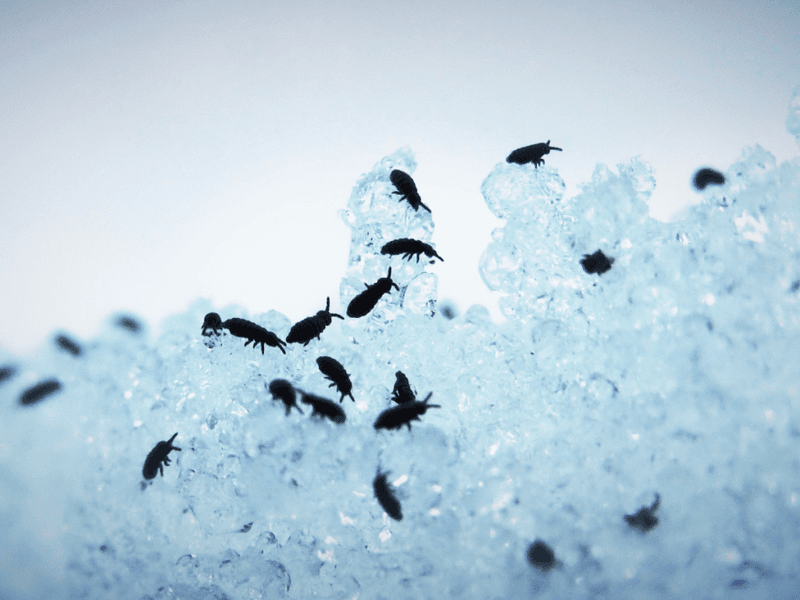
Springtails live in your yard all year long. Snow simply makes them easy to see.
During summer, they hide in damp soil, mulch, rotting logs, and under bark. Their tiny dark bodies blend right in with dirt, so most people overlook them.
Winter flips the script. A white background turns each speck into a tiny exclamation point.
Warm spells push them upward. On mild days, they climb through gaps in the snow, often along tree trunks and plant stems. Up top, they graze on fungi, algae, and organic bits scattered across the snow surface.
Moisture matters a lot too. Springtails dry out quickly, so melting snow offers perfect damp conditions for wandering.
In much of Indiana, late February and March bring plenty of freeze-and-thaw cycles. Southern counties may see them earlier during mild stretches, while northern areas near the lakes often get longer snow cover.
Fair warning, they can show up in startling numbers. Some reports describe patches so dense the snow looks dirty from a distance.
Their appearance is a handy seasonal clue. When the specks start hopping, soil life is waking up, and spring is creeping closer.
Springtails In Damp Basements Point To A Moisture Problem
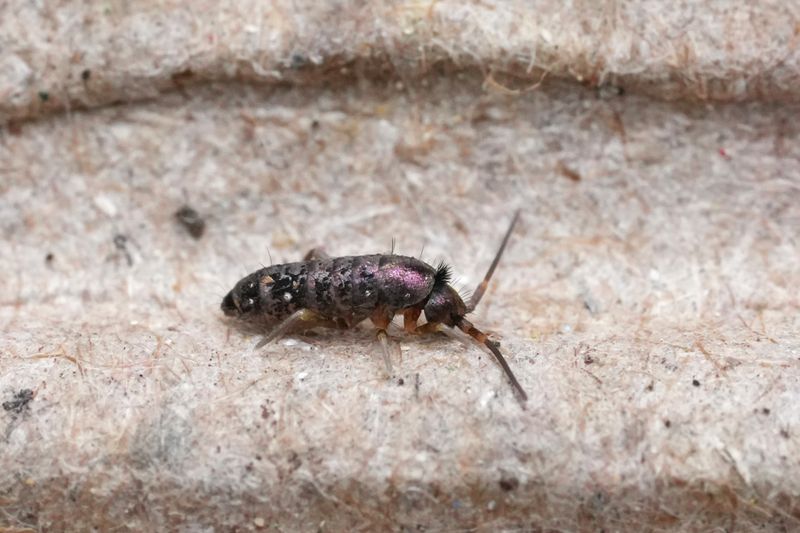
Outdoors, springtails are welcome guests. Indoors, they can turn into a puzzling nuisance.
Every so often, homeowners find tiny gray or white hopping specks near sinks, tubs, floor drains, or houseplants. These are usually springtails too, though often different species than the dark ones on snow.
They don’t damage wood, fabric, or food. They can’t breed well indoors unless things stay damp. That’s the real clue.
Springtails inside your home mostly signal excess moisture. Leaky pipes, wet window wells, soggy potting soil, or poor drainage near the foundation can all invite them.
Here’s what helps most:
Fix drips and leaks. Run a dehumidifier in a damp basement. Let houseplant soil dry a bit between waterings. Pull mulch a few inches back from the foundation and clean out gutters.
A vacuum handles the ones you can see. Purdue Extension and other experts note that spraying insecticides rarely solves the problem, because the moisture keeps drawing more in.
I learned the hard way that my overwatered fern was the culprit. Once I eased up on the watering can, the hoppers faded away within a couple weeks.
Grab A Magnifying Glass And Enjoy Your Snow Flea Show
Winter gardening can feel a little slow. Springtails offer a fun reason to head outside anyway.
Pick a sunny afternoon when temperatures rise toward or above freezing. Check the snow around tree bases, fence posts, and footprints in wooded or mulched areas.
Bring a magnifying glass or use your phone camera zoom. You’ll see their plump, rounded bodies and maybe catch one mid-launch.
Leave them be once the show ends. No sprays or treatments are needed outdoors, since they pose little threat to plants, people, or pets.
A few gentle habits help them thrive. Keep some leaf litter in garden corners. Hold off on heavy fall cleanup. Build compost and skip unneeded chemicals.
Curious friends might enjoy a quick nature challenge too. Count how many patches you find on a single walk, or note the date they first appear each year. Over time, you’ll build your own seasonal calendar.
Trust me on this one, once you know what they are, you’ll start hunting for them every thaw. Those hopping specks prove your yard stays busy underground, quietly prepping the soil for the flowers and veggies coming this spring.