Reserve Seed Garlic Now For An October Planting In Maryland
There is a moment in late July when the garden smells like warm dust, bruised basil, and tomato vines. The air hums with bees, and every gardener starts quietly thinking one season ahead.
Maryland weather has a talent for keeping gardeners guessing right through autumn. A soft, muggy October can turn crisp overnight, and beds that sat empty for weeks suddenly demand a plan.
The growers who end up with the best harvests make their moves months before the first frost arrives. What settles into the ground this autumn quietly decides how next summer’s kitchen will smell.
Meanwhile, the fair judges over in Frederick are already sharpening their pencils for the ribbons. Somewhere down the road, a neighbor swears her whole secret is a rusty coffee can and stubborn patience.
Claiming Your Bulbs In Summer Pays Off In October
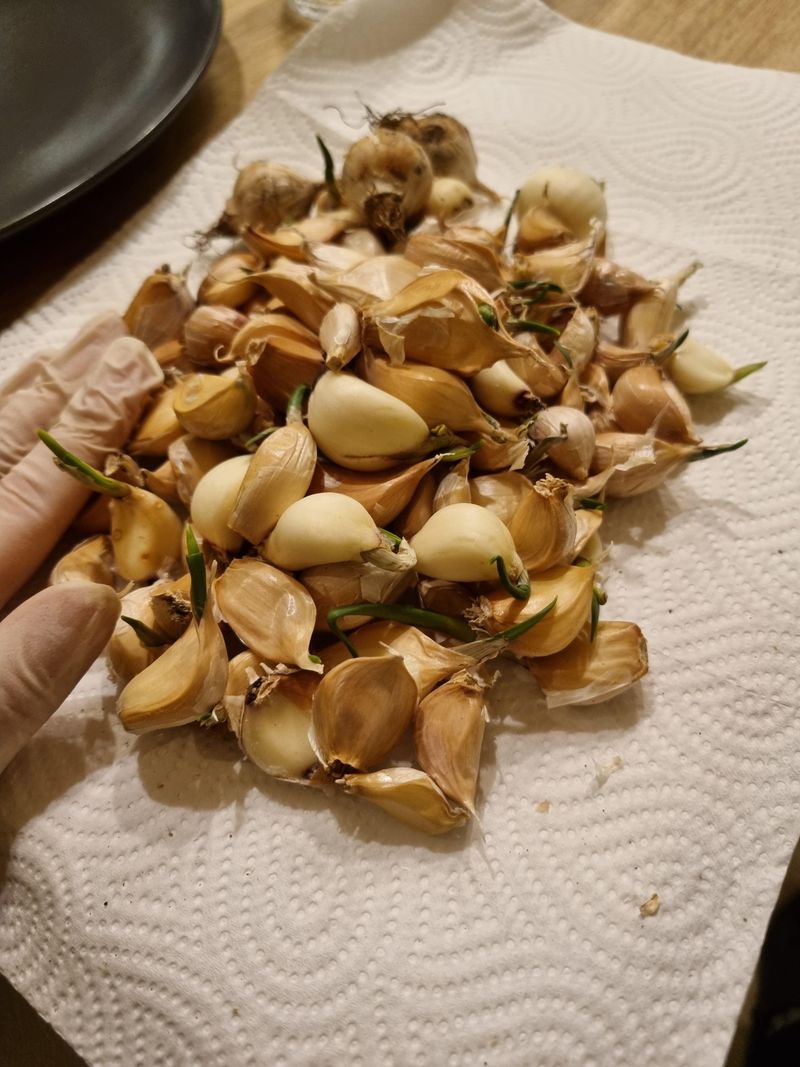
Popular garlic varieties sell out by late summer, often before Maryland gardeners even glance at a fall calendar. Reserving now locks in the strain you want at a fair price.
Most seed garlic farms grow a limited crop each season. Once the July harvest is counted and cured, they post what is available and take orders.
Shoppers who wait until late September usually find the rare hardnecks already claimed. What remains tends to be small bulbs with fewer cloves per head.
Bulb size matters more than most folks expect. Big cloves store more energy, which means stronger roots before winter settles over the state.
Reserving also spreads out your garden budget in a friendly way. You pay in summer and receive the shipment when planting weather actually arrives.
Growers ship on a schedule tied to your zip code and frost dates. Maryland orders generally land between late September and mid October.
Another quiet perk is information. Small farms often tuck in planting notes for your region and answer emailed questions within a day.
Grocery store bulbs look tempting and cost less at first glance. Many are treated to slow sprouting, and they rarely suit our humid mid-Atlantic winters.
Think of a reservation as a seat at a small table. Gardeners who claim one early get the harvest they actually wanted.
Maryland’s October Window And Soil Temperatures
Timing in the mid-Atlantic hinges on soil, not the page on the wall. Most of central Maryland sits in zones 6b through 7b, though the state ranges from 5b in the western mountains to 8a along the coast.
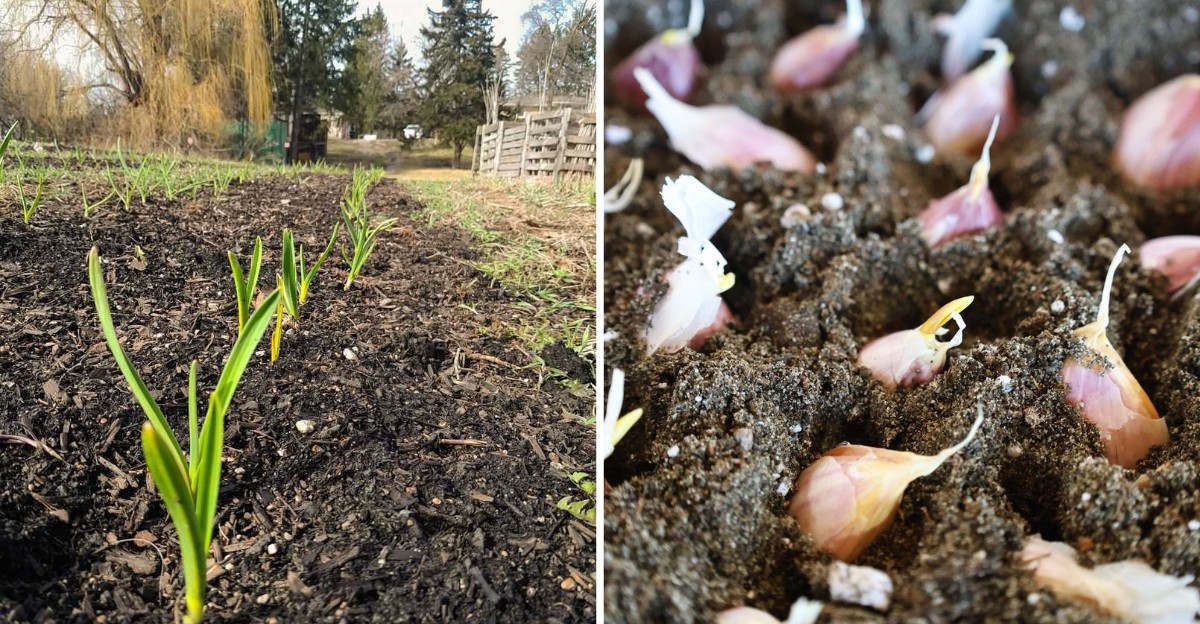
Cloves want three to six weeks of root growth before the ground stiffens. Mid October through early November hits that mark across much of the state.
Soil temperature is the honest signal. Slide a thermometer four inches down and look for readings near 50 degrees.
Western Maryland cools much faster than the Eastern Shore. Garrett County gardeners often plant in early October, while Salisbury growers can wait until November.
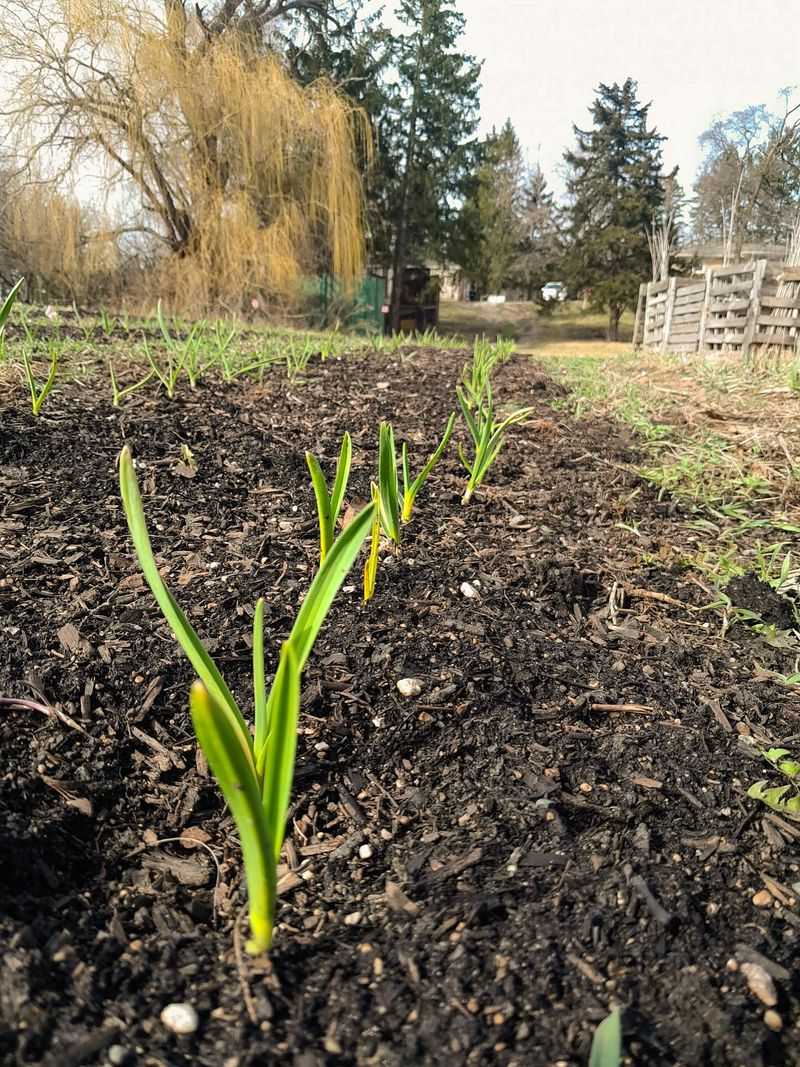
Planting too early invites tall green shoots ahead of winter. Those leaves face rough weather and drain energy the bulb would rather bank.
Waiting too long leaves thin roots and shaky anchoring. Freeze and thaw cycles then shove cloves right out of the soil.
Your Maryland Garden Changes Every Week. Your Plan Should Too.
Gardening in Maryland changes quickly throughout the season. Every Friday you’ll receive a simple weekly plan showing exactly what to plant, prune, fertilize, harvest, and protect so you never miss the right timing.
Mulch buys a little forgiveness on both ends of the window. A few inches of straw steadies soil temperature through our swinging winters.
Watch the ten day forecast rather than one warm afternoon. A cooling trend with night temperatures in the forties is your cue.
Mark the date in your phone the moment your order ships. Your future self will thank you around the Fourth of July.
Hardneck And Softneck Choices For The Mid-Atlantic
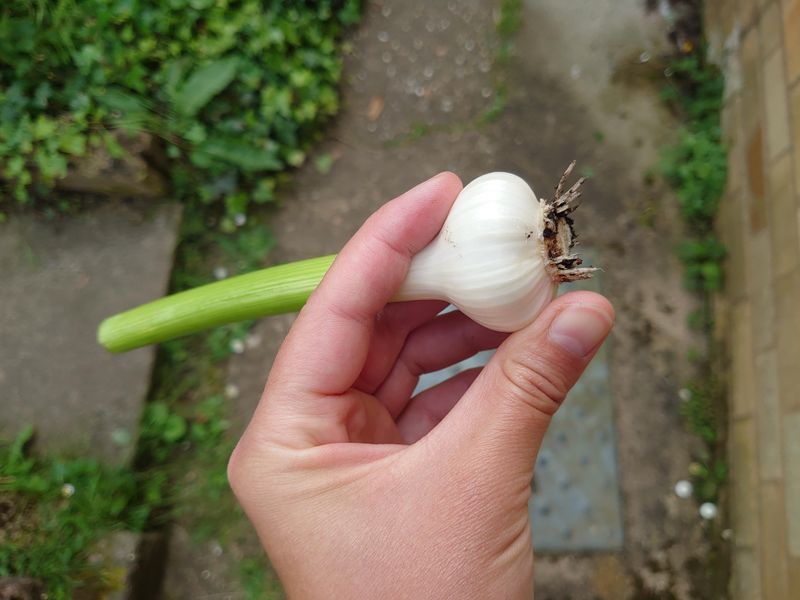
Hardnecks and softnecks behave like two different crops sharing one name. Maryland gardens handle both, though each brings its own habits.
Hardneck types send up a curling flower stalk called a scape. Snapping those scapes in late May hands you a bonus harvest for stir fry.
Porcelain varieties such as Music and German Extra Hardy suit our winters well. They form four to six fat cloves that peel with little fuss.
Rocamboles like Spanish Roja deliver deep, roasted flavor that cooks chase. Storage runs shorter, so plan to enjoy them by late autumn.
Purple stripe picks such as Chesnok Red roast beautifully in the oven. Their sweetness shows up after twenty minutes at moderate heat.
Softnecks include the artichoke and silverskin families. Inchelium Red stays dependable here and keeps its quality well into spring.
Braiding only works with the bendable stems of softnecks. Hardnecks get bundled or trimmed and hung in mesh instead.
Trying two or three varieties in year one makes good sense. Your soil and your palate will pick the favorite for you.
Keep notes on which one thrived in your bed. Garlic adjusts to a location over several seasons, becoming a bit more yours each year.
Sourcing Certified Bulbs From Trusted Growers
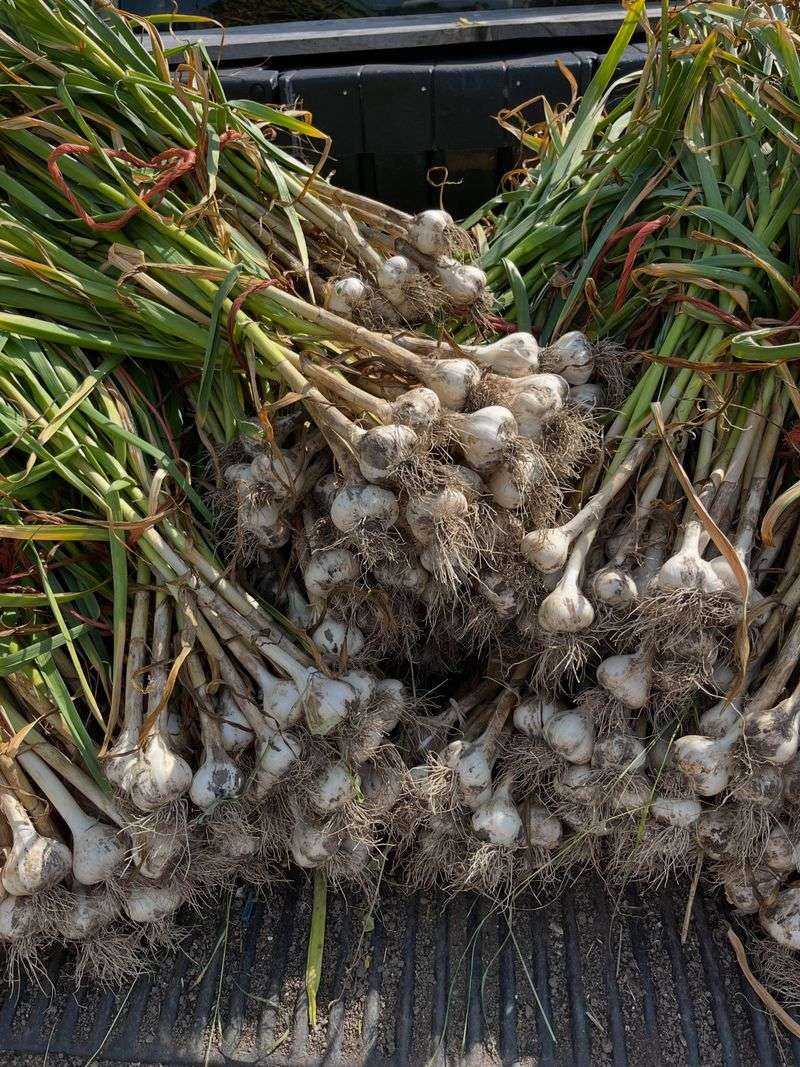
A neighbor once shared bulbs from a dusty bin, and the trouble rode along free. Soil borne problems travel on infected cloves and settle in for years.
Certified seed garlic gets inspected for pests such as bloat nematode. Paying a few dollars more protects the bed you have spent seasons building.
Regional growers in Maryland, Pennsylvania, and Virginia offer a real edge. Their stock has already handled sticky summers and damp winters like ours.
Ask sellers where the crop was grown and how it was cured. Honest farms answer quickly and share variety notes without hesitation.
Fall farmers markets often carry planting stock alongside cooking bulbs. Talking face to face lets you inspect the heads before money changes hands.
Look for firm bulbs with tight wrappers and no soft spots. Mold, mushy bases, or a sour smell are all reasons to pass.
Supermarket garlic frequently arrives from distant climates and may be treated. Sprouting can stall, and the results tend to disappoint.
Maryland extension offices and county master gardener groups keep supplier lists. Local plant sales sometimes include seed garlic in September.
Save your receipt and the variety tag together in one envelope. Good records make reordering simple once you find a winner.
Online sellers can be just as reliable as local farms, provided reviews back up their claims. Look for growers who list germination rates and shipping timelines from past seasons instead of vague promises.
Estimating Pounds, Cloves, And Bed Space
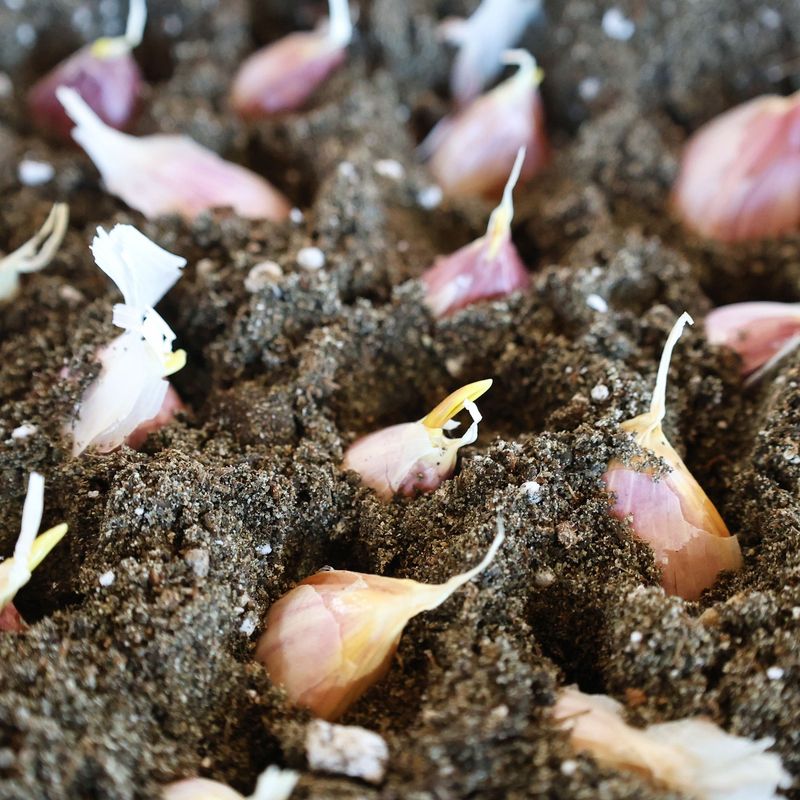
Math with garlic turns out friendlier than most garden math. One pound of hardneck holds roughly five to seven bulbs.
Each bulb breaks into four to eight cloves, so a pound plants around forty. Softnecks give more cloves per pound, though those cloves run smaller.
Space cloves six inches apart in rows about ten inches wide. That layout fits roughly forty plants in a four by five foot bed.
A family that cooks often goes through forty to sixty heads a year. Doubling that number leaves plenty for replanting from your own harvest.
Order ten percent extra to cover the odd bruised clove. Tiny inner cloves can be tucked in close together for spring greens.
Plant only the largest cloves if you want full sized heads. Small cloves produce small bulbs, which is simple cause and effect.
Sketch your bed on paper before the box lands on the porch. Marking rows ahead of time keeps planting day calm and quick.
Remember that this crop occupies the bed for roughly eight months. Spring peas and lettuce will need somewhere else to live.
Round your order up rather than down. Extra cloves roasted whole in October make a fine consolation prize.
Growers who save their own seed each year can expand a planting steadily without buying more stock. Set aside the largest tenth of the harvest exclusively for next fall’s bed.
Prepping Beds While You Wait For Delivery
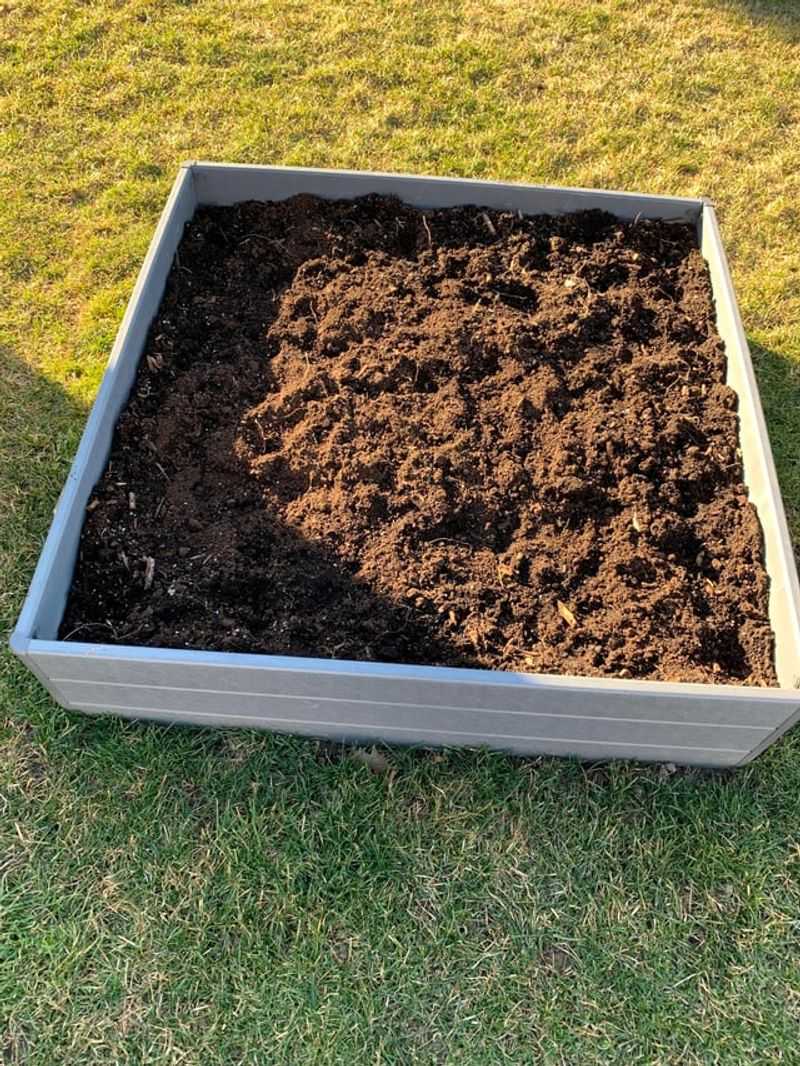
Maryland clay bakes hard by late summer and drains slowly once winter rain sets in. Loosening it before October gives roots room to spread.
Pick a spot with six or more hours of direct sun. Raised beds or gentle mounds help water move away from the cloves.
Label each row before planting day arrives, especially when trying several varieties at once. A simple stake with a variety name saves confusion once the greenery looks the same come spring.
Work two to three inches of finished compost into the top eight inches of soil. Aged manure spread in late summer mellows nicely by planting time.
A soil test through the University of Maryland Extension costs very little. Aim for a pH between six and seven for steady nutrient uptake.
Skip any bed where onions, leeks, or shallots grew last year. Rotating plant families lowers the odds of shared troubles.
Pull perennial weeds now while the ground is still workable. Garlic dislikes competition during its slow, chilly start.
Add a balanced organic fertilizer or bone meal at planting depth. Roots find phosphorus fast and settle in before the cold arrives.
Stack straw or shredded leaves somewhere close by. Mulch goes down right after planting, so gather it in advance.
Water the bed a day early if the soil feels dusty. Moist ground hugs each clove and speeds up rooting.