The Fastest Way To Fix Compacted Michigan Soil Without Renting Any Equipment
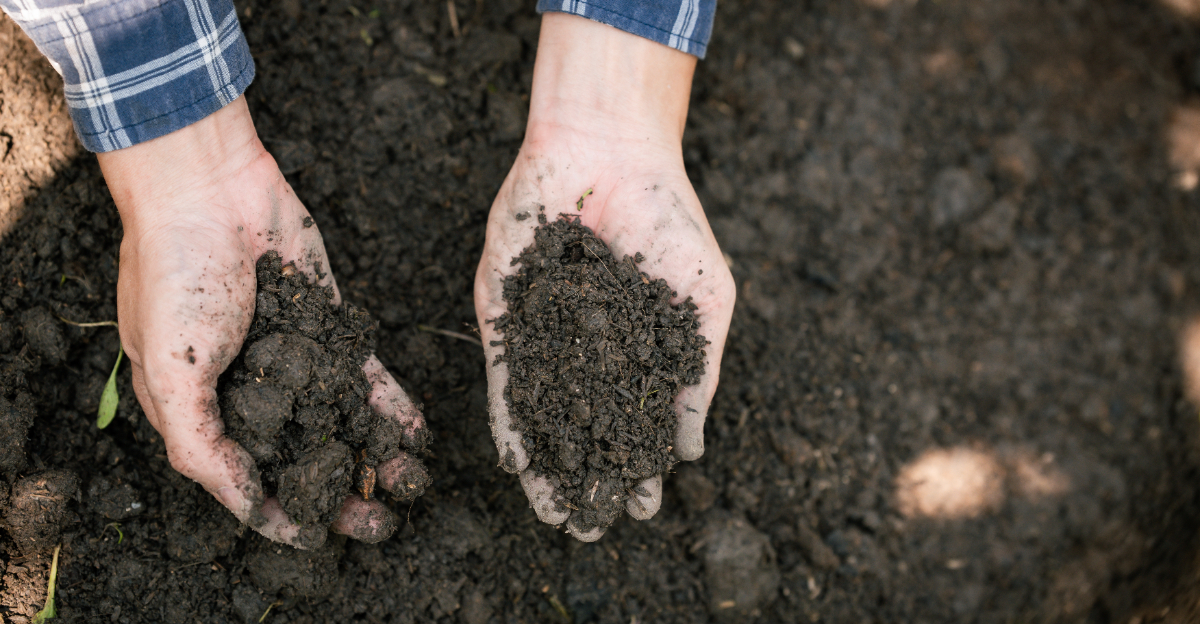
Compacted soil is one of the most common reasons Michigan gardens underperform, and most gardeners either do not recognize it or assume fixing it requires a machine.
Roots cannot penetrate dense, compacted ground effectively, water pools on the surface instead of soaking in, and plants sit there looking stressed without an obvious cause.
The good news is that loosening compacted Michigan soil does not require a tiller, an aerator, or any rented equipment.
Several practical approaches work well using tools most gardeners already own, and some of the most effective fixes involve amendments and plants that do the work gradually from below ground.
Michigan’s clay heavy soils in many parts of the state make compaction a recurring problem, but the right approach addresses it at the source rather than just masking the symptoms season after season.
1. Adding Compost Is The Fastest Long-Term Fix For Compacted Soil
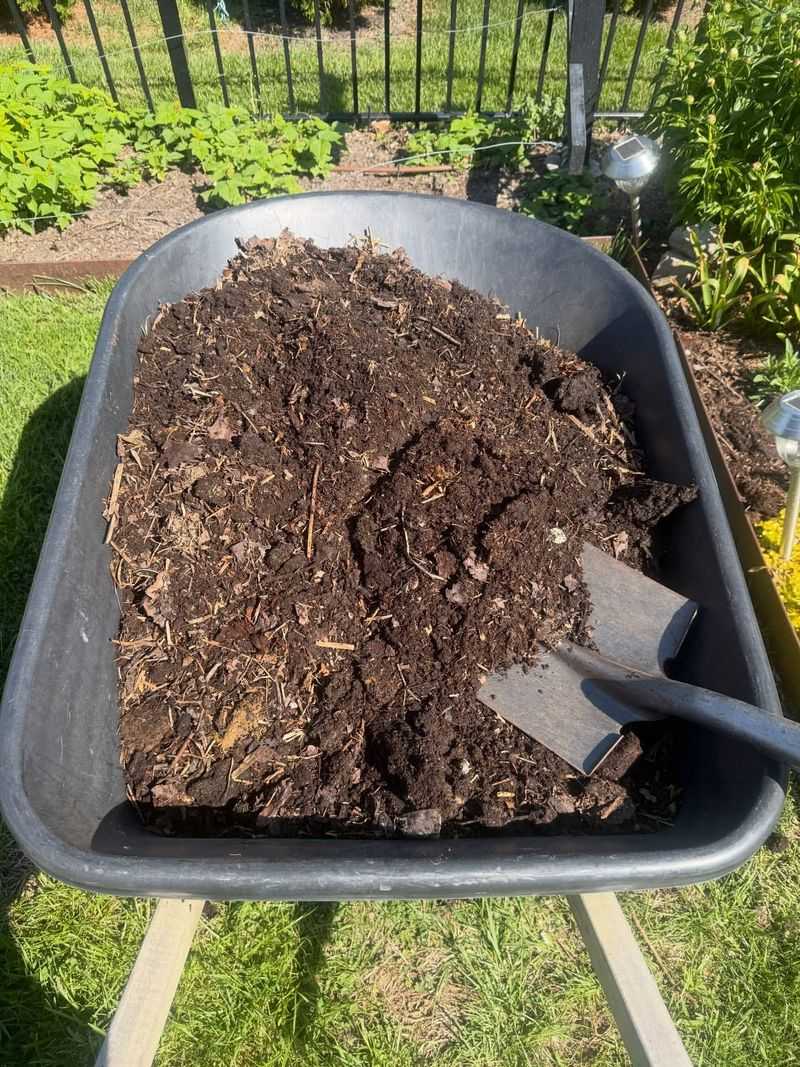
Compost might just be the most powerful tool a gardener has, and it costs almost nothing if you make it yourself. When you mix organic compost into compacted clay soil, it physically wedges between tightly packed soil particles and creates tiny air pockets.
Those pockets allow water to drain properly and give roots room to push through.
Michigan soils are notoriously heavy with clay, which means water tends to sit on the surface instead of soaking in. Compost acts like a sponge and a spacer at the same time, holding just enough moisture while also improving drainage.
Over time, it encourages beneficial microbes and earthworms to move in and continue the work for you.
Applying two to three inches of compost across your garden beds each spring and working it into the top six inches gives you the best results. Vegetable gardens respond quickly, often within a single season.
Lawn areas improve more slowly, but top-dressing with compost regularly makes a noticeable difference after a year or two.
Patience is part of the process. Soil structure does not transform overnight, but consistent compost additions build real, lasting improvement.
Year after year, your ground becomes easier to work, drains better after rain, and supports healthier, more productive plants without a single piece of rented machinery.
2. Clay Soil Gets Worse When Gardeners Work It While Wet
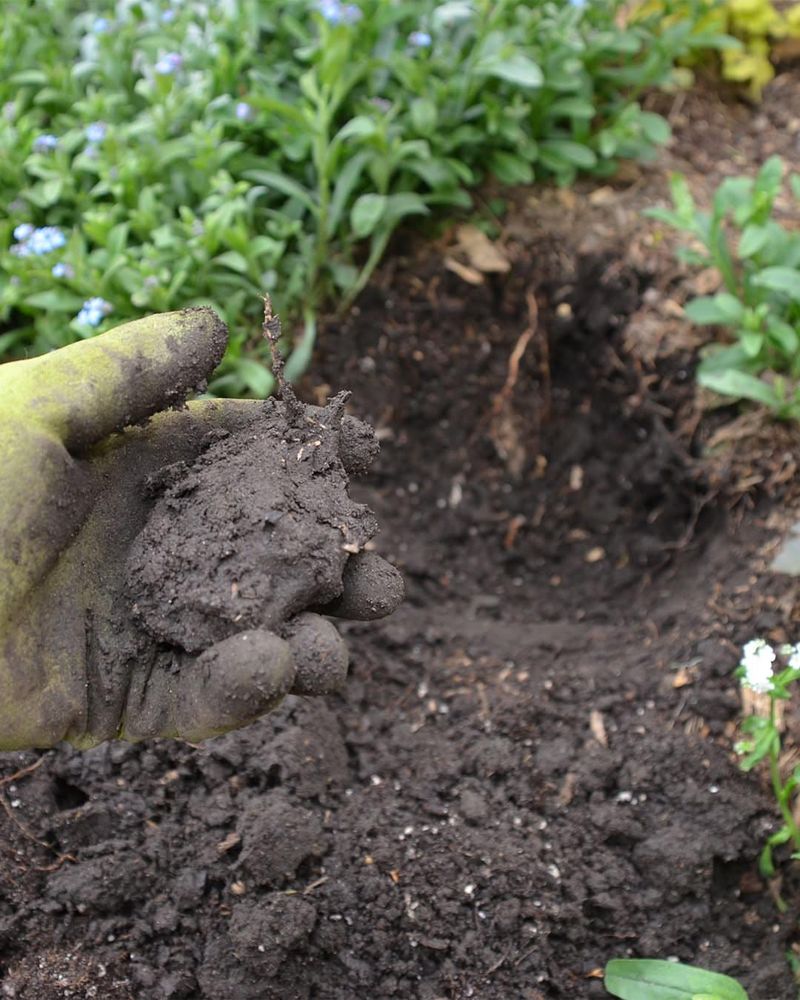
Here is something many new gardeners learn the hard way: working wet clay soil is one of the fastest ways to make compaction worse, not better.
When clay is saturated, its tiny particles slide together and pack tightly under any pressure, whether that is a boot, a shovel, or a garden cart rolling across the surface.
Michigan springs are especially tricky because gardeners are eager to get outside after a long winter.
The soil may look ready, but if it is still holding too much moisture from snowmelt or recent rain, any digging or foot traffic can destroy the natural pore structure that took months to develop.
Once those pores collapse, drainage suffers and roots struggle even more.
A simple squeeze test tells you whether your soil is ready to work. Grab a handful of soil and squeeze it firmly into a ball.
Your Michigan Garden Changes Every Week. Your Plan Should Too.
Gardening in Michigan changes quickly throughout the season. Every Friday you’ll receive a simple weekly plan showing exactly what to plant, prune, fertilize, harvest, and protect so you never miss the right timing.
Then poke it with your finger. If it crumbles apart easily, the soil is dry enough to work safely. If it stays in a sticky, shiny ball, wait a few more days and test again.
Timing your garden work around dry periods protects all the progress you have made with compost and organic matter. Staying off wet beds is one of the easiest and most effective habits gardeners can build, and it costs absolutely nothing to practice every single season.
3. Deep Mulch Helps Earthworms Loosen Soil Naturally
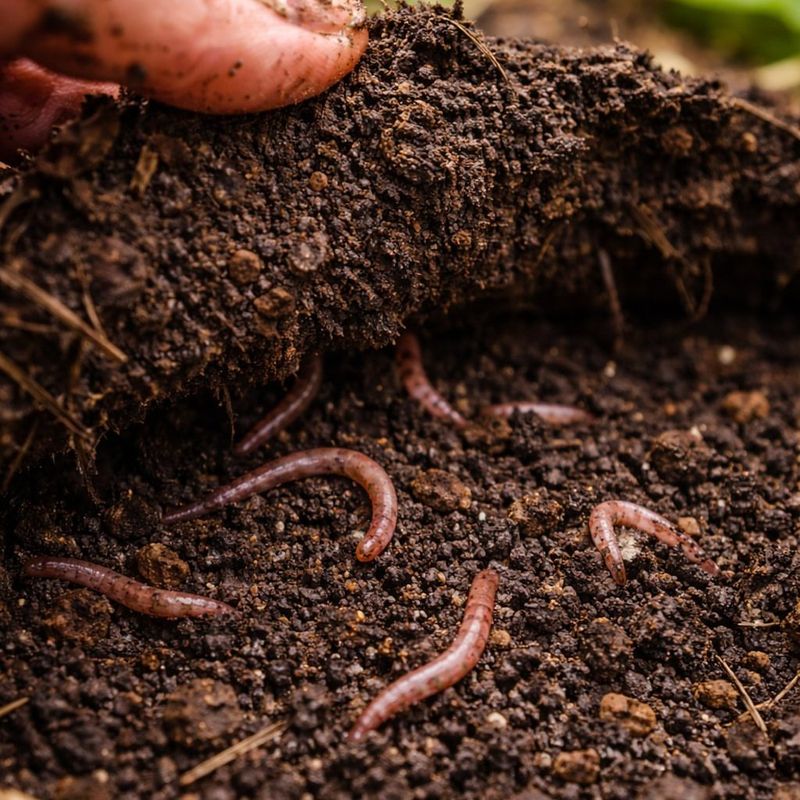
Earthworms are basically free labor for your garden, and mulch is how you invite them to stay. When you cover garden soil with a generous layer of shredded leaves, wood chips, or straw, you create the cool, moist conditions earthworms absolutely love.
They move through compacted soil, creating tunnels that improve airflow and drainage in ways no shovel can perfectly replicate.
Michigan gardeners have access to an incredible free resource every autumn: fallen leaves. Shredding them with a lawn mower and spreading them three to four inches deep across garden beds does more than just protect soil from winter freeze and thaw cycles.
It feeds the earthworm population and encourages fungi and microbes that gradually break up dense clay from the inside out.
Wood chip mulch works especially well in perennial beds and around trees and shrubs. Over time, it breaks down into organic matter that feeds the very organisms doing the soil-loosening work beneath the surface.
The deeper and more consistent your mulch layer, the more biological activity you encourage.
Results from mulching build slowly but surely. After two or three seasons of consistent mulching, many Michigan gardeners notice their soil is noticeably easier to dig, holds moisture better between rains, and supports far more visible earthworm activity.
All of that improvement happens without a single machine, just nature doing exactly what it was designed to do.
4. Plant Roots Can Break Up Compacted Soil Better Than Many Gardeners Realize
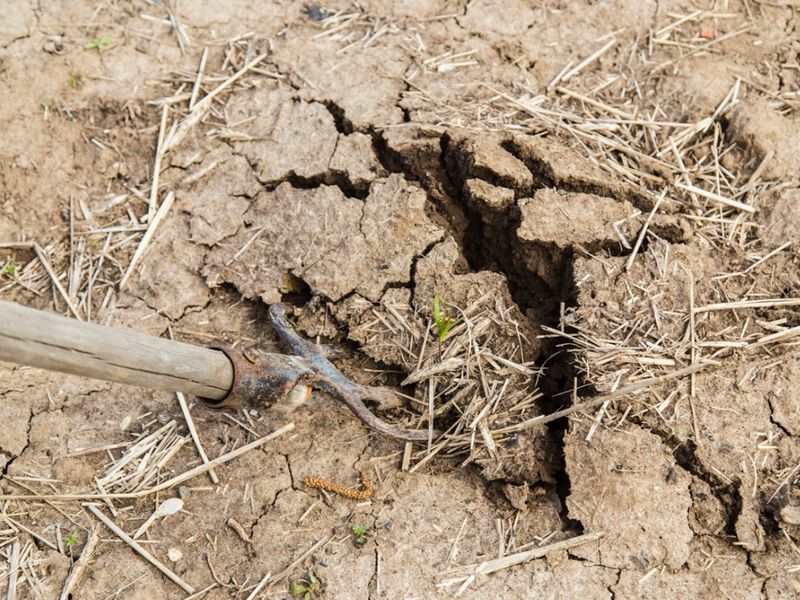
Some plants are essentially biological soil drills, and gardeners can use them strategically to break up dense, compacted ground.
Deep-rooted native plants push through clay with impressive force, creating channels that improve drainage and allow air and water to penetrate far below the surface where shallow-rooted plants never reach.
Panicum virgatum, commonly called switchgrass, sends roots several feet deep into the soil and thrives in Michigan clay without complaint.
Rudbeckia fulgida, or orange coneflower, develops strong fibrous root systems that help open up dense soil while adding beautiful late-summer color to the garden.
Asclepias tuberosa, the butterfly milkweed, produces a deep taproot that pushes through compacted layers and improves drainage in some of the toughest spots.
Planting a combination of these natives in problem areas gives you a working garden that looks stunning while quietly fixing the soil underneath.
Each growing season, roots push deeper, create more channels, and leave behind organic matter when older roots eventually decompose.
That organic residue feeds the microbes that continue improving soil structure long after the roots are gone.
Realistic expectations matter here. Significant improvement usually takes two to three growing seasons, not one.
But pairing deep-rooted natives with regular compost additions speeds up the process considerably. Michigan gardeners who try this approach often find their formerly rock-hard beds become workable and productive faster than they expected.
5. Broadforks Help Small Gardens Without Heavy Equipment
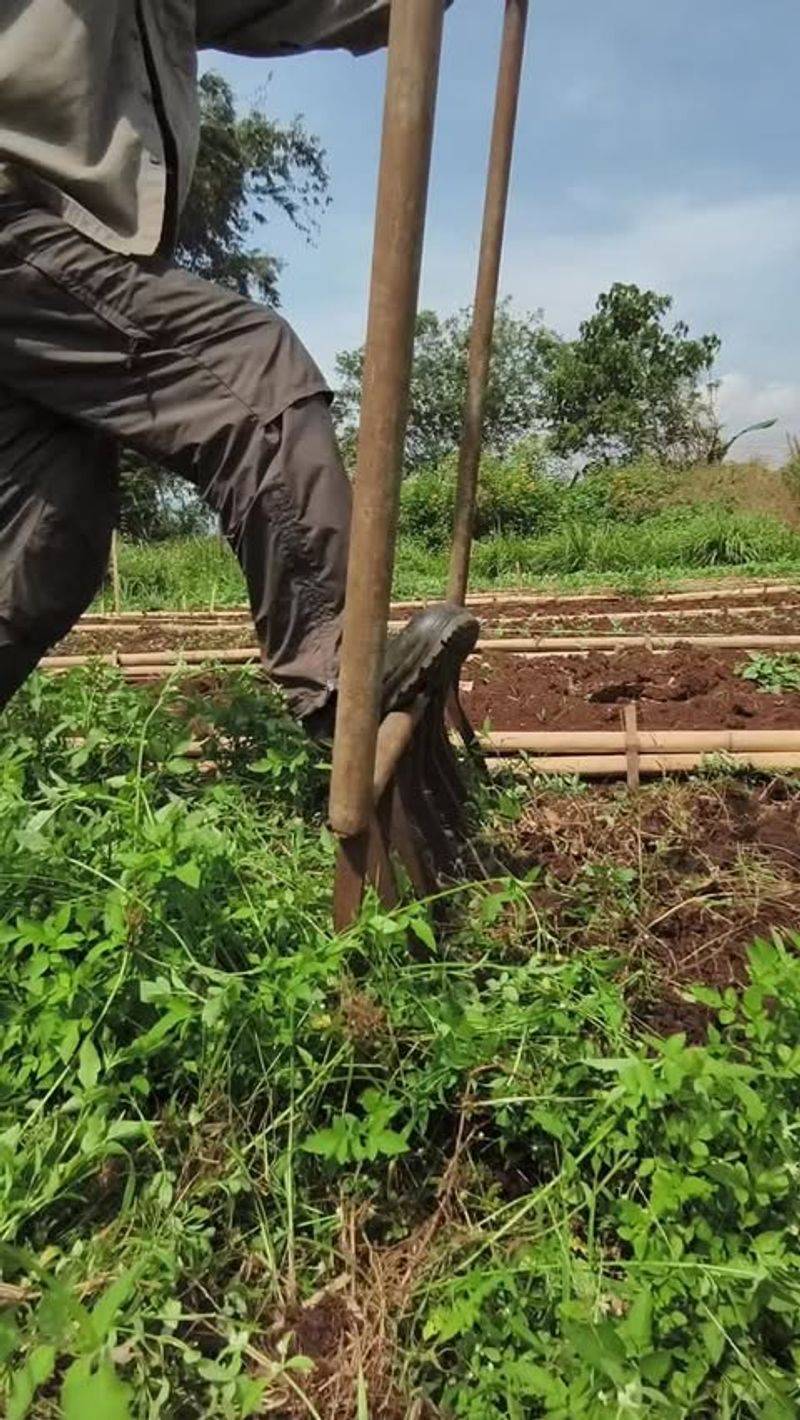
A broadfork is one of those tools that feels almost too simple, yet it genuinely works. Unlike a rototiller that grinds soil into fine particles and disrupts the fungal networks living inside it, a broadfork gently lifts and loosens the soil with minimal disturbance.
You step on the tines, push them deep, and rock the handles back and forth to create space without mixing up the layers.
For Michigan vegetable gardeners with small to medium-sized beds, a broadfork is a smart investment that pays off season after season. It improves airflow and drainage in the top twelve inches of soil, which is exactly where most vegetable roots spend their time.
Better aeration means faster warming in spring, which is a real advantage in Michigan where the growing season is already short.
Broadforks work best in soil that has received some compost additions already. If your clay is extremely dense and has never been amended, the first few passes with a broadfork will feel like hard work.
Repeated use over two or three seasons, combined with regular organic matter additions, makes each session progressively easier as the soil structure improves.
Heavily compacted areas near driveways or high-traffic zones may still need multiple seasons of organic matter and biological activity before a broadfork glides through easily.
Starting with your most productive garden beds and working outward is a practical approach that delivers visible results without overwhelming the process.
6. Leaving Soil Bare Makes Compaction Problems Worse
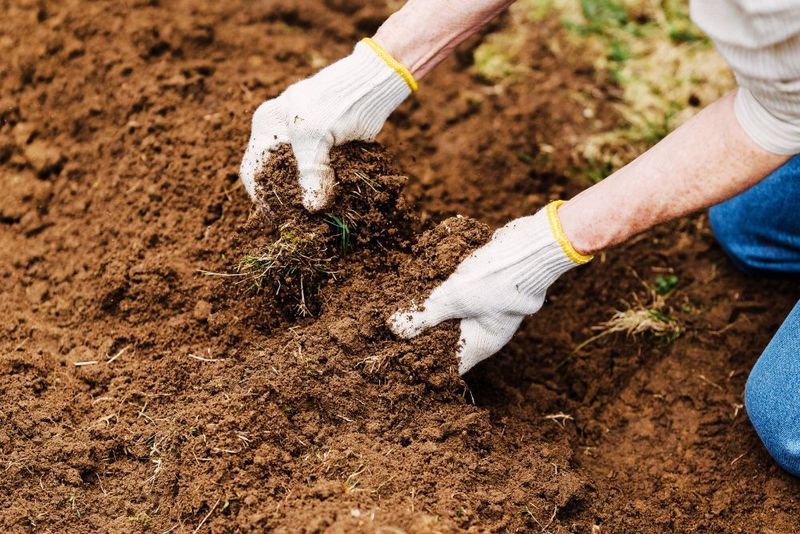
Bare soil and summer weather are a rough combination. When garden beds sit exposed without mulch or plant cover, every raindrop hits the surface with surprising force, breaking apart soil particles and pushing them into the tiny pores that allow drainage.
Over time, this creates a hard, crusty layer on top that water struggles to penetrate.
Michigan summers bring intense rain events followed by stretches of dry heat, and that cycle accelerates compaction on bare beds dramatically. The surface bakes hard in the sun, then gets hammered by the next thunderstorm.
Add foot traffic from gardening work, and the problem compounds quickly. Soil that was loose and workable in May can turn rock-hard by August if left uncovered.
Covering soil is genuinely one of the simplest and most effective protective strategies available.
A three-inch layer of shredded leaves, straw, or wood chips absorbs rainfall impact, keeps the surface cooler and moister, and feeds the soil biology that naturally resists compaction.
Cover crops planted in empty beds during late summer and fall serve the same protective purpose while also adding organic matter when turned in.
Even a temporary planting of fast-growing annuals helps shield soil from the elements between main crops.
Michigan gardeners who make a habit of keeping soil covered at all times protect the progress they have worked hard to build, and they spend far less time fighting compaction problems every single season.
7. Cover Crops Quietly Repair Compacted Soil Over Time
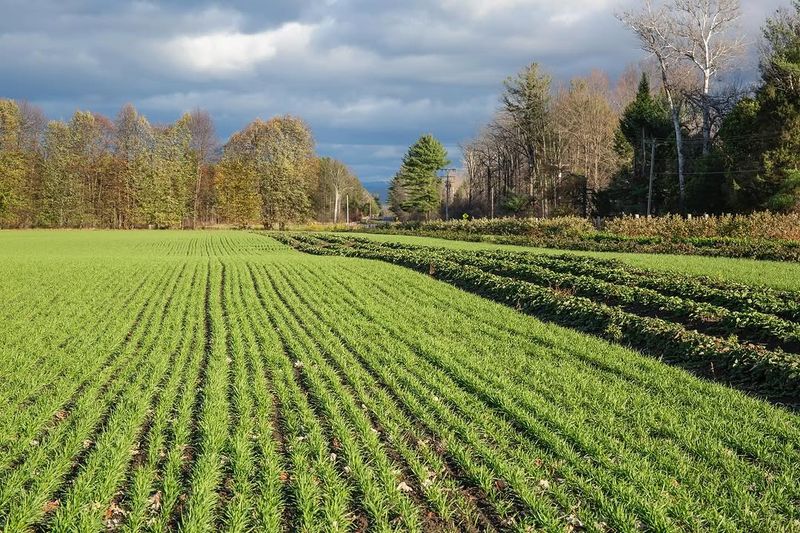
Cover crops are one of the best-kept secrets in organic gardening, and Michigan gardeners with compacted soil should absolutely be using them. These plants grow specifically to improve the ground they occupy, not to produce food for the table.
When chosen wisely, they break up dense soil, add organic matter, and feed the soil biology that makes long-term improvement possible.
Raphanus sativus var. longipinnatus, known as daikon or tillage radish, is a standout performer for compacted Michigan soil. Its thick taproot pushes several feet deep into dense clay, creating channels that persist even after the root decomposes over winter.
Trifolium pratense, red clover, fixes nitrogen from the air and adds it back to the soil while its roots improve structure at shallower depths.
Secale cereale, winter rye, produces an impressive mass of fibrous roots that hold soil in place and feed microbes when turned in during spring.
Timing matters for Michigan gardeners. Seeding cover crops in August or early September gives them enough time to establish strong root systems before frost arrives.
Winter rye survives Michigan winters and continues growing early in spring, giving you extra weeks of soil improvement before the main growing season begins.
Turning cover crops into the soil about two to three weeks before planting allows them to break down and release nutrients. Season after season, this practice builds genuinely better soil without any mechanical intervention whatsoever.
8. Constant Foot Traffic Recompacts Soil Faster Than Most Gardeners Expect
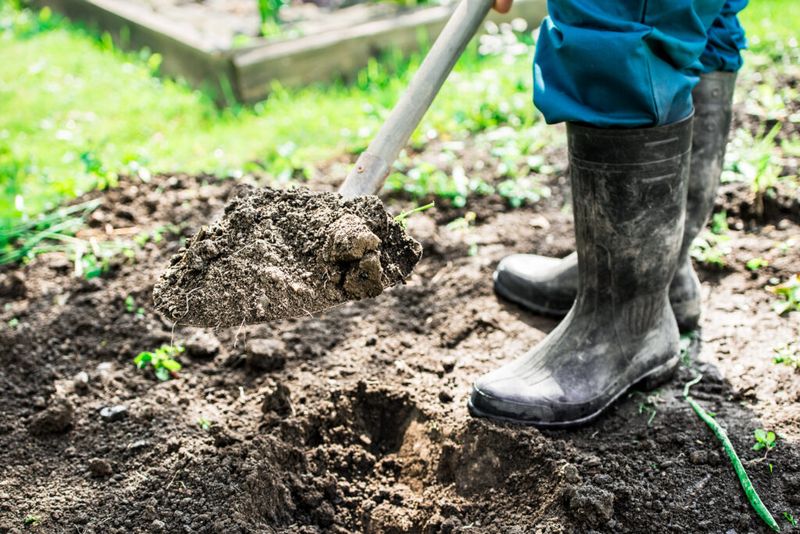
You can add all the compost in the world, but if people keep walking across your garden beds, compaction will keep coming back. Soil compresses under pressure, and repeated foot traffic is one of the most consistent sources of that pressure in a home garden.
Even light, regular walking across improved soil gradually squeezes out the air pockets that make good soil feel loose and crumbly.
Wet soil is especially vulnerable. After a Michigan rain, the ground softens and becomes far more susceptible to compression.
A few trips across a wet bed to harvest vegetables or pull weeds can undo weeks of improvement in just a few minutes. The damage is not always visible right away, but over the course of a season, the difference becomes clear.
Setting up permanent pathways is one of the most effective long-term solutions. Stepping stones, wood chip paths, or simple board walkways give you firm places to stand while keeping garden soil protected.
Raised beds take this concept further by physically separating walking areas from growing areas, which is why they tend to maintain better soil structure with far less effort.
Designating specific work zones for tasks like transplanting and weeding also helps. When you know exactly where it is safe to stand, you naturally protect the rest of the bed.
Small changes in how you move through your garden add up to significantly better soil health across every growing season.
9. Gypsum Only Helps Certain Soil Problems
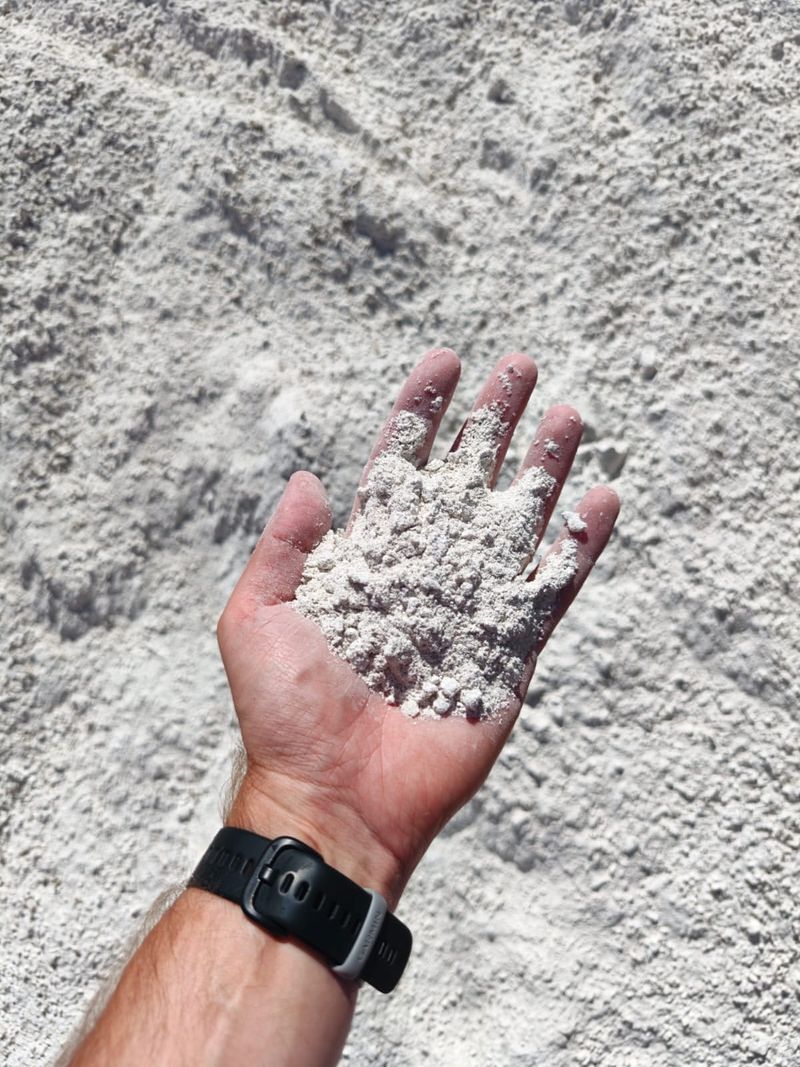
Gypsum gets a lot of attention in gardening circles as a fix for compacted clay soil, and the truth is more complicated than most people realize. Calcium sulfate, which is what gypsum actually is, does have real benefits in specific situations.
But those situations are narrower than most gardening advice suggests, and many Michigan gardeners buy it expecting a transformation that simply will not happen.
Gypsum works best when soil compaction is caused or worsened by high sodium content, which is a condition called sodic soil.
Sodium causes clay particles to disperse and pack tightly together, and the calcium in gypsum displaces that sodium, allowing particles to flocculate or clump into a better structure.
However, most Michigan clay soils are not sodic. They are compacted for other reasons, primarily lack of organic matter, heavy use, and poor drainage.
Applying gypsum to non-sodic clay is not harmful, but it is also unlikely to produce the dramatic loosening effect many gardeners hope for.
A proper soil test through Michigan State University Extension tells you exactly what your soil needs before you spend money on amendments. That test is inexpensive and gives you real data to work with.
Organic matter, consistent mulching, and biological activity almost always provide better long-term improvement for typical compacted clay than gypsum alone. Knowing what your soil actually needs saves money and gets you better results every single season.
10. Healthy Soil Biology Is What Truly Fixes Compaction Long Term
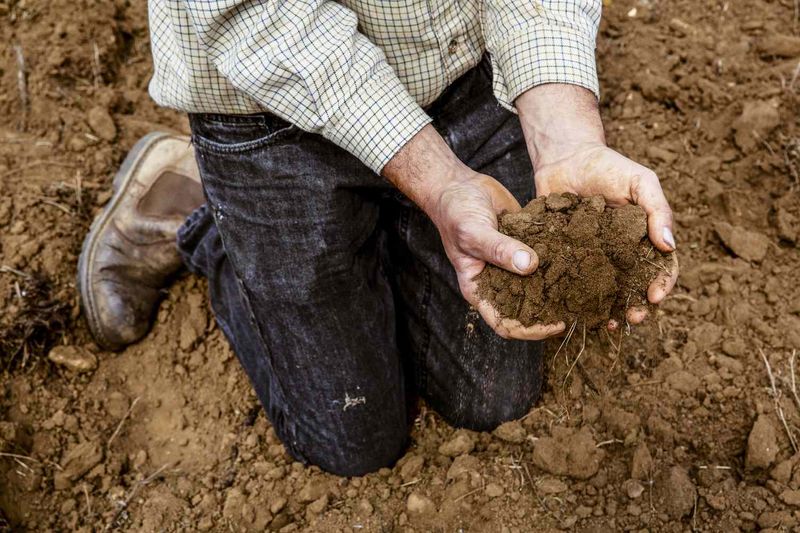
Beneath every healthy garden is a world of activity most people never see. Fungi stretch microscopic threads called hyphae through the soil, binding particles together into stable aggregates that resist compaction.
Bacteria break down organic matter and release sticky compounds that hold those aggregates in place. Insects tunnel through dense layers, and earthworms pull organic material deep underground while leaving behind nutrient-rich castings.
This biological community is what separates truly great garden soil from dirt that just sits there.
When soil biology is thriving, the ground naturally resists compaction, recovers more quickly after rain events, and supports plant roots far more effectively than any single amendment or tool can achieve on its own.
Michigan gardeners who focus on feeding this underground community see the most lasting improvements.
Supporting soil biology means keeping organic matter coming in consistently. Compost, mulch, cover crops, and plant residue all feed the organisms that do the real work.
Avoiding synthetic chemicals that harm microbial populations also matters significantly. Fungicides, in particular, can suppress the beneficial fungi that play a major role in aggregate formation.
Realistic expectations are important here. Rebuilding a vibrant soil biology in heavily compacted clay takes two to four years of consistent organic matter additions and minimal disturbance.
But once established, that biological community becomes self-sustaining and continues improving your soil season after season without any equipment required at all.