The Fertilizer Mistake Florida Gardeners Make Every Spring That Destroys Their Plants By August
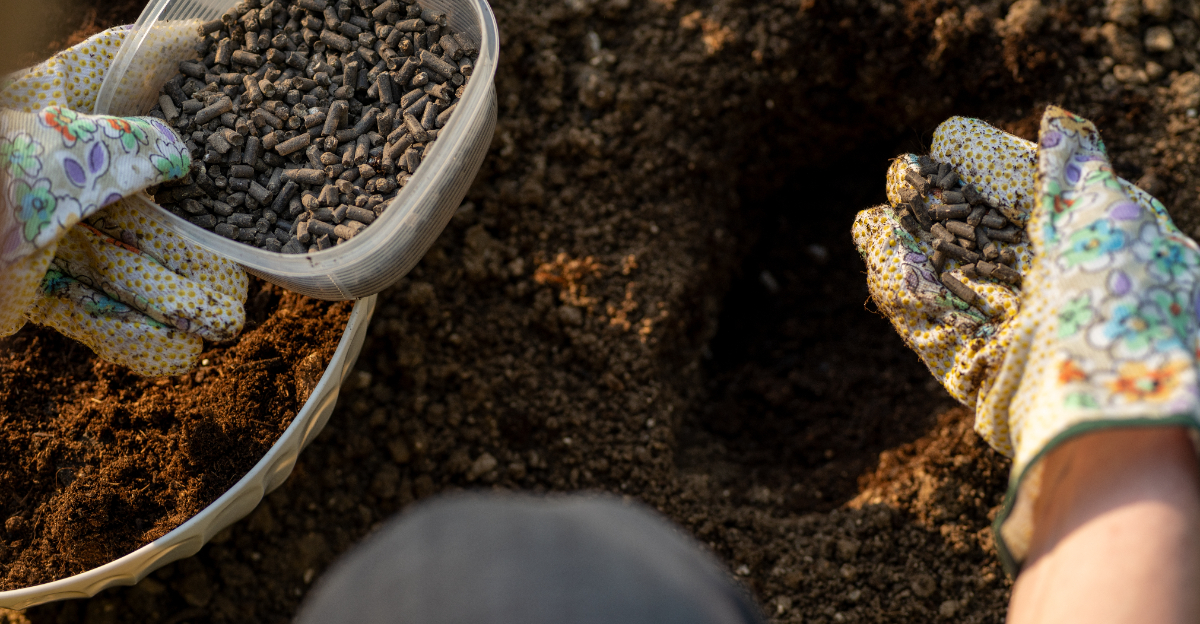
Every spring, the same scene plays out across Florida. Garden centers fill up, bags of fertilizer fly off the shelves, and gardeners head home feeling motivated.
A few generous applications later, everything looks lush and green and promising. Then August rolls around and the same beds that looked so good in March are struggling, burned out, and in some cases beyond saving.
The timing feels right. The intentions are good.
The results keep coming up short. Florida’s climate does not follow the same gardening logic as the rest of the country, and spring fertilizing routines borrowed from northern gardening advice can do real damage here.
The heat, the rainfall patterns, the sandy soil that drains fast and holds little, all of it changes the equation significantly.
A spring feeding routine that works in a cooler northern garden can cause problems in Florida if the rate, nitrogen source, soil type, and rainy season are ignored.
One specific fertilizer mistake shows up again and again in Florida yards. It’s common, it’s understandable, and once you see it clearly you won’t make it again.
1. The Spring Fertilizer Mistake Starts With Too Much Nitrogen
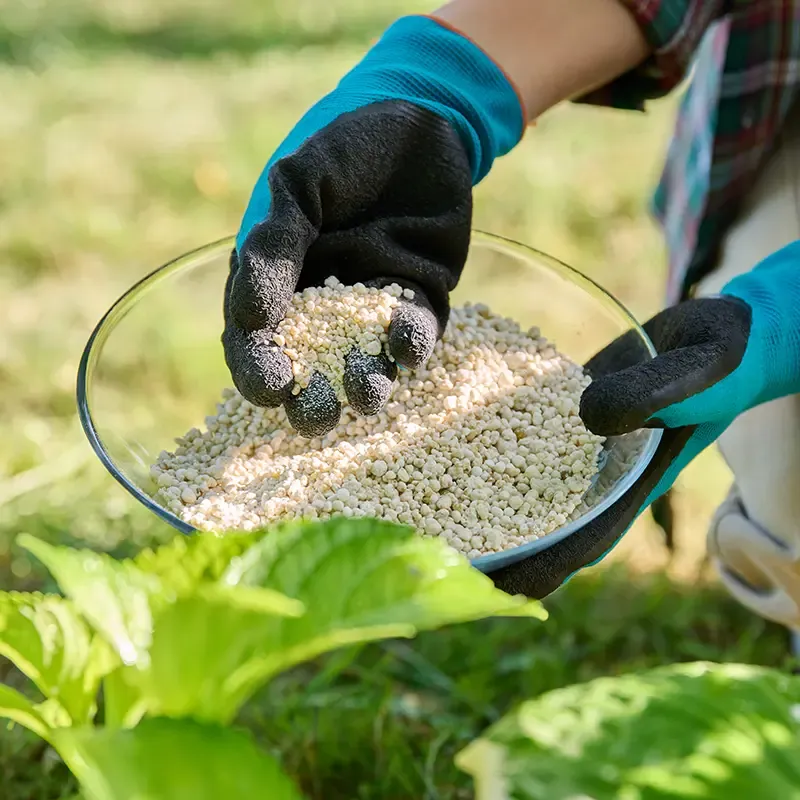
Nitrogen is not the problem. Too much of it, applied at the wrong rate and the wrong time, is where Florida gardeners run into trouble every spring.
Many people assume that if a little fertilizer helps, a lot must help even more. That thinking leads directly to one of the most common spring mistakes in Florida landscapes.
Fast-release nitrogen products push plants to grow quickly, but that speed comes with a cost.
The growth produced is often soft and lush, which sounds great until you realize that kind of tissue needs more water, more pruning, and more protection from insects and disease.
UF/IFAS Extension consistently reminds Florida gardeners that fertilizer applications should match what the plant actually needs, not what the gardener hopes to see.
Soil type matters too. Florida’s sandy soils hold nutrients poorly, meaning excess nitrogen does not just sit there waiting to be used.
It moves fast, either deeper into the ground or into nearby waterways. Applying more than the label recommends does not help your plants grow better.
It wastes money and can create nutrient imbalances that are hard to fix later. Always read the fertilizer label carefully, follow the recommended rates for your specific plant type, and remember that fertilizer is a tool, not a quick fix.
The right amount at the right time is what actually works in Florida gardens.
2. Spring Growth Can Fool You Into Overdoing It
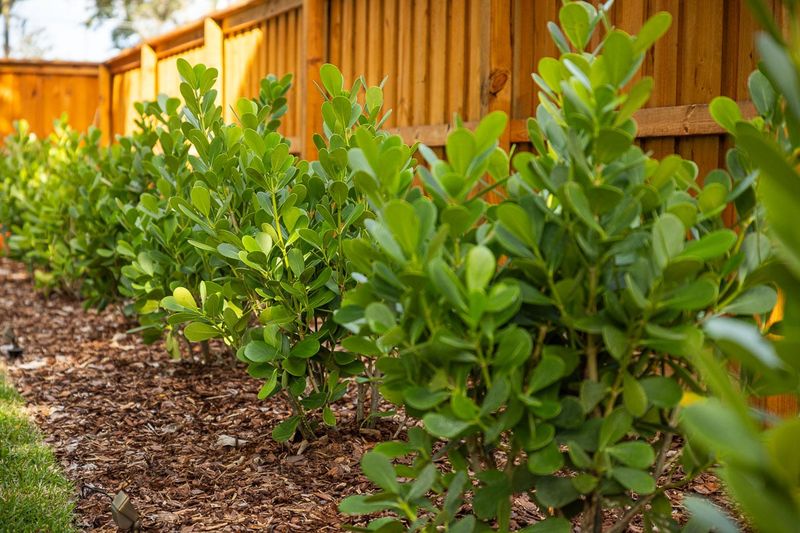
Fresh green leaves and new shoots popping up all over the yard have a way of making every Florida gardener feel like their plants are hungry and ready for a big meal. That excitement is completely understandable.
Spring in Florida is genuinely beautiful, and watching things grow is one of the best parts of gardening here.
The tricky part is that new growth does not always mean a plant is nutrient-deficient.
Your Florida Garden Changes Every Week. Your Plan Should Too.
Gardening in Florida changes quickly throughout the season. Every Friday you’ll receive a simple weekly plan showing exactly what to plant, prune, fertilize, harvest, and protect so you never miss the right timing.
Florida’s long growing season means many plants start pushing new leaves as temperatures warm and daylight increases, not because they are starving, but because the season is changing.
Feeding plants that are already growing well with heavy nitrogen can push them past a healthy growth rate, creating more top growth than the root system can support during summer stress.
UF/IFAS Extension recommends observing the whole plant before reaching for fertilizer. Look at leaf color, growth rate, and overall health.
If a plant looks genuinely pale, stunted, or off, a soil test through your local county Extension office is a much smarter move than guessing. Soil tests from UF/IFAS can tell you exactly what your soil has and what it is missing.
Knowing your plant type also matters, since established landscape shrubs and Florida natives often need far less supplemental feeding than gardeners assume during spring. Observation first, fertilizer second.
3. Fast Release Nitrogen Pushes Soft Vulnerable Growth
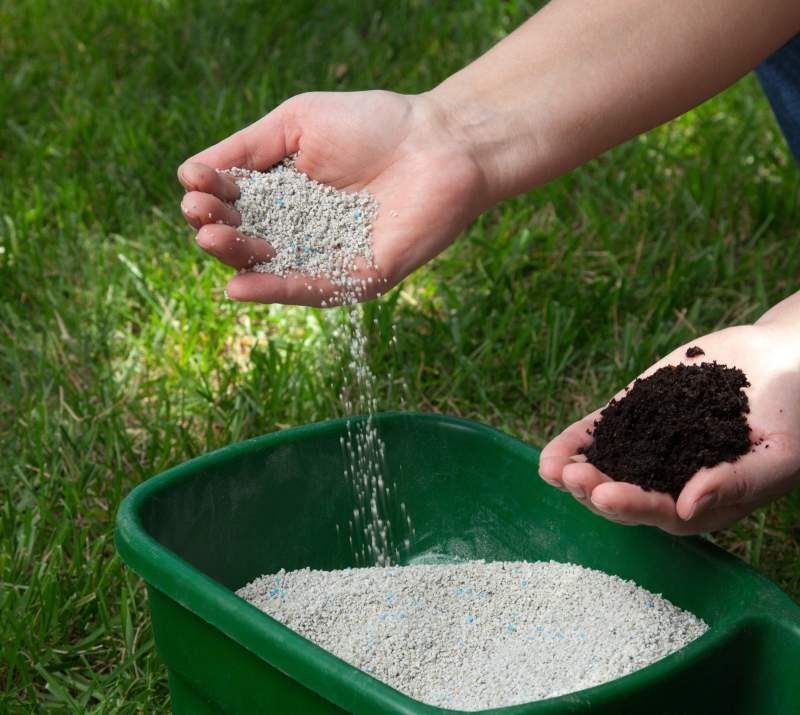
Quick-release nitrogen fertilizers work fast, which is exactly why gardeners love them. You can see results in days.
But in Florida’s spring and summer environment, that speed can work against you in ways that are not obvious until the damage is already done.
When fast-release nitrogen hits sandy Florida soil, it becomes available to plant roots almost immediately. The plant responds by pushing out a flush of new growth, and that growth is soft, water-rich, and tender.
Pest insects like aphids, whiteflies, and caterpillars are strongly attracted to that kind of tissue.
Florida’s warm temperatures mean pest populations can build up quickly, and soft growth gives them an easy target during some of the most challenging months of the Florida gardening calendar.
UF/IFAS recommends slow-release fertilizer products for lawns and landscapes because they require fewer applications and may be less likely to leach nutrients.
That steady feeding supports more measured, sturdy growth that holds up better under summer heat and pest pressure.
This does not mean fast-release products are always the wrong choice. Some situations and plant types call for them.
The problem comes from overusing them in spring without considering what the plant will face in the coming months.
Matching your fertilizer type to the season and the plant’s actual growth stage is a simple habit that pays off significantly by the time August arrives in Florida.
4. Summer Rain Can Wash Good Intentions Away
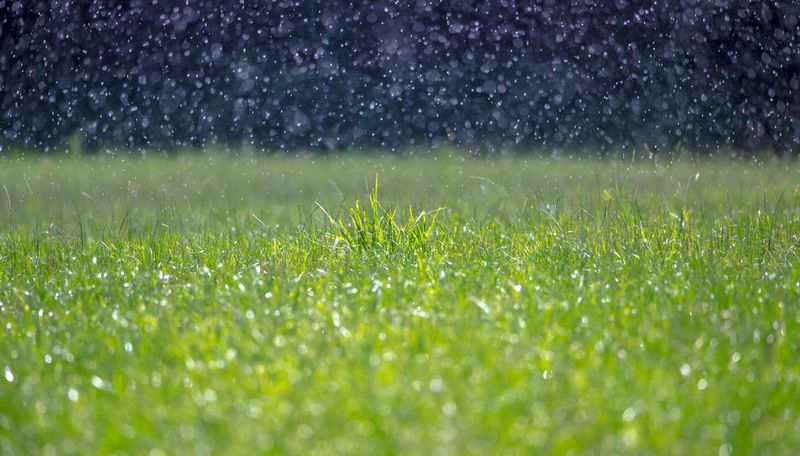
Florida’s rainy season typically arrives between June and September, bringing daily afternoon storms that can drop an inch or more of rain in a single event.
For gardeners who loaded up on fertilizer in spring, those rains can move nutrients out of the root zone before plants ever get a chance to use them.
Sandy soils, common across much of Florida, are especially prone to leaching. Water moves through sandy soil quickly, carrying soluble nutrients with it.
Fast-release nitrogen is particularly vulnerable to this process.
Money spent on fertilizer can literally wash away in one heavy storm, and worse, that nitrogen can end up in groundwater, lakes, or coastal waterways, where it contributes to algae blooms and water quality problems that Florida communities are working hard to address.
UF/IFAS Extension and Florida-Friendly Landscaping both caution against applying fertilizer when heavy rain is in the forecast.
A good general practice is to avoid fertilizing before heavy rain, and some local ordinances define specific weather triggers, such as storm advisories or forecast rainfall thresholds.
Keeping fertilizer away from storm drains, swales, and water bodies is not just good gardening, it is part of being a responsible Florida resident.
Clay-heavy soils in parts of North Florida hold nutrients longer, but waterlogging during heavy rain creates its own stress for plant roots.
Timing your fertilizer applications around Florida’s weather patterns is a practical step every gardener can take.
5. August Heat Turns Extra Fertilizer Into Extra Stress
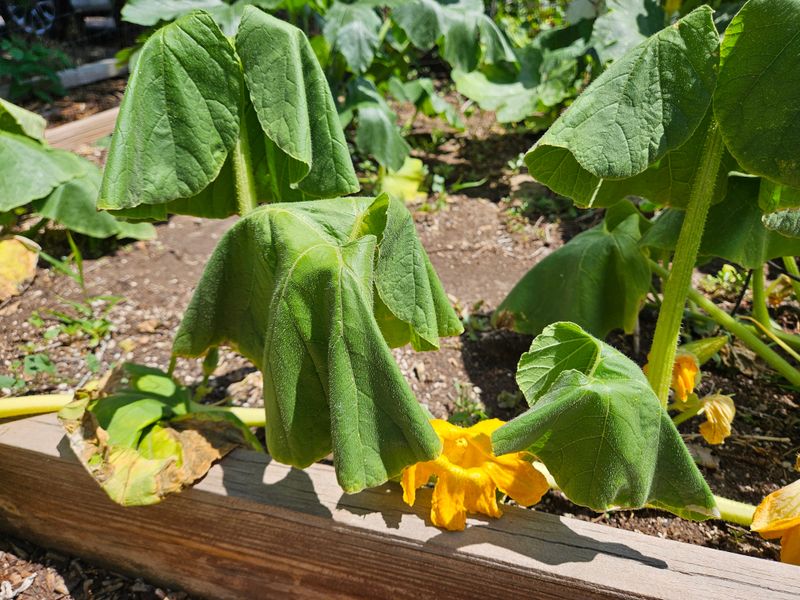
August in Florida is not for the faint of heart, and it is not kind to plants that were pushed too hard in spring.
By the time the hottest, most humid stretch of the year arrives, plants that received excessive nitrogen are often carrying more leafy growth than their root systems and water uptake can comfortably support.
Heat stress, humidity, fungal disease, pest pressure, and saturated soils from daily rain all arrive at once in August.
A plant that was fertilized wisely and grew at a steady pace is in a much better position to handle those conditions than one that was pushed into rapid lush growth months earlier.
Extra foliage means more surface area losing water through transpiration, more tissue for insects to feed on, and more material that can develop fungal problems when humidity stays high for days at a stretch.
Florida-Friendly Landscaping principles emphasize growing plants that match your site conditions and feeding them in a way that supports steady, resilient health rather than dramatic seasonal flushes.
A plant that coasted into summer with measured, appropriate nutrition is often greener and more stable in August than one that was over-fertilized in March or April.
Backing off heavy feeding as summer approaches, and adjusting based on what your plants actually show you, is one of the most practical habits a Florida gardener can build over time.
6. Some Plants Need Less Food Than You Think
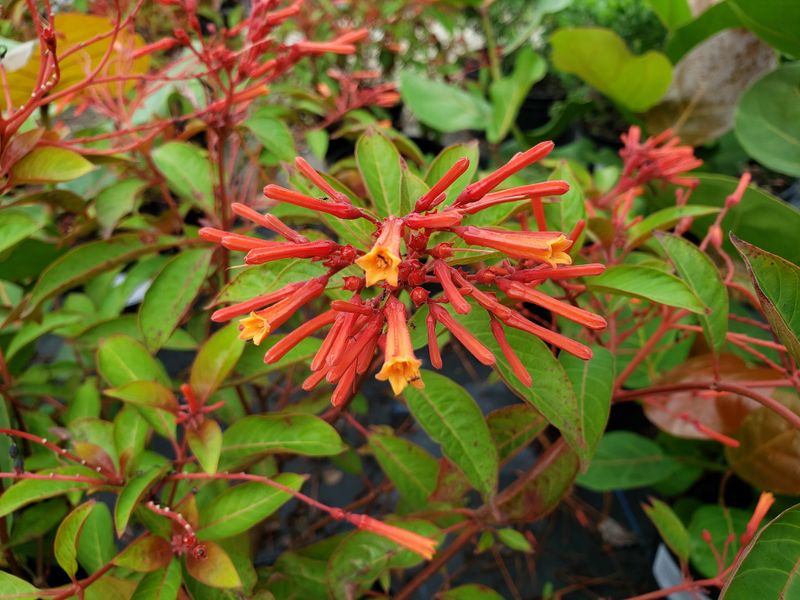
Not every plant in your Florida yard is hungry, and treating them all the same way is one of the quieter mistakes that builds up over a gardening season.
Established landscape plants, especially Florida natives, often thrive with little to no supplemental fertilizer once they are settled into the right location with the right soil conditions.
Florida-Friendly Landscaping guidance makes clear that right plant, right place is the foundation of sustainable Florida gardening.
A native shrub like firebush or Simpson stopper growing in well-draining soil with appropriate sunlight may not need any fertilizer at all after its first year or two.
Palms have very specific nutrient needs that are different from turfgrass, ornamental shrubs, or citrus. Using a general-purpose lawn fertilizer on palms, for example, can actually cause nutrient deficiencies over time rather than fixing them.
Containers and vegetable gardens often do need more frequent feeding because nutrients leach out of container mix faster than in-ground soil. Annuals growing in full sun may need more support than a well-established oak tree.
Turfgrass has its own fertilizer schedule that varies by grass type and region across Florida. The point is that plant type, age, location, and soil health all shape what a plant actually needs.
Soil testing through your county Extension office is the clearest way to know what your specific garden lacks, rather than guessing and risking overapplication every spring.
7. Local Fertilizer Rules Can Change The Plan
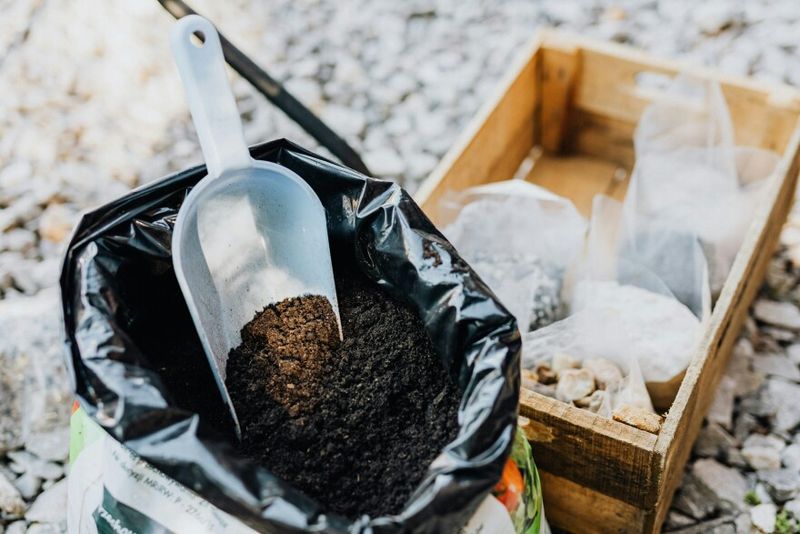
Here is something a lot of Florida gardeners do not realize until they are already in the habit of spring fertilizing: your county or city may have rules about when you can apply nitrogen or phosphorus fertilizer, and those rules can directly affect your spring and summer gardening routine.
Many Florida counties and municipalities, including Pinellas, Sarasota, Orange, and others, have adopted fertilizer ordinances that restrict or prohibit nitrogen and phosphorus applications during the rainy season, often from June 1 through September 30.
The details vary by city and county, so gardeners should check their local rules before applying fertilizer.
These ordinances exist because nutrient runoff during heavy summer rains is a major contributor to water quality problems in Florida’s lakes, rivers, springs, and coastal waters.
Algae blooms fueled by excess nitrogen and phosphorus are a real and ongoing environmental challenge across the state.
Ignoring these rules is not just bad for the environment. In some areas, violations can result in fines.
Checking with your local county Extension office or municipal government before fertilizing is a quick step that protects both your wallet and your waterways.
The UF/IFAS Florida-Friendly Landscaping program provides guidance on navigating local ordinances and choosing fertilizer products and timing that comply with local rules while still supporting healthy plants.
Following these guidelines is not about limiting your garden. It is about making sure the fertilizer you apply actually benefits your plants instead of washing into the nearest body of water.
8. Slow Steady Feeding Keeps Florida Gardens Stronger
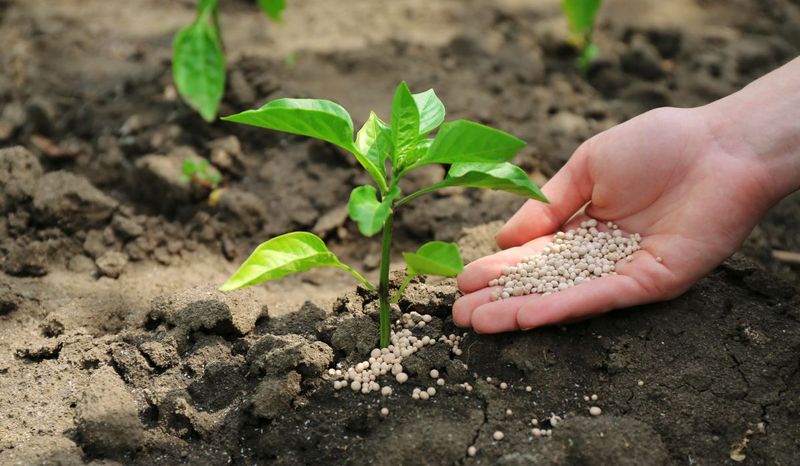
The best Florida gardens are not built on a single heavy spring feeding. They are built on consistent, thoughtful care that matches what the plant needs with what the season, soil, and local rules allow.
Slow-release nitrogen fertilizers are a cornerstone of that approach, and UF/IFAS Extension recommends them for most Florida landscape situations for good reason.
Slow-release products feed plants gradually over weeks or months, which means nutrients are available when the plant can actually use them rather than flooding the root zone all at once.
That steady supply supports even, manageable growth that holds up better through Florida’s summer challenges.
Always follow the label rate, because even slow-release products can cause problems if over-applied.
Water correctly after application when the label calls for it, but avoid fertilizing right before a heavy rain event that could wash nutrients away before they are absorbed.
Keep fertilizer granules off hard surfaces like driveways and sidewalks, where they can easily wash into storm drains during rain. Sweep any stray granules back onto the lawn or planting bed.
Keep fertilizer well away from water bodies, storm drains, ditches, and hard surfaces. Many local rules require a fertilizer-free buffer, but the exact distance varies, so check your city or county ordinance.
Spring is a reasonable time to fertilize many Florida plants, but the goal should be measured, appropriate feeding, not a heavy push.
A garden that enters summer well-nourished but not over-fed is a garden that handles Florida’s toughest season with strength, color, and far fewer problems waiting for you in August.