These Are The Native Pennsylvania Plants To Grow Instead Of Vinca Along Shaded Borders
Vinca has lined shaded borders across Pennsylvania for so long that most gardeners reach for it out of pure habit rather than any considered preference.
It is green, it spreads, and it handles shade without drama, which has been enough reason to keep planting it despite the fact that Pennsylvania now recognizes it as invasive and its spread into natural areas has been causing documented ecological harm for years.
The case for keeping vinca in a shaded border gets harder to make every season, especially when the native alternatives available for exactly these conditions are genuinely impressive.
Pennsylvania has a strong selection of shade-tolerant native plants that cover ground just as effectively, stay attractive through the entire growing season, and support the local ecosystem in ways that vinca never could.
Several of them bloom, some spread with the same easy reliability that made vinca appealing in the first place, and all of them belong here in a way that imported groundcovers simply do not.
1. Pennsylvania Sedge (Carex Pensylvanica)
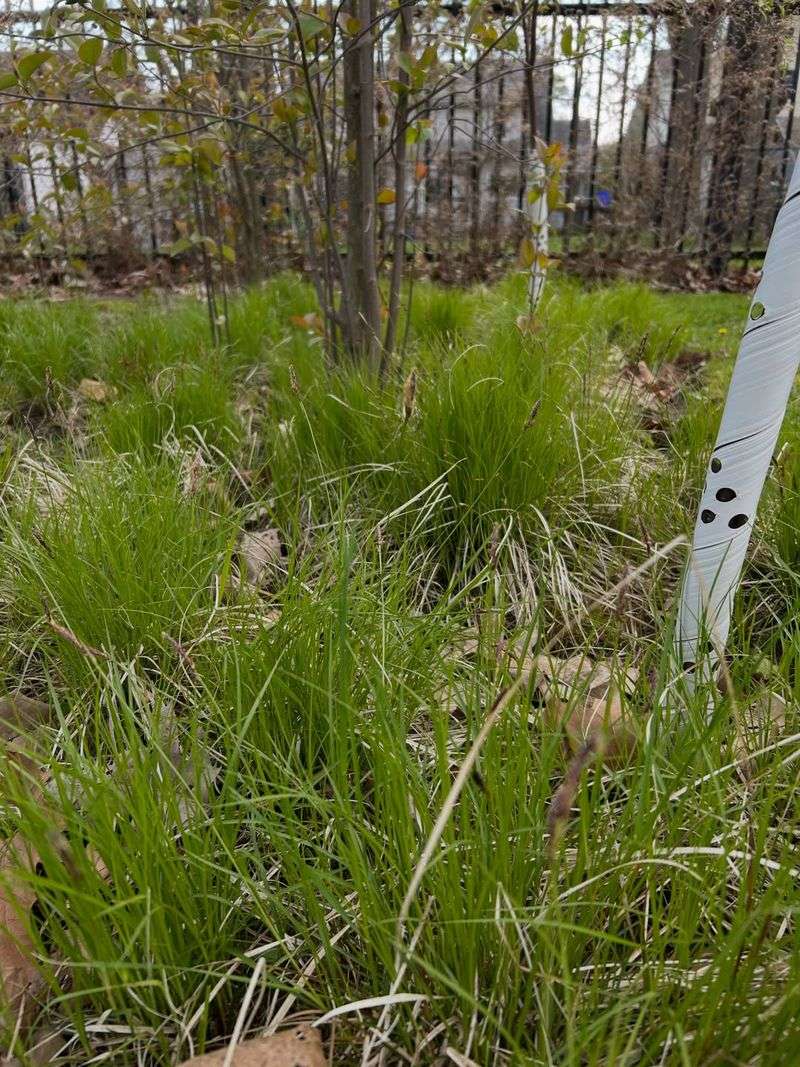
Not every groundcover needs flashy flowers to earn its place in the garden. Pennsylvania Sedge is proof of that.
This low-growing, clumping plant looks like fine grass and creates a soft, natural carpet under trees and along shaded borders. It stays green through much of the year, which makes it a reliable option when other plants fade.
One of the best things about Pennsylvania Sedge is how well it handles dry shade. That is one of the hardest conditions to grow plants in.
Most groundcovers struggle when tree roots compete for water, but this sedge handles it with ease. It grows slowly at first, but once it gets established, it spreads steadily without becoming invasive.
You can plant it in masses for full groundcover effect or use it to edge garden paths. It pairs beautifully with spring wildflowers like trillium and wild ginger.
The foliage grows about six to twelve inches tall, keeping a neat and tidy appearance without much pruning.
Birds and small mammals appreciate the shelter this plant provides at ground level. It also helps reduce soil erosion on slopes and shaded hillsides.
Unlike vinca, Pennsylvania Sedge plays nicely with other native plants and does not crowd them out.
If you are starting a native plant garden from scratch, this sedge is a great foundation plant. It is widely available at native plant nurseries across Pennsylvania.
Plant it in spring or fall, water it through the first season, and then let it do its thing on its own.
2. Foamflower (Tiarella Cordifolia)
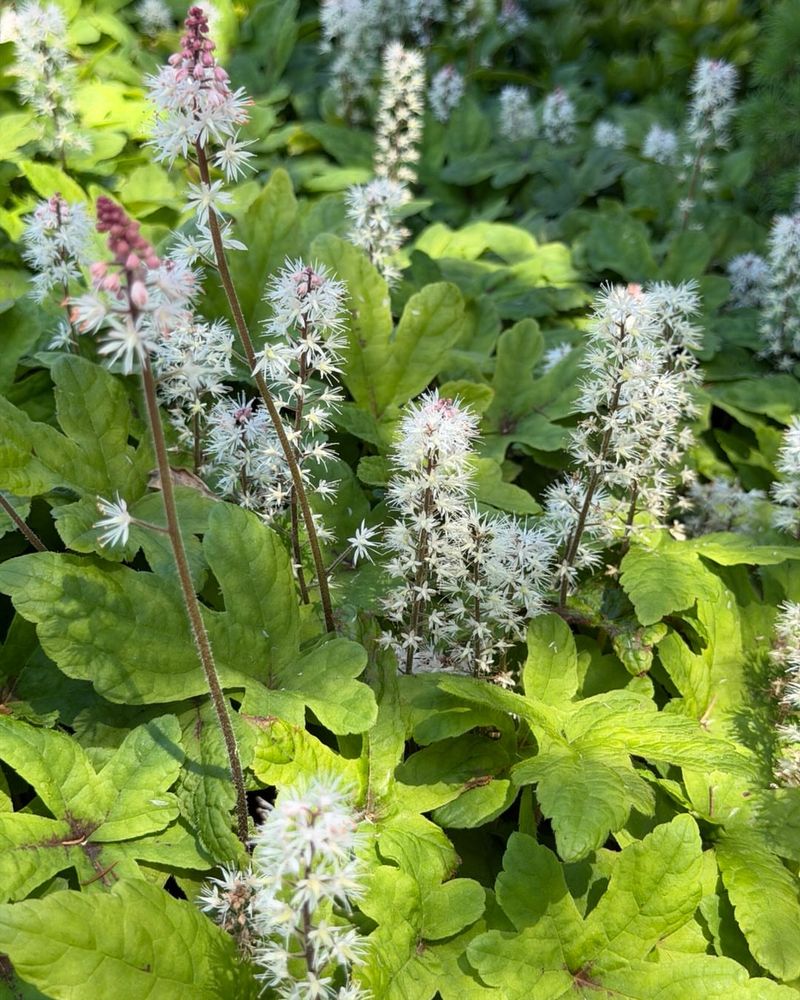
Walk through a Pennsylvania woodland in late April and you might spot something that looks like tiny clouds floating just above the forest floor. That is Foamflower doing what it does best.
The fluffy white and pink flower spikes are delicate and charming, and they bring a soft, romantic look to shaded garden borders that vinca simply cannot match.
Foamflower thrives in moist, shady spots and spreads naturally through runners, forming a dense and weed-suppressing mat over time. The heart-shaped leaves are attractive even when the plant is not in bloom.
Your Pennsylvania Garden Changes Every Week. Your Plan Should Too.
Gardening in Pennsylvania changes quickly throughout the season. Every Friday you’ll receive a simple weekly plan showing exactly what to plant, prune, fertilize, harvest, and protect so you never miss the right timing.
Some varieties have burgundy or bronze markings on the leaves, adding year-round visual interest to the garden bed.
This plant is a native wildflower found naturally in Pennsylvania forests, which means it is well-adapted to local conditions. It does not need rich soil or heavy fertilizing.
A shady spot with consistent moisture is really all it asks for. It works especially well near rain gardens, stream edges, or low spots where water collects.
Pollinators love Foamflower. Bees and small butterflies visit the blooms regularly in spring. That makes it a double win for gardeners who want beauty and ecological value from the same plant.
Foamflower grows about six to twelve inches tall and spreads gradually without taking over. It is easy to divide and share with neighbors or transplant to other areas of your yard.
If you want a showy, wildlife-friendly replacement for vinca that blooms reliably every spring, Foamflower belongs at the top of your planting list.
3. Wild Ginger (Asarum Canadense)
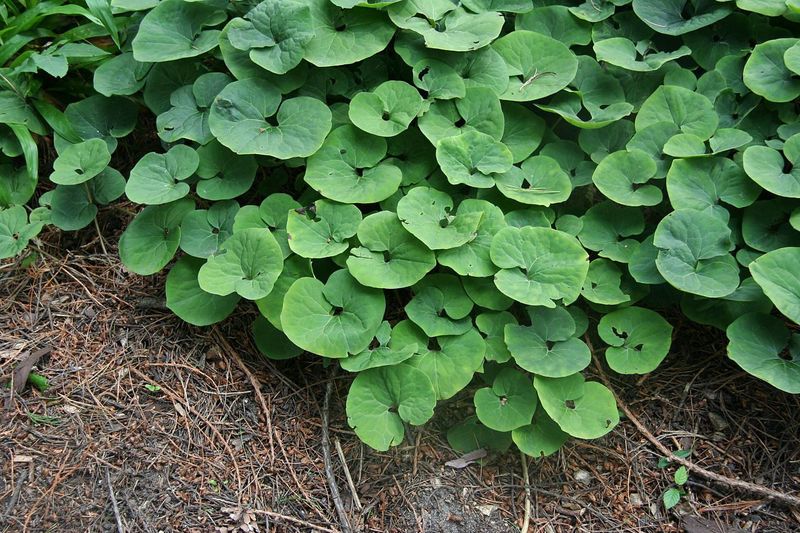
There is something quietly impressive about Wild Ginger. It does not bloom in a showy way, and it does not grow tall.
But once it gets going, it forms one of the most attractive and functional groundcovers you can grow in deep shade. The large, heart-shaped leaves overlap to create a lush green carpet that looks like it belongs in a fairy tale forest.
Wild Ginger is native to Pennsylvania woodlands and is perfectly adapted to the cool, moist, shaded conditions found under mature trees. It grows slowly but spreads steadily, filling in gaps without becoming aggressive.
That makes it a trustworthy alternative to vinca, which can quickly overwhelm a garden bed and escape into natural areas.
The hidden blooms of Wild Ginger are a fun surprise. Small, reddish-brown flowers appear at ground level in early spring, tucked beneath the leaves where most people never notice them.
Ants actually help pollinate and spread the seeds, which is a fascinating piece of natural history right in your own backyard.
Wildlife benefits from Wild Ginger in several ways. Certain butterfly larvae use it as a host plant, and the dense foliage provides shelter for ground-dwelling insects and small creatures.
It also helps keep the soil cool and moist, which supports healthy root systems for nearby trees and shrubs.
Planting Wild Ginger is straightforward. It prefers rich, moist, well-drained soil and does best in full to partial shade.
Once established, it requires almost no maintenance. Water it during dry spells in the first year, and it will reward you with years of reliable, no-fuss coverage.
4. Woodland Phlox (Phlox Divaricata)
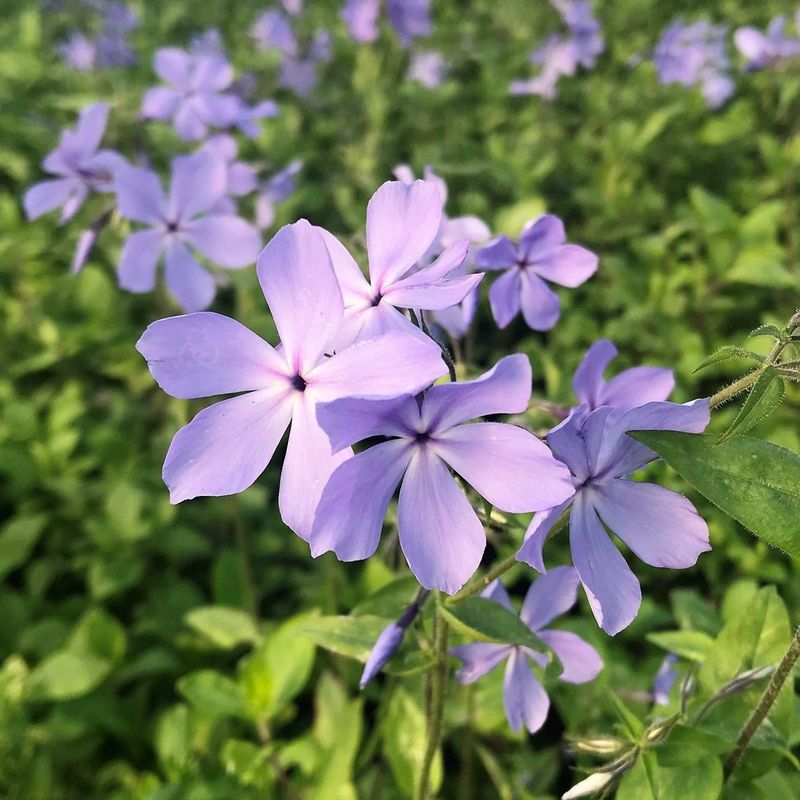
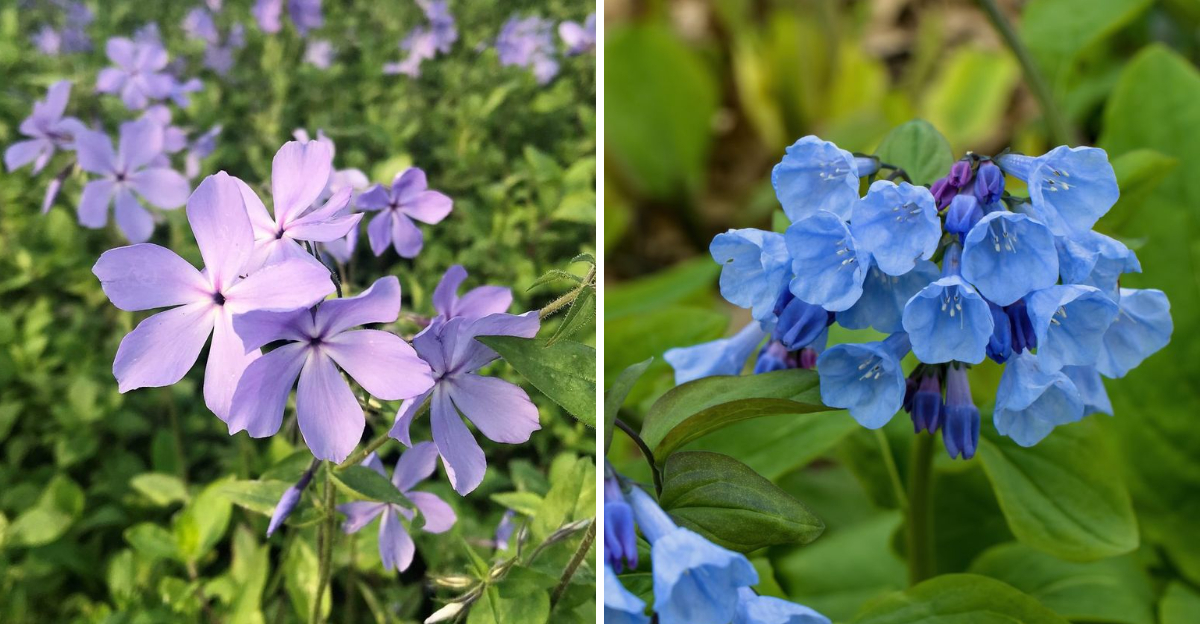
Few native plants can match the spring color show that Woodland Phlox puts on. Clusters of lavender-blue flowers cover the plant from mid-spring into early summer, creating a soft, hazy sea of color along shaded borders.
The fragrance is light and sweet, which makes spending time in the garden during bloom season an even better experience.
Woodland Phlox is a Pennsylvania native that grows naturally along stream banks and forest edges. It handles partial to full shade well and prefers moist, well-drained soil.
Once established, it spreads gently by runners and self-seeding, gradually filling in bare spots without becoming pushy or invasive.
Pollinators absolutely adore this plant. Butterflies, hummingbirds, and long-tongued bees are drawn to the nectar-rich blooms.
Planting Woodland Phlox along your shaded borders creates a spring feeding station that supports local pollinator populations at a time when few other flowers are open.
The plant grows about ten to fifteen inches tall and forms loose, spreading mats. After blooming, the foliage stays attractive through the growing season, providing a nice green backdrop for other shade plants.
It pairs especially well with Foamflower, Wild Ginger, and ferns for a layered, naturalistic look.
Caring for Woodland Phlox is simple. Water it regularly during dry periods and cut it back lightly after flowering to encourage fresh growth.
It does not need fertilizer if planted in reasonably good soil. Divide clumps every few years to keep the plant vigorous and to spread it to new areas of your garden. It is truly one of the easiest and most rewarding native plants you can grow.
5. Solomon’s Seal (Polygonatum Biflorum)
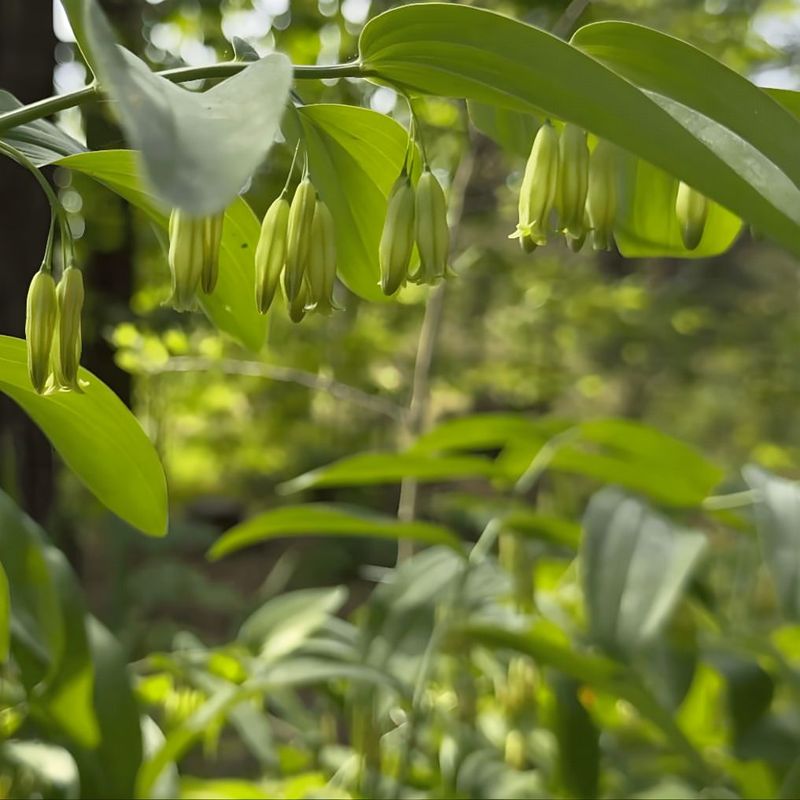
Some plants bring elegance to a garden just by the way they grow. Solomon’s Seal is one of those plants.
The long, arching stems curve outward in a graceful arc, with pairs of oval leaves lined up neatly along each stem. In spring, small white bell-shaped flowers dangle beneath the stems like tiny lanterns, adding a whimsical detail that catches the eye up close.
This native Pennsylvania plant thrives in shaded conditions and adds something that most groundcovers cannot: vertical interest. While other shade plants stay low to the ground, Solomon’s Seal rises to two or three feet tall, creating a layered look in the garden.
It works beautifully as a backdrop plant behind lower-growing species like Foamflower or Pennsylvania Sedge.
The flowers give way to blue-black berries in late summer, which birds eagerly eat. That makes Solomon’s Seal a valuable food source for wildlife at a time of year when natural food can be harder to find.
The plant also supports several native bee species that rely on its nectar during spring blooming.
Solomon’s Seal spreads slowly by underground rhizomes, gradually forming attractive clumps that fill in shaded areas over several years. It is not aggressive, so you do not need to worry about it taking over your garden.
In fall, the foliage turns a warm golden yellow before the stems fade back, adding one more season of beauty to its resume.
Plant it in moist, humus-rich soil in partial to full shade. It is drought-tolerant once established and rarely needs any special attention. A truly dependable native plant for Pennsylvania gardens.
6. Jack-In-The-Pulpit (Arisaema Triphyllum)
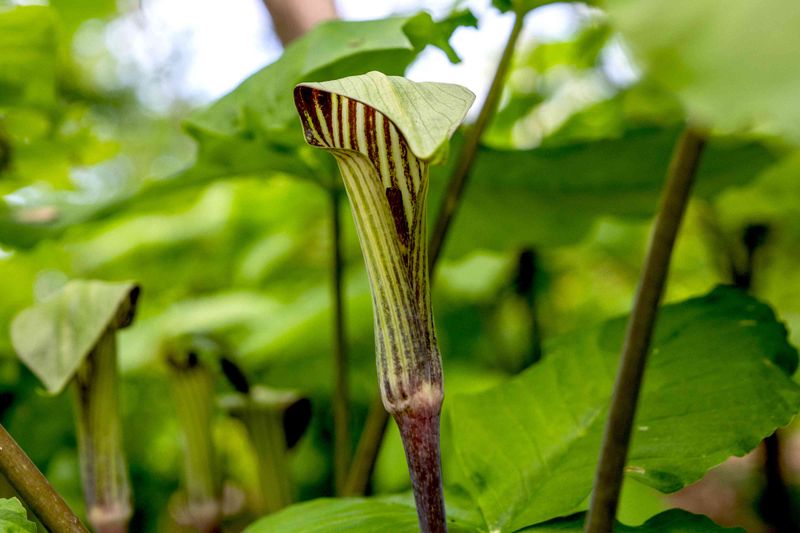
If you want a conversation starter in your shaded garden border, Jack-in-the-Pulpit is it. The spring flower is unlike anything else growing in a Pennsylvania garden.
A hooded, striped spathe curves over a club-like spadix, creating a shape that looks almost like a tiny preacher standing in a pulpit. Kids and adults alike stop to take a closer look every single time.
Jack-in-the-Pulpit is a true woodland native found throughout Pennsylvania forests. It grows best in moist, shaded spots with rich, loamy soil.
Spots near streams, rain gardens, or low-lying areas of the yard are ideal. It handles full shade better than most flowering plants, making it a useful choice for those deep, dark corners of the garden where little else will grow.
After the unusual spring flowers fade, clusters of bright red berries develop in late summer. These berries are an important food source for birds, especially wood thrushes and other woodland species.
The bold, three-part leaves also add a tropical feel to the shaded border throughout the growing season.
Jack-in-the-Pulpit can grow from one to three feet tall depending on growing conditions and the age of the plant. Older, well-established plants tend to be larger and more impressive.
The plant spreads slowly by seed and offsets, gradually naturalizing in the right conditions without becoming a problem.
One fun fact: this plant can actually change its biological sex from year to year based on available resources, which is unusual in the plant world.
Planting Jack-in-the-Pulpit adds genuine ecological diversity and real personality to any shaded border garden in Pennsylvania.
7. Virginia Bluebells (Mertensia Virginica)
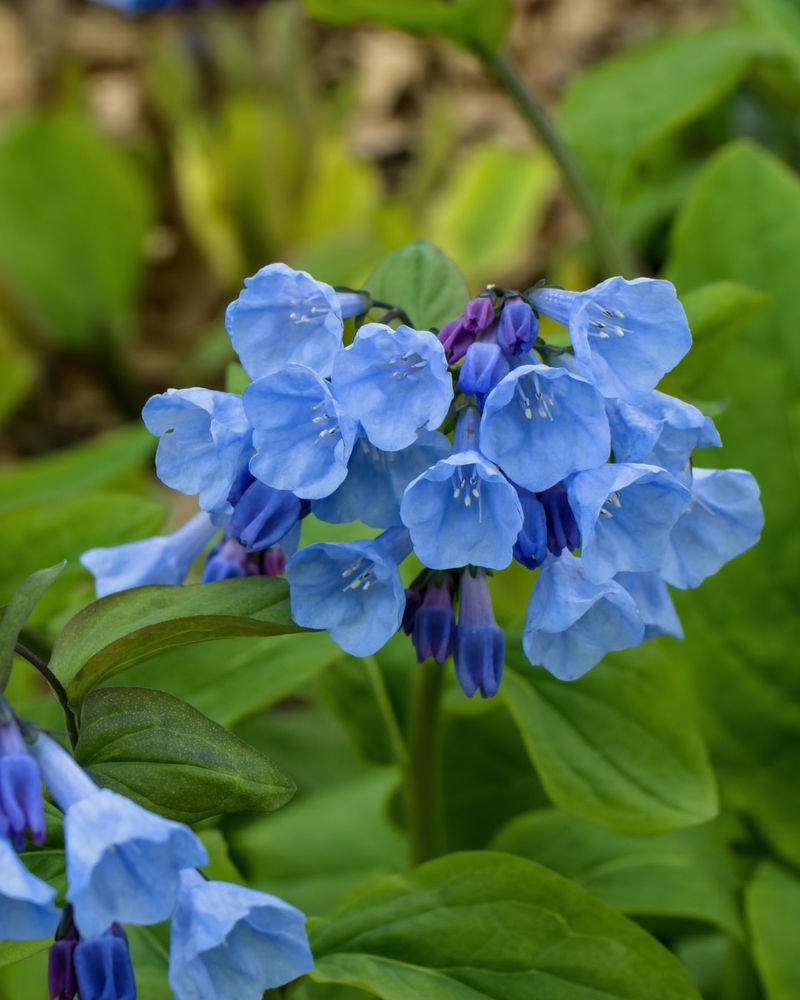
Every spring, Virginia Bluebells put on one of the most breathtaking wildflower displays in the eastern United States. Clusters of sky-blue, trumpet-shaped flowers hang in graceful arching bunches above soft, blue-green foliage.
The color is unlike almost anything else blooming in the shaded garden at that time of year, and the effect is nothing short of stunning when planted in mass.
Virginia Bluebells are native to Pennsylvania and naturally grow along floodplains, streambanks, and moist woodland edges. They thrive in partial to full shade and prefer moist, fertile soil.
Planting them in naturalized areas of the yard where moisture collects is a great way to take advantage of spots that are otherwise difficult to garden in.
One thing to know about Virginia Bluebells is that they are spring ephemerals. That means the foliage fades and goes dormant by early summer.
This is completely normal. Plan ahead by planting summer-active companions like ferns or hostas nearby to fill the space once the bluebells go dormant for the season.
Hummingbirds and bumblebees are especially fond of the tubular flowers, making Virginia Bluebells a fantastic early-season pollinator resource.
Planting a generous patch creates a reliable spring feeding stop for these important creatures right when they need it most after winter.
Virginia Bluebells spread naturally by seed and can form large, dense colonies over time with very little help from the gardener. Once established, they are essentially low-maintenance.
They are a wonderful finishing touch for any naturalized shaded garden area and a truly joyful replacement for the invasive vinca that may have been there before.