The Fig Harvest Is Closing In Missouri But One Thing Left On The Branches Is Worth Picking
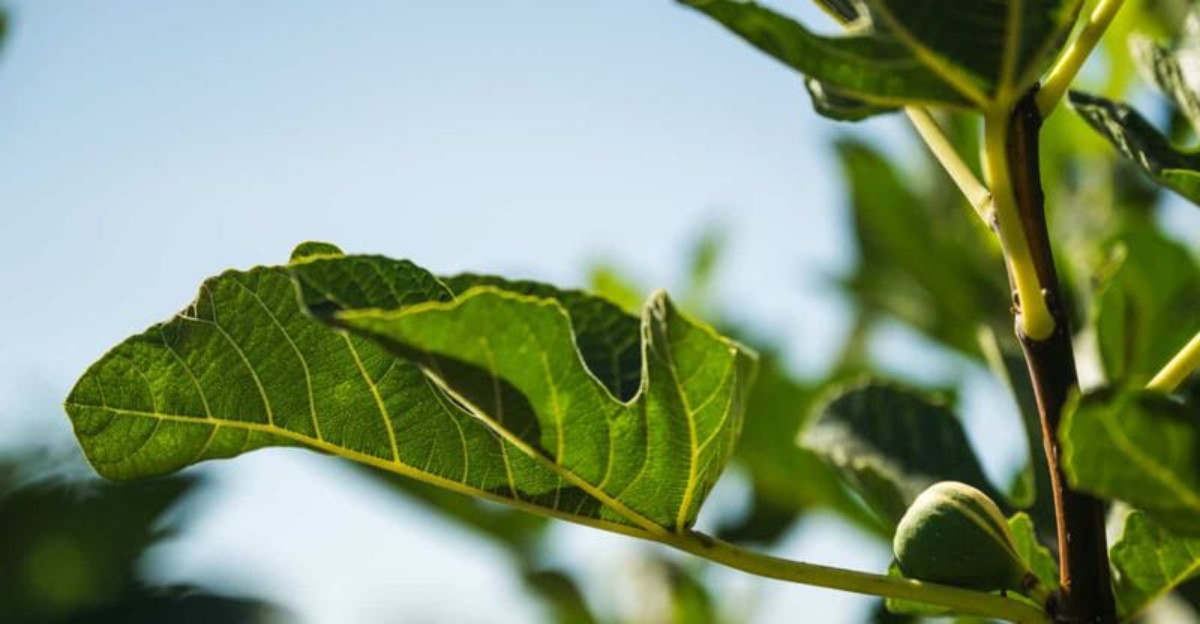
Missouri trees look a little tired right now, with sticky fruit gone and wasps buzzing lazily nearby. Most gardeners shrug, toss their baskets in the shed, and call the backyard season finished for good.
Hold on a minute, though, because those branches are still offering something green, fragrant, and surprisingly useful. Rub one gently between your fingers and you might catch a sweet scent like coconut and vanilla.
People around the Mediterranean have used fig leaves in cooking and tea for centuries. Grandmothers tucked them into cupboards, steeped them in hot water, and shared them with curious neighbors.
Early October gives you a short window, since the first frost can damage the leaves quickly. A pair of gloves, a sharp eye, and a sunny afternoon are mostly all you need to start.
Fig Leaves Still Hanging On Missouri Branches Are The Final Harvest
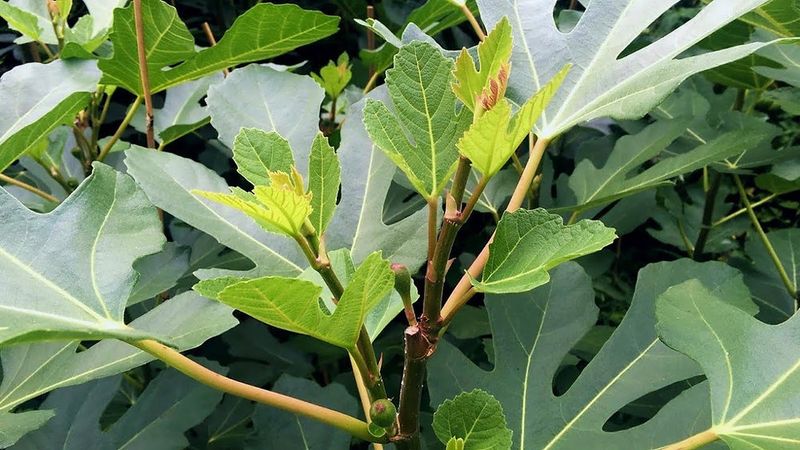
Picture a fig tree in a Saint Louis backyard, its last fruit pecked open by hungry birds. The branches still hold dozens of broad, hand-shaped leaves, and they deserve far more attention than they get.
Fig leaves carry a warm, nutty aroma that many cooks compare to coconut, toasted vanilla, or fresh cut grass. Chefs wrap fish in them, bakers infuse cream with them, and tea lovers steep them for a mellow drink.
Missouri growers often plant hardy types like Chicago Hardy or Celeste, which leaf out heavily during warm months. By early October, those trees usually carry more leaves than one household needs.
Picking a modest amount is unlikely to harm the tree, since it will drop its foliage soon anyway. Think of it as rescuing a free ingredient that would otherwise land on the lawn for raking.
Leaves also store well once dried, so a single afternoon of picking can stock your kitchen for weeks. That makes them an easy harvest to take advantage of while temperatures cool.
Neighbors may tilt their heads when they see you carrying a basket of leaves instead of fruit. Once they smell a fresh cup of fig leaf tea, they might ask to borrow your tree.
A quick fun fact adds charm here, because fig trees rank among the oldest cultivated plants in history. Ancient farmers may have grown them even before wheat, so your backyard tree carries a very long story.
The Best Time To Pick Leaves Before The First Frost
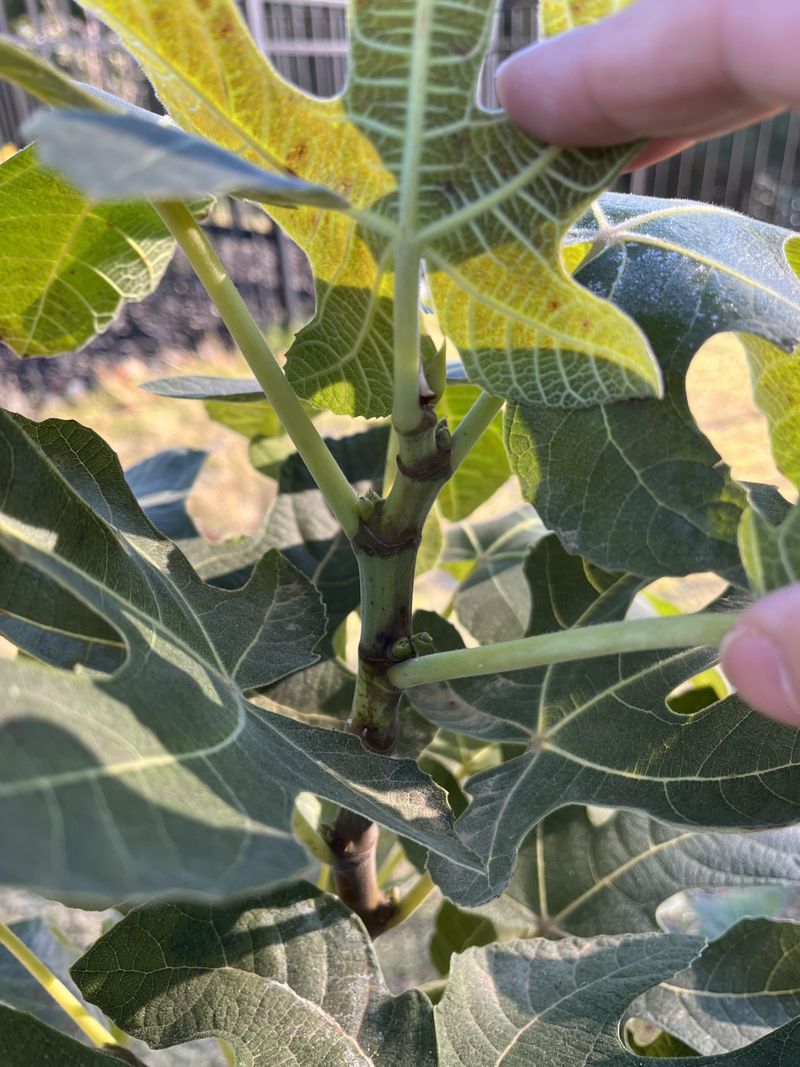
Timing is everything with this harvest, and Missouri weather likes to keep gardeners guessing every single fall. One week brings sunny afternoons near seventy degrees, and the next brings a frosty surprise on the windshield.
In much of Missouri, the first freeze typically arrives between mid October and early November. Northern counties tend to see it sooner, while the Bootheel region near Arkansas often enjoys a little extra time.
Once temperatures drop to freezing or below, fig leaves can turn dark and limp within a day or two. Frosted leaves tend to lose their aroma, so picking before that moment helps protect flavor and texture.
Your Missouri Garden Changes Every Week. Your Plan Should Too.
Gardening in Missouri changes quickly throughout the season. Every Friday you’ll receive a simple weekly plan showing exactly what to plant, prune, fertilize, harvest, and protect so you never miss the right timing.
Keep an eye on local forecasts, and plan your harvest when nighttime lows start dipping into the forties. That signal gives you a comfortable cushion before the real cold settles over your yard and garden beds.
Late morning works best for picking, because the dew has dried but the afternoon sun has not wilted anything. Damp leaves can grow mold during storage, so dry foliage gives you a much safer starting point.
Some gardeners set a phone reminder for the first week of October, which works surprisingly well as a nudge. Others simply check the forecast every few days once nights start getting cool.
Missing the window happens to everyone at some point, so try not to feel too bad about it. Your tree will grow a fresh crop of leaves next spring, ready for another round of picking.
The Healthiest Leaves To Select From Each Branch
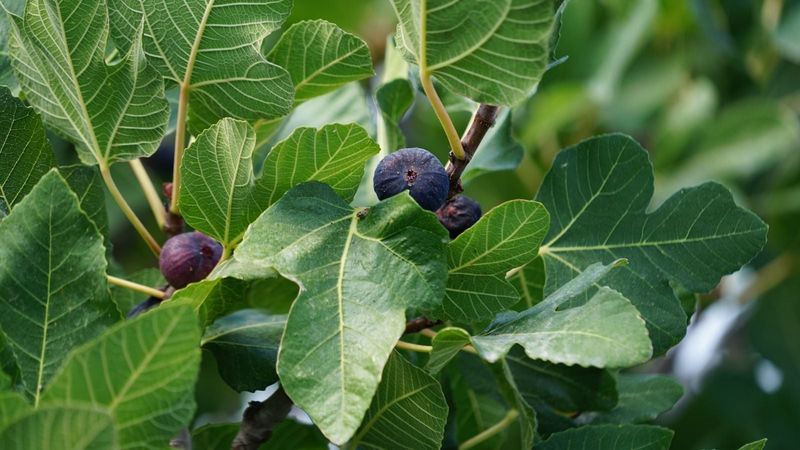
Not every leaf on the tree is a winner, and a picky eye makes a huge difference in flavor. Shopping for leaves works a lot like choosing apples at the grocery store, minus the price tag.
Look for leaves that are deep green, smooth, and free of brown spots, holes, or curled edges. Rusty orange dots on the underside often point to fig rust, a fungal disease that shows up in humid weather.
Leaves from the middle of each branch tend to be the best choice for tea and cooking. Older leaves near the trunk can be tough and yellowed, while tiny leaves at the branch tips are usually too small to bother with.
Medium sized leaves, roughly the size of your open hand, offer a nice balance of aroma and tenderness. Give each one a quick sniff, since leaves with a stronger, sweeter aroma tend to make a more flavorful tea.
Skip any leaves that grew close to a busy road or that were sprayed with garden chemicals recently. Leaves from an untreated tree are the safer choice.
Spread your picking across the whole tree instead of stripping one branch bare in a single afternoon. Taking a few leaves from many branches keeps the tree looking neat and balanced until autumn ends.
A good rule of thumb is to gather about twenty to thirty leaves, which makes roughly twenty to thirty cups of tea. That amount fits nicely in a large jar, and you can pick more if you plan to drink it regularly through winter.
Protective Gloves Matter Because Of The Milky Sap
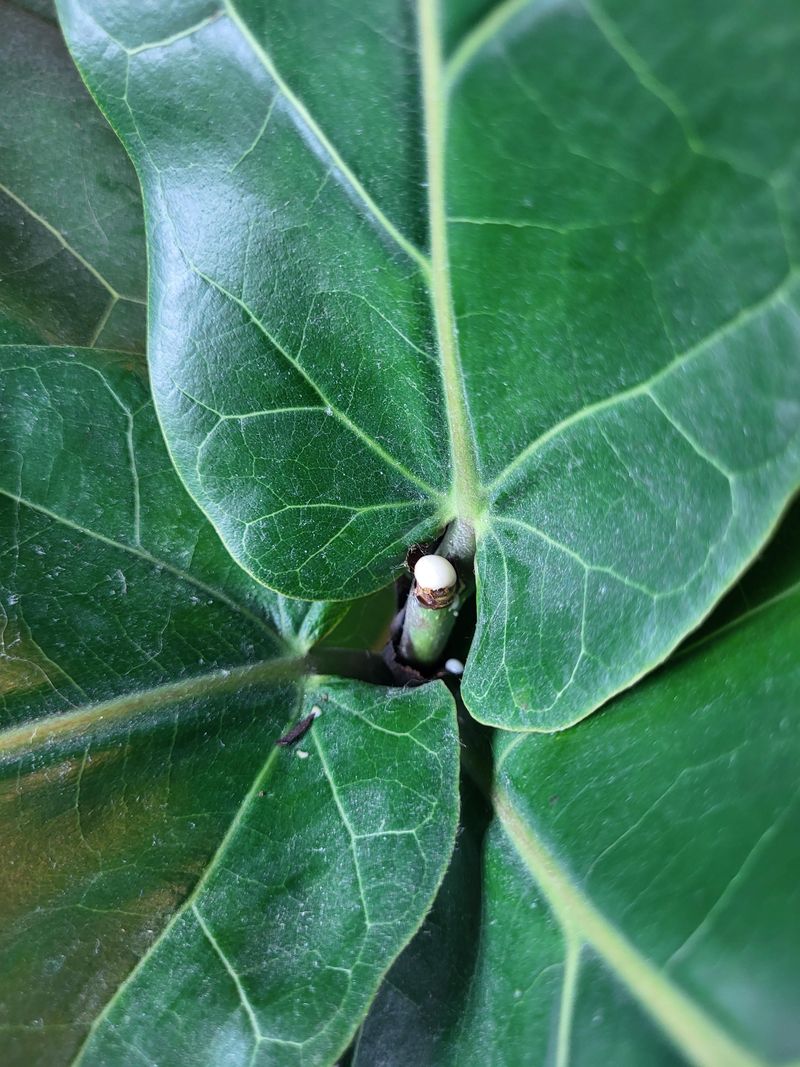
Snap a fig leaf stem and watch closely, because a white, milky liquid will bead up almost instantly. It looks harmless, like a drop of glue, but that sap can cause real trouble for bare skin.
Fig sap contains natural compounds called furocoumarins, which react strongly when skin is exposed to sunlight afterward. The result can be red, itchy patches or even blisters that look a lot like a nasty sunburn.
Doctors call this reaction phytophotodermatitis, which is a mouthful, but the lesson behind it is simple. Keeping the sap off your skin greatly lowers the risk of a reaction.
Nitrile or rubber gardening gloves work well, since thin cotton gloves can soak up the sap quickly. Long sleeves help too, especially when you reach deep into the tree and brush against broken stems.
October sunshine in Missouri is gentler than July sunshine, yet it still carries enough strength to trigger reactions. Plenty of gardeners learn this lesson the hard way, so a little caution goes a long way.
Wash your hands and arms with soap and water right after picking, even if you wore gloves. Rinse your pruners too, since dried sap can leave a sticky film that transfers to your fingers.
Kids love helping in the garden, so give them small gloves and a quick talk about the sap. Keep pets away from broken branches as well, since the sap can irritate their skin and mouths.
Traditional Uses Behind The Tea Made From Fig Leaves
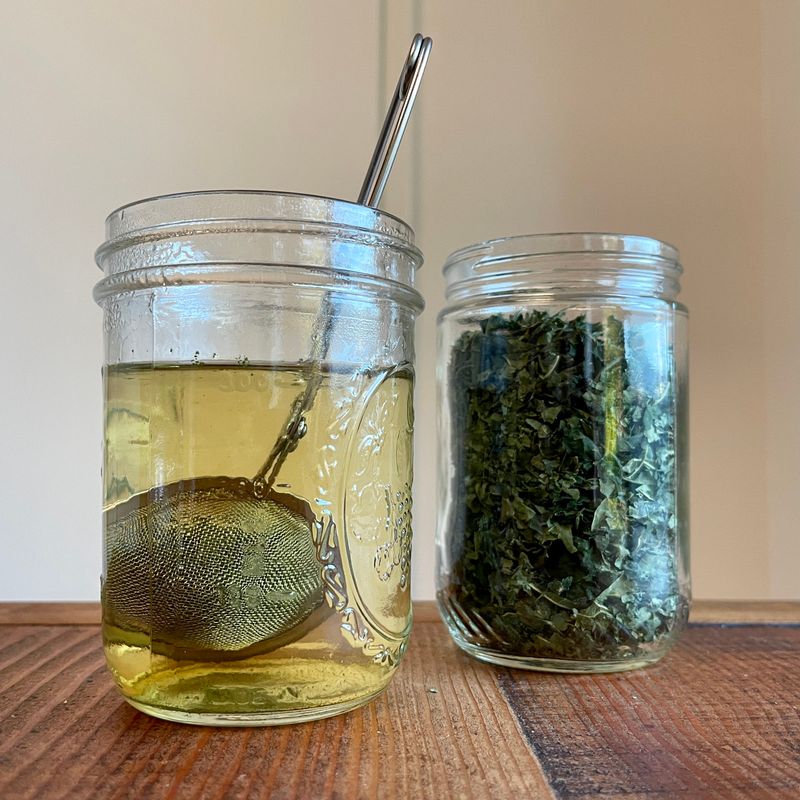
Long before tea bags filled grocery shelves, families around the Mediterranean, including Turkey and Greece, brewed fig leaves at home. Recipes passed from grandparents to grandchildren, often scribbled on scraps of paper tucked inside kitchen drawers.
In folk tradition, the tea was used for upset stomachs and coughs. Some modern studies suggest fig leaves may help with blood sugar, though scientists say more research is needed.
Anyone taking diabetes medicine should talk with a doctor first, since the tea might affect blood sugar levels. Pregnant people and anyone with a latex or fig allergy should also check with a health professional before sipping regularly.
Many people enjoy this drink for its flavor alone. It tastes mild and slightly sweet, with gentle notes of coconut, hay, and warm brown sugar.
To make a simple cup, steep one dried leaf or two fresh leaves in boiling water for ten minutes. Strain it, add a spoonful of local Missouri honey, and enjoy the cozy aroma drifting through your kitchen.
Fig leaf tea also blends nicely with cinnamon sticks, orange peel, or a thin slice of fresh ginger. Those add-ins turn a basic brew into a warming treat that pairs perfectly with crisp autumn evenings.
Sharing a mug with friends connects you to a habit that has comforted households for many generations. Your backyard tree becomes part of that long tradition every time you fill the kettle and wait.
The Best Way To Dry Leaves For Winter Storage
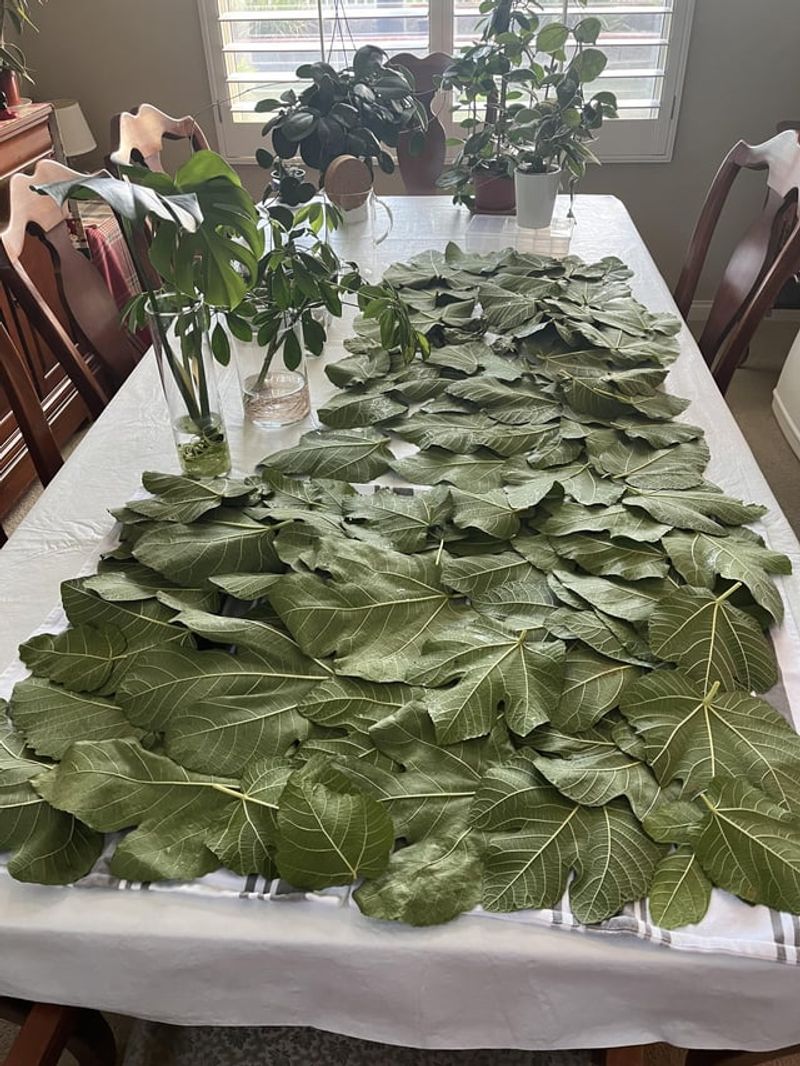
Fresh fig leaves only last a few days in the fridge, but dried ones can keep for months. Drying them properly is the secret to enjoying that sweet, nutty flavor through the gray days of winter.
Start by rinsing each leaf under cool water and patting it dry with a clean kitchen towel. Remove the thick stems with scissors, since they hold extra moisture and take much longer to dry out.
Air drying is the easiest method, and it works well in a warm, dry room away from sunlight. Lay the leaves flat on a screen or hang them in small bundles tied with kitchen string.
Missouri basements can feel damp in October, so a spare bedroom or warm kitchen corner often works better. Most leaves turn crisp in about one to two weeks, depending on the humidity inside your home.
A food dehydrator speeds things up, usually finishing the job in a few hours at low heat. Set it between ninety five and one hundred ten degrees to protect the delicate oils that give the leaves their fragrance.
Leaves are ready when they crumble easily between your fingers and make a light crackling sound when bent. Any leaf that still feels leathery needs more time, because trapped moisture can lead to mold later.
Store the dried leaves whole or crushed in airtight glass jars kept in a cool, dark cupboard. Add a label with the harvest date, and your stash should stay flavorful for many months.