The First Steps To Take When Your Minnesota Squash Plants Start Setting Fruit
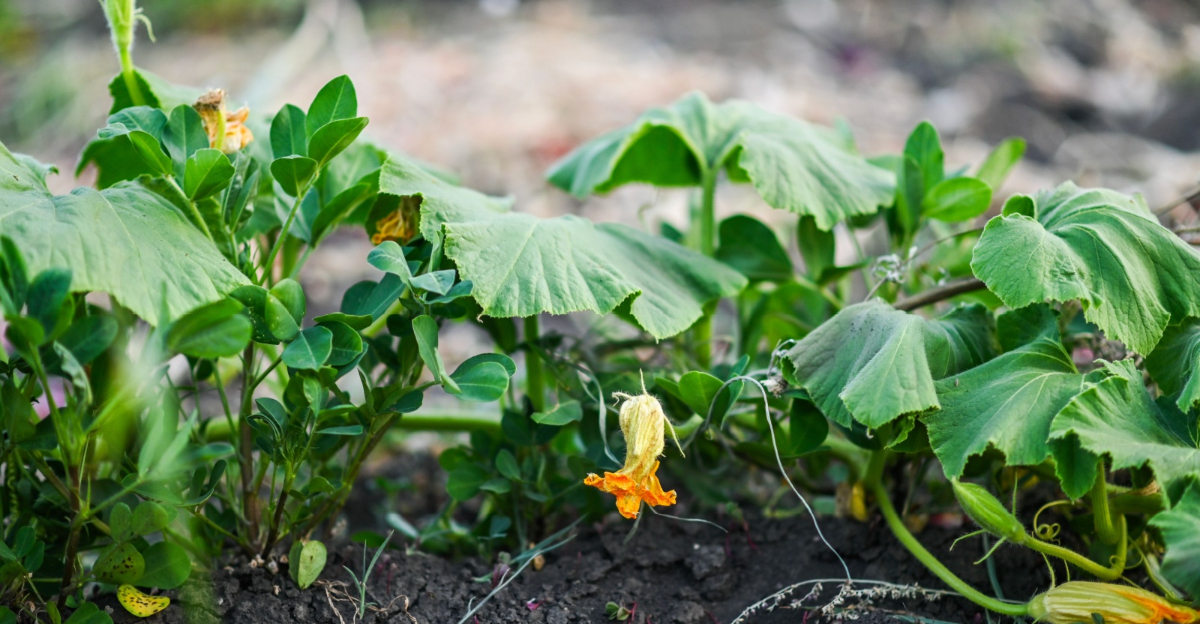
Those tiny green bulges hiding at the base of your squash flowers are easy to overlook. Spot them once, though, and you will never unsee them.
Your plant has made its move. It is done goofing around with leaves and has started doing the one thing you actually planted it for.
In Minnesota, that moment matters more than it does almost anywhere else. Your growing season is short, and every fruit that sets is precious real estate on a tight timeline.
There is no room for a slow reaction.
Here is the thing most gardeners do not realize: the second your plant shifts into fruit mode, it needs something different from you. What worked last month will not cut it anymore.
The steps you take in these first few days will shape everything, the size, the flavor, the yield. So pay attention.
Your squash is ready to deliver, and it needs you to show up.
1. Thin Out Excess Fruit Early
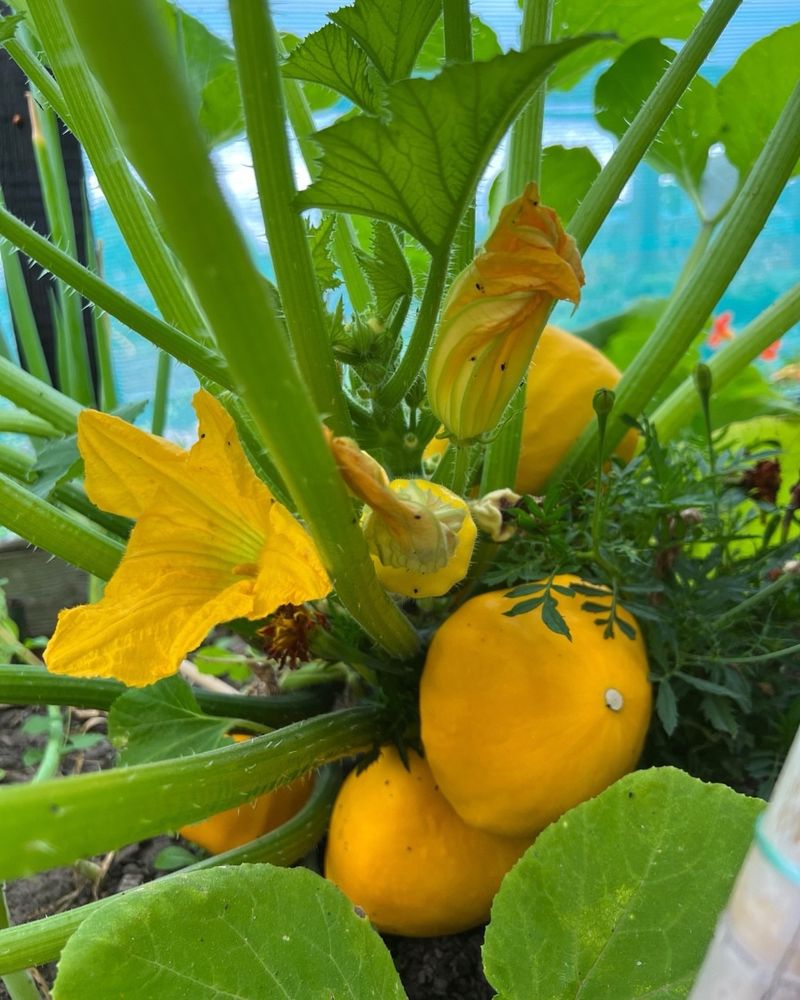
Too many fruits on one vine is a recipe for disappointment. When a squash plant tries to ripen six or eight fruits at once, none of them may get enough energy to grow well.
Walk your rows and count the developing fruits on each plant. For most winter squash varieties, three to four fruits per plant is a solid target.
Anything beyond that is just competition. Pinch off the smallest and weakest ones first.
Look for fruits that are oddly shaped, sitting in a spot that gets no sun, or growing from a secondary vine that looks stressed. Those are the ones draining resources without much payoff.
Snip them cleanly with a small pair of scissors or garden shears. Tearing them off can wound the vine and invite disease.
A clean cut heals faster and keeps the plant healthy. This step feels counterintuitive at first.
Most gardeners want to keep every single fruit they worked hard to grow. But removing the extras actually may help remaining fruit size up and mature before frost.
Think of it like editing a great story. Cutting the weak parts makes the whole thing stronger.
Your plant will thank you with squash that are dense, flavorful, and worth every bit of the effort you put in all season long. Start thinning as early as possible for the best results.
2. Hand-Pollinate When Bee Activity Is Low
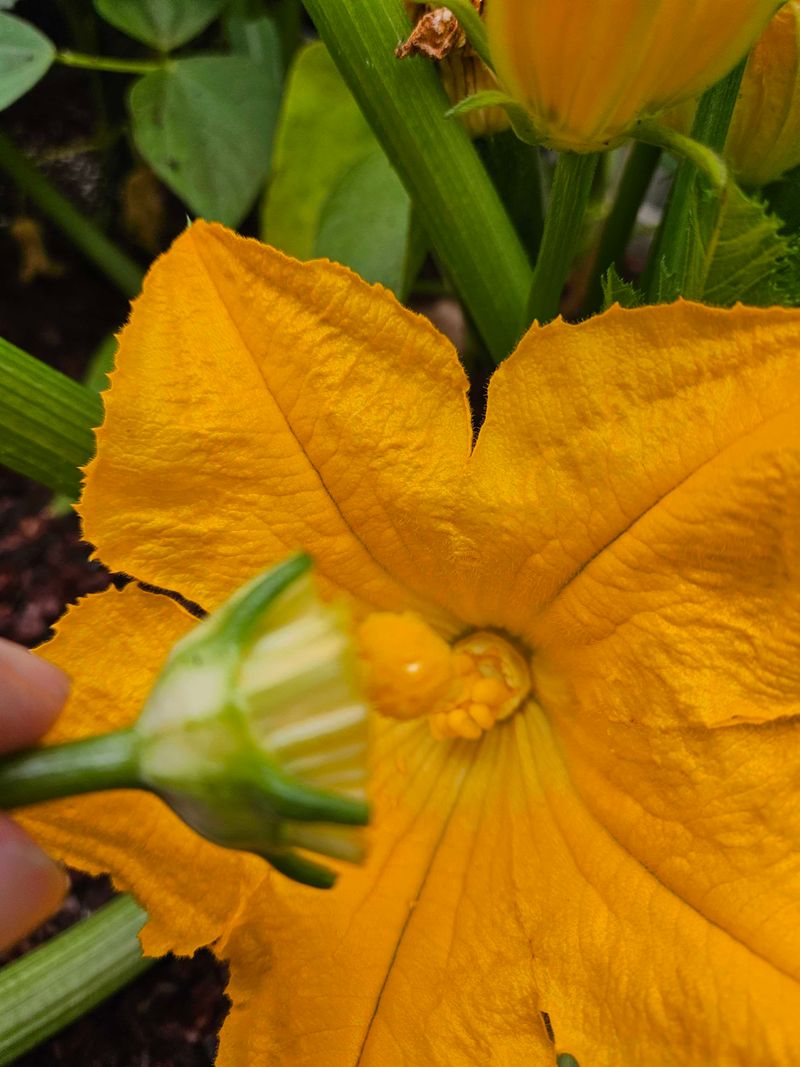
Squash flowers are dramatic, gorgeous, and completely helpless without pollinators. Male flowers open first, then female flowers follow a week or so later, and something has to carry pollen between them.
In a perfect world, bees handle all of this without any help from you. But Minnesota summers can be unpredictable.
Cool mornings, rainy stretches, and declining bee populations can all slow down pollination and leave your female flowers unfertilized.
An unfertilized female flower will drop off the vine within a day or two, taking your potential squash with it. That is frustrating to watch, especially when you have been nurturing that plant for weeks.
Your Minnesota Garden Changes Every Week. Your Plan Should Too.
Gardening in Minnesota changes quickly throughout the season. Every Friday you’ll receive a simple weekly plan showing exactly what to plant, prune, fertilize, harvest, and protect so you never miss the right timing.
Hand-pollinating is surprisingly easy and oddly satisfying. Grab a small paintbrush or a cotton swab.
Swipe it inside a male flower to collect the bright yellow pollen, then gently brush it around the center of an open female flower. Done.
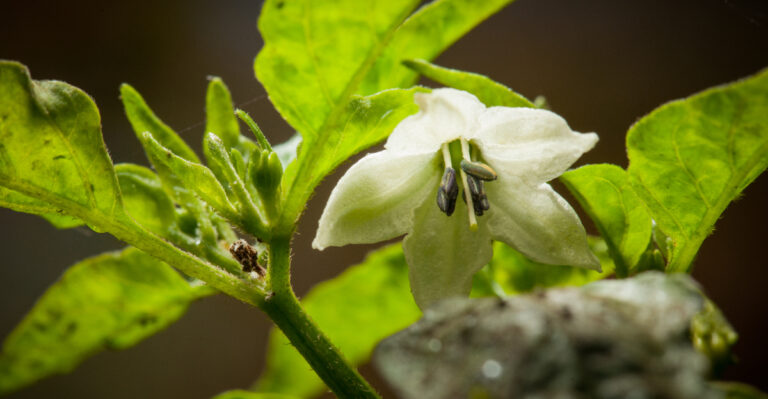
Female flowers have a tiny proto-fruit at their base, which makes them easy to identify. Male flowers sit on a straight, slender stem with no swelling at the base.
Check both types each morning since squash flowers only stay open for a few hours. Making this a morning habit during your Minnesota squash plants start setting fruit phase keeps your harvest on track.
Even if bees are active in your yard, a little backup pollination never hurts. More pollinated flowers mean more squash, and that is always a good thing.
3. Ramp Up Watering As Fruit Develops
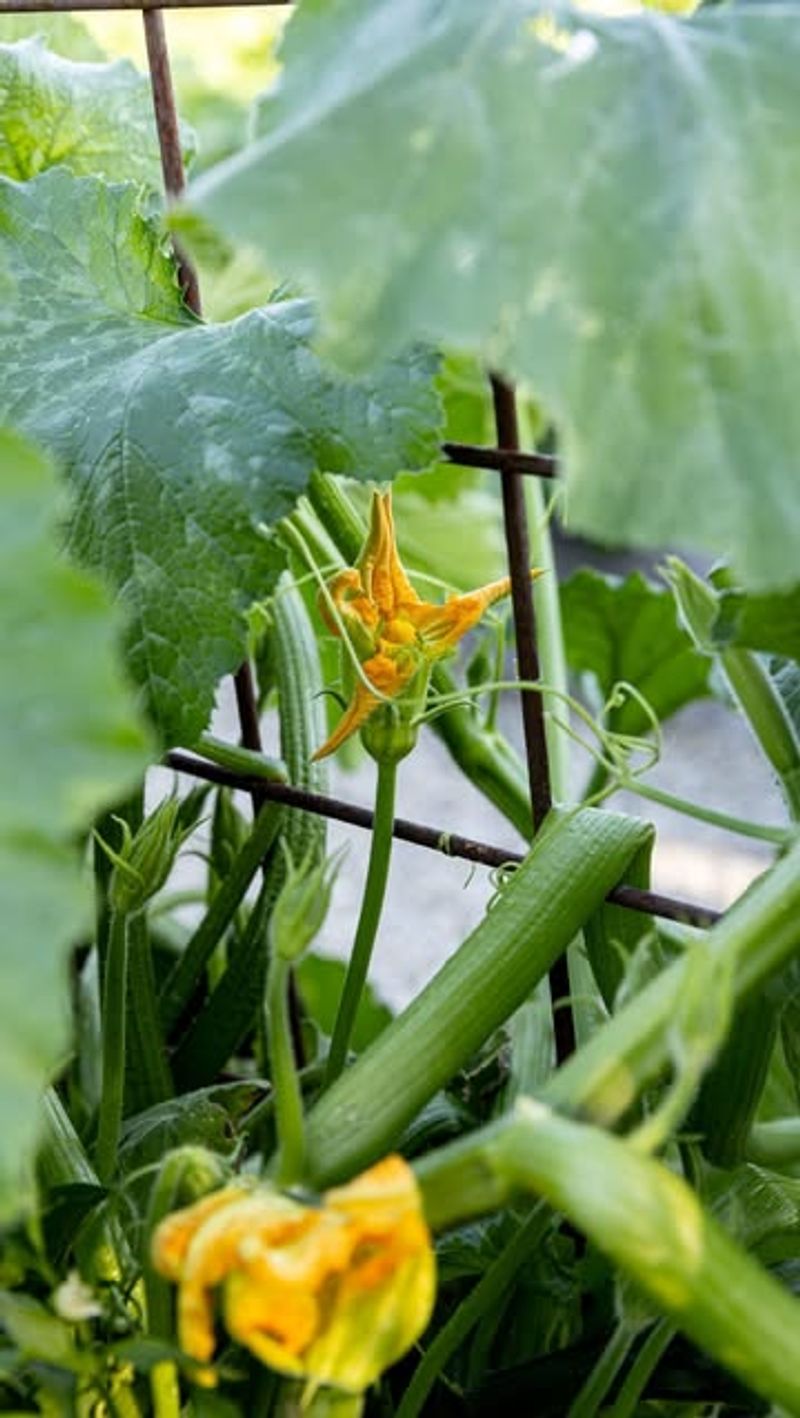
Developing squash need a steady water supply. When they start swelling and putting on size, the plant’s demand for moisture goes way up.
Letting the soil dry out at this stage is one of the fastest ways to end up with cracked, bitter, or stunted squash. Aim for about one to two inches of water per week once fruit sets.
In a dry Minnesota summer, that often means supplementing with your hose or drip system several times a week. Stick your finger two inches into the soil near the base of the plant to check moisture levels.
Consistency matters more than volume. Irregular watering, soaking the soil one day and letting it go bone dry the next, causes stress that shows up in the fruit.
Wet foliage invites powdery mildew, which is already a common problem in humid Midwestern summers. A soaker hose or drip line does this job beautifully and saves water at the same time.
Early morning is the best time to water. The roots soak it up before the afternoon heat evaporates it, and any splash that hits the leaves dries off quickly in the sun.
Keeping up with watering as your squash plants start setting fruit sets the foundation for everything else. A well-hydrated plant handles heat, pests, and disease far better than a thirsty one ever could.
4. Switch To A Low-Nitrogen Fertilizer
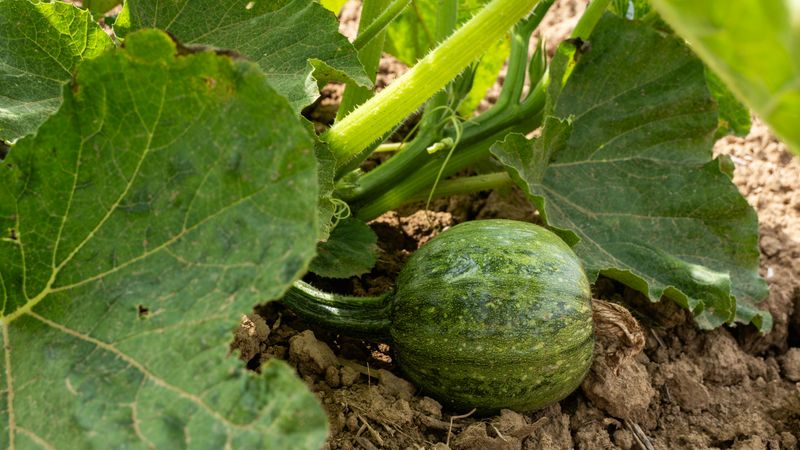
Nitrogen is great for leaves. It is what makes your squash plant explode into that massive, leafy monster you see in midsummer.
But once fruit sets, too much nitrogen becomes a problem.
High-nitrogen fertilizer tells the plant to keep growing foliage instead of pouring energy into the fruit. You end up with a gorgeous green plant and squash that never quite bulk up the way you hoped.
The leaves win, and the harvest loses. Once you see fruit forming, switch to a fertilizer with a lower first number and higher second and third numbers.
A 5-10-10 blend, for example, delivers the phosphorus and potassium that ripening fruit actually needs. These nutrients support strong cell walls, good flavor, and healthy skin on your squash.
Apply the fertilizer according to the package directions. More is not better here.
Over-fertilizing can burn roots and stress the plant at a critical time. A light, steady feeding every two to three weeks works for most gardens, but always follow your soil test results or the product label.
Organic options like bone meal and kelp meal work well too. They release nutrients slowly, which reduces the risk of overdoing it.
Compost worked gently into the soil surface also feeds the plant without the risk of chemical burn. Making this switch at the right moment is one of the most impactful adjustments you can make when your Minnesota squash plants start setting fruit.
Small changes in nutrition at this stage lead to noticeably bigger and tastier squash by harvest time.
5. Add Mulch To Lock In Soil Moisture
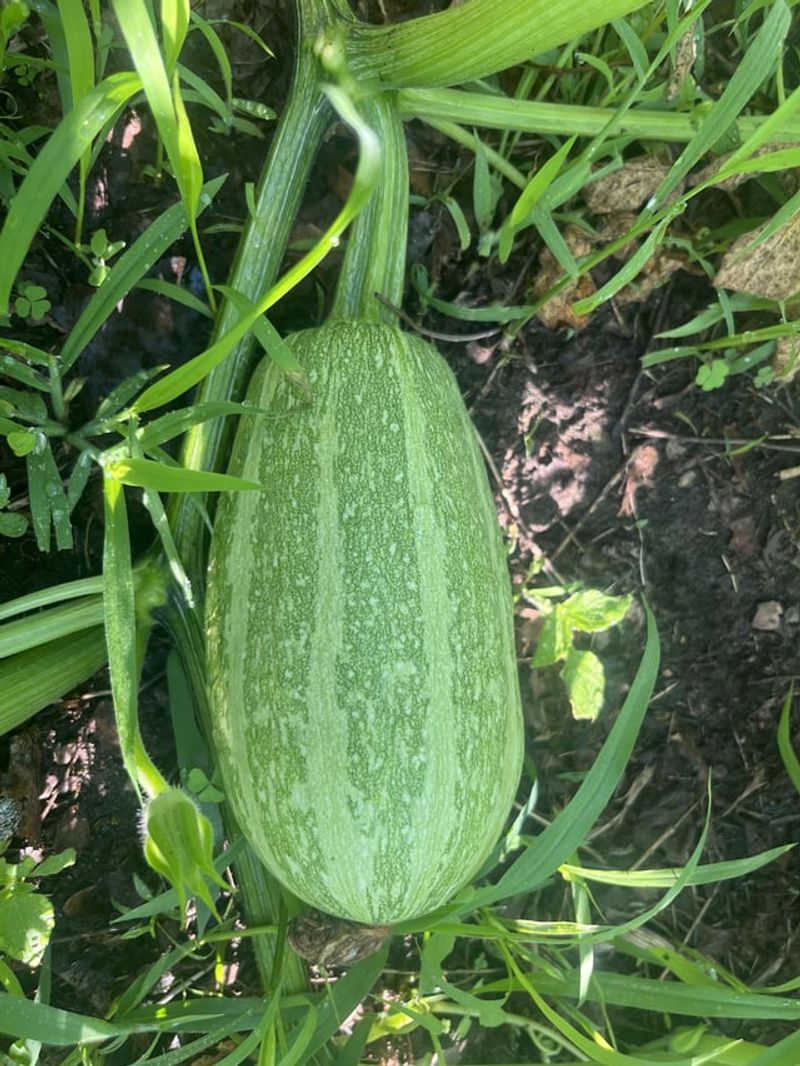
Bare soil in a squash patch is a missed opportunity. Without a layer of mulch, moisture evaporates fast, soil temperatures swing wildly, and weeds pop up to compete with your plants for nutrients.
Spreading two to three inches of straw, wood chips, or shredded leaves around your squash plants solves all of those problems at once. Mulch acts like a blanket, holding moisture in the soil so you do not have to water as often.
In Minnesota, summer can flip from hot and dry to cool and wet within a single week. Mulch smooths out those swings and keeps the root zone comfortable when the weather gets weird.
Keep the mulch a few inches away from the main stem of the plant. Mulch pressed right against the stem can trap moisture and cause rot at the base.
A small gap of three to four inches around the stem is all you need.
Organic mulches also break down slowly and feed the soil as they decompose. By the end of the season, that straw or those wood chips become part of your garden bed, improving the soil structure for next year too.
Add mulch right after fruit sets, the soil is warm, the plant is actively growing, and every squash on that vine needs stable conditions to size up properly. Simple step, big payoff.
6. Check For Pests And Disease More Frequently
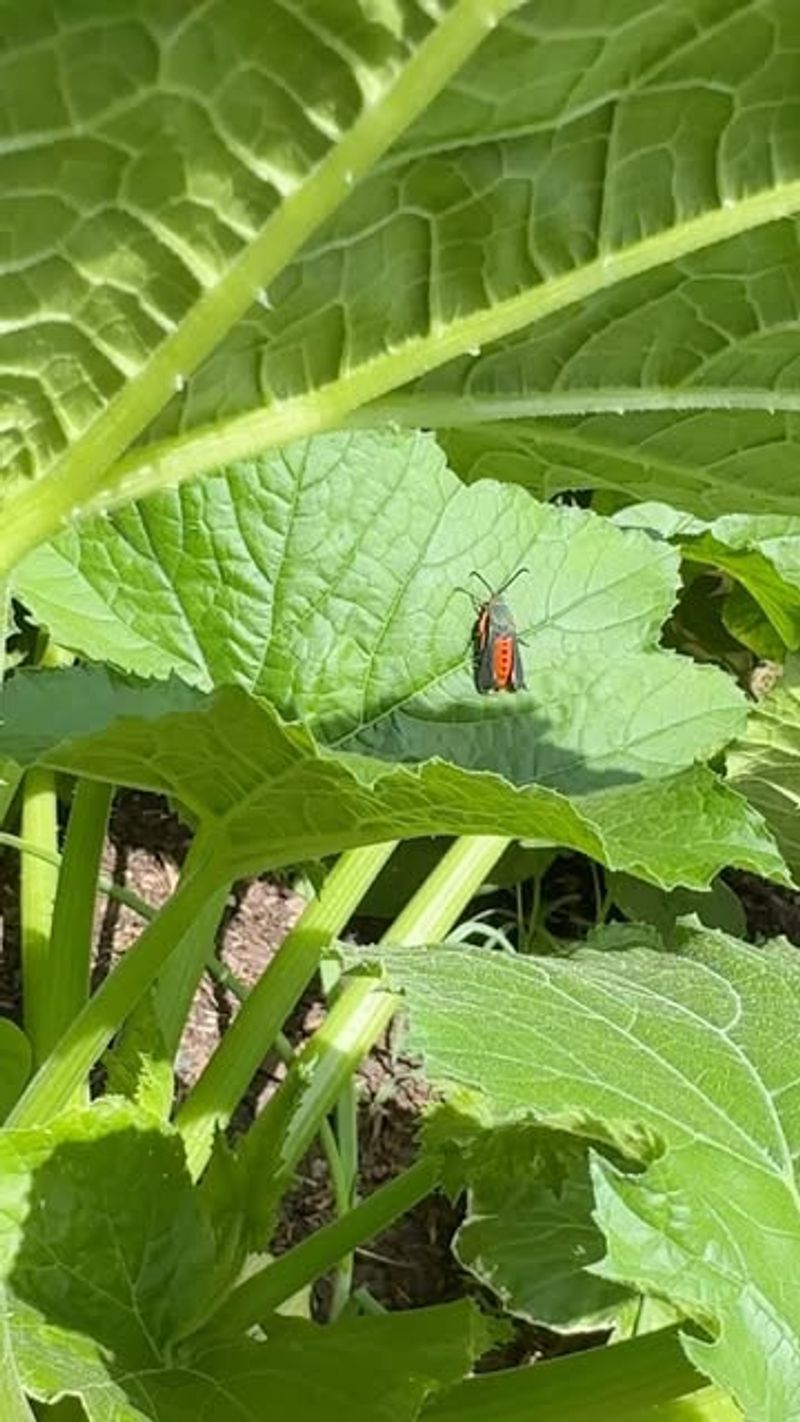
Squash plants in full fruit-set mode are magnets for trouble. Squash vine borers, cucumber beetles, aphids, and powdery mildew all seem to show up right when your plants are at their most productive.
The timing is infuriating but predictable. Start checking your plants every two to three days instead of once a week.
Flip leaves over and look at the undersides where insects like to hide and lay eggs. Scan the base of the stems for frass, which is the sawdust-like droppings that indicate vine borer activity.
Catching problems early makes a massive difference. A small aphid cluster is easy to knock off with a strong stream of water.
A full-blown infestation weeks later is a much harder fight. The same logic applies to powdery mildew, that white powdery coating that spreads fast in warm, humid conditions.
If you spot mildew early, remove the affected leaves and improve airflow around the plant. A diluted baking soda spray may help slow the spread on remaining leaves.
Do not let infected foliage sit on the ground near the plant. For beetles and borers, row cover fabric works well earlier in the season but needs to come off once flowers open for pollination.
At the fruit-set stage, hand-pick beetles and check for borer entry points every single day. Miss a week and damage can escalate quickly.
Minnesota’s season is too short to let pests win.
7. Prop Up Heavy Fruit To Prevent Vine Damage
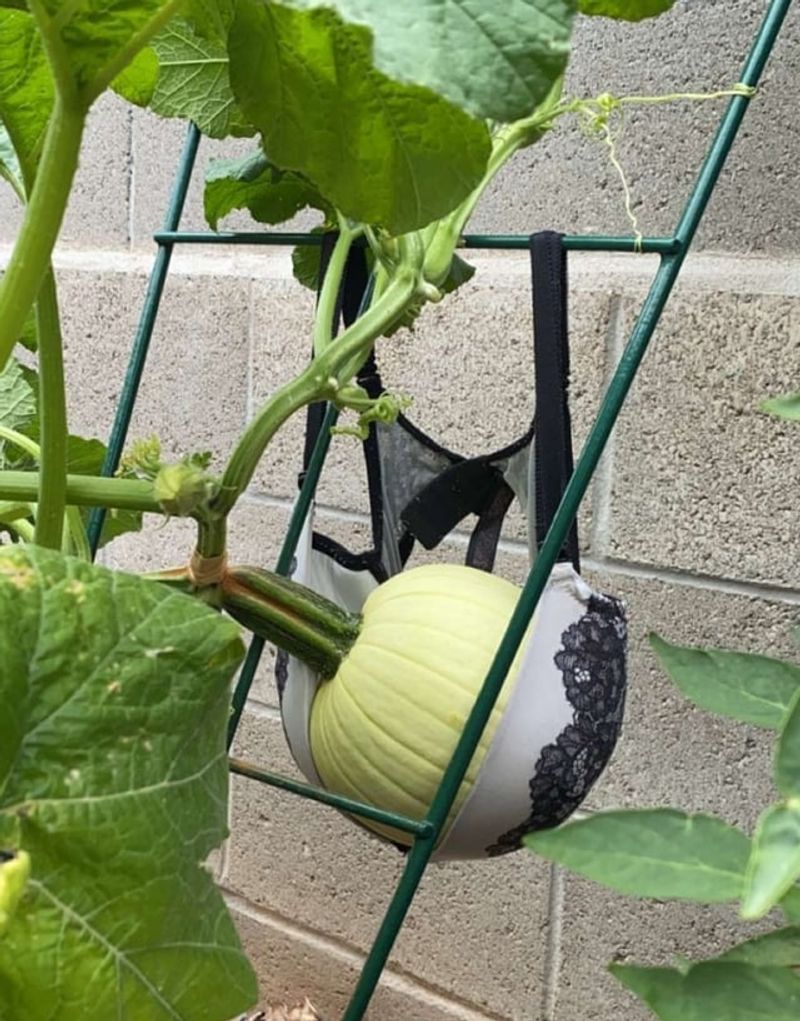
A big squash sitting directly on wet soil is asking for trouble. Moisture trapped under the fruit softens the skin, encourages rot, and can pull the vine sideways in ways that stress or snap the stem connection.
Slip a piece of cardboard, a small board, or a flat stone under each developing fruit to lift it off the ground. It takes about two minutes per squash and it is worth every second.
This simple move improves airflow under the squash, keeps the skin dry, and prevents that soft, discolored patch that forms on the side touching wet soil.
It also makes the fruit easier to check for rot or pest damage since you can see all sides clearly. For squash growing on a trellis or climbing a fence, small mesh bags or pantyhose tied to the support structure work as a cradle for the fruit.
The bag carries the weight so the stem does not have to. Heavy squash on vertical vines can tear free from the plant if left unsupported.
Acorn squash and smaller varieties need less propping than something like a giant Hubbard or a thick butternut. Use your judgment based on size and the condition of the soil beneath.
Getting your Minnesota squash plants start setting fruit stage right means thinking ahead. A little support now prevents a lot of heartbreak when you go out one morning and find a beautiful squash rotting on the ground.
8. Stop Planting New Seeds And Let The Plant Focus
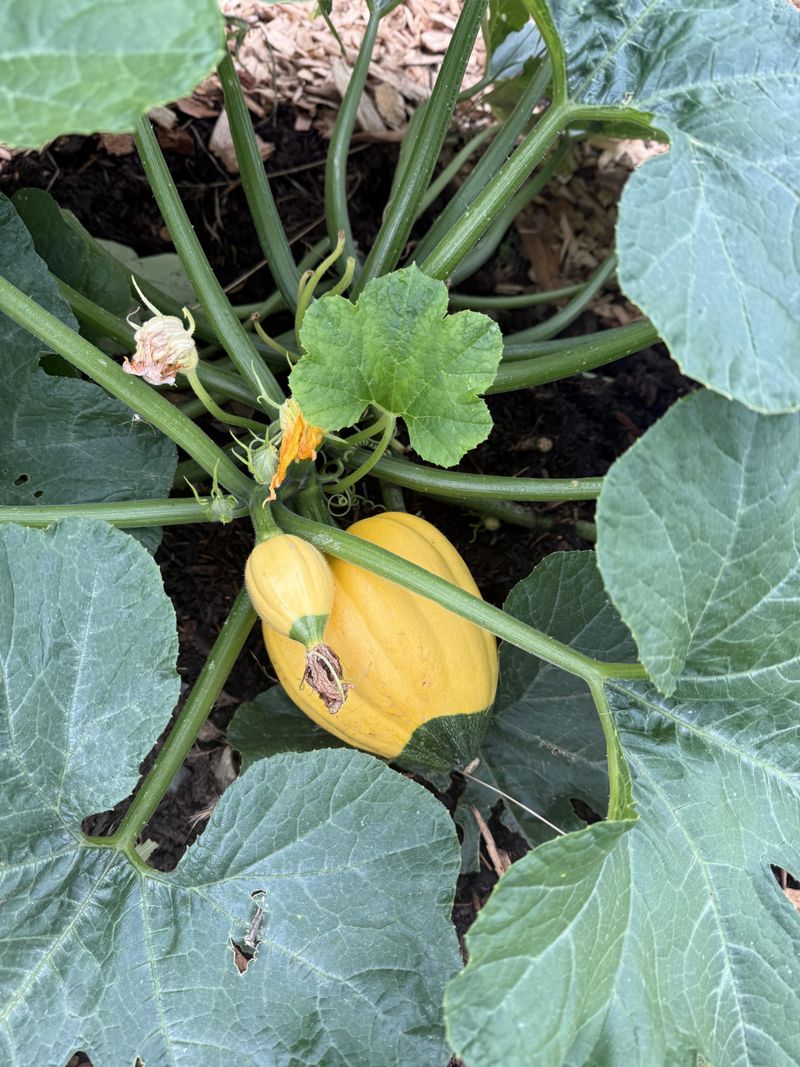
There is a moment in summer when more feels like better. You look at a bare patch of soil and think, why not squeeze in one more round of squash seeds?
Here is the honest truth: that impulse can cost you.
New seedlings started now will not reach harvest before frost. Focus on the plants already setting fruit and let them finish strong.
Your energy is better spent on the plants already doing the work. Every hour spent on new seedlings is an hour you are not giving to the squash already on the vine.
Letting your plant focus also means stopping any aggressive pruning of healthy leaves. Think of them as the engine powering every squash on the vine.
Remove too many this late in the season and you slow everything down right when the plant needs to run at full speed. If you have extra seeds burning a hole in your pocket, save them for next spring.
Squash seeds stored in a cool, dry place stay viable for three to four years, and there will always be another season.
As your Minnesota squash plants start setting fruit and move toward harvest, the best thing you can give them is your full, undivided attention. Focus is the final ingredient that turns a good garden season into a great one.