These Are The Arizona Garden Pests That Explode During Monsoon Season And How To Stay Ahead
Arizona gardeners spend months dealing with scorching heat and bone-dry conditions, and then the monsoon arrives and everything flips overnight.
The rain is wonderful, the temperatures drop just enough to feel human again, and the garden suddenly explodes with new growth.
It’s genuinely one of the best times of year. Unfortunately, you are not the only one who noticed.
Garden pests love monsoon season just as much as you do, maybe even more.
The combination of humidity, moisture-soaked soil, dense foliage, and rapid plant growth basically sends out a welcome signal to every bug, beetle, and creepy crawly in the greater Sonoran Desert area.
And they show up fast. Knowing which pests tend to surge during Arizona’s monsoon window and what early trouble actually looks like can save your vegetables and fruiting crops before things get out of hand.
1. Squash Bugs Build Up On Summer Vines
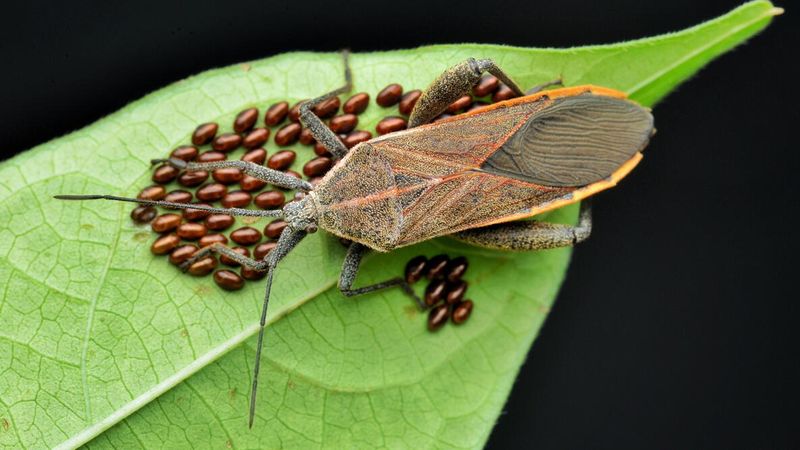
Walking through a summer vegetable bed after a good monsoon rain, you might flip a squash leaf and find a cluster of bronze-colored eggs neatly arranged in rows.
That is a squash bug situation starting to take shape, and catching it early makes a real difference.
These flat, gray-brown insects feed on squash, zucchini, and pumpkin vines, drawing out plant fluids and causing wilting that can spread quickly through an entire plant.
In Arizona, squash bugs can be especially persistent because warm soil and dense vine growth give them sheltered spots to hide and lay eggs throughout the summer. Monsoon humidity does not slow them down much.
Adults and nymphs both feed, and large groups can weaken a vine faster than most gardeners expect.
Checking the undersides of leaves two to three times per week is one of the most effective steps you can take. Remove egg clusters by hand or scrape them off with a butter knife.
Clear away damaged leaves and garden debris where adults like to shelter overnight. Row covers used early in the season can reduce how many adults reach the plants in the first place.
Keeping vines off the ground with simple supports also helps reduce hiding spots near the soil.
2. Stink Bugs And Leaf-Footed Bugs Target Fruiting Crops
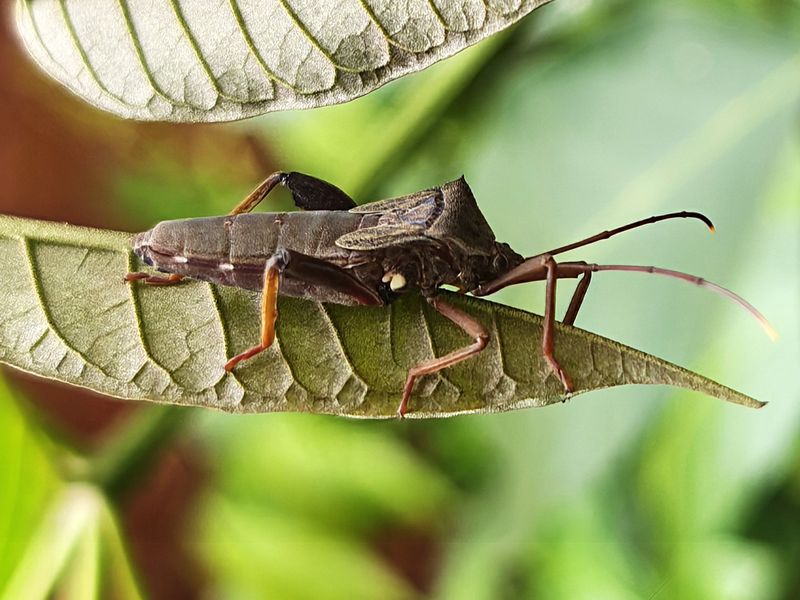
Tomatoes, peppers, pomegranates, and squash all become targets when stink bugs and leaf-footed bugs move through an Arizona garden during monsoon season.
Both insects use a piercing mouthpart to feed directly on developing fruit, leaving behind small discolored spots, pithy patches beneath the skin, and sometimes a bitter taste in the flesh.
The damage is not always obvious from the outside, which makes these pests easy to overlook until you cut into a tomato and find cloudy, mealy spots inside.
Leaf-footed bugs are easier to identify because of the flattened, leaf-like flares on their hind legs. Stink bugs are shield-shaped and release a strong odor when disturbed.
Both tend to cluster on fruiting crops and can move between garden beds and nearby weedy areas with ease.
Monsoon-season weed growth along fence lines and garden edges gives them both shelter and alternative food sources that keep populations nearby.
Your Arizona Garden Changes Every Week. Your Plan Should Too.
Gardening in Arizona changes quickly throughout the season. Every Friday you’ll receive a simple weekly plan showing exactly what to plant, prune, fertilize, harvest, and protect so you never miss the right timing.
Monitoring fruiting crops daily during peak monsoon weeks helps catch these insects before fruit damage spreads. Hand removal into a container of soapy water works reasonably well for small numbers.
Reducing weedy borders near the garden limits their movement into beds. Keeping fruit picked promptly once ripe also removes a key attractant that draws more insects in.
3. Grasshoppers Move In From Weedy Edges
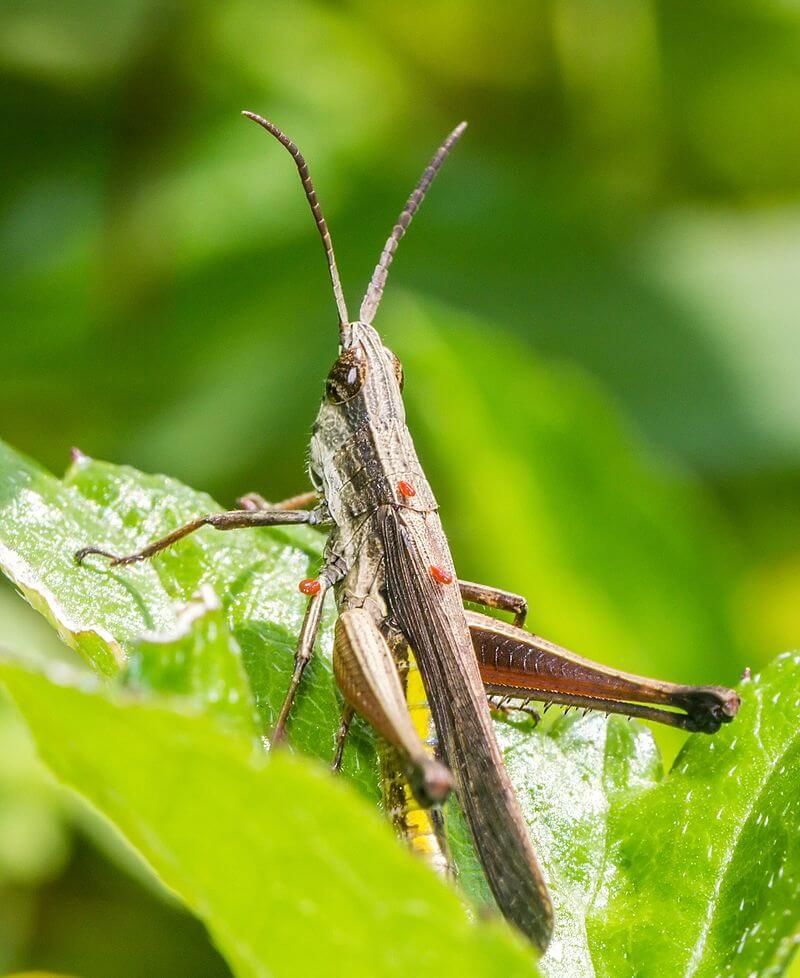
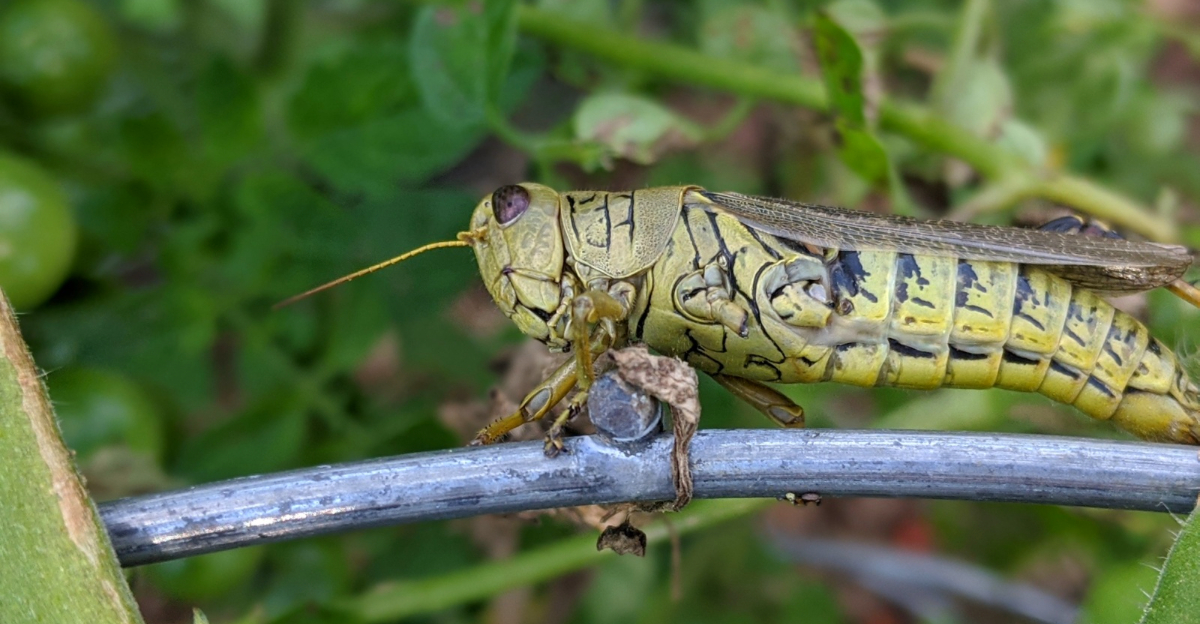
Few garden visitors are as bold and fast-moving as grasshoppers, and Arizona gardeners in low-desert areas know how quickly a small group can strip tender leaves from a pepper plant or bean crop.
Grasshopper populations often build up in weedy areas, vacant lots, and roadsides during early summer, then move into irrigated gardens as nearby vegetation dries out or gets mowed.
The monsoon can temporarily boost weed growth along garden edges, which keeps grasshopper populations well-fed and close by.
Young grasshoppers, called nymphs, are harder to spot but cause real feeding damage as they grow. Adults are more visible and can cover significant ground in a short time.
They feed on a wide range of vegetables including beans, lettuce, corn, squash, and peppers.
In Arizona, some years bring noticeably higher grasshopper pressure than others, often tied to rainfall patterns and how much weedy vegetation is available nearby.
Keeping the borders around your garden mowed or cleared reduces the habitat where grasshoppers breed and shelter. Row covers can protect young transplants during peak grasshopper activity.
Checking plants in the early morning when grasshoppers are slower and cooler makes hand removal more practical. Encouraging natural predators like birds by keeping feeders nearby can also help reduce grasshopper numbers over time in a home garden setting.
4. Tomato Hornworms Blend Into Summer Foliage
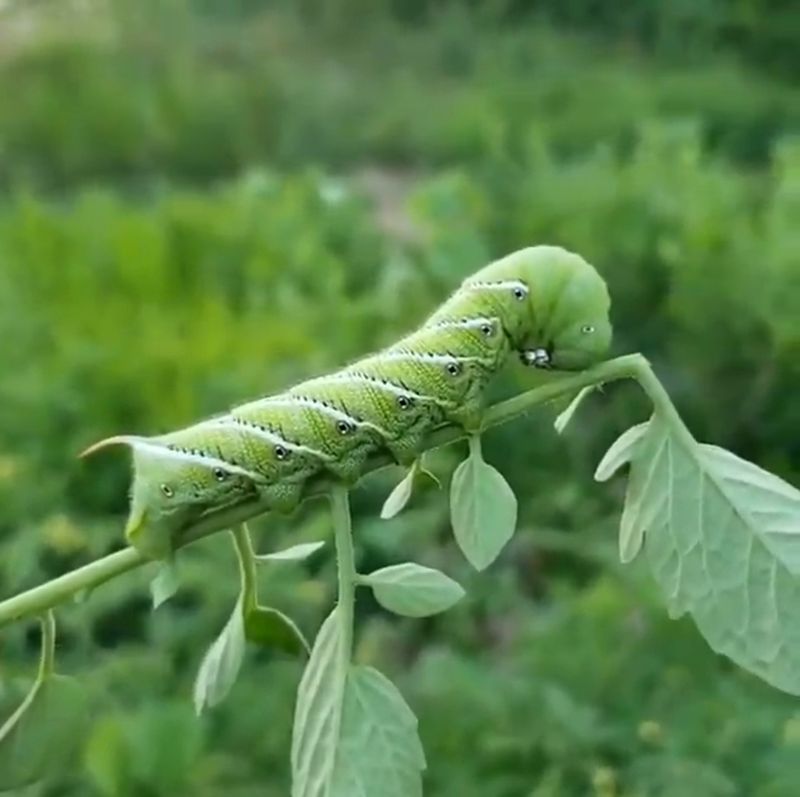
Spotting a tomato hornworm before it does serious damage takes patience, because these caterpillars are genuinely impressive at disappearing against green stems and leaves.
A full-grown hornworm can reach four inches long and still be nearly invisible on a tomato plant until you notice large sections of foliage stripped away or dark green droppings on leaves below.
In Arizona, the summer monsoon period aligns with peak tomato and pepper growth, giving hornworms plenty of lush foliage to feed on.
Hornworms are the larval stage of a large sphinx moth that lays eggs on tomato, pepper, eggplant, and related plants. A single caterpillar can consume a surprising amount of plant material in just a few days.
Damage often starts at the top of the plant where new growth is tender, then moves down as the caterpillar works through available leaves.
Checking plants carefully two to three times per week, including stems and the undersides of leaves, gives you the best chance of finding hornworms before populations grow. Hand removal is practical when numbers are low.
Look for the dark droppings first, then trace upward to find the caterpillar. Parasitic wasps naturally attack hornworms, so avoiding broad-spectrum sprays helps protect those beneficial insects and keeps natural control working in your garden over time.
5. Cucumber Beetles Feed On Tender Cucurbit Growth
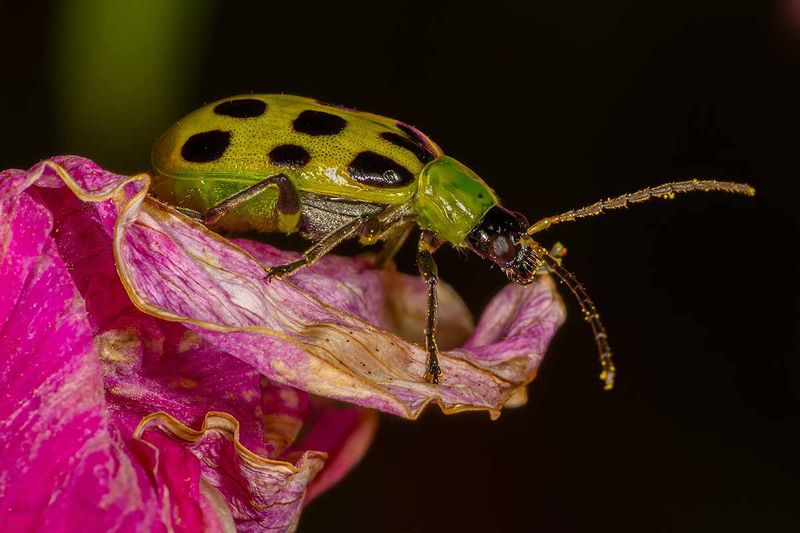
Raised beds full of cucumbers, melons, and squash can attract cucumber beetles quickly once monsoon humidity settles in.
These small, yellow beetles with black stripes or spots show up on flowers, stems, and young leaves, feeding on tender growth and sometimes causing enough damage to slow plant development noticeably.
Beyond the feeding itself, cucumber beetles can also spread bacterial wilt, a disease that moves through plants and causes sudden wilting even when soil moisture seems fine.
In Arizona home gardens, both the striped and spotted cucumber beetle can show up during summer. They tend to be more active during warm, humid stretches, which fits right into the monsoon-season pattern.
Seedlings and young transplants are especially vulnerable, and damage to flowers can reduce fruit set on melons and cucumbers at a time when the garden should be producing well.
Using row covers over young cucurbit plants right after transplanting helps block adult beetles before they establish. Remove covers once flowers appear so pollinators can reach the blooms.
Checking plants in the early morning when beetles are less active makes hand removal more manageable. Keeping the garden area free of old plant debris and weeds reduces overwintering habitat.
Yellow sticky traps placed near cucurbit beds can help you track beetle activity and catch increases in population before damage becomes widespread.
6. Flea Beetles Chew Tiny Holes In Young Leaves
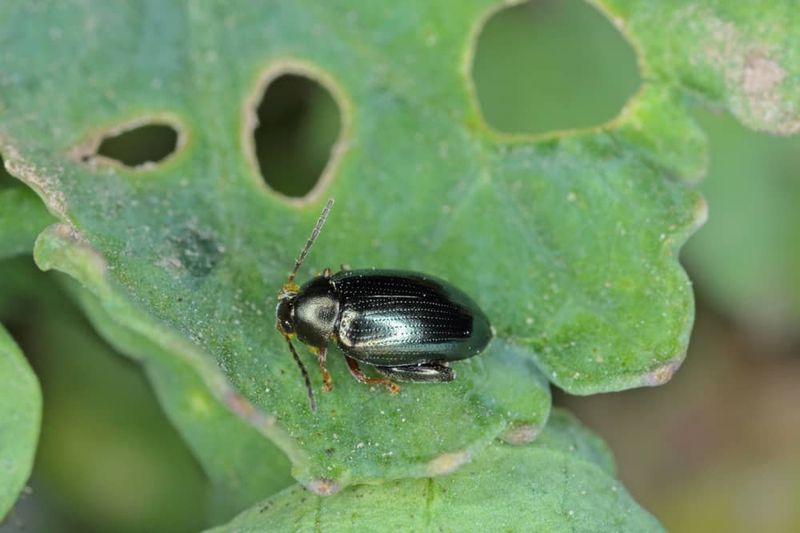
Seedlings and young transplants in an Arizona summer garden can develop a strange look almost overnight, with dozens of tiny round holes scattered across their leaves as though someone used a small hole punch.
That telltale shothole pattern is the work of flea beetles, which are small, shiny, fast-jumping insects that feed on tender leaf tissue and can cause enough damage to seriously set back young plants.
Eggplant, tomatoes, peppers, and leafy greens are among their favorite targets.
Flea beetles tend to be most active during warm weather, and the humidity that comes with Arizona monsoon season does not seem to slow them down much.
Populations can be hard to gauge because the beetles jump quickly when disturbed, making them easy to miss during a casual garden check.
Damage is often noticed before the insects themselves are seen.
Young plants are most vulnerable, so protecting transplants with row covers for the first few weeks after planting gives them time to establish before flea beetle pressure becomes a real issue.
Keeping the garden well-watered and healthy helps plants outgrow minor feeding damage more easily.
Removing weeds from garden borders reduces alternative hosts that keep flea beetle populations nearby.
Sticky yellow traps can help monitor activity levels and give you a sense of whether pressure is building before leaf damage becomes severe on your most vulnerable plants.
7. Cabbage Loopers Show Up As Fall Crops Begin
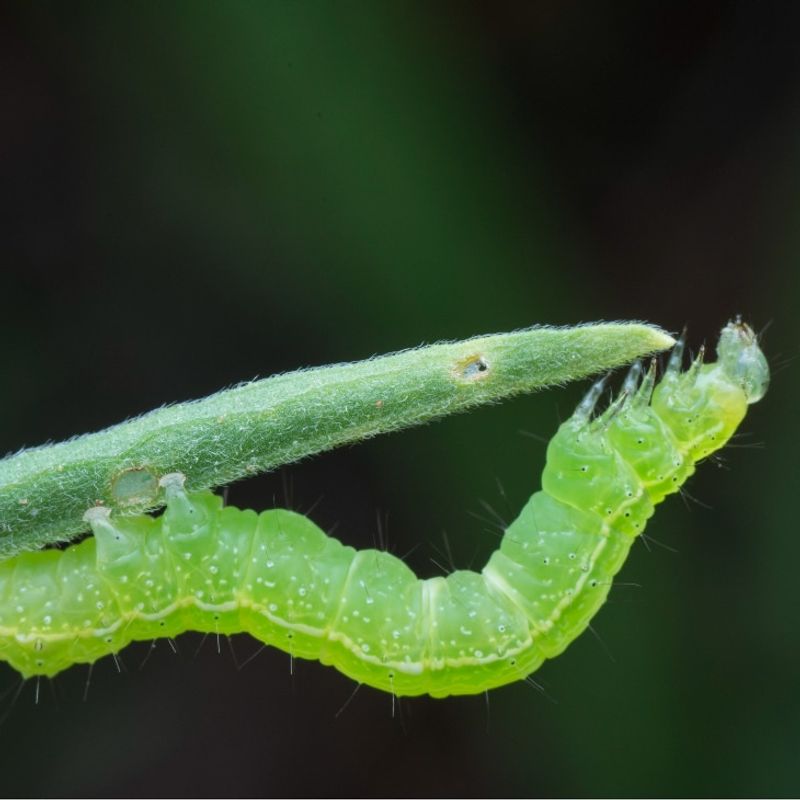
As Arizona gardeners start setting out broccoli, cabbage, and kale transplants in late summer ahead of the fall season, cabbage loopers can already be present and feeding.
These pale green caterpillars move with a distinctive arching, looping motion and feed on the outer leaves of brassicas, sometimes moving into the developing heads of cabbage or broccoli if populations go unchecked.
Late monsoon humidity and warm soil create conditions where adult moths lay eggs freely on brassica crops just getting established.
Cabbage loopers are the larval stage of a small brown moth that can produce multiple generations per year in Arizona’s mild climate. Eggs are laid singly on the undersides of leaves and are small enough to miss during a quick check.
Young caterpillars cause lighter surface feeding at first, but as they grow the damage becomes more obvious, with irregular holes spreading across the leaf surface.
Checking the undersides of leaves on newly planted brassicas once or twice per week helps catch eggs and young caterpillars early. Hand removal is straightforward when numbers are manageable.
Row covers used right after transplanting can block adult moths from reaching plants during the most vulnerable early weeks.
Bacillus thuringiensis, a naturally occurring soil bacterium available as a garden spray, is a widely used option for managing caterpillar pests on edible crops without harming beneficial insects.
8. Beet Leafhoppers Spread Trouble From Nearby Weeds
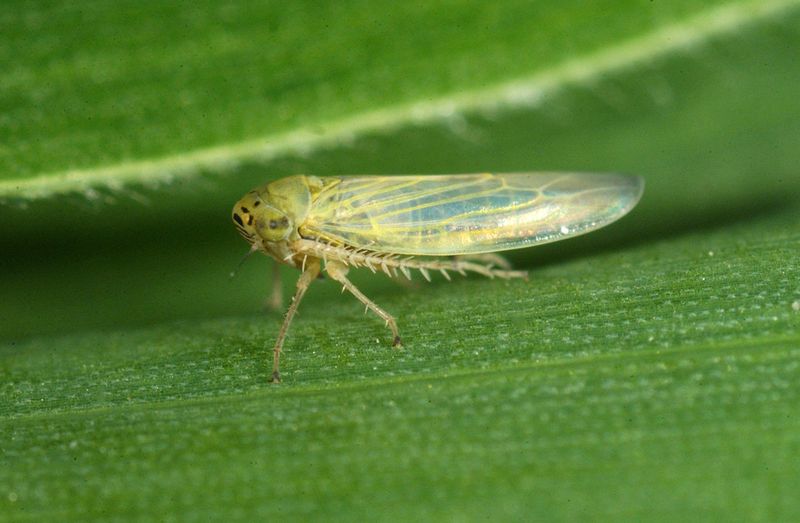
One of the more indirect threats to Arizona vegetable gardens during monsoon season comes from beet leafhoppers, tiny pale green insects that feed on a range of weedy plants before moving into garden beds.
The leafhoppers themselves cause some direct feeding damage, but the bigger concern is that they can carry curly top virus, a plant disease that causes distorted, yellowing, and stunted growth in tomatoes, peppers, beans, and beets.
Monsoon rains that encourage weed growth along roadsides and vacant lots can support leafhopper populations that later migrate into irrigated gardens.
Symptoms of curly top virus can look like other nutrient or water issues at first, which makes early diagnosis tricky. Affected plants may show upward-curling leaves, yellowing, and slowed growth.
Once a plant is infected, recovery is not likely, so prevention and early action matter more than treatment after the fact.
Reducing weedy vegetation near the garden is one of the most practical steps for managing leafhopper pressure. Reflective mulch on beds near susceptible crops can confuse and deter leafhoppers as they approach.
Row covers over young tomato and pepper transplants during peak leafhopper activity can reduce exposure during the most vulnerable growth stage.
Monitoring nearby weed growth and removing it before it becomes dense gives leafhoppers fewer staging areas right next to your vegetable beds.
9. Snails And Slugs Gather In Damp Garden Pockets
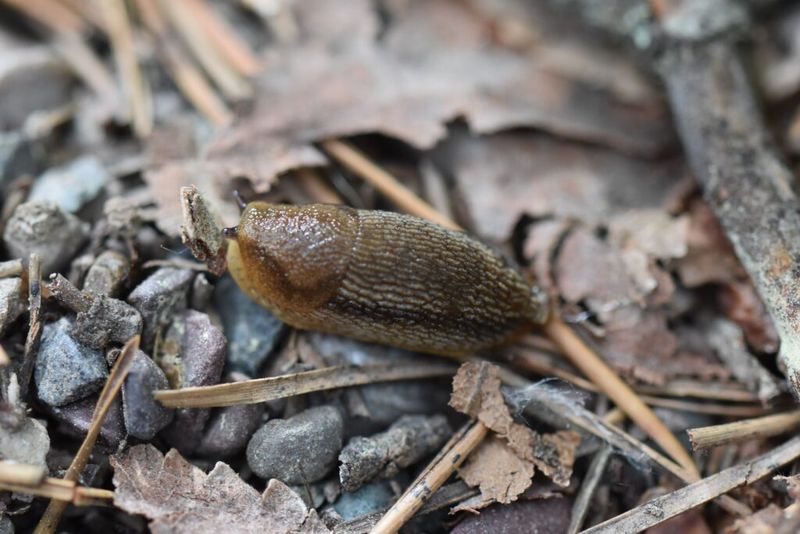
After a strong monsoon rain, shaded corners of an Arizona garden can stay damp for hours, and that moisture is exactly what snails and slugs look for.
These soft-bodied mollusks feed at night and on overcast days, rasping irregular holes in leaves, stems, and even developing fruit close to the ground.
Seedlings are especially vulnerable and can be damaged or completely consumed in a single night by a small group of snails or slugs moving through a moist garden bed.
Snails and slugs are not as commonly associated with Arizona gardens as they are with wetter climates, but irrigated raised beds, container gardens, and areas with thick mulch can create the kind of humid microclimate they need.
During monsoon season, when nighttime humidity rises and rain keeps the soil surface wet, their activity can increase noticeably compared to drier months.
Checking the garden at night with a flashlight is one of the most reliable ways to find snails and slugs when they are actively feeding. Remove them by hand and drop them into soapy water.
Reducing dense mulch layers near the base of young plants limits daytime hiding spots. Copper tape around raised bed frames and containers can deter movement.
Avoiding late evening irrigation when possible keeps the soil surface drier overnight, making conditions less welcoming for these moisture-loving garden visitors.