The Fix Georgia Homeowners Are Using For Bare Lawn Patches In Shade
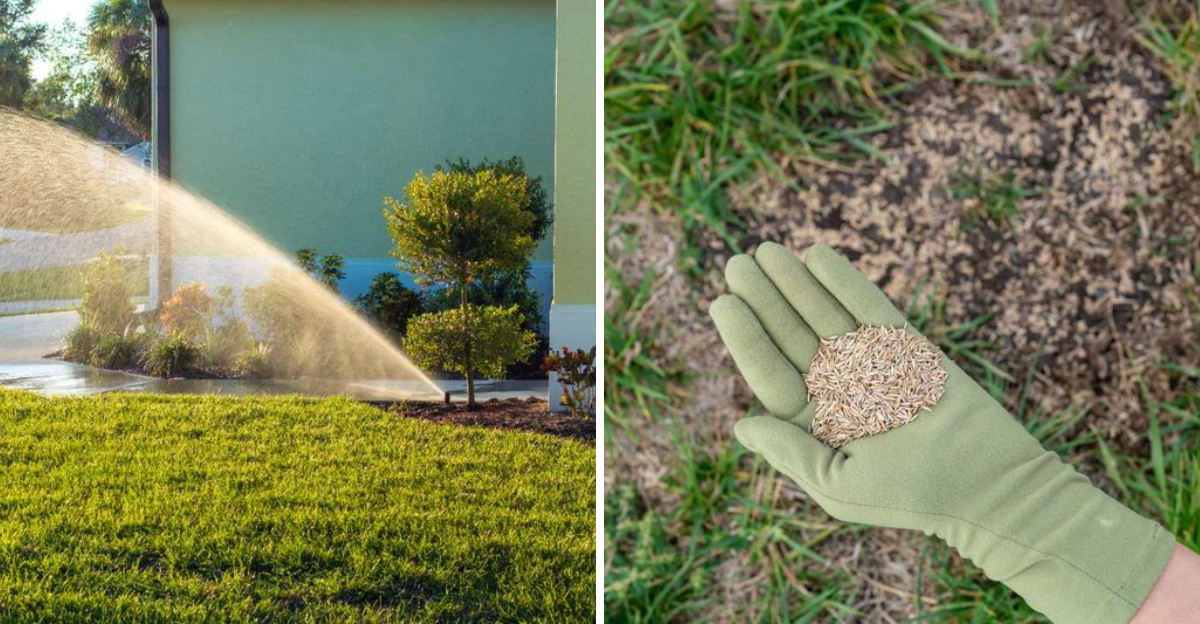
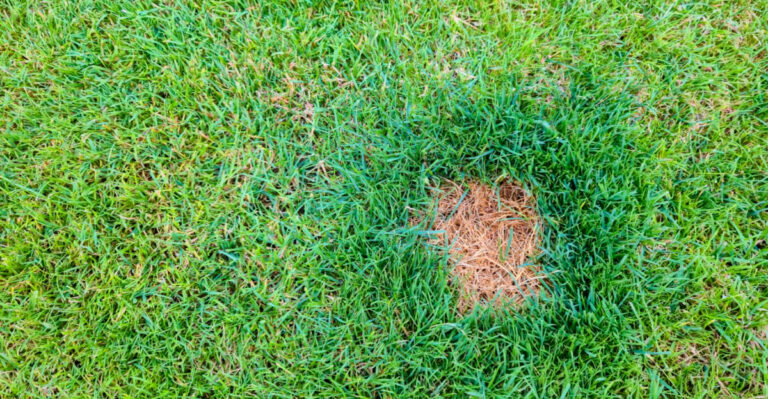
One patch of bare ground is all it takes to make an entire lawn look unfinished.
Plenty of yards have that one stubborn area that never seems to fill in, even after fresh seed, extra water, and plenty of patience.
Keep throwing the same fix at it, and next summer will probably look no different. Georgia homeowners are getting better results by treating shade as part of the solution instead of treating it like the problem.
That shift changes everything. Grass is not always the best answer for every corner of the yard.
Choosing an option that actually fits the conditions can turn an eyesore into one of the healthiest-looking parts of your landscape. Sometimes the smartest lawn fix means thinking beyond more grass.
1. Plant Shade Tolerant Ground Covers Instead
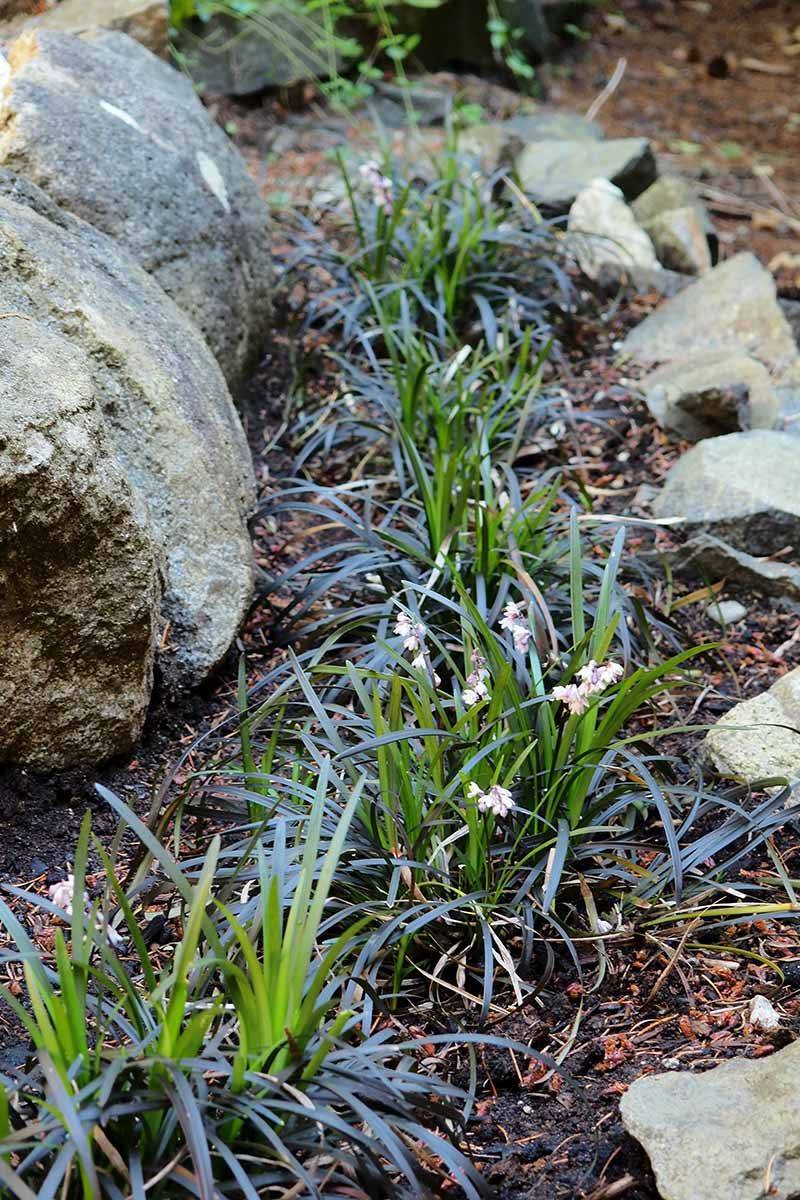
Grass is not the only option for bare patches under trees. Shade-tolerant ground covers often outperform grass in low-light spots and fill in quickly once established.
Liriope, also called monkey grass, is one of the most popular choices across the Southeast. It handles deep shade, clay soil, and summer heat without much fuss.
Mondo grass is another solid pick that stays low, spreads steadily, and rarely needs mowing.
Creeping Jenny and wild ginger work well too, especially in moist shaded areas. Ajuga is another tough option that produces purple flowers in spring and spreads on its own over time.
Before planting, loosen the soil at least six inches deep. Compacted ground under trees slows root development significantly.
Mix in a bit of compost to give new plants a better start.
Space plants according to the label directions. Crowding them does not speed up coverage and can cause moisture problems.
Water consistently through the first growing season to help roots settle in.
Ground covers do require some upkeep, but far less than trying to maintain struggling grass in deep shade.
Once established, most varieties spread on their own and rarely need much attention beyond occasional trimming around borders.
2. Choose Grass Varieties That Handle Less Sunlight
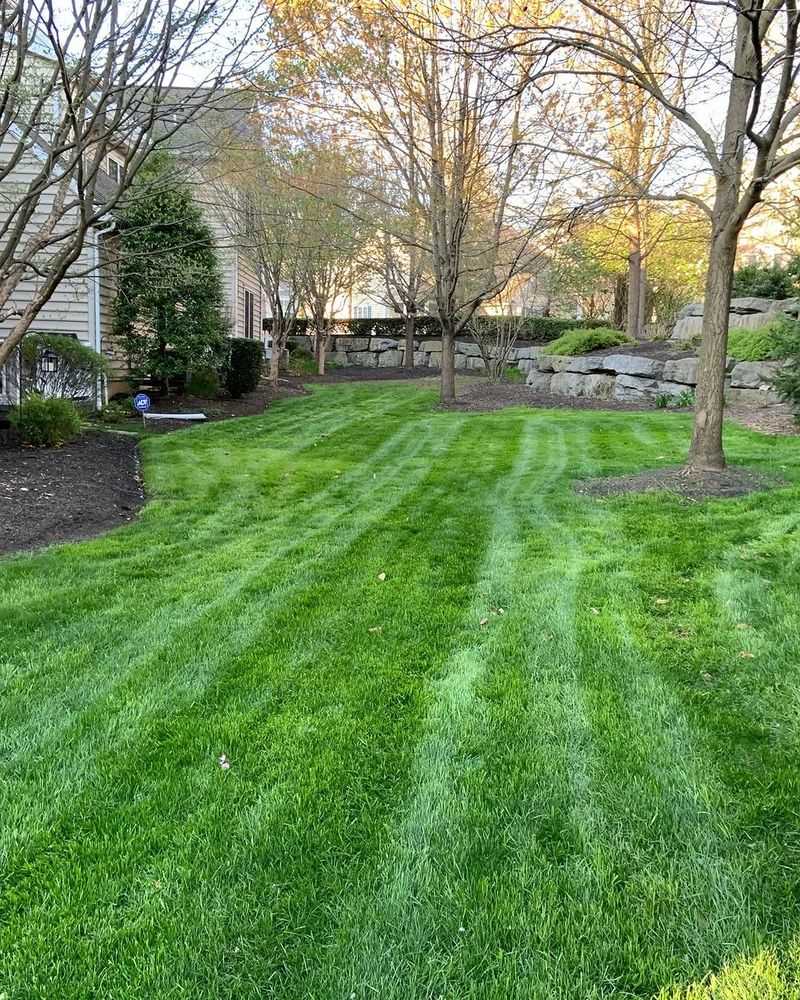
Not every grass variety gives up when sunlight gets limited. Some types are bred specifically to stay green and dense in lower light conditions, and picking the right one matters more than most people realize.
Fine fescue is one of the best options for shaded lawns in the Southeast. It handles partial shade better than warm-season grasses like Bermuda or Zoysia, which need at least six hours of direct sun to perform well.
St. Augustine grass, particularly the Palmetto variety, tolerates moderate shade better than most warm-season options.
It spreads through stolons and can fill in thin areas reasonably well if given time and consistent moisture.
Shade-tolerant Zoysia cultivars like Zeon or Palisades also show improved performance in filtered light compared to standard types. Results can vary depending on soil conditions and how dense the canopy above is.
Reseeding or resodding with a shade-tolerant variety works best when done in early fall for cool-season types or late spring for warm-season options. Timing the planting correctly gives roots the best chance to establish before temperature extremes arrive.
Your Georgia Garden Changes Every Week. Your Plan Should Too.
Gardening in Georgia changes quickly throughout the season. Every Friday you’ll receive a simple weekly plan showing exactly what to plant, prune, fertilize, harvest, and protect so you never miss the right timing.
Matching the grass variety to the actual shade level in your yard is the first step.
A lawn professional or local extension office can help identify what grows reliably in your specific conditions.
3. Improve Soil Conditions In Bare Areas
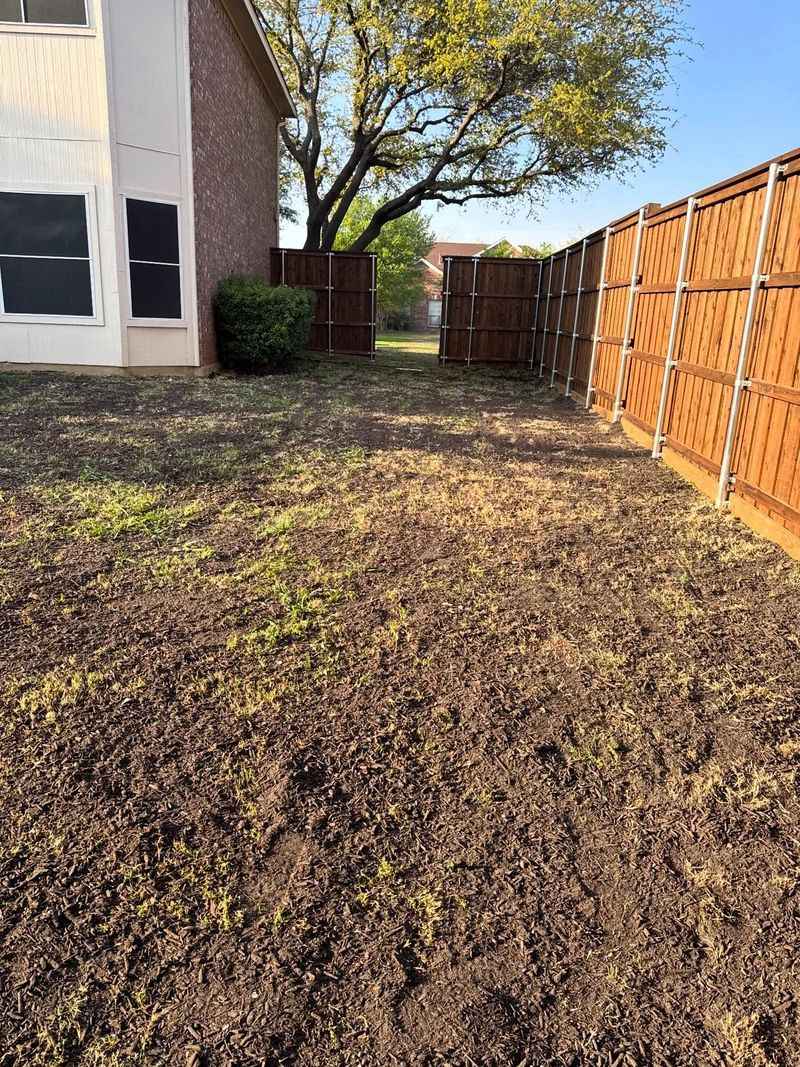
Bare patches in shade are not always about light alone. Soil under large trees is often compacted, nutrient-poor, and full of competing roots that leave grass with very little to work with.
Start by testing the soil before adding anything. A basic soil test from a local extension office costs very little and tells you exactly what is missing.
Adjusting pH and nutrient levels based on actual data beats guessing every time.
Compaction is a major problem under trees. Foot traffic, heavy rainfall, and tree root competition all press the soil together over time.
A core aerator pulls small plugs from the ground and opens up space for air, water, and nutrients to move through.
After aerating, topdress the area with a thin layer of compost. Spread about a quarter inch across the bare patch and work it lightly into the existing soil surface.
Compost improves drainage in clay-heavy soils and helps sandy soils hold moisture longer.
Avoid piling soil or mulch directly against tree trunks. Excess buildup around the base can cause problems for the tree over time.
4. Adjust Watering For Shaded Lawn Sections
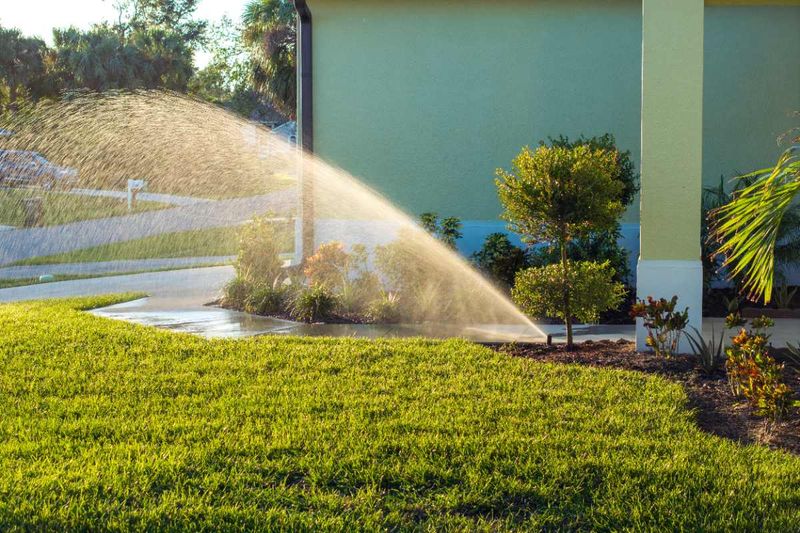
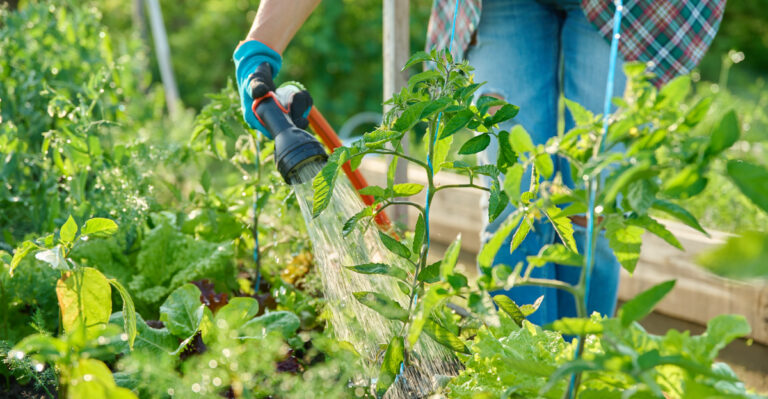
Shaded areas and sunny spots in your yard do not need the same amount of water. Watering both zones the same way is one of the most common mistakes homeowners make.
Grass growing in shade uses less water than grass in full sun because evaporation slows down significantly when direct sunlight is blocked.
Overwatering shaded areas encourages shallow roots, fungal growth, and weak turf that struggles to fill in bare spots.
Reduce irrigation frequency in shaded zones by roughly a third compared to sunny areas. Check the soil moisture before watering by pressing a finger about two inches into the ground.
If it still feels damp, hold off another day or two.
Water in the early morning rather than at night. Morning watering gives the soil time to absorb moisture before temperatures rise, and foliage dries out faster, which reduces the chance of fungal problems taking hold.
Drip irrigation or soaker hoses work well under trees because they deliver water directly to the root zone without wetting foliage. That approach also avoids wasting water on areas where it will not be absorbed efficiently.
Sprinkler systems with separate zones for shaded and sunny areas give you much better control.
If your system treats the whole yard as one zone, adjusting run times manually for different sections can make a real difference in how well shaded grass holds up through summer.
5. Manage Shade From Overhanging Branches
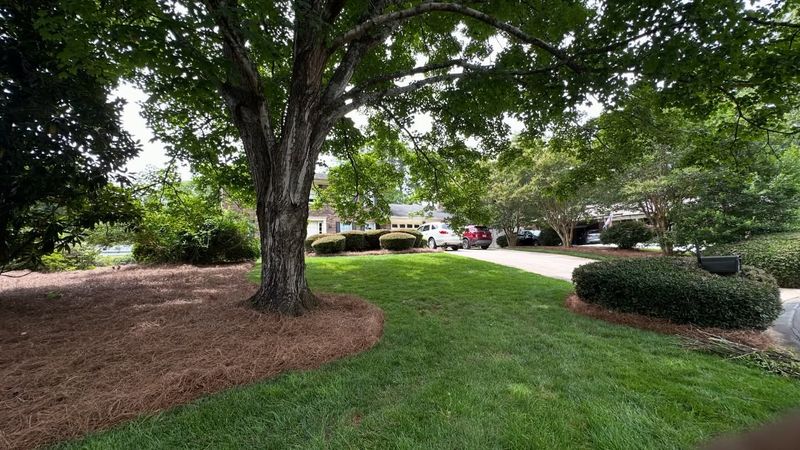
Sometimes the shade problem is fixable from above. Overhanging branches that block sunlight can often be pruned back enough to let more light reach the ground without removing the tree entirely.
Crown thinning is the process of selectively removing interior branches to allow more filtered light through the canopy.
It does not change the shape of the tree dramatically, but it can increase light penetration by a meaningful amount depending on the tree species.
Raising the crown by removing lower limbs is another option. Cutting branches that hang close to the ground opens up the sides of the space below and allows low-angle morning and afternoon light to reach the lawn.
Hire a certified arborist for any significant pruning work. Improper cuts can harm the tree and create entry points for pests and disease.
A professional knows how much to remove safely and when to do it based on the tree species and time of year.
Not every tree responds the same way to pruning. Dense evergreens like hollies or magnolias may not open up much even with significant trimming.
Deciduous trees like oaks and maples typically respond better and can provide noticeably more light after a proper crown thinning.
Even a modest increase in light can make a difference for struggling grass or new ground covers trying to establish in previously dark spots.
6. Add Organic Matter To Support New Growth
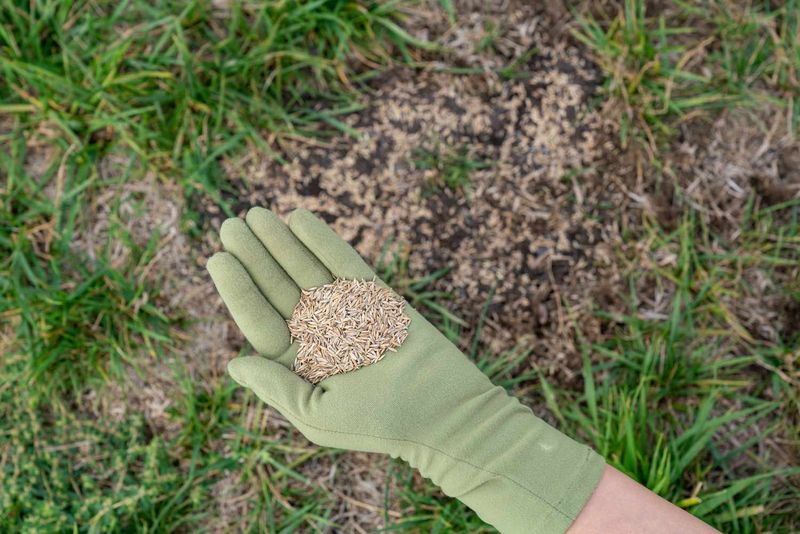
Organic matter is one of the most practical tools for fixing struggling soil in shaded areas. It improves structure, feeds soil biology, and helps new plants establish without relying heavily on synthetic inputs.
Compost is the most accessible option for most homeowners. Spread a half-inch layer over bare patches and work it gently into the top inch of soil with a rake.
Avoid going deeper than that near tree root zones to prevent root damage.
Shredded leaves are another excellent organic option, especially in wooded yards where they are already plentiful. Run dry leaves through a mower to break them down, then spread a thin layer over the bare area.
As they break down, they feed the soil naturally.
Worm castings are a concentrated organic amendment worth adding in small amounts. Mix them into the top layer of soil before seeding or planting ground covers.
They improve microbial activity and help roots access nutrients more efficiently.
Avoid using fresh wood chips directly on lawn areas where you plan to grow grass or ground covers. Fresh chips can temporarily tie up nitrogen in the soil as they break down, which slows plant growth during the early establishment phase.
Organic matter additions work gradually, not instantly.
Consistent applications over one or two growing seasons tend to produce more lasting improvements than a single heavy treatment applied all at once.
7. Maintain Higher Mowing Heights In Shade
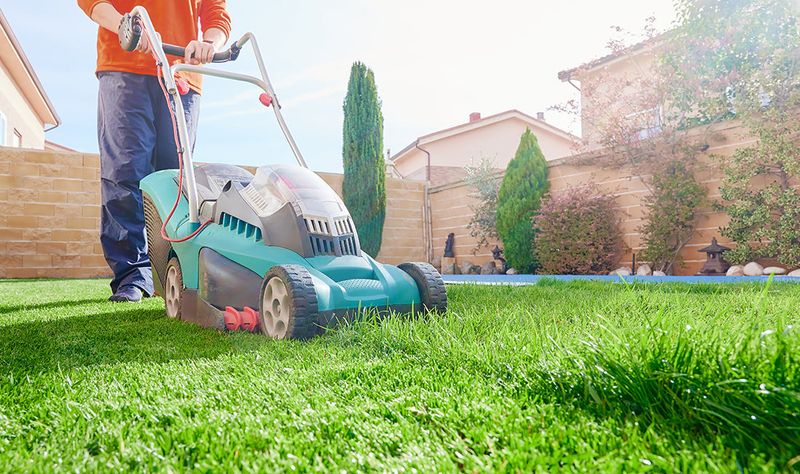
Cutting grass short in shaded areas makes an already difficult situation worse. Taller grass blades capture more of the limited light available, which gives the plant more energy to stay healthy and fill in thin spots.
Most lawn care guides recommend mowing at the highest setting when dealing with shaded turf.
For warm-season grasses like St. Augustine, keeping the height at around four inches in shaded areas can make a noticeable difference compared to cutting at two or three inches.
Taller grass also shades the soil surface, which helps retain moisture between waterings. In shaded spots that already tend to stay damp, this can sometimes increase fungal risk, so balance is important based on your specific conditions.
Avoid removing more than a third of the blade height in a single mowing session.
Cutting too much at once stresses the grass and slows recovery in areas where growth is already sluggish due to low light.
Keep mower blades sharp throughout the mowing season. Dull blades tear grass instead of cutting it cleanly, which leaves ragged edges that lose moisture faster and invite disease in stressed turf areas.
Across Georgia, shaded lawns under large oaks and pines especially benefit from higher mowing heights during the hottest months.
Combining proper mowing height with good watering habits gives struggling shaded grass a much better chance of staying dense through summer.