Why You Should Stop Fertilizing Your St. Augustine Lawn During The Texas Summer Heat
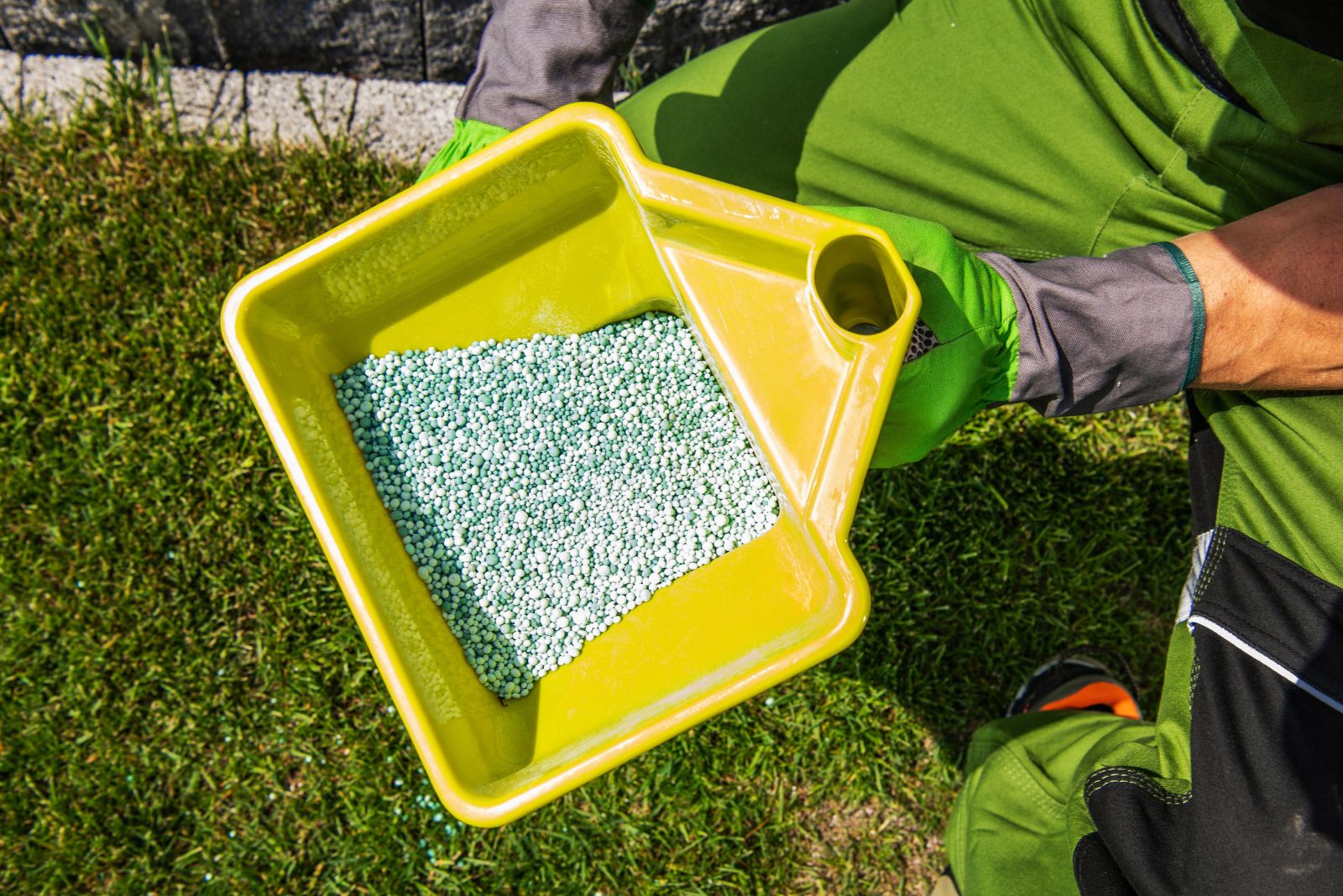
Fertilizing a struggling lawn feels like the right thing to do. The grass looks stressed, it’s lost some of its color, and the instinct to give it a nutritional boost is completely natural.
But if your St. Augustine lawn is showing stress during the Texas summer heat and you’re reaching for the fertilizer bag, you may be about to make things significantly worse.
Summer fertilizing is one of the most common and most damaging mistakes Texas homeowners make with St. Augustine grass.
During periods of extreme heat, St. Augustine is already working hard just to maintain itself. Its root system is under stress, its growth has slowed, and its ability to process and benefit from fertilizer is dramatically reduced.
Applying nitrogen during this window doesn’t help the lawn recover. It pushes it to put out new growth at the worst possible moment, creating soft, vulnerable tissue that the heat and potential disease pressure can devastate quickly.
Here’s exactly why you should put the fertilizer away until fall and what to do instead to support your lawn through the summer.
1. It Can Push Growth When The Grass Is Already Stressed
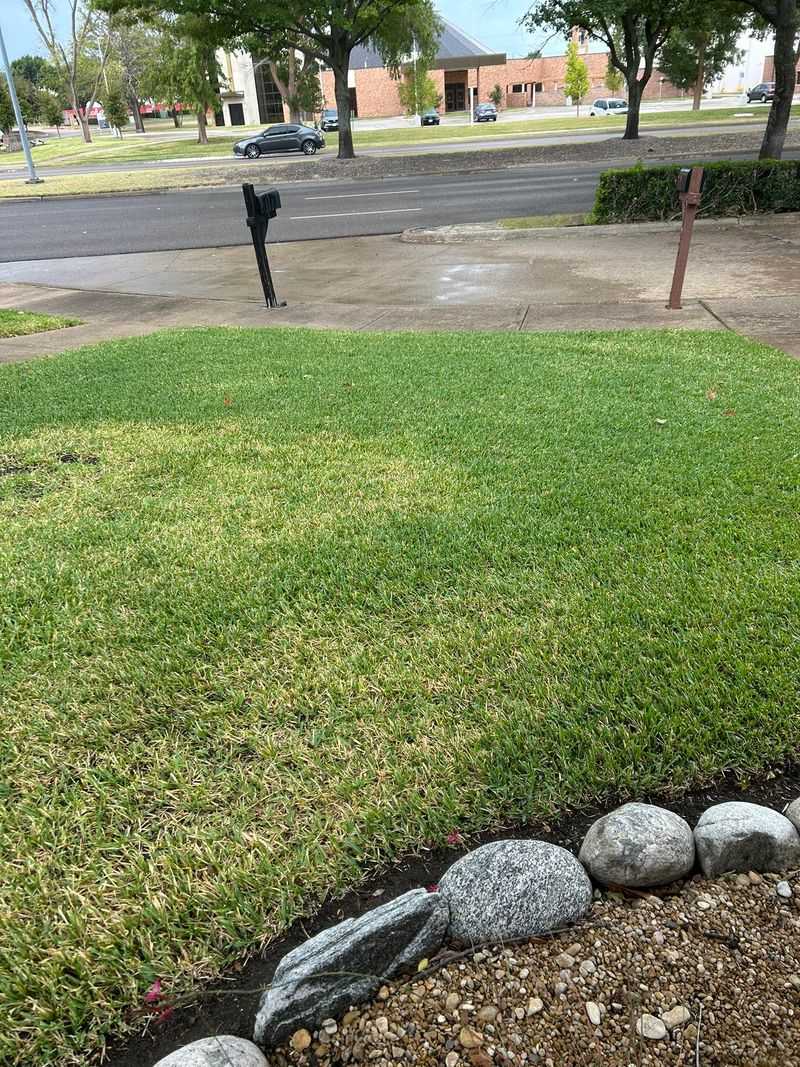
Picture your lawn on a 100-degree Texas afternoon. The blades are curling slightly, the color looks a little off, and the soil underneath feels dry even after watering.
That is stress. And when grass is stressed, it goes into a kind of survival mode where it slows down growth to protect itself.
Adding fertilizer in that moment is like asking someone who is exhausted to run a marathon. Nitrogen, which is the main driver in most lawn fertilizers, signals the grass to produce new growth.
New growth sounds good, but it is actually the last thing a heat-stressed lawn needs. New shoots are tender and soft.
They require more water, more energy, and more resources than the lawn can spare during extreme heat.
St. Augustine grass is a warm-season turf, and it does love heat to a point. But Texas summers often push past that comfort zone.
When temps stay above 95 degrees for weeks at a stretch, the grass is not thriving. It is surviving.
Forcing new growth during that window puts extra strain on root systems that are already working overtime just to pull moisture from dry soil.
The smarter play is to let the lawn conserve its energy. Skip the fertilizer, keep up with watering schedules, and trust that the grass knows how to handle the heat on its own.
Once cooler temperatures return in early fall, that is your window to feed. The grass will be ready to absorb nutrients and respond with healthy, strong growth that actually sticks around.
2. It Increases The Lawn’s Water Demand
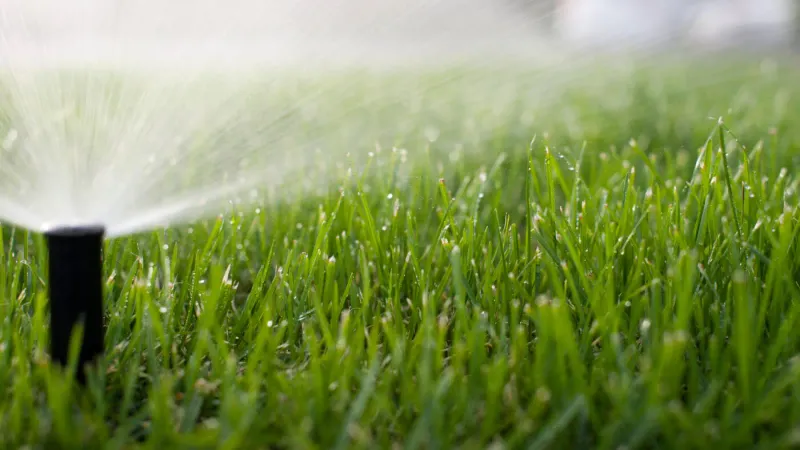
Fertilizer and water go hand in hand. When you feed your lawn, you are essentially telling it to grow.
And growing grass is thirsty grass. That relationship works great in spring or early fall when water is more available and temperatures are manageable. In the middle of a Texas summer, though, it becomes a real problem.
Your Texas Garden Changes Every Week. Your Plan Should Too.
Gardening in Texas changes quickly throughout the season. Every Friday you’ll receive a simple weekly plan showing exactly what to plant, prune, fertilize, harvest, and protect so you never miss the right timing.
Many Texas cities put watering restrictions in place during the hottest months. Some neighborhoods are limited to watering just one or two days per week.
If your St. Augustine lawn is already pushing new growth because of a recent fertilizer application, it is going to need more water than those restrictions allow. The result is a lawn that is stressed from both heat and thirst at the same time.
Even without restrictions, keeping up with the water demand of a fertilized lawn in summer can get expensive fast. Water bills spike, and you end up running your irrigation system more often just to keep up with the growth you triggered.
That is a cycle that costs money without delivering real results. Healthy roots are what get a lawn through a tough Texas summer. Deep, infrequent watering encourages roots to grow down into cooler soil layers.
Fertilizing disrupts that process by redirecting energy toward leaf production instead of root development. Skipping the summer feeding keeps your water use in check and gives the roots a better chance to anchor deep.
That depth is what helps St. Augustine bounce back faster once the worst of the heat finally breaks in late summer or fall.
3. It Can Make Burned Or Brown Areas Worse
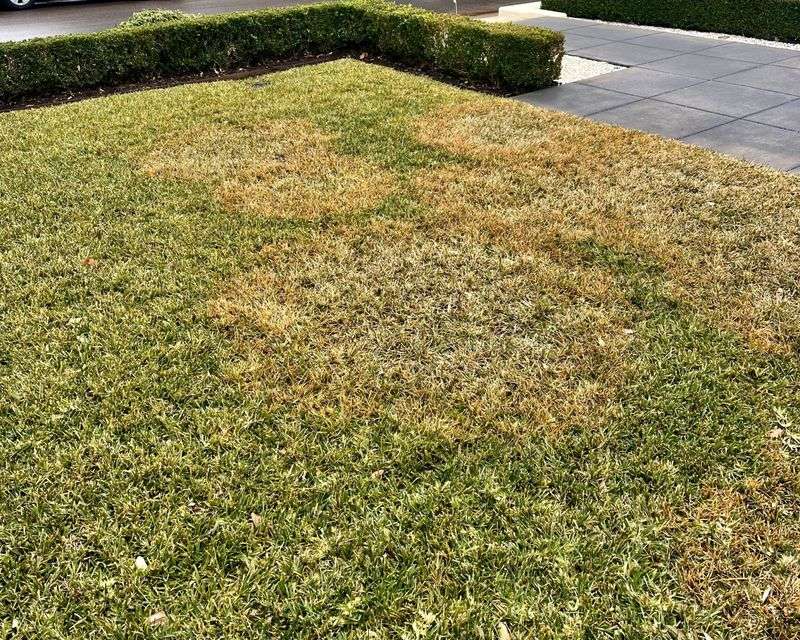
Brown patches on a summer lawn are frustrating to look at. The natural reaction is to want to fix them, and fertilizer feels like a logical solution.
The problem is that browning in St. Augustine during summer heat is rarely a sign that the grass needs more nutrients. It is almost always a sign that the grass is under stress from heat, drought, compaction, or disease.
Putting fertilizer on a lawn that is already browning is like pouring fuel on a slow-burning fire. The nitrogen pushes the plant to produce growth it cannot support.
The tender new blades that emerge are especially vulnerable to heat scorch. They burn faster and more completely than established blades, which means those brown areas can spread rather than shrink.
Compacted soil makes things even worse. When soil is packed down hard, roots cannot pull water or oxygen efficiently.
Fertilizer applied to compacted, stressed turf just sits near the surface or washes away without doing much good.
Worse, concentrated nitrogen near the surface in hot, dry conditions can cause fertilizer burn, leaving behind streaks or spots that look even worse than the original browning.
Before reaching for fertilizer, take a closer look at what is actually causing the problem. Check soil moisture, look for signs of lawn disease like gray leaf spot, and consider whether foot traffic or compaction might be the real culprit.
Addressing those root causes will do far more for a struggling lawn than any bag of fertilizer ever could during the height of a Texas summer. Patience and proper diagnosis go a long way.
4. It Can Feed Disease Problems In Humid Weather
Here is something a lot of homeowners do not realize: Texas summers are not just hot. They are also humid, especially in the eastern and coastal parts of the state.
That combination of heat, humidity, thatch buildup, and inconsistent watering creates the perfect environment for lawn diseases to take hold in St. Augustine grass.
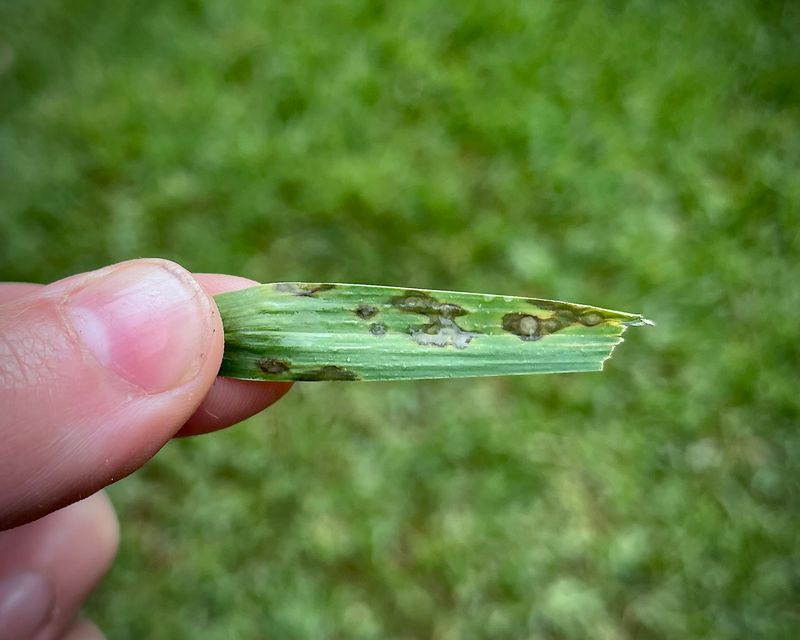
Gray leaf spot is one of the most common summer diseases in St. Augustine lawns across Texas. It shows up as small, oval lesions on the blades and can spread quickly when conditions are right.
And one of the things that makes conditions just right for gray leaf spot is excess nitrogen. Too much fertilizer produces lush, soft, fast-growing grass tissue that is far more vulnerable to fungal infection than slower-growing, tougher grass.
Brown patch is another disease that loves the same conditions. It tends to appear in circular patterns and can wipe out large sections of a lawn seemingly overnight.
Again, high nitrogen levels in the soil encourage the kind of tender growth that makes St. Augustine more susceptible to this type of infection.
Pulling back on fertilizer during summer does not just protect the grass from stress. It also helps reduce the conditions that allow fungal diseases to spread.
Keeping nitrogen levels in check means the grass grows at a steadier, more manageable pace. That slower growth produces tougher blades that are harder for disease to penetrate.
Combine that with proper watering practices, like watering in the morning rather than at night, and you give your lawn a much better shot at staying healthy through the most challenging months of the year.
5. It Wastes Money If The Grass Is Not Actively Growing Well
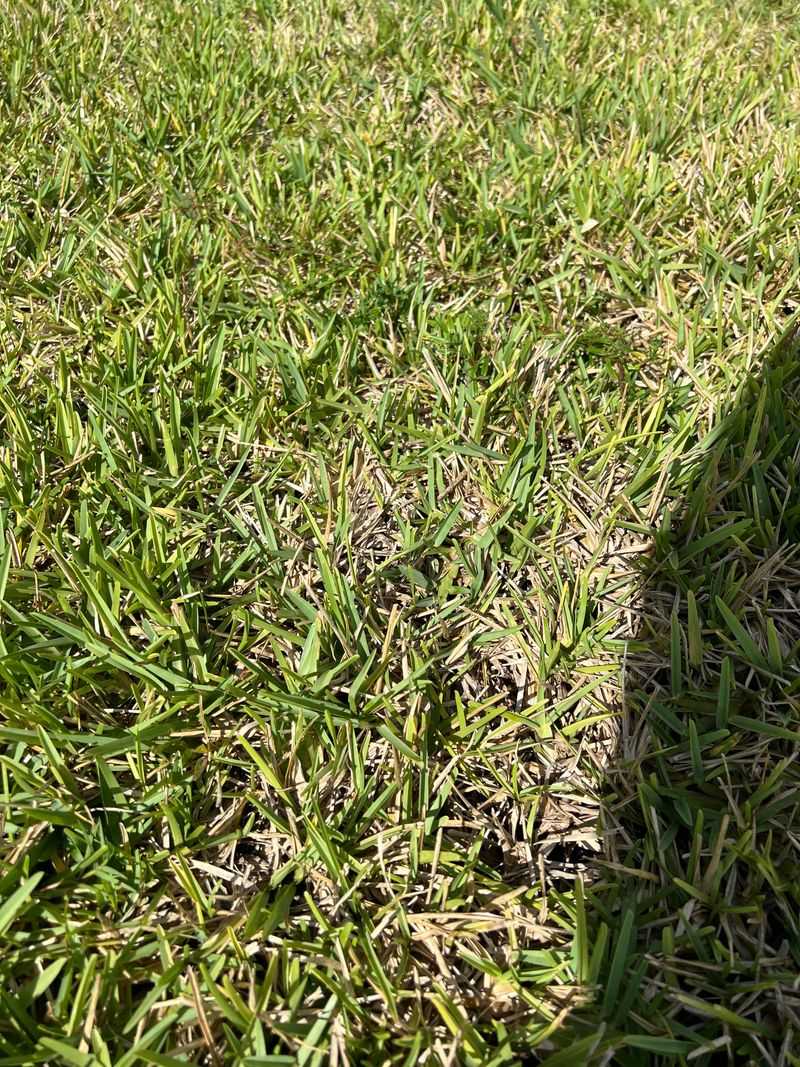
Lawn fertilizer is not cheap. A good bag of slow-release fertilizer can run anywhere from twenty to fifty dollars or more, depending on the size and brand.
That is a real investment, and it makes sense to want that investment to pay off. The truth is, timing matters just as much as the product itself.
Grass absorbs nutrients most efficiently when it is actively growing. In the spring and early fall, St. Augustine is in full growth mode.
Roots are pulling water and nutrients up through the soil, and the lawn can actually use what you put down. During peak summer heat, that process slows way down.
The grass shifts into a more conservative mode, doing just enough to stay green and hold on until conditions improve.
When you fertilize a lawn that is semi-dormant or heat-stressed, a lot of that product goes to waste. Some of it breaks down in the soil before the grass can absorb it.
Some of it washes away with irrigation or rain. And some of it just sits there, potentially building up salt levels in the soil that can create problems down the road.
Waiting until early September or October to fertilize in Texas is not giving up on your lawn. It is being smart with your money and your time. That fall feeding window is when St. Augustine is ready to respond.
The grass will take up nutrients efficiently, green up nicely, and build the root strength it needs to handle the following summer with more resilience. Spend your fertilizer dollars when they will actually make a difference.
6. The Better Summer Move Is Water, Mow, And Wait
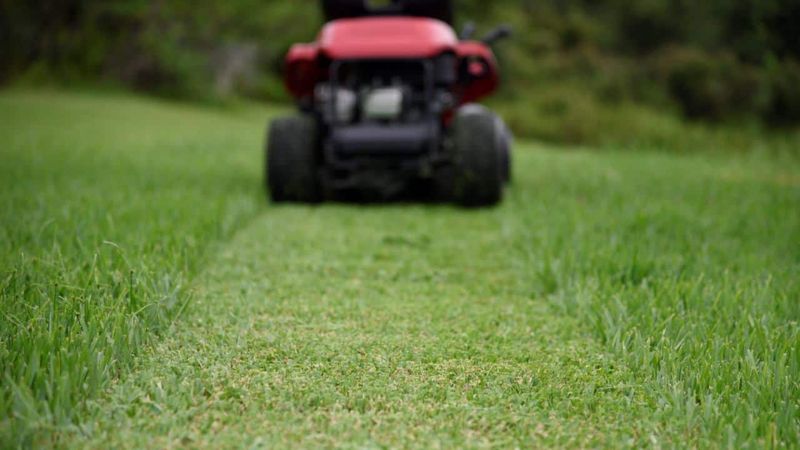
Letting go of the urge to fertilize in summer does not mean doing nothing. Your lawn still needs attention, just a different kind.
The three most effective things you can do for St. Augustine during peak Texas heat are water deeply, mow at the right height, and have patience while the worst of summer passes.
Deep watering is the foundation of summer lawn care. Instead of watering a little every day, water less often but for longer periods.
This encourages roots to grow deeper into the soil where it stays cooler and holds more moisture. Aim for about one inch of water per week, either from rain or irrigation.
Water in the early morning so the grass has time to dry before nightfall, which helps reduce disease risk.
Mowing height matters more in summer than most people realize. Raising your mower deck to about three and a half to four inches gives St. Augustine blades more surface area to capture sunlight while also shading the soil beneath.
That shade keeps soil temperatures lower and slows moisture evaporation. Avoid scalping the lawn or cutting more than one third of the blade height at a time. Scalping in summer heat puts serious stress on the turf.
Reducing foot traffic on the lawn during the hottest weeks also helps. Compacted soil from heavy use makes it harder for roots to breathe and absorb water.
Give the grass some space to recover on its own. Summer is a holding pattern for St. Augustine, not a setback.
Take care of the basics, skip the fertilizer, and your lawn will reward you with a strong and healthy comeback once fall temperatures arrive.