The Florida Ground Cover That Replaces Roach-Friendly Mulch Along The Foundation
Foundation beds can look tidy during the day and tell a different story after dark.
Deep pine straw, damp wood chips, fallen leaves, and crowded shrubs may seem harmless from the porch.
Then the light flips on, the hose starts running, and small outdoor cockroaches scatter through the wet cover like they had a reservation there all along.
The problem is not mulch itself.
The problem is a thick, damp, hidden layer pressed too close to the house. That kind of shelter holds moisture, hides debris, and gives pests protected places to move along the foundation.
A living ground cover can help reduce that habitat in sunny Florida beds, but it has to be used correctly.
The wall still needs breathing room. A clear, dry inspection strip should remain open beside the foundation for drainage, pest checks, termite monitoring, and maintenance access.
So which Florida ground cover can replace deep organic mulch in the wider bed without turning the foundation into a hidden pest zone?
Start with the low, sunny plant that spreads into a living mat.
Choose Perennial Peanut For Sunny Beds
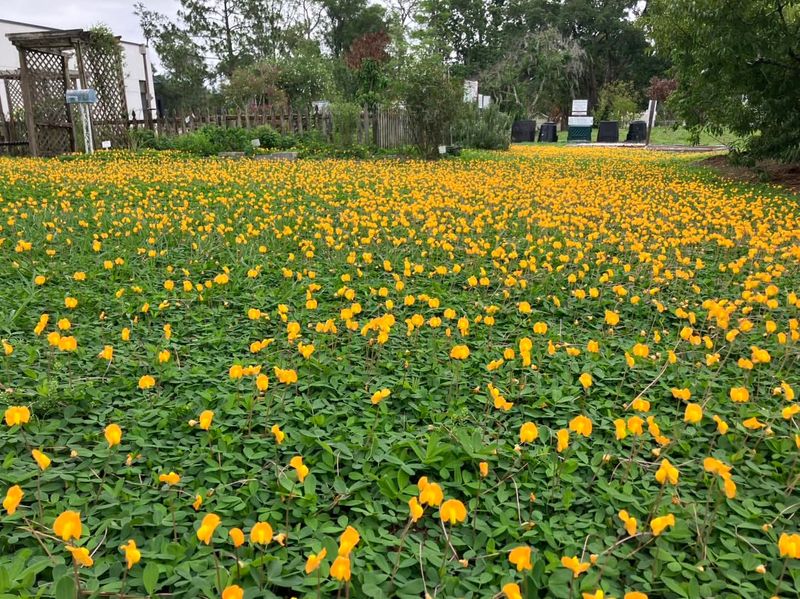
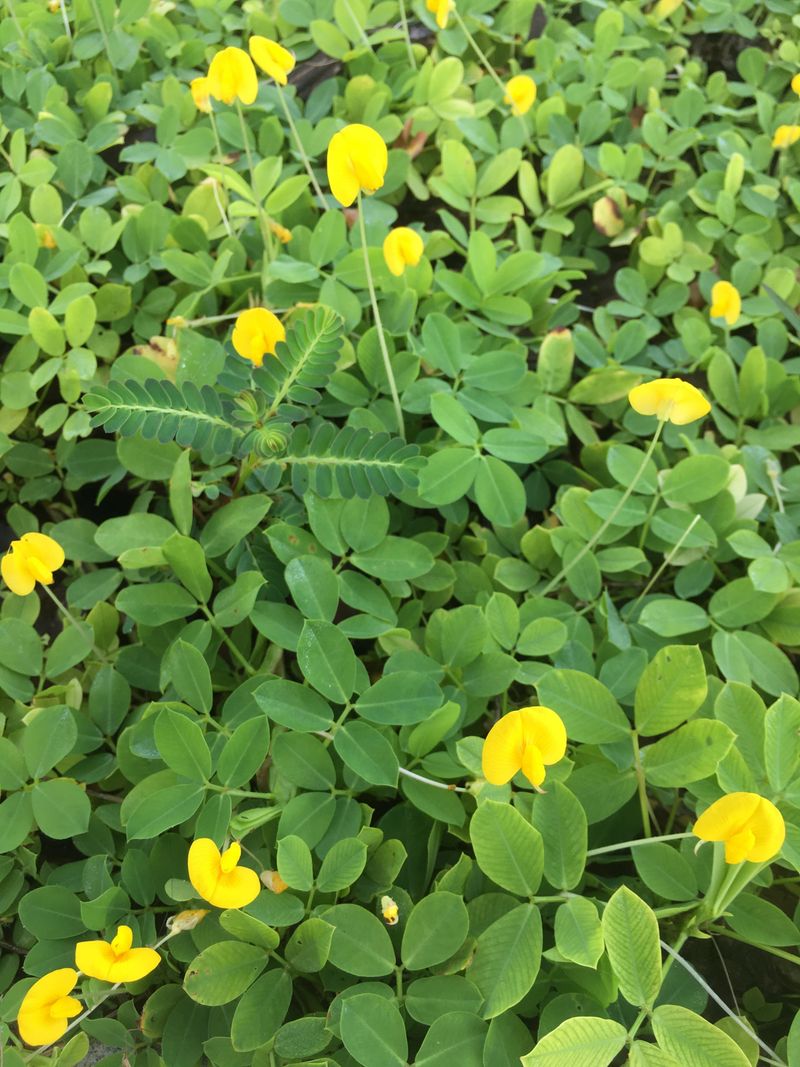
Ornamental perennial peanut is the ground cover worth considering.
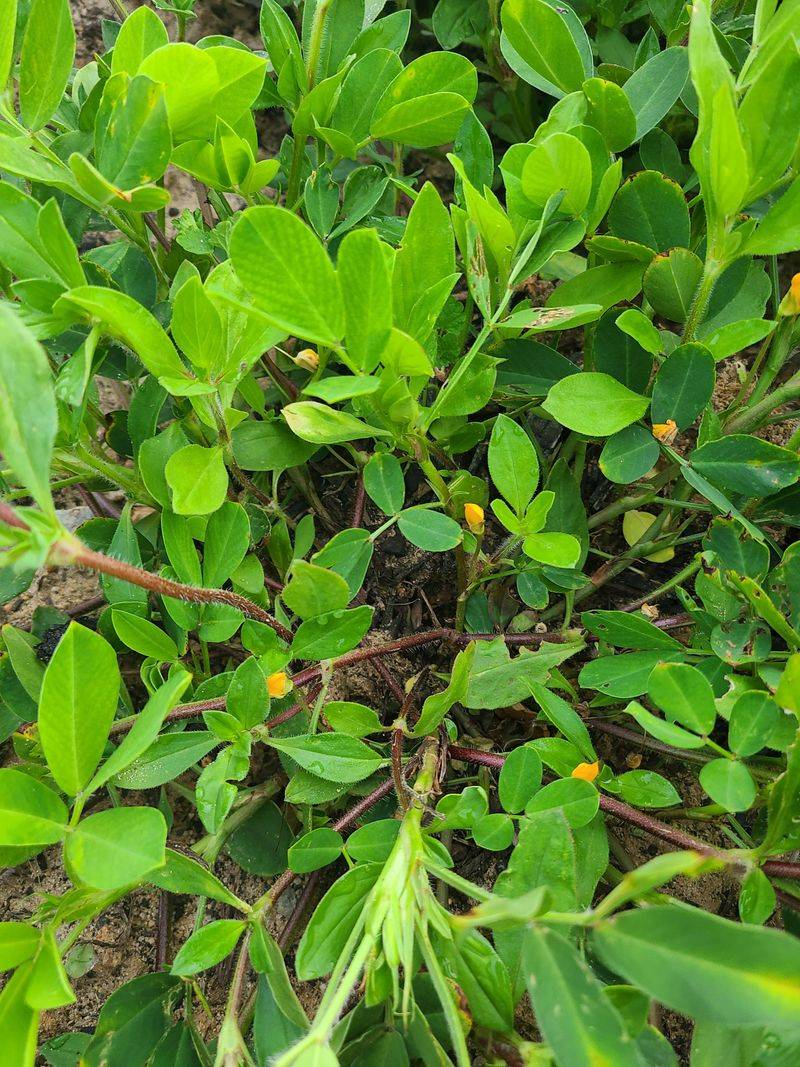
Known botanically as Arachis glabrata, this warm-season plant spreads through underground stems called rhizomes.
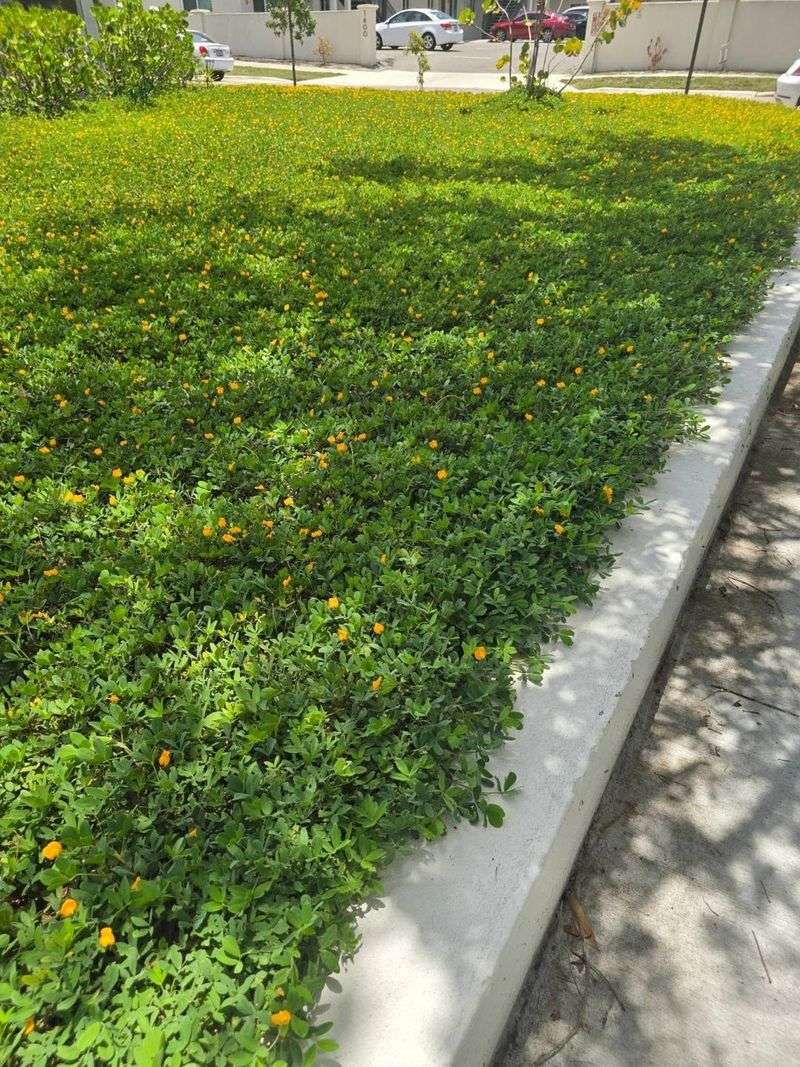
Once established, it forms a low, leafy mat with small yellow flowers that can make a sunny foundation bed look finished without relying on deep piles of pine straw.
The height stays modest. Many landscape selections remain around four to six inches tall, which keeps the bed low and readable.
The flowers are cheerful but not messy. Small yellow blooms appear through the warm season and usually do not create heavy cleanup.
This is not the peanut grown for snacks. Ornamental perennial peanut is used as a landscape plant, not for edible nuts.
Full sun is important. The mat becomes denser and flowers better where it receives strong light.
Shade weakens the effect. A narrow bed under a deep roof overhang may not give it enough sun to cover well.
Use landscape selections. Forage types can grow taller and look too loose for tight foundation beds.
Give it time. The planting may need a full growing season to fill in properly.
Do not expect instant coverage. Plugs often build rhizomes underground before the top looks impressive.
Perennial peanut is not a pest-control miracle.
It simply replaces a thick, damp organic layer with a living cover that can make the wider bed cleaner, sunnier, and less inviting to moisture-loving pests.
Pull Deep Mulch Away From The Wall

Deep mulch against the house is the first thing to fix.
Pine straw and wood chips can be useful in Florida landscapes, but repeated layers piled against the foundation create hidden, damp shelter. Outdoor cockroaches, ants, and other pests often use those protected spaces after dark.
Start at the wall. Pull organic material back slowly and carefully.
Use a hand rake. Powered tools near the foundation can damage irrigation lines, low-voltage wiring, or shallow utilities.
Your Florida Garden Changes Every Week. Your Plan Should Too.
Gardening in Florida changes quickly throughout the season. Every Friday you’ll receive a simple weekly plan showing exactly what to plant, prune, fertilize, harvest, and protect so you never miss the right timing.
Look for matted layers. Old mulch can compact into a damp pad even when the top looks dry.
Remove buried leaves. Fallen foliage trapped under new mulch keeps the layer wetter and more pest-friendly.
Check behind shrubs. Moist material often piles up where branches hide the wall.
Do not replace one thick layer with another. The goal is reducing damp shelter, not refreshing it.
Thin mulch may still have a role in other parts of the bed. The concern is deep, hidden material pressed close to the structure.
Watch for rotting wood edging. Landscape timbers and old boards can create the same kind of shelter.
Look for water sources while clearing. Leaky hose bibs, sprinkler overspray, and dripping air-conditioning condensate lines keep the area damp.
Extend downspouts away from the wall. Roof runoff should not empty into the foundation bed.
Pulling mulch back may make the bed look bare at first.
That temporary awkwardness is worth it, because a dry visible foundation edge is much easier to inspect and manage.
Keep The Inspection Strip Open
Nothing should grow right against the wall.
That clear strip is not wasted space. It is the safety zone that lets homeowners and professionals see what is happening along the foundation.
Termite mud tubes, cracks, weep holes, vents, moisture problems, and pest entry points can all hide when plants or mulch cover the edge.
Keep the strip dry and visible. A clean line beside the structure matters more than a lush look.
Twelve to eighteen inches is a common target. Your pest-control provider may recommend a different clearance for your property.
Ask before planting. Termite warranty programs, local rules, and inspection requirements can affect what belongs near the wall.
Start perennial peanut beyond that strip. The ground cover should fill the wider bed, not creep all the way to the siding or stucco.
Edge the inner boundary. A simple hard line gives you a place to trim against.
Check the strip every month. Rhizomes, weeds, fallen leaves, and blown mulch can all move back toward the wall.
Keep door thresholds clear. Plants should never hide the bottom of doors or garage entries.
Watch utility penetrations. Pipes, wires, and vents need open visibility.
Avoid decorative rock piles against the wall too. Rock can still hide moisture and make inspection harder.
A living ground cover works best with restraint.
The foundation strip stays open so the rest of the bed can look intentional without covering the clues your home needs you to see.
Let Living Cover Shade Bare Soil
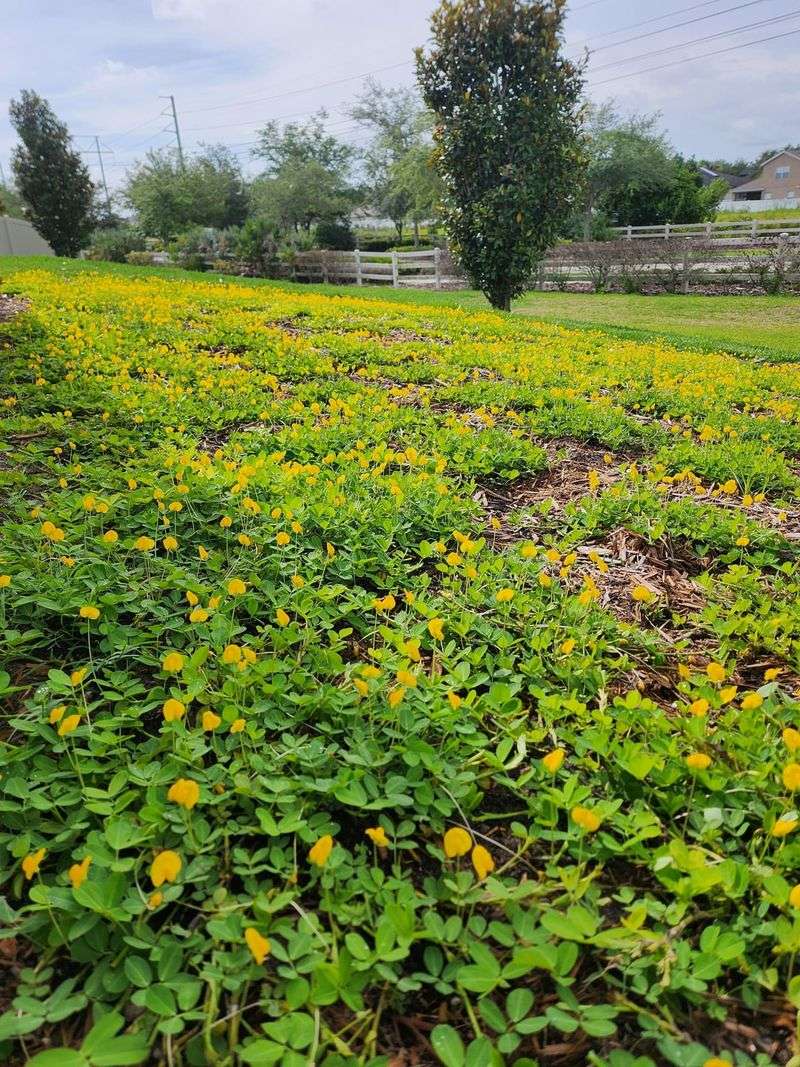
Bare Florida soil invites weeds fast.
Rain hits it hard. Sun bakes it. Weed seeds find open light and take advantage. A living ground cover changes that by shading the surface with leaves instead of burying it under repeated bags of mulch.
Perennial peanut spreads into a mat. The canopy helps cover exposed soil once the plants fill in.
That shade reduces weed germination. It does not stop every weed, but it gives fewer seeds the light they need.
The rhizomes knit the planting together. Over time, the bed begins to look like one connected surface rather than scattered plugs.
Yellow flowers make it feel planned. The bed reads as a planting, not a bare utility zone.
Soil temperature becomes more stable. A leafy cover softens heat at the surface better than exposed sand.
Erosion can drop too. Stormwater has less bare soil to strike and move.
The mat also reduces mulch purchases. Once established, it does not need seasonal topping the way pine straw does.
Early weeding still matters. Young plugs cannot outcompete aggressive weeds during the establishment stage.
Hand-pull weeds before they seed. This protects the new mat and avoids disturbing rhizomes later.
Living cover takes patience.
But once it fills in, the bed can look finished without the deep damp mulch layer that made pests feel so welcome.
Cut Back Damp Roach Shelter
Changing the ground cover is only one part of the fix.
Outdoor cockroaches are drawn to moisture, shelter, and food. Deep mulch is one possible refuge, but the rest of the foundation area needs a closer look too.
Move stored pots away from the wall. Stacks of plastic containers create dark, protected gaps.
Relocate cardboard boxes. Damp cardboard is exactly the kind of shelter pests use.
Keep firewood far from the house. Wood piles beside the foundation create a long-term hiding zone.
Clean clogged gutters. Water spilling into the bed keeps everything below damp.
Trim shrubs off the siding. Branches pressed to the wall block airflow and create hidden travel paths.
Remove boards and landscape debris. Flat objects lying on soil often shelter insects underneath.
Bring pet food inside before dark. Outdoor dishes can attract more than the animals you intended to feed.
Seal gaps around pipes and thresholds. Entry prevention matters more than chasing pests after they move indoors.
Check door sweeps. A small opening under a door can turn an outdoor pest issue into an indoor problem.
Use targeted treatments only after identification. Spraying at random can miss the real source and affect helpful insects.
Perennial peanut cannot solve every pest problem.
It works best as part of a cleaner, drier, more visible perimeter that gives pests fewer places to settle.
Give The Mat Room To Establish
A good planting starts before the plugs go in.
Perennial peanut needs time, sun, and steady early care to become a useful living cover. Rushed installation in a weedy, compacted, poorly drained bed leads to patchy growth and frustration.
Clear the bed first. Remove old mulch, weeds, roots, and debris before planting.
Do not pile soil against the foundation. Raising the bed at the wall can trap moisture where you want dryness.
Loosen the planting area lightly. The goal is workable soil, not deep disturbance beside the house.
Sandy Florida soil is usually acceptable. Heavy amendment is often unnecessary for this plant.
Improve drainage where needed. A low bed that stays soggy after rain should be corrected before planting.
Space plugs based on budget and patience. Closer spacing costs more but fills faster.
Twelve-inch centers can help speed coverage. Wider spacing takes longer and leaves more weeding work.
Water regularly during establishment. Young plugs need moisture while roots and rhizomes spread.
Check soil before irrigating. Moist is good, soggy is not.
Avoid heavy fertilizer. Perennial peanut is a legume and does not need a constant nitrogen push.
Expect slow early progress. The plant may be building underground before the top looks full.
The first season is the setup.
Once the mat locks in, maintenance becomes much easier and the bed starts looking like a deliberate part of the landscape.