What It Means When Birds Suddenly Flock To Your Georgia Lawn This August
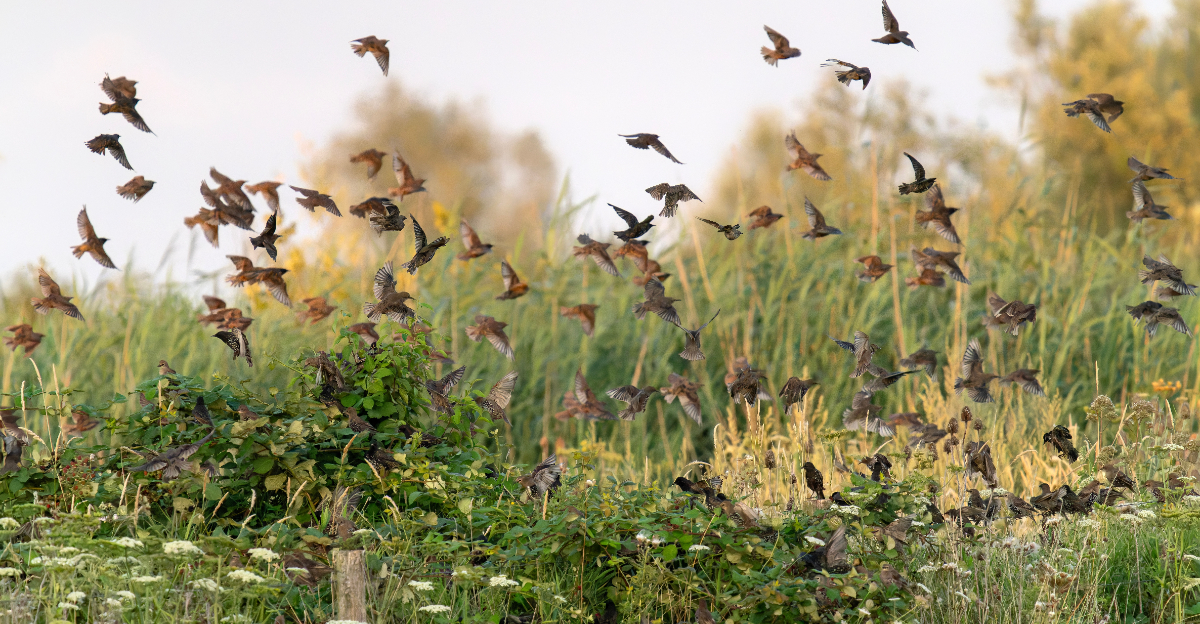
Georgia mornings in August have a habit of turning ordinary lawns into bird conventions. Robins, starlings, and grackles show up uninvited, marching across the grass like they’ve been handed a map to buried treasure.
That map, as it turns out, is your soil. Birds don’t gather in random spots. They follow a texture, a vibration, a signal most homeowners walk past without a second thought.
What’s happening under your grass right now might explain those visitors better than any weather pattern or seed spill ever could. Something is stirring beneath the surface, and the birds noticed long before you did.
Grubs And Other Insects Are The Main Draw
Your lawn is basically a buffet right now. August in the South means grub season is in full swing, and birds know exactly where to look.
Grubs are the larvae of beetles like Japanese beetles and June bugs. They live just beneath the soil surface, munching on grass roots all summer long.
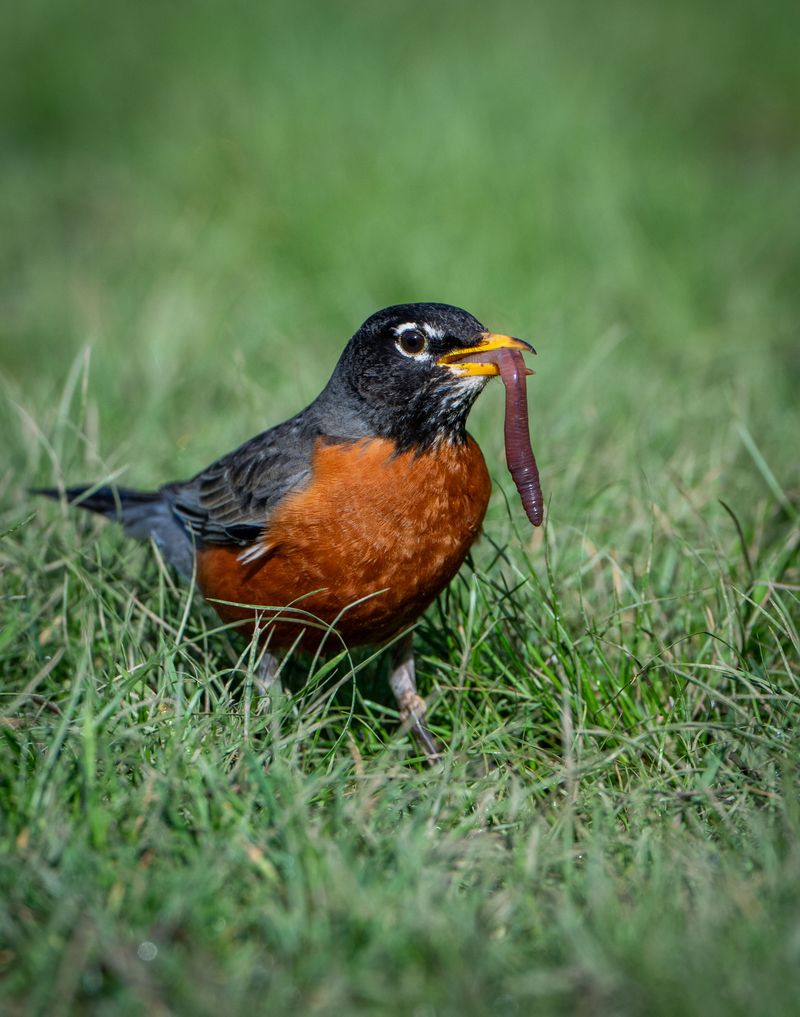
Birds such as robins, starlings, and grackles have an incredible sense of what lies underground. They tilt their heads and scan the surface closely, spotting the smallest signs of movement beneath the grass.
When you see birds flocking to your Georgia lawn this August, grubs are almost always the top reason. A young robin can eat up to 14 feet of earthworms daily, but grubs are an even richer prize.
Grubs tend to cluster in patches, which is why you will notice birds congregating in specific spots. They are not wandering randomly. They are following a food trail only they can detect.
Pecking behavior is a strong clue. If birds are jabbing their beaks straight down into the turf repeatedly, they have found something worth digging for beneath the surface.
Other insects also attract bird attention. Chinch bugs, armyworms, and sod webworm larvae are all active in August and all make easy meals for hungry birds.
Think of your lawn as a living ecosystem. When the bird activity spikes suddenly, nature is pointing a finger at what is happening underground. Pay close attention to where they gather most.
Seasonal Migration Patterns Affecting Georgia Lawns
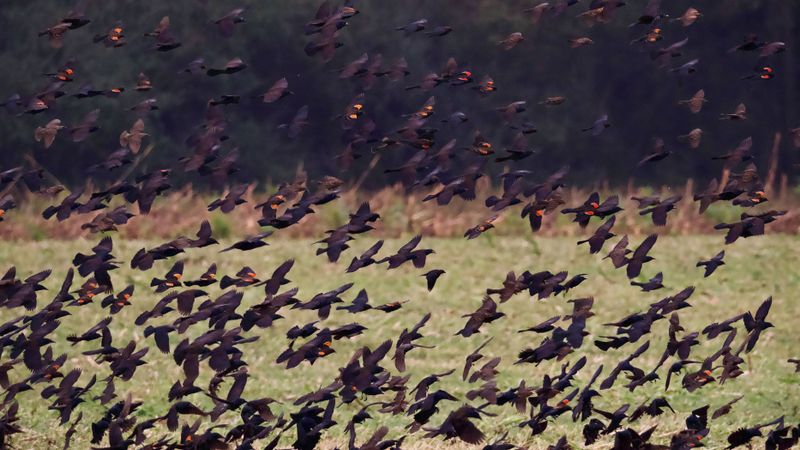
Not every bird on your lawn lives there year-round. August marks the quiet beginning of fall migration, and Georgia sits right in the middle of a major flyway.
Shorebirds, warblers, and thrushes begin moving south as early as late July. Your lawn may be a rest stop for travelers passing through on their long journey.
Migration is exhausting work. Birds need to refuel fast, and a lush Georgia lawn loaded with insects is exactly the kind of pit stop they are looking for.
You might spot species you have never seen before in your yard during August. That unfamiliar bird hopping near your flower bed could be a passing warbler or a juvenile thrush far from its summer home.
Local species also shift behavior this time of year. Mockingbirds and brown thrashers begin scouting new feeding territories before fall fully sets in, which brings them into yards they ignored all spring.
Your Georgia Garden Changes Every Week. Your Plan Should Too.
Gardening in Georgia changes quickly throughout the season. Every Friday you’ll receive a simple weekly plan showing exactly what to plant, prune, fertilize, harvest, and protect so you never miss the right timing.
Flocking behavior increases during migration season because birds feel safer in numbers. A larger group means more eyes watching for predators while everyone feeds.
Georgia’s warm August temperatures keep insects active longer than in northern states. That extended insect season makes the state a prime migration layover destination for dozens of bird species.
If your lawn suddenly looks like a bird convention, migration may be the reason. Enjoy the show, because these visitors will be gone within days, continuing their journey south toward warmer climates.
Food And Water Sources Drawing Birds In
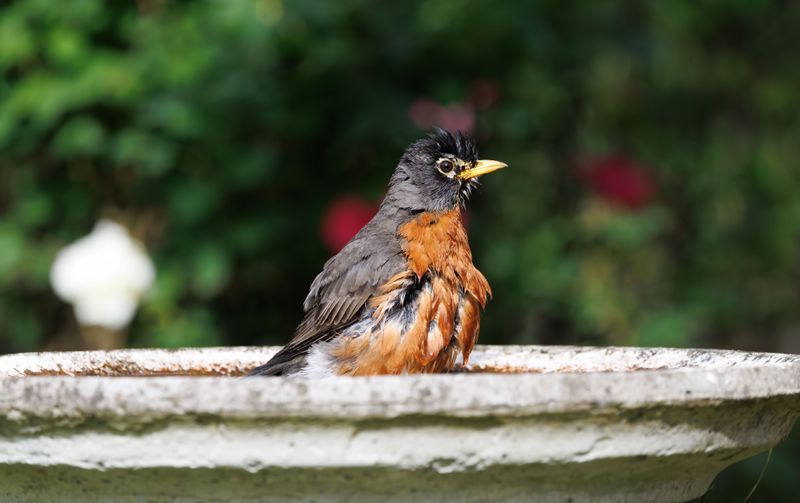
Birds are practical creatures. They go where the resources are, and August in the South creates a powerful combination of food and water needs.
Summer heat dries up natural water sources fast. Ponds shrink, puddles disappear, and streams slow to a trickle. Your yard may have the only accessible water for blocks around.
If you have a birdbath, a leaky hose, or even a low spot that holds rainwater, you have created a magnet. Birds will travel surprising distances to find clean, fresh water during a dry August stretch.
Berries and seeds also peak this time of year. Native plants like beautyberry, pokeweed, and black-eyed Susans all produce food that birds crave heading into fall.
A yard with both food and water becomes irresistible. Once one bird finds your lawn, it signals others through calls and behavior, and a small flock can turn into a large one quickly.
Bird feeders loaded with sunflower seeds or millet will amplify this effect significantly. Adding a feeder in late summer is one of the fastest ways to attract a wide variety of species.
Hummingbirds are also worth watching for in August. They pass through on migration and will stop at nectar feeders or flowering plants before heading further south for the season.
Creating a yard rich in resources is not complicated. Small changes like adding a shallow dish of water can transform your lawn into a neighborhood hotspot for birds this August.
Bird Behavior Reveals The Truth About Lawn Health
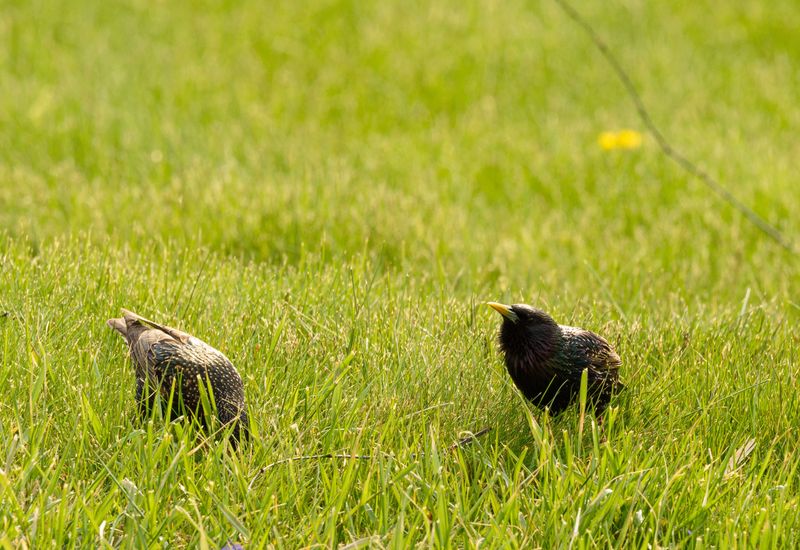
Birds are honest. They do not visit a yard because it looks pretty. They show up because your lawn is telling them something worth investigating.
Healthy lawns support a rich food web underground. Earthworms, beetle larvae, and soil insects thrive in well-aerated, moist turf, and birds pick up on that abundance quickly.
If you notice birds clustering in one area repeatedly, that patch is worth inspecting closely. Concentrated bird activity almost always signals a concentrated food source beneath the turf.
Tugging behavior is especially telling. When a bird plants its feet, leans back, and pulls something from the ground, it has found a grub, a worm, or a surface insect worth the effort.
Scattered, frantic pecking across a wide area often points to armyworm or chinch bug activity. These pests move in waves just under the surface, and birds follow that movement across the lawn.
Flocks of starlings are particularly useful indicators. They are aggressive foragers and will work a lawn thoroughly. Seeing them in large numbers suggests a significant insect population is present.
Conversely, a lawn with very few bird visitors may signal poor soil health. Compacted, chemically treated, or drought-stressed turf supports fewer insects, which means less to attract birds at all.
Watch the birds the way a farmer watches weather. Their behavior tells you what is happening in your lawn’s ecosystem. That information is free, real-time, and surprisingly accurate when you know what to look for.
Signs Of Pest Damage Hiding Beneath The Grass
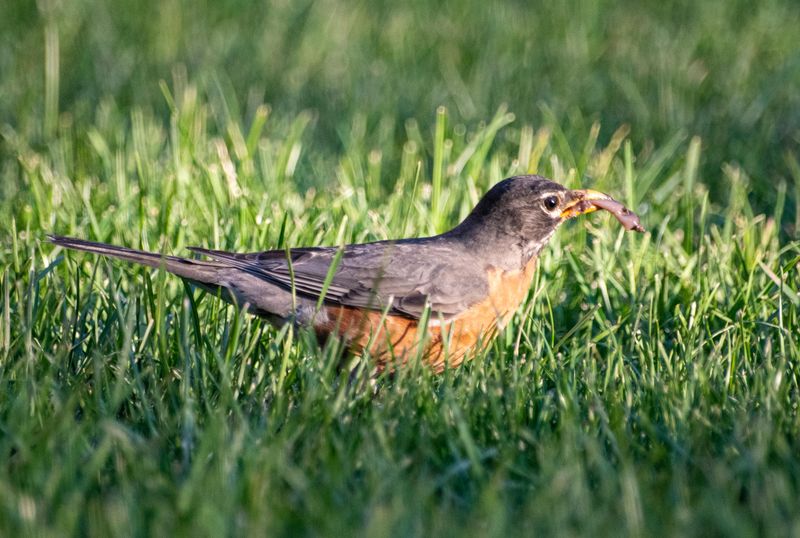
Your lawn might look fine from the porch, but birds see what you cannot. Sudden flocking is often the first visible sign that something is wrong underground.
Grub damage starts quietly. The larvae chew through grass roots, and the turf above slowly loses its grip on the soil. By August, the damage is severe enough for birds to sense it easily.
One simple test can confirm your suspicions fast. Grab a section of grass and tug firmly. If it peels back like a carpet with no resistance, grubs have destroyed the root system beneath it.
Spongy turf is another red flag. If your lawn feels soft or bouncy underfoot in spots, that is a sign of root loss caused by feeding larvae working through August heat.
Brown patches that do not respond to watering are also worth investigating. Drought stress and grub damage look similar on the surface, but birds will not flock to a drought-stressed area the same way.
Armyworms cause a different kind of damage. They feed on the blades themselves, and you may see ragged, chewed grass tips before you notice the birds gathering above them.
Look for small entry holes in the soil surface too. Birds create these as they probe for food, and a lawn full of tiny holes is a clear sign that active foraging has been happening for days.
Catching pest damage early saves your lawn. Bird activity this August could be the warning system that prevents a full lawn replacement next spring.
Steps To Manage Or Encourage Bird Activity
You have two choices when birds flock to your Georgia lawn this August: manage the problem or embrace the opportunity. Either way, a plan makes all the difference.
If pest damage is confirmed, act quickly. Beneficial nematodes are a natural, bird-safe treatment for grubs and can be applied in late summer with good results.
Avoid broad-spectrum insecticides if birds are actively feeding on your lawn. Eliminating their food source pushes them away but leaves the pest problem unresolved at a deeper level.
Targeted treatments work better. Products containing chlorantraniliprole are effective against grubs while posing less risk to birds and beneficial insects in your yard.
If you want to encourage more bird visits, add a water feature. Even a simple shallow dish refreshed daily will bring in more species than almost any other single change you can make.
Native plantings along your lawn edges increase bird attraction significantly. Plants like inkberry, beautyberry, and native grasses provide shelter, nesting spots, and food all in one package.
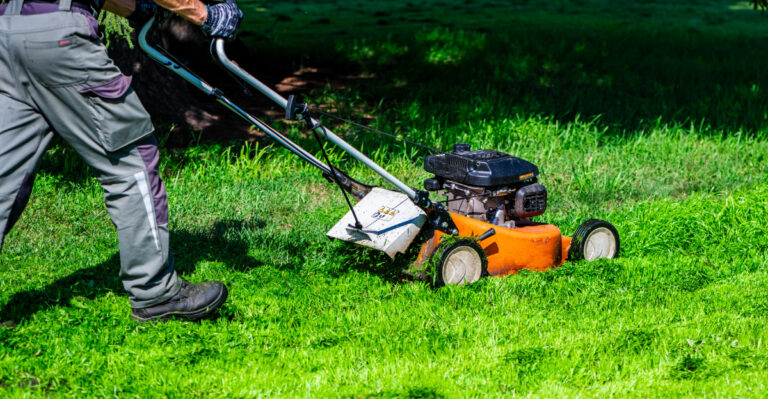
Keep a section of your lawn slightly unmowed or naturalized near a fence line. Longer grass holds more insects and gives ground-feeding birds the cover they prefer while foraging.
Birds flocking to your Georgia lawn this August are not a nuisance. They are partners in your lawn’s health, pointing out problems and helping control pest populations for free. Work with them, not against them, and your lawn will thank you by spring.