The Florida Guide To Building Rich Soil Using Summer Pine Straw Mulch
If your lawn looks scorched no matter how much you water it, the problem might be sitting right under your feet. Florida summers bake bare soil until it locks up tight, refusing every drop you give it.
Pine straw mulch changes that story fast. It holds moisture where roots actually need it, instead of letting the sun steal it back within hours.
Spread a few inches the right way, and your beds stop looking tired by July. Plants that struggled in June suddenly push out new growth like they found a second wind.
The trick is knowing exactly how much to use and where it works best. Get that part wrong, and you could smother roots instead of saving them.
Florida Summer Gardens Thrive With This Natural Soil Booster
Walk barefoot through a healthy pine forest and notice how soft the ground feels. That spongy, dark layer under your feet is decomposed pine straw doing its best work.
Summer pine straw mulch brings that same magic to Florida home gardens. Building rich soil using summer pine straw mulch starts with understanding why this material is so powerful in hot, humid climates.
Pine straw breaks down slowly, feeding the soil with carbon and organic matter over many months. Unlike wood chips, it stays light and airy, allowing roots to breathe.
Gardeners across the Sunshine State have been using pine straw for generations. It is cheap, locally sourced, and practically grows itself under the towering longleaf and slash pines everywhere you look.
During summer, when rain hammers the ground daily, bare soil washes away fast. A good pine straw layer acts like a sponge and a shield at the same time.
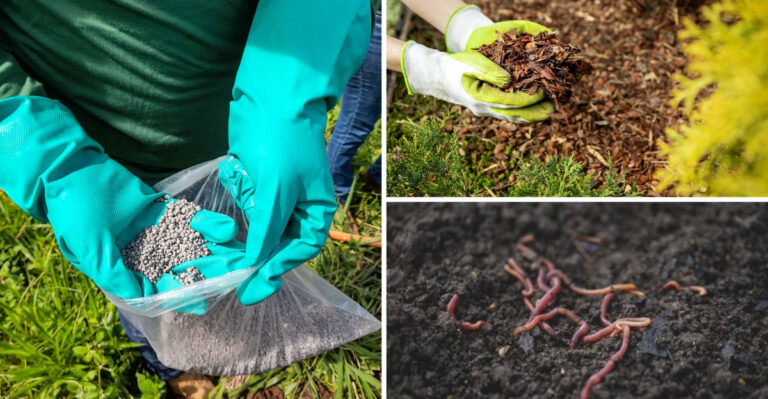
Earthworms love the cool, moist environment that forms beneath the mulch. More worms mean better aeration and faster nutrient cycling for your plants.
Even beginner gardeners see results quickly. Spread a few inches of pine straw, water it in, and watch the soil below start changing within weeks.
Rich, crumbly soil does not happen by accident. With the right mulch and a little patience, any Florida yard can become a growing powerhouse by the end of summer.
Choosing The Right Pine Straw For Florida Yards
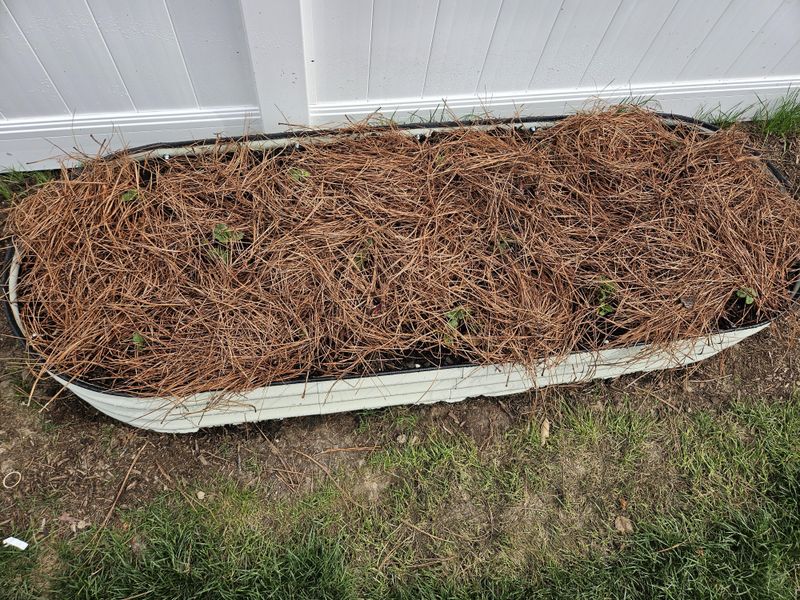
Not all pine straw is created equal, and picking the wrong type wastes both time and money. Two main varieties show up at most Florida garden centers: slash pine and longleaf pine straw.
Longleaf pine needles run longer, sometimes reaching 18 inches. Their extra length means they lock together better, resisting wind and heavy rain without scattering across the yard.
Slash pine straw is shorter and more common throughout the state. It works perfectly well for most home gardens and costs a bit less per bale than longleaf varieties.
Fresh bales smell earthy and feel slightly flexible. Avoid bales that smell musty or feel matted together, since those may carry mold that can harm tender plant roots.
Bagged pine straw from big-box stores is convenient but often more expensive per square foot than bulk bales. Buying direct from a local farm or nursery usually saves a noticeable amount of money.
Your Florida Garden Changes Every Week. Your Plan Should Too.
Gardening in Florida changes quickly throughout the season. Every Friday you’ll receive a simple weekly plan showing exactly what to plant, prune, fertilize, harvest, and protect so you never miss the right timing.
Color matters more than most people think. Bright golden-brown needles indicate freshness, while gray or black needles suggest the straw has been sitting too long and has already started losing nutrients.
Some gardeners mix pine straw with shredded leaves to boost organic matter even faster. That combination breaks down into a dark, crumbly layer that plants respond to almost immediately.
Check for unwanted seeds or weeds tucked inside the bales before spreading. A quick visual inspection takes two minutes and saves hours of weeding later in the season.
Proper Layering Technique For Maximum Benefit
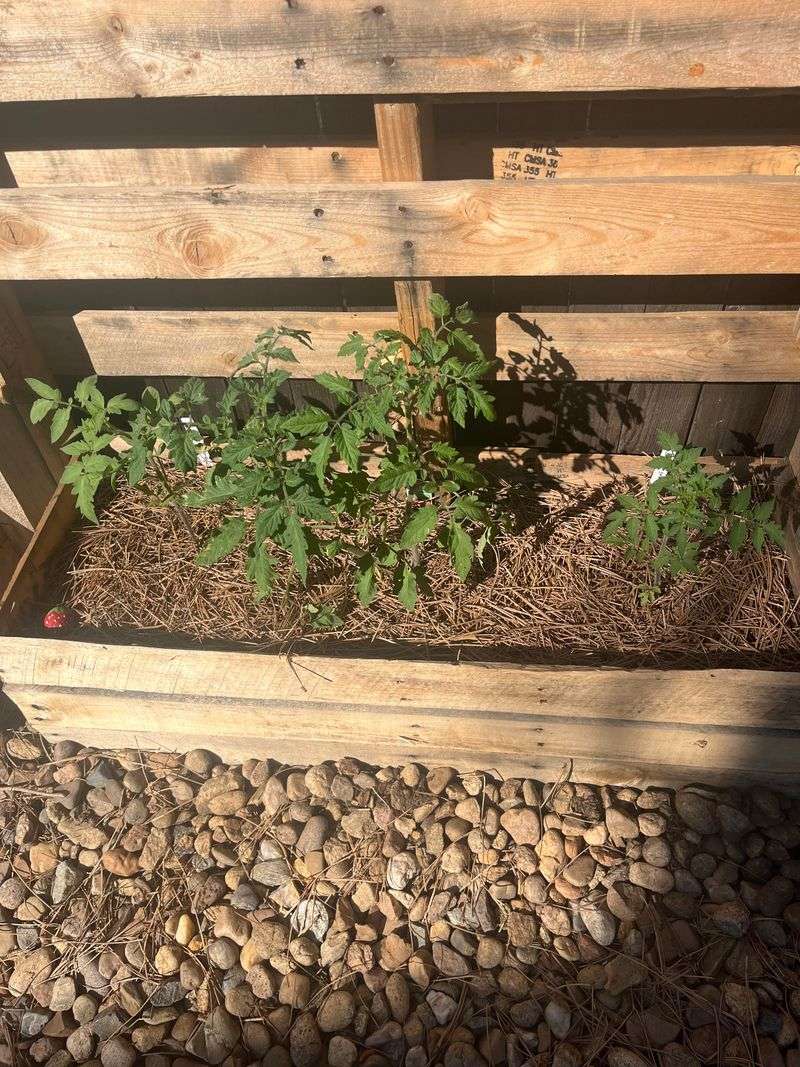
Tossing pine straw down randomly is a bit like putting on a coat with all the buttons wrong. The technique matters just as much as the material itself.
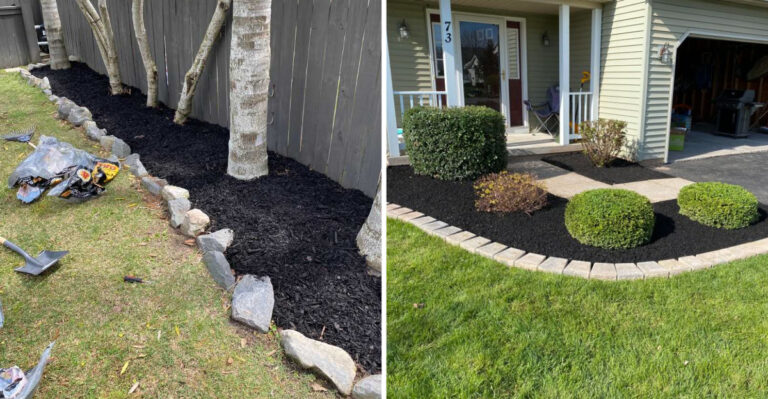
Start by clearing the bed of any large weeds or debris before laying a single needle down. A clean surface lets the mulch make full contact with the soil below.
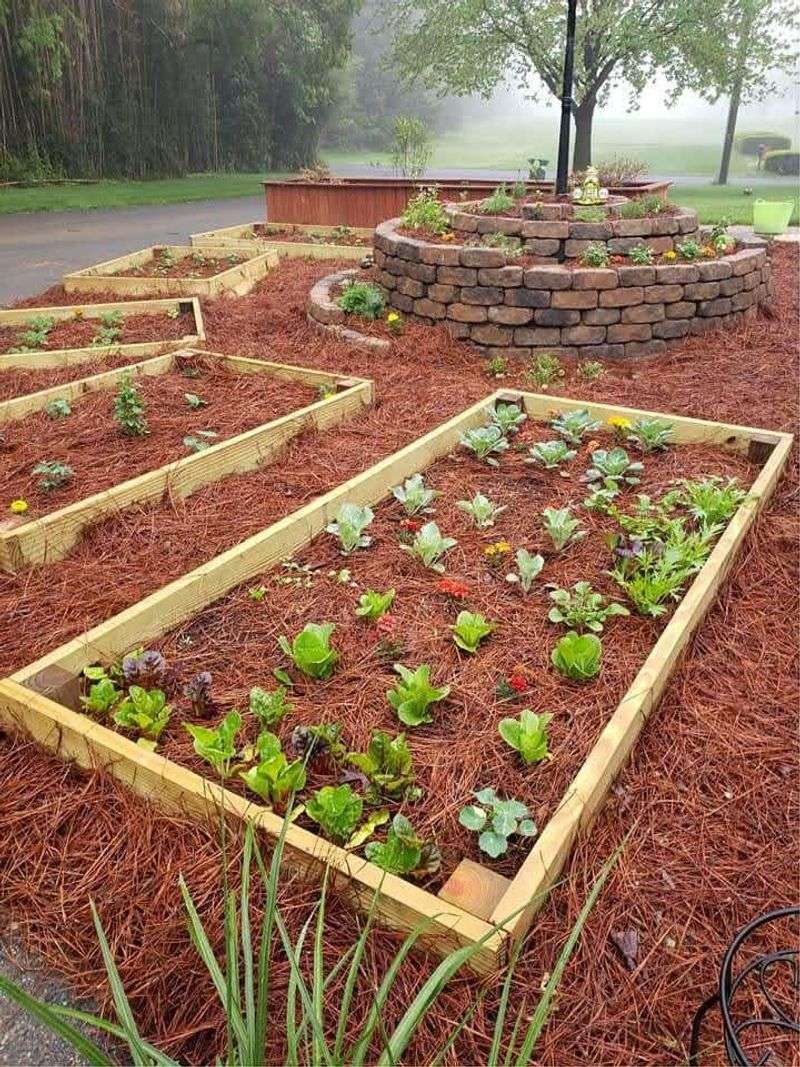
Aim for a layer between three and four inches thick across the entire planting area. Thinner than three inches lets sunlight through and dries out too fast in summer heat.
Keep the straw pulled back about two inches from plant stems and tree trunks. Piling mulch directly against stems traps moisture and invites fungal problems that are hard to reverse.
Work in small sections, fluffing the straw as you go so it does not mat down into a solid, water-repelling sheet. Loose layers breathe and allow rain to soak through naturally.
Slopes and hillsides need a slightly thicker application, around four to five inches. The extra depth prevents the mulch from washing downhill during those intense afternoon thunderstorms Florida is famous for.
After spreading, give the whole bed a light watering to help the needles settle into place. That first soak also jumpstarts the decomposition process at the bottom of the layer.
Proper layering turns an ordinary garden bed into a self-feeding system. Get the depth right from the start, and your soil will reward you for the rest of the growing season.
Retaining Moisture Through Florida’s Hottest Months
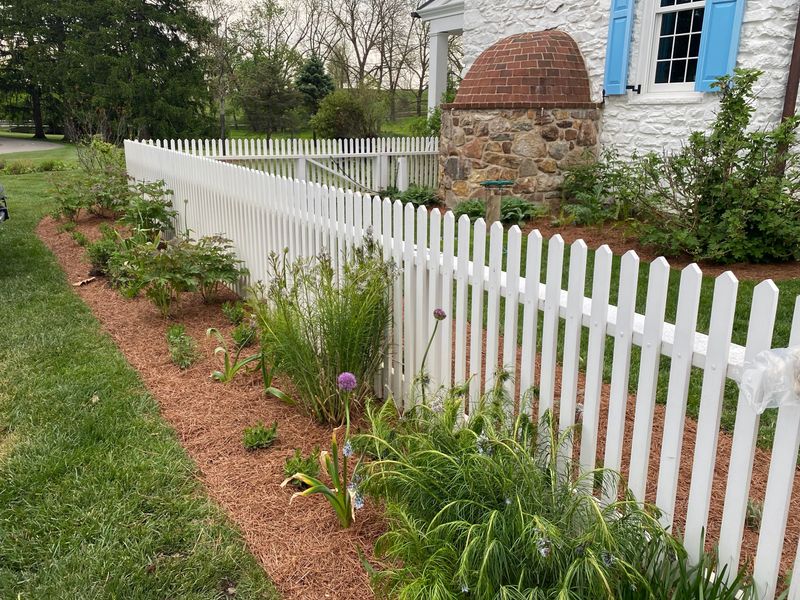
July in a Florida garden without mulch is brutal. Soil dries out within hours of a rainstorm, and plant roots bake in temperatures that can push past 90 degrees.
Pine straw acts like a natural insulator, keeping the ground beneath it noticeably cooler than exposed soil. On a scorching afternoon, that gap can run into double digits.
That temperature difference matters more than most gardeners realize. Cooler roots absorb water and nutrients more efficiently, which means healthier plants even when the air feels like a sauna.
A proper pine straw layer also slows evaporation dramatically. Moisture that would normally vanish by noon stays locked in the soil for days after a good rain.
During dry spells, mulched beds often need watering only half as often as bare beds. That alone can cut your summer water bill by a meaningful amount across an entire growing season.
The needles themselves do not absorb much water, which is actually a benefit. Rain passes through quickly and reaches the soil below rather than sitting on top and creating runoff.
Over time, as the bottom layer of straw decomposes, it holds even more moisture like a sponge. The soil structure improves season after season, making each summer easier than the last.
Consistent moisture is the foundation of every thriving garden. Pine straw makes that consistency possible even when the heat index climbs past 100 degrees.
Feeding Microbes And Building Soil Structure Over Time
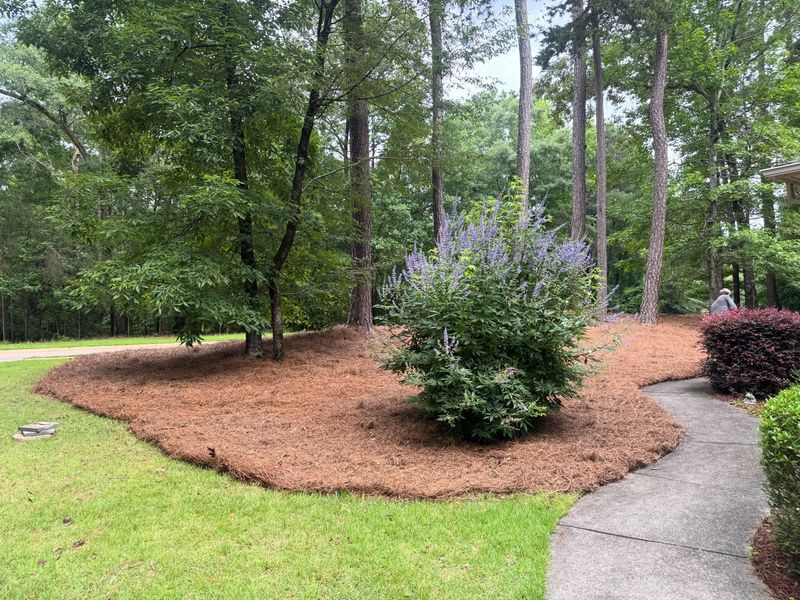
Healthy soil is not just dirt. It is a living, breathing community of billions of microbes, fungi, and tiny creatures all working around the clock.
Pine straw feeds that underground community as it slowly breaks down through summer heat and humidity. Carbon from the needles becomes food for bacteria, which in turn produce nutrients that plant roots can actually use.
Fungi play a huge role in this process too. Fungal threads called mycelium spread through decomposing pine straw, connecting plants and helping them share water and minerals across the bed.
Earthworms are drawn to the cool, moist environment under pine straw like a magnet. Their tunnels aerate the soil and their castings add a steady supply of nutrients back into the ground.
As seasons pass, the bottom layer of straw transforms into something resembling dark, crumbly compost. That material blends into the topsoil and improves its texture, drainage, and nutrient-holding capacity all at once.
Sandy Florida soils struggle to hold nutrients because water drains through too fast. Regular applications of pine straw mulch slowly add organic matter that gives nutrients something to cling to.
Clay-heavy soils get the opposite benefit. Decomposed pine straw loosens compacted clay, opening up air pockets that roots need to spread and thrive.
Building soil structure is a long game, but pine straw makes every season count. Start this summer, and by next year your garden ground will feel like a different place under your hands.
Refreshing Mulch Layers As Summer Progresses
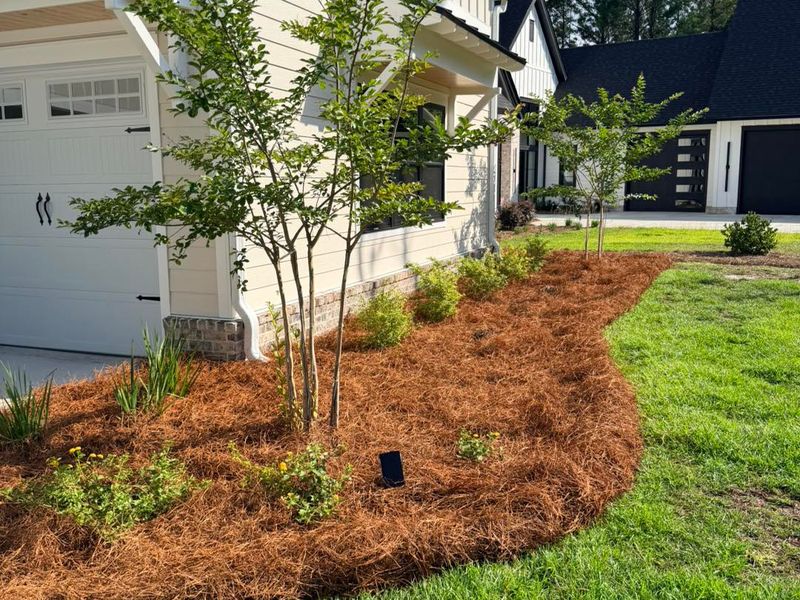
Pine straw does not last forever, and that is actually part of what makes it so valuable. As it breaks down, it feeds the soil, but it also gets thinner over time.
By mid-summer, that original three-inch layer may have compressed down to barely an inch or two. At that point, the bed starts losing its moisture-holding and insulating power fast.
Adding a fresh one to two inch layer on top every six to eight weeks keeps the system working at full strength. Think of it like topping off the gas tank before it hits empty.
Do not remove the old straw before adding new material. The decomposing layer underneath is doing important work and disturbing it interrupts the microbial processes that build soil quality.
Simply fluff the existing straw with a rake before adding the fresh layer on top. That quick step prevents matting and ensures the new material integrates well with what is already there.
Watch for spots where the straw has shifted or thinned due to heavy rain or foot traffic. Those thin patches dry out first and often show the earliest signs of plant stress.
Keeping a couple of extra bales on hand throughout summer makes topping off easy and fast. Waiting until the garden is struggling means playing catch-up during the hottest, driest weeks.
Consistent refreshing turns pine straw from a one-time fix into an ongoing soil-building engine. Your garden will show the difference by the time fall planting season arrives.