The Late-Summer Weed Pulling Mistake That Spreads Seeds Through Oregon Beds
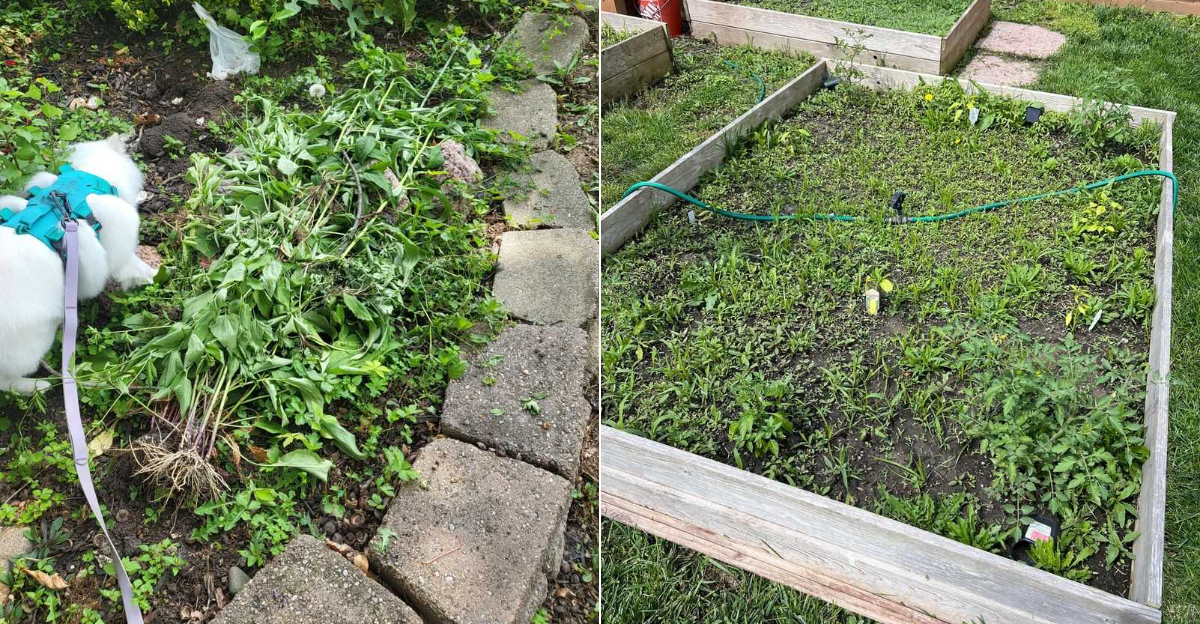
Late summer can turn even the most relaxed Oregon gardener into a weed-pulling machine.
One stroll past the flower beds becomes a quick tug here, another handful there, and suddenly you are carrying an impressive pile of unwanted greenery toward the compost.
Very productive, right? Maybe not quite as simple as it looks.
At this point in the season, weeds can behave differently than they did earlier in summer, and some are already preparing for their next act.
That means a routine cleanup session can have consequences that do not become obvious until much later.
You might finish with beautifully cleared soil and still accidentally set the stage for plenty of future work. Gardening loves a plot twist.
The frustrating part is that the questionable move can feel completely logical while you are doing it.
There may be no immediate sign that anything went wrong, which makes it easy to repeat across multiple beds.
Before you tackle the next round of late-summer weeds, it is worth paying attention to how you handle them. One small change in your cleanup routine could save you a lot of extra pulling down the road.
1. Yanking Mature Weeds After They’ve Already Gone To Seed
Few things feel more satisfying than ripping a weed right out of the ground. But when that weed has already gone to seed, that satisfying yank can do more harm than good.
Mature weeds in late summer are basically ticking seed bombs, and pulling them the wrong way sends hundreds of seeds flying into your garden bed.
A weed that has gone to seed looks different from a young one. The tops are often dry, fluffy, or have small pods attached.
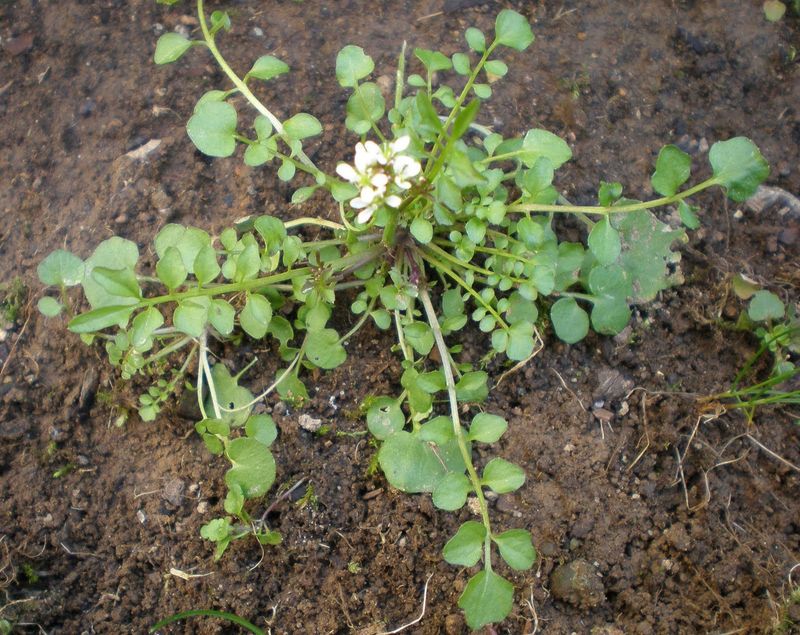
Common culprits include hairy bittercress, chickweed, and annual bluegrass. These weeds can release seeds the moment you touch them.
The smartest move is to bag the seed heads before you pull. Use a small paper bag or a plastic grocery bag and slip it over the top of the weed before grabbing the stem.
Then pull slowly and steadily. This traps the seeds inside the bag and keeps them out of your soil.
Timing matters too. Try to catch weeds before they fully mature.
Once the seed heads are brown and dry, the seeds are ready to go. Checking your beds every week during late summer gives you a better chance of catching weeds before they reach that stage.
A little early action saves a lot of future weeding work.
2. Shaking Seed Heads All Over The Bed
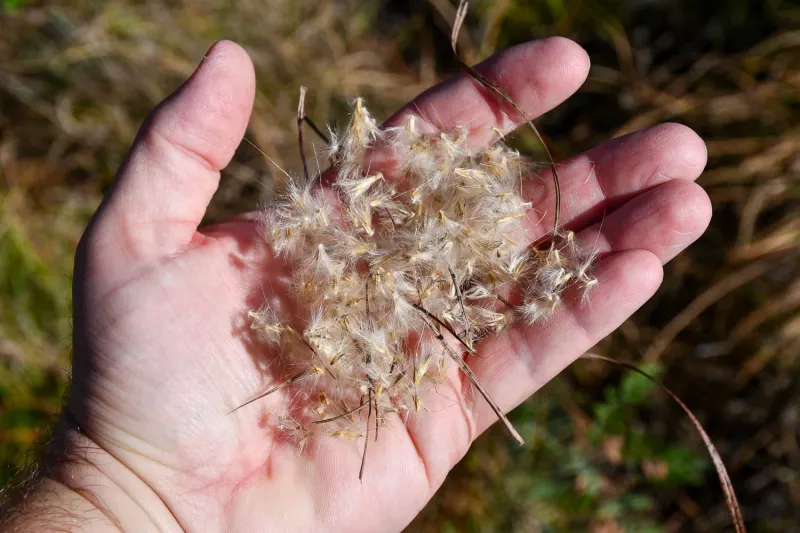
Shaking a weed might seem harmless, but when seed heads are involved, it is one of the fastest ways to replant your problem. Many gardeners grab a weed, give it a shake to loosen the roots, and end up releasing a cloud of seeds right back into the bed.
It happens quickly and often without noticing.
Some weeds, like dandelions and thistle, have seeds designed to float on the slightest breeze. Others, like hairy bittercress, actually explode their seed pods when touched.
Your Oregon Garden Changes Every Week. Your Plan Should Too.
Gardening in Oregon changes quickly throughout the season. Every Friday you’ll receive a simple weekly plan showing exactly what to plant, prune, fertilize, harvest, and protect so you never miss the right timing.
These plants have evolved to spread their seeds as efficiently as possible, and your shaking motion is exactly what they are waiting for.
One practical tip is to work slowly and deliberately. Instead of shaking or tugging, grip the base of the weed close to the soil.
Then pull straight up in one smooth motion. Keep the weed low to the ground as you carry it away from the bed.
Placing pulled weeds directly into a bucket or bag also helps a lot. Avoid piling them on the edge of your bed or leaving them on the soil surface.
Even a weed that has been pulled can still drop seeds if it sits in your garden. Being mindful of how you handle weeds after pulling is just as important as how you pull them in the first place.
3. Dragging Seed-Filled Weeds Across Bare Soil
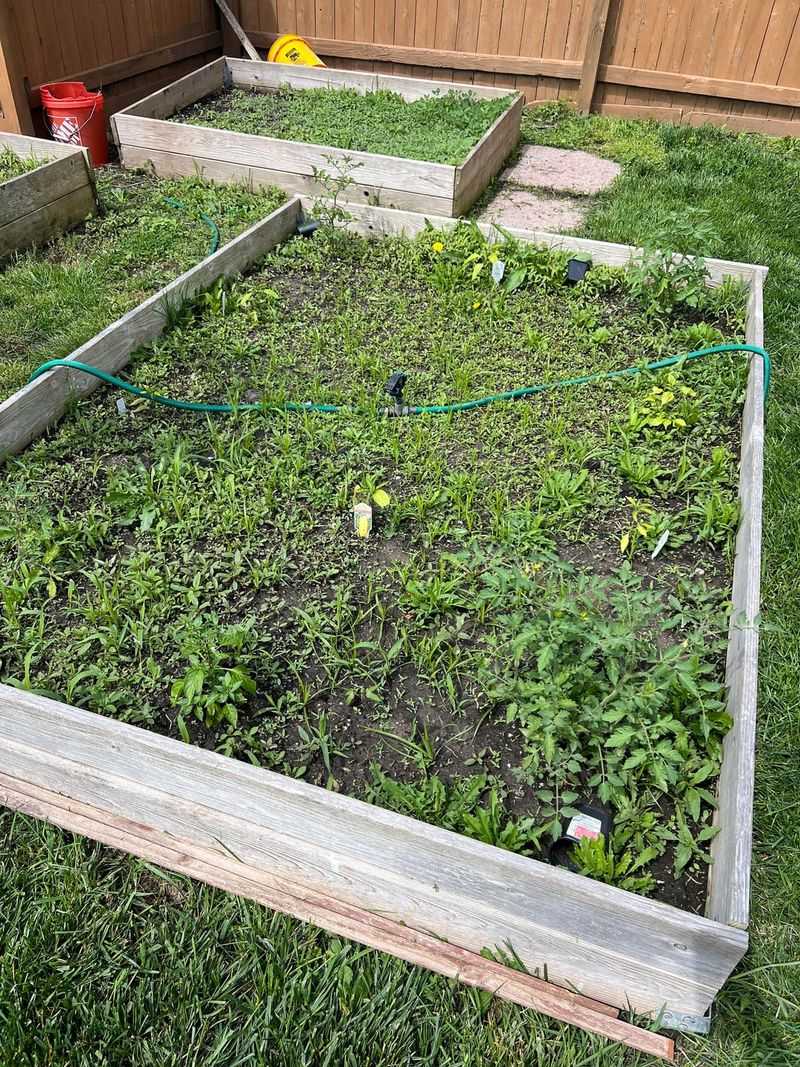
After pulling a weed, most people drag it across the garden to toss it in a pile or wheelbarrow. This seems like a simple cleanup step, but it can quietly plant a new crop of weeds without you realizing it.
Every inch that a seed-filled weed travels across bare soil is another chance for seeds to fall off and settle in.
Bare soil is actually the best environment for weed seeds to germinate. There is no competition from other plants, and the soil is often loose and easy to root into.
So dragging a mature weed across an open bed is like sowing seeds on purpose, just without meaning to.
The fix is simple but requires a small habit change. Once you pull a weed, lift it up and carry it directly to your bucket or bag.
Do not drag it along the ground. Keep it elevated as you walk away from the bed.
This small adjustment makes a big difference over a full season of weeding.
If you are working in a large bed, bring your bucket with you as you move along. That way you never have to carry weeds more than a few feet.
Minimizing the distance a pulled weed travels across your garden dramatically reduces how many seeds end up back in your soil. Less dragging means fewer weeds next season.
4. Tossing Mature Weeds Straight Into The Compost
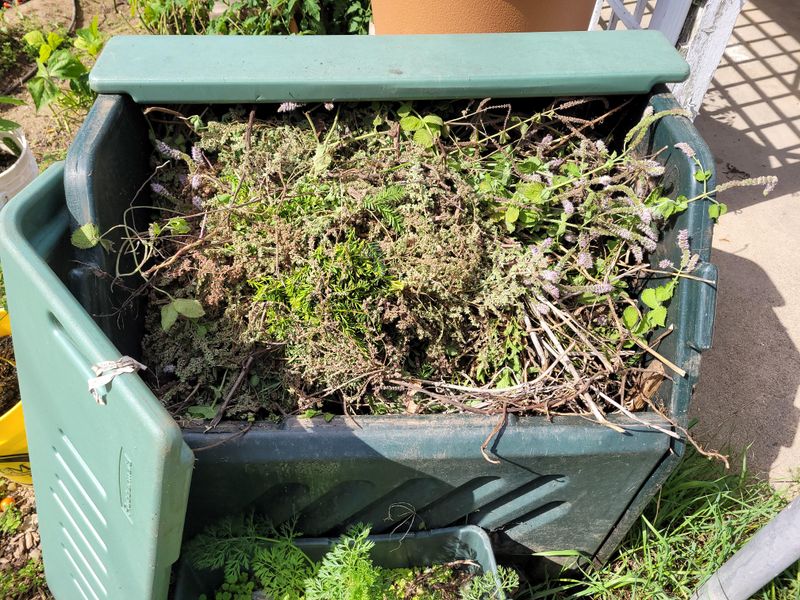
Composting is a great habit, but tossing mature weeds straight into the pile is a mistake that can come back to haunt you. Most home compost bins do not get hot enough to fully destroy weed seeds.
That means those seeds survive the composting process and get spread right back onto your garden when you use the finished compost.
A compost pile needs to reach temperatures between 130 and 160 degrees Fahrenheit consistently to neutralize weed seeds. Backyard compost piles rarely hit those temperatures evenly throughout the pile.
Seeds near the edges or in cooler pockets stay viable and ready to sprout.
The safer option for seedy weeds is to bag them and put them in your yard waste bin. Many Oregon communities offer curbside yard waste pickup that goes to professional composting facilities.
Those facilities reach much higher temperatures and actually do destroy weed seeds effectively.
Another option is to let seedy weeds dry out completely in the sun before composting. Spreading them on a tarp in a hot, sunny spot for a week or two can reduce seed viability.
But bagging and disposing of them is still the most reliable method. Keeping mature weeds out of your home compost bin protects all the effort you put into building healthy, weed-free garden beds throughout the growing season.
5. Pulling Too Fast And Scattering Seeds Everywhere
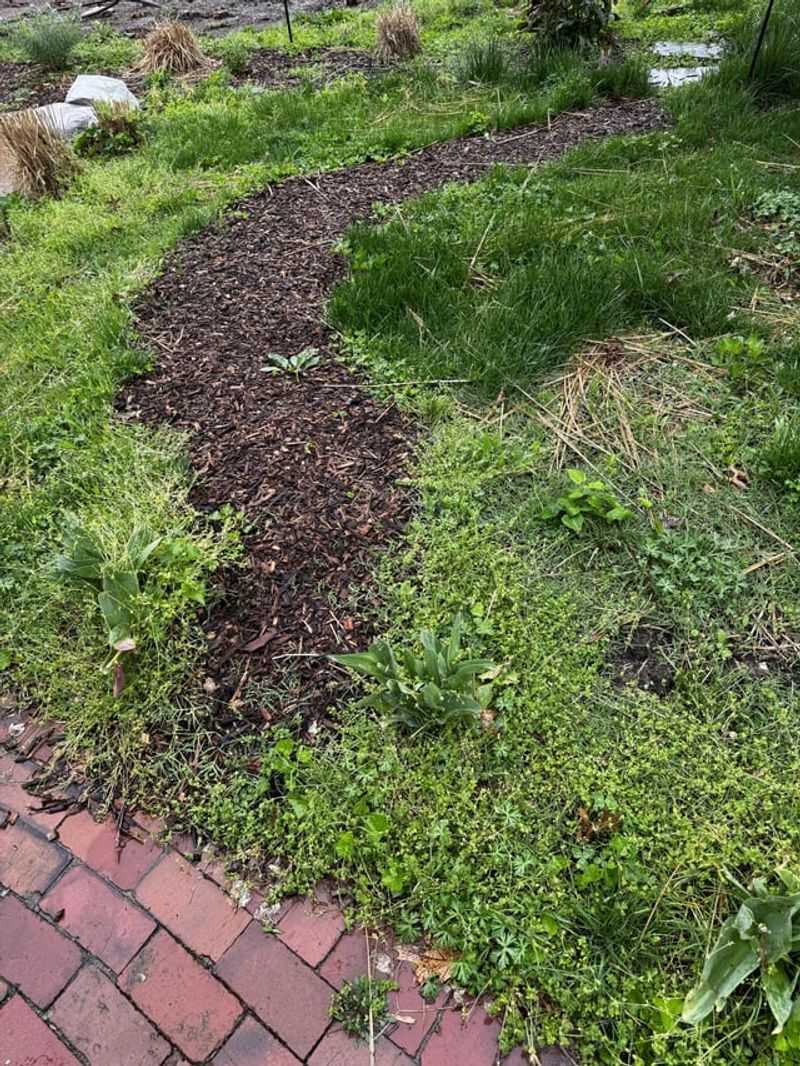
Speed is great for many gardening tasks, but not for late-summer weeding. When you pull weeds too fast, you create sudden movement that launches seeds into the air and across your bed.
It only takes a split second for a seed head to burst open and scatter its contents several feet in every direction.
Think about how a dandelion clock works. One puff sends dozens of seeds floating away.
Weeds like thistle, sow thistle, and fireweed work the same way. A fast, jerky pull mimics that same puff of air and sends seeds flying before you even notice what happened.
Slowing down is the most effective solution. Move with intention when you reach for a weed.
Grip it low on the stem, close to the soil, and pull with a slow, steady upward motion. Avoid twisting or snapping the stem, which can also release seeds.
Working in the early morning can also help. Weed seeds tend to be slightly damp from overnight moisture, which makes them heavier and less likely to float away when disturbed.
Afternoon weeding, especially on dry and windy days, is when seeds travel the farthest.
Choosing the right time of day and adjusting your pulling speed are two easy changes that can significantly reduce how many seeds you accidentally spread through your garden beds each season.
6. Leaving Broken Seed Heads Behind In The Mulch
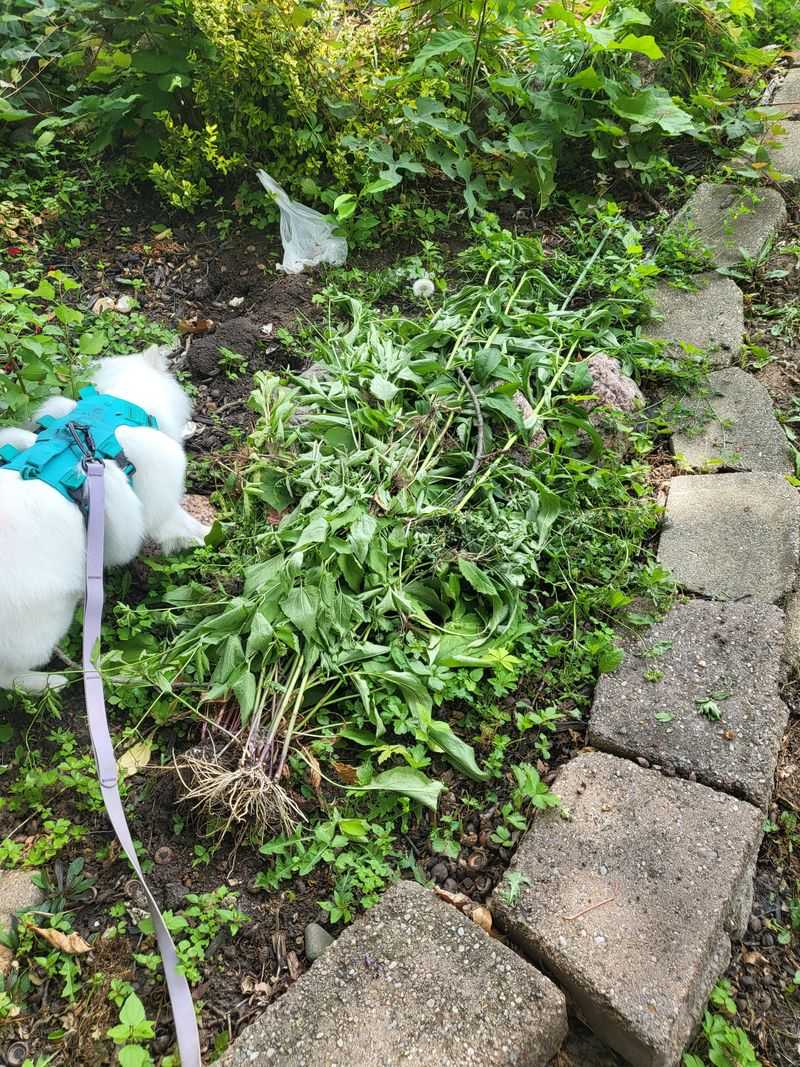
Not every weed comes out cleanly. Sometimes the stem snaps and you are left holding just part of the plant while the seed head stays behind, resting right on top of your mulch.
Many gardeners move on and assume the mulch will take care of it. Unfortunately, that is not how it works.
Mulch does slow down weed germination, but it does not stop it completely. Seeds sitting on top of mulch can still find their way down to the soil below, especially after rain or irrigation.
Once they reach the soil surface, they sprout just like any other weed seed.
Whenever a weed breaks during pulling, take a moment to look for the seed head. If it landed in the mulch, pick it up and bag it.
It takes only a few extra seconds but saves you from pulling a whole new round of weeds in that same spot weeks later.
Using a hand cultivator or small rake to gently sift through the mulch after weeding can also help you find broken pieces you might have missed.
Pay special attention to areas where you had to pull hard, since those spots are most likely to have scattered pieces nearby.
Keeping your mulch clear of seed heads is a small but meaningful step toward maintaining cleaner, healthier garden beds all the way through fall and into next spring.
7. Waiting Too Long To Catch Late-Summer Weeds
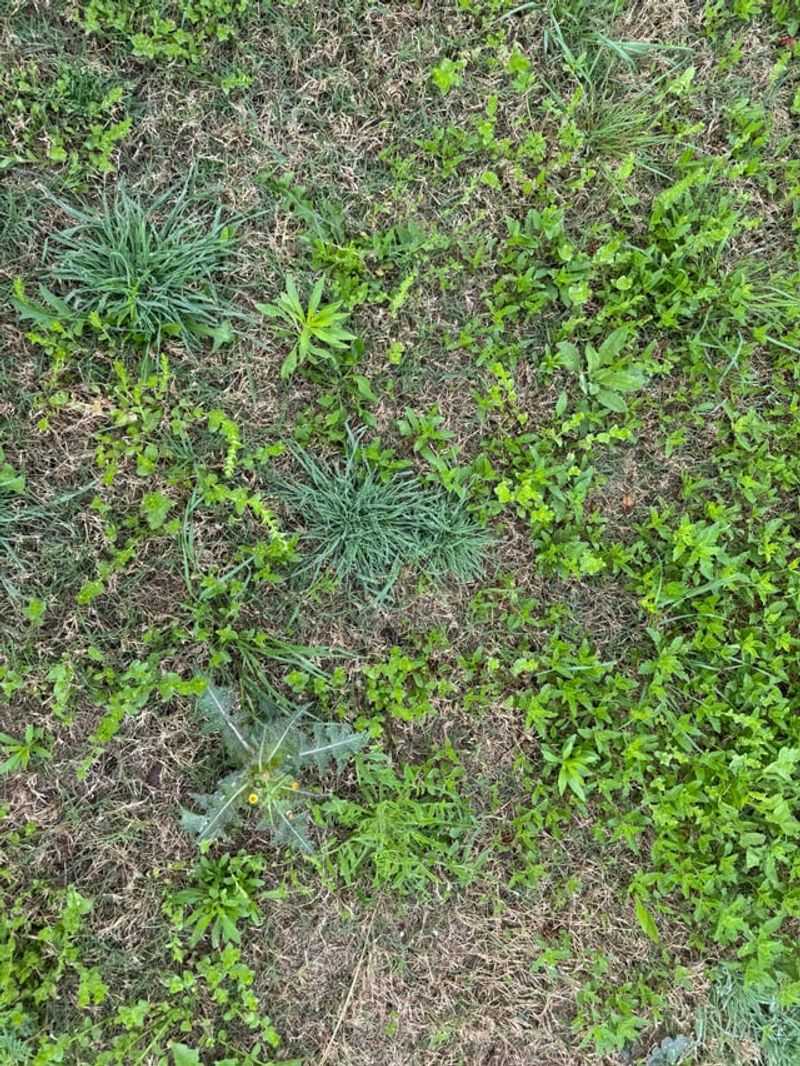
Late summer sneaks up on gardeners fast. One week your beds look manageable, and the next they are full of weeds that have already flowered and gone to seed.
Waiting too long to address weeds is one of the most common mistakes, and it multiplies your workload in a serious way.
A single weed plant can produce thousands of seeds in one season. Some common garden weeds produce 10,000 seeds or more per plant.
When you let even a handful of weeds go to seed in your beds, you are setting yourself up for a much bigger problem next spring and summer.
Making a habit of checking your beds every seven to ten days during late summer is one of the best things you can do. Set a reminder on your phone if needed.
Catching weeds in the early flowering stage, before seed heads form, means you can pull them without worrying about spreading seeds.
Mulching your beds well also helps slow weed growth and gives you a little more time between checks.
A two to three inch layer of wood chip mulch or straw keeps the soil cooler and makes it harder for new seeds to germinate.
Gardeners across the Pacific Northwest, including many in Oregon, swear by consistent mulching as their best defense against late-season weed explosions. Staying ahead of weeds, even a little bit, always beats trying to catch up later.