The 7 Florida Plants That Pay The Price For An October Pruning
October feels like the perfect month for a trim. The heat has broken, the shears are sharp, and the yard looks ready for a haircut.
Seven Florida plants beg to differ. They use this month to set up what comes next, and one wrong cut sends all that work straight to the compost pile.
Some pay with a season of lost blooms. Others pay later, when a cold snap finds the fresh wounds.
Most gardeners learn which group their plant belongs to the hard way. A few minutes with the list now beats a bare spring.
Hang up the shears until you know which ones made the cut.
1. Azaleas Lose Next Spring’s Flowers
Picture a March morning with azaleas glowing hot pink under the oaks. That show starts months earlier, long before you notice a single petal.
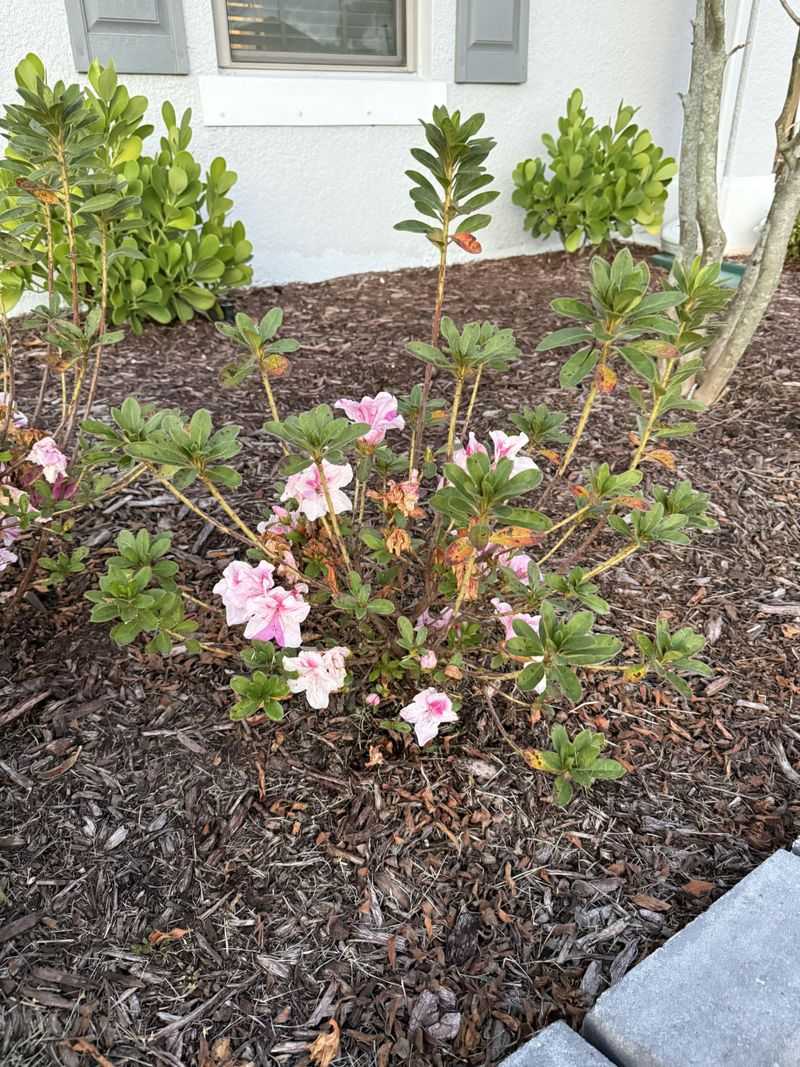
Azaleas form next year’s flower buds in late summer and early fall. By October, those tiny buds are already tucked at the tips of the branches.
When you prune now, you snip off the very parts that would have bloomed. The result is a green shrub in spring with few flowers, or sometimes none at all.
The best window in the state is late spring or early summer. Aim for the weeks right after the blooms fade, but before July arrives.
Light shaping works well right after flowering and through late July. That timing gives the plant plenty of room to grow fresh stems and set new buds.
Got a shrub that has grown far too big? Save heavy cuts for late winter to early spring, when the plant is resting.
Here is a simple trick to remember. Think of azaleas as planners who pack their suitcase in the fall for a spring trip.
If you open that suitcase and toss things out, the trip gets pretty dull. So let the packing stay finished.
For now, give your azaleas some easy care instead. Water during dry spells, and add a layer of pine straw to keep roots cool and moist.
Check the leaves for lace bugs, which leave a speckled, faded look. A quick rinse of the undersides can help a lot.
If a branch snapped in a storm, go ahead and remove only that piece. Keep the rest of the shrub whole until it finishes blooming.
Your patience now pays off in color later. Come spring, the neighbors will wonder what your secret is.
2. Camellias Lose Buds That Are Already Set
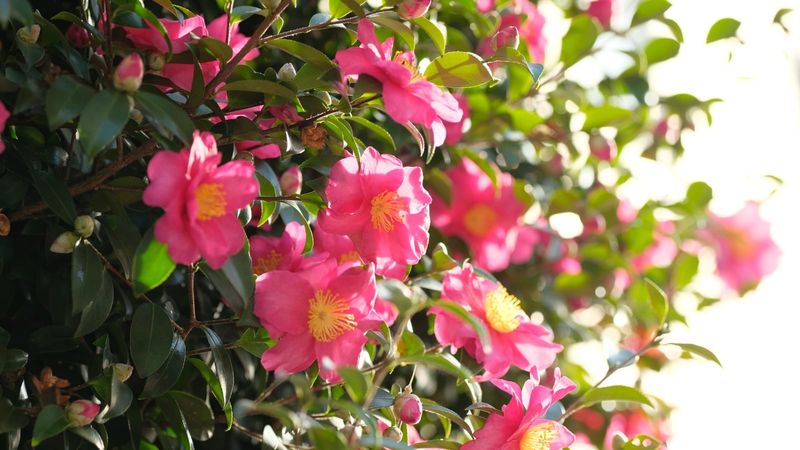
Grandma’s camellia by the porch has a quiet secret in October. Look closely and you will spot round, plump buds tucked among glossy leaves.
Camellias set their flower buds in late summer and through the fall. Those little knobs are the blooms you will enjoy in the cooler months ahead.
Two main types grow well in Florida. Sasanqua camellias usually flower from late fall into winter, while japonica types bloom from late winter into early spring.
That means an October pruning hits right when the buds are getting ready. A big cut now can strip away a whole season of flowers.
Your Florida Garden Changes Every Week. Your Plan Should Too.
Gardening in Florida changes quickly throughout the season. Every Friday you’ll receive a simple weekly plan showing exactly what to plant, prune, fertilize, harvest, and protect so you never miss the right timing.
The smartest timing is right after the plant finishes blooming. For many camellias, that falls around April or May.
Pruning then gives the shrub time to grow new shoots. Those shoots will set fresh buds for the next season.
You can still do small chores in the fall. Removing a broken or damaged branch is fine and keeps the plant healthy.
Just skip any major shaping or size reduction. Structural work should wait until the flowers are finished.
Fun fact: the tea you sip comes from a close cousin, Camellia sinensis. So these garden beauties have some famous family members.
While you wait, keep the soil lightly moist as buds swell. Dry soil can make some buds drop before they open.
A slightly acidic mulch, like pine bark, keeps camellias happy. Also watch for tea scale, a white crust under leaves.
Treat the camellia like a guest who arrived dressed for a party. Let it enjoy the evening, and tidy up after it heads home.
3. Crape Myrtles Should Wait Until Late Winter
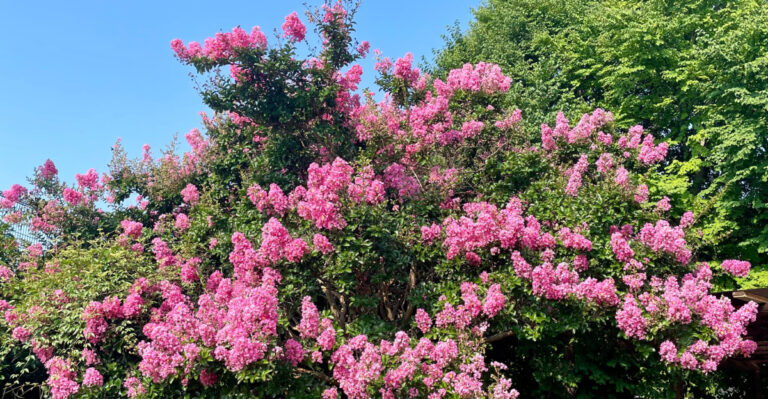
Few trees tempt Florida gardeners like the crape myrtle. Its summer flowers fade, and suddenly those seed pods look messy and begging for a trim.
Hold that thought, though. Cutting crape myrtles in October can wake up new, soft growth just as cooler nights roll in.
That tender growth is easy for a cold snap to damage. You end up with brown, nipped tips and a stressed tree.
Early fall cuts can also leave the tree looking thin and leggy. Nobody wants a sparse, awkward tree for the rest of autumn.
The ideal window runs from January through early March. During that time, the tree is resting and has dropped its leaves.
Bare branches make it simple to see the whole shape. You can spot crossing limbs and make clean, smart cuts.
Crape myrtles bloom on the current season’s growth. So a late winter trim still allows a full burst of summer color.
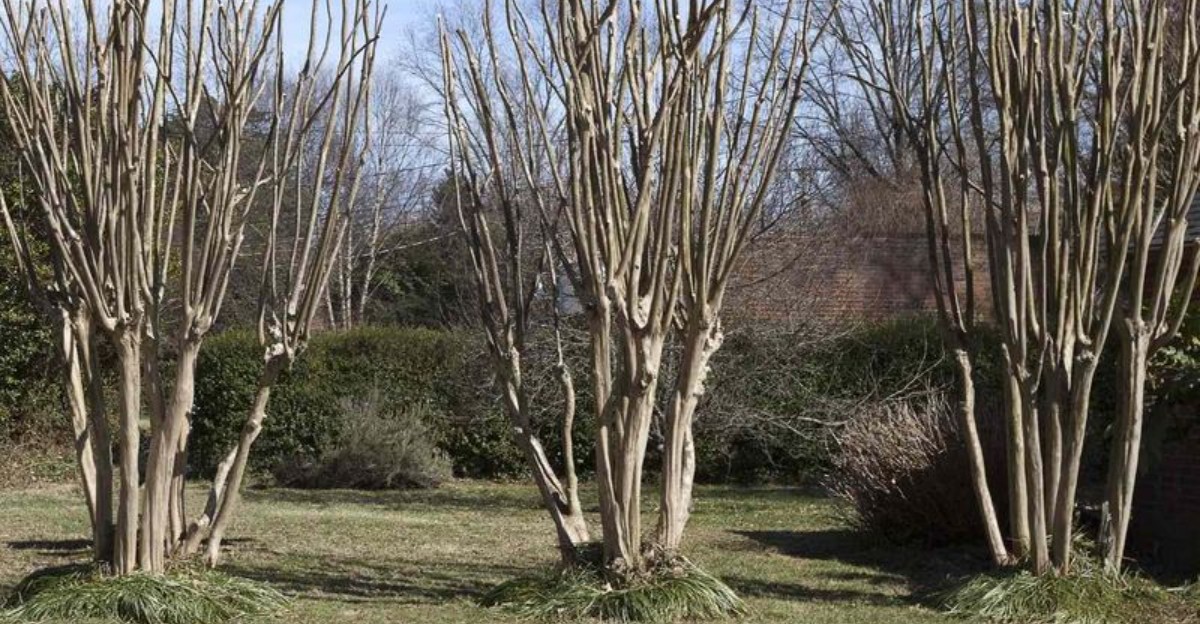
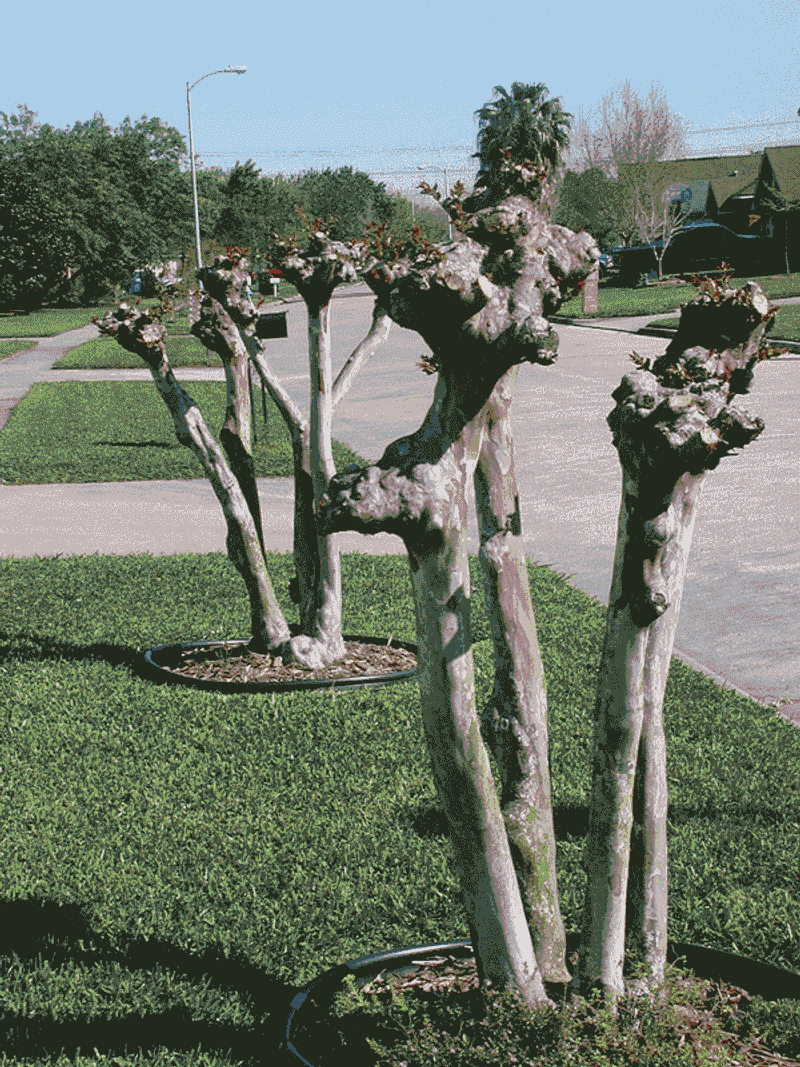
One more tip worth knowing. Skip the harsh chopping of thick trunks..
Those big stub cuts create knobby knuckles and weak shoots. Instead, remove small side branches, suckers at the base, and limbs rubbing each other.
For now, enjoy the show this tree puts on in the fall. Many varieties turn orange, red, or gold, and the peeling bark looks like cinnamon sticks.
Rake fallen leaves if you like a tidy yard. You can also clip a few seed heads you can reach by hand.
Then mark your calendar for late winter. Your tree will thank you with sturdy branches and big, frilly blooms next summer.
4. Poinsettias Need Their Stems For Holiday Color
Ever wonder how poinsettias know it is almost the holidays? They count the hours of darkness, almost like a living calendar.
Starting around the second week of October, these plants need long nights. About 12 to 14 hours of steady darkness each night triggers their famous color.
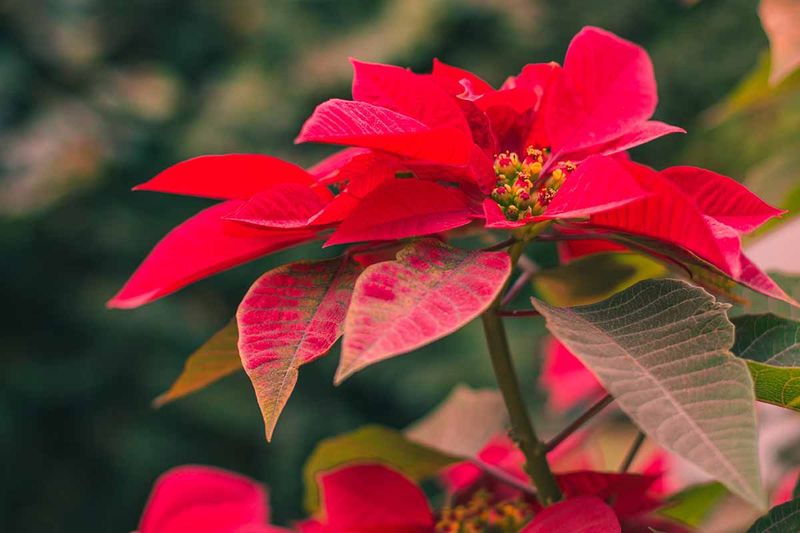
The bright red, pink, or white parts are not actually petals. They are colored leaves called bracts, and they show off in late November and December.
Here is the catch. Those bracts form at the tips of the stems you might be tempted to cut.
Prune in October, and you remove the very stems preparing for the holiday display. That leaves you with plain green leaves when guests arrive.
Outdoor poinsettias in our state can grow into big shrubs. Keep them away from porch lights or streetlamps, since extra light at night can delay the color.
So when should you prune? Early spring is the right time, after the colorful season fades.
Cut the stems back to about 12 to 18 inches from the ground. That hard trim pushes out plenty of fresh new growth.
In late spring or early summer, pinch the tips of new stems. Pinching makes the plant bushier, which means more spots for color later.
A good rule many gardeners follow is to stop pinching by late summer. After that, let the plant grow freely toward fall.
Did you know? Poinsettias are native to Mexico and were introduced to the United States by Joel Poinsett in the 1820s.
This October, let your plant rest in the dark and do its quiet work. Your reward will be a burst of festive cheer.
5. Citrus Trees Should Wait Until Spring
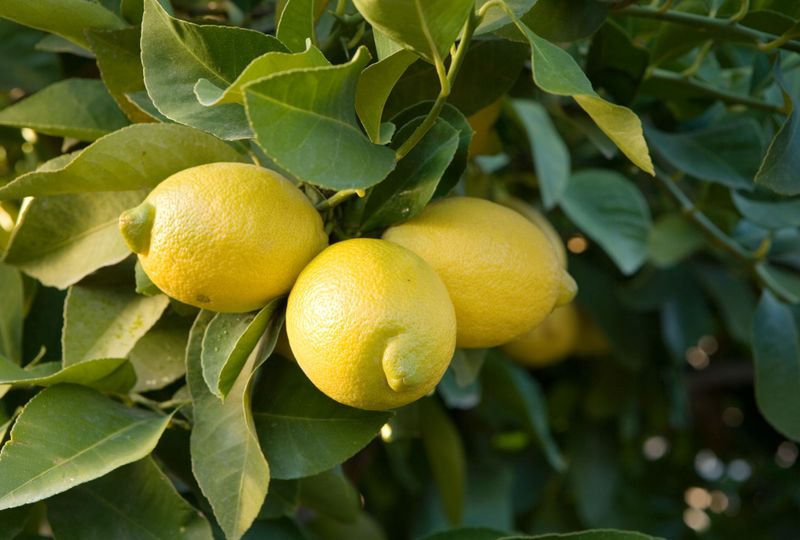
Nothing says Florida quite like a backyard orange tree. In October, fruit is swelling and the tree looks busy and proud.
That is exactly why the pruners should stay in the shed. Cutting citrus after September can trigger a flush of soft, new shoots.
Fresh growth like that is tender and easily hurt by cold. One chilly night in January could burn those new leaves and stems.
The best time to prune is late winter or early spring. Aim for the stretch just before new growth begins to push out.
Pruning at that point helps the tree in several ways. It supports healthy growth, better fruit, and good air flow through the canopy.
Better air flow means leaves dry faster after rain. That can lower the chance of fungal problems.
Light maintenance trimming is okay through summer and into early fall. Small cuts like that usually have little effect on your harvest.
Heavy hedging is another story. In areas that get freezes, keep big cuts out of the fall calendar.
So what can you do right now? Pick up dropped fruit, which can attract pests, and keep the area under the tree clear of weeds.
Water deeply during dry spells, since fruit needs steady moisture to stay juicy. Watch for leaf miners, which leave squiggly trails on young leaves.
Quick fact: Florida has long been the nation’s top orange-growing state, though California has outproduced it in some recent seasons. Most of Florida’s harvest becomes juice.
Think of fall as the tree’s busy season at work. Let it finish the job, then give it a fresh trim when spring comes.
6. Plumeria Pushes Out Tender, Cold-Prone Growth
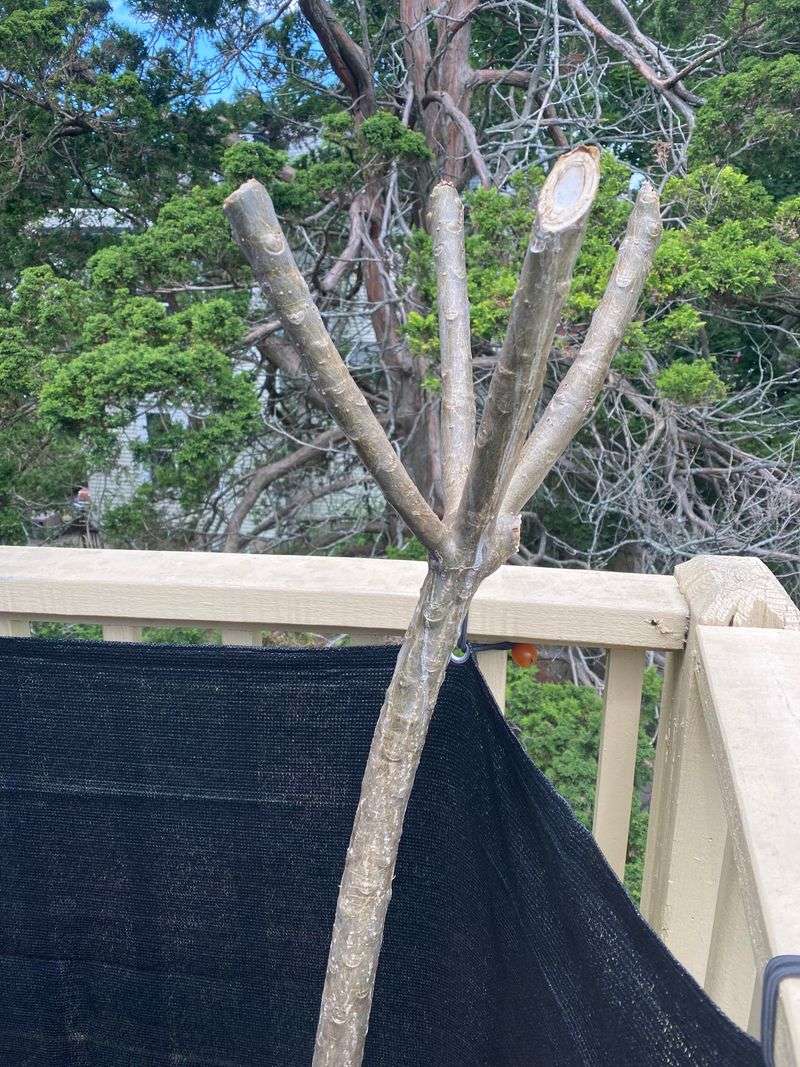
Plumeria smells like a vacation in a flower. Those sweet blooms make it a favorite for anyone who loves a tropical vibe.
Fall, though, is not the time to reshape it. Pruning plumeria in autumn can coax out fresh growth that is soft and easily harmed.
New shoots after a cut tend to be delicate. When winter brings a cool snap, that tender growth often takes the hardest hit.
The best window is the plant’s dormant season. In Florida, that usually means late winter or early spring, before new leaves show up.
Pruning while the plant rests causes less stress. The plant also bounces back with stronger, steadier growth.
There is one exception to the wait. If frost damages a branch, prune it as soon as you can.
Cut back until you reach healthy white wood inside. Mushy or dark wood should be removed so problems do not spread.
Wear gloves when you cut plumeria. The milky white sap can bother skin and eyes.
Here is a bonus that feels like a magic trick. The pieces you cut in spring can become brand new plants.
Let the cut ends dry for a week or two until they seal over. Then plant them in fast-draining soil and keep them on the dry side.
For now, ease up on water as days get shorter. Plumeria may drop its leaves in cooler months, which is normal.
In North Florida, consider moving potted plants to a sheltered spot. A little planning keeps this tropical treasure ready for next summer’s perfume.
7. Mandevilla Needs Its Pruning Saved For Spring
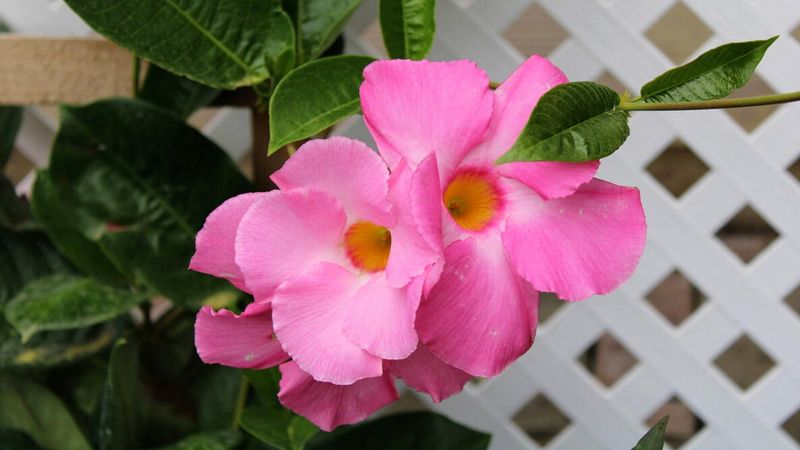
Mandevilla is the show-off of the patio. Its pink, red, or white trumpet flowers climb trellises like they own the place.
Mandevilla flowers form on new growth. That simple fact explains why timing your cuts really matters.
A fall pruning can cut away the stems getting ready to bloom. The result is fewer buds and a quieter display than you expected.
Major pruning belongs in late winter or early spring. That is the moment just before the vine wakes up and starts growing again.
At that time, you can cut the plant back by up to one-third. This encourages a full, lush vine for the warm months.
During the growing season, try a little pinching. Nipping off the tips encourages side shoots, and more shoots mean more flowers.
Light tidying can happen at almost any time of year. Snip a stray tendril wandering onto the porch rail, and you are fine.
Just avoid big cuts now. Save the serious trimming for spring.
Got a mandevilla in a pot? In cooler parts of the state, you might need to move it inside or to a protected corner on chilly nights.
These plants come from tropical regions and dislike temperatures dropping into the 40s. A sheet or frost cloth can help during a sudden cold front.
Here is a handy tip for winter care. Cut back on water a bit and skip the fertilizer until spring.
Wear gloves when handling stems, since the sap can irritate skin. When warm days return, prune with confidence and watch those trumpets play again.