The Florida Rat Problem That Starts in the Attic When the Weather Cools
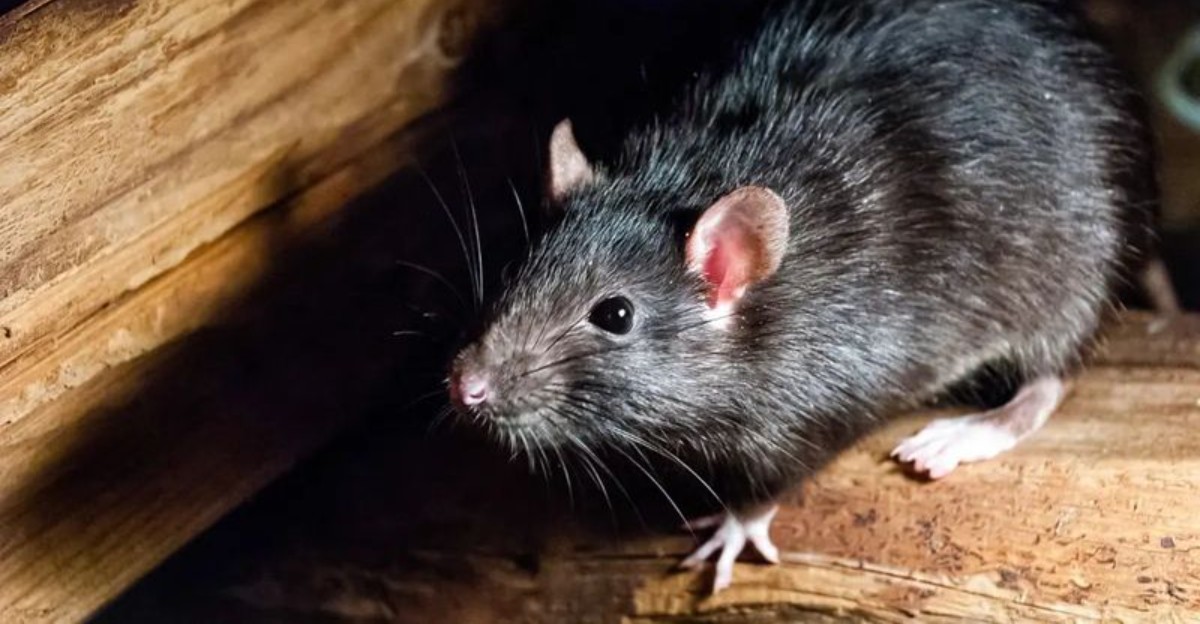
Rats can squeeze through gaps about the size of a quarter. That tiny fact explains a lot about the scratching some Florida homeowners hear overhead once fall nights finally cool off.
I used to blame the noise on settling wood or a wandering squirrel. Then I learned which climber in our area loves palm trees, fruit trees, and high places.
It treats a warm attic like a hotel with free room service.
You need to know that this visitor is quick, quiet in daylight, and very good at hiding. It chews, it nests, and it raises young faster than most of us expect.
The sounds tend to start after dusk, right when you settle in for the evening. What exactly is running laps above your bedroom, and how did it get up there?
1. Those Quick Scratches Above Your Ceiling After Dark Have a Pattern
Late one October evening, the noise started right on schedule. A light, fast patter ran across the ceiling, paused, then ran back again.
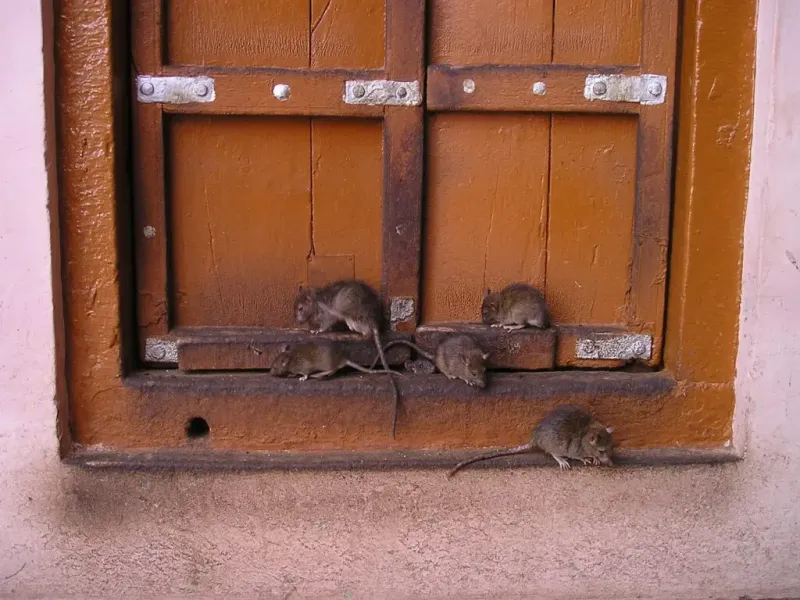
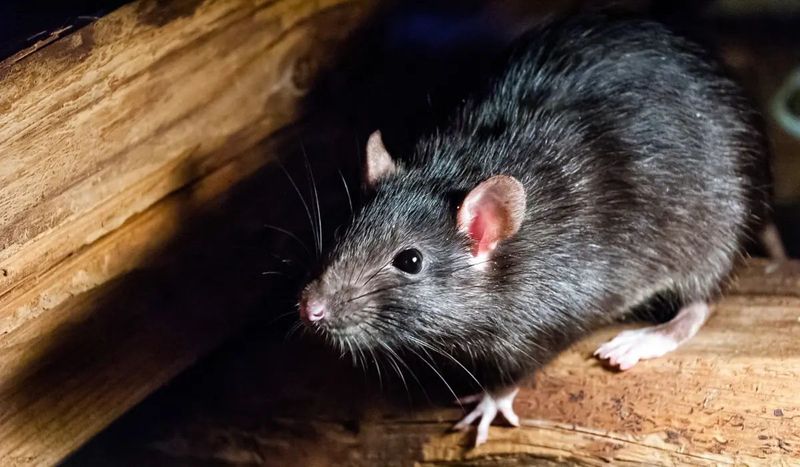
Sounds like that usually point to roof rats, also called black rats or palm rats. University of Florida IFAS Extension lists them as one of the most common rodent pests in the state.
They are slim, dark, and sport a tail longer than their head and body combined.
Timing is the biggest clue. Roof rats are mostly active at night, so the scratching often begins near dusk and fades before sunrise.
Squirrels, by contrast, tend to make noise in the early morning and daytime.
Listen for where the sound travels, too. Rats often follow the same routes night after night, usually along rafters, top plates, and the edges of the attic.
A steady path near the eaves is a strong hint.
Keep a simple log for a few nights. Jot down the time, the location, and the type of sound, such as scurrying, gnawing, or squeaking.
That record helps you or a pest professional figure out which animal is up there and where it might be getting in.
2. Cooler Florida Nights Send Roof Rats Looking for Warm Rafters
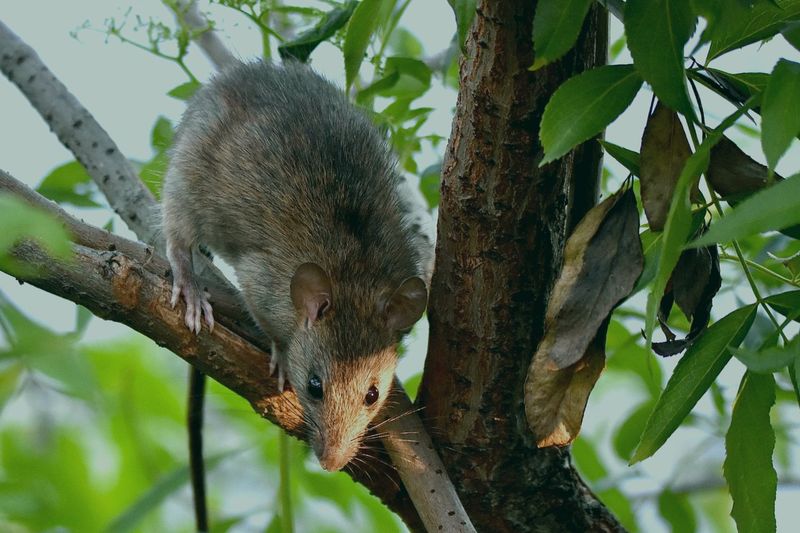
Florida rarely gets a true winter, yet the rats still notice the change. When nighttime lows slip into the 50s or 60s, a warm, dry attic suddenly looks like a perfect place to settle.
Roof rats in the state can breed year round. Many sources, including pest experts, note activity often rises in spring and fall.
More young rats mean more animals hunting for shelter at the same time the weather shifts.
Food matters as much as temperature. By fall, many backyard fruits like mangoes and lychees have finished for the season.
With fewer easy snacks outside, rats explore houses more often.
Your attic offers just what they want. Heat rises from your living space, insulation makes soft nesting material, and the space is quiet and dark.
It also sits high off the ground, which roof rats strongly prefer.
North Florida gets more cold snaps than Miami or the Keys, so the fall push indoors can feel stronger up there. Still, homes across the peninsula report attic activity this time of year.
Treat the first cool front as your reminder to check the roofline before guests move in.
3. Overhanging Palm Fronds and Tree Limbs Work Like a Rat Bridge
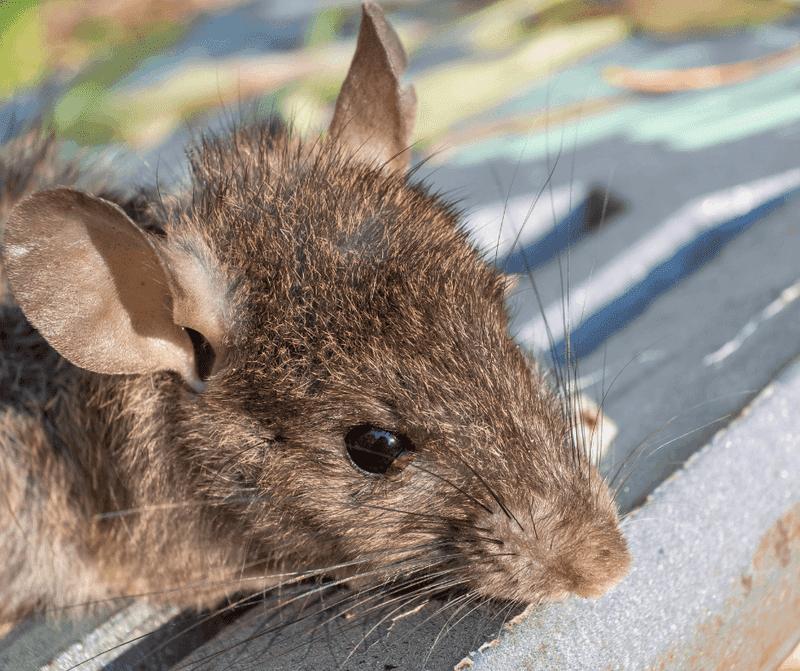
Roof rats are acrobats with tails. They scamper along branches, power lines, and fence tops with surprising balance.
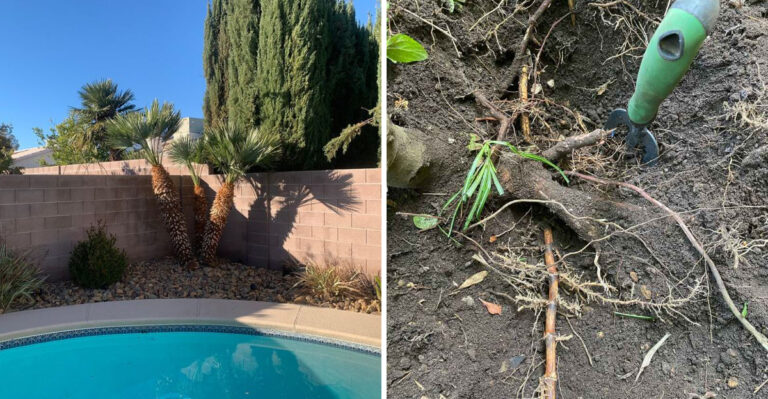
In Florida yards, the most common highway is greenery. Palm fronds brushing the eaves, oak limbs hanging over shingles, and thick vines on walls all give rats a free ride straight to your roof.
Citrus and avocado trees near the house add both a ladder and a snack bar.
Utility lines are another favorite. Rats can walk a cable from a pole right to the spot where it enters your home.
That entry point often has a small gap around it.
Walk around your house in daylight and look up. Note every place where a branch, frond, or line comes within a few feet of the roof.
Many pest experts suggest keeping limbs trimmed back several feet, often six feet or more, from the roofline.
Leave work near power lines to your utility company or a licensed tree crew. Cutting palms and big limbs yourself can be risky.
A quick trim this fall can do more for your attic than a dozen traps later.
4. Gnawed Wires and Flattened Insulation Can Cost You Plenty
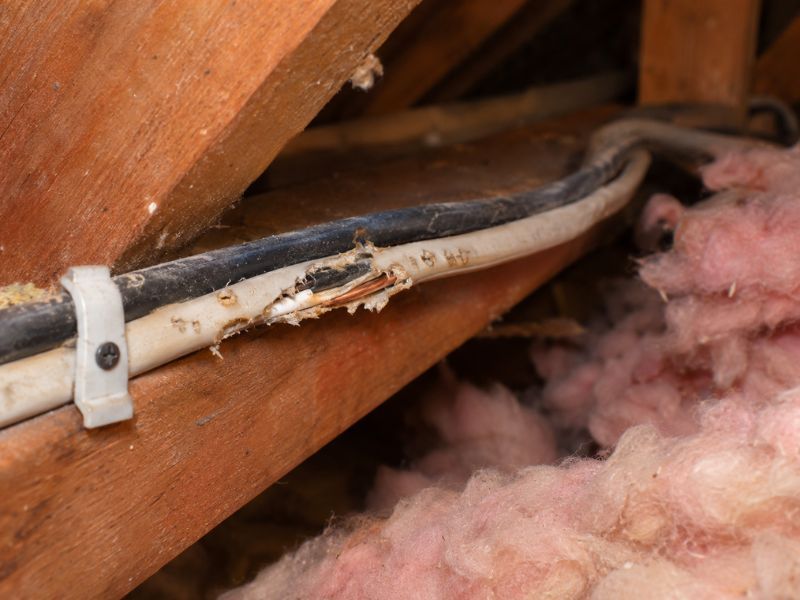
Rats have a dental problem they can’t ignore. Their front teeth keep growing their whole lives, so they gnaw on hard objects to keep them worn down.
Unfortunately, attic wiring makes a handy chew toy. Damaged wire coating can expose metal and create a fire risk, and that kind of damage can sit hidden for months.
If you find chewed wires, call a licensed electrician to inspect them.
Insulation takes a beating, too. Rats tunnel through it, pull it into nests, and soil it with urine and droppings.
Packed down, dirty insulation doesn’t hold heat or cool air as well, which may nudge your power bill higher.
Flexible HVAC ducts are another target. A torn duct can leak cooled air into the attic and pull dusty, contaminated air back toward your living space.
Rodents can also carry germs and parasites. Their droppings and urine are linked to illnesses such as leptospirosis and salmonellosis, according to the CDC.
That’s why prompt action matters more than just stopping the noise. Plan a careful look around your attic soon after the first scratching starts.
5. Spindle-Shaped Droppings and Greasy Rub Marks Tell the Story
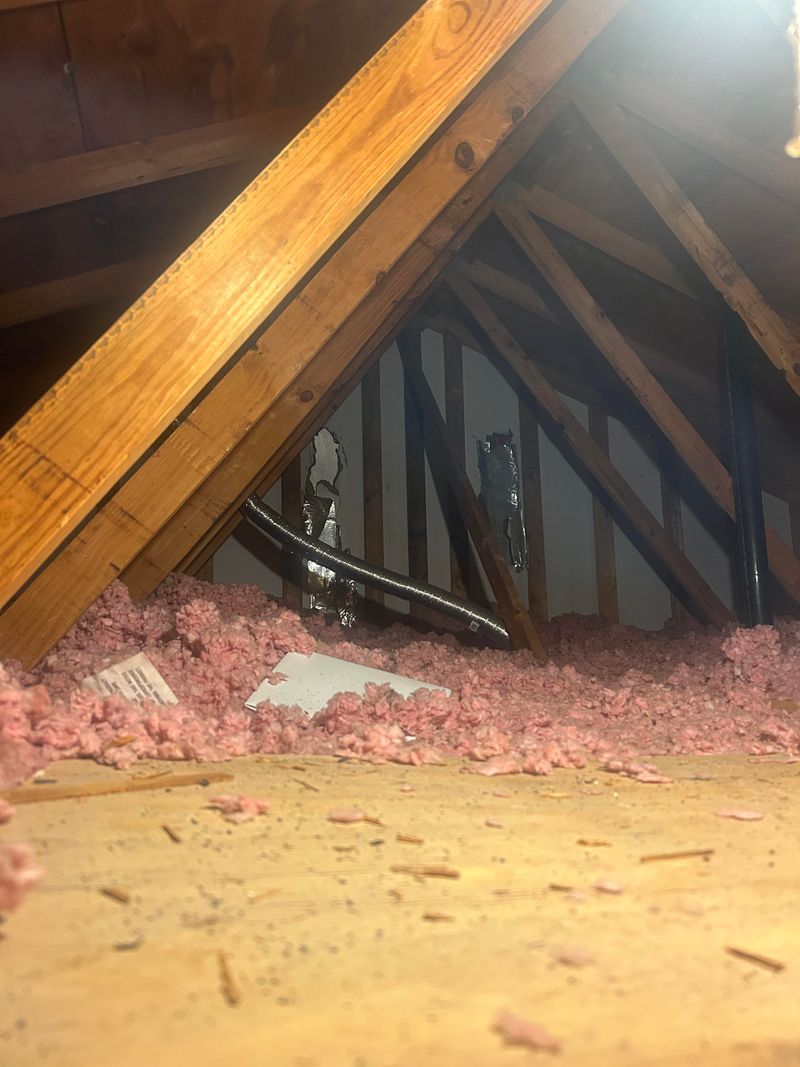
Detective work in an attic is not glamorous, but it pays off.
Inspect the attic without disturbing droppings or nesting materials, and contact a pest control professional if you find extensive contamination.
Roof rat droppings are small, dark, and pointed at the ends, often about half an inch long. You’ll usually find them along travel routes and near nesting spots.
Fresh ones look shiny and soft, while older ones turn dull and crumbly.
Look for dark, oily smudges on wood, pipes, or around holes. Rats leave these rub marks as their fur brushes the same spots night after night.
Shredded insulation, cardboard, or fabric piled in a corner may mark a nest.
Your nose can help as well. A musky, stale odor often hangs around active areas, especially in warm weather.
Outside, check soffits, gable vents, and roof edges for gnaw marks and small gaps. Fruit with neat, hollowed-out holes still hanging on the tree is another classic roof rat sign.
Please don’t sweep or vacuum droppings dry. The CDC recommends spraying them with a disinfectant or bleach solution, letting it soak, then wiping them up with paper towels while wearing gloves.
6. Sealing Soffit Gaps With Hardware Cloth Keeps Rats Out for Good
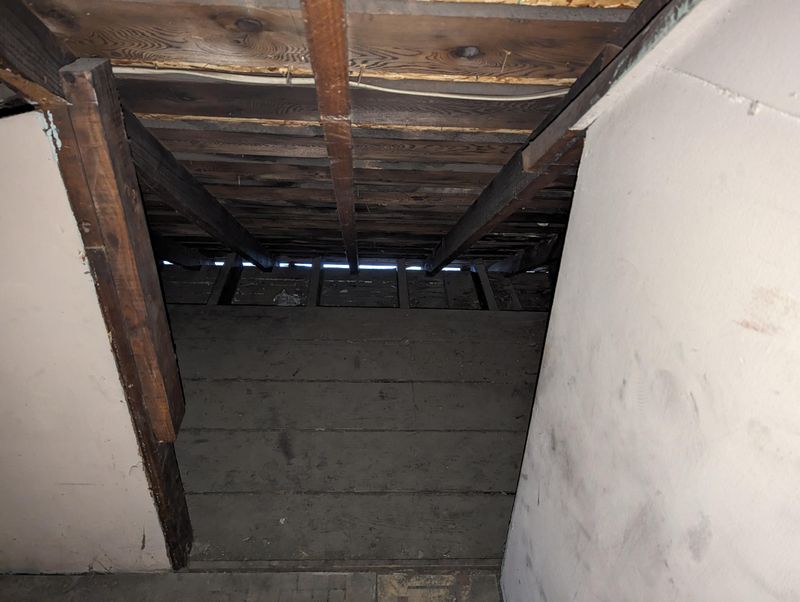
Exclusion is the hero of this story. UF/IFAS and most wildlife pros agree that sealing entry points is the best long-term fix for attic rats.
Start where the soffit meets the fascia, a common weak spot on Florida homes. Then check roof vents, gable vents, plumbing stacks, AC line openings, and the spots where cables enter the walls.
Any gap around half an inch or larger deserves attention.
Choose materials rats can’t chew. Quarter-inch hardware cloth, sheet metal, metal flashing, and copper or steel mesh hold up well.
Caulk and expanding foam alone are easy for rats to gnaw through, so use them only alongside metal.
Timing is the tricky part. If you seal every hole while rats are still inside, they may chew a new exit or perish in the walls.
Many pros remove resident rats first or install one-way doors before the final seal.
Fall is a smart season for this job. Temperatures are more comfortable for ladder work, and you’ll beat the busiest stretch of indoor activity.
If heights make you nervous, a licensed exclusion company is money well spent.
7. Snap Traps Along Attic Runways Are a Safer Alternative to Poison
Old-fashioned snap traps still earn their place. They’re cheap, quick, and let you confirm that a rat has been caught.
Placement matters more than the brand. Set traps along walls, beams, and other runways where you found droppings or rub marks.
Rats prefer to travel along edges rather than across open spaces.
Bait with peanut butter, dried fruit, or nuts, since roof rats love fruit and seeds. Some people leave traps baited but unset for a night or two so wary rats get comfortable first.
Use several traps at once to speed things up.
Poison baits in an attic are a different matter. A poisoned rat can crawl into a wall and decay there, leaving a terrible smell.
Rodenticides can also harm pets, owls, hawks, and other wildlife that eat poisoned rodents.
Check traps every day and wear gloves when handling them.
Spray the captured rat and surrounding area with disinfectant, let it soak for five minutes or according to the product label, then double-bag the rat and dispose of it in a covered trash bin.
Keep traps out of reach of kids and pets. A covered trap station adds an extra layer of safety.
8. A Tidy Yard With Picked-Up Fruit and Sealed Bird Seed Keeps the Attic Quiet
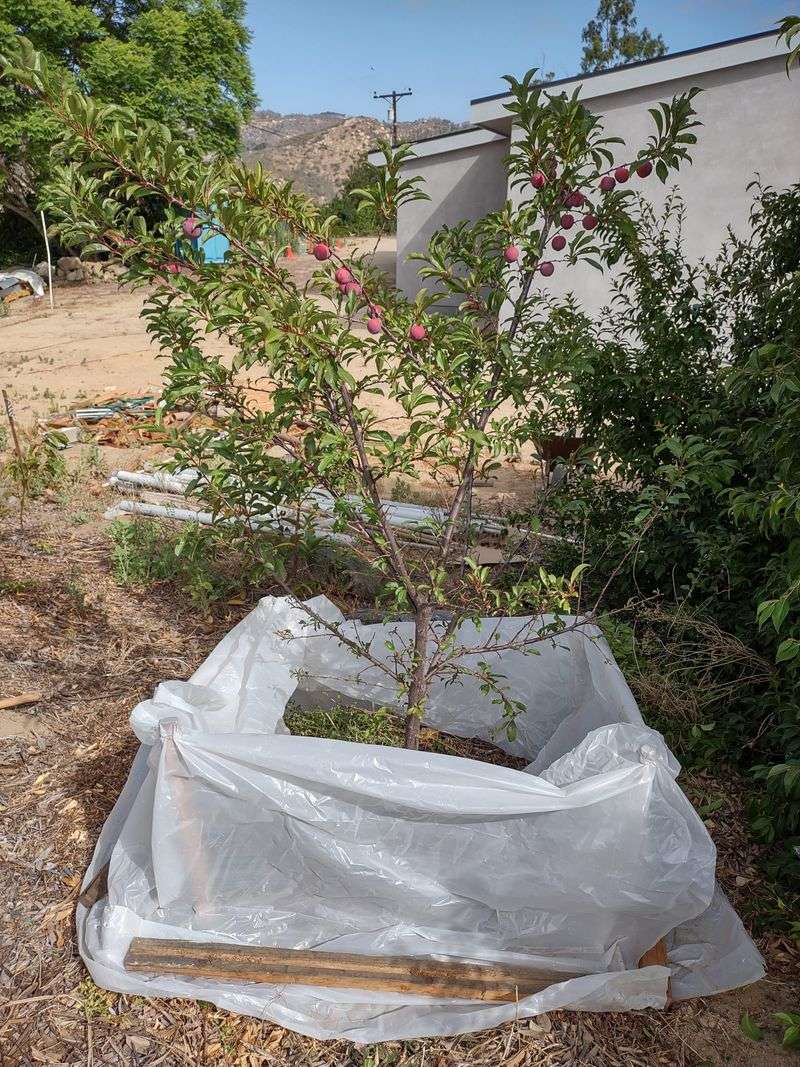
Gardeners have a secret weapon in this fight. A well-kept yard simply gives rats fewer reasons to hang around.
Pick up fallen fruit every day or two, especially from citrus, mango, avocado, and loquat trees. Harvest ripe fruit promptly instead of letting it hang.
Roof rats will happily climb right to the treetop buffet.
Watch the bird feeders. Spilled seed on the ground feeds rats as well as cardinals.
Use trays to catch seed, clean up the ground beneath, and store seed in a metal can with a snug lid.
Pet food left outdoors overnight is another open invitation. Bring bowls inside after dinner and keep bags in sealed containers.
Fix dripping hoses and outdoor faucets so water is harder to find.
Thin out dense vines, overgrown hedges, and woodpiles near the house. Florida ivy-covered walls and thick ground cover make cozy hiding spots right beside your foundation.
Finally, put an attic check on your fall calendar each year. A quick look for droppings and gaps takes about twenty minutes.
Paired with trimmed trees and sealed openings, that habit keeps your attic peaceful when the next cool front rolls through.