The Florida Yard Feature That Brings Ghost Snails Closer To The House Every Night
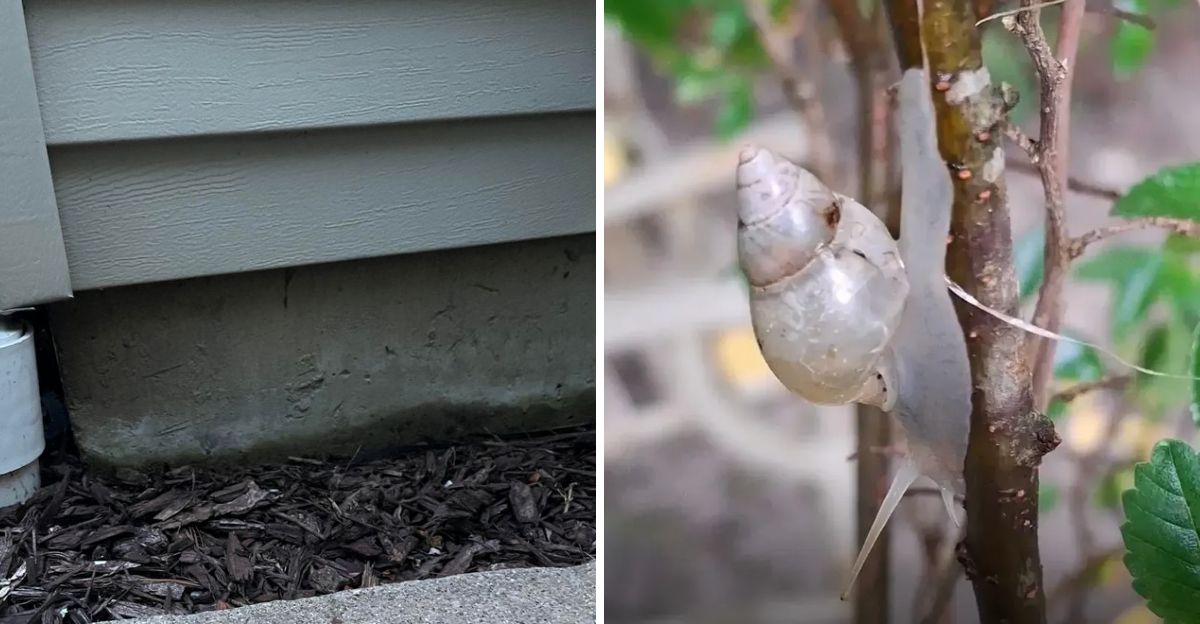
One common Florida yard feature may turn your property into a nightly beacon for ghost snails. As darkness falls, these pale invasive predators leave their shelters and move toward areas that offer moisture, cover, and easy access to prey.
A simple yard choice near walls, patios, or entryways can create the perfect route straight to your home. Most residents never notice the pattern until empty snail shells appear, native species vanish, or the ghost snails start to show up near doors and windows.
Their speed, appetite, and ability to thrive in warm climates make them far more than a strange backyard visitor. The feature that attracts them often looks harmless, even useful, by day.
At night, it can become a refuge that draws them closer with each hour. Florida homeowners should know which yard element creates this risk and what steps can reduce the threat before the population rapidly grows.
1. Find Ghost Snails Gathering Around Irrigation Emitters
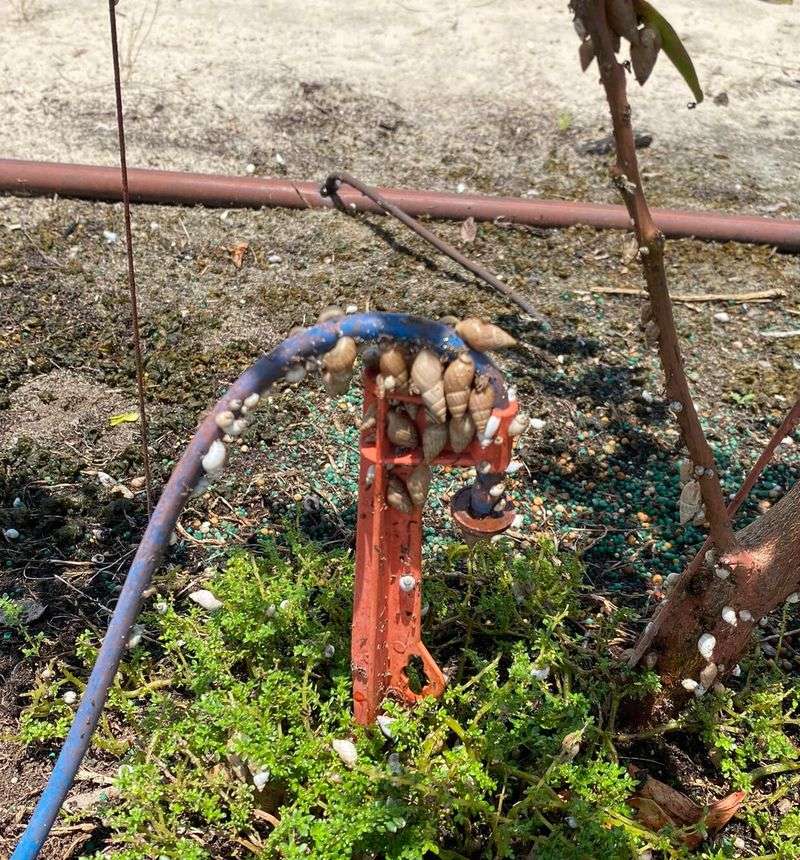
Pale shells clustered around a drip emitter can stop you mid-step during an evening walk through the garden. Those small, elongated forms resting on the tubing or pooling near a microjet head are worth a closer look.
The ghost bulimulus, commonly called the ghost snail, is an invasive land snail established in parts of Florida southern landscapes. Irrigation equipment tends to be one of the more noticeable places where groups appear.
Emitters, microjets, hoses, and stake fittings create localized wet zones. The soil around them stays damp longer than surrounding areas, and algae or organic film can build up on exposed surfaces.
Upright tubing and stakes also give snails a surface to rest on above hot ground. None of this means the equipment is drawing them in through scent or sound.
The conditions simply match what the snails are already looking for.
During an inspection, look for pale shells, slime trails on tubing, scraped patches where algae has been grazed, and any emitter that seems partially blocked. Check early in the morning or after a watering cycle when activity may still be visible.
Photograph any snail you are uncertain about before removing it. Shell color alone is not enough to confirm a species.
A local UF/IFAS Extension office can help with identification when you are not sure what you are seeing.
2. See How Night Watering Creates A Damp Trail Home
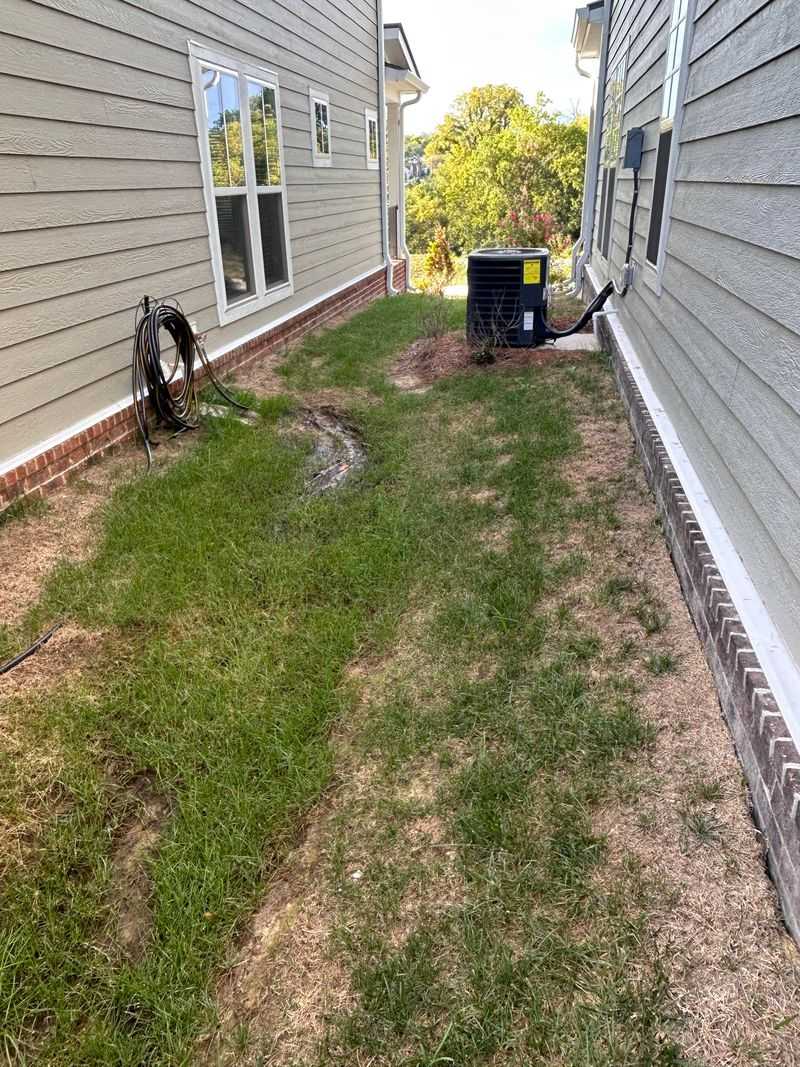
A dark strip of wet ground stretching from a Florida garden bed toward the foundation tells part of the story on its own. Nighttime irrigation leaves mulch, soil, concrete joints, and edging damp for an extended period.
Surfaces that dry out quickly in afternoon sun stay wet for much longer when water is applied after dark. That extended wetness overlaps with the hours when land snails like the ghost bulimulus tend to be most active.
Calling this a deliberate trail toward the house overstates what researchers have confirmed. Snails do not appear to navigate toward structures on purpose.
Connected humid zones appear to help the snails move closer to buildings. These zones may extend from a soaked garden bed across wet edging to a damp foundation wall.
Your Florida Garden Changes Every Week. Your Plan Should Too.
Gardening in Florida changes quickly throughout the season. Every Friday you’ll receive a simple weekly plan showing exactly what to plant, prune, fertilize, harvest, and protect so you never miss the right timing.
They allow the snails to remain active and sheltered. The conditions make movement easier, not directed.
Extension irrigation guidance sometimes recommends shifting watering to early morning. This may give surfaces more time to dry before the cooler evening hours arrive.
Before making any schedule change, check local water-use restrictions and confirm that your plants and soil type can handle the adjustment. Reducing unnecessary surface wetness is a reasonable goal.
Cutting irrigation when plants genuinely need it is not. The aim is smarter timing, not a drier landscape across the board.
3. Check Hoses And Microjets Before Snails Climb Higher
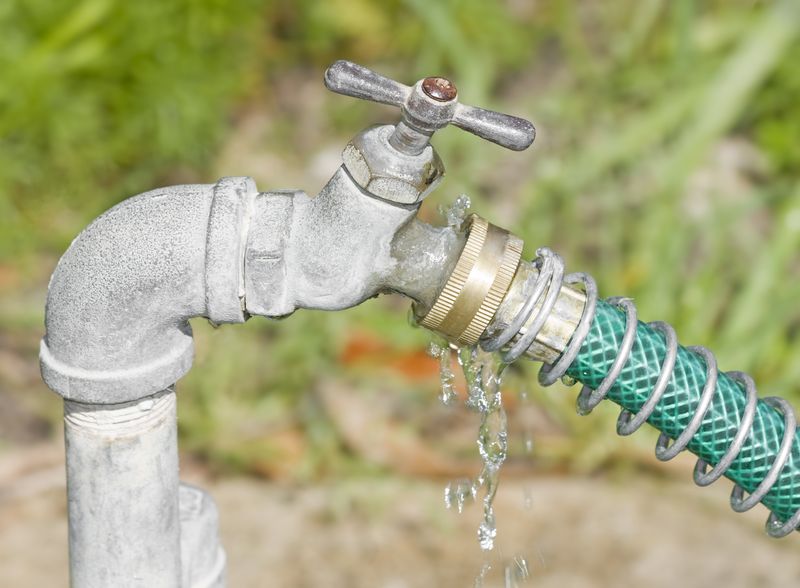
A slow drip forming beneath a hose connector can keep one small patch of ground wet long after the rest of the bed has dried out. That kind of persistent leak creates a reliable humid pocket, and upright stakes, pipes, or stems nearby become easy resting surfaces.
Snails may climb above warm or dry ground to find shelter, and a leaking fitting gives them both a reason and a route.
Walk the system while it is running and watch where water actually lands. Microjets can shift direction over time, especially if a nozzle is cracked or a fitting has loosened.
Check each emitter for proper flow, look at spray patterns, and feel along tubing for soft spots or splits. Turn the system off before getting close to moving parts or inspecting fittings under pressure.
Avoid dismantling pressurized components without the right knowledge or tools.
Clusters of snails above ground level are easier to spot and collect than those buried in mulch or tucked beneath debris.
Slime residue and shell fragments can also affect the moving parts of drip emitters over time, so clearing them during routine maintenance makes sense.
If you find snails on equipment, photograph them before removal and avoid crushing unknown specimens on tubing or connectors.
Keeping a simple inspection routine, such as a monthly walk-through during the wetter months, can help you catch leaks and gather useful observations early.
4. Pull Moist Yard Debris Away From The Foundation
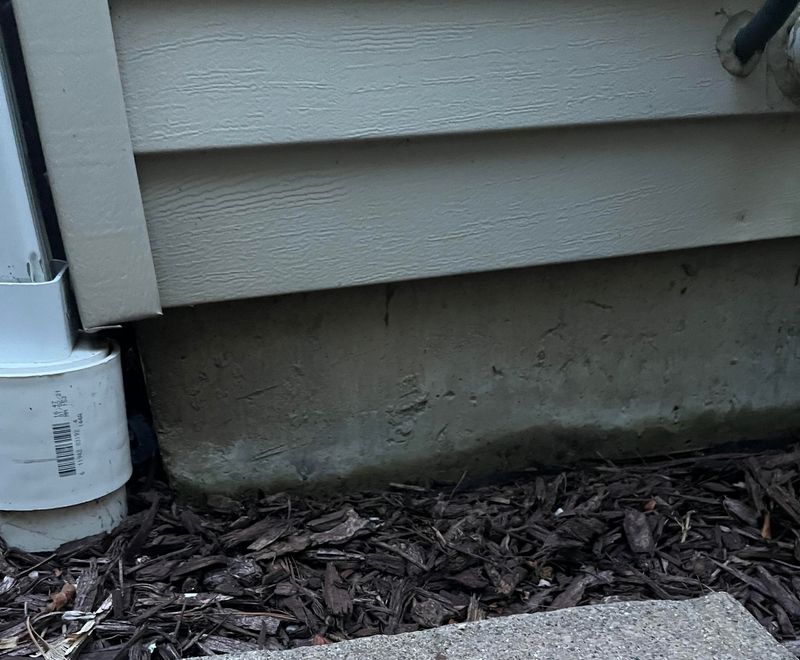
Leaves pressed against a foundation wall can retain moisture after rainfall or irrigation. The same is true of boards stacked beside a utility box or plant trimmings wedged near a doorway.
That retained dampness, combined with decomposing organic material, creates shelter that land snails readily use during daylight hours. Debris against a structure is different from mulch in a managed garden bed farther out in the landscape.
Pulling dense clutter away from Florida foundations, vents, and door thresholds reduces the number of hiding spots right at the building edge. Unused containers, plant saucers, and stacked nursery pots tucked against the wall deserve the same attention.
Organic matter may become trapped beneath these objects. Algae, decaying leaves, and soil residue may provide feeding material for ghost snails when conditions are right.
Removing that food source and shelter together is more effective than addressing either one alone.
Before lifting boards or moving stacked materials, inspect underneath with a light source. Wear gloves when handling damp debris that may contain snails of unknown identity.
Not every pale snail you find is the ghost bulimulus, and native land snails should not be broadly removed. Photograph anything you are uncertain about and set it aside in a sealed container for expert review.
UF/IFAS Extension offices and FDACS can assist with identification before any removal or management step is taken.
5. Redirect Overspray That Keeps Walls Cool And Wet
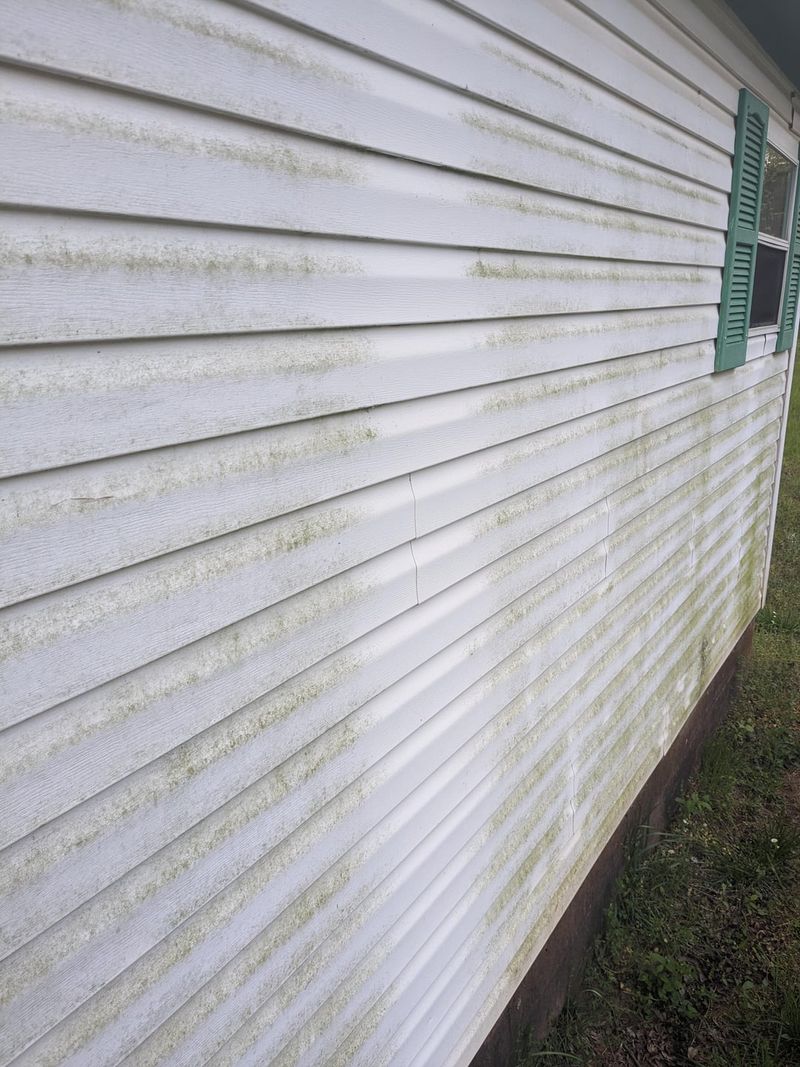
Sprinkler spray hitting siding, porch steps, or a fence post is easy to overlook when you are focused on whether the lawn is getting enough coverage. Over time, that repeated wetting leaves surfaces damp far longer than intended.
Exterior walls, concrete edging, and foundation edges that stay cool and wet between irrigation cycles can develop a thin film of algae or organic residue. That surface growth may offer feeding material for snails already present in the area.
Run the system through a full cycle and watch where each head or microjet actually sends water. Nozzles shift, pressure changes, and heads settle at angles that were not part of the original design.
Adjusting the spray direction on a standard rotary or fixed head is usually straightforward. A cracked nozzle may need replacing.
A qualified irrigation professional can assess more complex systems. They can make precise adjustments to spray patterns without leaving plants or turf without the water they need.
Check for runoff pooling near the foundation after each zone completes its cycle. Puddles that sit against a wall for an hour or more are worth addressing through grading, drainage, or adjusted run times.
Chronic structural wetness against a building is a separate concern that may deserve professional attention beyond irrigation repairs.
Reducing needless overspray is a reasonable and practical step, and it does not require shortchanging any part of the landscape that genuinely needs water.
6. Inspect Porch Pots Before Snails Hitch A Ride
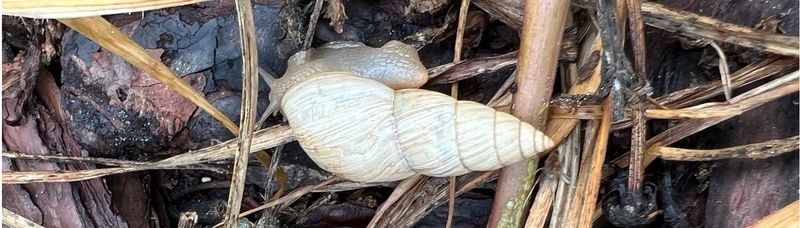
A container being lifted from a wet saucer can reveal quite a bit about what has been sheltering underneath. Small snails can settle unnoticed in the gap between a pot rim and a drainage tray.
They may also hide beneath nursery labels or within dense foliage near the soil surface. Porch containers that sit in standing water for days at a time create exactly the kind of cool, enclosed space that makes a comfortable resting site.
Inspect newly purchased plants before bringing them onto a porch or moving them indoors. Check the exterior of the pot, the drainage holes, the soil surface, and any packaging material that came with it.
Ghost snails may spread through the movement of infested plants, garden materials, or equipment, so a quick check before relocating a container is a sensible habit.
There is no need to disturb the root ball without a clear reason, but the outside of the pot and its tray deserve a careful look.
Empty standing water from saucers regularly, even when no snails are visible. A wet tray creates shelter regardless of whether it functions as a breeding site.
If you find a snail you cannot identify with confidence, place the pot in an isolated spot and avoid moving it to another property, a park, or any open area. Contact UF/IFAS Extension or FDACS for guidance on identification and next steps before taking any action with an unknown Florida specimen.
7. Identify Ghost Snails Without Disturbing Native Species
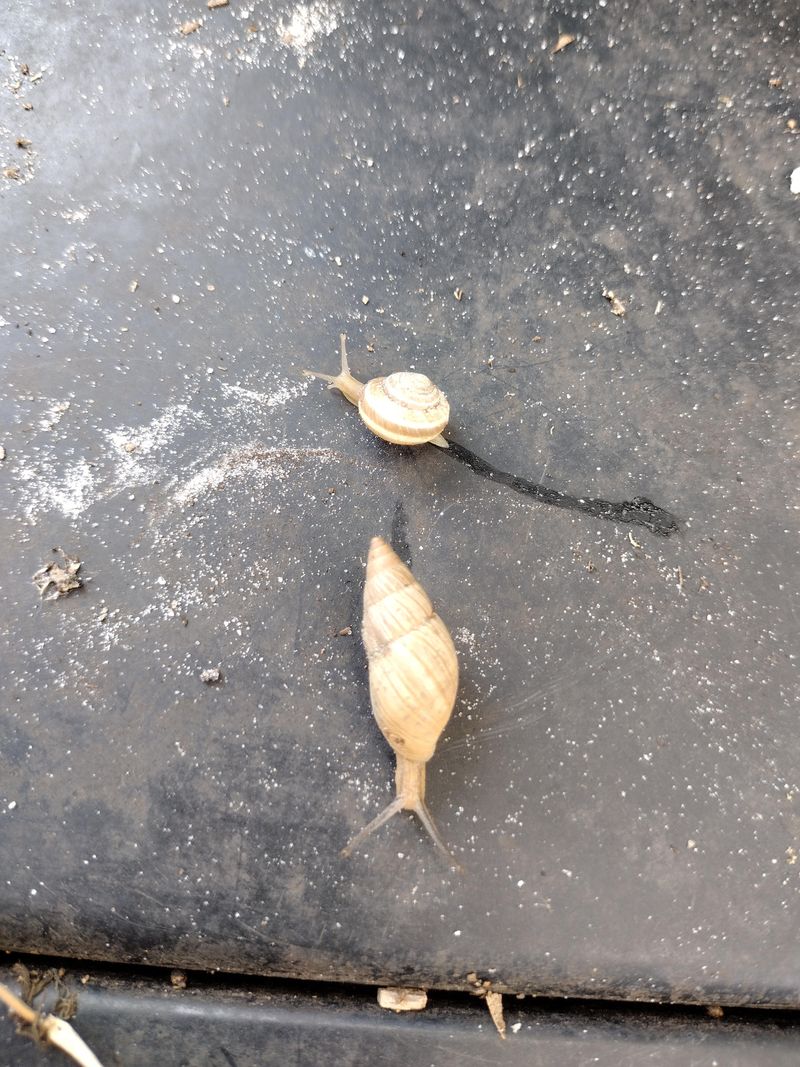
Two similar-looking snail shells placed side by side can be surprisingly difficult to tell apart without training. The ghost bulimulus, scientific name Bulimulus sporadicus, is an invasive land snail that has been recorded in parts of southern warm-climate areas.
Its shell is typically elongated and relatively slender, with a pale or whitish appearance, but shell color alone is not a reliable identifier. Several native and nonnative land snails share similar coloring and can easily be confused by an untrained observer.
Photographs taken from multiple angles, including the top, side, and opening of the shell, give experts much more to work with than a single image. Including a size reference, like a coin or ruler, in the photo helps confirm scale.
Body color, the shape of the shell opening, and the number of whorls are all details that matter for a confident ID. Avoid handling any unknown land snail with bare hands.
Gloves and thorough handwashing afterward are sensible precautions when contact is necessary.
Broad removal of pale snails without identification risks harming native species that play a role in local ecosystems. A local UF/IFAS Extension office can review photos and connect you with a specialist.
FDACS also has resources for identifying invasive land snails and can advise on current reporting options. Do not rely on appearance alone, and do not act on a guess when expert confirmation is available and straightforward to access.
8. Break The Nightly Route Without Drying Out Your Plants
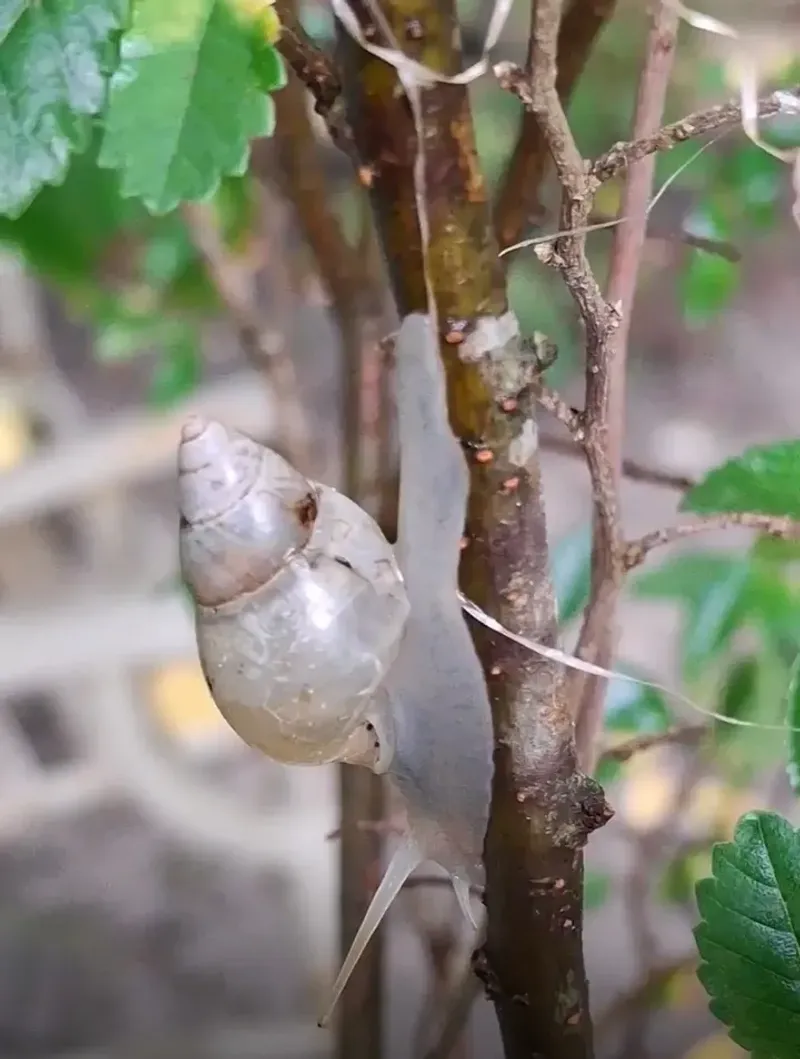
An irrigation zone running smoothly after repairs gives a good baseline for what a well-managed system looks like. Fixed leaks, corrected spray angles, and cleared debris near the foundation all reduce the excess wetness that lets snail populations remain active close to the building.
The goal of integrated management is not a dry landscape. It is a landscape where water goes where it is needed and does not linger on surfaces that serve no plant or turf purpose.
Hand removal is a reasonable option for small, accessible populations. Use gloves, collect snails into a sealed bag or container, and follow current local guidance on disposal.
Do not release removed snails in another location, including parks, canals, or empty lots. Molluscicide baits are available for some land snail situations, but research into the most effective products and timing for this species continues to develop.
Use only products labeled for the site and target pest, and read the full label before applying. Some baits carry risks to pets, wildlife, or nontarget snail species.
Repeated inspections matter because one cleanup rarely removes every individual from an established area. Check moved pots, clean tools that have contacted infested soil, and revisit problem spots after rain or irrigation cycles.
Adjusting irrigation timing and volume must still meet the real needs of your plants and comply with local watering rules. Managing the wet pathways near your home is a practical and realistic approach.
A perfectly dry yard is neither achievable nor the right target.