What To Plant In Oregon This July Before The Season Slips Away
July in Oregon has a sneaky way of making gardeners feel like they are late to everything. But the season has not slammed the gate yet.
There is still time to tuck fresh life into beds, containers, and bare patches before summer starts packing up.
The trick is choosing plants that can handle warm days, settle in quickly, and make good use of the weeks ahead.
Some picks can bring fast color, some can fill harvest gaps, and others can get a head start before cooler weather returns. This is not the moment for random cart-stuffing at the garden center.
It is the moment to plant with a little strategy and a lot of optimism. With the right timing, soil prep, and watering, July can still deliver a garden comeback that feels almost smug.
1. Bush Beans Still Have Time To Produce
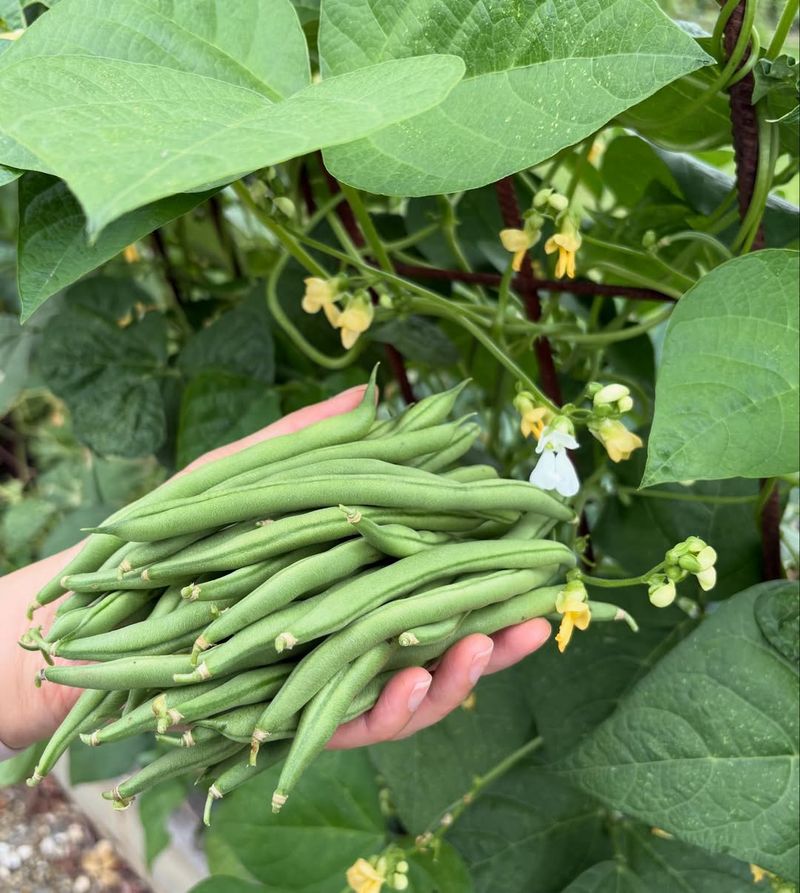
Few vegetables reward a gardener as quickly as bush beans. Plant them now and you can expect to see pods ready for picking in as little as 50 to 60 days.
That puts your harvest right around late August or early September, which is a sweet spot in Oregon’s growing calendar.
Bush beans do not need a trellis or support, which makes them one of the easiest crops to grow. Just push the seeds about an inch into warm, loose soil and space them about four inches apart.
They prefer full sun and well-drained soil. Water them consistently, especially during germination.
One thing to keep in mind is that bush beans do not like wet feet. Soggy soil can cause seeds to rot before they even sprout.
If your soil holds water, mix in some compost to improve drainage. A light layer of mulch around the plants also helps hold moisture during the remaining hot days of summer.
Once the pods start forming, check the plants every couple of days. Bush beans are best picked when the pods are slim and firm, before the seeds inside get too big and starchy.
Regular picking also encourages the plant to keep producing. A single planting can give you several rounds of harvest if you stay on top of it.
July is truly the last good window to get these in the ground.
2. Beets Can Start A Late-Summer Round
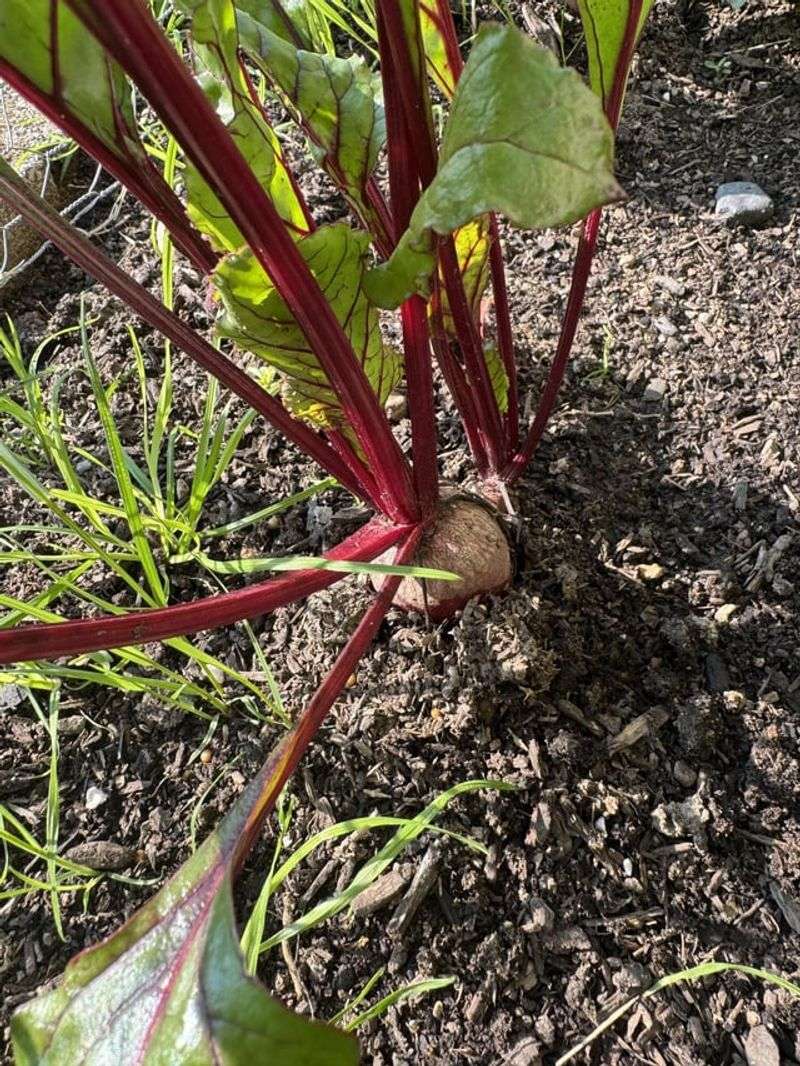
Beets are one of those vegetables that people either love or overlook entirely. If you have not tried growing them before, July is a great time to start.
They are surprisingly easy to manage and grow well in the Pacific Northwest’s mild late-summer conditions.
Beet seeds are actually little clusters, so each one can sprout multiple seedlings. Plant them about half an inch deep and about two inches apart in rows.
Once they sprout and grow a few inches tall, thin them out so each plant has about four to six inches of space. The thinned seedlings are actually delicious in salads, so nothing goes to waste.
Good soil prep matters a lot with beets. They need loose, deep soil to form round, smooth roots.
Your Oregon Garden Changes Every Week. Your Plan Should Too.
Gardening in Oregon changes quickly throughout the season. Every Friday you’ll receive a simple weekly plan showing exactly what to plant, prune, fertilize, harvest, and protect so you never miss the right timing.
Rocky or compacted soil causes them to grow misshapen. Work in some compost before planting and make sure the bed drains well.
Consistent moisture is also key, especially while the seeds are germinating in the summer heat.
Most beet varieties are ready to harvest in 55 to 70 days, which puts you right in the fall harvest window. Both the roots and the leafy tops are edible, so you get double the food from one plant.
Roasted beets, pickled beets, or beets tossed in a warm salad are all worth the small effort it takes to grow them. Get those seeds in now while the soil is still warm and ready.
3. Carrots Need Moist Soil To Sprout
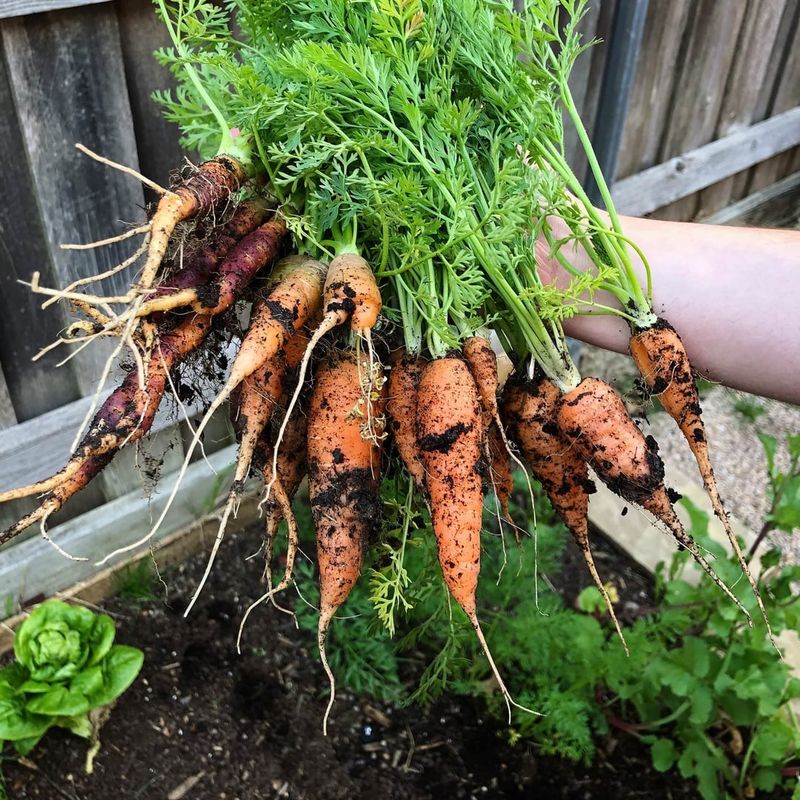
Getting carrots to sprout is honestly the trickiest part of growing them. The seeds are tiny, and they need consistent moisture to germinate.
In July, the warm soil is a big advantage, but the heat can also dry out the top layer of soil fast, which is exactly where carrot seeds sit.
One trick that works really well is to cover your seeded row with a piece of burlap or a thin board. This traps moisture and keeps the soil from crusting over.
Check under the cover daily and remove it as soon as you see the first sprouts. From that point on, regular watering keeps them on track.
Carrots also need loose, deep, rock-free soil to grow long and straight. If your garden has heavy clay or lots of stones, try a shorter variety like Chantenay or Danvers.
These types do not need as much depth and still produce sweet, flavorful roots. Raised beds work especially well for carrots because you can control the soil mix more easily.
Planting in July gives carrots time to mature through the cooler fall months, which actually improves their flavor.
Cold temperatures cause the plant to convert starches into sugars, making the roots noticeably sweeter.
Many gardeners say fall-harvested carrots taste better than any they have grown in spring. With about 70 to 80 days to maturity, a July planting puts your harvest right when the weather starts to cool down beautifully.
4. Kale Gets A Head Start For Fall
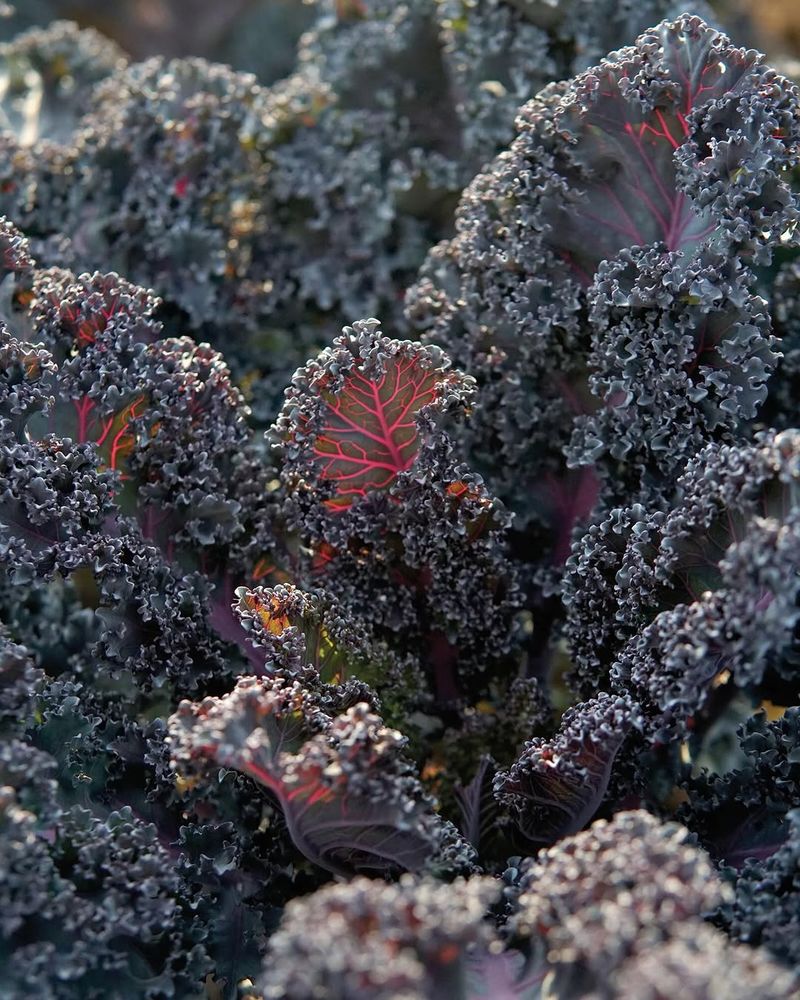
Kale planted in July grows strong through summer and really hits its stride once the fall temperatures drop. Cool weather actually makes kale taste better.
The leaves become sweeter and more tender after the first light frosts, which is a big reason why fall-grown kale is so popular in Oregon.
Start with transplants if you want a faster result, or direct sow seeds about a quarter inch deep in a prepared bed. Space plants about 12 to 18 inches apart so they have room to spread out.
Kale grows into a fairly large plant, so do not crowd it. Full sun is ideal, but it can handle some afternoon shade in hotter parts of the valley.
Watering consistently during the first few weeks helps the plants establish strong roots before the heat of late summer.
A layer of mulch around the base of each plant keeps the soil cooler and holds moisture between waterings.
Kale is not too fussy about soil, but it does appreciate compost worked into the bed before planting.
One of the best things about kale is how long it keeps producing. You can harvest outer leaves regularly while the center of the plant keeps growing new ones.
A single plant can feed you from fall all the way through winter in many parts of this region. Curly kale, Lacinato, and Red Russian are all solid choices for a July planting.
Pick your favorite and get it in the ground soon.
5. Chard Keeps Going Into Cool Weather
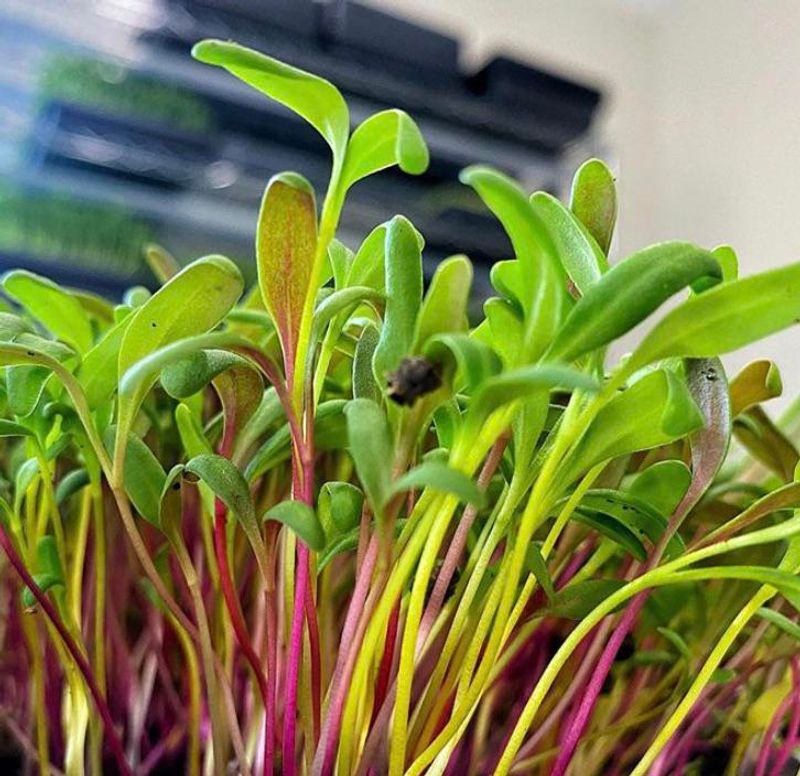
Swiss chard is one of those plants that earns its spot in any garden by simply refusing to quit.
Plant it now and it will keep producing well into fall and even early winter in the milder parts of Oregon.
It handles heat, handles cold, and just keeps pushing out new leaves no matter what.
The stems come in a rainbow of colors including red, yellow, orange, and white, which makes the garden look beautiful even as summer winds down.
Sow seeds about half an inch deep and thin seedlings to about 6 inches apart once they are a few inches tall.
Chard grows quickly and you can start harvesting outer leaves in as little as 30 days from transplant.
One of the best things about chard is how versatile it is in the kitchen. The leaves can be used just like spinach, sauteed, added to soups, or eaten raw in salads when young and tender.
The stems are also edible and have a mild, slightly earthy flavor. Nothing on this plant goes to waste.
Chard does best in rich soil with consistent watering. It can handle some drought once established, but steady moisture keeps the leaves lush and the stems vibrant.
Avoid letting the soil get completely dry between waterings during the hottest weeks of July and August.
A July planting gives you a long harvest window that most other vegetables simply cannot match.
It is one of the most reliable choices you can make for your late-season garden.
6. Cilantro Needs A Fresh July Sowing
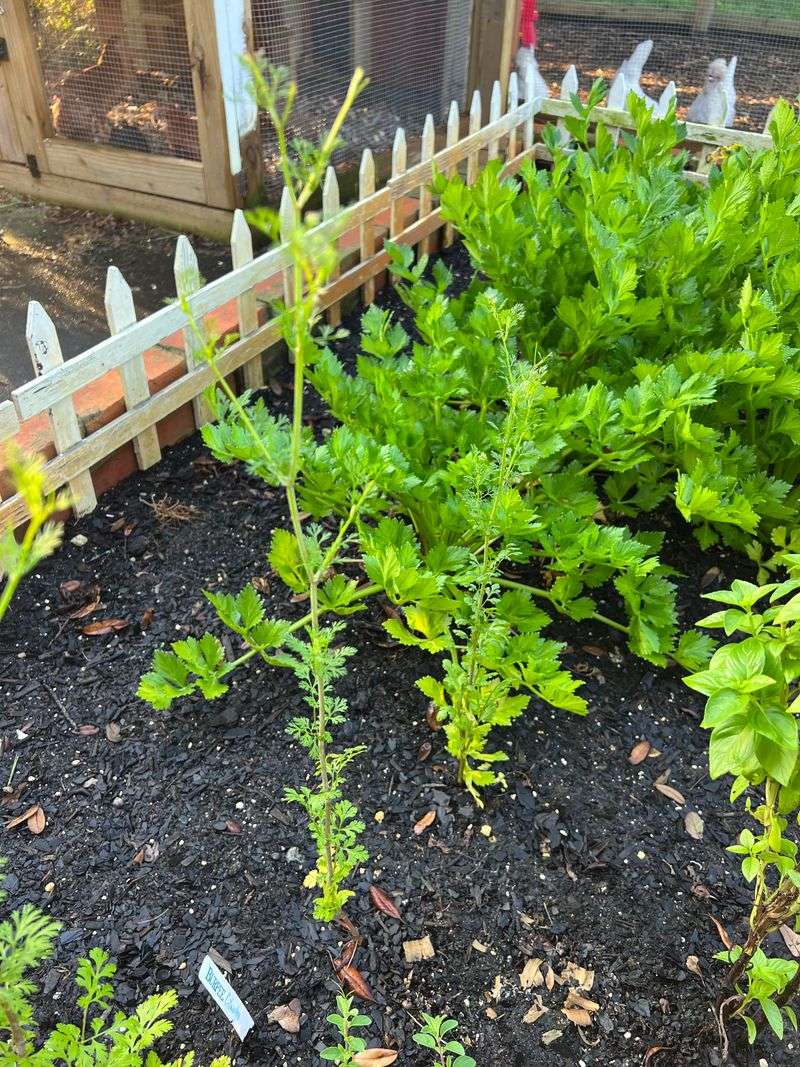
Cilantro is one of the most popular herbs in home gardens, but it has a reputation for being difficult to keep going.
The truth is that cilantro bolts fast in hot weather, meaning it quickly goes to seed and stops producing usable leaves.
The good news is that a fresh July sowing takes advantage of the slightly shorter days ahead, which slows that bolting process down.
Scatter seeds directly in the garden bed and rake them in lightly. Cilantro does not transplant well because it has a taproot that does not like to be disturbed.
Sow seeds thickly and then thin the seedlings to about three to four inches apart once they are up. Keep the soil moist during germination, which usually takes about one to two weeks.
Choose a spot with morning sun and some afternoon shade if possible. This helps keep the plants cooler and extends the time before they bolt.
Even a few extra weeks of leaf production makes a big difference if you cook with cilantro regularly. Succession planting every two to three weeks also helps keep a steady supply coming.
When cilantro does eventually go to seed, do not pull it out right away. Let the seeds dry on the plant, then collect them.
Those seeds are actually coriander, a completely different spice that is useful in its own right. You can also let some seeds fall to the ground and they will often sprout on their own come fall.
Cilantro is a generous herb that keeps on giving if you let it.
7. Dill Gives You One More Herb Round
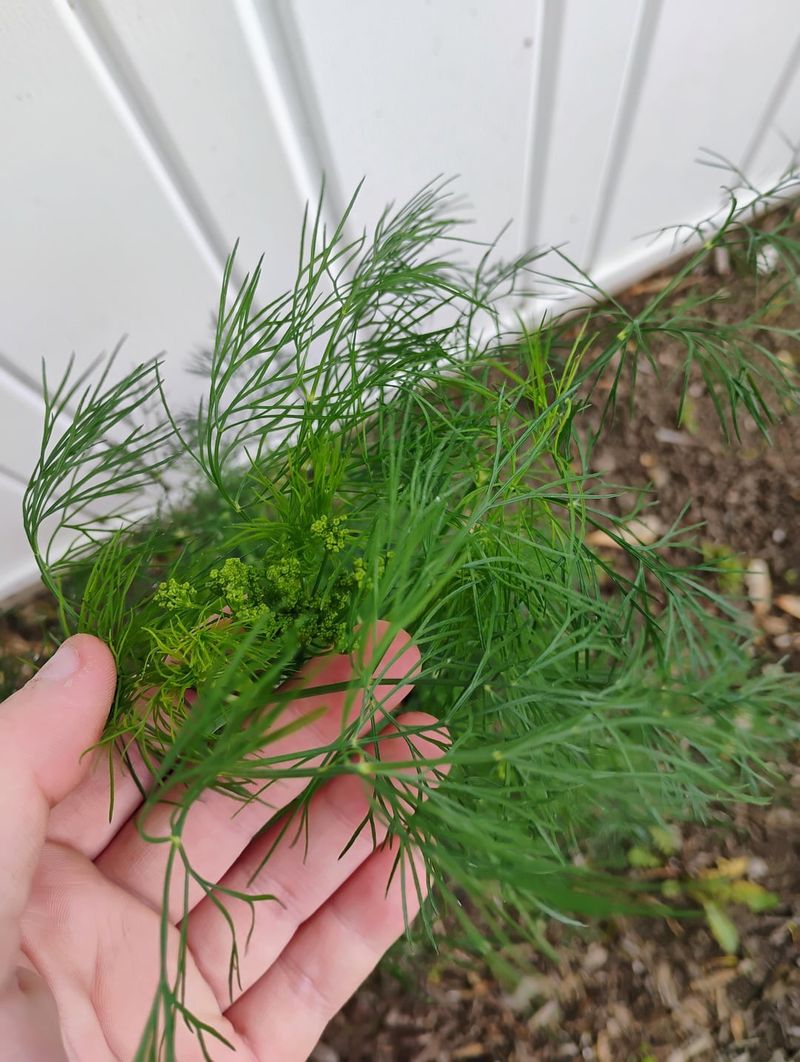
Dill is one of those herbs that feels almost carefree to grow. Toss the seeds into a sunny spot, water them in, and step back.
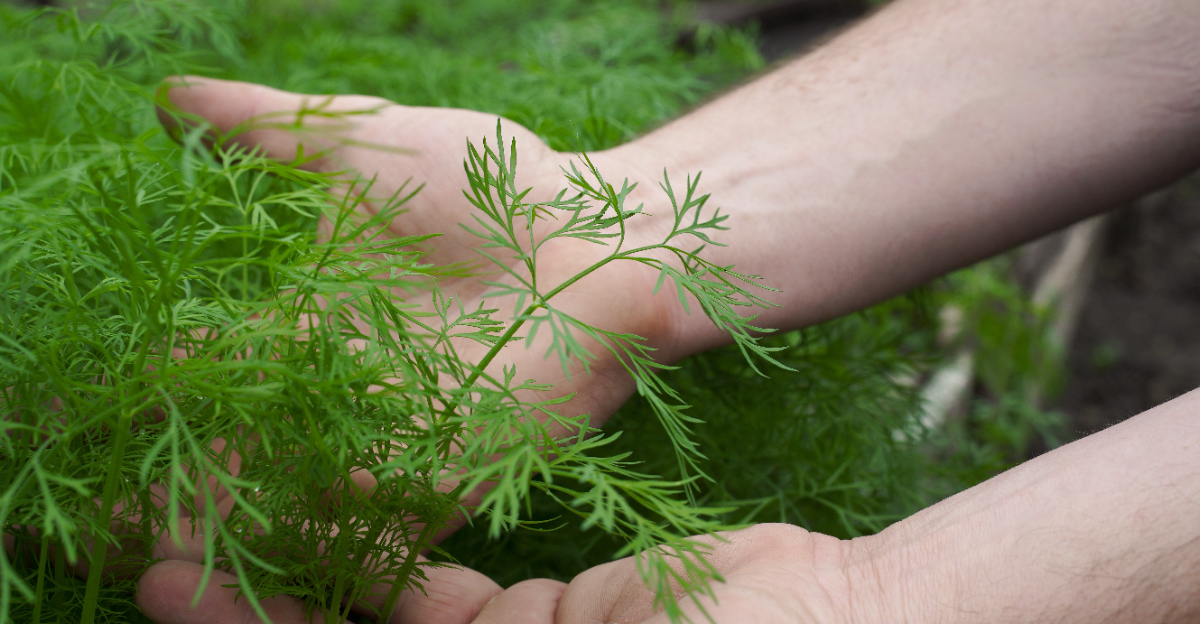
Within a week or two, those feathery green fronds start appearing, and the whole bed takes on a soft, airy look that is really satisfying to see.
A July sowing gives dill enough time to produce plenty of fresh fronds before it flowers and sets seed.
Once it flowers, the leaves become less flavorful, so the goal is to harvest regularly and keep the plant in the leafy stage as long as possible.
Pinching off the top of the plant when it starts to bolt can buy you a bit more time.
Dill grows best in full sun with well-drained soil. It does not need much fertilizer and actually does fine in average garden soil.
Water it regularly but do not overdo it. Dill has a long taproot and handles dry spells better than many other herbs once it is established in the bed.
Fresh dill is incredible with salmon, cucumbers, eggs, and potato dishes. It is also essential if you plan to make homemade pickles before the season ends.
Many Oregon gardeners time their dill planting specifically to match the cucumber harvest, and July is a smart time to do both.
If you let some dill go to seed, the dried seeds have their own distinct flavor and can be used in breads and spice blends all winter long. It is a truly useful herb from start to finish.
8. Broccoli Starts Now For Fall Harvest
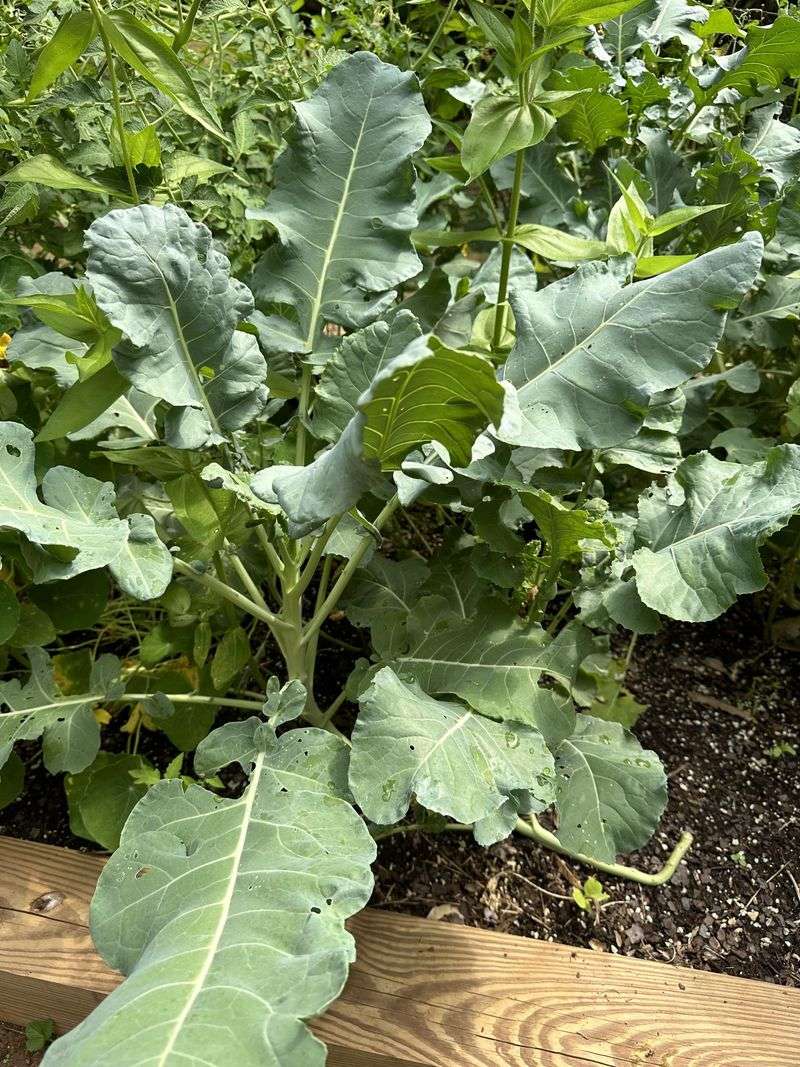
This is a cool-season crop at heart, and it actually performs better when it matures in cooler weather.
Starting it now in July gives the plant time to grow through the warm weeks and then form tight, flavorful heads as the temperatures drop in September and October in Oregon.
Timing it right makes all the difference. You can start broccoli from seed indoors or buy transplants from a local nursery.
If you are starting from seed, get them going now because broccoli takes about 80 to 100 days to reach full maturity.
Transplants give you a head start of several weeks. Either way, July is right at the edge of the planting window, so do not wait any longer.
Space broccoli plants about 18 inches apart in a sunny bed with rich, well-amended soil. They are heavy feeders, meaning they pull a lot of nutrients from the soil.
Work in a balanced fertilizer or a good layer of compost before planting. Side-dress with a nitrogen-rich fertilizer about three weeks after transplanting to keep growth strong and steady.
Watch for cabbage worms and aphids, which love broccoli. A row cover placed over young plants keeps most pests away without using any sprays.
Once the main head is harvested, many varieties produce smaller side shoots that extend the harvest for weeks.
Fall-grown broccoli in this region often has a sweeter, nuttier flavor than spring broccoli because cool nights concentrate the sugars in the head. It is absolutely worth the effort to get it planted right now.