The Forgotten Pennsylvania Porch Plant That Makes Gnats Less Welcome On Summer Evenings
Summer evenings on a Pennsylvania porch are one of the better things about this time of year, right up until the gnats show up and start hovering around your potted plants like they pay rent.
It is one of those small but genuinely irritating warm-weather experiences that a lot of homeowners deal with more than they want to admit.
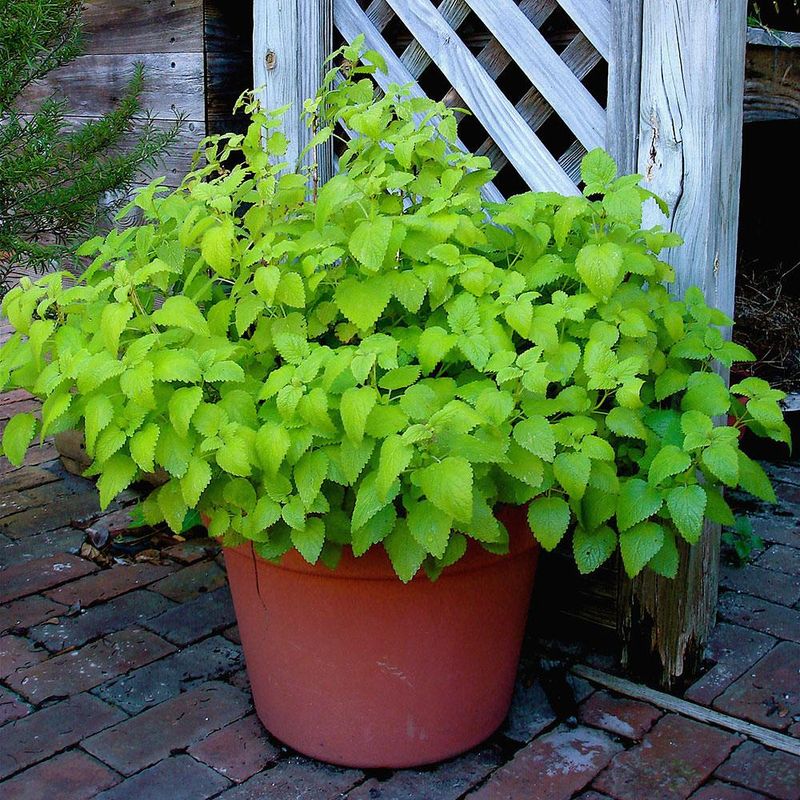
Lemon balm is an old-fashioned herb that has been making a quiet comeback on Pennsylvania porches, and it is easy to see why. Fresh citrus scent, soft leafy growth, and a container-friendly habit that fits neatly beside a front door or along porch steps.
It is not a guaranteed gnat solution on its own, and being upfront about that matters.
But paired with smarter container care habits, it is a pleasant and practical addition to any summer porch setup.
1. Lemon Balm Brings A Fresh Porch Scent
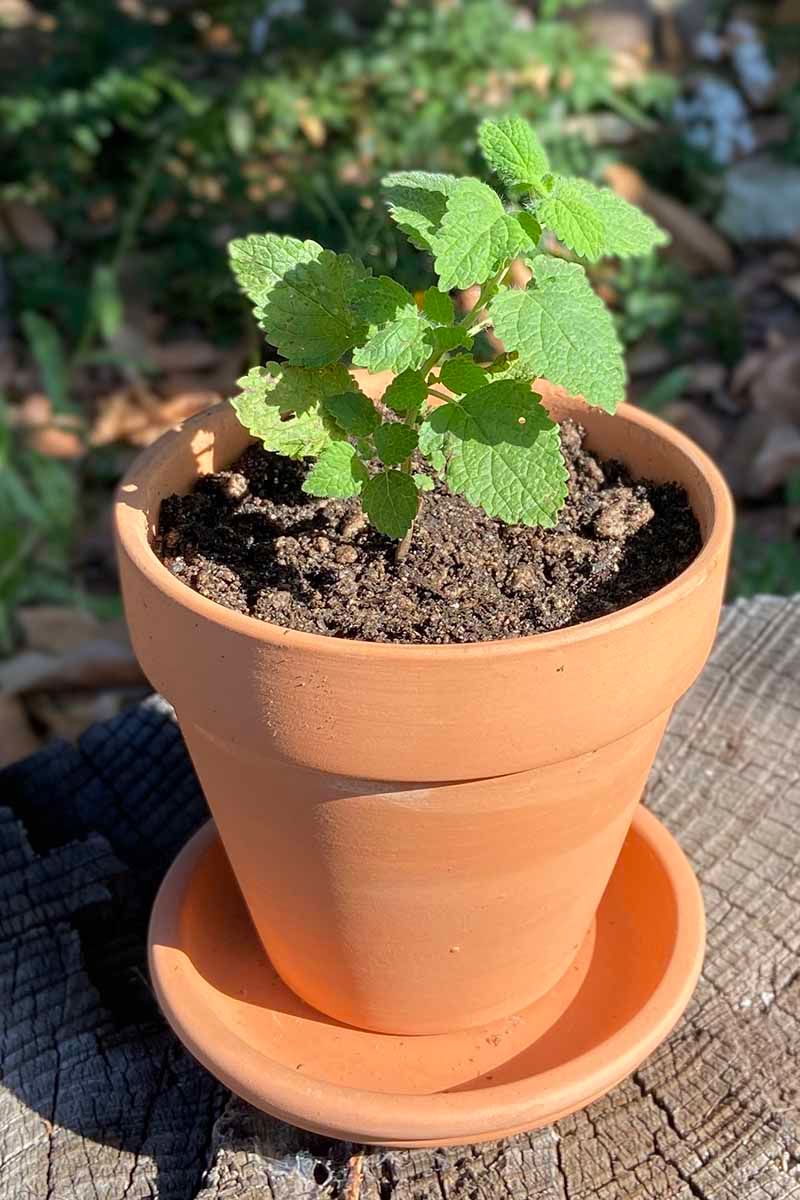
Step onto a Pennsylvania porch where a pot of lemon balm sits near the door, and the first thing you notice is the scent. Brushing against the leaves, even lightly, releases a clean, citrusy fragrance that feels refreshing on a warm summer evening.
That scent is one of the main reasons gardeners across Pennsylvania have been quietly growing this herb near front steps and outdoor seating areas for generations.
Lemon balm belongs to the mint family, and its aroma comes from natural compounds in its leaves. The fragrance is gentle rather than sharp, making it pleasant to sit near without being overwhelming.
Many homeowners describe it as one of the more agreeable scents a porch container can offer during sticky summer months.
Growing lemon balm in a pot near your entry or seating area can shift the whole feel of the space. A porch that smells fresh and herby tends to feel more welcoming and cared for.
In Pennsylvania, where summer evenings can be warm and humid, having a fragrant plant nearby adds a small but noticeable comfort to outdoor time.
The herb grows quickly and fills out a container nicely, giving the porch a lush, green look in addition to its scent.
For Pennsylvania homeowners looking for a low-effort way to improve their porch atmosphere, lemon balm is a practical and pleasant starting point.
2. Lemony Leaves Fit Summer Evenings
Warm evenings on a Pennsylvania porch have a certain quality to them, especially when the air slows down and everything feels a little heavier with humidity.
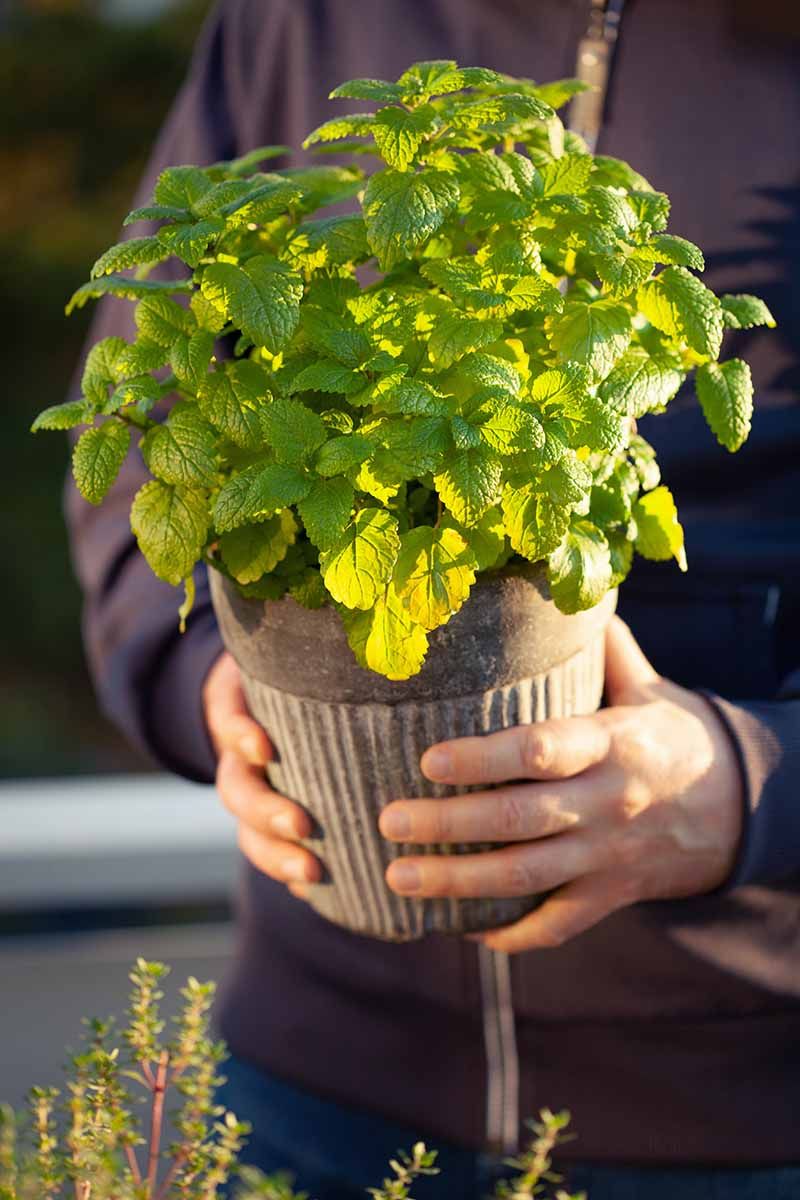
That is exactly when a pot of lemon balm, with its soft, textured leaves and light citrus fragrance, tends to stand out.
The leaves release their scent when touched or when a breeze moves through them, making the herb feel like an active part of the evening rather than just a decoration.
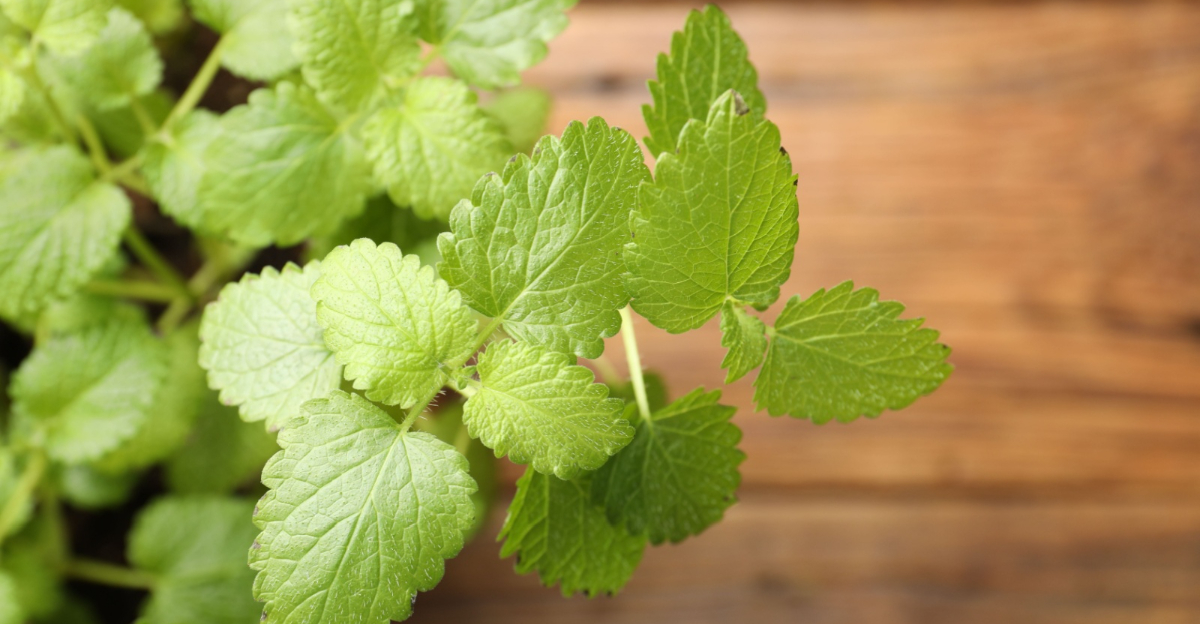
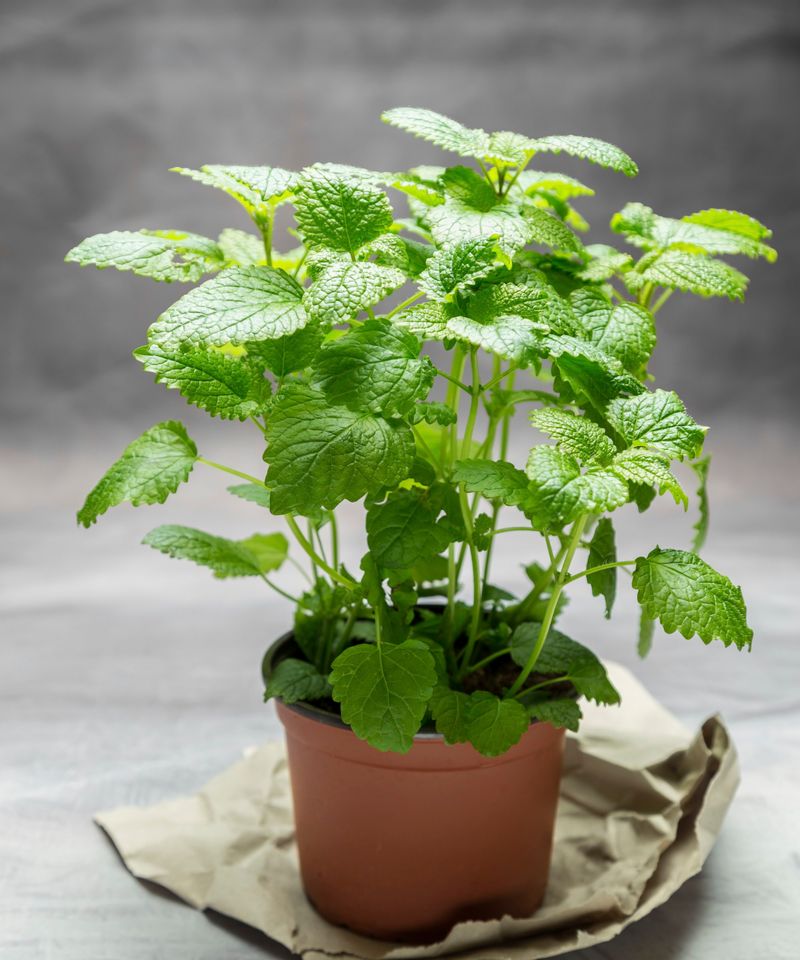
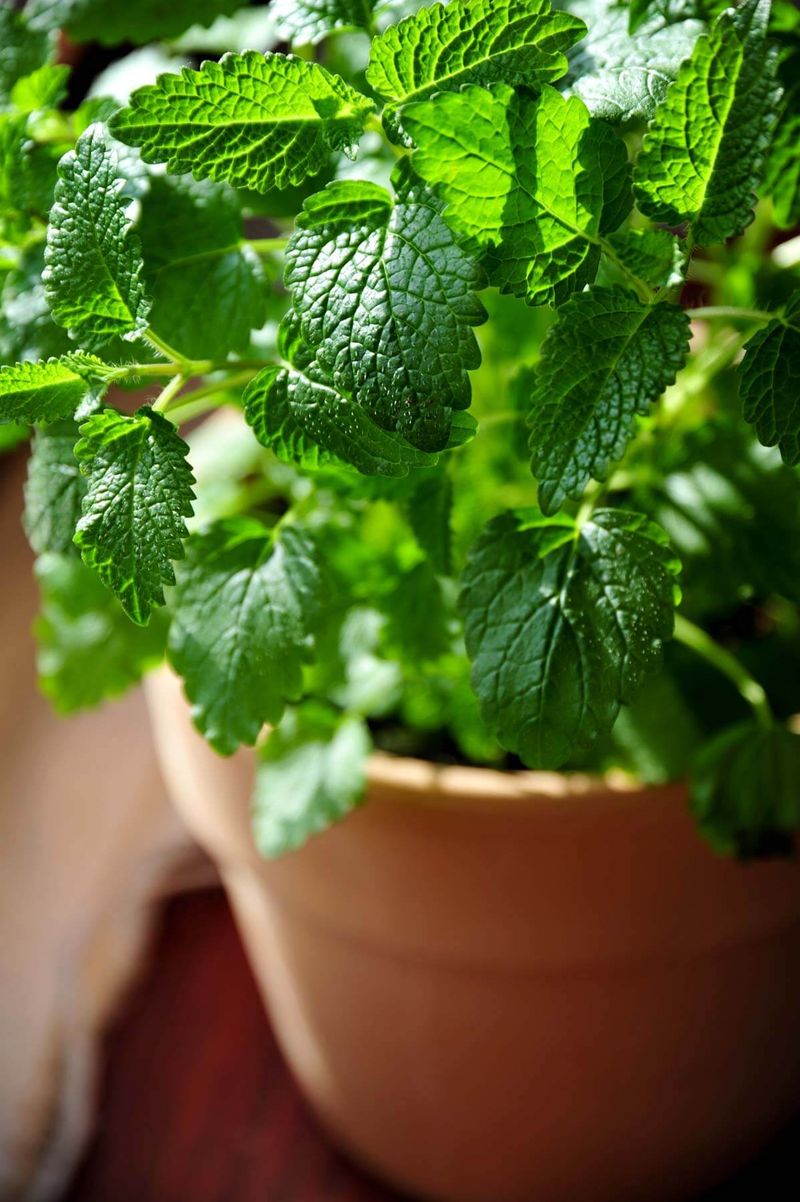
Lemon balm leaves are slightly wrinkled, bright green, and grow in pairs along the stem. They are easy to recognize and pleasant to handle.
Running a finger across a leaf before settling into a porch chair is a small sensory experience that many Pennsylvania gardeners find surprisingly satisfying.
Your Pennsylvania Garden Changes Every Week. Your Plan Should Too.
Gardening in Pennsylvania changes quickly throughout the season. Every Friday you’ll receive a simple weekly plan showing exactly what to plant, prune, fertilize, harvest, and protect so you never miss the right timing.
Beyond the scent, the leaves themselves are edible and have been used in teas, lemonades, and simple summer drinks for centuries.
Picking a few leaves to add to a glass of iced water while sitting on the porch is a practical bonus that most ornamental plants simply cannot offer.
That combination of usefulness and fragrance makes lemon balm a natural fit for summer container gardening.
For Pennsylvania porches that get afternoon shade or morning sun, lemon balm tends to grow comfortably without much fuss. The plant appreciates some relief from intense afternoon heat, which many shaded front entries naturally provide.
3. Containers Keep Lemon Balm Manageable
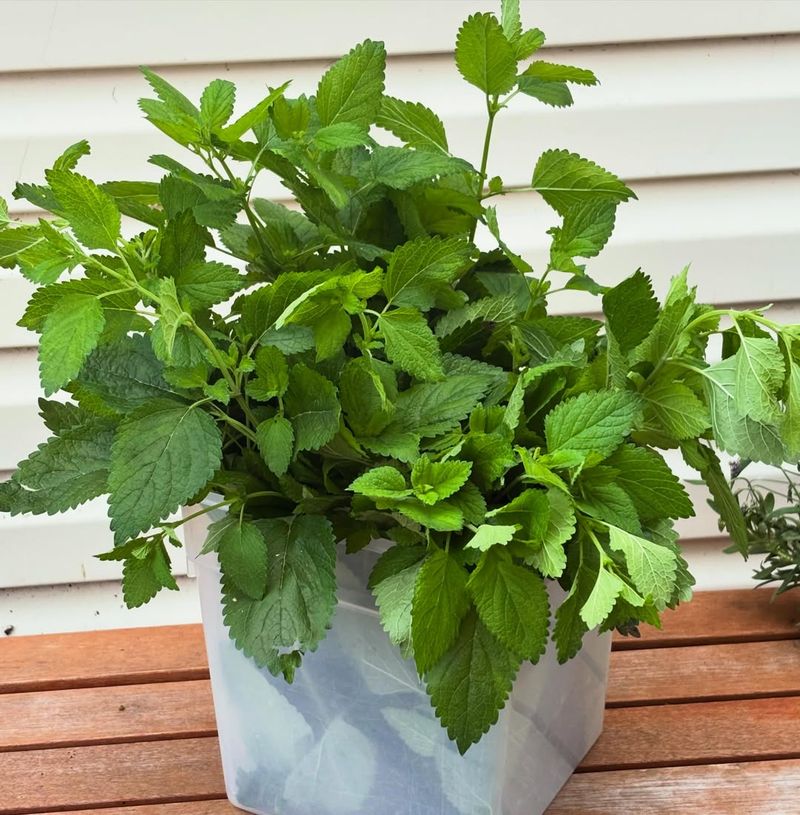
Anyone who has grown lemon balm in the ground knows it has a tendency to spread enthusiastically. Left unchecked in a garden bed, it can move into neighboring areas fairly quickly.
Growing it in a container on the porch is one of the simplest ways Pennsylvania gardeners can enjoy the herb without worrying about it taking over a garden space.
A pot or planter keeps the roots contained and gives you full control over where the plant grows.
You can move the container around the porch to catch better light, shift it closer to a seating area in the evening, or bring it inside if an early frost threatens in the Pennsylvania fall.
That flexibility is something in-ground planting simply cannot offer.
Choosing the right container size makes a difference. Lemon balm grows best with enough room for its roots to spread a bit, so a pot that is at least ten to twelve inches wide tends to give it a good start.
Containers with drainage holes are helpful, and placing a saucer beneath the pot can protect porch floors from water runoff.
Filling the container with fresh, quality potting mix rather than garden soil also supports healthier growth. Potting mixes are formulated to drain well and hold the right amount of moisture for container plants.
Starting with good soil is one of the easiest steps Pennsylvania homeowners can take before placing lemon balm on the porch.
4. Damp Potting Soil Can Invite Gnats
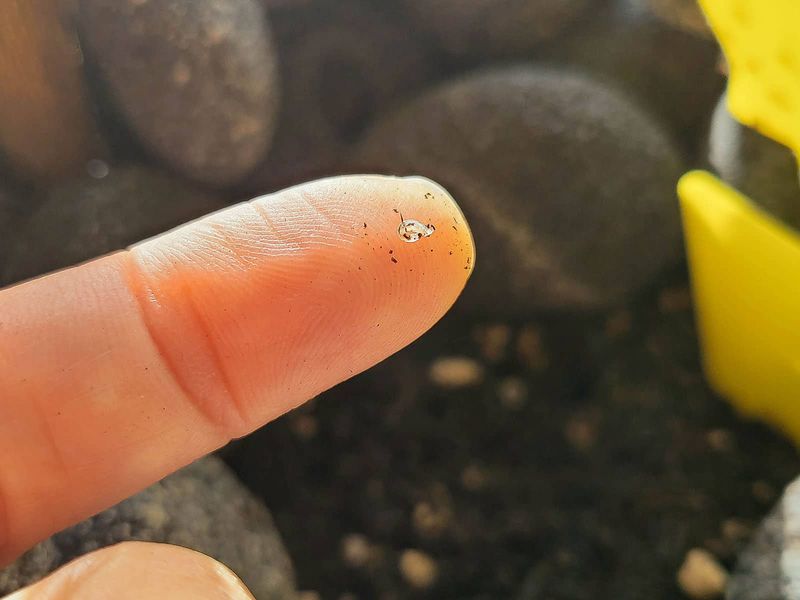
After a summer rain, Pennsylvania porches often feel refreshed, but the potting soil in porch containers can stay damp longer than expected.
That persistent moisture near the soil surface is one of the main reasons small flies, often called gnats, tend to appear around potted plants during warm months.
Understanding this connection is a useful first step for any homeowner dealing with tiny flying insects near porch pots.
The gnats most commonly seen around container plants are fungus gnats, which are small, dark flies that lay eggs in moist organic material like potting soil.
They are not dangerous to people, but they can be annoying when they hover near plants, entry doors, or outdoor seating areas.
Their presence is usually a sign that the top layer of soil has been staying wet for extended periods.
Fungus gnats are attracted to the moisture and organic matter in potting mix rather than to any specific plant. That means lemon balm, like any other potted herb, can attract them if the soil stays consistently damp.
The plant itself is not the source of the problem, but the container conditions around it can be.
Recognizing the difference between fungus gnats and other small flies is helpful. Fungus gnats tend to hover near soil and move sluggishly, while other small flies may be drawn to fruit or food nearby.
Identifying the type of gnat can help Pennsylvania homeowners respond more effectively.
5. Good Drainage Matters More Than Scent
Plenty of Pennsylvania homeowners reach for fragrant plants hoping to make their porch feel less welcoming to insects, and lemon balm is a reasonable choice for improving porch ambiance.
But when it comes to actually reducing gnat activity around containers, drainage tends to matter far more than any plant’s scent.
Good container drainage is one of the most practical things a porch gardener can focus on.
Pots without drainage holes trap water at the bottom, keeping the entire soil column wet for much longer than plants typically need. That standing moisture creates the kind of environment where fungus gnats are more likely to become a recurring issue.
Choosing containers with at least one drainage hole at the base is a straightforward way to avoid that problem.
Even with drainage holes, some potting mixes can become compacted over time and drain less efficiently. Adding perlite or coarse sand to the potting mix can help improve drainage and keep the soil from holding too much water after rain or watering.
This is a simple adjustment that many experienced Pennsylvania container gardeners make as a habit.
Elevating pots slightly on pot feet or small risers can also help water drain away from the container base rather than pooling beneath it. Water that sits under a pot can keep the bottom of the soil wet longer than ideal.
Small adjustments to how containers are set up on the porch can make a meaningful difference in overall soil moisture levels.
6. Let The Soil Surface Dry Between Watering
One of the most common container-care habits that leads to gnat problems is watering on a fixed schedule rather than checking what the soil actually needs.
On a Pennsylvania porch, temperatures, sun exposure, and humidity can shift from week to week, which means a watering routine that worked in June may be too frequent by late August.
Paying attention to the soil surface is a more reliable guide than the calendar.
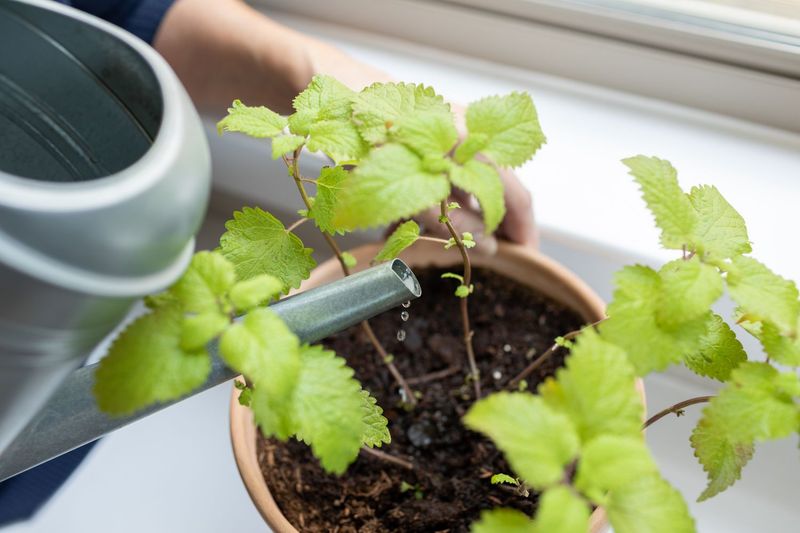
Letting the top inch or so of potting soil dry out between waterings can reduce the consistently moist surface layer that fungus gnats find appealing. A simple way to check is pressing a finger about an inch into the soil.
If it still feels damp, waiting another day or two before watering is usually the right call for most container herbs, including lemon balm.
Lemon balm is reasonably tolerant of short dry spells once it is established in a container. It prefers soil that is moist but not waterlogged, and it tends to respond well when watering habits match its actual needs rather than a fixed routine.
Wilting slightly on a hot afternoon is not always a sign of drought stress, as some herbs perk back up once evening temperatures drop.
Adjusting watering habits is one of the most impactful changes a Pennsylvania homeowner can make to reduce fungus gnat activity around porch containers.
Fewer consistently wet soil surfaces mean fewer opportunities for gnats to establish themselves in potting mix.
7. Clean Potting Areas Reduce Gnat Problems
Loose leaves, old potting mix scattered on the porch floor, and water sitting in saucers for days at a time can quietly create conditions that make small flies more comfortable around your outdoor space.
Keeping the potting area tidy is a straightforward habit that many Pennsylvania homeowners overlook when thinking about gnat management near porch containers.
Fallen leaves and organic debris near planters can stay damp longer than the surrounding porch surface, giving fungus gnats additional material to settle into.
Sweeping around containers regularly and removing any dropped leaves from the soil surface of pots can reduce the amount of organic matter available near the planting area.
It takes only a few minutes but can make a noticeable difference over a season.
Saucers that collect water beneath pots are another common oversight. While saucers protect porch floors from drainage, water left sitting in them for more than a day or two can keep the base of the soil wet and attract small flies.
Emptying saucers after watering or after rain is a simple habit worth building into a regular porch routine.
Old potting mix stored in open bags near the porch can also hold moisture and organic matter that attracts gnats. Keeping unused potting soil in sealed containers or stored away from the porch reduces one more potential draw.
In Pennsylvania, where summer humidity can be high, small sources of dampness around porch containers tend to add up faster than expected.
8. A Fresh Herb For A More Comfortable Porch
At the end of a warm Pennsylvania summer evening, a well-kept porch with a pot of lemon balm near the seating area feels different from one without it.
The fresh, lemony scent, the lush green leaves catching the last of the evening light, and the simple pleasure of brushing a hand across the plant all add up to a more enjoyable outdoor space.
Lemon balm is not a magic solution to every porch challenge, but it is a genuinely pleasant herb to have nearby.
Pairing lemon balm with good container habits makes the most of what the herb can offer.
Choosing a pot with drainage, using quality potting mix, letting the soil surface dry between waterings, emptying saucers regularly, and keeping the potting area swept and tidy all work together to create a healthier porch container setup.
When those habits are in place, the porch tends to feel more comfortable and less hospitable to the small flies that come with neglected, overly wet containers.
Pennsylvania porches come in all shapes and sizes, from narrow row-home stoops to wide country entries, and lemon balm fits most of them reasonably well.
It grows in partial shade, handles Pennsylvania summers without much fuss, and stays manageable in a container through the season.
Rediscovering a simple, fragrant herb that fits easily into a porch container and pairs well with smart plant care is one of those small gardening wins that tends to make summer evenings a little more worth sitting out for.