How To Pollinate California Tomatoes By Hand When Bees Aren’t Doing The Job
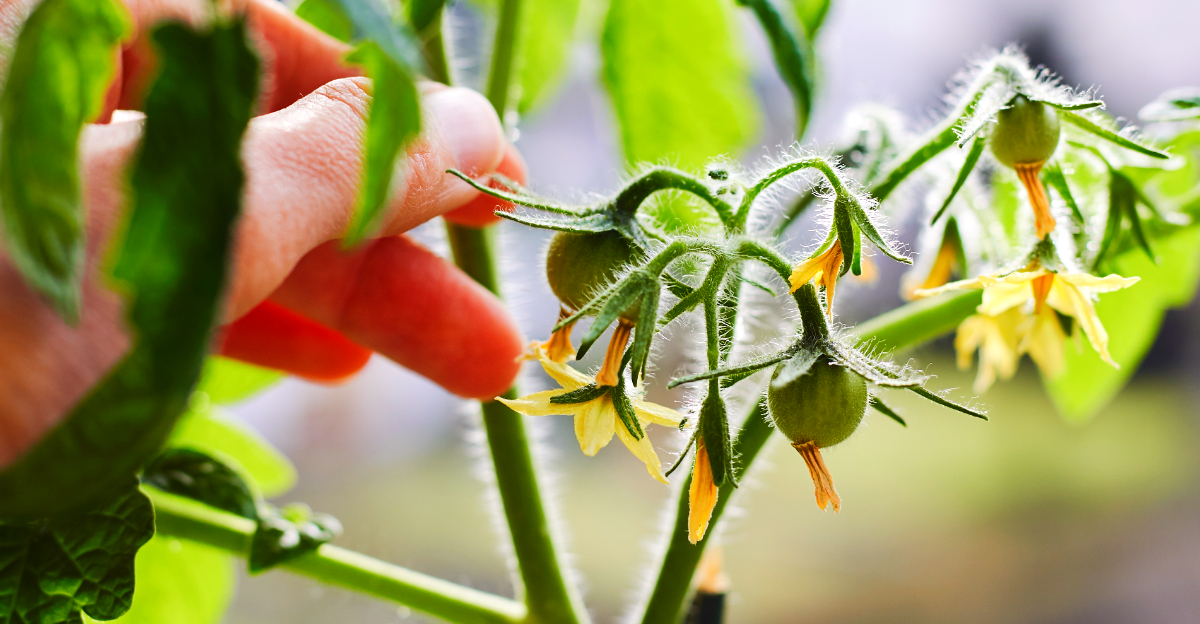
Tomato flowers do not always need a bee to turn into fruit. During stretches of extreme California heat, pollinator activity can drop just as plants are pushing out new blossoms.
That leaves gardeners staring at flowers that open normally, then fall without producing anything. Hand pollination can help bridge the gap, and the process is simpler than it sounds.
Tomato flowers are built to release their own pollen when they are gently vibrated, so the goal is not to transfer pollen with a tiny paintbrush like you might with other crops. A little movement at the right time can be enough.
Temperature still matters, though, because excessive heat can make pollen less viable even when flowers are shaken correctly.
If bees have gone quiet and fruit set has stalled, a few minutes of hands-on help may give those blossoms a better chance.
1. Finding Flowers That Are Ready For A Little Help
Not every tomato flower on your vine is ready for pollination at the same moment. Knowing which blooms to focus on will save you time and get you better results.
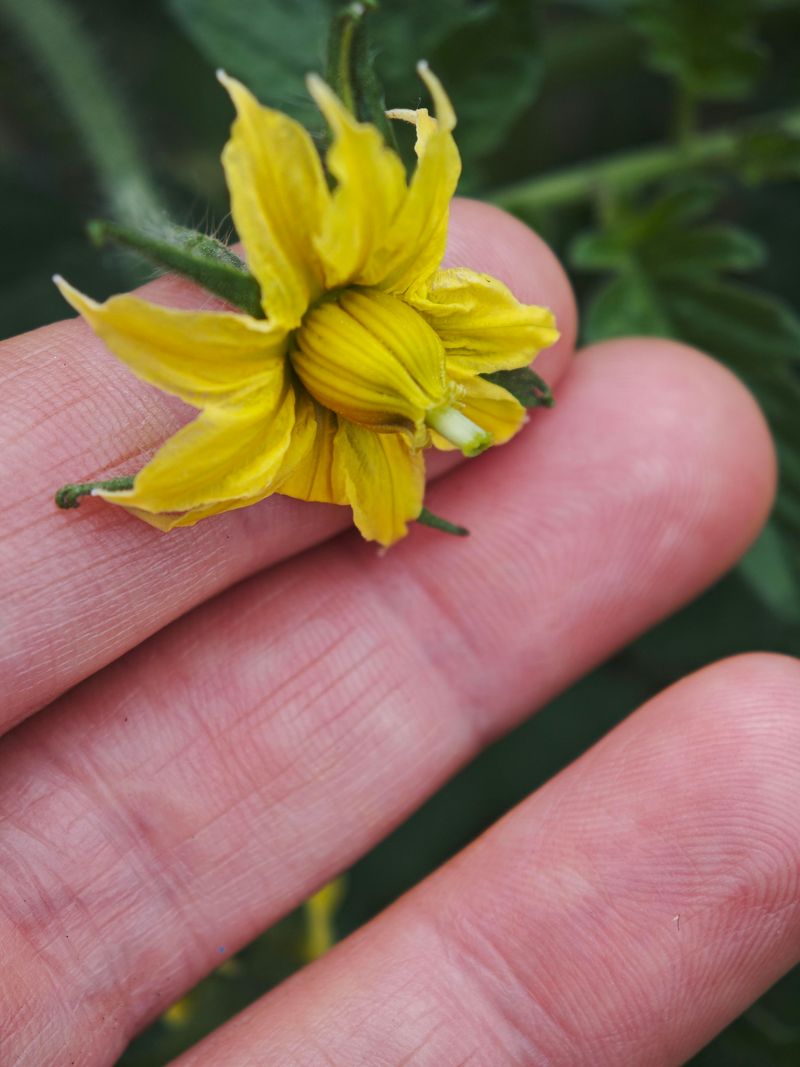
Look for flowers that have fully opened their bright yellow petals outward. If the petals are still curled or pointing straight up, the flower is not ready yet.
A flower that is ready will have petals that bend back away from the center. The anther cone, which looks like a small yellow tube in the middle, should be visible and firm.
That cone is packed with pollen. The stigma, which is the sticky tip inside that cone, needs to receive that pollen to start fruit development.
Check your plants every morning. New flowers open up regularly, and a bloom is usually at its best for pollination within two to three days of opening.
After that window, the flower may drop without setting fruit. Older flowers that look droopy or faded are past their prime and not worth your effort.
Focus on clusters where several flowers are open at the same time. Those clusters give you the best chance of setting multiple tomatoes at once.
Healthy, well-watered plants in full sun tend to produce more ready blooms at any given time. Give your plants consistent moisture and nutrients, and you will always have plenty of flowers to work with each morning.
2. Giving Each Bloom A Gentle Morning Shake
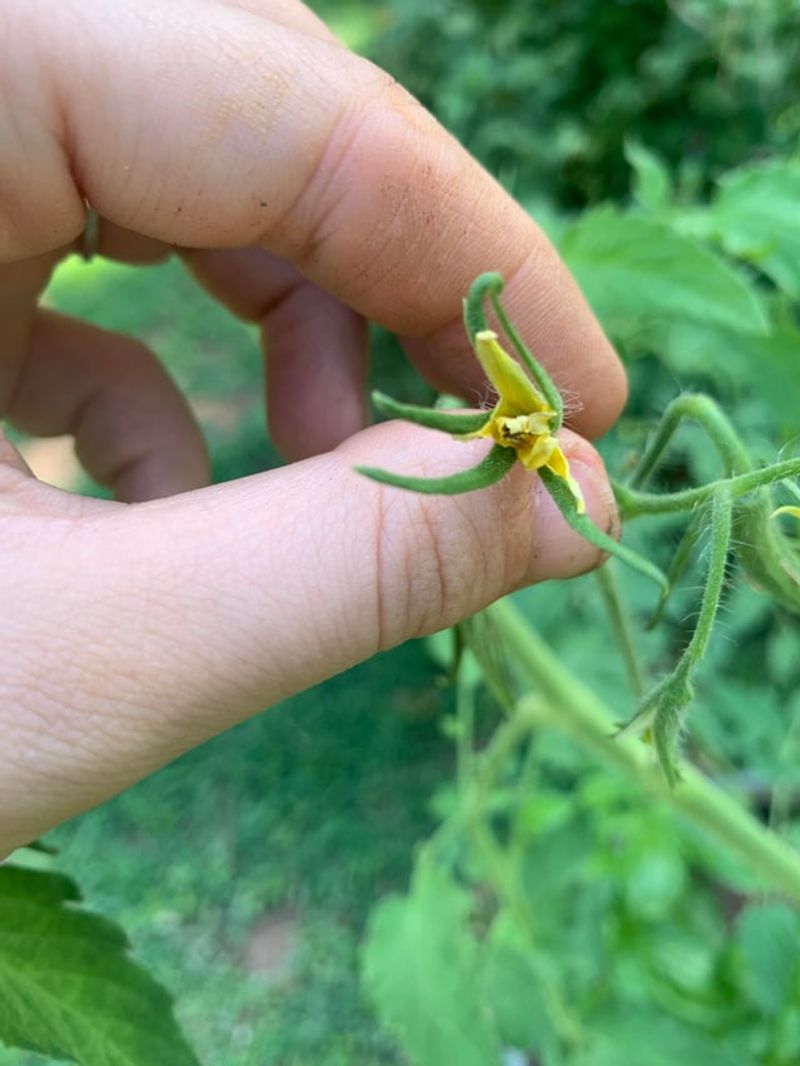
One of the easiest ways to hand pollinate tomatoes is also one of the most satisfying. Just reach out and give the flower stem a gentle little shake.
That small movement mimics what a bee does naturally when it lands on a bloom and vibrates its wings. The pollen inside the anther cone loosens and falls onto the stigma below.
Do this in the morning, ideally between 9 a.m. and noon. Pollen is most active and easiest to release during those hours.
Grab the stem just behind the flower or hold the flower cluster lightly between two fingers. Give it a quick, short shake, not a hard yank.
You want movement, not damage.
Your California Garden Changes Every Week. Your Plan Should Too.
Gardening in California changes quickly throughout the season. Every Friday you’ll receive a simple weekly plan showing exactly what to plant, prune, fertilize, harvest, and protect so you never miss the right timing.
You might see a small cloud of yellow pollen dust if the conditions are right. That is a great sign.
It means pollen is being released and has a good chance of landing where it needs to go. If you do not see any visible dust, that is okay too.
The pollen may simply be clinging inside the cone and still doing its job.
Repeat this on every open flower you can find. The whole process takes just a few minutes once you get the hang of it.
Many gardeners in warmer inland parts of California make this part of their daily morning routine during the growing season, and they notice a real difference in how many fruits their plants produce.
3. Using An Electric Toothbrush To Mimic Bee Buzzing
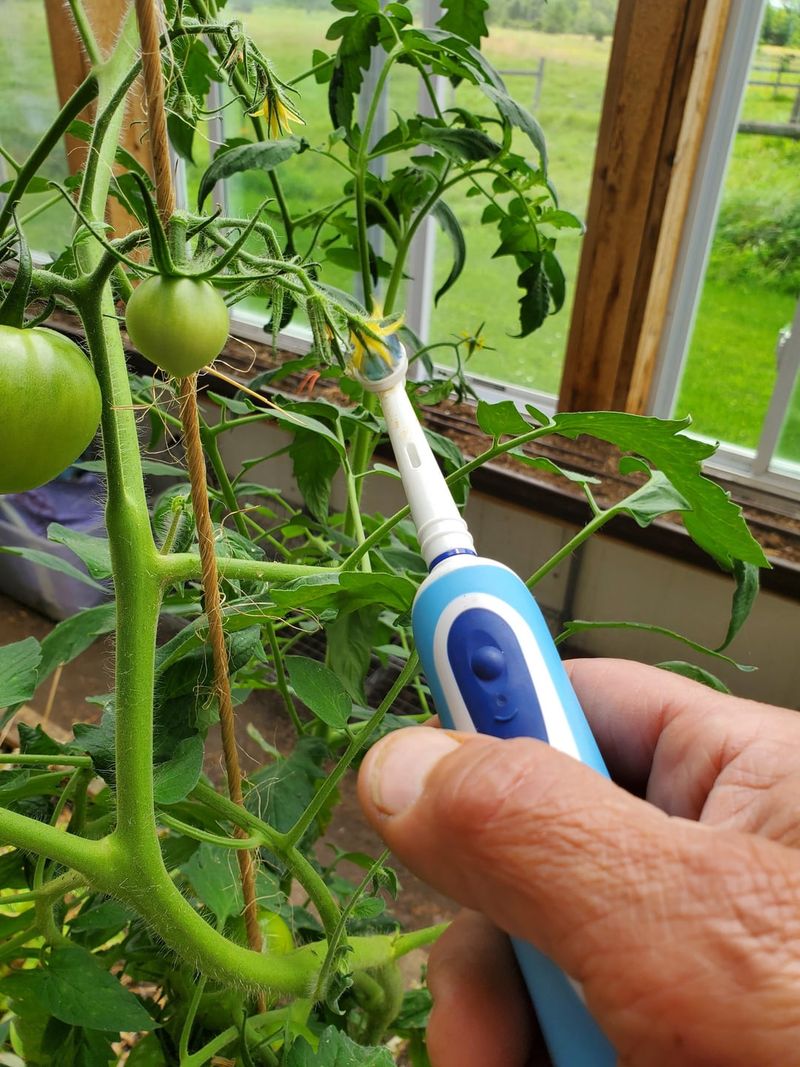
Bees use a technique called buzz pollination, or sonication, when they visit tomato flowers. They grab onto the bloom and vibrate their flight muscles at just the right frequency to shake pollen loose from the anther cone.
You can copy that exact method with something you might already have at home: an electric toothbrush.
Turn the toothbrush on and touch the back of it lightly against the flower stem, just below the bloom. Do not touch the bristles directly to the flower petals.
The vibration travels through the stem and into the anther cone, releasing pollen in a way that a simple hand shake sometimes cannot match. It works especially well on cool mornings when the pollen is a little stickier than usual.
This method is popular with gardeners who grow tomatoes in greenhouses or enclosed spaces where bee activity is almost nonexistent.
In northern regions of California, where coastal fog can keep bee populations indoors for days at a time, this trick becomes genuinely useful.
A basic battery-powered toothbrush works perfectly fine for this purpose.
Keep a dedicated toothbrush just for your garden so you are not mixing it up with anything else. Label it with a piece of tape.
Some gardeners get a small kick out of the quirky sight of buzzing their tomato plants every morning, but the results speak for themselves. More vibration means more pollen release, and more pollen means more fruit on every plant.
4. Tapping Flower Clusters Without Knocking Them Off
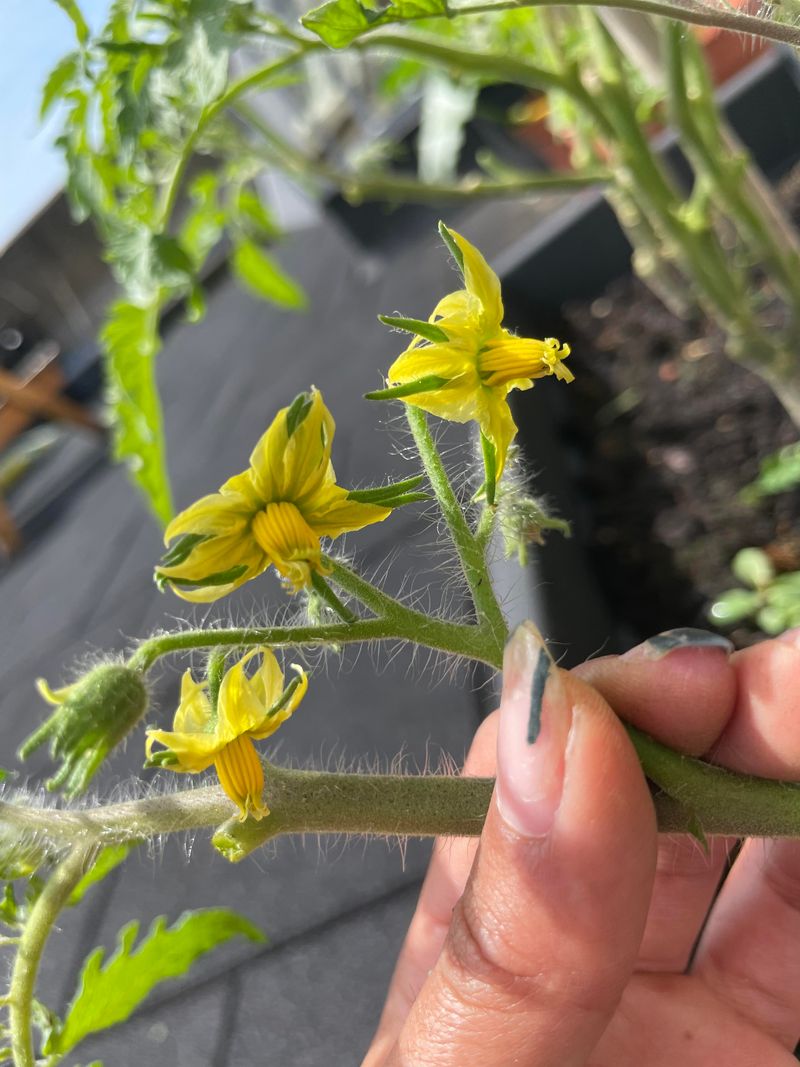
Tapping is a slightly different technique from shaking, and it works really well for gardeners who feel nervous about grabbing onto delicate flower stems.
Instead of holding the stem and shaking, you lightly tap the flower cluster from below with one finger.
The upward tap sends a quick vibration through the blooms without putting any sideways stress on them.
This method is especially helpful when your tomato plant is loaded with clusters and the stems are already weighed down with developing fruits. Rough handling at that stage can snap off a stem and set you back.
A gentle tap from below keeps everything intact while still doing the job you need done.
Aim your taps at the base of the flower cluster rather than at individual petals. Petals are fragile and can bruise or fall off if you hit them directly.
The stem base is sturdier and transmits vibration more effectively throughout the whole cluster. Two or three taps per cluster is usually enough to get things moving.
Gardeners who grow heirloom tomato varieties often prefer this tapping method because heirloom flowers can be a bit more delicate than hybrid types. The same goes for cherry tomato plants, which tend to have smaller, more compact clusters.
Whether you are growing in the warm Central Valley or along the cooler coast, a light tap every morning during bloom time can noticeably boost your fruit set without risking any damage to your plants.
5. Why Dry Mornings Make Pollination Easier
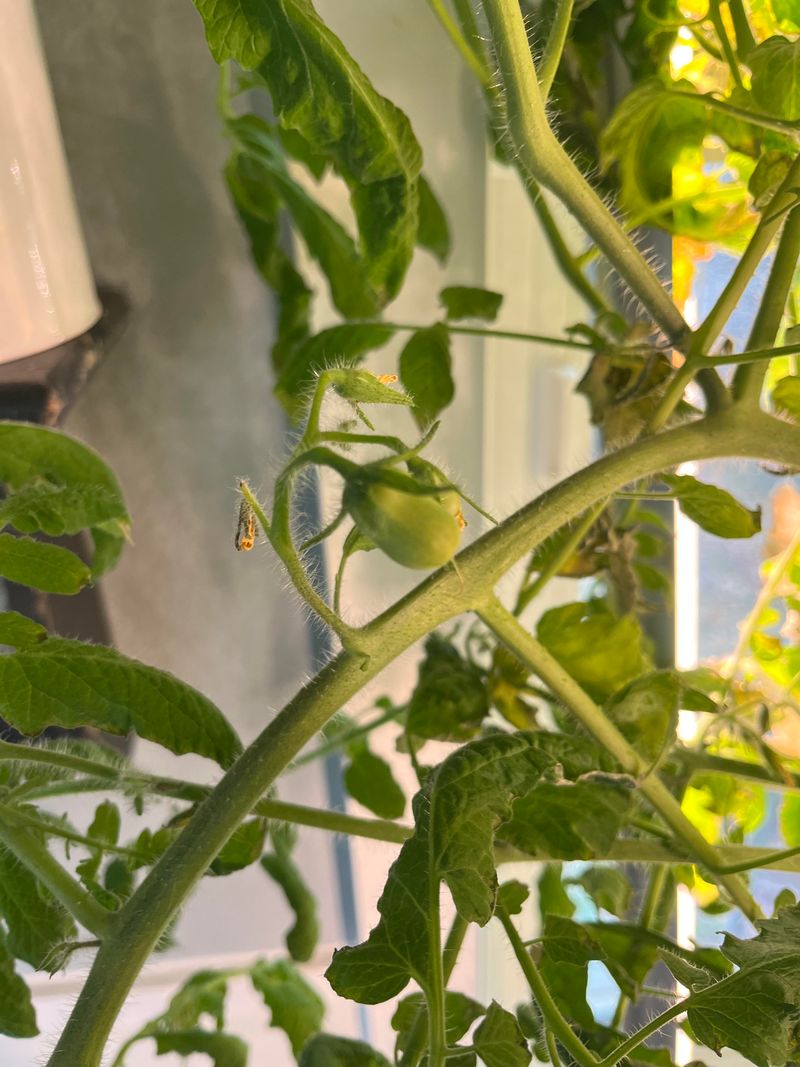
Weather plays a bigger role in pollination success than most gardeners realize. Pollen behaves very differently depending on how much moisture is in the air.
On dry mornings, pollen grains are loose, powdery, and easy to shake free from the anther cone. On humid or wet mornings, pollen clumps together and sticks, making it much harder to transfer effectively.
In coastal areas, morning fog and high humidity are common for weeks at a time during the summer. That kind of moisture can make natural and hand pollination both less reliable.
Waiting for the fog to burn off before you start your morning routine makes a real difference. Even an hour of sunlight can dry things out enough to improve pollen release significantly.
Aim to do your hand pollination after any dew has evaporated but before the afternoon heat sets in. That window, roughly between 9 a.m. and 11 a.m. on most days, tends to offer the best combination of warmth and low humidity.
Pollen flows more freely, and the stigma inside the flower is most receptive during those hours.
You can also gently inspect the flowers before you start. If petals feel damp or you notice water droplets on the blooms, give them a few more minutes to dry naturally.
Rushing pollination on a wet flower rarely produces good results. Patience in the morning pays off with a heavier harvest later in the season, so let the sun do its part first.
6. Skipping Hand Pollination During Peak Afternoon Heat
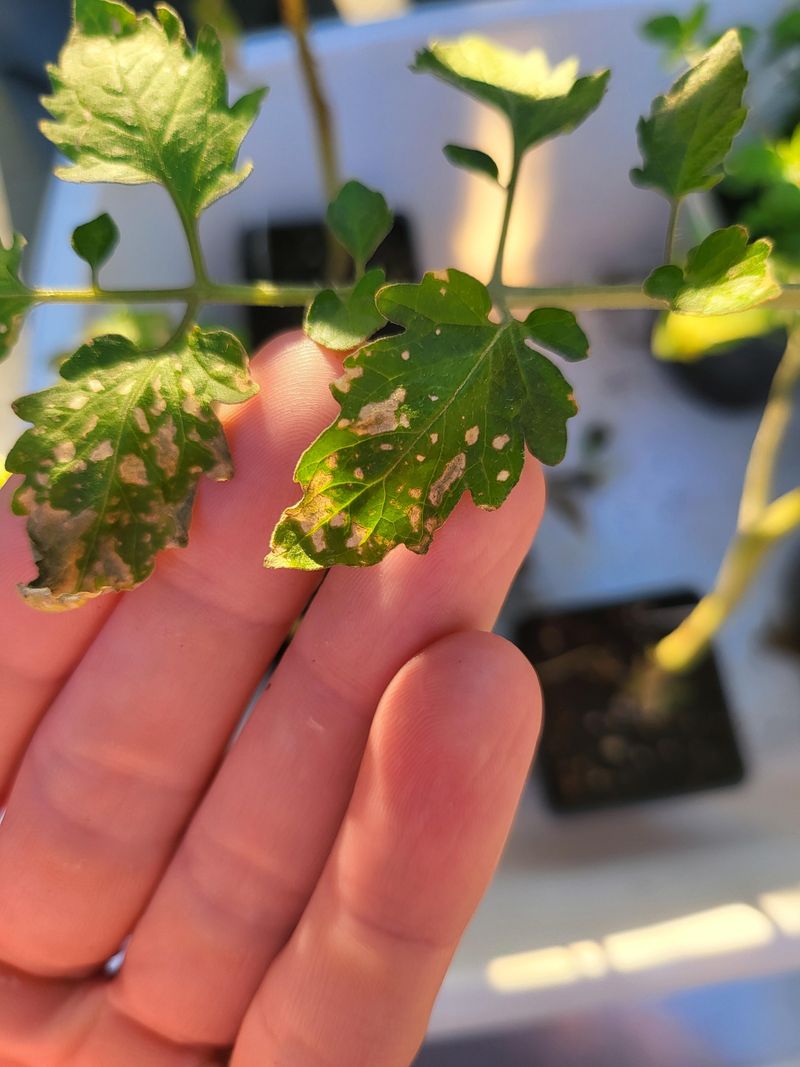
Many gardeners make the mistake of heading out to pollinate their tomatoes in the middle of a hot afternoon. It feels productive, but the timing actually works against you.
When temperatures climb above 90 degrees Fahrenheit, tomato pollen loses its ability to fertilize effectively. The heat damages the pollen grains, and the stigma inside the flower becomes less receptive as well.
Hot afternoons are especially common in inland valleys and desert-adjacent parts of California, where summer temperatures regularly push well past 95 degrees.
On those days, flowers that were perfectly healthy in the morning can look stressed and limp by early afternoon.
Trying to pollinate a heat-stressed flower is mostly a wasted effort.
High heat also causes a problem called pollen sterility. This is when the pollen is technically present but no longer viable.
Even if you shake the flower perfectly, nothing will happen because the pollen cannot do its job.
The best thing you can do on extremely hot days is water your plants deeply in the early morning and wait for cooler weather before expecting good fruit set.
Stick to your morning routine and skip the afternoon sessions entirely when it is very hot outside.
If you live in a region where nighttime temperatures also stay high, above 75 degrees Fahrenheit, fruit set can slow down across the board.
Consider planting heat-tolerant tomato varieties in those zones, as they are bred to handle conditions that would stop a standard variety cold. Morning effort is always the smarter investment.
7. Helping Greenhouse Tomatoes Set More Fruit
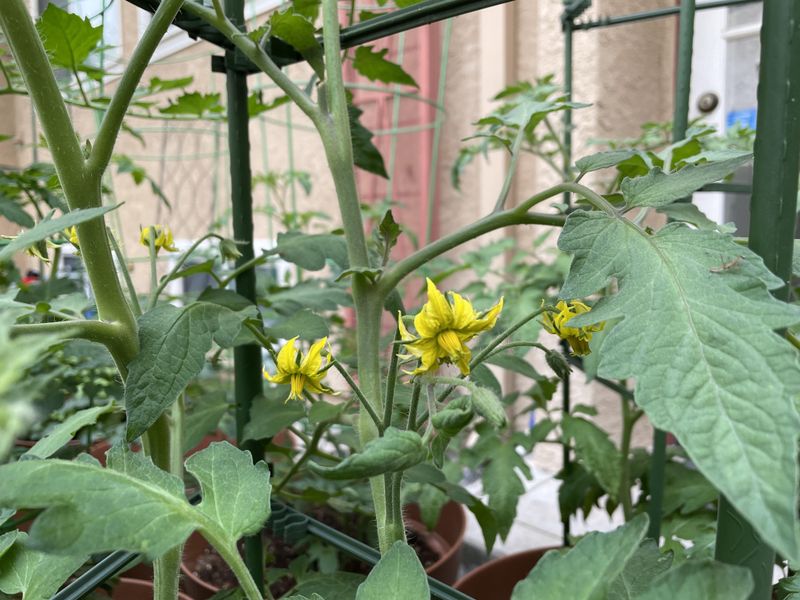
Growing tomatoes inside a greenhouse solves a lot of problems, but it creates one big one: bees cannot get in.
Without natural pollinators flying around inside, your plants can bloom beautifully for weeks and produce almost nothing.
Hand pollination becomes less optional and more essential the moment you close those greenhouse doors.
Greenhouse tomatoes need attention every single day during their blooming period. The still air inside a greenhouse does not move pollen around the way outdoor breezes do.
Even a gentle wind that you barely notice outside can do a surprising amount of pollination work on outdoor plants. Inside, that help disappears completely, so you have to replace it yourself.
The electric toothbrush method works especially well in greenhouse settings because the controlled environment means there are no distractions, no wind gusts, and no bees to compete with your timing.
You are the only pollinator in the room, and that gives you full control.
Go through every open flower systematically, moving from one plant to the next in the same order each morning.
Temperature and humidity management inside the greenhouse also affects your success. Keep daytime temperatures between 65 and 80 degrees Fahrenheit when possible.
Use a small fan to create gentle air circulation, which helps pollen move and also prevents fungal issues on the leaves.
Gardeners who grow tomatoes year-round in enclosed structures across our state have found that consistent hand pollination combined with good airflow can produce harvests just as impressive as any outdoor garden.
8. Repeating The Routine Every Few Days
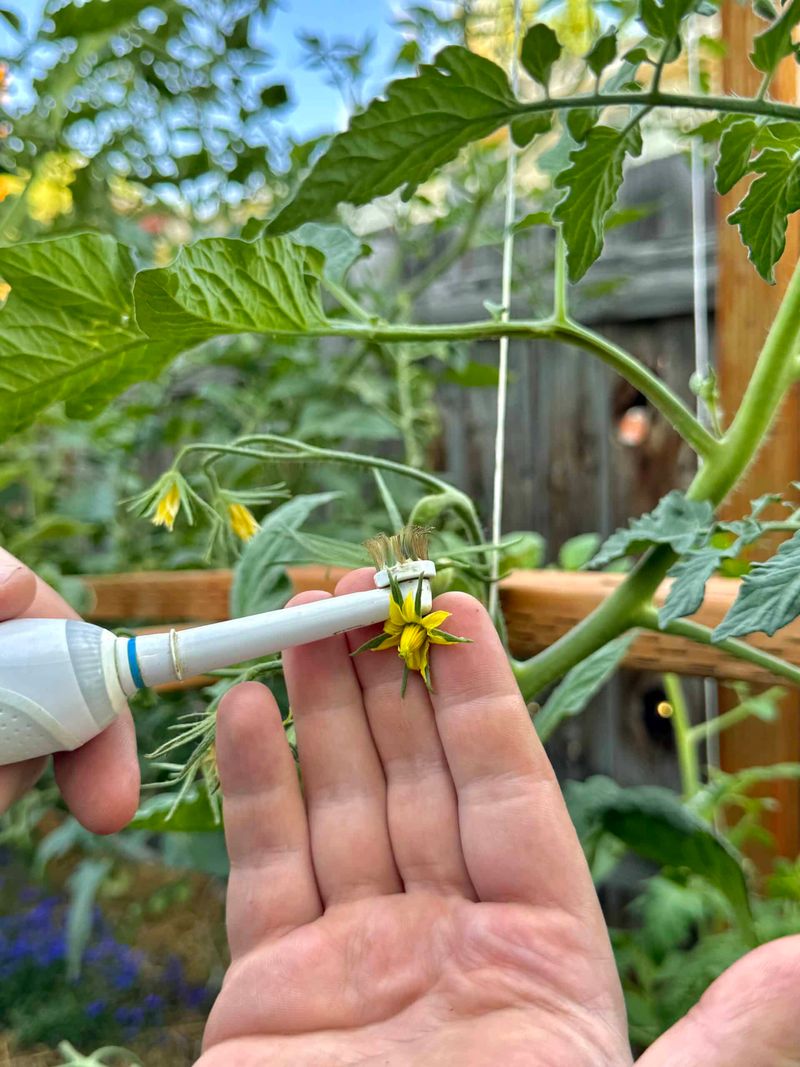
Hand pollination is not a one-time fix. Tomato plants produce new flowers continuously throughout the growing season, and each new bloom needs the same attention as the ones before it.
Setting up a regular routine is the key to keeping fruit production steady from early summer all the way through fall.
Every two to three days is a good general schedule for most home gardens. If your plants are blooming heavily, you might want to check them every other day.
If blooming is light, every three days is usually fine. The goal is to make sure no open flower goes unattended for more than a couple of days during its best window for pollination.
Keeping a simple garden journal can help you stay on track. Just jot down the date each time you pollinate and note how many flowers were open.
Over a few weeks, you will start to see patterns in when your plants bloom most heavily. That information helps you plan your mornings more efficiently and avoid missing peak bloom periods.
Consistency matters more than perfection. Even if you miss a morning here and there, getting back on schedule quickly will still produce good results over the course of the season.
Gardeners who commit to a regular hand pollination routine, even just a few minutes every few days, almost always end up with more tomatoes than those who only try it once or twice.
Make it a habit, and your plants will reward you with a steady, satisfying harvest all season long.