The Fragrant Plants That Suppress Oregon Weeds And Smell Incredible Doing It
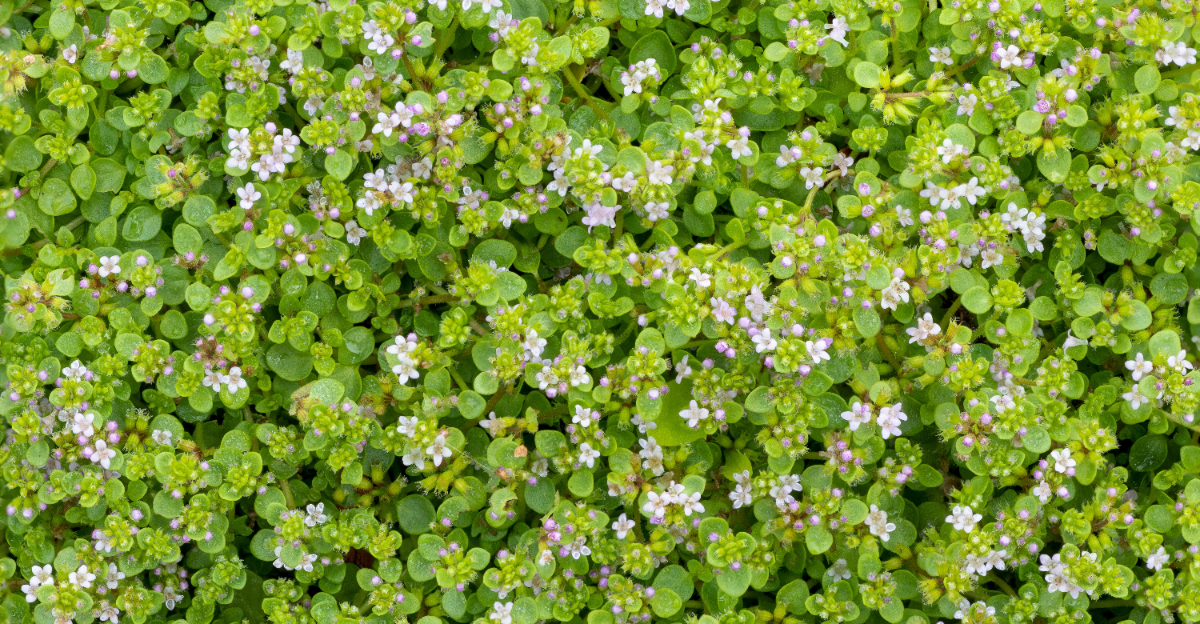
A garden that smells good is already a win. But when fragrant plants also help crowd out weeds, they become even more useful.
Oregon gardeners know how fast open soil can turn into extra work, especially after spring rain wakes everything up.
The right low growing herbs and scented perennials can help cover bare patches before weeds take over.
They also bring a fresh scent to paths, borders, and sunny corners. That makes garden work feel a little nicer every time you brush past them.
The best part is how natural they look once settled in. These plants do not just sit there looking pretty.
They help fill space with purpose. Choose well, give them the right spot, and your garden can smell better while needing less constant cleanup.
1. Oregano Spreads Into A Dense Fragrant Mat
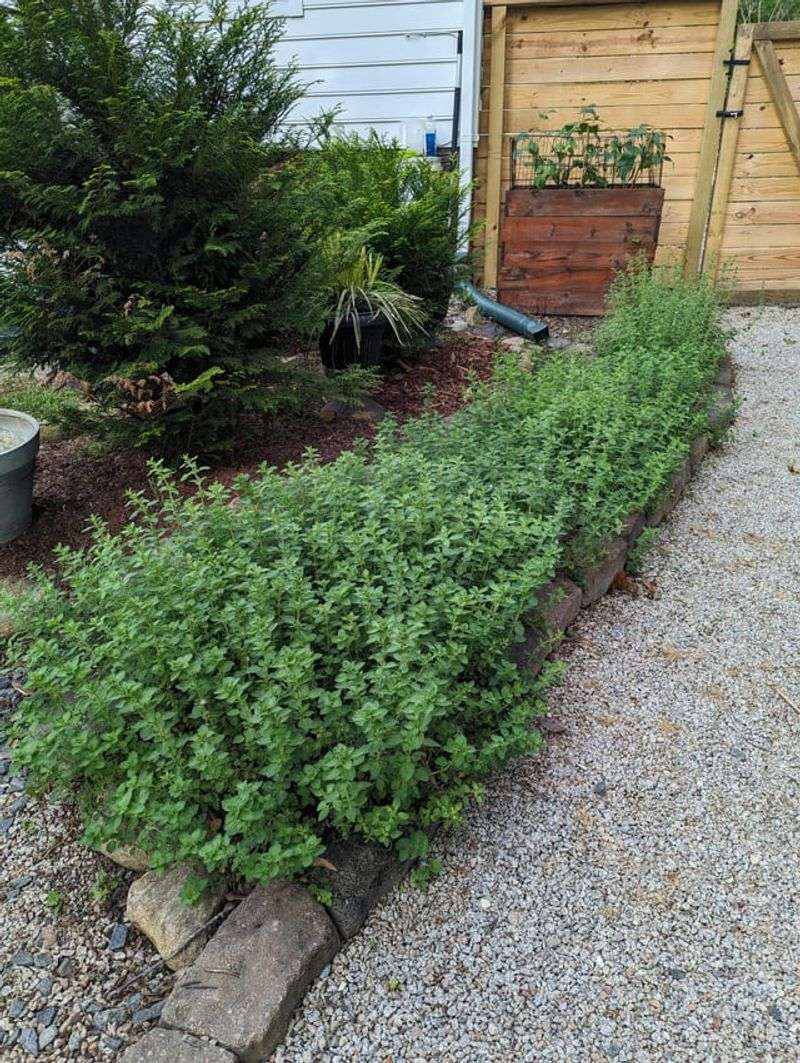
Most people think of oregano as a kitchen herb, but it has another talent that gardeners love.
Left to spread freely, it forms a thick, fragrant mat that covers bare soil quickly and keeps weed pressure down in a natural, low-effort way.
The leaves stay green through much of the year in milder parts of our state, which means weed coverage lasts longer than with seasonal plants.
Greek oregano and ornamental oregano varieties are especially good at spreading. They send out stems that root where they touch the soil, gradually filling in gaps without any help from you.
The foliage is dense enough to block sunlight from the soil surface, which is exactly what you want when trying to prevent weed seeds from germinating.
Tiny white or pink flowers appear in summer and attract pollinators in big numbers. The scent is warm, peppery, and slightly sweet.
When you brush past a patch or work near it, that familiar herb smell fills the air instantly. It is one of those plants that makes you feel good just being near it.
Oregano grows best in full sun and prefers soil that drains well. It can handle dry conditions once established, making it a practical choice for spots that are hard to water regularly.
Trim it back in early spring to remove any winter damage and encourage a fresh flush of growth. It comes back reliably year after year with very little attention from you.
2. Creeping Thyme Fills Sunny Gaps Fast
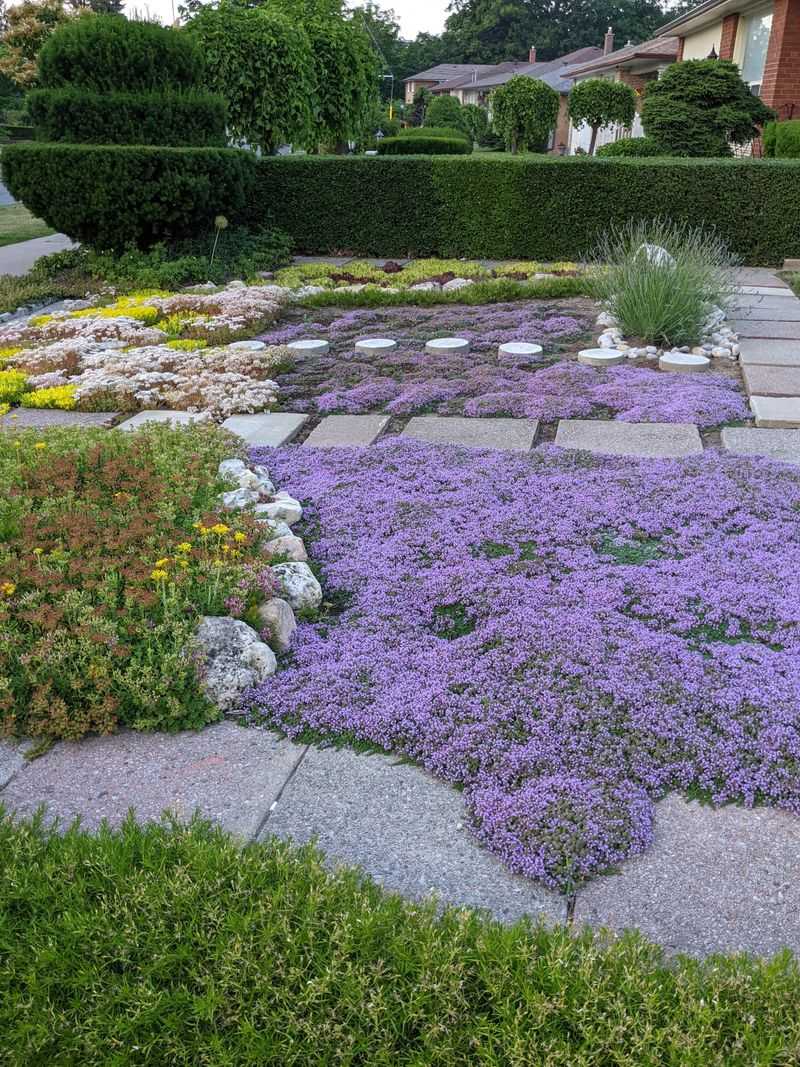
Few ground covers work as hard as creeping thyme when it comes to filling in bare, sunny spots where weeds love to take hold.
It grows low to the ground, usually only two to three inches tall, and spreads outward in a thick, leafy mat.
That mat blocks sunlight from reaching the soil below, which stops weed seeds from sprouting in the first place.
One of the best things about this plant is how little water it needs once it gets established. Hot, dry summers that stress other plants barely faze it.
It actually prefers well-drained soil and full sun, making it a natural match for sunny slopes and garden edges that tend to dry out quickly. Gravel areas and rock gardens are perfect spots to try it.
Your Oregon Garden Changes Every Week. Your Plan Should Too.
Gardening in Oregon changes quickly throughout the season. Every Friday you’ll receive a simple weekly plan showing exactly what to plant, prune, fertilize, harvest, and protect so you never miss the right timing.
When you brush against the leaves or even walk across a patch of it, a warm, herby fragrance releases into the air.
Some varieties smell strongly of lemon, while others have a classic earthy thyme scent.
Tiny pink or purple flowers appear in late spring and early summer, drawing in bees and other pollinators.
Planting it between stepping stones or along path edges gives it room to spread without taking over nearby plants. It handles light foot traffic surprisingly well.
Space plants about twelve inches apart and water them in well during the first season. After that, creeping thyme largely takes care of itself while keeping weeds out of your way.
3. Lavender Handles Dry Oregon Summers Beautifully
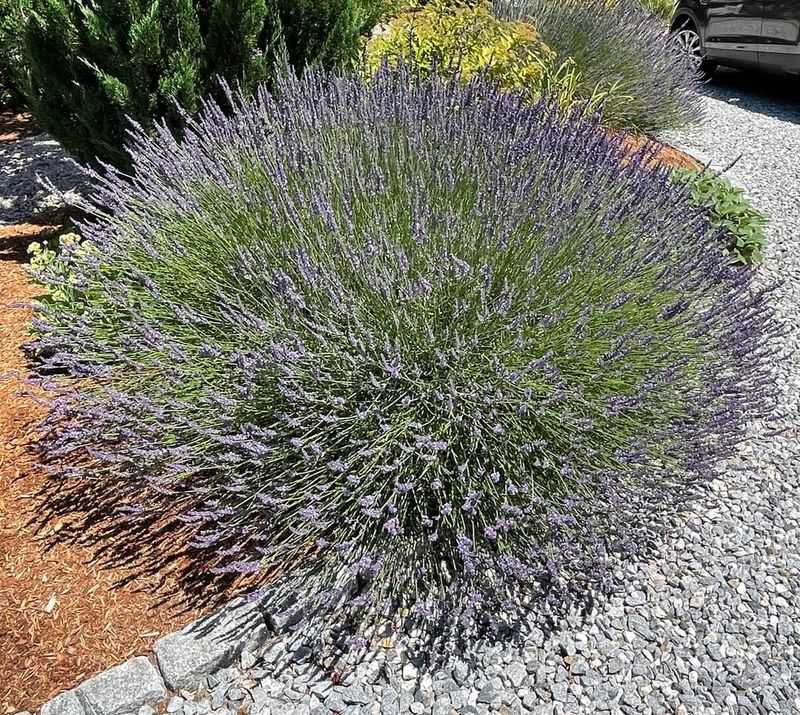
There is something almost magical about a lavender plant in full bloom. The tall purple flower spikes rise above silvery-green foliage, and the scent carries across the garden on even the lightest breeze.
Bees absolutely love it, which makes it a great choice for anyone who wants to support pollinators while also keeping their garden tidy.
Lavender is surprisingly tough. Once it settles in, it handles drought like a champ.
The dry summers that hit the western valleys and eastern parts of our state are no problem for a well-established lavender plant.
It actually struggles more with too much water than too little, so planting it in raised beds or sloped areas with good drainage works best.
As a weed suppressor, lavender earns its spot. The plants spread out and create a dense canopy of foliage that shades the soil and slows weed growth beneath.
Over time, a row of lavender along a fence or garden border becomes a living barrier that weeds have a hard time pushing through.
Trim plants back by about one-third after they finish blooming to keep them from getting woody and to encourage fresh growth.
English lavender varieties tend to perform best in our state because they tolerate both cold winters and dry summers.
Plant lavender in a spot that gets at least six hours of direct sunlight daily for the best results and the strongest fragrance.
4. Creeping Rosemary Softens Hot Gravel Edges
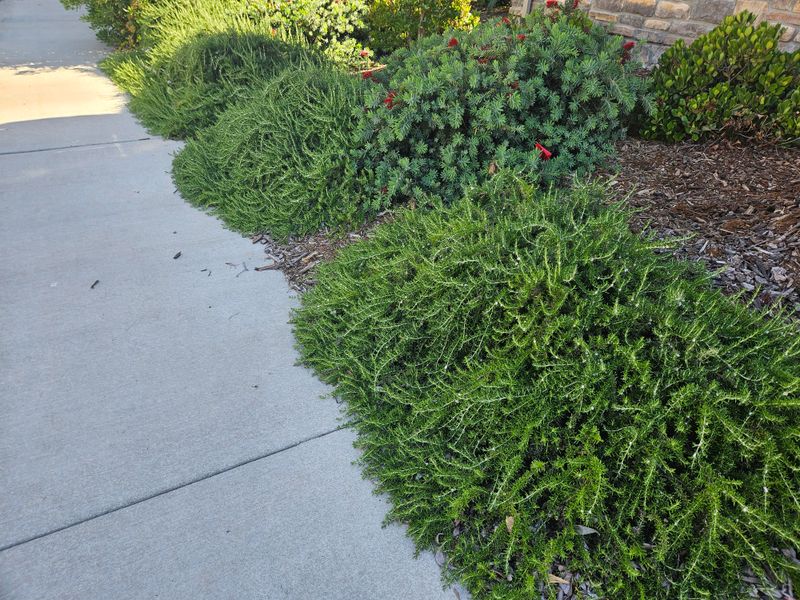
Gravel paths and dry garden edges can be some of the trickiest spots to keep weed-free. Creeping rosemary is one of the best plants for exactly these kinds of challenging areas.
Unlike upright rosemary, this trailing variety grows low and wide, spilling over edges and filling gaps with its needle-like, aromatic foliage. It looks sharp and polished even without much effort.
The scent from creeping rosemary is bold and piney with a slightly resinous quality. It releases most strongly on warm, sunny days when the essential oils in the leaves heat up.
Brushing your hand across the foliage gives you a burst of that familiar rosemary fragrance that most people associate with roasting chicken or fresh bread. In the garden, it is just as pleasant.
Weed suppression comes naturally to this plant. The dense, low-growing stems cover the soil tightly, leaving little room for weeds to push through.
Gravel areas where water drains fast are ideal because rosemary prefers dry feet and does not tolerate soggy soil for long.
Plant it along the edge of a raised bed or at the top of a retaining wall where it can trail downward beautifully.
Pale blue flowers appear in late winter and early spring, often before most other plants even start to wake up. This makes it a valuable early source of nectar for bees.
Water new plants regularly for the first season, then cut back watering significantly once the roots are established. It is a tough, beautiful, and practical addition to any dry or gravel garden space.
5. Catmint Blooms For Months With Little Fuss
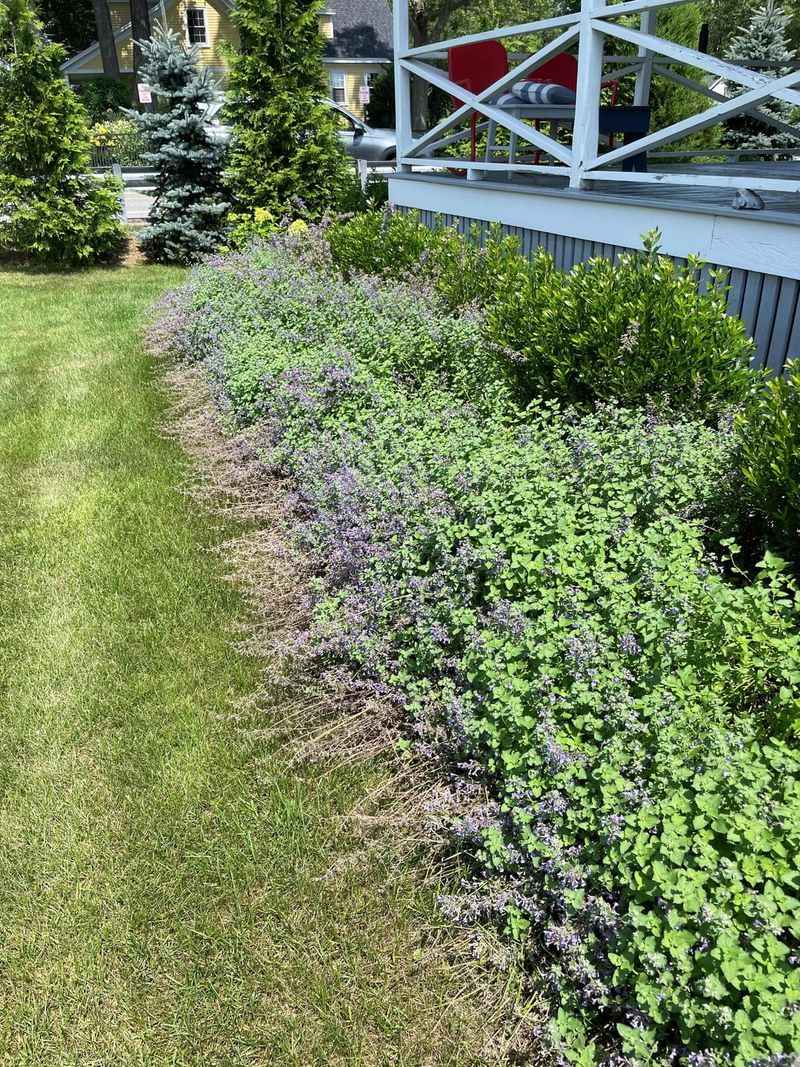
Walk past a patch of catmint in full bloom and you will stop in your tracks.
The soft lavender-blue flowers cover the plant in waves, and the gray-green foliage releases a gentle, minty scent every time the breeze moves through it.
It is one of those plants that looks effortless while actually doing serious work in the garden.
Catmint spreads into a wide, mounding clump that covers a surprising amount of ground. As it fills in, it shades the soil beneath and prevents weed seeds from finding the light they need to grow.
The foliage is dense enough that even persistent weeds struggle to push through once the plant is well established. It works especially well along garden borders and in front of taller shrubs.
One of the best things about catmint is how long it blooms. In our state, it often starts flowering in late spring and keeps going through summer.
Cutting it back by half after the first flush of blooms encourages a second wave of flowers in late summer.
That extended bloom time also means extended pollinator activity, which benefits the whole garden.
Full sun to light shade suits catmint well, and it handles dry conditions with ease once established.
It is not picky about soil as long as drainage is decent. Space plants about eighteen to twenty-four inches apart to give them room to spread.
Catmint is cold-hardy enough to survive our state winters without any special protection, making it a reliable, low-effort perennial for almost any garden style.
6. Sweet Woodruff Thrives In Cool Shady Beds
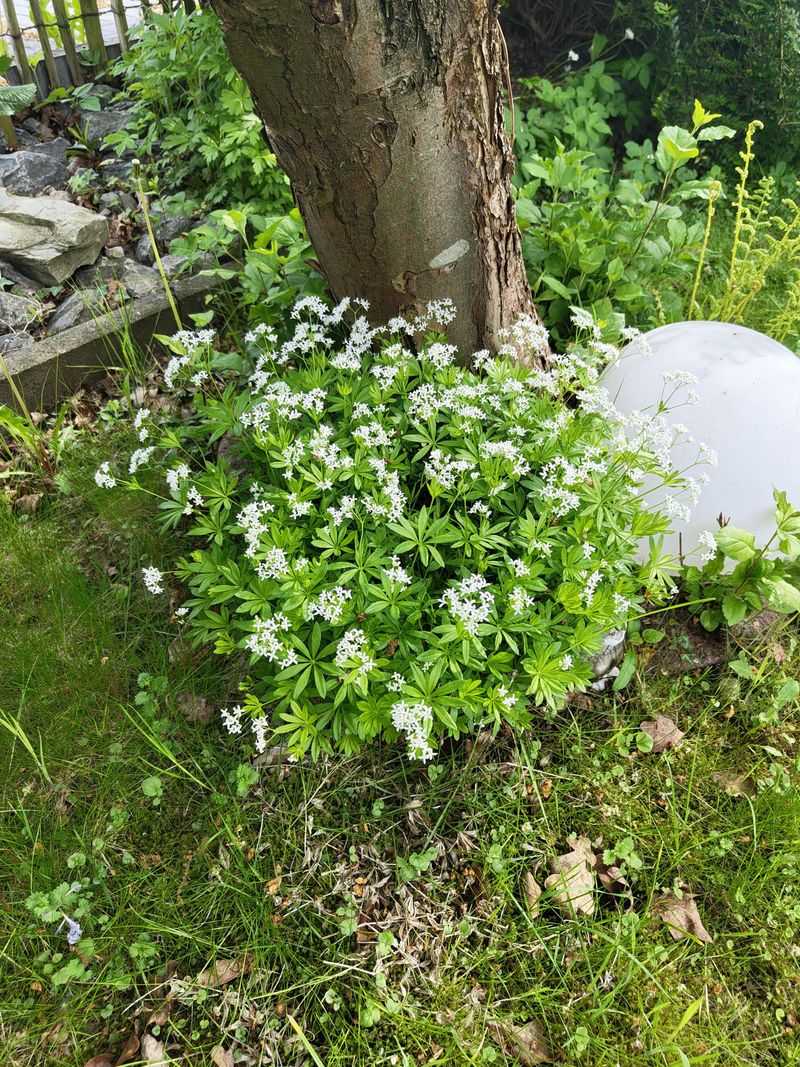
Shady spots under trees and along north-facing fences are some of the hardest places to keep weed-free.
Most ground covers prefer sun, so the shady corners often get ignored until weeds move in and take over.
Sweet woodruff is the answer to that problem. It thrives in cool, shaded conditions where other plants refuse to grow.
The plant forms a low, lacy carpet of bright green leaves arranged in neat whorls along delicate stems.
In spring, tiny white star-shaped flowers appear above the foliage and fill the air with a sweet, hay-like fragrance.
That scent comes from a compound called coumarin, which is also found in vanilla. Dried sweet woodruff has been used for centuries to scent linen closets and make May wine in Germany.
As a weed suppressor, it works by spreading steadily through underground runners. Over a season or two, it fills in a shaded bed completely, leaving almost no bare soil for weeds to colonize.
It is vigorous but not aggressive, so it stays manageable without much editing. Pulling back any sections that wander too far is easy and quick.
Moist, rich soil helps sweet woodruff establish quickly, though it tolerates average garden soil just fine.
Water it regularly during dry spells, especially in summer when the shade canopy overhead may be blocking rainfall from reaching the roots.
In cooler, wetter parts of our state, it practically grows itself. It is one of the most reliable shade solutions for a weed-free, fragrant garden bed.
7. Roman Chamomile Releases Fragrance When Stepped On
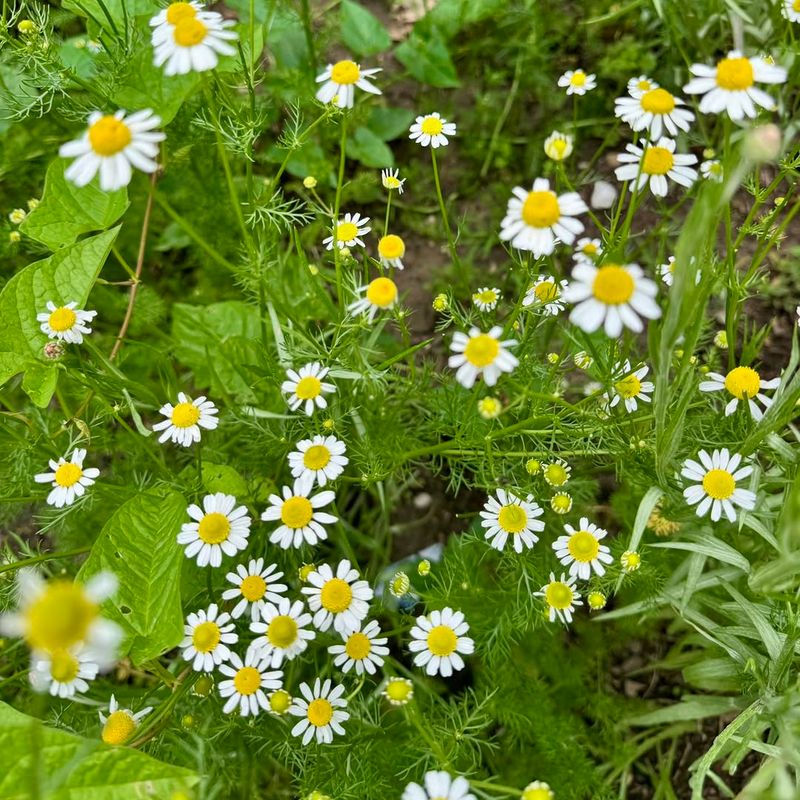
Not many plants reward you for walking on them, but Roman chamomile is one of the rare exceptions.
Every time you step on its feathery, low-growing foliage, it releases a sweet apple-like scent that lingers in the air.
Gardeners have used it for centuries to create fragrant lawn alternatives and soft, scented pathways between garden beds.
The plant stays very low to the ground, usually under four inches tall, which makes it an excellent choice for filling in spaces between stepping stones or creating a soft carpet.
White daisy-like flowers appear in summer and add a cheerful, cottage-garden look to any space.
If you prefer a denser carpet without flowers, the non-flowering variety called Treneague is a popular choice.
Weed suppression works through sheer density. Roman chamomile spreads by sending out runners that root into the soil, gradually filling every gap with fragrant foliage.
Once it knits together into a solid mat, weeds have almost nowhere to get a foothold. It is especially effective in areas where you want a lawn-like look without the mowing that grass requires.
Full sun is ideal, though it tolerates partial shade in warmer areas. Well-drained soil is important because chamomile does not like sitting in wet conditions for long.
In the cooler, wetter parts of our state, plant it on a slight slope or in a raised area to ensure good drainage.
Water young plants regularly until they establish, then ease off and let the plant handle things on its own.
8. Woolly Thyme Handles Heat And Foot Traffic Well
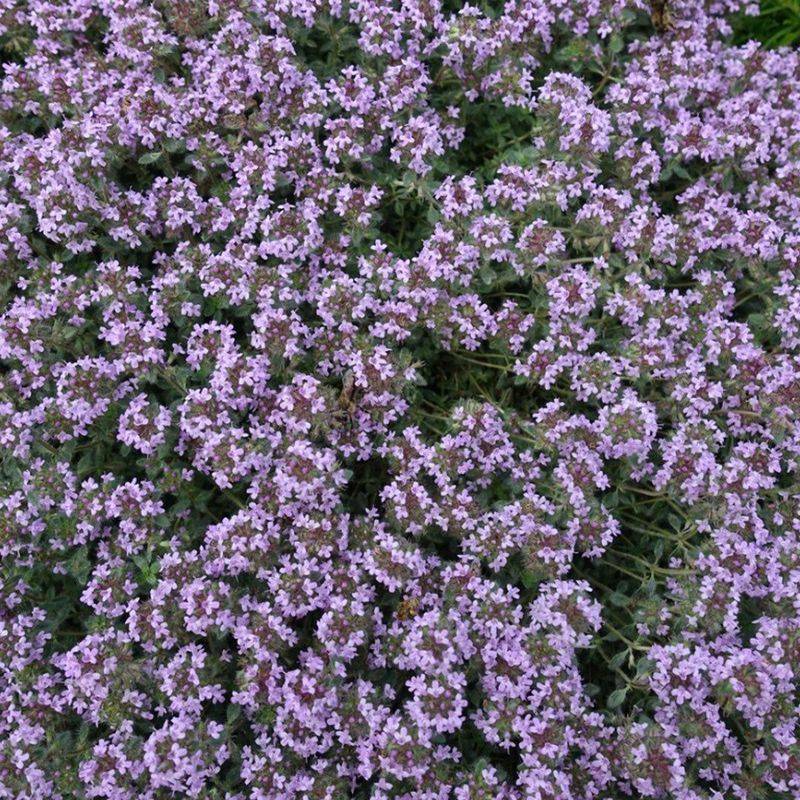
If you have ever tried to grow something between stepping stones and watched it struggle, woolly thyme might be exactly what you have been missing.
It is one of the toughest, most heat-tolerant ground covers you can plant, and it bounces back from foot traffic better than almost anything else in its size range.
The soft, silver-green foliage gives it a fuzzy, almost velvety appearance that looks great up close.
Woolly thyme grows even lower than creeping thyme, often staying under an inch tall in compacted areas.
It spreads slowly but steadily, filling gaps between stones and along path edges with a tight, weed-blocking mat.
The foliage is dense enough to shade the soil surface effectively, which cuts down on weed germination even in sunny, exposed spots where weeds tend to thrive.
The scent is mild compared to other thyme varieties, but it is still pleasant. A light herby fragrance releases when you press or brush the foliage.
Tiny pink flowers appear in early summer and attract small bees and other beneficial insects. The blooms are delicate and lovely, adding a soft touch to hard surfaces like gravel or stone.
Hot, dry conditions suit woolly thyme perfectly. The eastern parts of our state, where summers get intense, are great locations for this plant.
It needs full sun and excellent drainage to perform its best. Plant it in sandy or rocky soil if possible, and avoid overwatering once it gets established.
It is a low-fuss, high-reward plant that earns its place in any challenging garden spot.
9. Corsican Mint Adds Strong Scent In Damp Shade
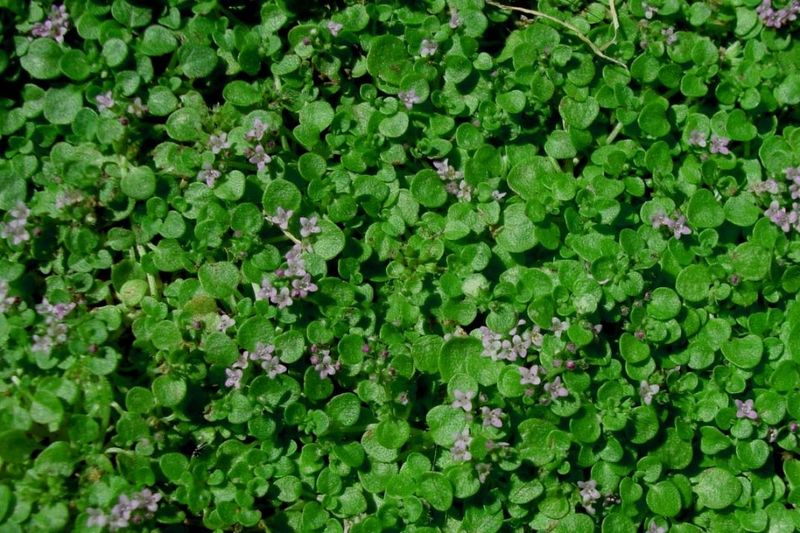
Corsican mint is the smallest mint you will ever grow, and also one of the most surprisingly powerful.
The tiny, bright green leaves form a mossy-looking carpet that stays under half an inch tall.
Yet when you brush it with your fingers or step on it, the scent that hits you is intensely minty, almost like peppermint candy.
For such a small plant, it punches way above its weight in the fragrance department.
Unlike most mints, Corsican mint actually prefers shade and consistent moisture. That makes it a perfect choice for the damp, shaded corners that are so common in the wetter parts of our state.
Under large trees, along shaded pathways, or beside a water feature are all great spots where this plant will settle in and spread happily.
As it spreads, it forms a dense enough mat to crowd out moss and small weeds in shaded areas.
It is not the most aggressive weed suppressor, but in the right conditions, it fills bare soil steadily and creates a living carpet that leaves little room for unwanted plants to establish.
Tiny purple flowers appear in summer, adding a subtle decorative touch.
Keep the soil consistently moist during dry periods because Corsican mint does not handle drought well. Afternoon shade in warmer areas helps it stay healthy through summer.
Divide and replant sections every couple of years to keep the patch vigorous and dense. It is a charming, fragrant option for the tricky damp and shady corners that most other ground covers simply ignore.
10. Prostrate Germander Stays Neat Along Borders And Paths
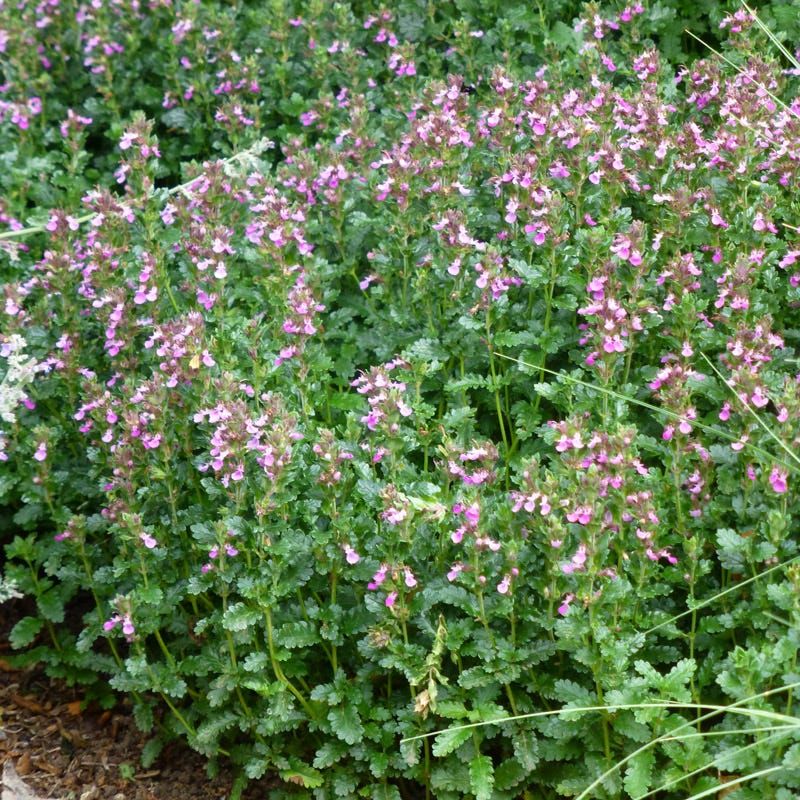
Neat, tidy, and surprisingly tough, prostrate germander is the kind of plant that makes a garden look like someone really knows what they are doing.
It grows low and spreads evenly, forming a clean, dark green mat along borders and path edges.
The glossy leaves stay attractive through most of the year, and the plant holds its shape without constant trimming or fussing.
Small pink-purple flowers appear in summer and attract bees in good numbers. The foliage has a mild, earthy, slightly medicinal scent that releases when touched.
It is not as bold as mint or lavender, but it is pleasant and distinctive. Historically, germander was used in knot gardens and formal herb gardens across Europe because of its tidy growth habit and its ability to hold a defined edge.
As a weed suppressor, prostrate germander works by forming a solid, spreading mat that covers the soil surface and blocks light from below.
Along path edges and at the front of borders, it creates a defined line that weeds struggle to cross.
It is a reliable, low-growing barrier that looks intentional and polished rather than like a wild ground cover.
Full sun to partial shade suits this plant well. It handles dry conditions once established and is fairly drought-tolerant for a broadleaf plant.
Good drainage is important, especially in the wetter parts of our state where winter rain can saturate soil for extended periods. Trim it lightly in early spring to encourage fresh growth.
Prostrate germander is a hardworking, attractive plant that brings both structure and fragrance to any garden edge or path.