The Front Yard Mistake Oregon Gardeners Make Without Even Noticing
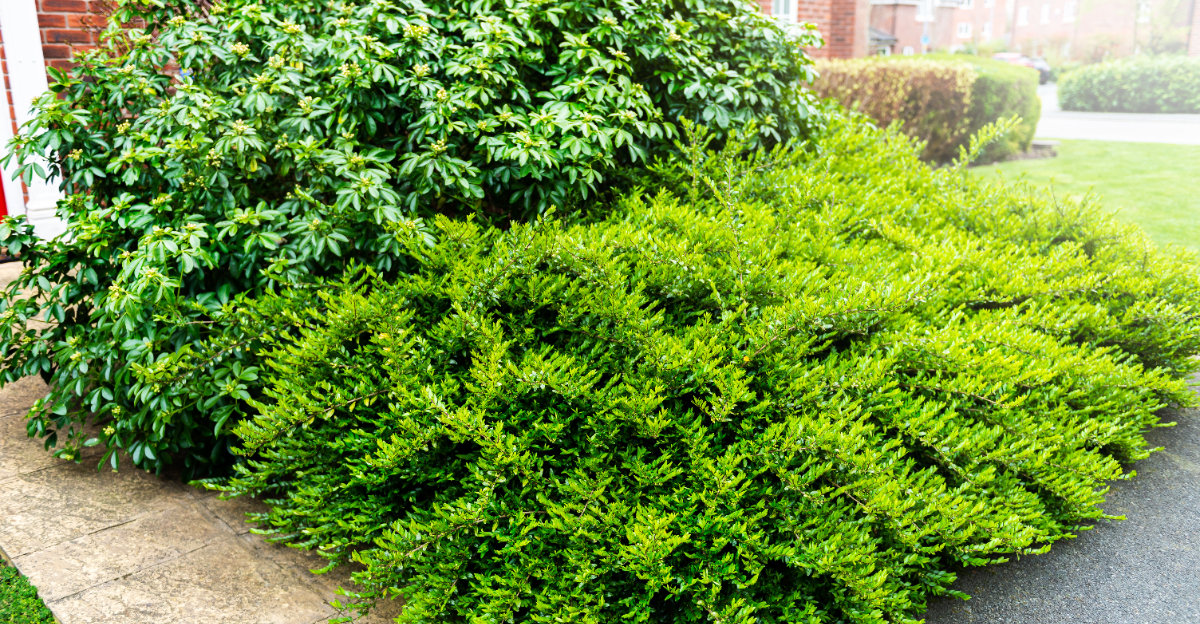
It starts innocently enough. You bring home a cute little shrub, tuck it near the porch, admire your excellent taste, and feel like the front yard just got a glow-up.
Then a few seasons pass, and suddenly that “cute little shrub” is pressed against the siding like it is trying to listen through the wall. Oregon gardeners know this plot twist well.
Planting too close to the house is one of those mistakes that barely looks like a mistake at first. Small plants feel harmless, and empty foundation beds can look a little sad without them.
But once roots spread, branches thicken, and rainy weather keeps foliage damp, things can get messy fast.
Crowded plants can block airflow, trap moisture against siding, scrape windows, hide pests, and make maintenance a full-body wrestling match. Not exactly the curb appeal anyone had in mind. A little breathing room can save your plants, your paint, and your weekend.
1. Planting Too Close
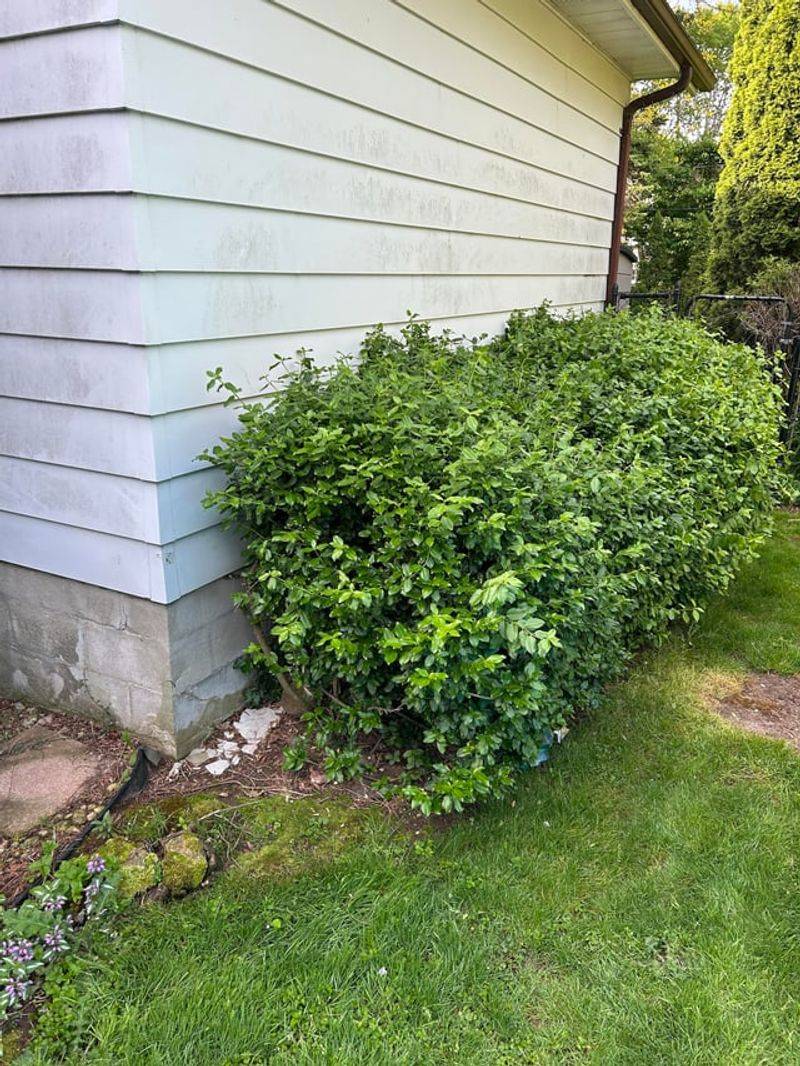
Walk down almost any street in Eugene or Salem and you will spot it right away. Shrubs planted so close to the house that you can barely see the foundation anymore.
It looks cozy at first, but over time it creates a long list of problems that most homeowners never see coming.
When plants grow right up against your house, they trap moisture against the walls. Oregon already gets a lot of rain, so adding wet plant material to the mix speeds up wood rot, paint peeling, and even mold growth.
Bugs love damp, dark spaces too, and dense shrubs right next to your foundation give them a perfect home.
Most planting guides suggest keeping shrubs at least three feet away from your home’s exterior. Larger plants need even more space.
That gap might look a little bare at first, but it allows air to move freely and keeps your walls dry. It also makes it much easier to inspect your foundation for cracks or pest damage.
Giving your plants room to breathe is one of the simplest ways to protect both your garden and your home at the same time.
2. Ignoring Mature Plant Size
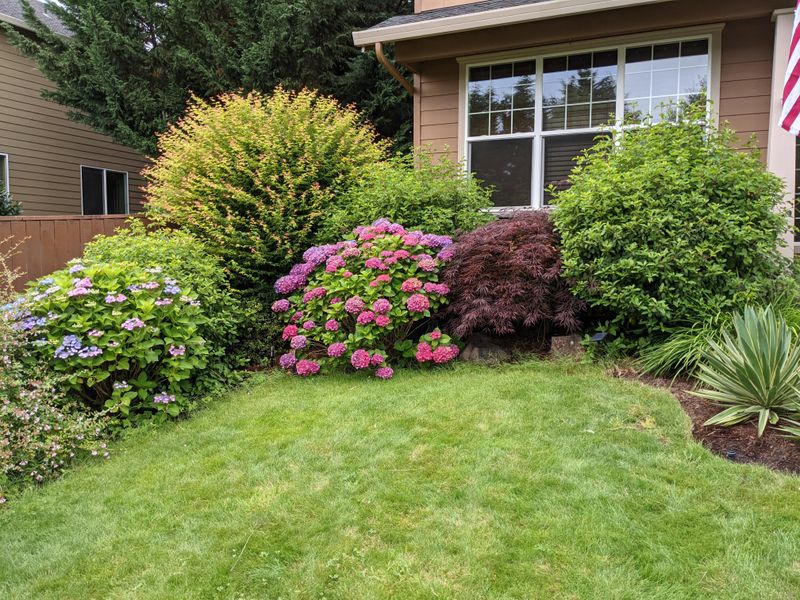
Here is something that catches a lot of Oregon gardeners off guard. That cute little shrub from the nursery?
In five years, it might be taller than your front door. Plants are almost always sold when they are young and small, and the tag with the mature size information often gets ignored at the checkout line.
Across the Willamette Valley, it is common to see homes where a once-tiny rhododendron or photinia has grown into a massive wall of green. These plants did exactly what they were supposed to do.
The gardener just did not plan for it. Once a plant reaches full size in the wrong spot, your options are limited to heavy pruning or removal, both of which take real effort and cost real money.
Before you buy any plant for your front yard, look up its mature height and spread. Then measure the space you have available.
Your Oregon Garden Changes Every Week. Your Plan Should Too.
Gardening in Oregon changes quickly throughout the season. Every Friday you’ll receive a simple weekly plan showing exactly what to plant, prune, fertilize, harvest, and protect so you never miss the right timing.
Leave a little extra room beyond what the tag suggests, because Oregon’s climate tends to push plants to grow on the larger end of their range. A little planning now saves you from years of fighting overgrown plants later.
Choosing the right size plant for the right spot is always the smarter move.
3. Crowding Windows And Walkways
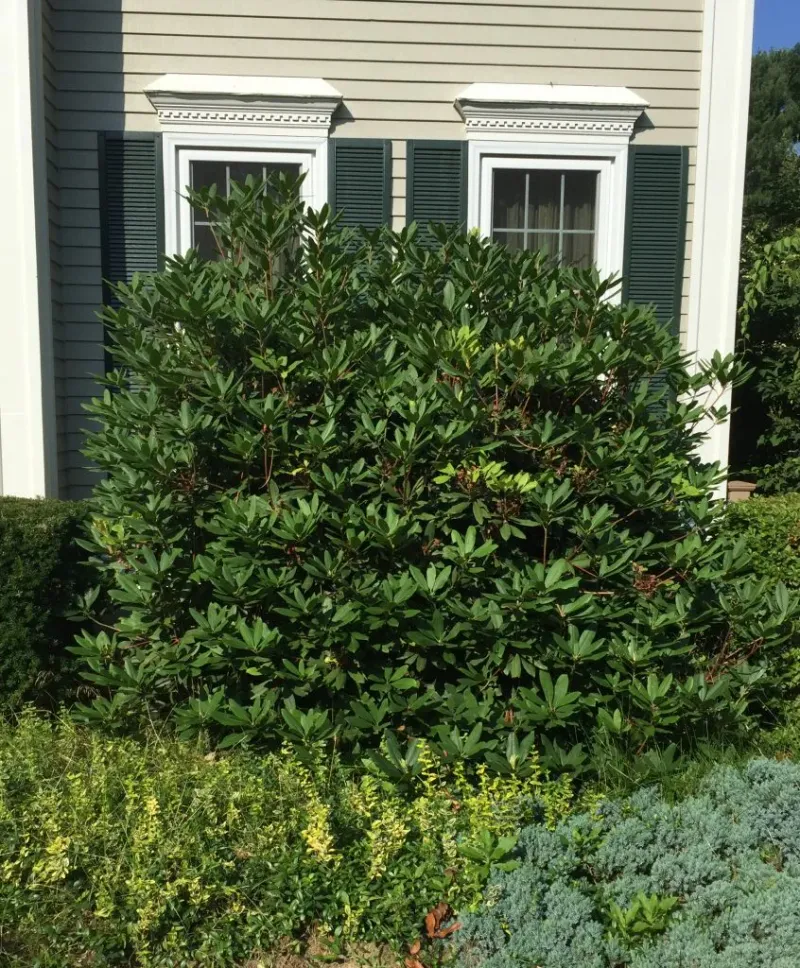
Your front walkway is the first path guests use to reach your door. Your windows let in natural light and help you see who is outside.
When plants crowd these areas, both function and curb appeal take a serious hit. Yet this mistake happens constantly in front yards all across Oregon.
Overgrown plants blocking walkways make it hard to move through the yard without brushing against wet leaves, especially during Oregon’s rainy season. That constant dampness gets tracked inside and can even stain clothing.
Covered windows block sunlight, making rooms feel darker and gloomier than they need to be. In some cases, dense plantings near entry points can also become a safety concern by hiding the front door from street view.
Keeping plants trimmed back from windows and walkways makes a big difference. A good rule of thumb is to leave at least 18 inches of clear space on each side of a walkway.
Windows should have enough clearance so that you can see out easily from inside. Choosing lower-growing plants for these spots, rather than tall shrubs, helps prevent the problem from coming back season after season.
Your front yard should feel open and welcoming, not like an obstacle course every time someone visits.
4. Letting Shrubs Touch Siding
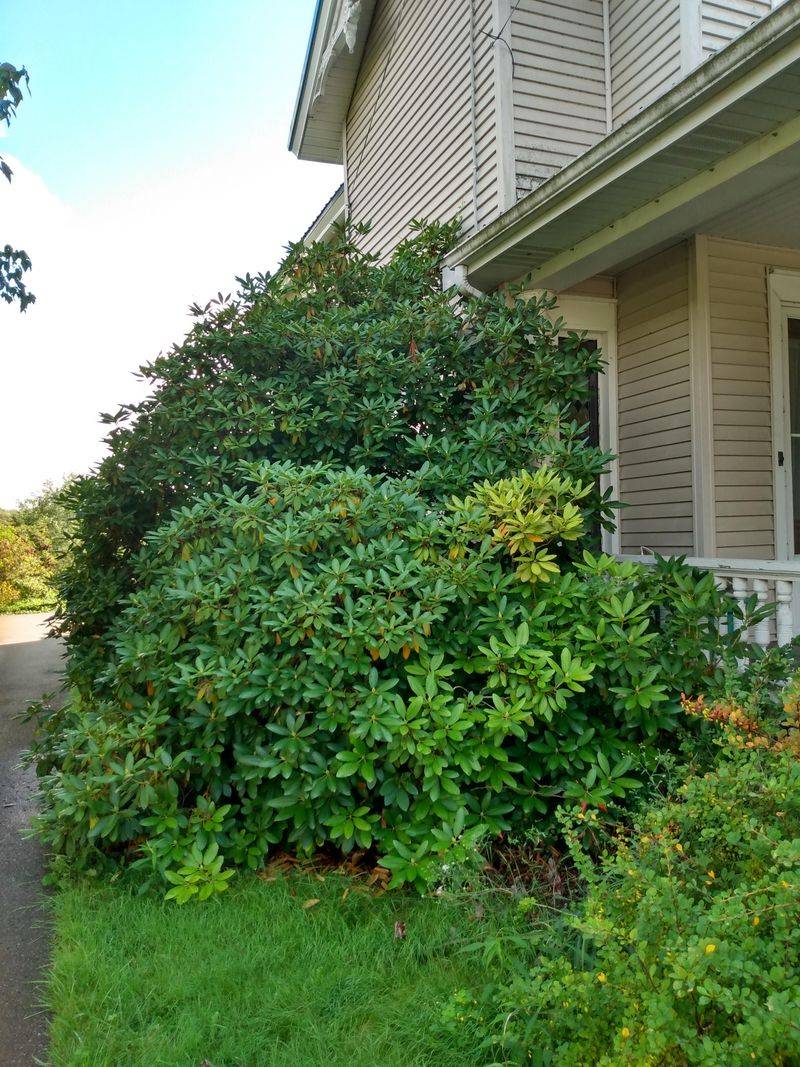
Most people think it looks fine when a shrub leans right up against the side of the house. It seems natural, even intentional.
But the moment plant material starts touching your siding, a slow and steady problem begins. Oregon’s wet winters make this issue especially serious compared to drier states.
When branches and leaves press against siding, they hold moisture in place for hours, sometimes days at a time. That constant wetness softens wood, causes paint to bubble and peel, and creates the perfect conditions for mold and mildew to spread.
Insects, including termites and carpenter ants, are also drawn to areas where damp plant material meets wood or composite siding. The damage can sneak up on you before you ever notice anything wrong from the outside.
Trimming shrubs so that no branch comes within at least six inches of your siding is a smart habit to build. Do this check once in spring and again in fall, since Oregon plants grow fast and can close that gap quickly.
If a shrub keeps growing back into the siding no matter how often you trim it, that is a sign the plant is simply too large for that location. Replacing it with something more compact will save you a lot of maintenance headaches over time.
5. Blocking Airflow Around Plants
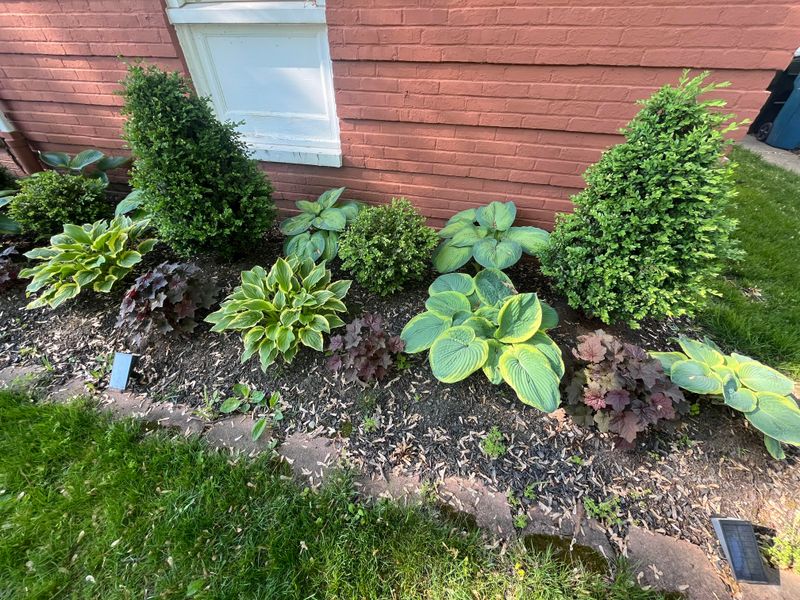
Oregon’s climate is wonderful for growing plants, but all that moisture in the air comes with a catch. Fungal diseases thrive when air cannot move freely through a garden.
When plants are packed too tightly together, the space between them stays damp and still, creating exactly the environment that powdery mildew, black spot, and root rot love most.
Many gardeners in the Portland metro area and along the coast notice their plants looking sickly even when they are watering correctly and using good soil. Often, the real problem is poor airflow.
Leaves that stay wet for long stretches are much more likely to develop spots and decay. Crowded roots also compete for nutrients and oxygen, which weakens plants over time and makes them less able to fight off disease on their own.
Spacing plants according to their mature spread, not their current size, is the best way to maintain healthy airflow. Yes, the garden may look a little sparse in the first year or two.
But as plants fill in naturally, the spacing allows wind to move through and dry out foliage after rain. Thinning out existing plantings in overcrowded beds also helps significantly.
Good airflow is one of the most overlooked tools in keeping an Oregon front yard looking its best year-round.
6. Creating Damp Foundation Areas
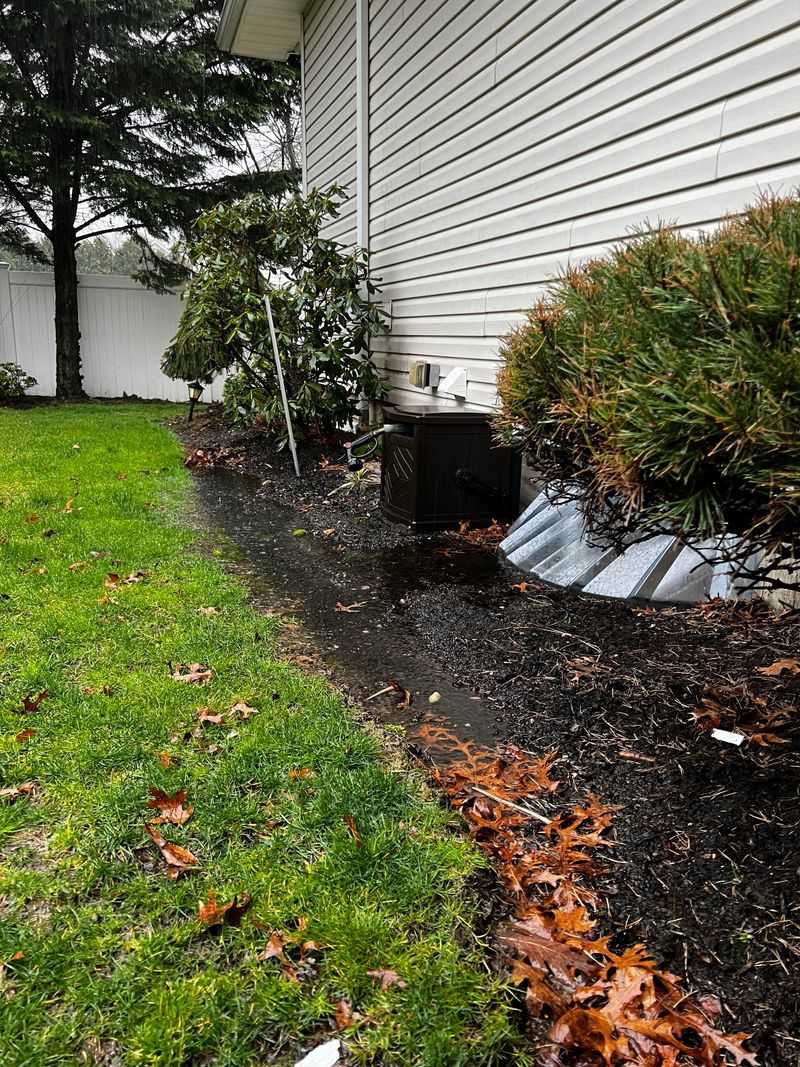
Garden beds built right against a home’s foundation are popular in Oregon because they make planting easy and look tidy at first glance. But when soil and mulch pile up against the base of a house, they act like a sponge.
All that moisture sits right where your foundation meets your walls, and that is not a good combination.
Over time, damp foundation areas can lead to water seeping into basements or crawl spaces. In Oregon, where rainfall is frequent from October through May, this kind of constant moisture exposure accelerates concrete erosion and wood decay.
It also attracts slugs and snails, which are already a well-known challenge for Oregon gardeners. These pests hide in the dark, wet spaces between soil and siding and then spread out to munch on everything nearby.
Grading your garden beds so that soil slopes away from the house, rather than toward it, helps water drain in the right direction. Keeping mulch at least six inches away from the foundation is another easy adjustment.
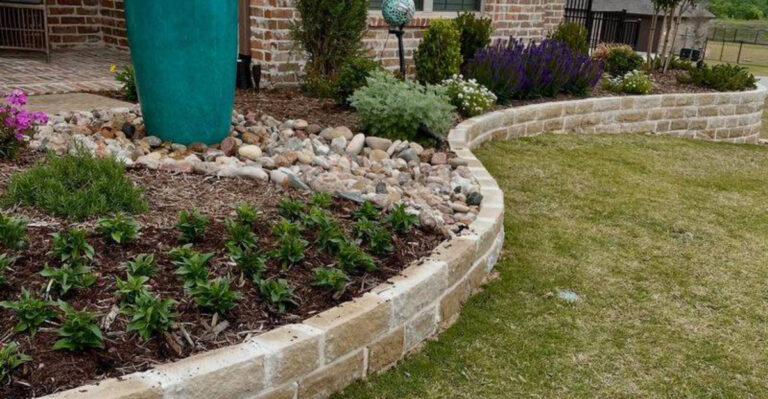
If you love the look of a garden right up against your home, try using gravel or river rock in that gap instead of organic mulch. Rock does not hold moisture the same way and still looks clean and intentional from the street.
7. Choosing Plants That Outgrow The Space
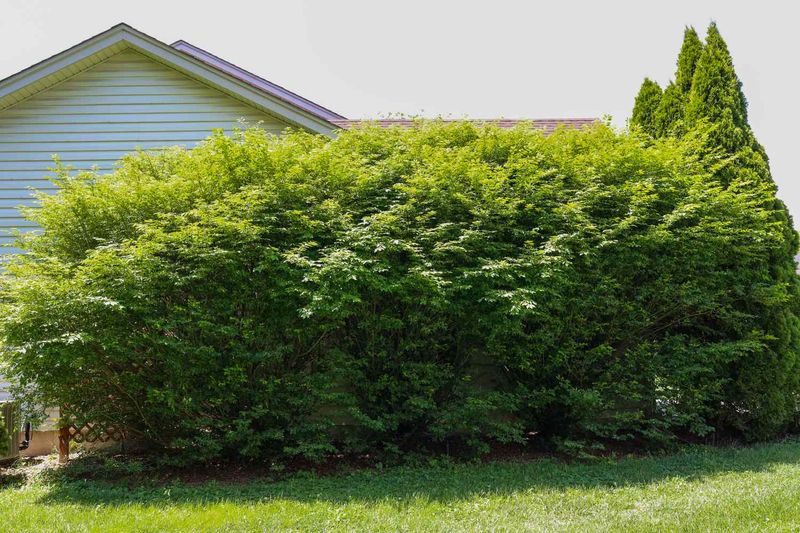
Some of the most beautiful plants available at Oregon nurseries are also the fastest growing. Japanese maples, dodonaea, and certain varieties of arborvitae can look perfectly sized in a container at the garden center.
But plant them in a small front yard and they will take over faster than most people expect.
Choosing plants that outgrow their space is one of the most common and costly landscaping mistakes made in Oregon neighborhoods. Once a tree or large shrub reaches full size in the wrong spot, it starts competing with your home rather than complementing it.
Roots can lift sidewalks, branches can scrape against the roof, and the whole front of the house can end up hidden behind a wall of green that blocks light and makes the home look smaller than it really is.
Before buying any plant, spend a few minutes researching how big it will actually get in Oregon’s growing conditions. Pacific Northwest climates often push plants to the larger end of their size range.
Look for dwarf or compact varieties when space is limited. Many of them offer the same beautiful foliage and flowers as their full-sized counterparts without the aggressive growth habit.
A well-chosen, right-sized plant will always look better than a beautiful plant crammed into a space it was never meant to fill.