The Frost Myth That Makes Georgia Homeowners Miss Their Own Persimmon Harvest
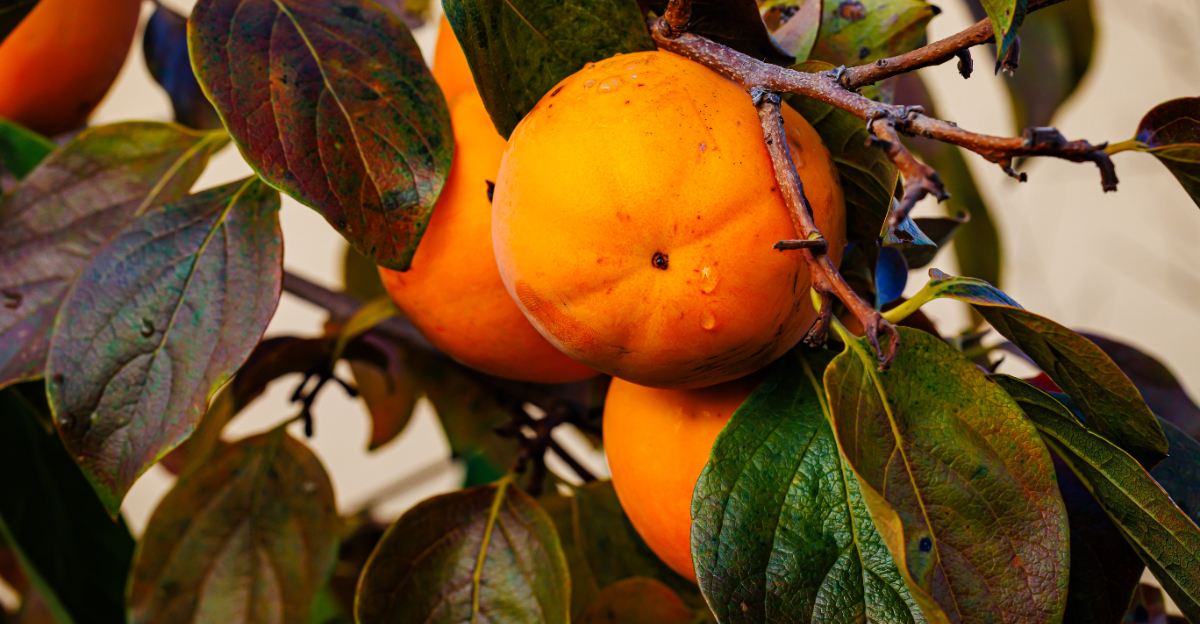
You may be leaving ripe persimmons on the tree longer than necessary because of one stubborn gardening myth. Waiting for frost sounds sensible, but the fruit itself gives you better clues.
Many Georgia homeowners have heard that persimmons need cold weather before they become sweet enough to enjoy. That advice can make harvest timing far more confusing than it needs to be.
Instead of watching the forecast, start paying closer attention to the fruit hanging in front of you. Its color and texture can reveal much more.
Some persimmons naturally lose their harsh, puckering taste as they ripen fully on the tree. Frost is not the magic switch many gardeners imagine.
Knowing what variety you have also changes how you should judge ripeness. That detail can prevent unnecessary waiting.
Your persimmon harvest may be ready sooner than you think.
1. Frost Is Not The Signal Your Persimmons Need
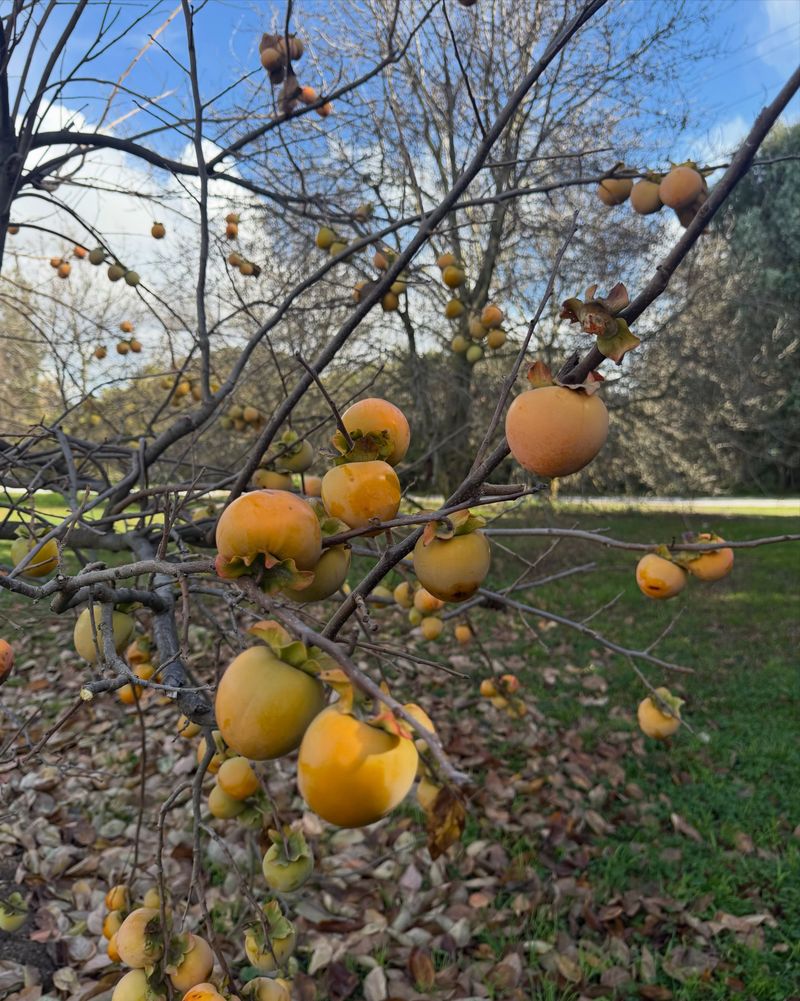
Waiting for frost to pick persimmons is one of the most repeated myths in backyard gardening.
Many people treat it like a rule, but fruit ripeness does not actually depend on freezing temperatures.
Persimmons ripen based on time, temperature accumulation over the growing season, and the natural breakdown of tannins inside the fruit.
Frost can sometimes speed up that tannin breakdown, but it is not a requirement for the process to happen.
Tannins are what make unripe persimmons taste so bitter and dry in your mouth. As the fruit matures, those tannins break down on their own, regardless of whether frost has touched the tree.
Astringent varieties like the native American persimmon need full tannin breakdown before they taste good. Non-astringent types like Fuyu can be eaten while still firm, well before any cold weather arrives.
Frost is unpredictable, and in warmer parts of Georgia, it may not arrive until late November or even December. By that point, ripe fruit has often already dropped, been eaten by wildlife, or started to rot on the branch.
Relying on frost as your harvest signal hands control of your timing over to the weather.
2. Native Persimmons Can Ripen Before Frost Arrives
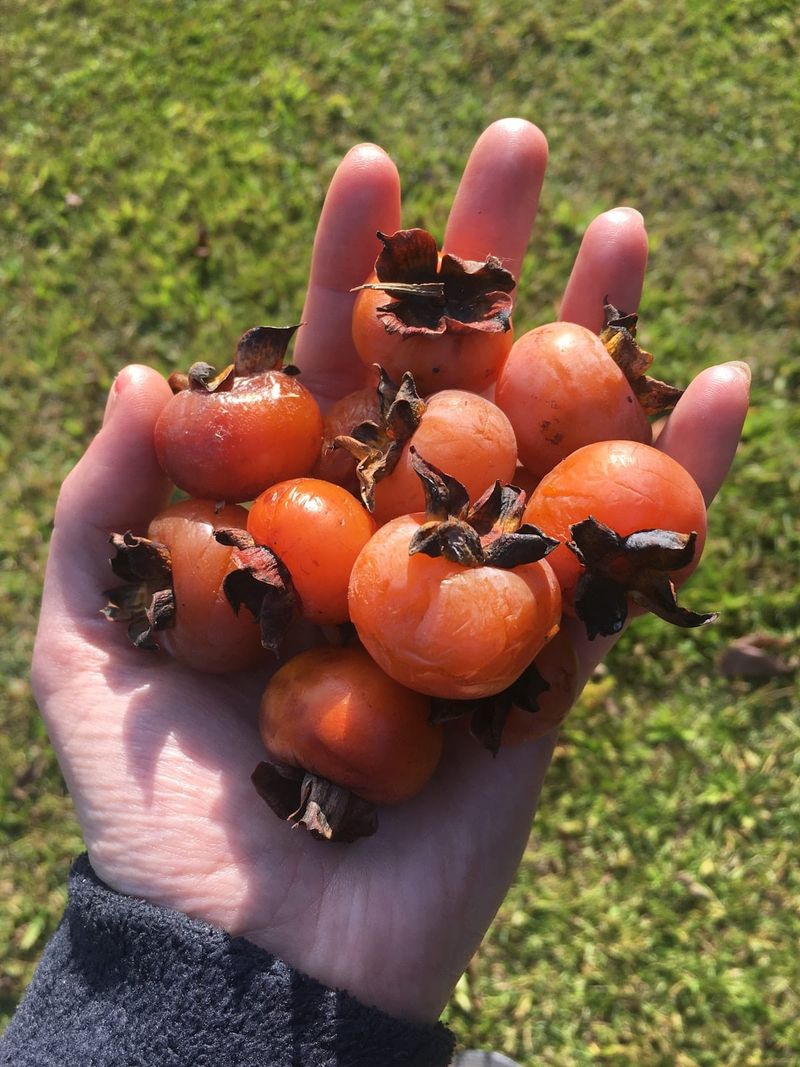
Native American persimmons, known scientifically as Diospyros virginiana, have a reputation for needing frost. That reputation is only partly earned, and it leads many gardeners to wait longer than necessary.
In many parts of the South, native persimmons begin ripening in September and can reach full ripeness by mid to late October.
Frost in those regions often does not arrive until well after that window has passed.
Fruit that has fully ripened will feel very soft, almost like a water balloon. Skin color shifts from orange to a deeper reddish-orange, and the fruit may start pulling away from the calyx on its own.
If you shake the branch gently and fruit falls without much resistance, that is a strong sign ripeness is already there.
Waiting for frost after that point often just means losing fruit to squirrels, deer, or ground rot.
Some gardeners in cooler northern counties of Georgia may notice that an early frost does seem to coincide with ripeness, but that timing is not the cause.
Your Georgia Garden Changes Every Week. Your Plan Should Too.
Gardening in Georgia changes quickly throughout the season. Every Friday you’ll receive a simple weekly plan showing exactly what to plant, prune, fertilize, harvest, and protect so you never miss the right timing.
The fruit would have ripened around that same period anyway based on the season’s heat accumulation.
Watching the tree starting in early September gives you a much better chance of catching fruit at peak flavor. Frost may follow later, but the fruit does not need to wait for it.
3. Soft Fruit Is A Better Ripeness Clue
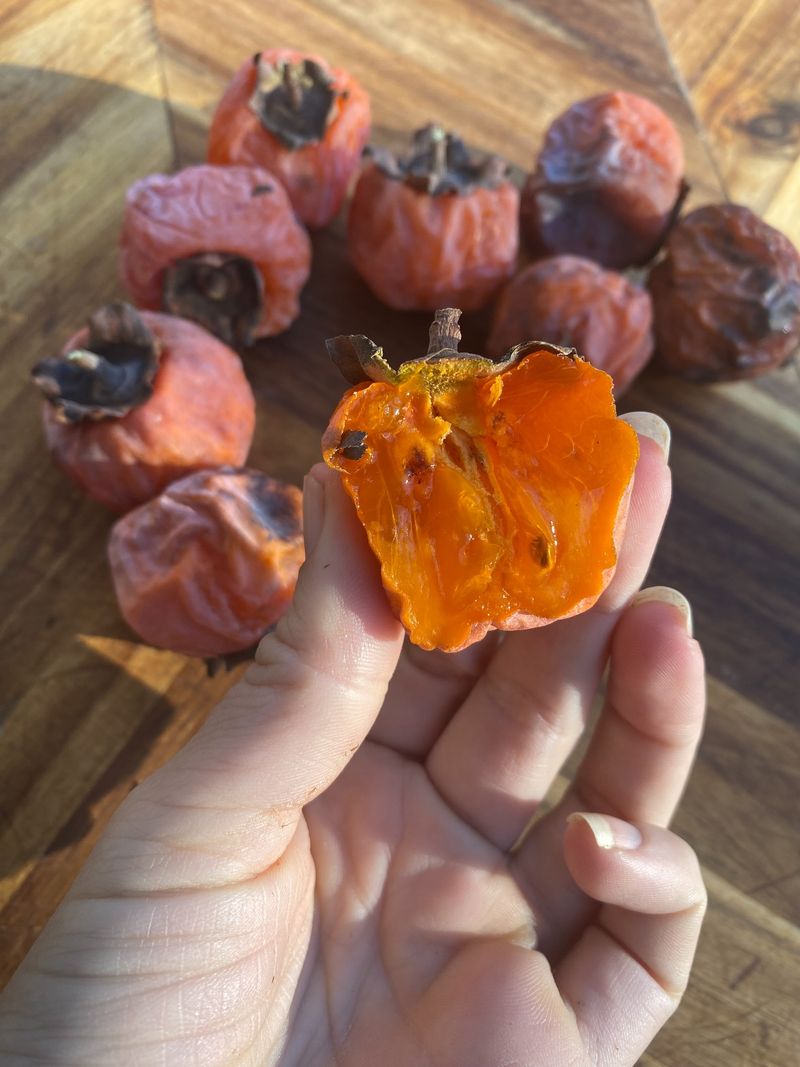
Texture tells you more about persimmon ripeness than the calendar or the thermometer ever will. A ripe persimmon feels noticeably soft when you press it lightly, similar to a very ripe tomato or a peach past its prime.
Astringent varieties like the native American persimmon need to reach that soft, almost mushy stage before the tannins are fully gone. Eating one before that happens leaves a chalky, mouth-puckering sensation that is hard to shake.
Color alone can be misleading. Some persimmons turn a bright orange weeks before they are actually ready to eat.
Going by color without checking softness can send you out too early.
Gently press the side of the fruit with your thumb. If it gives easily and feels like a ripe plum, it is likely ready.
If it still feels firm and resistant, give it more time on the tree.
Fruit that has softened to the right point will also have a translucent, almost jelly-like appearance near the skin. Holding it up to light sometimes shows that inner ripeness clearly.
Checking the fruit every few days starting in early fall keeps you ahead of the harvest window.
Soft texture combined with a rich orange or reddish color is the most practical and reliable sign that your persimmons are worth picking.
4. Frost Can Damage Immature Persimmon Fruit
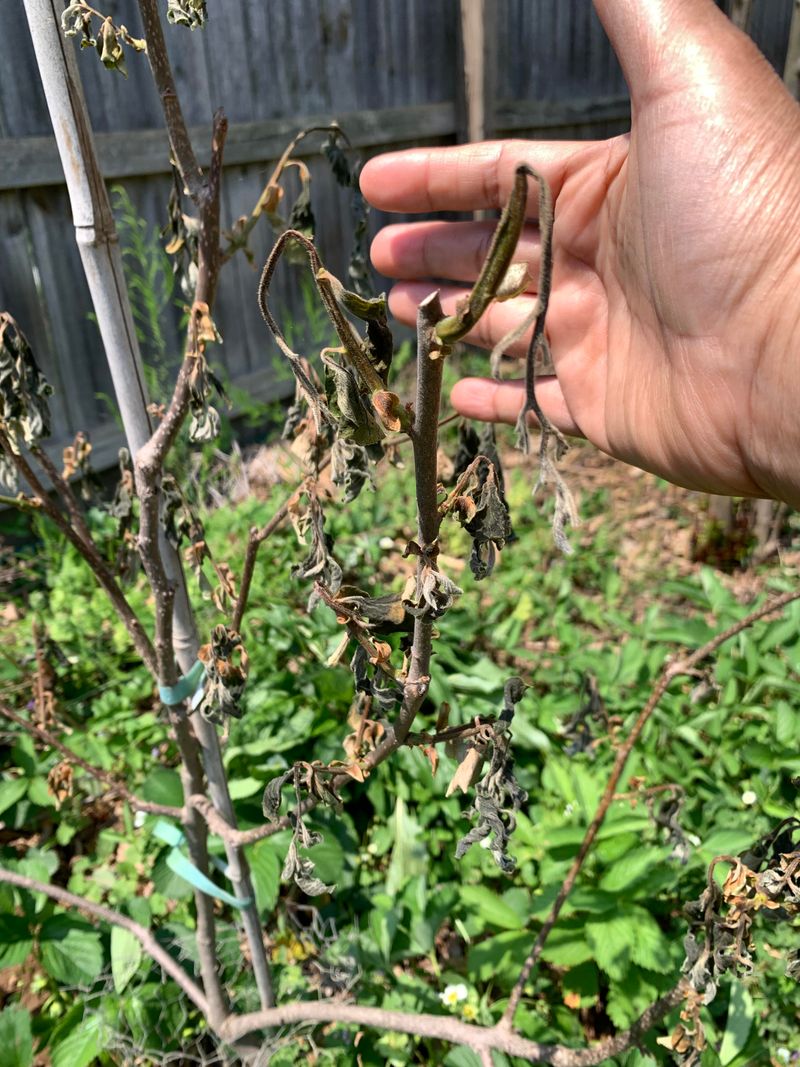
Frost gets credit for sweetening persimmons, but it can also wreck a crop that was not ready when the cold hit. Immature fruit hit by an early hard freeze can shrivel, discolor, and become inedible.
Young fruit that has not yet completed its ripening process lacks the internal sugar content that helps buffer it against cold damage.
When a sharp freeze arrives early in the season, that unfinished fruit can suffer significant texture and flavor loss.
The damage usually shows up as wrinkled skin, mushy spots that feel wrong, or a fermented off-flavor that makes the fruit unpleasant. Once that kind of damage sets in, there is not much you can do to recover the fruit.
Mild frosts in the 28 to 32 degree Fahrenheit range may not cause serious harm if the fruit is already close to ripe. Harder freezes, especially those that drop below 25 degrees, carry more risk for fruit that still has significant ripening to do.
Watching your local forecast in October and November helps you plan. If a hard freeze is coming and your fruit looks close to ripe, picking it early and letting it finish indoors is a smart move.
5. Persimmons Can Continue Ripening After Picking
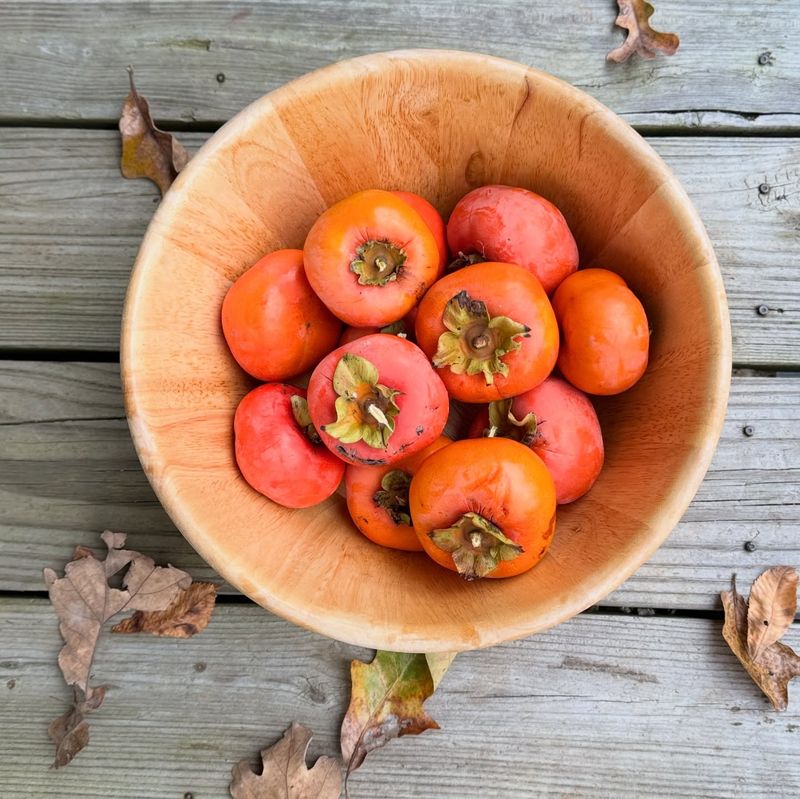
Picking persimmons before they are fully soft does not mean you have ruined them. Many varieties continue to ripen after they come off the tree, which gives you flexibility in timing your harvest.
Placing firm but mature persimmons in a warm spot at room temperature allows them to soften over several days.
Keeping them out of direct sunlight and away from cold drafts helps the process move along steadily.
One reliable trick is to place persimmons in a paper bag with an apple or a banana. Those fruits release ethylene gas naturally, and that gas can speed up the softening process noticeably within a few days.
This approach works best with astringent varieties that are already showing good color but have not quite softened all the way.
Picking them at that stage and finishing the ripening indoors protects them from frost damage, wildlife, and branch drop.
Non-astringent types like Fuyu do not need to go soft before eating, so off-tree ripening is less of a concern with those. Astringent types benefit the most from this indoor finishing method.
Knowing that ripening can continue off the tree gives you more control over your harvest. You do not have to wait for perfect softness on the branch.
Picking at the right color stage and finishing indoors is a practical and effective strategy for home gardeners.
6. Native Persimmons Usually Need Male And Female Trees
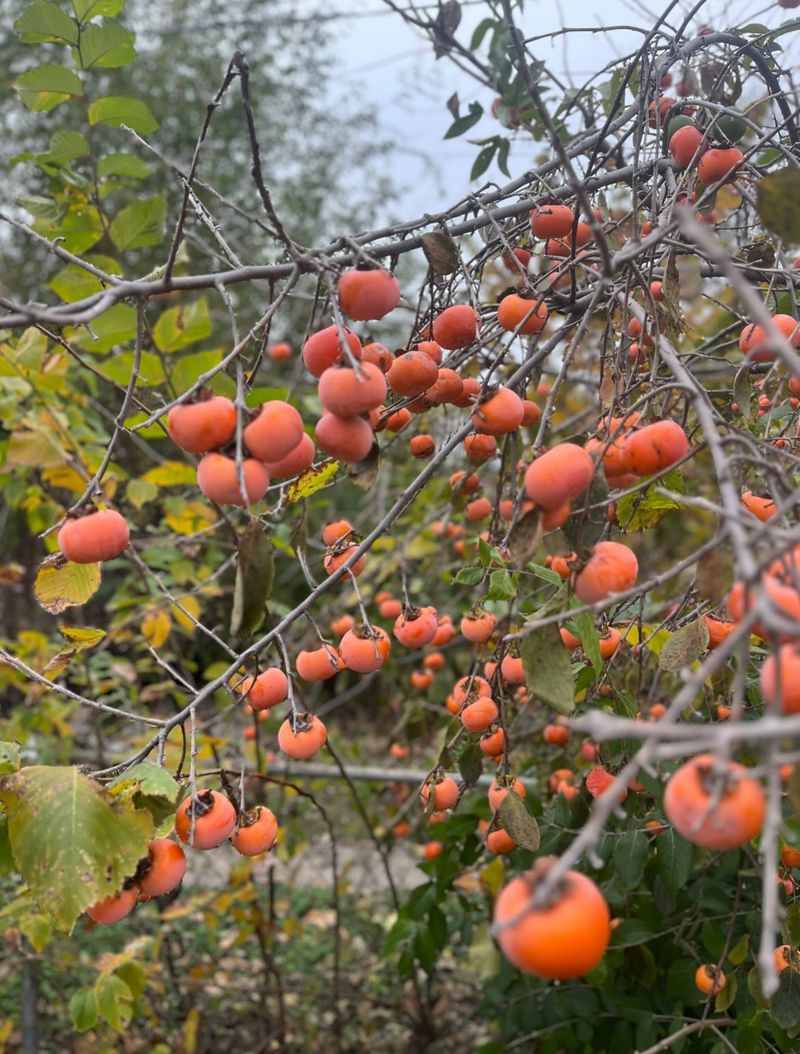
Fruit production on native persimmons is not as simple as planting one tree and waiting. Most native American persimmons are dioecious, meaning individual trees are either male or female, not both.
Female trees produce the fruit, but they often need a male tree nearby to pollinate the flowers. Without that pollination, many female trees produce little to no fruit, or they drop flowers before fruit can set.
Some female trees can produce fruit without pollination through a process called parthenocarpy, but the fruit from those trees is typically seedless and may be smaller or less flavorful than pollinated fruit.
This varies by individual tree and growing conditions.
If you have a native persimmon tree in your yard and it flowers but rarely produces fruit, a missing male pollinator could be part of the reason. Planting a male tree within a few hundred feet can sometimes improve your yield noticeably.
One male tree can typically serve several female trees in the surrounding area. You do not need a one-to-one ratio, which keeps things manageable for a home garden setup.
Checking with a local nursery in Georgia or a cooperative extension office can help you identify what you have and what you might need.
Getting the right mix of trees sorted out early saves a lot of frustration when harvest season rolls around.
7. Excess Nitrogen Can Cause Persimmon Fruit Drop
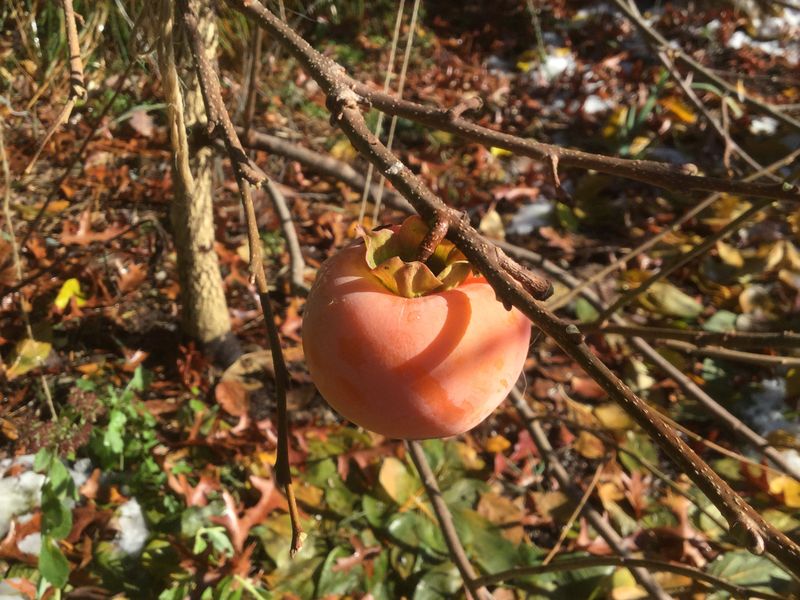
Watching young persimmons fall off the tree before they ripen is frustrating, and fertilizer is sometimes the cause. Too much nitrogen pushes trees to grow lots of leaves and branches instead of holding onto fruit.
High-nitrogen fertilizers are great for leafy vegetables and lawns, but they are not always the right choice for fruit trees. When a persimmon tree gets too much nitrogen, it tends to prioritize vegetative growth over fruit development and retention.
Fruit drop from excess nitrogen often happens in early to mid-summer when young fruit is still forming. The tree essentially sheds fruit it cannot support, especially when nutrients are pushing growth in a different direction.
If your persimmon tree is putting out lush, dark green growth but dropping a lot of young fruit, take a look at your fertilizing habits. Cutting back on nitrogen or switching to a low-nitrogen, phosphorus-friendly fertilizer may help.
Persimmons in general do not need heavy feeding. Established trees in reasonably fertile soil often do fine with little to no supplemental fertilizer.
Over-fertilizing can cause more problems than under-fertilizing in many home garden situations.
Getting a basic soil test done before adding any fertilizer is a practical first step.
Knowing what your soil actually needs prevents guesswork and helps you avoid the kind of nutrient imbalance that sends your fruit to the ground before harvest time arrives.