This Common Georgia Mulch Can Become A Fire Hazard During Dry Fall Weather
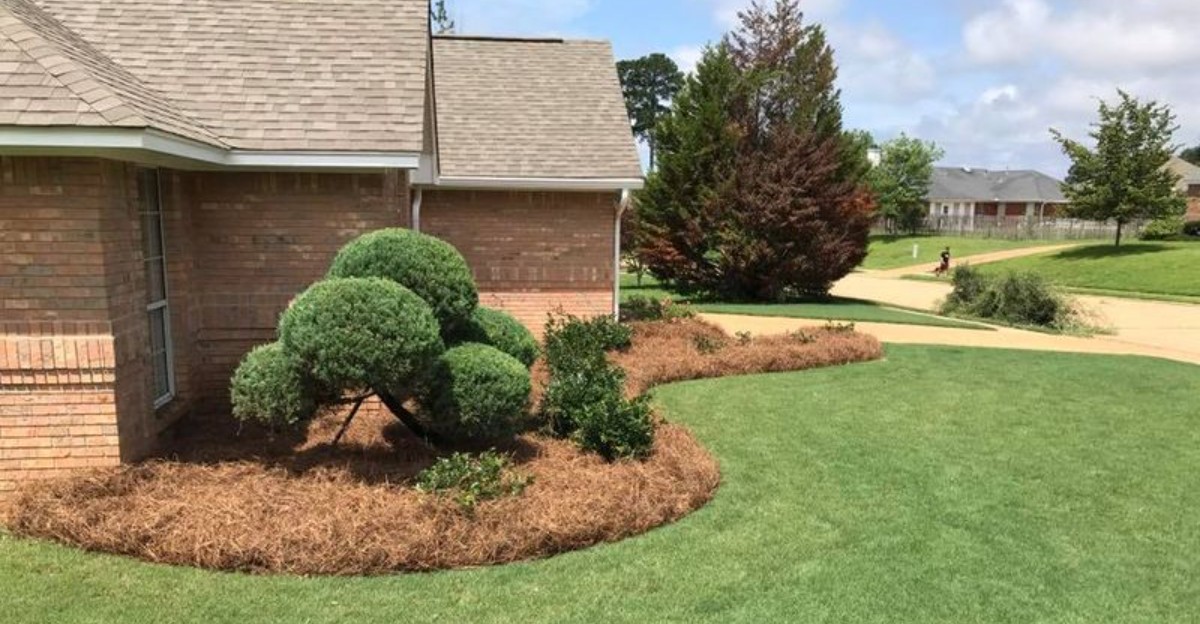
That neat layer of mulch hugging your front steps looks great, but during a dry spell it can carry more risk than you think.
One of the most popular mulches in local landscapes dries out fast once the rain stops. Its loose, airy texture lets flames move through it faster than denser materials.
Most days that is fine, but a long stretch without rain can change how quickly it catches.
In Georgia, fall often brings dry, breezy weeks right when many beds are freshly topped off. One ember from a fire pit or a hot mower can be enough to ignite it.
Where you place that mulch matters just as much as which kind you buy.
Take a look at how close your beds come to the siding and deck.
1. It Covers Countless Beds, But Dry Conditions Change The Risk
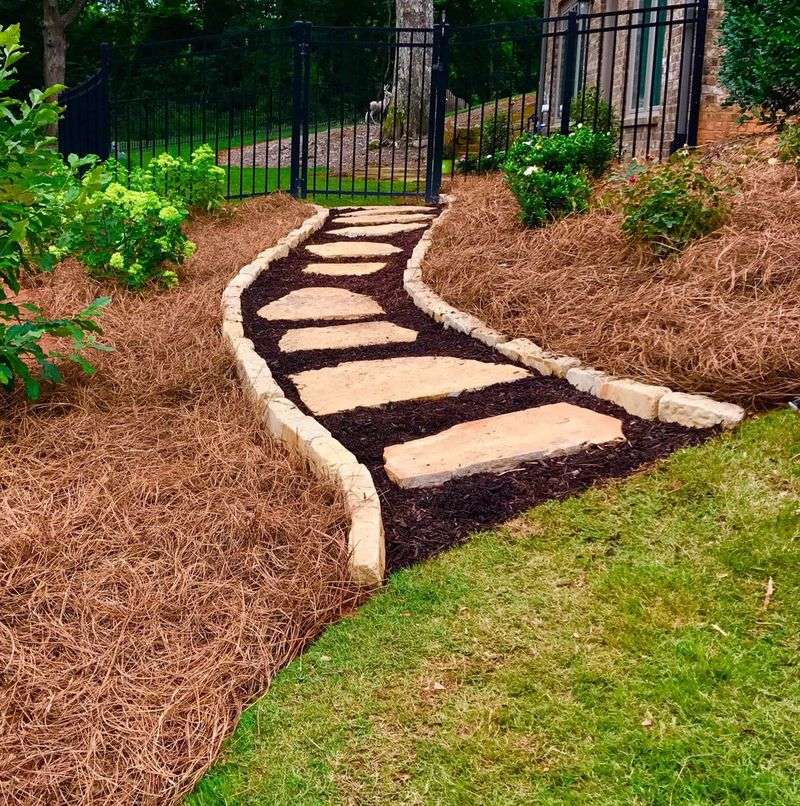
Drive down a Georgia street in October and you will likely count dozens of beds topped with the same brown mulch. It shows up around mailboxes, shrubs, trees, and foundations almost everywhere you look.
Most homeowners choose it because it looks natural and stays put better than many bark mulches on slopes.
During a normal wet season, that mulch sits there quietly and does its job well. It holds moisture in the soil, keeps weeds down, and breaks down slowly into organic matter.
Things shift when rain stops falling for a few weeks and the air turns crisp and dry.
A mulch that seemed harmless in spring can behave very differently after a long dry spell. Moisture leaves the top layer first, so the surface can dry out even when the soil underneath still feels damp.
Nobody is saying you need to rip out every bed in your yard right now.
What matters is paying attention to where that mulch sits and how dry it has become. A quick hand check after a rainless week can tell you a lot about the current risk.
If the top layer crunches and crumbles easily, treat it with a bit more caution until rain returns. Watering beds lightly during dry spells may help, though results depend on how long the dry weather lasts.
2. Loose Needles Can Ignite And Carry Fire Through A Mulched Bed
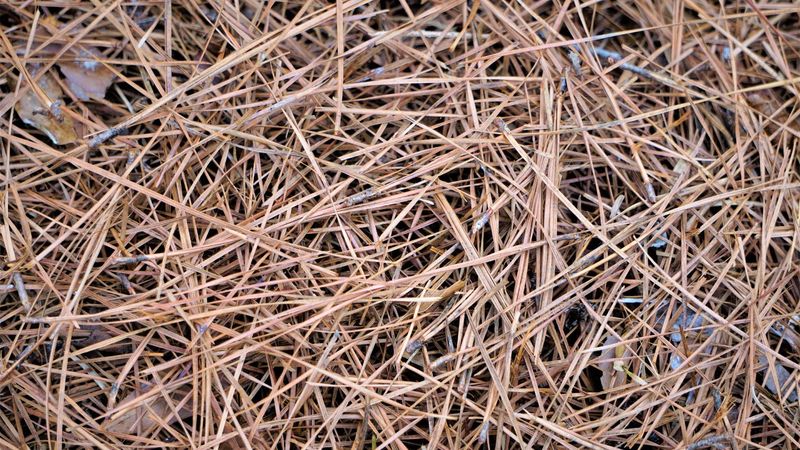
Pine straw is the mulch we are talking about, and its structure is a big part of the problem. Those long, thin needles pile loosely, leaving lots of air pockets between them.
Fire needs fuel, heat, and oxygen, and a fluffy layer of pine needles offers plenty of all three once it dries.
Compare that to a packed layer of shredded hardwood. Dense mulch can smolder slowly, while loose needles tend to flame up and spread faster across the surface.
Thin fuels like needles heat up quickly because they have little mass to absorb warmth.
Once one spot catches, flames can travel along the bed like a trail of kindling. A breeze can push that fire toward shrubs, fences, or whatever sits at the far end of the bed.
Your Georgia Garden Changes Every Week. Your Plan Should Too.
Gardening in Georgia changes quickly throughout the season. Every Friday you’ll receive a simple weekly plan showing exactly what to plant, prune, fertilize, harvest, and protect so you never miss the right timing.
Across much of the Southeast, pine needles also carry natural resins that can help them burn.
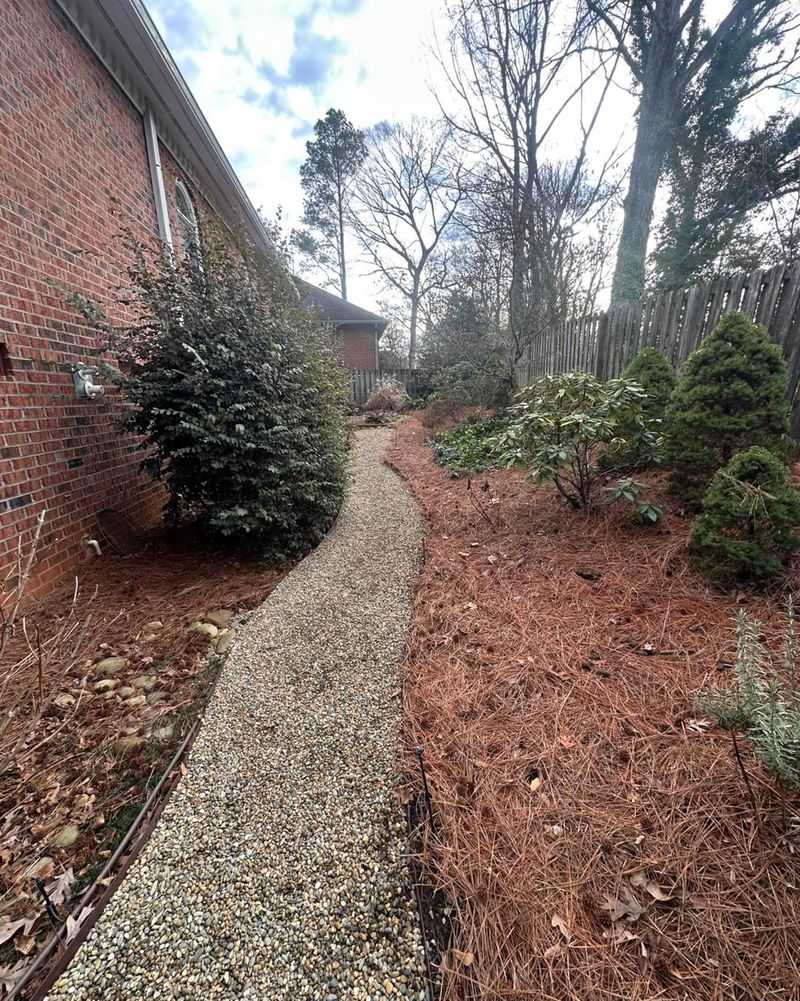
You can lower some of the risk by keeping the layer thinner, around two to three inches. Raking it now and then to settle it may help too, though it will stay loose compared to other mulches.
Breaking long beds into sections with stepping stones, pavers, or bare soil gaps can also slow how far flames might travel. Those small breaks give you more time to react if something does catch.
3. Extended Dry Weather Makes Pine Straw More Flammable
Fall droughts are not rare here, and they sneak up on people. Georgia can go several weeks in September and October with little or no meaningful rain in some years.
Pine straw loses moisture fast when the air stays dry and the sun keeps shining on it.
After a few rainless days, the top of the layer can feel papery. After a few weeks, the whole mat may be dry enough to catch a spark with little effort.
Wind makes it worse by pulling moisture out even faster.
Watch your local news or the state forestry agency during these stretches. When conditions get risky, officials may announce burn bans or fire danger warnings for certain counties.
Those alerts are a useful signal for your own yard, not just for people burning brush piles.
Try a simple test when the weather stays dry for a while. Grab a handful of needles, and if they snap cleanly instead of bending, they have lost most of their moisture.
A slow soaking with a hose can add some moisture back, but it will not last long in hot, breezy weather. Focus that water on beds closest to your home, porch, and deck, since those areas matter most if a fire starts.
4. Fire Pits And Grills Can Send Embers Into Dry Pine Straw

Fire pits and grills can create small embers that travel farther than you might expect. When pine straw is dry, one glowing piece landing in the wrong spot may be enough to start a smoldering patch.
Wind can make the problem harder to notice.
An ember may drift away from the area where you are cooking or enjoying a fire and settle into a mulched bed several feet away. Pine needles provide plenty of loose material where that heat can linger.
Keep grills and fire pits well away from pine straw beds, wooden steps, fences, and other combustible landscaping.
A gravel or paved surface gives outdoor cooking equipment a safer place to sit. Before using a fire pit, clear loose needles and leaves from the surrounding area so an escaping ember has less material to reach.
Outdoor burning deserves the same caution during dry Georgia weather.
Check local restrictions before lighting yard debris, especially when fire danger is elevated. Breezy conditions can carry glowing material beyond the area you cleared.
Keep a hose or bucket of water nearby whenever you use an outdoor flame.
Afterward, check surrounding beds carefully for smoke or smoldering material before heading inside. A final inspection takes only a few minutes and can catch trouble before flames have time to spread.
5. Mulch Against A Structure Can Bring Flames Too Close For Comfort
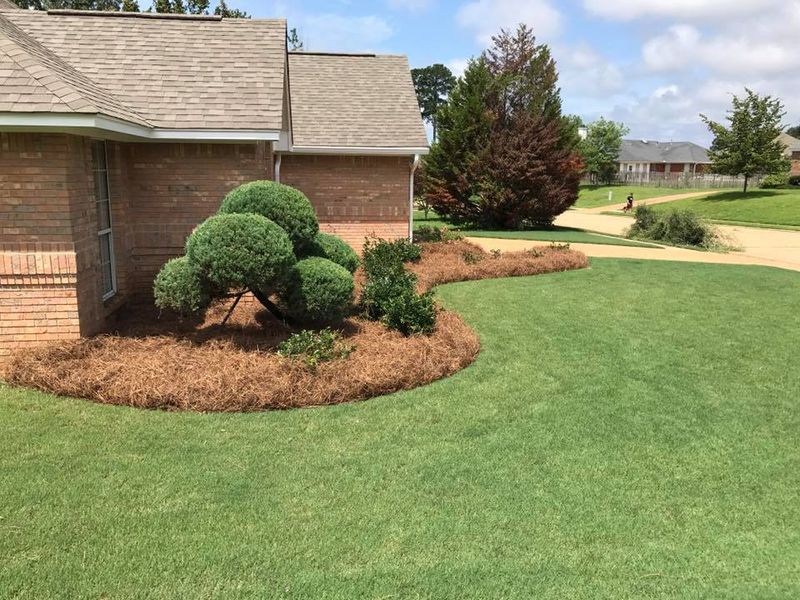
Picture a small mulch fire three feet from your wall, then picture it touching the siding. That short distance changes everything about how serious the situation can get.
Pine straw piled right up to the foundation is a common sight, and it creates a direct path for flames.
Vinyl siding can melt and warp from nearby heat. Wood trim, decks, fences, and porch steps can catch fire if burning needles sit against them long enough.
Crawl space vents and gaps under siding are another worry.
Embers or heat can reach these openings when mulch sits right below them. Once fire gets into a wall or under a deck, it can be much harder to stop.
Plenty of homes in Georgia have mulch lining the house from corner to corner, simply because it looks finished.
A practical fix is to pull the pine straw back from the walls by a few feet. Even that small gap can reduce how much fuel sits touching the house.
Check spots you might overlook, like under wooden steps, beside the air conditioning unit, and around propane tanks. Needles also blow into corners and pile up there, so sweep them out during dry weeks.
6. Firewise Landscaping Favors Noncombustible Materials Closest To Buildings

Fire safety experts have a simple name for the space right around your house. They call it the immediate zone, usually the first zero to five feet from the walls.
Firewise USA, a program from the National Fire Protection Association, suggests keeping that zone mostly free of things that burn.
Noncombustible materials work best here. Think gravel, river rock, pavers, brick, or concrete, since they do not catch fire the way organic mulch can.
Plants are still allowed, but choose low, well watered ones and space them out.
Beyond five feet, you can use more traditional landscaping with some care. Keeping shrubs trimmed and removing dry or damaged branches helps limit fuel as you move farther from the house.
Homeowners across Georgia can get local advice from the University of Georgia Cooperative Extension office.
Extension agents can suggest plants and materials that suit your region and soil. Advice may differ between the mountains, the Piedmont, and the coastal plain, so local guidance is useful.
Gutters and roofs count too, even though they are not part of the garden. Clearing pine needles out of gutters in fall keeps embers from finding an easy place to land right on the house.
7. Gravel Near The House Lets Pine Straw Stay Farther Into The Landscape
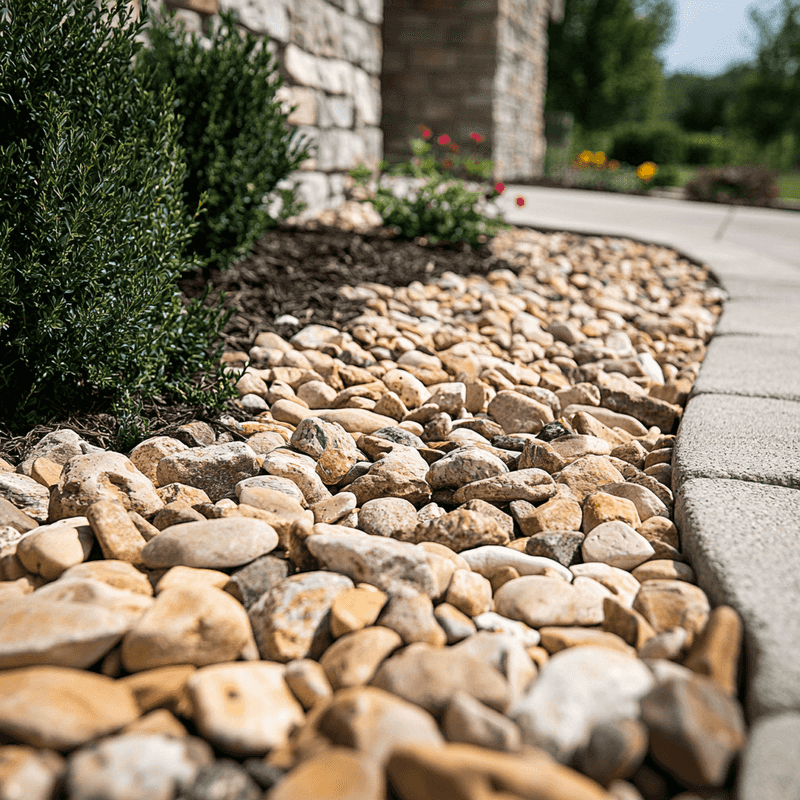
You do not have to give up pine straw to make your yard safer. A smart layout lets you keep the look you love while moving the risk away from your walls.
Start by laying a strip of gravel or river rock along the foundation, ideally about five feet wide.
Landscape fabric under the stone can help block weeds. Keep in mind that fabric may need replacing over time, and some gardeners skip it for better soil health.
Past that gravel band, pine straw can fill your beds as usual.
Many Georgia gardeners like how a rock border frames the beds and looks neat year round. It also cuts down on the chore of pulling needles away from siding every fall.
Costs vary depending on the type of stone and how much area you cover.
Pea gravel is usually one of the cheaper choices, while larger decorative rock costs more. A small project around the front and back entries can be a good first step if the budget is tight.
Remember that gravel lowers risk but does not remove it. Keep blowing leaves and loose needles off the stone, and you will get the most benefit from your new layout.