The Fuzzy Little Web Ball Under Your Arizona Grill Lid: What Is It and What Should You Do?
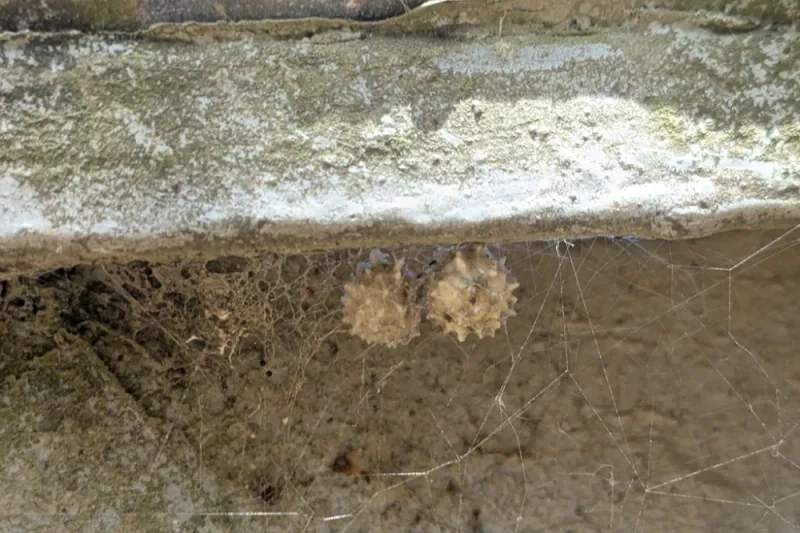
A small silk ball tucked under a grill lid can stop you mid-step. It looks soft, round, and almost harmless, like a bit of fuzz.
Many homeowners wonder what it is and whether to touch it. This guide walks through the clues, the cautions, and the calm next steps.
A Silk Ball Cannot Identify Its Maker
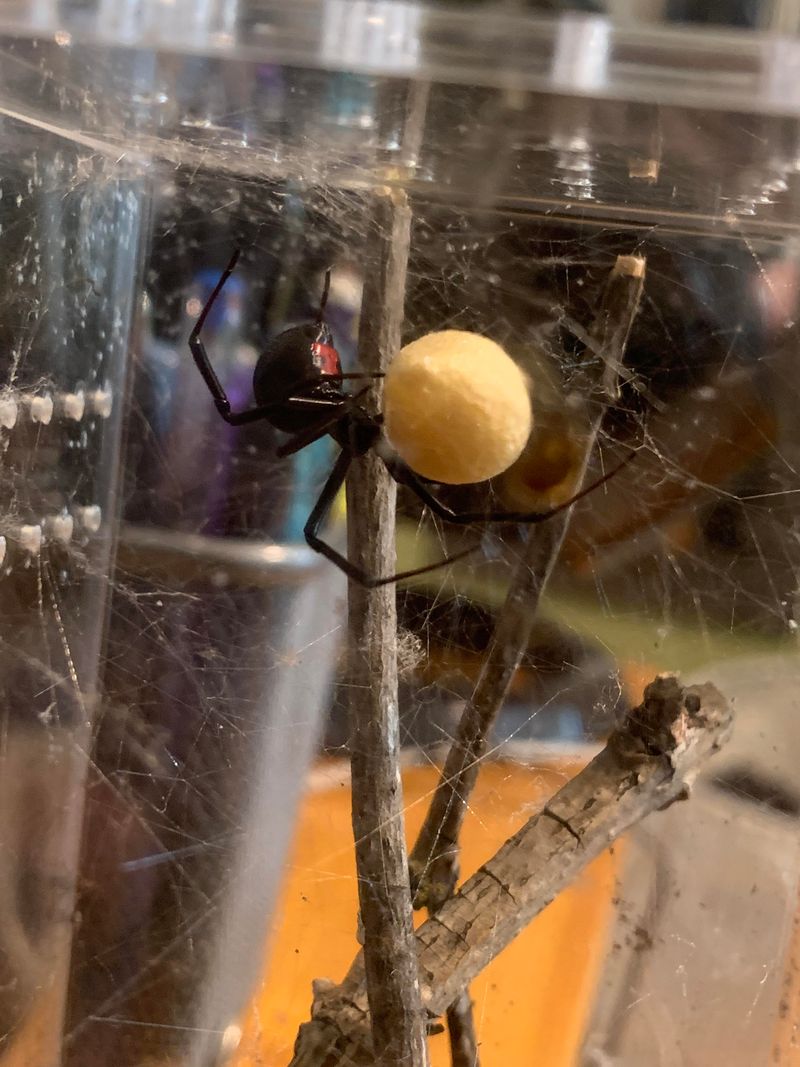
Silk balls are a bit like unmarked packages. A fuzzy, rounded bundle of web may well be a spider egg sac, but the shape alone does not tell you who made it.
Many kinds of spiders wrap their eggs in silk. That includes widow spiders, and UC IPM guidance on widow spiders and their relatives notes that widows can be confused with other spiders, so careful identification matters.
Without a clear view of the sac, the spider, or a photo an expert can check, the maker stays a mystery. That is fine.
You do not need to solve it on the spot.
A good first move is to look from a distance. Note the color, the size, and the surface, and snap a photo with your phone from a safe spot.
Those details help a professional far more than a guess does, and they keep your hands out of the web.
A Spiky Surface Offers A Clue
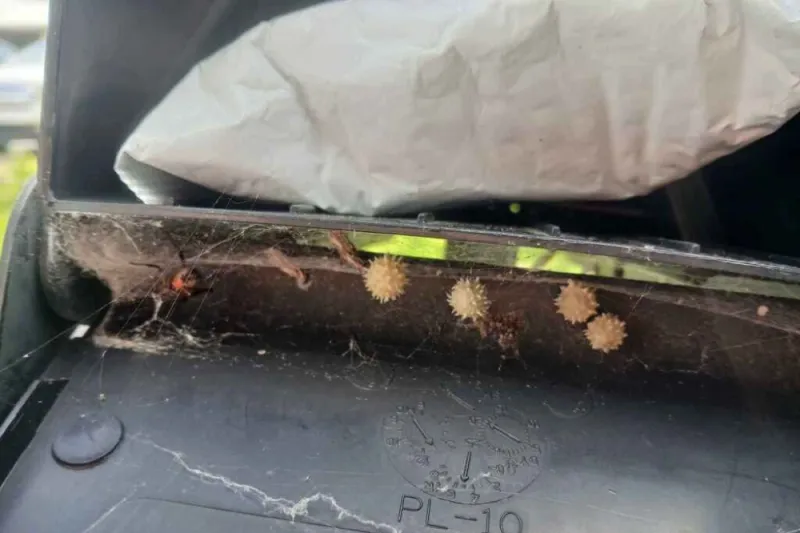
Surface texture is where the real clue lives. University of California, Riverside guidance describes brown widow egg sacs as round and covered in little silk spikes, a bit like a pollen grain.
A western black widow sac is typically smooth instead. That contrast can help narrow down the possibilities when you spot a sac.
Still, a spiky sac is a hint, not a verdict. It does not prove a brown widow is nearby, and a smooth sac does not rule out other spiders either.
Brown widows and young black widows can look alike, so the sac is often easier to read than the spider. Even so, UC IPM says brown widow bites are generally milder, though a severe verified case exists in the United States.
So treat both with respect, and leave the sac alone.
A Grill Lid Is Only A Plausible Shelter

Spiders like quiet, covered spots, and a grill lid fits that description. It is a plausible hiding place, but it is not a documented or routine nesting site.
Arizona Extension advises caution when moving objects in sheltered, undisturbed places. It also says black widow egg sacs are usually encountered from May through October.
A female guarding a sac may bite if threatened. That is a good reason to look before you lift a lid that has sat untouched for weeks.
Brown widows deserve a careful word too. A study of brown and black widow prevalence in urban southern California looked at that region only, so it does not show they are common across Arizona.
The Evidence Does Not Rank Spider And Scorpion Risks
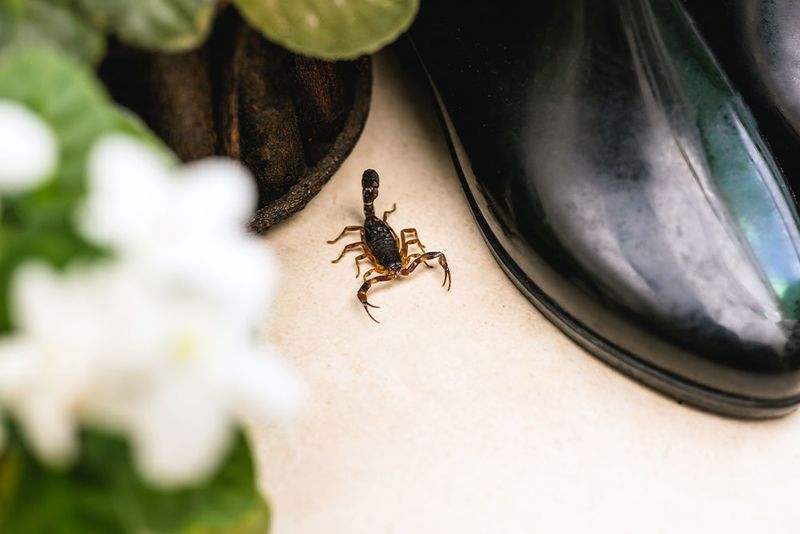
The title once hinted at a winner, and that was a stretch. The sources here do not compare the two hazards or say one is generally worse than the other.
The Arizona Department of Agriculture names the bark scorpion as the state’s only scorpion species of medical importance. Widow spiders are a separate concern.
Arizona Extension, in its venomous spiders guide, lists black widows among the medically important spiders in the state.
Each animal has its own habits and its own risks. What matters is knowing what you have found and avoiding contact, rather than ranking one creature against another.
Keep Your Hands Away And Get Help When Needed
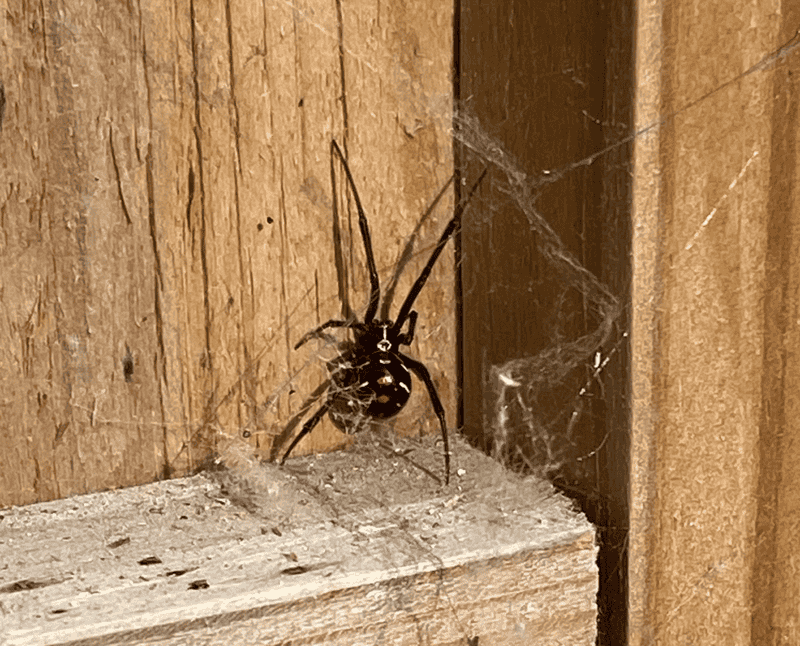
The safest plan is a simple one. Do not reach bare-handed into the web, and do not pick up the sac.
Keep children, pets, and guests away from the grill until someone can look at it safely. Spiders that are trapped, touched, or threatened may bite, though a bite is far from certain.
Arizona Extension and CDC guidance both stress avoiding contact with sheltered spiders.
If you see a widow or you are unsure how to remove the sac, call a pest professional. Skip any close-range removal tricks.
A photo taken from a safe distance makes that call much easier.
Do Not Assume A Spray Will Work
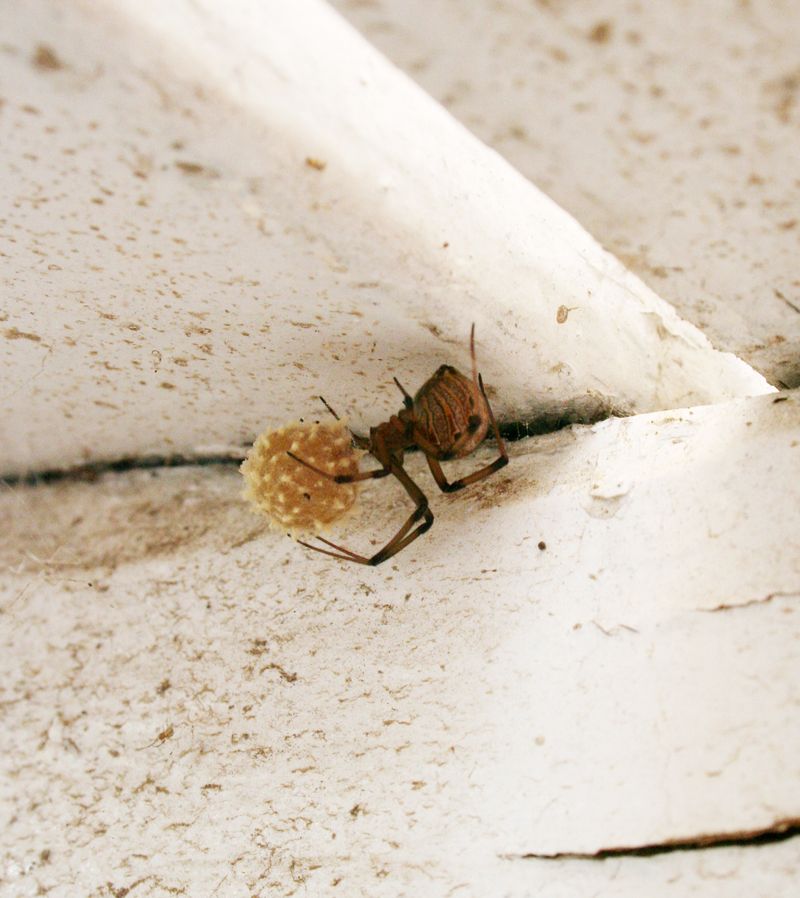
A quick spritz sounds tempting, but it may not do the job. A peer-reviewed study on pesticide products and brown widow egg sacs found that most tested water-based sprays did not significantly prevent spiderlings from emerging.
That result covers particular products under particular conditions. It does not describe every pesticide or every situation.
Still, it is a useful warning. A sac can survive a spray, and you would be standing close to a spot where a spider may be guarding.
So skip the close-range spraying and do not count on any method for reliable control. If removal feels uncertain, a qualified pest professional is the better call.
Seek Expert Advice After A Suspected Bite
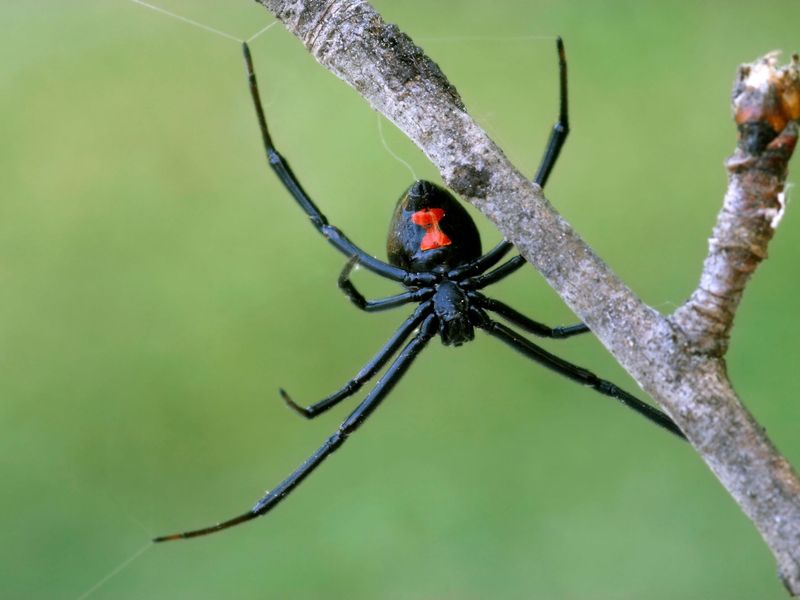
If someone may have been bitten by a black widow, call for expert advice right away. Arizona Extension advises contacting Poison Control at 1-800-222-1222.
Poison Control says black widow bites can cause spreading pain and muscle cramps. Its black widow bite article also explains that most bites cause mild to moderate symptoms, and severe outcomes are rare.
Symptoms alone cannot confirm a bite, so do not try to diagnose it yourself. Let the experts guide you.
A mystery sac under a grill lid is mostly a reason to pause. Sometimes the wisest move is simply to step back and let someone else open the lid.