Can You Plant Potted Mums in the Ground in Arizona After Fall?
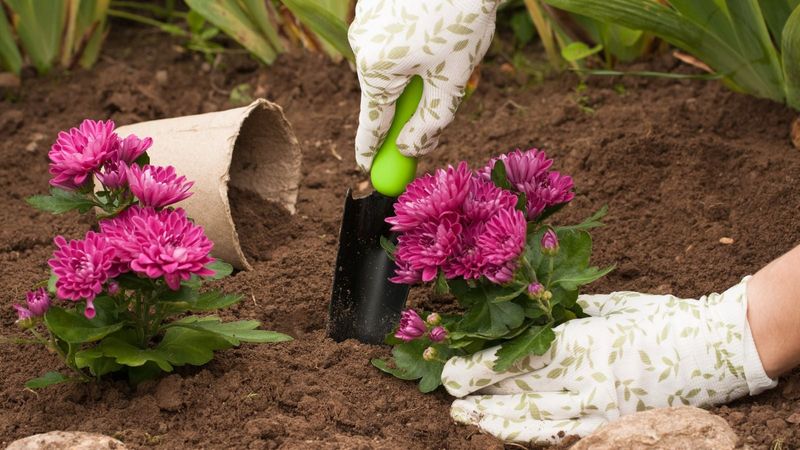
A mum bought in October may have only a few weeks of mild weather left to grow roots. That small window matters more than most people expect.
In Arizona, late fall and winter are not the same thing, and a plant’s chances can change between them. Before you dig a hole, it helps to know what kind of mum you hold and how much time it has.
First Clarify What “After Fall” Means
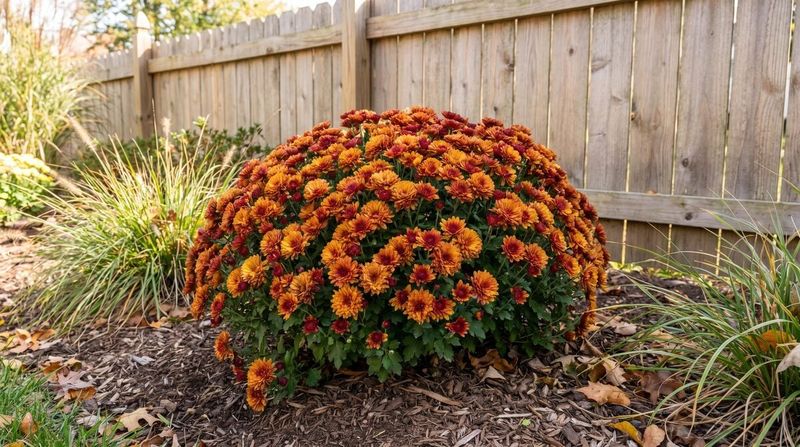
Late fall and winter are two different planting moments, and the title question gets a different answer for each. If you mean late fall, yes, you can put a potted mum in the ground.
The catch is that it has less time to settle in before cold weather arrives.
Guidance from Utah State Extension suggests planting fall-bought mums about six weeks before winter so roots can establish. That is general chrysanthemum advice, not an Arizona rule.
Virginia Cooperative Extension also says late-planted mums survive less often because their root systems are weaker.
If you mean winter, the sources I reviewed do not say whether or how well planting then works in Arizona. I would not call it a safe yes.
Treat it as an experiment with uncertain results.
Even a late-fall mum in a good spot is not guaranteed to survive or return. Survival depends on the cultivar, how much time the roots get, drainage, and your local winter conditions.
A careful decision beats a hopeful one here.
Check Whether You Have a Garden Mum
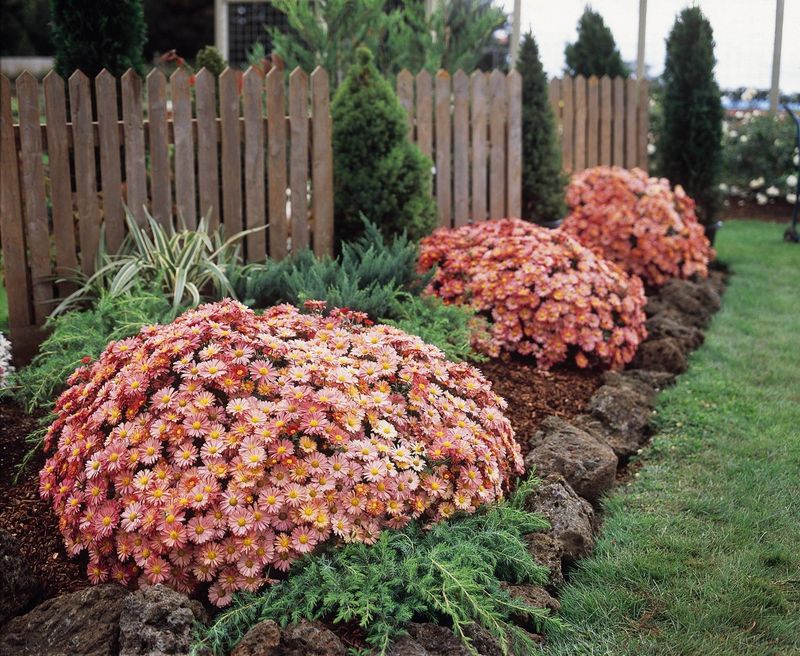
Not every mum on the porch display is built for a winter outdoors. Florist mums are the showy gift plants, and they are not bred for hardiness.
Garden mums are meant for landscapes, but even they differ from one cultivar to the next in how much cold they handle.
That means a pretty plant, a cheerful store sign, or the single word “mum” tells you very little. Virginia Cooperative Extension makes this distinction clearly, and it is worth taking seriously before you plant.
Look at the tag for a cultivar name and any hardiness note. If the tag is vague, ask the nursery staff what type it is.
Keep this question separate from timing and weather, because a hardy cultivar planted too late can still struggle.
If you cannot confirm the type, plan for less certainty. You can still enjoy the blooms, but do not count on the plant coming back.
Arizona’s Winter Varies by Location
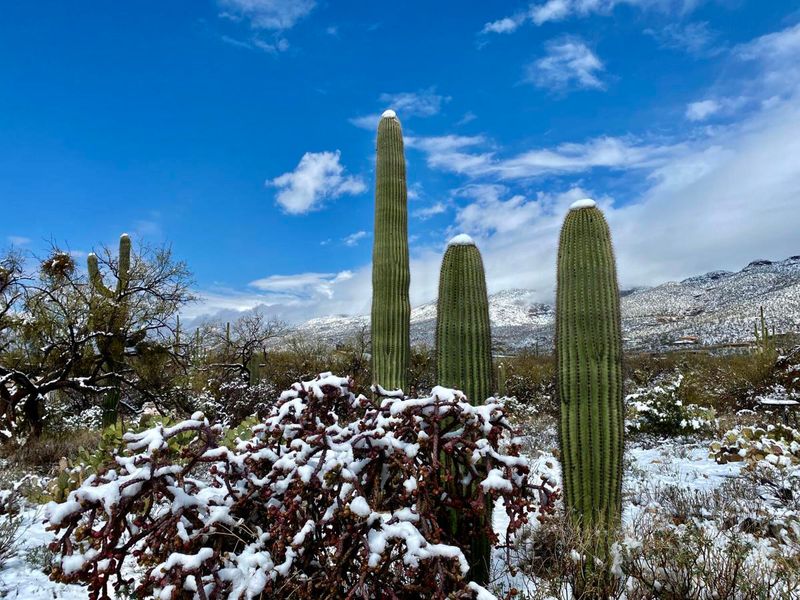
Arizona is not one gardening climate. University of Arizona Cooperative Extension describes big differences by elevation and region.
Soil, water, exposure, and microclimate also change how plants perform in a single neighborhood.
So look at your own yard. A spot against a warm south wall may stay milder than an open corner.
Low areas can hold cold air, and unseasonal cold snaps can surprise any gardener.
For a sense of local variation, University of Arizona frost guidance lists average first-frost dates in Maricopa County. They run from November 21 in Buckeye to December 12 in central Phoenix, partly because of elevation and urban surfaces.
Those are county examples only. They are not dates for every Arizona location, and they say nothing about whether a mum will survive.
Use them as a reminder to check your own conditions, not to borrow a statewide calendar.
Give Roots Time to Establish
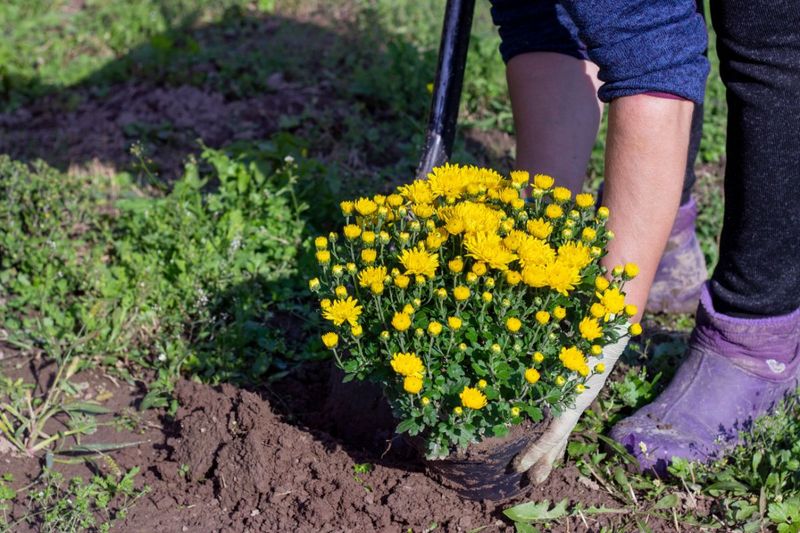
Roots are what carry a mum through cold weather, and they need mild days to grow. Utah State Extension’s general advice is to allow about six weeks before winter.
Virginia Cooperative Extension adds that late planting lowers survival because the root system stays weaker.
Neither source gives an Arizona cutoff date. The six-week figure is a general chrysanthemum guideline, and it should not be read as a promise for your yard.
It is a useful yardstick, nothing more.
Count the mild weeks you realistically have left where you live. Consider how soon cold nights usually arrive in your area and whether your site warms up during the day.
If the rooting window looks short, your odds are lower.
This timing guidance is not a green light for winter planting. If little rooting time remains, a more cautious path may make sense, which the later sections cover.
Choose Sun, Drainage, and Careful Watering
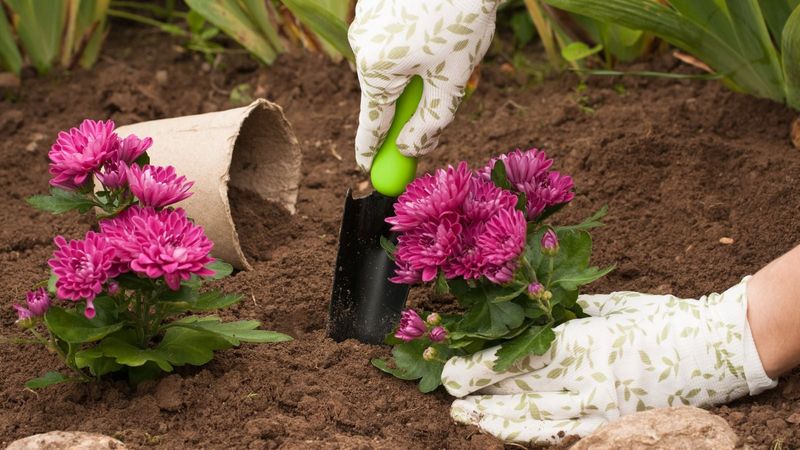
A good site will not save a mum, but a poor one can sink its chances. Utah State Extension recommends fertile, well-drained soil and full sunshine.
It also says to water thoroughly after planting and not to let mums wilt.
Clemson Extension, in a South Carolina garden mum guide, also names full sun and well-drained soil as preferred conditions. It notes that mums need substantial water during bloom.
Do not read that as a sign that mums are drought-tolerant. They are not described that way here, and I will not give you an Arizona watering schedule because the sources do not provide one.
Check the soil and the plant, and adjust as you go.
If water pools after rain or irrigation, pick another spot. Even the right sun, soil, and watering cannot guarantee a mum makes it through winter.
Use Frost Covers Temporarily
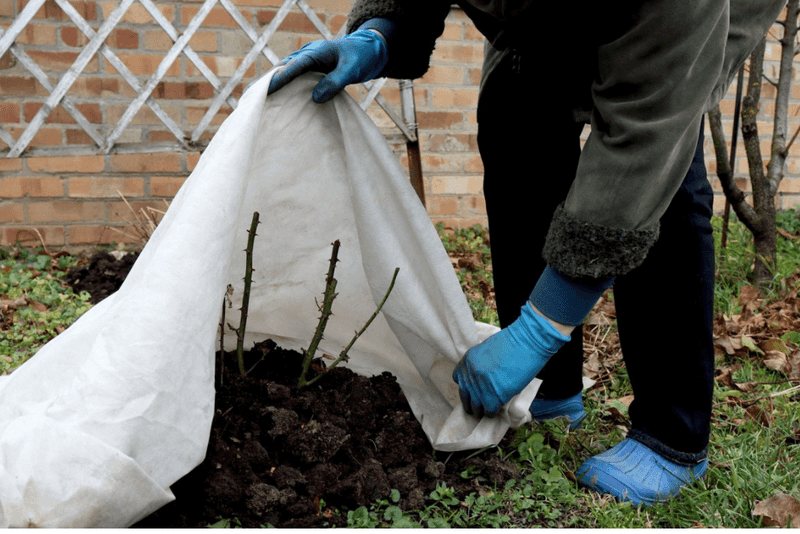
When a cold night is forecast, a cover can help for a short stretch. University of Arizona guidance describes breathable cloth or paper as frost protection.
It also says temporary sheets or blankets should come off once temperatures under them warm.
Leaving them on all winter is not recommended in southern Arizona. Think of a cover as an overnight tool, not a season-long roof.
Put it on for the cold, and take it off when the warmth returns.
A cover does not replace the basics. It cannot fix an unsuitable cultivar, make up for missing roots, or turn a poor planting choice into a good one.
Use it as a bonus for a mum that already has decent odds. If your plant is a florist type planted very late, expect a cover to help only a little.
Keep the Mum Protected in Its Pot
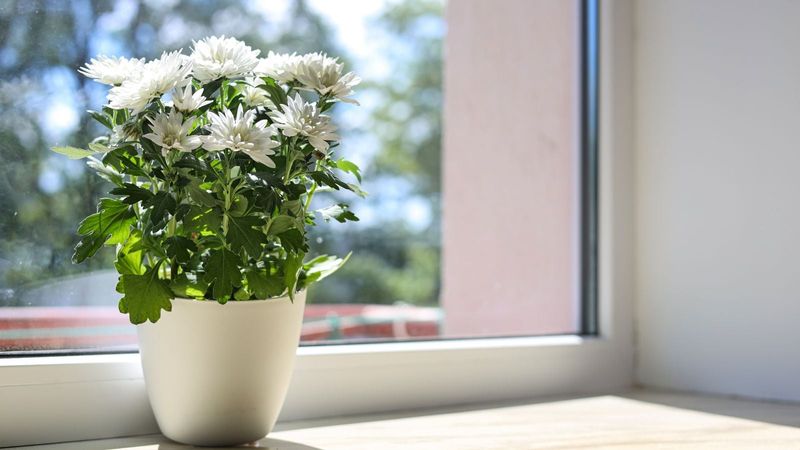
Sometimes the kindest choice is to leave the mum in its container. Virginia Cooperative Extension describes protected container overwintering as an alternative to planting late.
It fits when little rooting time remains.
It also fits if you are tempted to plant during winter. Since the sources do not establish how well winter planting works in Arizona, waiting until spring is the more cautious route.
You keep your options open and avoid a rushed hole in cold ground.
I will not add storage temperatures, specific locations, or care steps here, because the supplied sources do not give them. If you try this, treat it as a trial and watch the plant’s condition.
Protected does not mean guaranteed. A mum kept in its pot may still decline, but you avoid stacking extra risk on a plant with few roots.
Survival Does Not Guarantee a Return
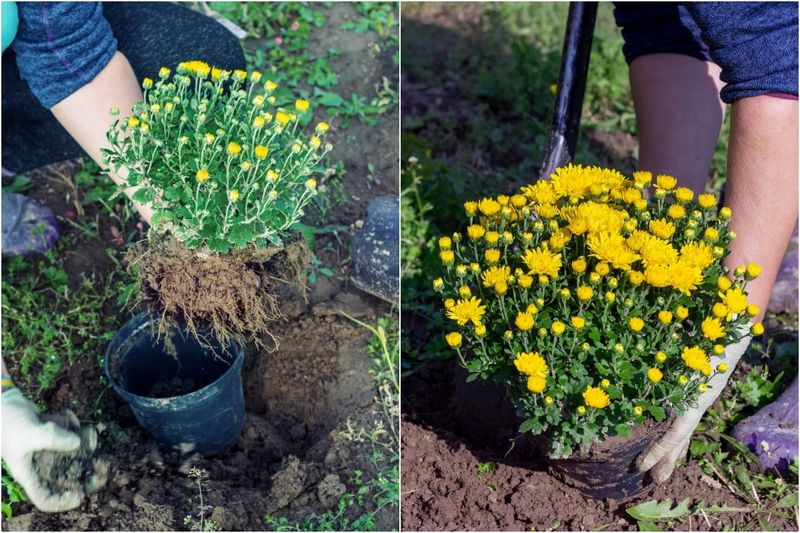
A mum that lives through winter has only passed the first test. Coming back as a healthy plant that blooms well is a separate question.
New Hampshire Extension cautions that late-season retail mums may not be bred for cold hardiness and may seldom bloom again even if they survive.
That comes from a different climate, so it is not a prediction for Arizona. It is still a fair warning that survival and future flowers are not the same thing.
Virginia Cooperative Extension similarly links late planting with lower survival.
Here is a simple decision rule. Plant if you have a confirmed garden mum, some mild rooting weeks left, a sunny well-drained spot, and a forgiving local winter.
If several of those are missing, keep it in a protected pot and enjoy the blooms either way.