The Garden Hazards That Injure North Carolina Box Turtles Most Often
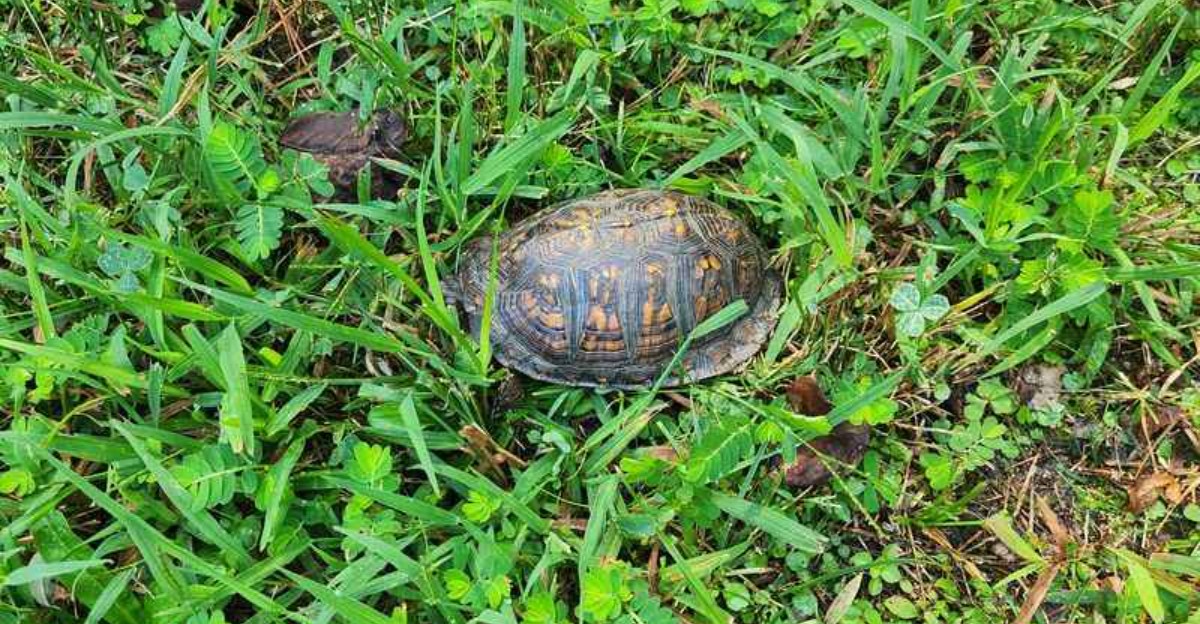
A box turtle’s slow, deliberate pace makes it especially vulnerable to hazards that most gardeners never think twice about while working in the yard.
Mowers and string trimmers are among the most common culprits, since a turtle tucked into tall grass or resting near a garden bed can go completely unnoticed until it’s too late, often resulting in serious shell damage or worse.
Bird netting and garden fencing pose a different kind of risk, trapping turtles that try to push through gaps and leaving them stuck, sometimes for days, without food or water.
Even something as simple as a steep-sided window well or an uncovered drainage ditch can become an inescapable trap for an animal that can’t climb its way back out.
Knowing which everyday yard tools and features pose the greatest risk gives North Carolina gardeners a real chance to protect the box turtles quietly sharing their space.
1. Lawn Mowers Cause The Most Serious Shell Injuries

Wildlife rehab centers across North Carolina see the same heartbreaking case every summer: a box turtle with a cracked shell and a mower to blame.
Riding and push mowers rank among the top causes of serious shell and leg injuries in eastern box turtles, our official state reptile. The good news is that a few small habits can prevent most of these accidents.
So why can’t a turtle just get out of the way? When a box turtle senses danger, it pulls its head and legs inside and clamps its hinged shell shut.
That trick works well against a curious raccoon, but it leaves the turtle sitting right in the path of a spinning blade.
Protecting them starts before you pull the cord. Take a slow walk across the lawn first, especially after a rain shower, since box turtles love to roam on damp, warm mornings.
Raise your cutting height on tall grass and field edges, because a higher blade gives a tucked-in shell more room to stay unharmed.
Direction matters too. Mow from the center of the yard outward, which gives rabbits, snakes, and turtles an open path to move toward cover instead of trapping them in a shrinking island of grass.
Here in North Carolina, box turtles live in yards from the Mountains to the Piedmont to the Coastal Plain. They stay active from spring through fall, which happens to be the exact season we mow the most.
Since many of these turtles can live well past 50 years, one careful walk before mowing could protect a neighbor who has shared your yard for decades.
2. String Trimmers Along Edges And Fence Lines
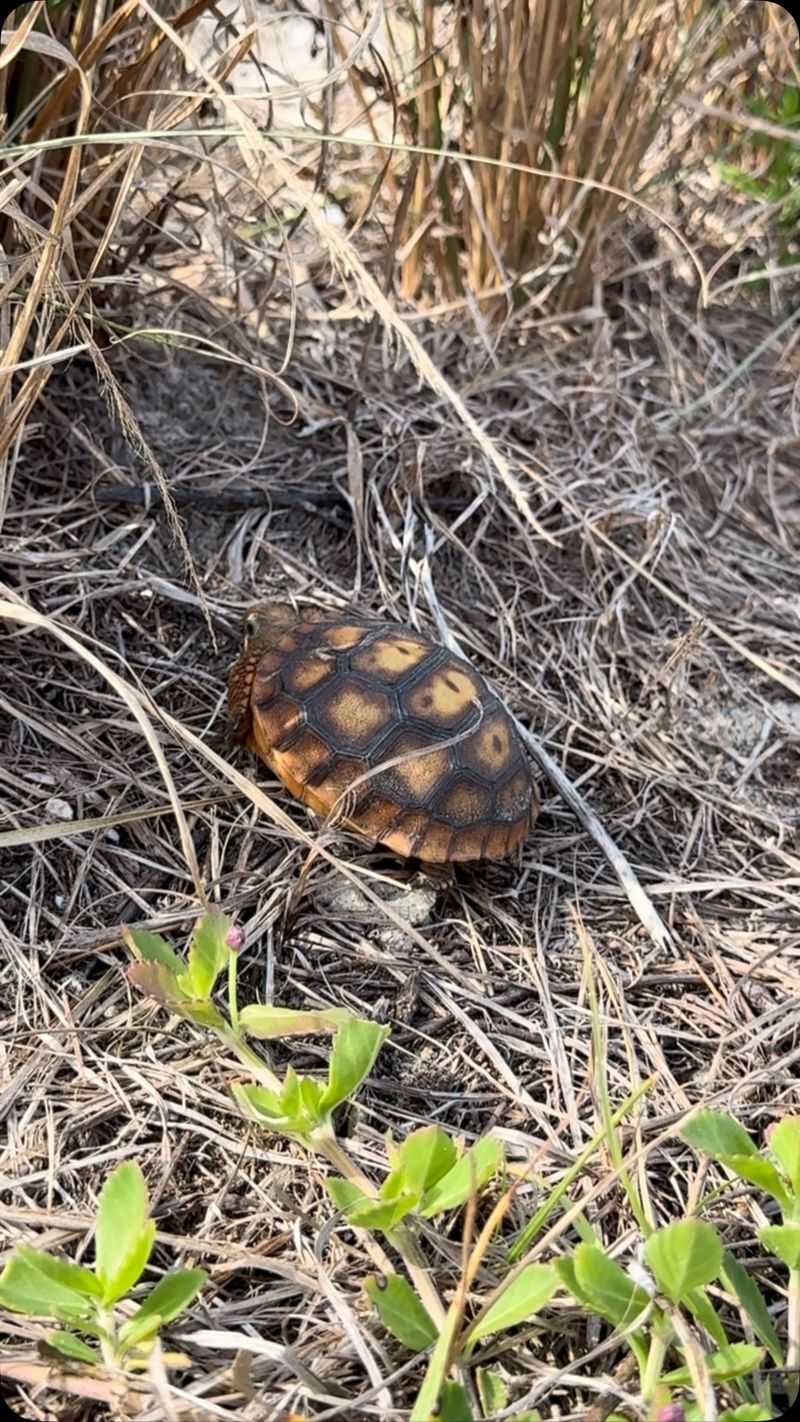
Think of the shady strip along your fence as a box turtle’s favorite nap spot. On a steamy North Carolina afternoon, that tangle of tall grass, weeds, and shrub branches feels like a cool basement to a reptile that cannot sweat.
Unfortunately, it is also the exact place most of us aim a string trimmer.
Box turtles rely on their surroundings to control body temperature. When summer heat climbs into the 90s, they tuck into dense, moist cover under shrubs, along garden bed edges, and at the base of fence posts.
Your North Carolina Garden Changes Every Week. Your Plan Should Too.
Gardening in North Carolina changes quickly throughout the season. Every Friday you’ll receive a simple weekly plan showing exactly what to plant, prune, fertilize, harvest, and protect so you never miss the right timing.
A whirling trimmer line can tear skin, damage eyes, and chip away at the shell before you even notice a turtle was there.
A little patience goes a long way. Before trimming, part tall grass by hand or sweep through it gently with a rake to reveal anyone hiding inside.
Then work slowly, keeping the trimmer head a few inches off the ground in thick spots where you cannot see the soil.
You can also give turtles a safe zone that needs no trimming at all. Leave a few unmowed patches in quiet corners of the yard, such as behind a shed or along a back fence where nobody walks.
Wild pockets like these become cool hideouts, and they draw turtles away from the areas you do need to keep tidy.
Humid summers make this approach especially helpful in our state. Turtles seek moist shade to avoid drying out, so offering them a dependable shady retreat means fewer surprise encounters with your equipment.
As a bonus, those patches also feed pollinators and give fireflies a place to rest.
3. Bird Netting And Plastic Garden Mesh
Blueberry season is one of the sweetest parts of summer in North Carolina, a state that ranks among the top blueberry growers in the country.
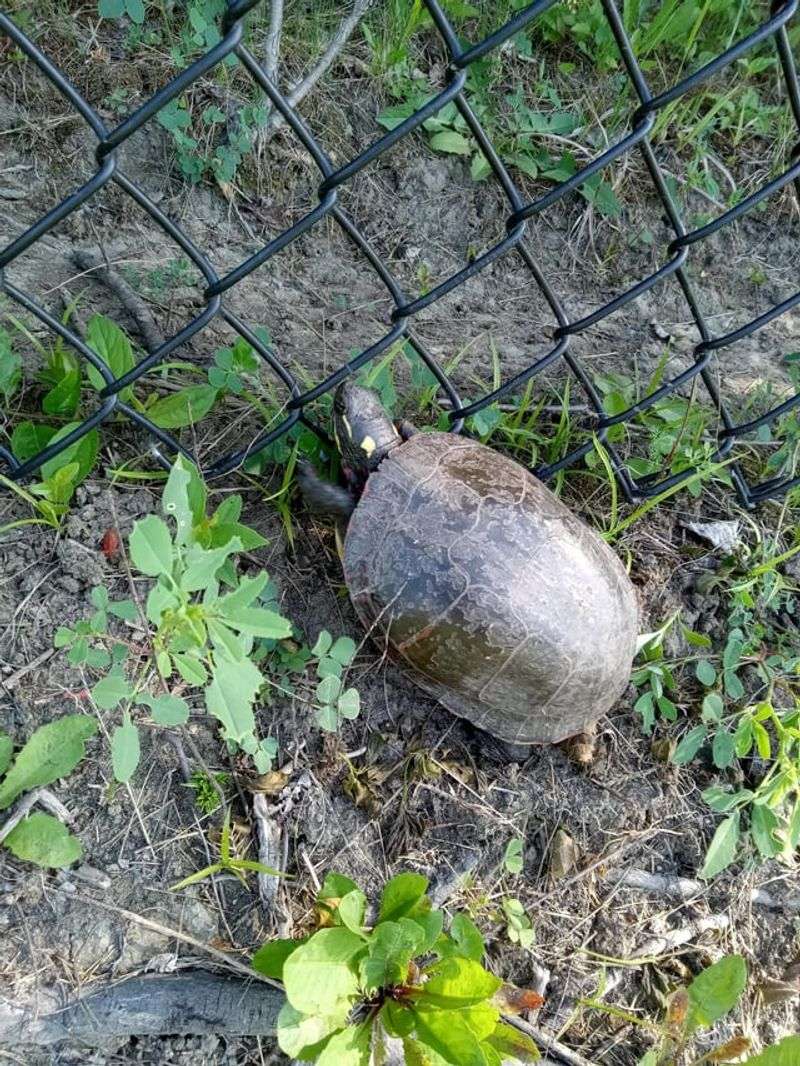
To keep robins and mockingbirds from stealing the harvest, many home gardeners drape bird netting over their bushes and strawberry rows. That loose netting, however, can turn into a trap for a wandering box turtle.
Plastic mesh hides in other spots too. Erosion control blankets and straw mats used on new lawns and slopes often contain a thin plastic grid that stays behind long after the grass grows in.
A turtle pushing through can get its head or legs caught, and the harder it pulls, the tighter the mesh squeezes.
Trapped turtles face more than cuts. Stuck in one spot, a turtle cannot reach food, water, or shade, and a sunny afternoon can quickly overheat it.
Deep wounds from tight strands can also become infected if nobody finds the animal in time.
Fortunately, the fixes are simple. Pull bird netting tight and lift the bottom edge a few inches off the ground, or secure it on a frame so nothing sags onto the soil. Once harvest ends, take the netting down and store it rather than leaving it in a heap.
For slopes and new seeding, choose natural fiber jute or netless erosion control products that break down safely. Check any netted areas daily, especially early in the morning.
If you do find a tangled turtle, snip the mesh carefully with small scissors, and call a licensed wildlife rehabilitator if the skin looks cut or swollen.
4. Tillers And Deep Digging In Garden Beds
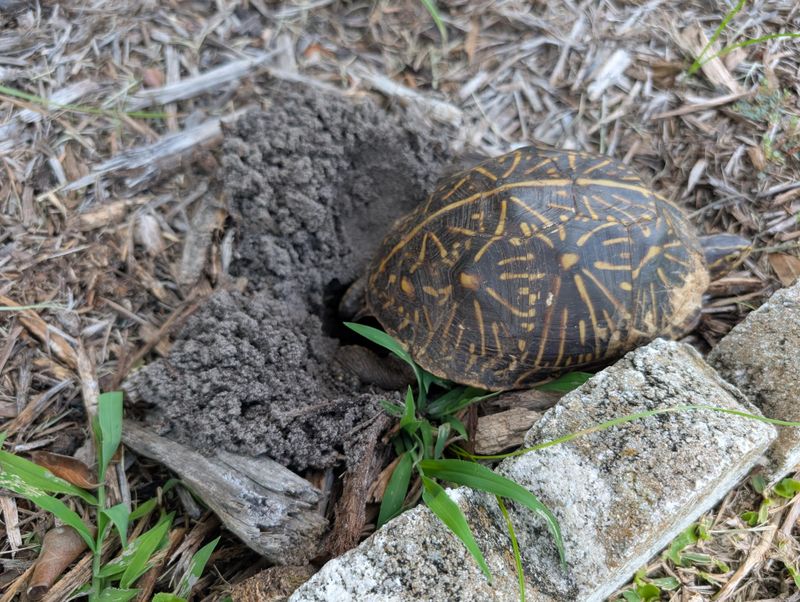
Few gardeners realize that a box turtle may be sleeping just inches below their vegetable bed all winter long. From late fall until spring, these reptiles dig a few inches into soft soil and leaf litter to wait out the cold.
When the first warm weekend arrives and the rototiller comes out, a buried turtle has no chance to move away.
Winter is not the only time they hide underground. During hot, dry summer spells, box turtles often burrow into cool, damp soil to stay comfortable until the next rain.
Tilling or digging deeply during a drought can uncover them in the worst possible way.
Timing is your best friend here. Before early spring tilling, rake back the leaf litter and gently probe loose beds by hand, feeling for the smooth, rounded dome of a shell.
Wait to till until turtles have clearly emerged and are wandering the yard, which usually happens once nights stay reliably warm.
Want to skip the risk entirely? Many North Carolina gardeners now use no-till methods like sheet mulching, where you layer cardboard, compost, and mulch right on top of the soil.
The approach builds rich, crumbly earth over time, protects helpful earthworms, and keeps buried turtles safe.
Loose, mulched garden beds make ideal burrowing spots, so turtles naturally choose them all across the state. If you do find a sleeping turtle while digging, cover it back up loosely with the same soil and leaves, right where you found it.
Moving it to a new spot can confuse it, since box turtles tend to stay in one small home area for life.
5. Burning Brush And Yard Debris Piles
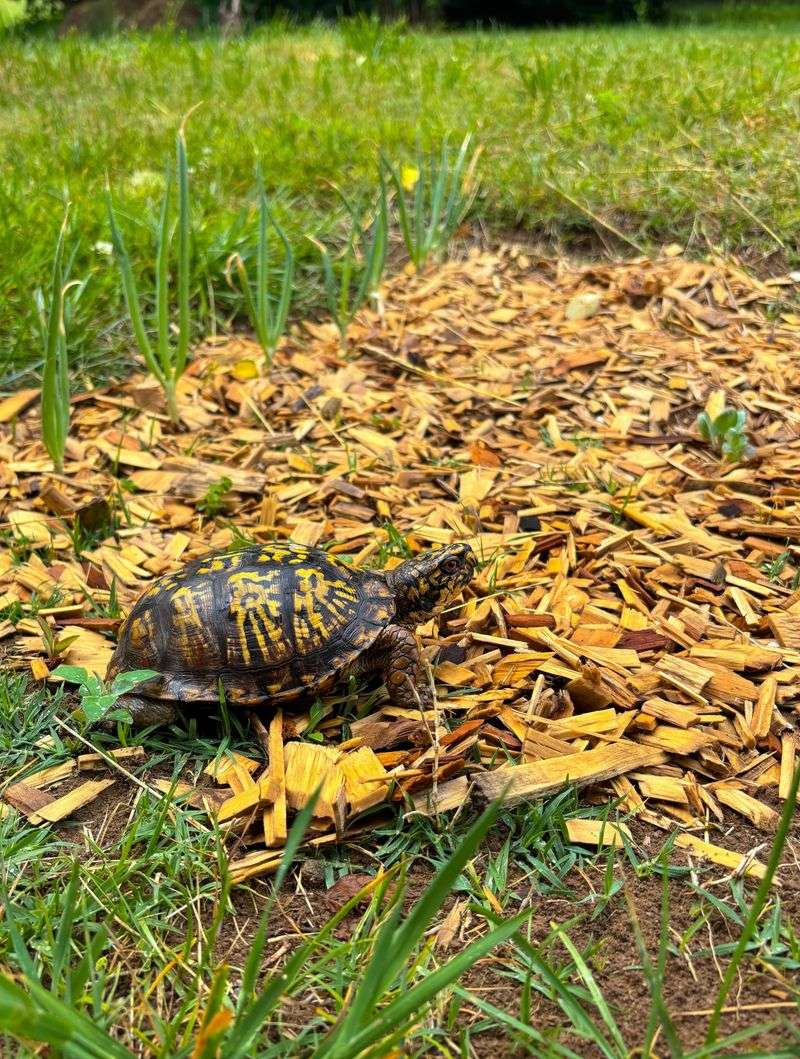
A pile of branches and leaves at the edge of the yard may look like trash to us, but to a box turtle it looks like a five-star hotel. Stacked brush traps moisture, blocks the sun, and stays cool even on warm days.
Those same qualities make it a cozy place to rest in summer and a snug shelter to spend the winter. Trouble begins when the pile gets lit. A turtle tucked deep inside will simply close its shell and stay put, just as it does with any other threat.
Flames and heat can cause severe burns long before the animal realizes it needs to leave. Protecting sheltering wildlife takes only a few extra minutes.
Right before burning, move or restack the pile with a pitchfork so any animals hiding inside get disturbed and have a chance to relocate.
Check the base carefully by hand, since turtles usually settle into the damp leaves at the very bottom.
Another smart habit is to burn only the debris you gathered that same day. A fresh pile has not had time to attract residents, while a heap that sat for weeks may be home to turtles, toads, and snakes.
Better yet, consider chipping branches or keeping a small brush pile permanently as a wildlife haven.
Across rural and suburban North Carolina, yard debris burning peaks in fall and spring. Those seasons line up perfectly with turtles entering or leaving their winter hideouts.
Always follow North Carolina Forest Service burn permit rules and local ordinances, and skip burning entirely on dry, windy days.
6. Dogs That Chew And Carry Turtles
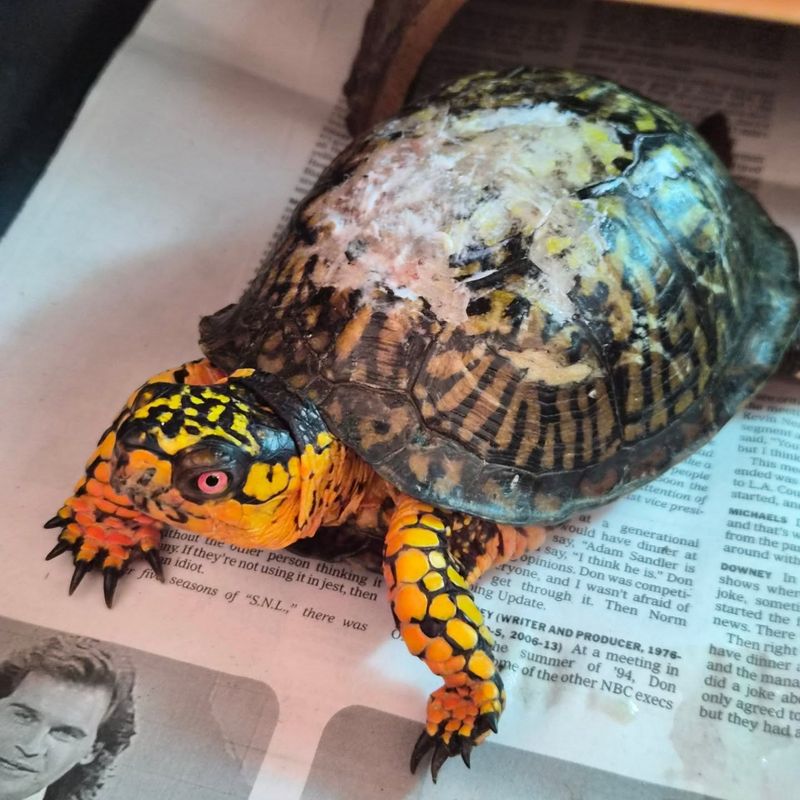
Ever watched a dog trot proudly across the yard with something round in its mouth? Plenty of North Carolina pet owners have discovered that the prize was a box turtle.
To a playful pup, a turtle looks like a chew toy that moves, and that curiosity can cause real harm.
Many people assume a closed shell keeps a turtle totally safe. Sadly, repeated chewing can crack the shell, and strong jaws can reach the edges where legs, tail, and head tuck inside.
Puncture wounds from teeth may look small, yet they often lead to infections that need a vet or wildlife rehabilitator to treat.
Supervision is the simplest solution. Keep an eye on your dog outdoors during peak turtle activity, especially on warm mornings after rain, when turtles come out to hunt for worms, slugs, and mushrooms.
A quick scan of the yard before opening the back door can prevent a lot of trouble. If you spot a turtle, help it move along safely. Carry it gently by the sides of the shell and set it down in nearby cover, pointed in the same direction it was heading.
Box turtles have a strong homing instinct, so turning them around or taking them far away can leave them lost and stressed.
Fences do not stop these determined travelers either. Box turtles regularly pass through fenced and unfenced backyards as they follow their home range, which may stretch across several neighboring properties.
Training your dog with a firm ‘leave it’ command, and rewarding it every time it walks away from a turtle, could be one of the kindest gifts you give local wildlife.
7. Pools, Window Wells, And Steep-Sided Holes
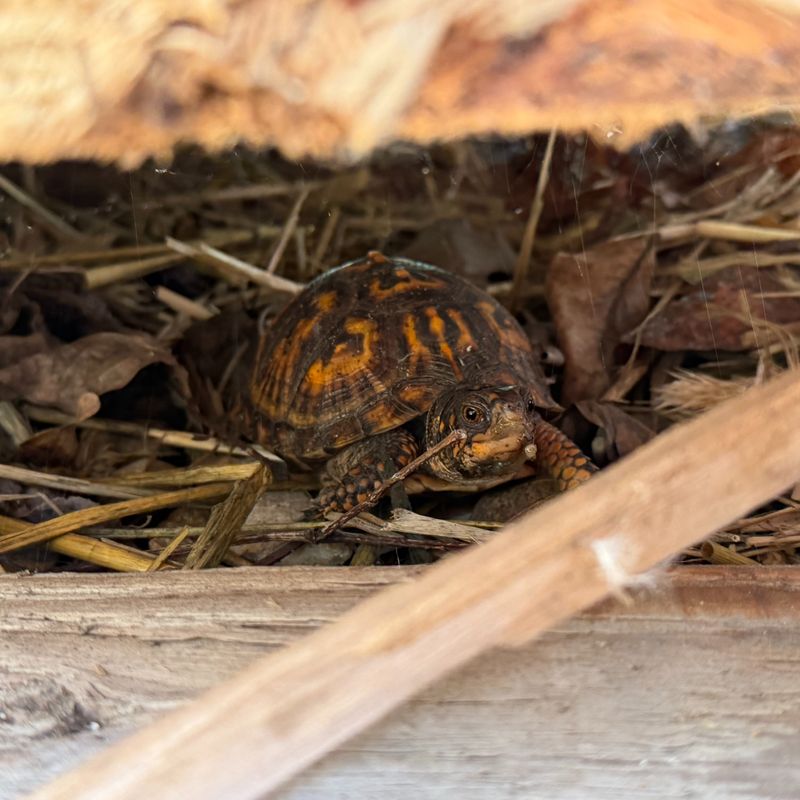
Plenty of folks are surprised to learn that box turtles are land turtles, and most of them are clumsy, weak swimmers. They can paddle a little in shallow puddles, but deep water with smooth sides quickly wears them out.
That makes backyard pools, window wells, post holes, and steep garden ponds sneaky hazards.
Once a turtle tumbles in, climbing back out is nearly impossible. A trapped turtle in a pool can become exhausted and unable to keep its head above water.
One stuck in a dry window well or post hole may bake in the afternoon sun or go days without food or water.
Simple fixes make a huge difference. Install sturdy covers on window wells, which also keep out leaves, frogs, and other small animals.
For garden ponds, add a gently sloped ramp or a stack of flat rocks along one edge so any visitor can crawl out on its own.
Pool owners have a daily chore that doubles as a rescue mission. Check the skimmer baskets and walk the pool edge each morning, since turtles and toads often end up in those spots overnight.
Floating wildlife escape ramps, sold at many pool supply stores, give small animals an easy exit. Holes deserve attention too. Fill or cover fresh post holes and dig sites right away instead of leaving them open overnight.
In North Carolina, warm weather keeps pools open and ponds full for most of the turtle’s active season, so these small habits pay off week after week from late spring well into fall.
If you rescue a soggy turtle, set it somewhere shady and dry near where you found it. Let it rest quietly before it wanders off on its own.
8. Fire Ant Mounds Near Nests And Hatchlings
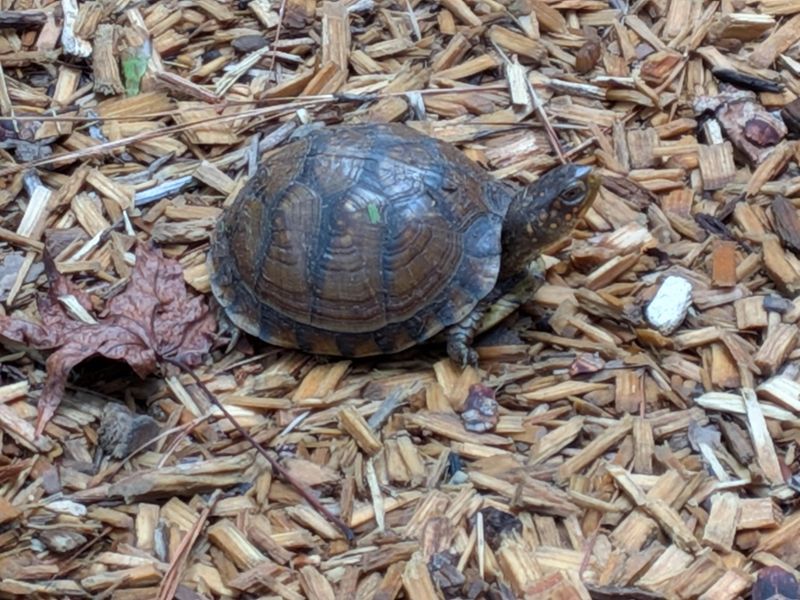
Early summer is nesting season for box turtles, and mother turtles pick sunny, open patches of soil to dig their nests. Lawns, garden edges, and bare spots along driveways all look perfect to her.
Unfortunately, those same warm, sunny spots are favorite building sites for red imported fire ants.
Fire ants arrived in the United States from South America in the 1930s and have since spread across much of the South. In a nest, they can find eggs as they begin to crack open, and they swarm newly hatched turtles.
Hatchlings are only about the size of a quarter, with soft shells that offer little protection against hundreds of stinging ants.
Controlling mounds in your yard gives young turtles a better start. Fire ant baits work well when the ants are actively foraging, which usually means fall or spring when soil temperatures are mild.
Scatter the bait around the mound rather than on top, and always follow the label directions for amount and timing.
Avoid pouring boiling water or gasoline on mounds, since those methods harm soil, plants, and anything nearby. Also skip digging or raking in sunny, open soil during early summer, when a turtle nest might be hidden just below the surface.
Mother turtles often cover their nests so well that you would never spot them.
Where you live in North Carolina changes the picture. Fire ants are well established across much of the Piedmont and Coastal Plain, while they remain far less common in the cooler Mountains.
Gardeners in the east and central regions who keep mounds under control give tiny box turtles a better shot at growing into long-lived backyard neighbors.