These Are The North Carolina Bulbs You Plant Once And They Come Back Bigger Every Single Year
Planting bulbs once and watching them multiply on their own is one of the more satisfying things that happens in a North Carolina garden. No replanting, no fussing, just more flowers in the same spot every year without any additional effort from you.
North Carolina’s climate is genuinely well suited to a handful of bulbs that not only return reliably but actually expand their clumps and increase their bloom count with each passing season.
Some of them double in display size within just a few years. These aren’t the tulips that need to be replaced every fall or the temperamental varieties that slowly fizzle out.
These are the ones that reward patience in a way that feels almost unfair, turning a modest first-year planting into something that looks fully established and abundant before you’ve done much of anything at all.
1. Daffodils
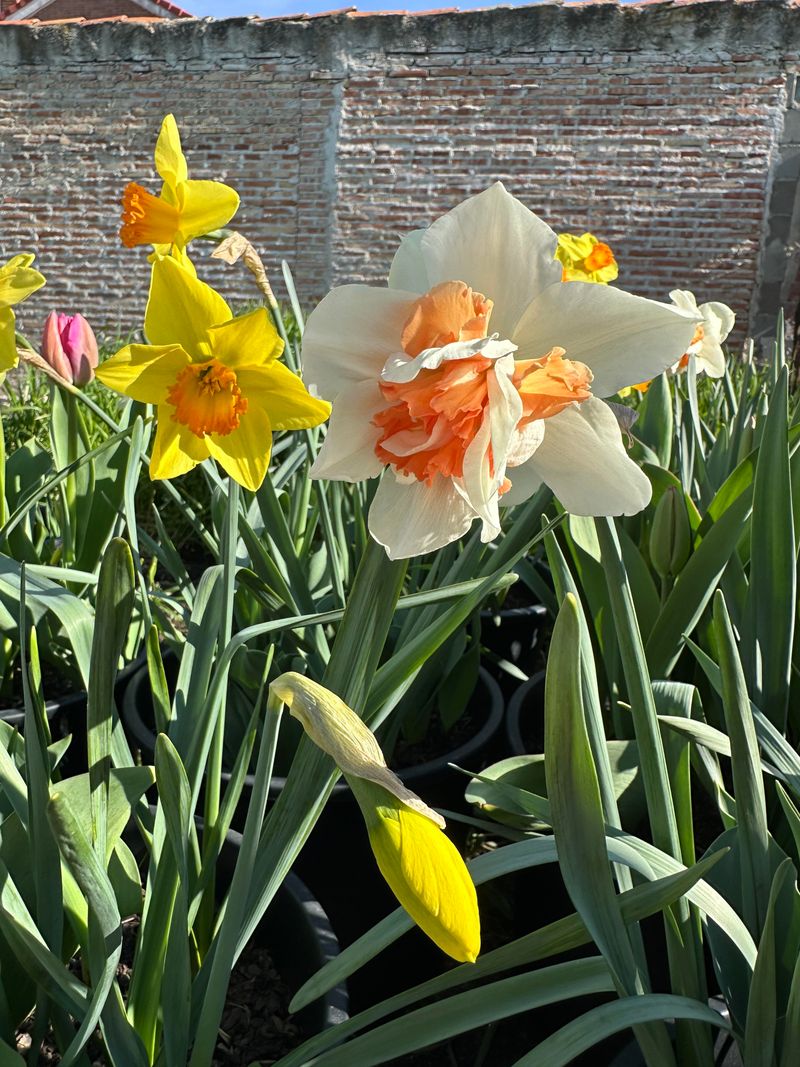
Few sights in a spring garden beat a thick patch of golden daffodils swaying in the breeze. Daffodils, known scientifically as Narcissus spp., are among the most reliable returning bulbs you can grow in North Carolina.
Plant them once in a sunny or partly shaded spot with good drainage, and they will reward you for decades.
Each fall, aim to plant your bulbs about six inches deep and space them four to six inches apart. Loose, well-amended soil helps roots establish quickly before winter sets in.
A two-inch layer of mulch over the planting area keeps moisture steady and protects bulbs during cold snaps that occasionally hit the Piedmont and mountain regions.
What makes daffodils especially exciting is how they multiply naturally underground. Over several seasons, a single bulb divides into a cluster of offsets, each one capable of producing its own bloom.
By year three or four, what started as a handful of flowers can turn into a full, breathtaking sweep of color across your garden bed.
One bonus worth mentioning is that deer and most garden pests tend to leave daffodils completely alone. Their natural compounds make them unappealing to wildlife, so your investment stays protected.
After blooming, allow the foliage to yellow naturally before removing it, since that process feeds the bulb for next year.
With minimal care and the right planting spot, daffodils in North Carolina just keep coming back stronger, bigger, and more beautiful with every passing spring season.
2. Crocus
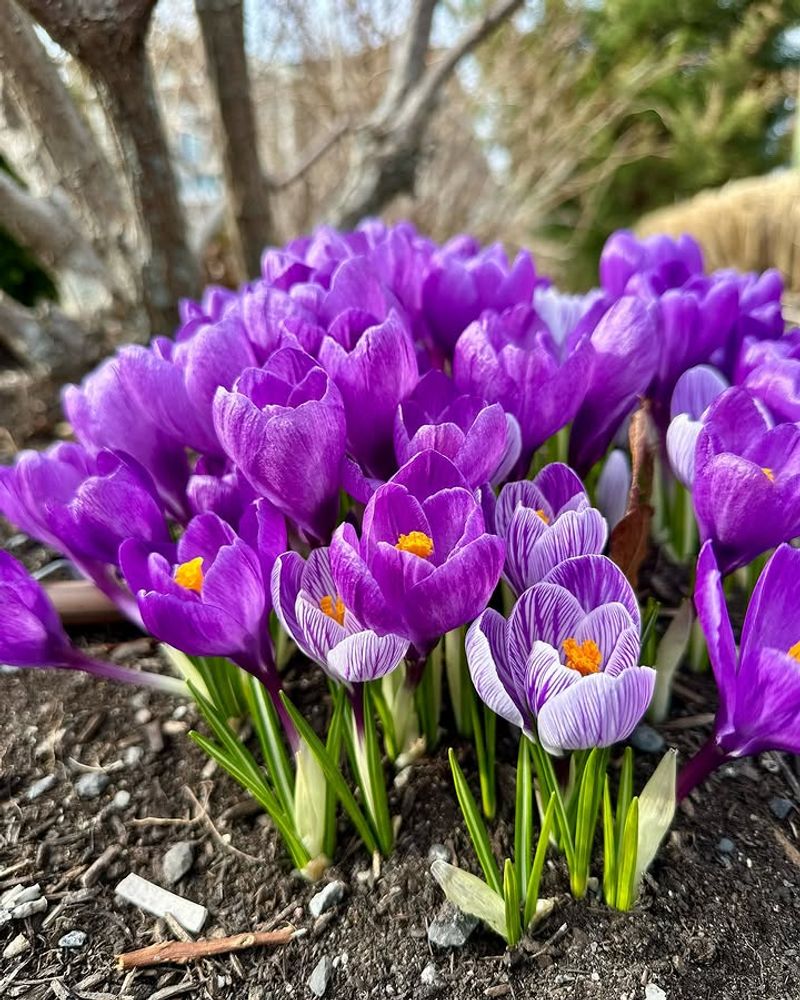
Crocus flowers have a magical quality about them. They push through cold soil sometimes while frost is still in the forecast, announcing that warmer days are on their way.
For North Carolina gardeners, these small but mighty bulbs are a perfect choice because they naturalize easily and come back fuller each year without much fuss.
Plant crocus corms in the fall, about three to four inches deep and three inches apart. They thrive in sunny to partially shaded spots and absolutely need well-drained soil to perform well season after season.
Sandy loam or amended clay soil both work great as long as water moves through freely and does not pool around the bulbs during wet winters.
Your North Carolina Garden Changes Every Week. Your Plan Should Too.
Gardening in North Carolina changes quickly throughout the season. Every Friday you’ll receive a simple weekly plan showing exactly what to plant, prune, fertilize, harvest, and protect so you never miss the right timing.
Over time, crocus corms naturally divide and spread, filling in gaps across garden beds, borders, and even grassy lawn areas.
Many gardeners scatter them throughout turf grass for a naturalized meadow effect that looks stunning in late winter and early spring.
The key is to avoid mowing until the foliage has completely faded, usually by late April or early May.
Minimal maintenance is another reason crocus wins fans across North Carolina. A light top dressing of compost each fall gives bulbs a gentle nutrient boost without overfeeding them. Avoid heavy fertilizers, which can encourage soft, weak growth.
With the right conditions, crocus patches expand noticeably each year, producing more blooms per cluster and a richer carpet of color that gets more impressive with every passing season.
3. Allium
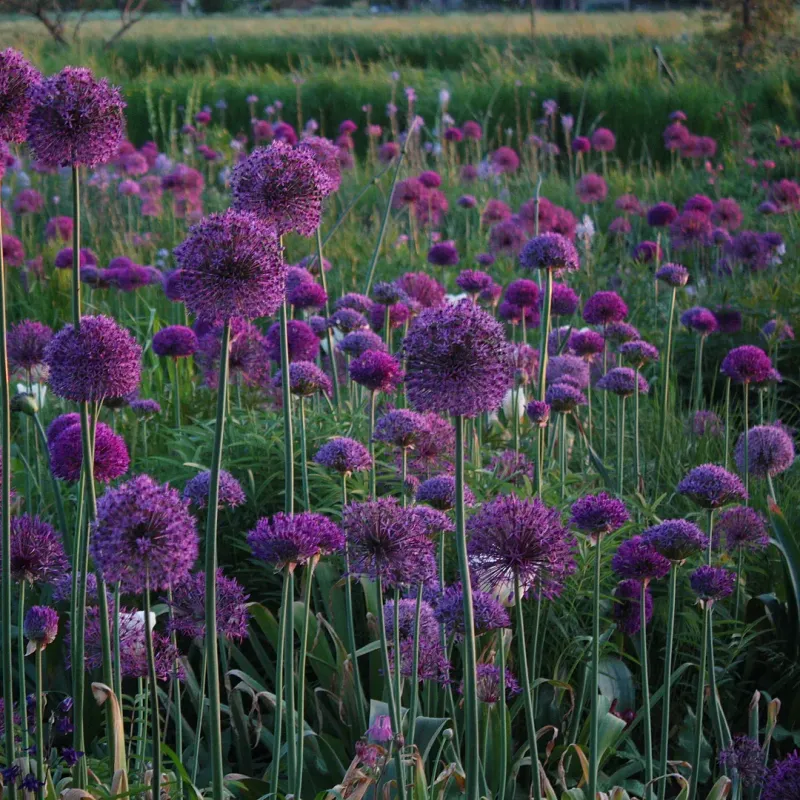
Ornamental alliums are the showstoppers of the late spring garden. Their large, perfectly round flower heads sit on tall, slender stems and look almost too perfect to be real.
Related to garden onions and garlic, these bulbs bring serious drama to landscapes while asking very little in return from the gardener.
Plant allium bulbs in the fall, placing them about three times as deep as their diameter. Larger varieties like Allium giganteum go in about six to eight inches deep, while smaller species need only three to four inches.
Space them six to eight inches apart in well-drained, moderately fertile soil. A sunny location with at least six hours of direct light each day produces the strongest stems and the fullest flower heads.
Soil preparation matters more than most people realize with alliums. Mixing compost into the planting bed before setting bulbs in place gives roots a nutrient-rich environment to establish in.
A thin layer of mulch after planting holds moisture and keeps soil temperatures more consistent through winter cold snaps common across the North Carolina Piedmont.
What keeps gardeners coming back for more alliums is how they self-propagate over time. Bulbs divide underground each year, and some varieties also scatter seeds nearby, creating natural colonies that spread gradually through the bed.
By year three, a small planting can grow into a stunning display with dozens of blooms. Deer tend to avoid them entirely, making alliums a smart, low-effort investment for any gardener looking for reliable, expanding beauty.
4. Snowdrops
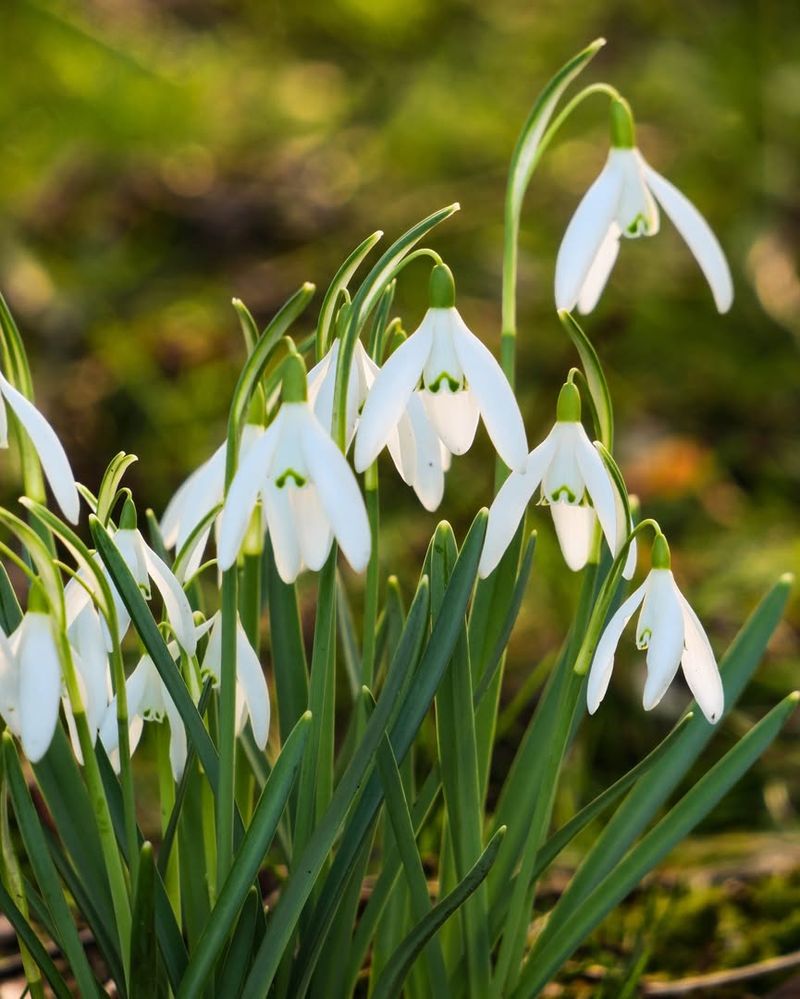
Snowdrops carry a quiet charm that no other bulb quite matches. Their small, nodding white flowers appear in late winter, often as early as January in the warmer parts of North Carolina, making them one of the first signs of life after the cold season.
Gardeners who grow them often describe a sense of pure joy when those first white bells appear above the soil.
Galanthus spp. prefer a planting spot with dappled shade, similar to what you would find under deciduous trees. Plant the bulbs about three inches deep and three inches apart in the fall, ideally in soil that drains well but retains some moisture.
Heavy clay that stays soggy through winter can stress bulbs and reduce their ability to return strong the following year.
Mulching with shredded leaves or bark is especially helpful for snowdrops in North Carolina.
A one to two inch layer insulates the soil, keeps temperatures more stable, and mimics the natural woodland floor environment where snowdrops thrive.
Avoid piling mulch directly on top of emerging shoots in late winter, as the plants push up early and can be blocked by heavy material.
The real payoff with snowdrops comes after three or four years, when clumps have divided and multiplied into impressive sweeps of white blooms. Dividing clumps every few years right after flowering, while still green, helps spread them even faster.
With proper drainage and a bit of patience, snowdrops in North Carolina form expanding colonies that grow more enchanting with every single winter season.
5. Glory-Of-The-Snow
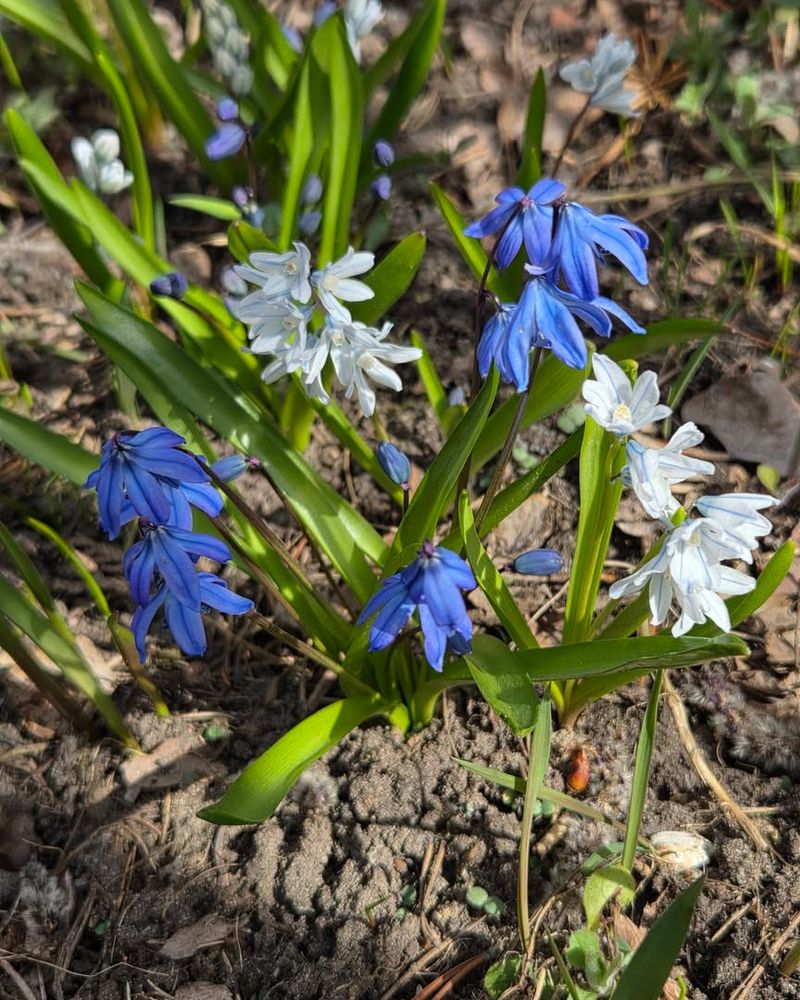
Glory-of-the-Snow is one of those plants that earns its poetic name completely.
Chionodoxa spp. produces clusters of star-shaped flowers in shades of blue, violet, and white, and they often bloom while temperatures are still cool enough to see your breath in the morning air.
For North Carolina gardeners, they are an underrated gem worth getting excited about.
These small bulbs perform best in a sunny to lightly shaded spot where soil drains freely. Plant them in the fall about three inches deep and two to three inches apart.
Because the bulbs are small, planting in groups of ten or more creates a much more impactful visual display than scattering them individually.
A mass planting under a flowering tree or along a garden border looks absolutely stunning in late winter and early spring.
Well-drained soil is non-negotiable for Glory-of-the-Snow. Standing water around the bulbs during winter months weakens them significantly and reduces bloom quality.
If your garden has heavier clay soil, mixing in coarse sand and compost before planting dramatically improves drainage and gives bulbs a healthier environment to establish and grow stronger each season.
The naturalizing ability of Chionodoxa is one of its greatest strengths. Over several years, bulbs divide and self-seed, gradually spreading across a bed in a beautiful, informal way.
By year four or five, a small original planting can carpet an entire section of your yard with blue and white blooms every spring.
Low maintenance, high reward, and stunning results make Glory-of-the-Snow a must-have for any garden looking to add early color.
6. Grape Hyacinths
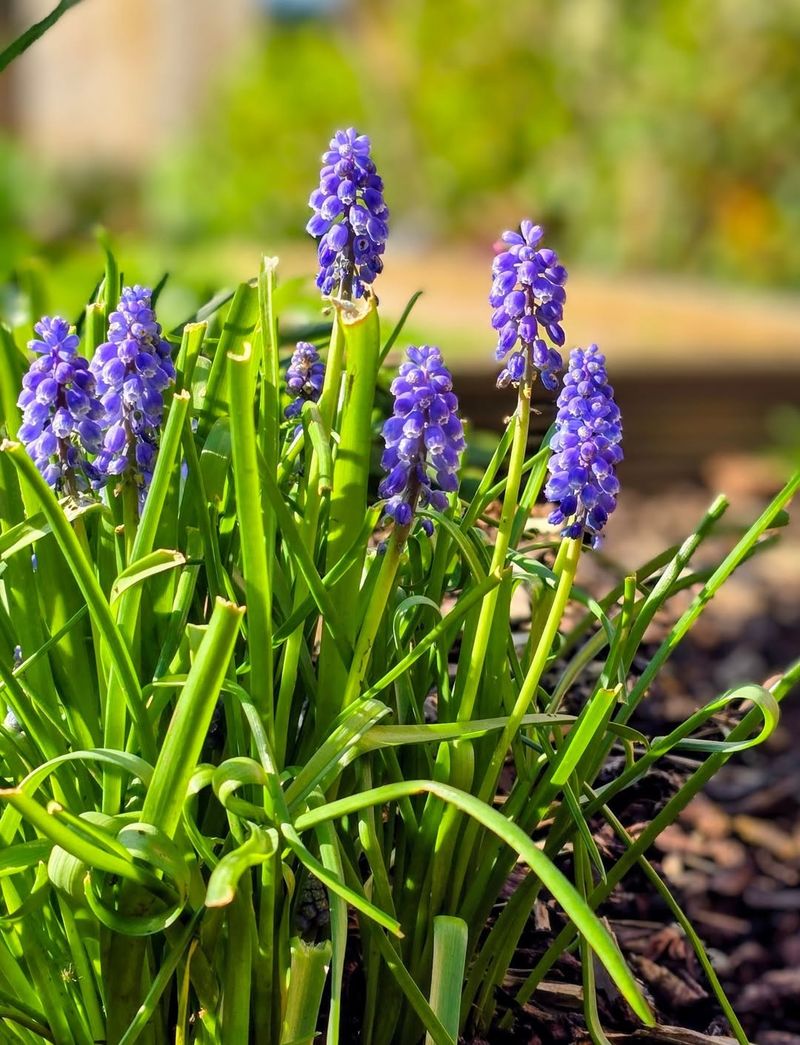
Grape hyacinths are the kind of bulb that looks like it belongs on a magazine cover.
Their tight clusters of tiny, deep blue or purple flowers really do resemble upside-down bunches of grapes, and they add rich, jewel-toned color to spring gardens across North Carolina with almost zero effort from the gardener.
Plant a handful in fall, and watch them take over beautifully. Muscari spp. bulbs are small, so plant them about three inches deep and two to three inches apart. They perform best in full sun to partial shade and prefer soil that drains well.
Raised beds, borders, and slopes all work wonderfully because water moves through those spots freely, keeping bulbs healthy through wet North Carolina winters without waterlogging them.
One of the most charming things about grape hyacinths is how eagerly they spread.
Bulbs divide underground each year, and the plants also self-seed, which means a small original planting gradually becomes a flowing river of blue and purple through your garden.
Many gardeners pair them with daffodils or tulips for a color combination that looks professionally designed but requires no extra planning.
After blooming in early spring, the foliage of Muscari fades quickly and cleanly, making them easy to tuck between other plants without creating a mess.
A light application of balanced bulb fertilizer in fall gives them a nutritional head start for the next season.
Year after year, grape hyacinth patches in North Carolina grow denser, more colorful, and more impressive, delivering reliable beauty that multiplies all on its own without any extra work from you.
7. Fritillaria
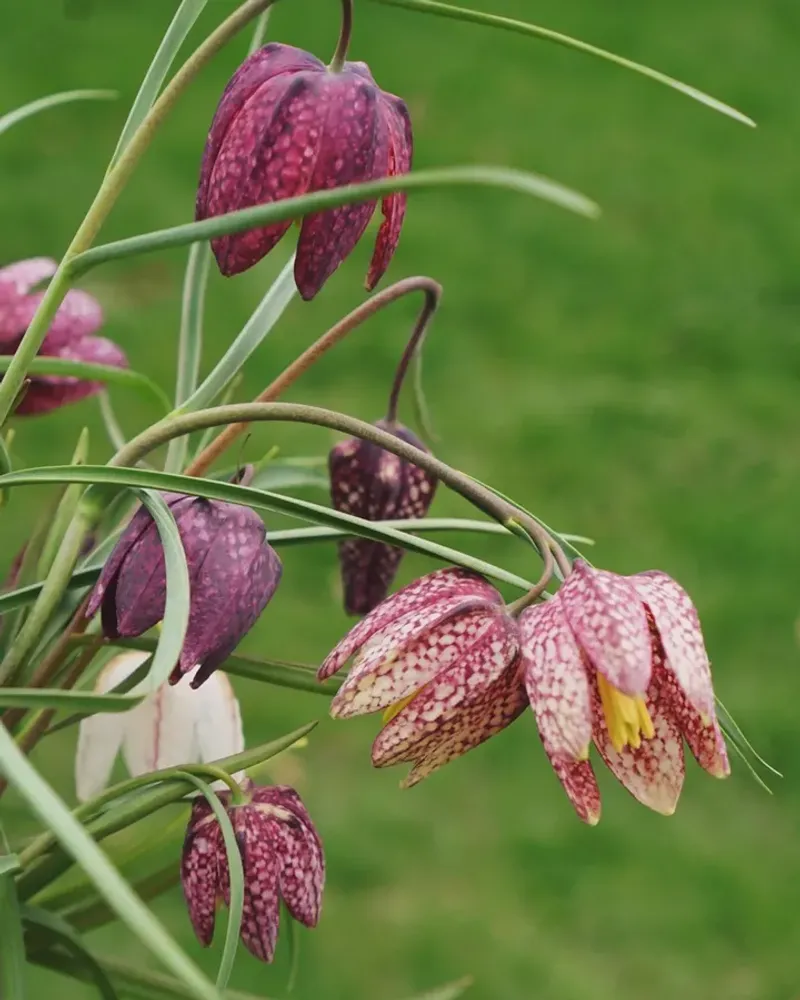
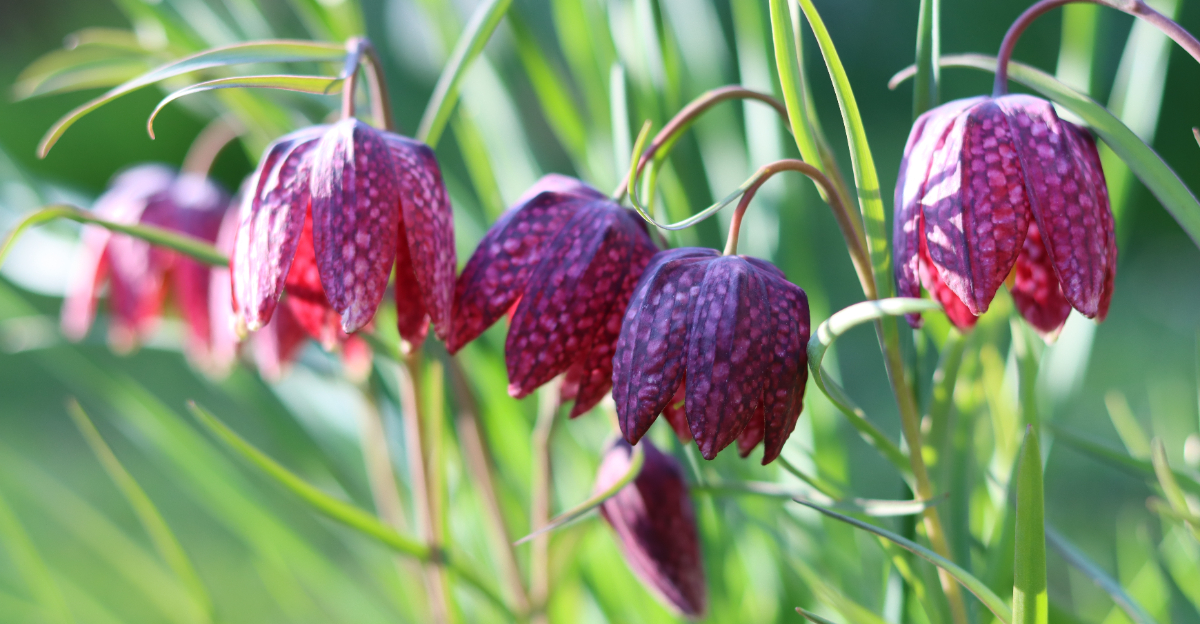
Fritillaria is the bulb that makes visitors stop and stare. Its nodding, bell-shaped flowers come in striking patterns.
Including the famous checkerboard design of Fritillaria meleagris, and they bring a level of sophistication to spring gardens that few other bulbs can match.
North Carolina gardeners who discover fritillaria rarely go back to planting without it.
Plant fritillaria bulbs in the fall, placing them about four inches deep and six inches apart. They prefer a spot with full sun to light shade and soil that drains exceptionally well.
Because fritillaria bulbs have a hollow center, they can rot quickly in soggy conditions. Planting them on a slight angle, almost sideways, helps prevent water from sitting in that hollow and causing problems during wet winters.
Soil amendment is especially important for fritillaria success in North Carolina. Working compost and coarse grit into heavy clay soil improves both drainage and aeration, creating the loose, crumbly texture these bulbs love.
A two-inch mulch layer after planting moderates soil temperature and keeps moisture levels consistent without allowing saturation around the bulb itself.
Patience pays off enormously with fritillaria. During the first year, plants may produce modest blooms as bulbs settle into their new home.
By year two and three, flowering becomes more robust, and bulbs begin producing offsets that slowly increase the size of your planting.
Deer and rodents typically avoid fritillaria because of its distinctive scent, which is another practical bonus.
With good drainage and a sunny spot, fritillaria returns each spring with more bells and more drama than the year before.
8. Anemone
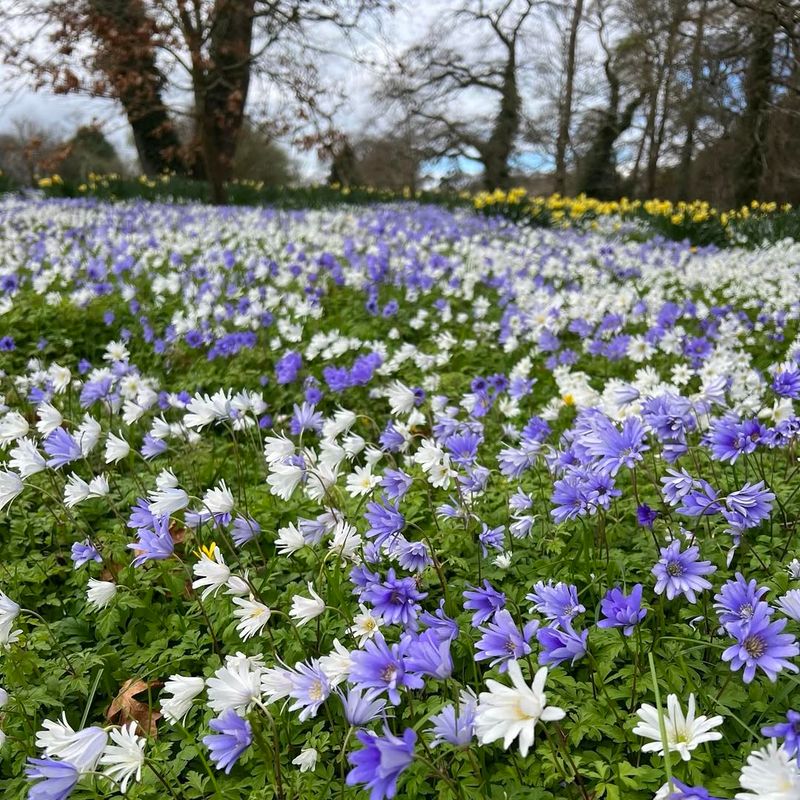
Anemone blanda is a little bulb with a surprisingly big personality. Its daisy-like flowers open wide in shades of blue, pink, and white, creating a cheerful carpet of color in early spring when most of the garden is still waking up.
For North Carolina gardeners, this tuberous perennial is a wonderful discovery because it spreads naturally and comes back fuller every single year.
Before planting, soak the small, irregular tubers in warm water for a few hours to rehydrate them. This simple step dramatically improves establishment and early growth.
Plant them about two to three inches deep and four inches apart in fall, ideally in a sunny to partly shaded location with well-drained, loamy soil. Spots that receive morning sun and afternoon shade tend to extend the bloom period nicely.
Anemone blanda thrives under deciduous trees and shrubs, where it gets bright light in spring before the canopy leafs out. This makes it an excellent choice for naturalistic woodland-edge plantings, which are common in North Carolina landscapes.
Over time, tubers multiply and self-seed, gradually spreading outward and filling in open areas with a relaxed, natural-looking display that requires no intervention from the gardener.
Consistent moisture during the growing season helps tubers develop and store energy for the following year.
Once established, these plants are remarkably tough and adapt well to the variable spring weather common across the Piedmont and coastal plain regions of North Carolina.
A light layer of mulch protects tubers through cold spells and retains soil moisture. Give Anemone blanda a good start, and it will reward you with more blooms, more spread, and more color every spring for years to come.