The Georgia Native Azalea That Keeps Blooming Through August
Most spring-blooming shrubs are finished long before August arrives. Garden color often starts fading just when the hottest weeks settle in.
One native azalea breaks that pattern. It waits until late summer to put on its show while many other flowering shrubs have already stopped.
That makes it an easy favorite for gardeners who want color when landscapes usually look tired. The timing alone helps it stand out.
Its bright blooms also attract pollinators looking for one more reliable nectar source. Few native shrubs flower this late in the season.
If your garden feels dull by August, this plant offers something different. It proves the growing season is far from over.
Once you see it in bloom, you’ll understand why it deserves a place in more Georgia landscapes.
1. Plumleaf Azalea Is The Shrub Blooming In Late Summer
Most shrubs give up by July. Not the Plumleaf Azalea.
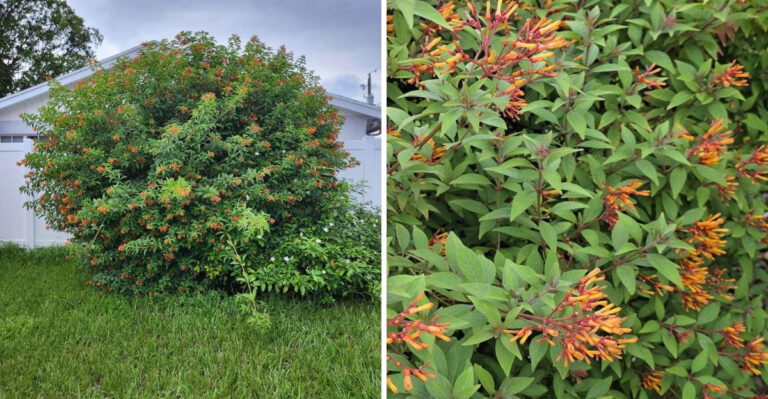
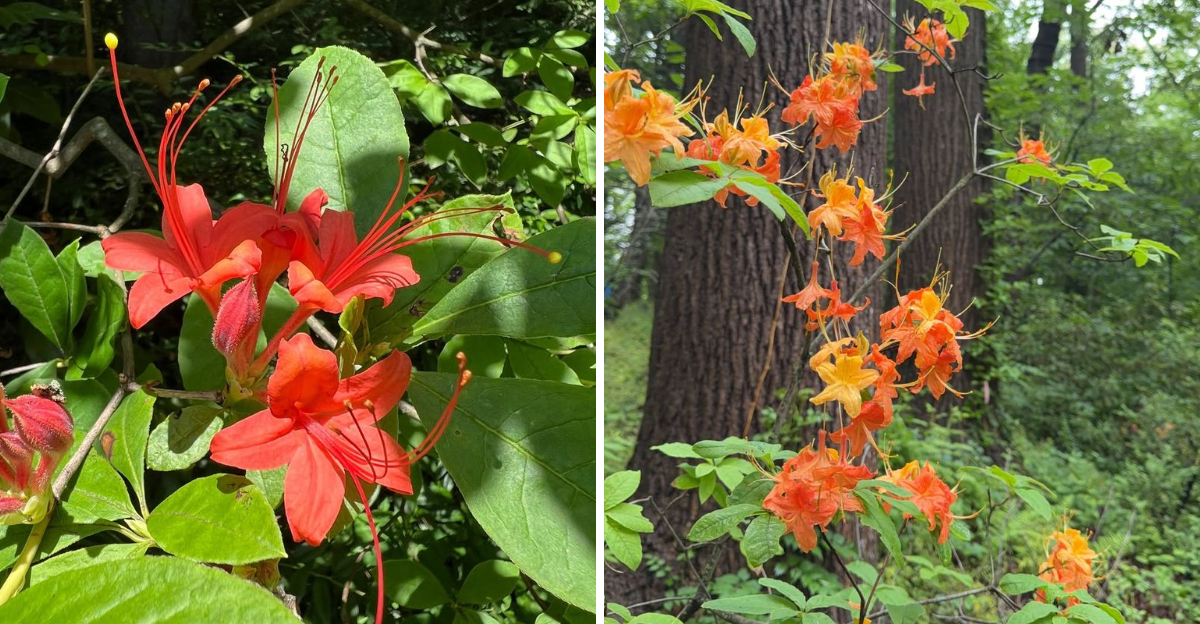
Known botanically as Rhododendron prunifolium, this native shrub blooms from July through August. Few flowering plants can match that timing.
It fills a real gap in the summer garden when color is hard to come by.
Native to a small region along the Georgia-Alabama border, this azalea grows naturally in moist woodland areas. It can reach six to eight feet tall over time.
Some mature plants grow even taller under ideal conditions.
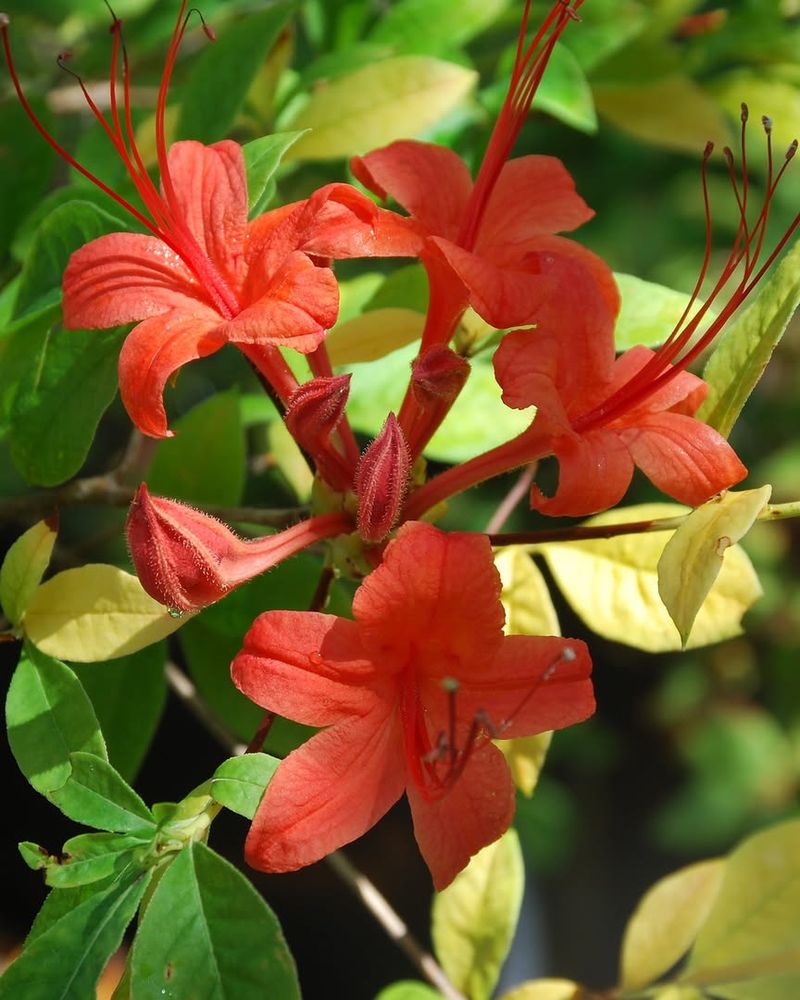
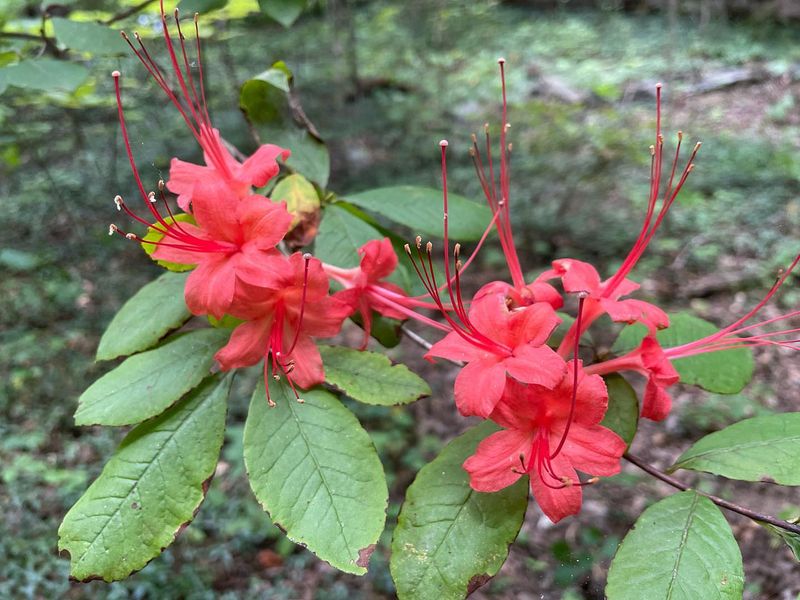
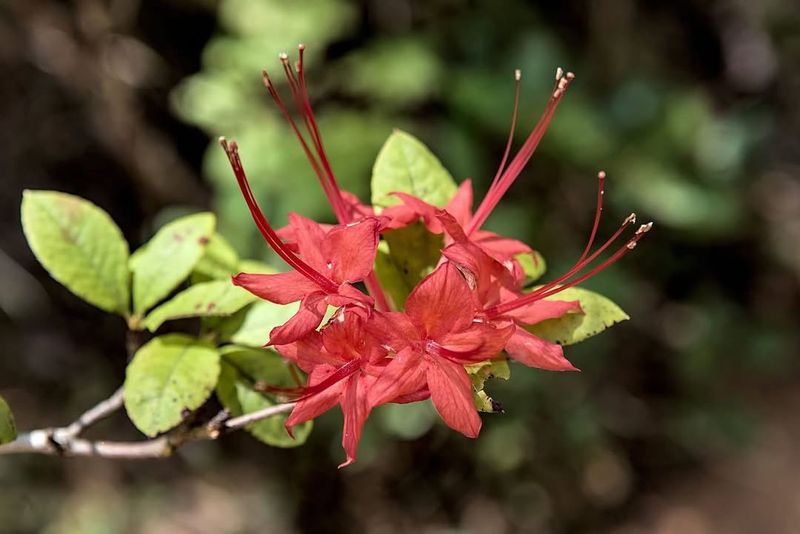
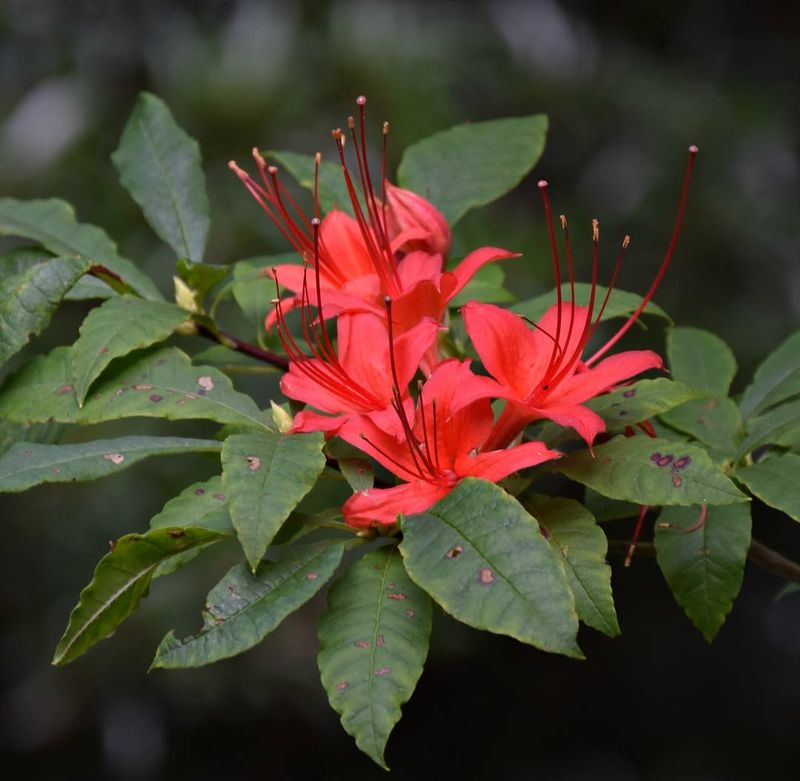
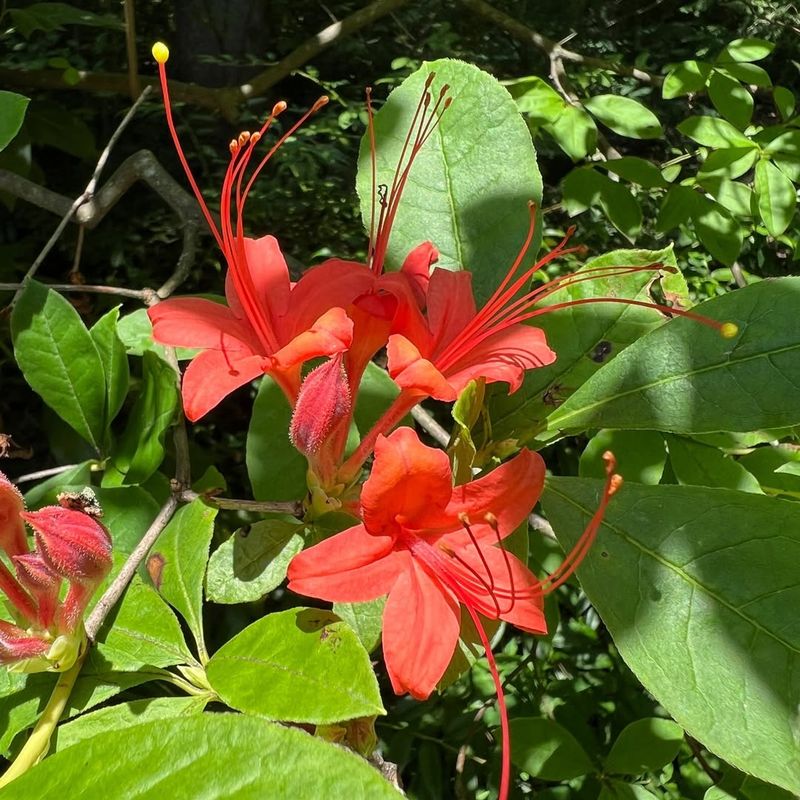
Unlike spring azaleas that fade fast, Plumleaf blooms hold on for several weeks. The tubular flowers cluster at branch tips.
They range from soft orange to deep red-orange depending on the individual plant.
Gardeners in the Southeast have slowly discovered this shrub over the past few decades. Nurseries in Georgia now carry it more regularly than they used to.
Demand has picked up as more people look for native plants that perform well in summer heat.
One thing worth knowing is that this plant is not a fast grower. Patience is part of the deal.
But once established, it rewards you with reliable late-season blooms that most other shrubs simply cannot offer.
2. Morning Sun Produces The Best Flower Display
Sunlight placement can make or break how well this azalea performs.
Morning sun with afternoon shade is the sweet spot for Plumleaf Azalea. Direct afternoon sun in July and August is intense.
It can stress the plant and reduce bloom quality over time.
East-facing garden spots work well. A location near tall pines or hardwoods that block afternoon rays is even better.
Natural filtered light mimics the woodland edges where this shrub grows wild.
Too much shade, though, leads to weak flowering. Plants tucked deep in a shaded yard may produce only a handful of blooms.
A balance of four to six hours of morning light tends to give the strongest results in most home gardens.
Observing your yard through the day before planting helps a lot. Notice where the sun hits hardest around midday and where shade naturally falls.
Choosing the right spot from the start saves a lot of adjustment later.
Container-grown plants can be moved to test light conditions before committing to a permanent spot.
Your Georgia Garden Changes Every Week. Your Plan Should Too.
Gardening in Georgia changes quickly throughout the season. Every Friday you’ll receive a simple weekly plan showing exactly what to plant, prune, fertilize, harvest, and protect so you never miss the right timing.
Once you find a location that gets good morning exposure without harsh afternoon heat, the plant tends to settle in well and build toward a strong bloom cycle year after year.
3. Well Drained Acidic Soil Supports Healthy Growth
Soil type is one of the biggest factors in whether this shrub thrives or just survives.
Plumleaf Azalea needs acidic soil, ideally with a pH between 4.5 and 6.0. Neutral or alkaline soil causes nutrient problems.
Leaves may turn yellow and blooms can become sparse when pH is off.
A simple soil test from a local extension office or garden center gives you accurate numbers. Testing before planting saves time and avoids guesswork.
Adjustments are easier to make before the plant goes in the ground.
Drainage matters just as much as pH. Wet, compacted soil around the roots causes problems over time.
Raised beds or sloped planting areas naturally improve drainage in heavy clay soils common across parts of the Southeast.
Working in organic matter like composted pine bark or leaf mold improves both drainage and acidity. Avoid adding too much at once.
Gradual improvement over a season or two tends to produce better long-term results than a single heavy amendment.
Sulfur can be used to lower pH in overly neutral soils, but it works slowly. Plan ahead if you know your soil needs adjustment.
A well-prepared planting bed gives the Plumleaf Azalea the foundation it needs to grow steadily and bloom reliably each summer.
4. Regular Watering Extends The Flowering Season
Water stress in July can cut the bloom period short before it really gets going.
Plumleaf Azalea blooms through some of the hottest weeks of summer. Consistent moisture during that stretch helps flowers last longer.
Irregular watering during bloom time can cause buds to drop before they fully open.
Newly planted shrubs need more attention than established ones. Watering deeply two to three times per week during dry stretches gives roots a chance to grow downward.
Shallow, frequent watering tends to keep roots near the surface where they dry out faster.
Established plants handle short dry spells better, but they still benefit from supplemental watering during extended heat.
Checking soil moisture a few inches below the surface gives a more accurate reading than going by surface appearance alone.
Drip irrigation or soaker hoses work well for this shrub. Keeping water off the foliage reduces the chance of fungal issues during humid summer months.
Morning watering, when used, gives leaves time to dry before nightfall.
Rainfall patterns vary across the region from year to year. Keeping track of weekly rainfall totals helps you decide when to water and when to hold off.
A simple rain gauge is a practical tool that takes the guesswork out of summer watering decisions.
5. Pine Bark Mulch Keeps Roots Cooler
Ground temperature in August can climb high enough to stress shallow-rooted shrubs.
Plumleaf Azalea has a fibrous, shallow root system. Mulch acts as insulation, keeping soil temperatures more stable during summer heat spikes.
A two-to-three-inch layer of pine bark mulch around the base makes a noticeable difference.
Pine bark is a natural fit for this plant. It breaks down slowly and adds mild acidity to the soil over time.
That gradual pH contribution lines up well with what this azalea prefers.
Avoid piling mulch directly against the main stem. Keeping a few inches of clearance around the base allows air circulation and reduces moisture buildup near the crown.
Mulch packed tight against stems can create conditions that weaken the plant over time.
Refreshing mulch once a year, typically in spring, keeps the layer effective. Old mulch compacts and loses its insulating quality.
Fresh material restores both the moisture-retention and temperature-buffering benefits.
Leaves from nearby trees can also be used as a natural mulch layer. Oak leaves are slightly acidic and work well around acid-loving plants.
Shredding them first speeds up decomposition and keeps them from matting into a layer that blocks water from reaching the roots below.
6. Prune Right After Flowering Ends
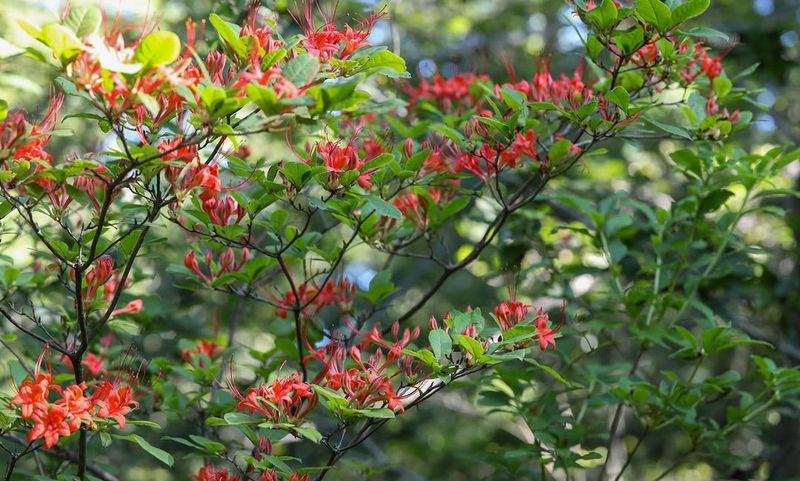
Timing a prune on this shrub is straightforward once you know the rule.
Cut back Plumleaf Azalea shortly after the flowers fade in late August or early September. Pruning at this point lets the plant recover and set next year’s buds before cold weather arrives.
Waiting too long into fall risks removing the growth that will carry next summer’s blooms.
Light shaping is usually all that is needed. Removing crossing branches or overly long stems keeps the plant tidy without stressing it.
Heavy pruning is rarely necessary for this species under normal conditions.
Use clean, sharp pruners. Ragged cuts heal more slowly and can invite problems.
Wiping blades with a clean cloth between plants is a simple habit that reduces the chance of spreading anything between shrubs.
Avoid pruning in late spring or early summer. Buds for the current season are already developing by then.
Cutting at that stage removes the very growth responsible for the summer flower display.
Young plants benefit from minimal pruning for the first few years. Letting them establish a natural framework before shaping gives a stronger structure long-term.
Once the plant reaches a mature size, annual light trimming after bloom is usually enough to keep it looking its best through each growing season.
7. Bright Orange Flowers Attract Native Pollinators
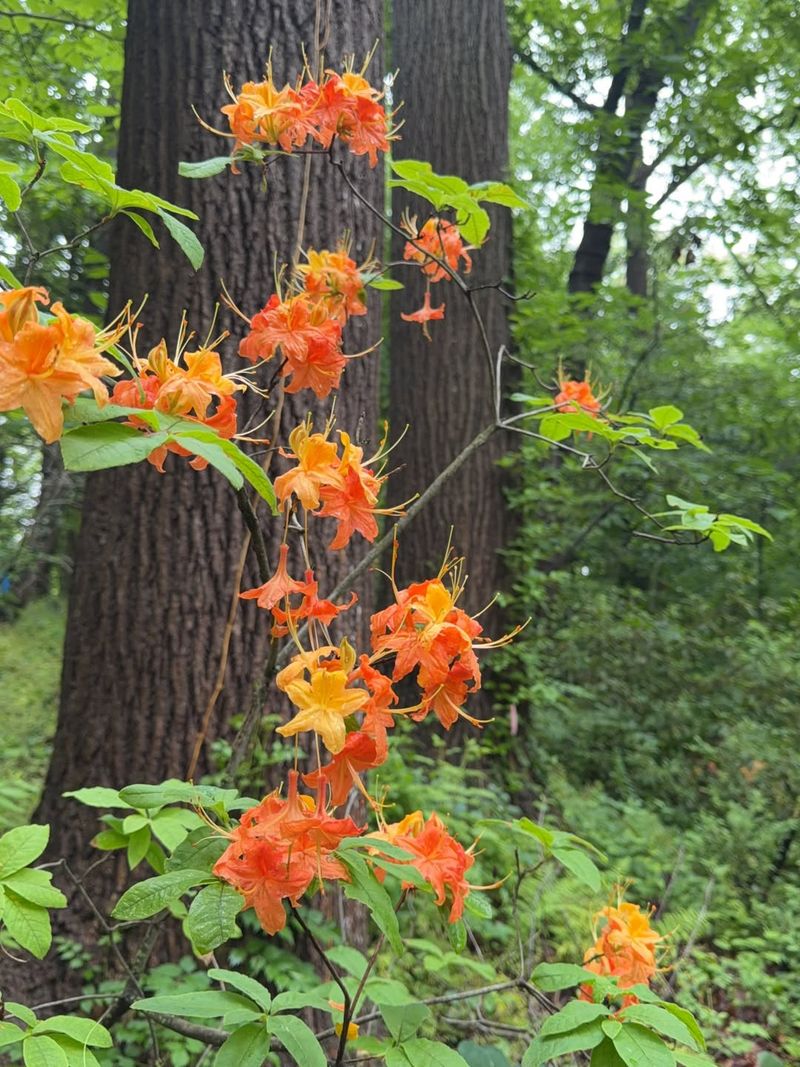
Nothing in the late-summer garden draws hummingbirds quite like a Plumleaf Azalea in full bloom.
The long, tubular orange flowers are shaped for hummingbirds. Ruby-throated hummingbirds are still active in the Southeast through August, and this shrub lines up perfectly with their late-season feeding window.
Planting it near a patio or window gives you a front-row view.
Butterflies also visit the blooms regularly. Swallowtail species are common visitors during peak bloom weeks.
Native bees show interest as well, though the flower shape is better suited to longer-tongued pollinators.
Supporting pollinators in late summer matters more than many gardeners realize. Flower availability drops sharply in July and August across most home landscapes.
A Plumleaf Azalea fills that gap and provides a reliable nectar source when options are limited.
Pairing this shrub with other late-blooming natives strengthens the overall value of your garden for wildlife. Plants like native ironweed, cardinal flower, or Joe-Pye weed bloom around the same time.
Together they create a late-season pollinator corridor that benefits the broader local ecosystem.
Avoiding pesticide use near blooming plants protects the visitors that show up. Even products labeled as safe can affect pollinators under certain conditions.
Letting the natural activity around a blooming Plumleaf Azalea play out without interference is one of the simplest ways to support local wildlife.