Never Leave Your Irrigation Running Before Mid-Week Storms Or North Carolina Roots Will Drown
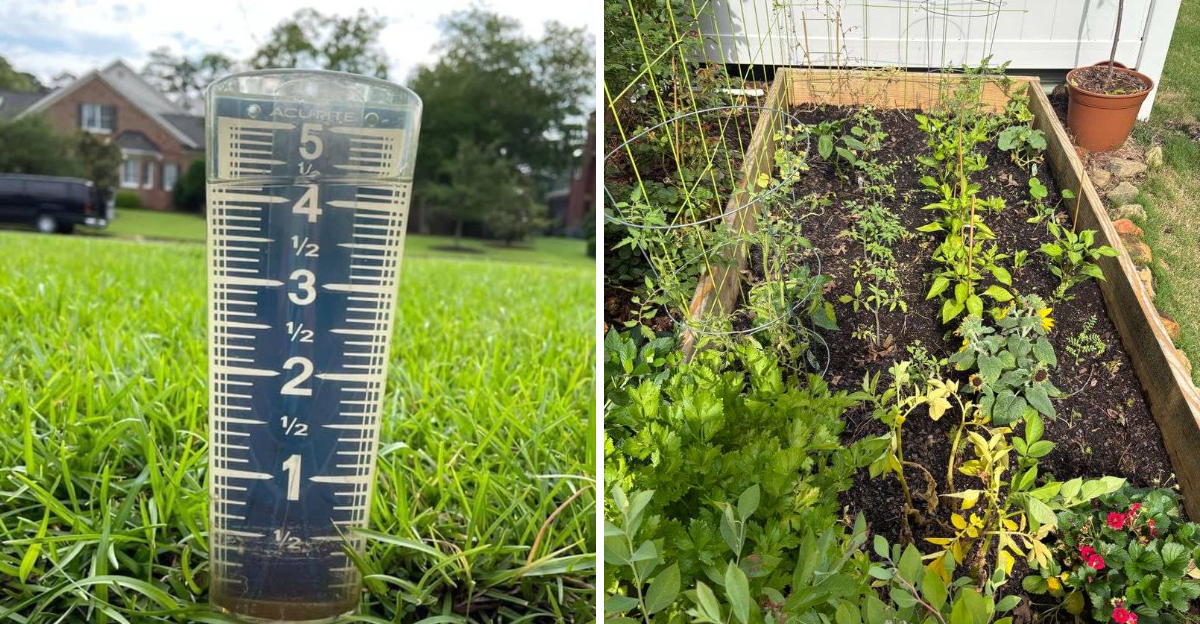
A sprinkler running under storm clouds is not helping the garden.
It may feel responsible to keep the irrigation schedule steady, especially during a hot North Carolina summer. But when sprinklers run right before a heavy rain, the soil can become overloaded with water before roots have a chance to breathe.
That creates trouble underground.
Roots need both moisture and oxygen. When soil stays saturated, the tiny air pockets around roots fill with water, and plants can no longer take up nutrients and moisture the way they should.
The leaves may wilt, yellow, or soften, even though the ground is already wet.
That is where many gardeners make the problem worse. They see drooping leaves, assume the plant needs more water, and run another cycle.
So what should North Carolina gardeners do before mid-week storms?
Pause the irrigation, measure the rain, check the soil below the surface, and restart watering only when the root zone actually needs it.
1. Saturated Soil Pushes Out Air
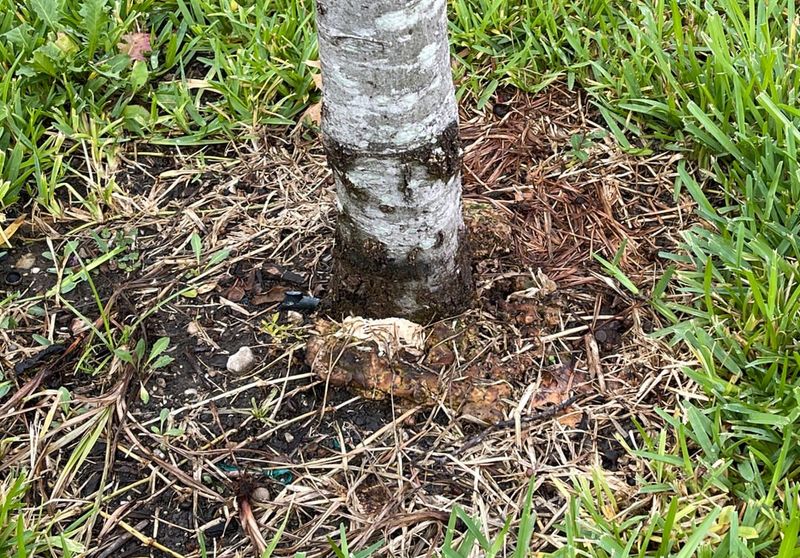
Soil needs space for both water and air.
Healthy garden soil is not solid from top to bottom. It contains tiny pore spaces between mineral particles, compost, roots, and organic matter. Those spaces hold the air and water roots depend on.
Too much water fills those pores. When irrigation runs before a storm, rain lands on soil that may already be near capacity. The extra water pushes air out of the root zone.
That saturation can happen quickly. Compacted soil, low spots, clay-heavy beds, and poorly sloped yards can all hold water longer after back-to-back watering.
A short wet period is not always a problem. Many soils can drain after a single storm, especially when the bed has good structure and the yard has enough slope.
Prolonged wetness is the concern. Soil that stays soggy for days leaves roots with less oxygen and less ability to function normally.
The plant may look thirsty above ground. Yellowing leaves, drooping stems, and soft growth can appear even when the soil is wet.
Check before adding more water. Press a finger into the soil near the root zone. Water squeezing up or soil that feels slick and heavy means the bed needs time, not another irrigation cycle.
The sprinkler may feel useful.
But saturated soil is already telling you to stop.
2. Roots Need Oxygen Underground
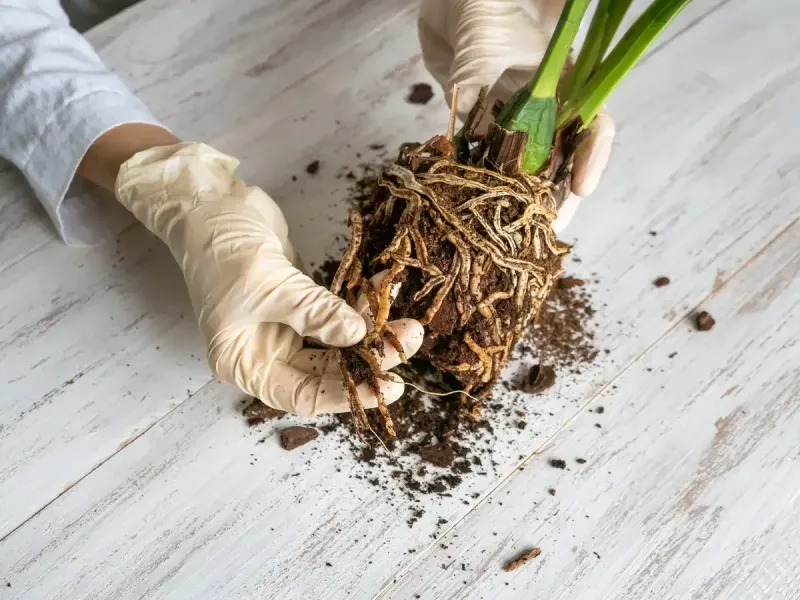
Roots are not just drinking straws.
They are living, active parts of the plant that need oxygen to grow, absorb nutrients, and move water upward. A wet root zone with no air slows that whole process down.
Fine roots suffer first. The tiny feeder roots that absorb most moisture and nutrients are especially sensitive to soggy soil.
Damage starts before leaves show it. By the time foliage looks pale, limp, or weak, the root zone may already be stressed.
Wet-soil wilt is confusing. A plant can droop in saturated soil because the roots cannot move water properly, not because the soil is dry.
More water makes that worse. Adding irrigation to already wet soil reduces oxygen even further and keeps roots trapped in poor conditions.
Your North Carolina Garden Changes Every Week. Your Plan Should Too.
Gardening in North Carolina changes quickly throughout the season. Every Friday you’ll receive a simple weekly plan showing exactly what to plant, prune, fertilize, harvest, and protect so you never miss the right timing.
Nutrient uptake slows too. Nitrogen, phosphorus, potassium, and other nutrients do not help much when the roots cannot absorb them efficiently.
Storm stress adds pressure. Heavy rain, wind, and humid weather can already challenge plants, so a waterlogged root zone makes recovery harder.
Look below the surface. The top inch of soil may not show the full story. The root zone several inches down is what matters most.
Roots need moisture, but they also need air.
A good watering plan protects both.
3. Storm Rain Adds More Than Enough
A storm icon does not tell the whole story.
North Carolina thunderstorms can be wildly uneven. One yard may get a soaking rain while another a mile away only gets a quick shower.
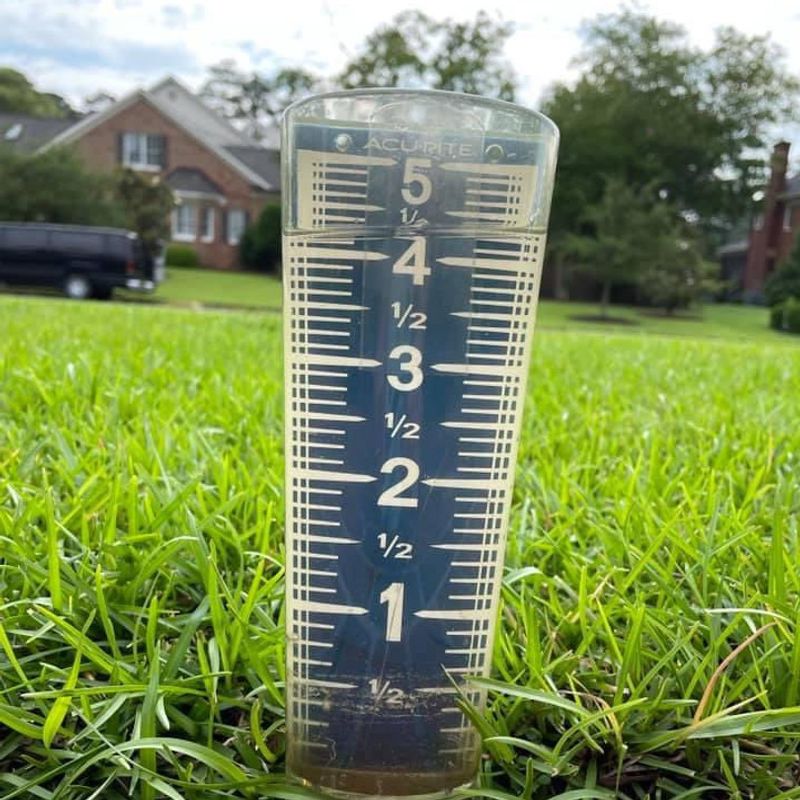
Measure what actually falls. A simple rain gauge gives better information than guessing from the forecast or looking at wet pavement.
Place the gauge in the open. Keep it away from trees, rooflines, gutters, and walls so it catches rainfall honestly.
Most established plants do not need constant irrigation. Many landscape plants can manage on about an inch of water per week during the growing season, counting rain and irrigation together.
A full inch changes the schedule. When a storm delivers enough rainfall, the next irrigation cycle should usually stay off until the soil begins drying again.
A light shower may not be enough. A quarter inch of rain can wet the surface without reaching deeper roots, especially in dry or mulched beds.
Check after the storm. Rainfall totals, soil moisture, and plant type should decide the next watering, not the old timer setting.
Pause before the rain arrives. Skipping one scheduled cycle before a strong forecast protects the soil from starting the storm already soaked.
A rain gauge turns storm season from guesswork into a plan.
That small tool can save a lot of roots from summer stress.
4. Wet Beds Invite Root Rot
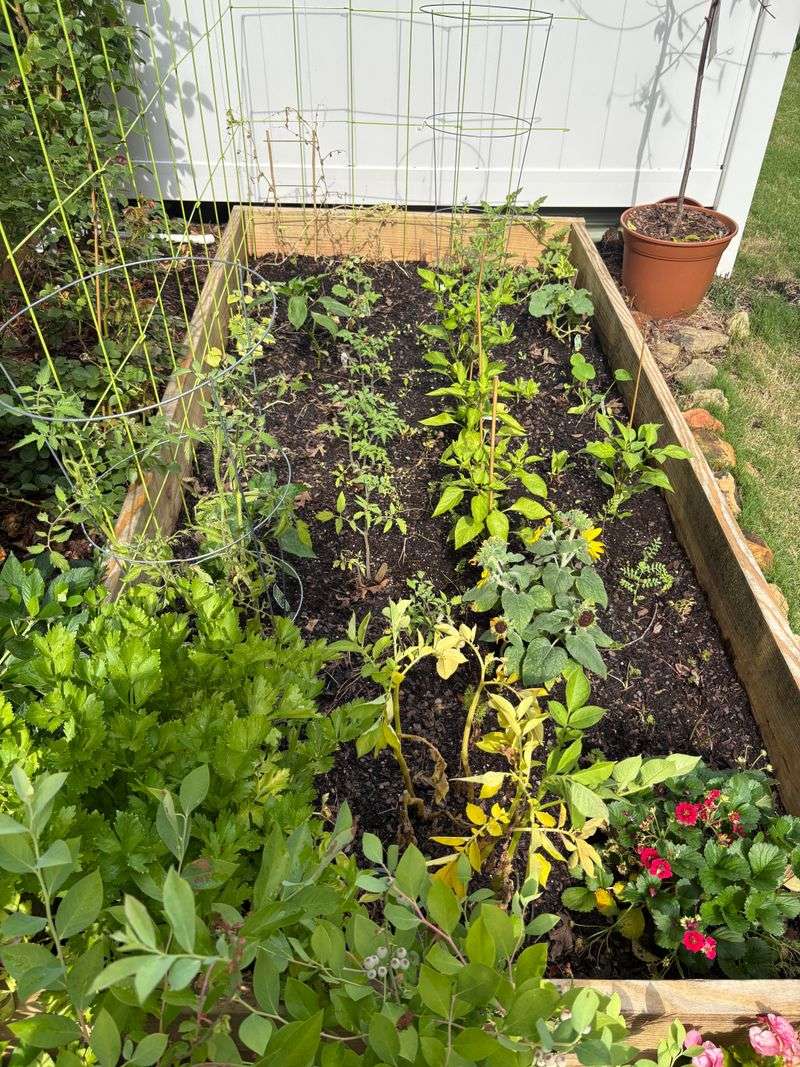
Soggy beds create the conditions many root diseases prefer.
Common soil organisms that affect roots often become more active when soil stays wet, warm, and low in oxygen. That combination is easy to create when irrigation and storms overlap.
Popular plants can struggle. Tomatoes, peppers, petunias, impatiens, young shrubs, and many bedding plants are more vulnerable when their roots sit in wet soil too long.
Drainage decides the risk. A raised bed that drains well may recover quickly after rain, while a low clay bed may stay saturated for days.
Mulch needs space around stems. Mulch is useful, but wet mulch packed against plant bases can hold moisture where stems are most sensitive.
Clean up tired plant debris. Old leaves, spent stems, and diseased plant material can keep problems lingering in the bed during humid weather.
Avoid working wet soil. Boots, tools, and hands can move soil around while the bed is vulnerable, and wet soil compacts more easily.
Do not rely on sprays first. Better drainage, careful irrigation timing, and cleaner bed maintenance are stronger long-term protections than treating after roots are already stressed.
Watch for patterns. One soggy corner with repeated plant trouble is likely a site problem, not bad luck.
The best protection starts before symptoms show.
Keep beds from staying wet longer than they should.
5. Clay Soil Drains Too Slowly
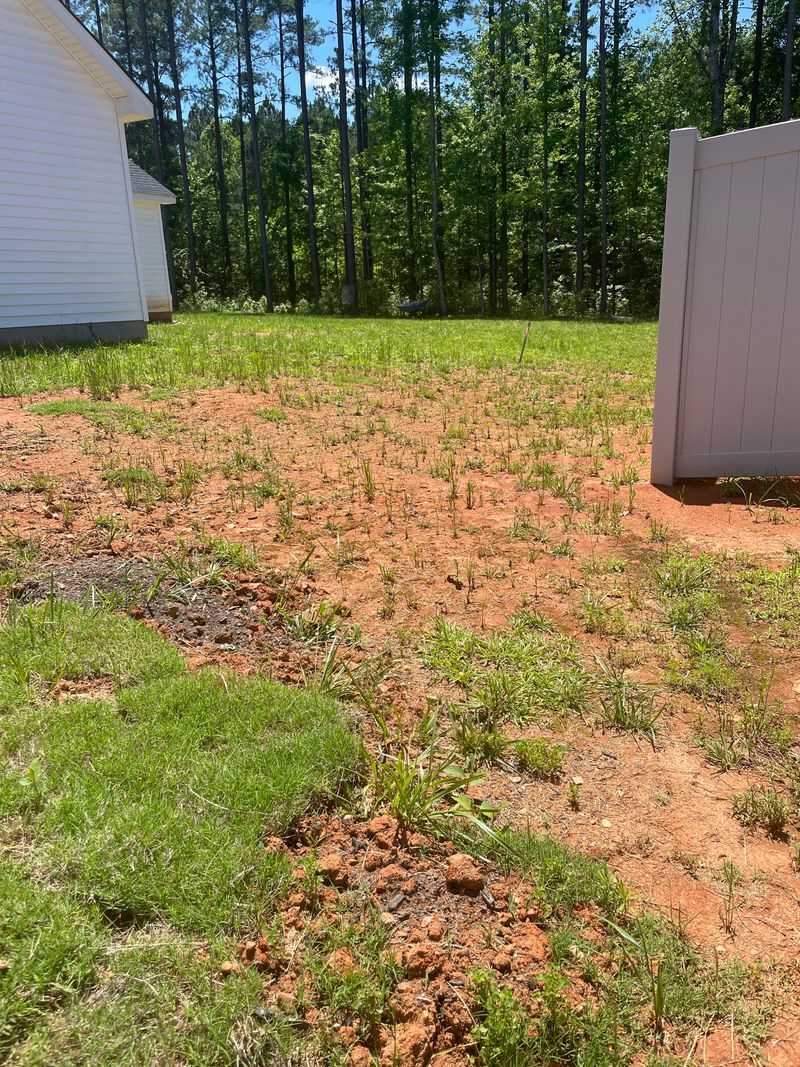
North Carolina clay needs extra caution before storms.
In much of the Piedmont, red clay holds water differently than loose sandy soil. Its tiny particles pack close together, leaving fewer open spaces for water and air to move.
Once wet, clay stays wet. A storm after irrigation can leave the root zone heavy and slow to drain, even after the surface begins looking normal.
Compaction makes it worse. Foot traffic, mowing equipment, construction work, and repeated digging can press clay into dense layers that shed or trap water.
Low spots collect the problem. A flat or sunken area in clay soil may stay soggy long after the rest of the yard has drained.
Slope changes everything. A gentle slope may move water away faster, while a level clay bed can hold moisture around roots for too long.
Do not dig wet clay. Working it while saturated damages the structure and can make drainage even slower later.
Build soil gradually. Compost, leaf mold, mulch, and living roots help improve clay over time, but there is no instant fix.
Water clay slowly and less often. Deep, careful watering works better than frequent shallow cycles, especially when storms are in the forecast.
Clay soil can grow beautiful gardens.
It just needs gardeners who know when to leave the irrigation off.
6. Containers Fill Faster Than Beds
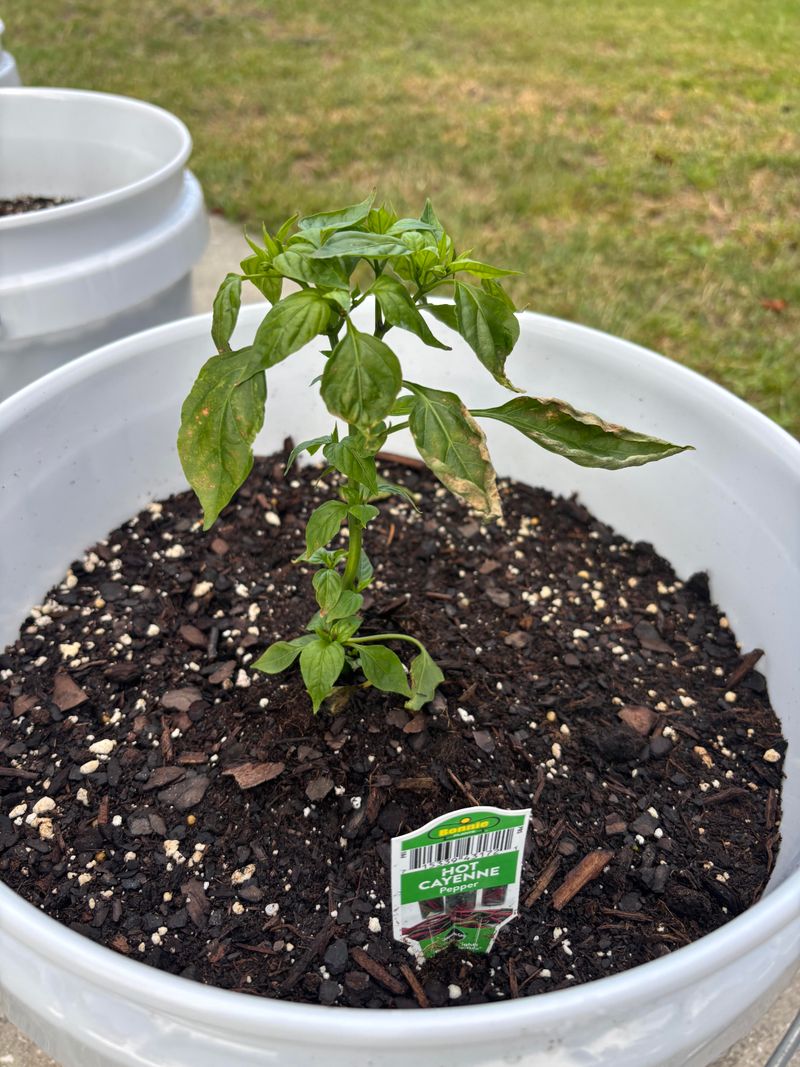
Pots can become too wet in minutes.
A container has limited soil volume, so a heavy rain fills the root zone quickly. Add irrigation before that storm, and the pot may stay soaked much longer than the plant can handle.
Drainage holes must stay open. Roots, compacted mix, leaves, and debris can block the exit and turn a planter into a water bowl.
Check holes before stormy weeks. Push a pencil, chopstick, or small stick gently through the drainage openings to make sure water can escape.
Saucers can trap water. A pot with drainage still has trouble when it sits in a full saucer after rain.
Empty saucers after storms. Standing water can wick back into the pot and keep roots too wet overnight.
Decorative outer pots need caution. A nursery pot tucked inside a pretty cachepot may drain into a container with no exit.
Potting mix breaks down over time. Old mix can compact, drain unevenly, and hold water in dense pockets around the roots.
Lift the pot to judge moisture. A container that still feels unusually heavy after rain does not need more water.
Containers react faster than garden beds.
That means they also need faster checks after storms pass.
7. Forecasts Should Guide Timers
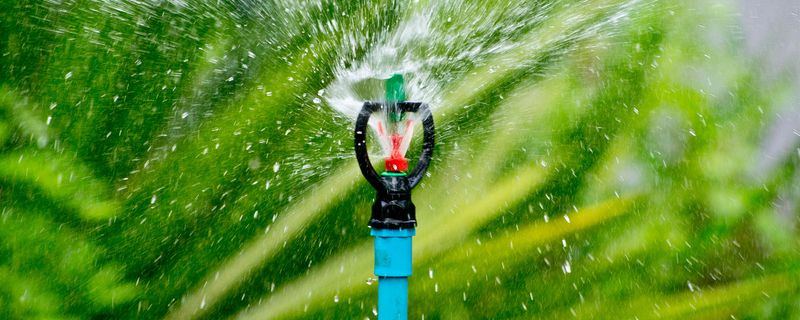
Automatic timers are helpful until the weather changes.
A controller set to run every Tuesday morning does not know a storm may arrive Tuesday afternoon. Without adjustment, it can water soil that rain was already about to soak.
Use the forecast as a trigger. A predicted heavy storm is a good reason to skip the next scheduled cycle before it runs.
Smart controllers can help. Weather-based systems adjust irrigation based on rain, temperature, and local conditions, which reduces overwatering during unpredictable weeks.
Rain sensors add protection. A basic sensor can shut the system off after enough rain falls, preventing sprinklers from running during or right after a storm.
Manual pauses still work. Walking to the controller and skipping one cycle is free, fast, and often the best choice before mid-week rain.
Do not restart automatically. A storm may deliver enough water for several days, especially in clay soil or shaded beds.
Use the rain gauge after the storm. Measured rainfall tells you whether the garden needs irrigation later in the week.
Match zones to plants. Lawns, shrubs, annuals, vegetables, and containers do not dry at the same rate.
The timer should not be in charge all summer.
Your forecast, rain gauge, and soil check should be.
8. Resume Water Only After Checking
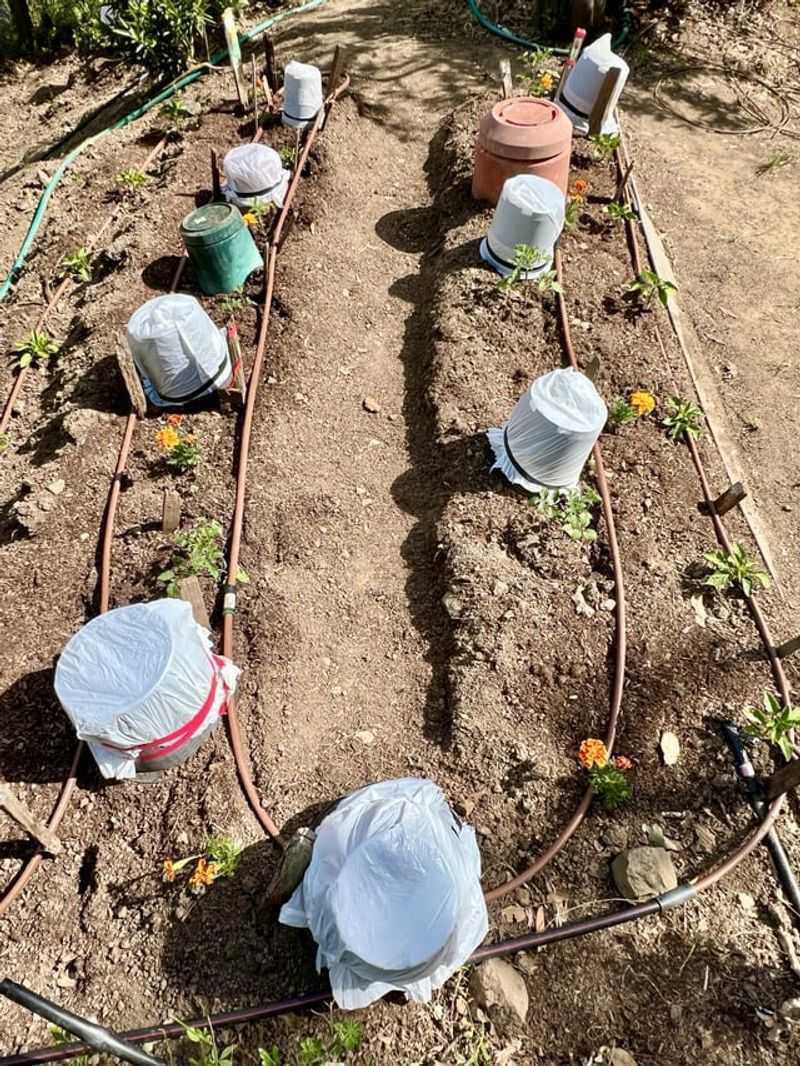
The garden schedule does not need to restart the next morning.
After a storm, the soil may hold moisture far longer than the surface suggests. The top layer can dry while deeper roots still sit in wet ground.
Probe below the surface. Push a screwdriver, wooden dowel, or soil probe six to eight inches into the bed, then pull it out and feel it.
Cool damp soil means wait. The root zone still has moisture, so irrigation can stay paused.
Dry soil on the probe means reassess. Some fast-draining beds may need water sooner, especially after a smaller storm.
Check containers separately. Pots may be soaked while nearby beds are already drying, or the reverse may happen depending on size and exposure.
Morning leaves tell part of the story. Firm, upright plants usually have enough moisture. Wilting early in the morning can point to root stress, not simple thirst.
Know the plant’s needs. Lavender, rosemary, ornamental grasses, and many drought-tolerant plants need less post-storm water than hydrangeas, ferns, or young transplants.
Restart slowly. Resume irrigation only where the soil has dried enough, rather than turning every zone back on at once.
The safest watering decision happens after the storm, not before it.
Check first, then water only where the roots are ready.