The Georgia Weed That Keeps Coming Back No Matter How Many Times You Pull It
Nothing tests your patience quite like thinking a job is finally finished, only to find yourself doing it all over again a few days later. That kind of cycle can make even the most enjoyable yard work feel like it never ends.
You pull, clear the area, and expect the problem to be behind you.
Then the same unwanted growth shows up again, almost as if nothing ever changed. After a while, it starts feeling less like bad luck and more like a mystery that refuses to go away.
Plenty of gardeners reach that point and wonder why their efforts never seem to last.
One stubborn weed has earned that reputation for a reason.
Across Georgia, it keeps returning because simply pulling it out is often not enough to stop it for good, leaving many people stuck in the same frustrating cycle.
1. Chamberbitter Spreads By Dropping Seeds
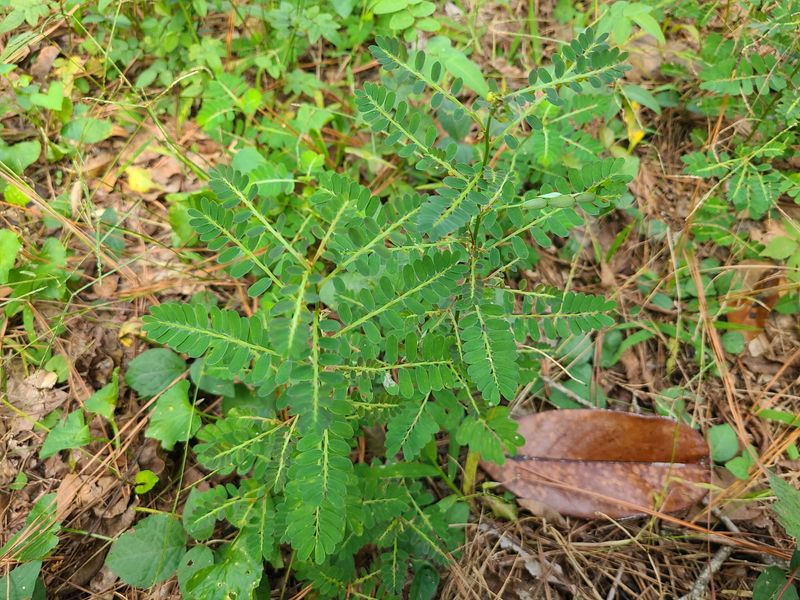
Chamberbitter does not need your help to spread. It handles that entirely on its own, and it does it fast.
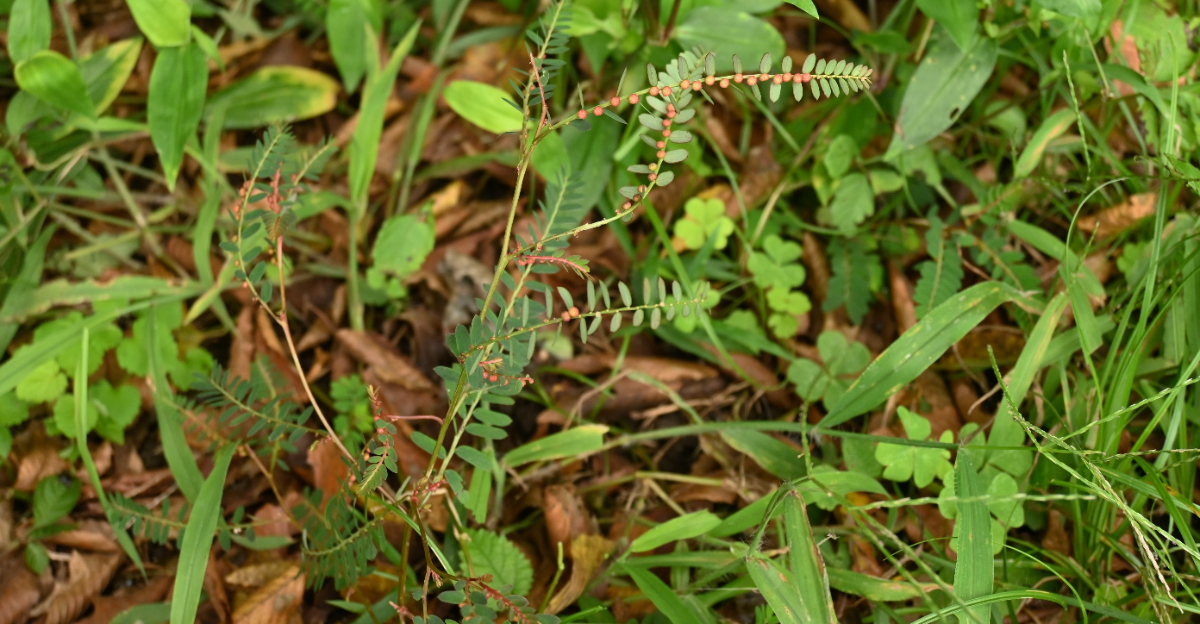
Each plant can produce hundreds of tiny seeds. Those seeds form in small pods lined up neatly under the branches.
When the pods pop open, seeds scatter across a wide area around the plant.
That is why pulling one plant rarely solves the problem. By the time you spot it, seeds have likely already dropped nearby.
New plants will sprout from those seeds within days under warm conditions.
Birds, water runoff, and even foot traffic can carry seeds further across your yard. A single plant near a fence can spread seeds into flower beds, garden rows, and lawn edges without any warning.
Timing matters more than effort here. Pulling chamberbitter before those seed pods form is the most effective approach.
Once seeds drop, you are essentially fighting the next generation, not just the plant in front of you.
Watch for the small bumpy pods forming along the undersides of branches. That is your signal to act immediately.
If those pods look ready to burst, handle the plant carefully so you do not shake seeds loose while removing it.
2. Warm Soil Helps New Plants Keep Appearing
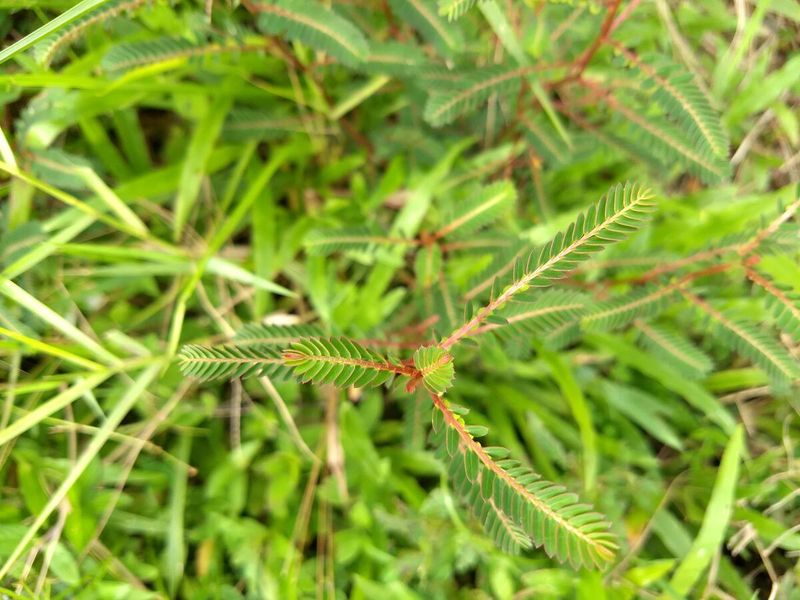
Chamberbitter thrives when the ground is warm. Soil temperatures above 70 degrees Fahrenheit are basically an open invitation for seeds to sprout.
In Georgia, that window starts earlier in spring than most people expect. By late April, conditions are often warm enough for germination to begin.
Seeds that dropped the previous fall sit waiting just below the surface.
What makes this tricky is that germination does not happen all at once. Seeds sprout in waves throughout the warm season.
You pull one batch, and another wave appears two weeks later from seeds that were not quite ready before.
Shaded areas slow germination somewhat, but chamberbitter can still sprout under trees and along fence lines where light is limited. Warm soil temperature matters more than sunlight at the early seedling stage.
Moist soil after rain speeds things up even more. A good summer thunderstorm followed by heat is practically ideal for a new flush of seedlings to emerge across your lawn or garden beds.
Your Georgia Garden Changes Every Week. Your Plan Should Too.
Gardening in Georgia changes quickly throughout the season. Every Friday you’ll receive a simple weekly plan showing exactly what to plant, prune, fertilize, harvest, and protect so you never miss the right timing.
Understanding this pattern helps you plan. Checking the yard after every stretch of warm, wet weather lets you catch new seedlings while they are still tiny and easy to remove.
Waiting even a week or two gives those plants time to root deeper and grow stronger.
3. Pull Young Plants Before They Seed
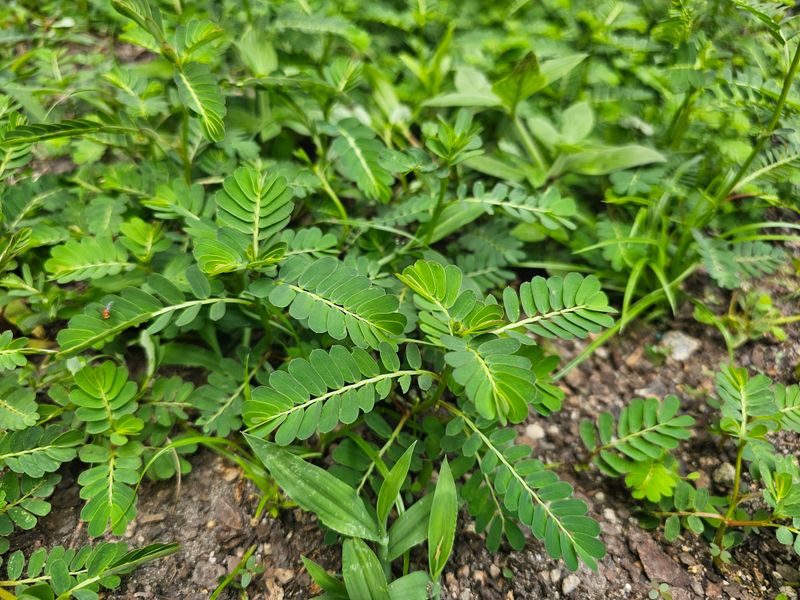
Young chamberbitter plants pull out cleanly. Roots are shallow, the stem snaps easily, and the whole thing comes out in one motion when plants are small.
Wait too long, and that changes fast. Older plants anchor deeper into the soil and resist hand pulling.
More importantly, they may already be carrying seed pods ready to drop at any moment.
Aim to pull plants when they are under three inches tall. At that size, they have not yet developed seed pods, which means removing them actually stops the spread rather than just reducing the visible plant count.
Wet soil after rain makes removal easier. Roots slide out more cleanly when the ground is soft.
Dry, hard soil causes the stem to break above the root, leaving the base behind to regrow.
A hand weeder or narrow garden fork helps when soil is firm. Slide it alongside the stem and loosen the root zone before pulling.
That extra step prevents the frustrating snap-off that leaves roots intact underground.
Bag removed plants right away. Do not toss them in a compost pile or leave them on the soil surface.
Even a freshly pulled plant can still ripen seeds that were already forming on the stem.
4. Cover Bare Soil With Mulch
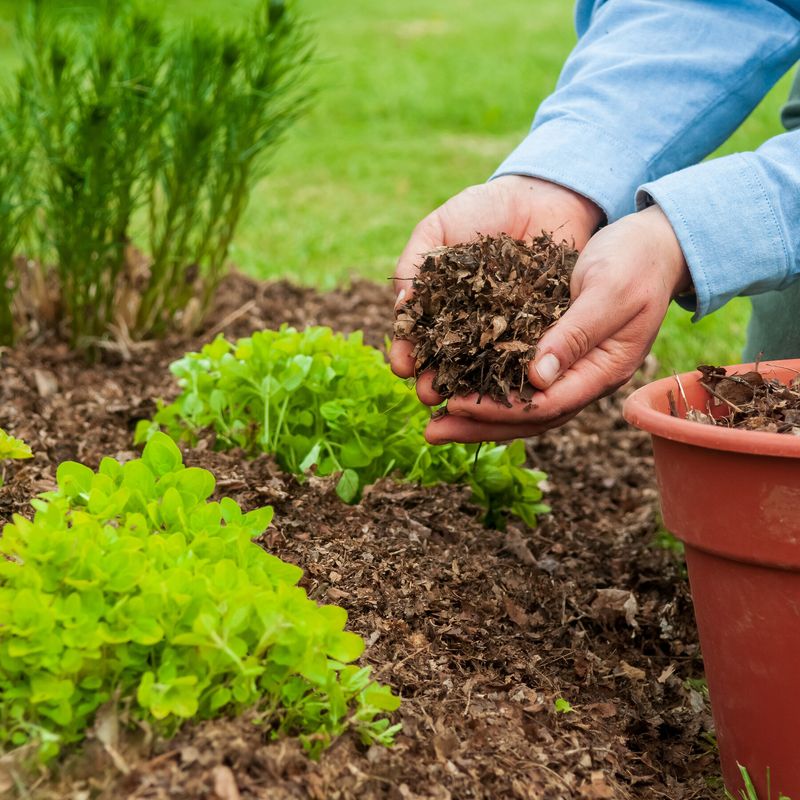
Bare soil is an open invitation for chamberbitter. Seeds need light and contact with soil to germinate, and exposed ground gives them exactly that.
Mulch breaks that cycle. A layer of wood chips, pine straw, or shredded bark blocks light from reaching the soil surface.
Seeds sitting on top of mulch struggle to make root contact and often fail to establish.
Pine straw is especially popular in Georgia gardens and works well for this purpose. A two to three inch layer provides solid coverage without smothering established plants.
Thicker is generally better, but going beyond four inches can cause moisture problems around plant stems.
Refresh mulch at least once a year. Over time it breaks down, thins out, and loses its ability to block light.
Chamberbitter seeds are patient and will exploit any thin spot in the coverage.
Keep mulch pulled slightly back from plant stems and tree trunks. Piling it directly against woody stems traps moisture and can cause rot over time.
A small gap of an inch or two around stems is enough.
Mulch also helps retain soil moisture and regulate temperature, which benefits your garden plants while working against weed germination.
5. Keep Your Lawn Thick And Healthy

A dense lawn crowds out weeds before they ever get started. Chamberbitter struggles to establish in turf that is thick enough to shade the soil surface on its own.
Thin, patchy grass is where the problem usually begins. Bare spots and weak turf create exactly the open conditions chamberbitter seeds need to sprout and take hold.
Fertilizing on schedule helps grass stay competitive. Warm-season grasses like Bermuda and zoysia, which are common across the region, need seasonal feeding to maintain density.
Skipping fertilizer often leads to thinning turf that weeds move into quickly.
Mowing height matters more than most people realize. Cutting grass too short weakens root systems and reduces the canopy that shades weed seeds.
Keeping Bermuda at around one inch and zoysia at one and a half inches generally supports better density without stressing the turf.
Watering deeply but less frequently encourages deeper root growth. Shallow, frequent watering keeps roots near the surface and makes turf less resilient during dry spells.
Deeper roots support thicker, more competitive grass overall.
Overseed bare patches as soon as you notice them. A thin spot left untreated through summer can turn into a chamberbitter cluster by fall.
Patching gaps quickly removes the opportunity before weeds move in.
6. Check The Yard Every Week

Chamberbitter moves fast. A seedling that looks harmless one week can be carrying seed pods the next.
Weekly checks are not overkill. They are genuinely necessary.
Walk the yard with a purpose. Look along fence lines, garden bed edges, and any spot where mulch has thinned out.
Those are the areas where chamberbitter tends to appear first.
Bring a small bucket or bag on each walk. Pulling plants as you find them prevents the common mistake of spotting them and planning to deal with them later.
Later often means seeds have already dropped by the time you get back.
Pay extra attention after summer rain. A warm, wet stretch of weather is almost always followed by a new flush of seedlings across the yard.
Checking within a few days of heavy rain can catch that wave early.
Early morning is a good time to check. Light angles lower in the morning make small seedlings easier to spot against the soil.
Midday glare can wash out visual contrast and make tiny plants harder to notice.
Keep a simple mental map of spots that tend to produce weeds repeatedly. Returning to those areas first during each walk saves time and keeps you focused where the pressure is highest.
7. Use A Pre-Emergent Before Seeds Sprout
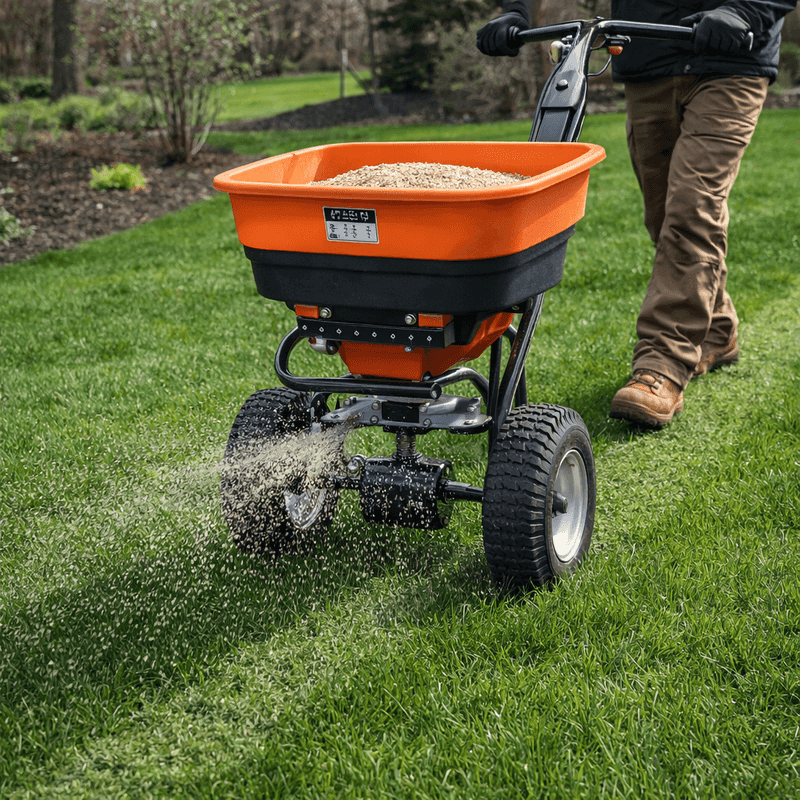
Pre-emergent herbicide works on seeds before they sprout. Applied at the right time, it creates a chemical barrier in the soil that prevents germination without affecting established plants.
Timing is critical. Apply too late and the seeds have already sprouted, making the pre-emergent useless against the current crop.
Apply too early and the product may break down before the main germination window arrives.
In Georgia, the target window for chamberbitter is typically late spring, when soil temperatures are consistently approaching 70 degrees Fahrenheit. Monitoring soil temperature rather than going by calendar date gives more accurate timing.
Granular formulations are common and work well when watered in after application. Rain or irrigation activates the product and moves it into the soil where it forms the germination barrier.
Dry conditions after application reduce effectiveness.
Read product labels carefully. Not every pre-emergent is labeled for use in all turf types or around ornamental plants.
Using the wrong product in a flower bed or vegetable garden can damage plants you want to keep.
A second application around six to eight weeks after the first can extend coverage through the longer warm season typical of this region. Chamberbitter germinates in waves, so a single application may not cover the full risk period.