These Pennsylvania Nurseries Carry Native Edibles Garden Centers Often Miss
Pennsylvania native edible nurseries feel like treasure hunts with better snacks later.
You leave thinking about one pawpaw. Maybe two. Then someone mentions serviceberries, elderberries, native hazelnuts, and a shrub you have never seen at a chain garden center in your life.
Suddenly the trunk becomes a negotiation.
That is the fun of chasing edible natives across the Keystone State. These are not the same tired plants lined up under fluorescent lights with generic tags.
They are regional, useful, wildlife-friendly, and often grown by people who can explain exactly where they belong in a Pennsylvania yard.
A native edible plant does more than feed you.
It feeds birds, pollinators, caterpillars, and the little backyard food web most landscapes barely support.
So which nurseries are worth the drive when your garden dreams include fruit you can pick and plants that actually belong here?
Start with the growers who understand pawpaws, berries, nuts, local seed, and the very real danger of running out of cargo space.
1. Heartwood Nursery Brings Pawpaw Power
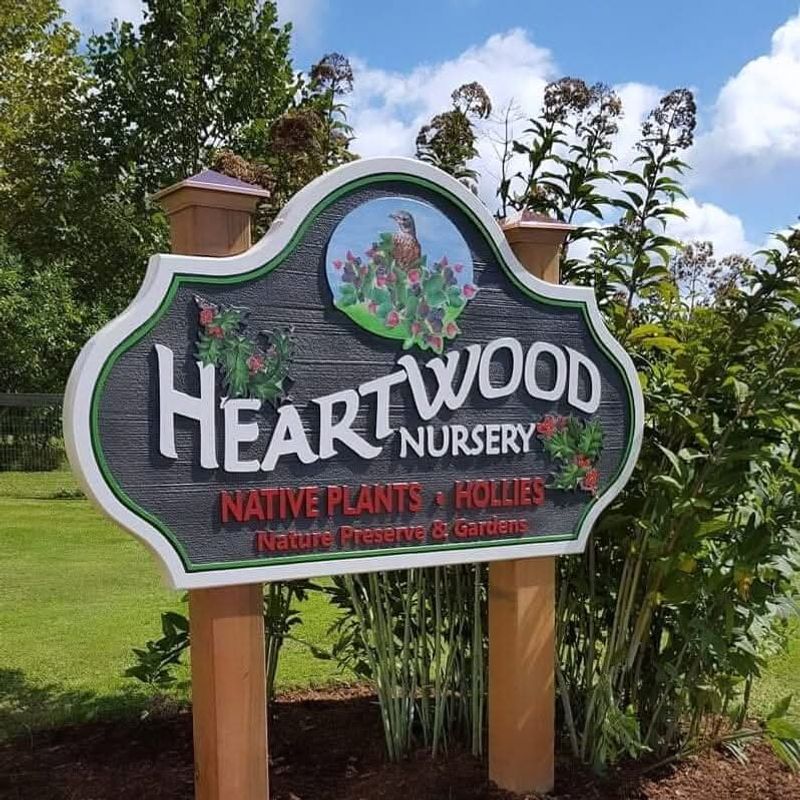
Loading a pawpaw tree into your car and driving home knowing your backyard is about to become the most interesting spot on the block is a particular kind of satisfaction.
Heartwood Nursery, based at 8957 Hickory Road in Felton, has built a reputation for stocking native edible trees that most garden centers would not even consider ordering. Pawpaws top the list, and for good reason.
These underdog fruits taste like a cross between a banana and a mango, and they grow wild across Pennsylvania without needing sprays or babying.
Heartwood focuses on regionally appropriate natives, which means the plants they grow are suited to Pennsylvania soils and climate.
A pawpaw grown from local seed stock tends to thrive far better than one shipped in from a distant wholesale grower.
The nursery also stocks related native edibles depending on the season, so your visit could turn up serviceberries, native plums, or other fruiting trees worth grabbing.
Availability changes fast with specialty nurseries like this one.
Call ahead before making the trip to confirm pawpaw stock and any other edible natives currently on hand.
Heartwood is a passion project rooted in genuine native plant knowledge, and the staff can usually point you toward companion plants that will help your edibles thrive.
Bring more trunk space than you think you need.
2. Edge Of The Woods Adds Edible Natives
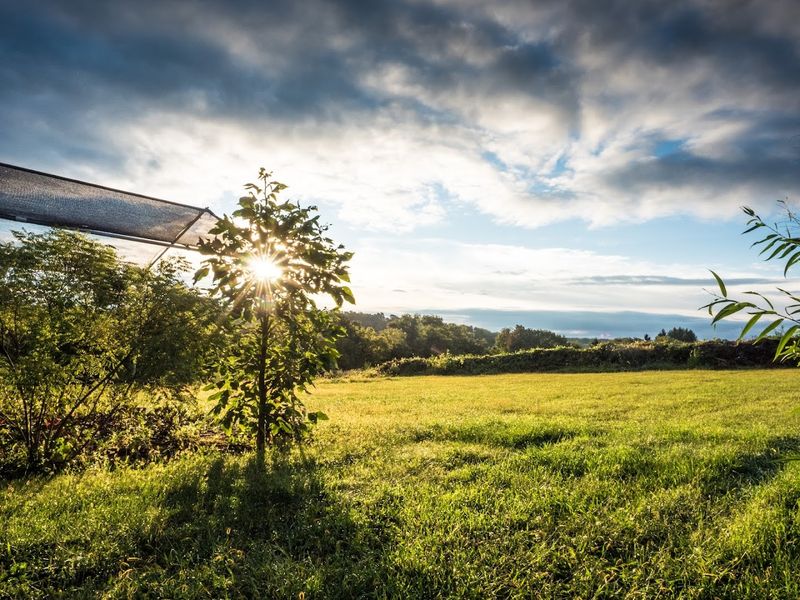
Some nurseries sell plants. Edge of the Woods, located at 2415 Route 100 in Orefield, builds ecosystems.
This nursery has earned a loyal following among Pennsylvania native plant enthusiasts who want more than just pretty flowers.
Edible natives are woven throughout their inventory, showing up as elderberries, serviceberries, and other fruiting shrubs that double as wildlife magnets. That combination of food value and ecological function is rare to find under one roof.
Elderberry alone is worth the trip.
Native Sambucus canadensis produces clusters of deep purple berries beloved by birds and by people making syrups, jams, and tinctures.
Edge of the Woods carries elderberry alongside a thoughtful selection of other natives that support pollinators from spring through fall.
Your Pennsylvania Garden Changes Every Week. Your Plan Should Too.
Gardening in Pennsylvania changes quickly throughout the season. Every Friday you’ll receive a simple weekly plan showing exactly what to plant, prune, fertilize, harvest, and protect so you never miss the right timing.
The staff here genuinely loves talking plants.
Ask about the edible value of specific species and you will likely get a full conversation about fruiting windows, wildlife connections, and companion planting ideas.
Inventory rotates with the seasons, and certain edible natives sell quickly when word gets out.
A quick phone call before heading north on Route 100 can save you a long drive for an empty bench. Go early in the season for the best selection of edible shrubs.
3. Behmerwald Nursery Stocks Fruiting Trees
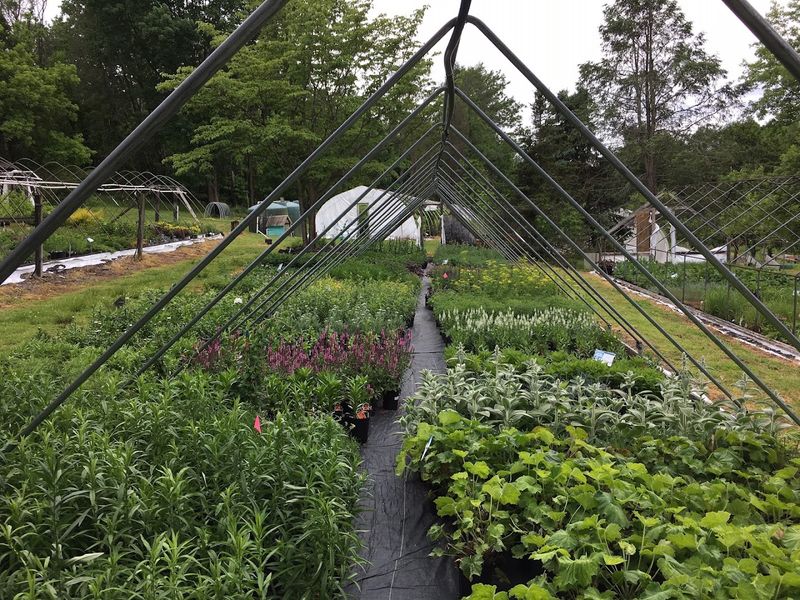
Pulling into a nursery tucked into a quiet Pennsylvania landscape and finding fruiting natives you have never seen at any garden center is its own kind of road trip magic.
Behmerwald Nursery at 4904 Garges Road in Schwenksville is exactly that kind of place. The nursery has developed a focus on native and regionally adapted fruiting plants that serve both the gardener and the broader ecosystem.
Native hazelnuts are among the standout offerings when in stock.
American hazelnut, Corylus americana, produces small but delicious nuts and offers exceptional wildlife value, supporting everything from pollinators to turkeys to white-tailed deer.
It also puts on a solid fall color show, making it a hard plant to argue against.
The nursery operates on a smaller scale, which means personal attention and plants that have been grown with real care.
Inventory can be limited, so calling ahead is genuinely important here. Ask specifically about fruiting tree availability, including any native plums, crabapples, or other edible species they may have propagated for the current season.
Behmerwald is the kind of nursery where the person who answers the phone probably also grew the plants you are asking about.
That level of connection to the material shows in the quality. Budget extra time because browsing always takes longer than expected.
4. Redbud Native Plant Nursery Rewards The Hunt
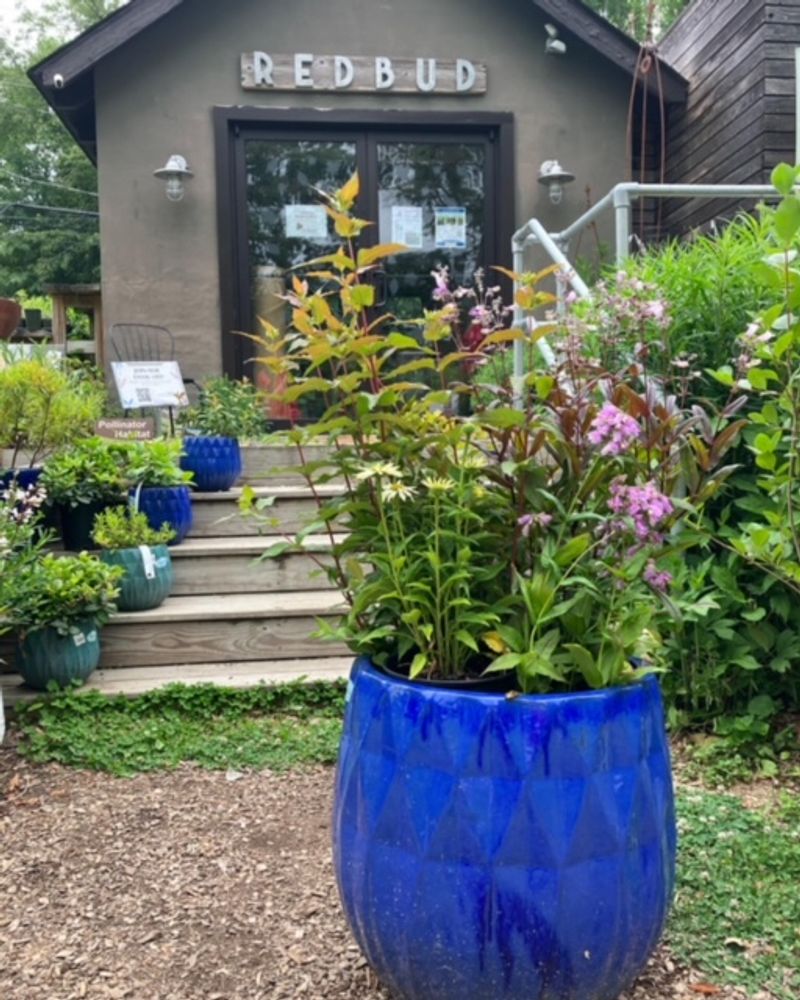
There is a specific thrill that comes from finding a native edible plant you have been searching for months.
Redbud Native Plant Nursery at 904 N. Providence Road in Media delivers that feeling on a regular basis for serious plant hunters across southeastern Pennsylvania.
The nursery specializes in true Pennsylvania natives, and their inventory tends to include edible and edible-adjacent species that fly completely under the radar at conventional garden centers.
Spicebush is one of those underappreciated gems.
Lindera benzoin produces small red berries that have been used as a spice, and the shrub itself is a powerhouse for native wildlife.
Spicebush swallowtail butterflies depend on it for larval food. Birds flock to the berries in fall. Planting one spicebush connects you to an entire food web that most people never think about.
Redbud also tends to carry native violets, wild ginger, and other edible ground-layer plants that rarely appear anywhere else.
Wild violets, for example, produce edible flowers and leaves rich in vitamin C. The nursery team is knowledgeable and enthusiastic about helping customers find the right plants for their specific site conditions.
Availability genuinely varies week to week, so checking in before the drive is a smart move.
Redbud sells out of popular edibles quickly, especially in spring. Get there early and get there often.
5. Bowman’s Hill Pairs Plants With Inspiration
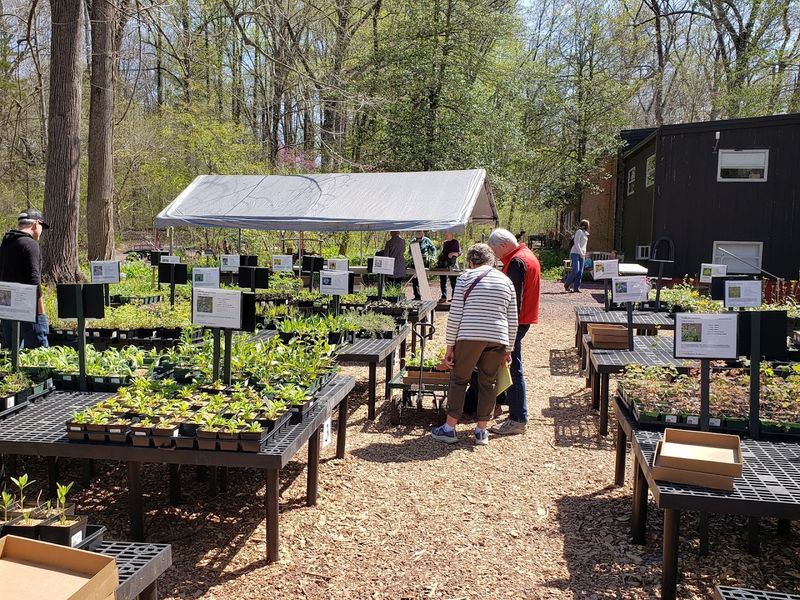
Buying plants is one thing. Seeing them growing in a beautifully curated native landscape before you buy is something else entirely.
Bowman’s Hill Wildflower Preserve at 1635 River Road in New Hope, Bucks County, offers both through their plant sales and the incredible preserve grounds themselves.
Walking the trails before or after shopping gives you a visual reference for how native edibles actually look and behave in a real landscape setting.
The preserve hosts plant sales that feature a rotating cast of Pennsylvania natives, including edible species like wild strawberry, serviceberry, and native viburnums with edible fruit.
Seeing a mature serviceberry tree in full bloom along a woodland path makes it very easy to justify buying three of them for your backyard.
That is not an accident. Bowman’s Hill is in the business of connecting people emotionally to native plants, and it works beautifully.
The educational component adds serious value beyond the plant sale itself.
Staff and volunteers can explain fruiting timelines, preferred soil conditions, and which species pair well together for a layered edible native garden.
Check their website and social channels for upcoming plant sale dates because they do fill up and some popular species go fast.
Bring a wagon if you have one, wear layers in spring, and prepare to leave with far more plants than originally planned. No one ever regrets it.
6. Audubon Center For Native Plants Helps The West
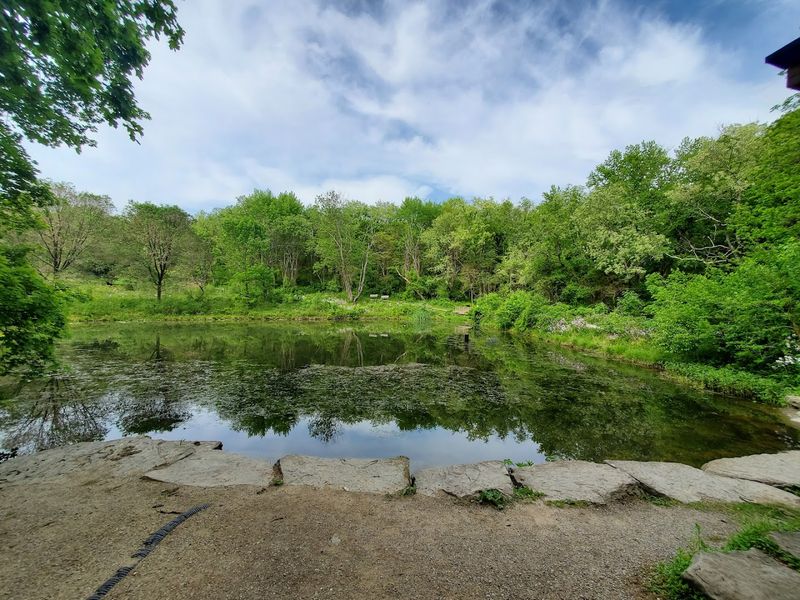
Western Pennsylvania plant lovers have historically had to drive a long way to find serious native plant selections.
The Audubon Society of Western Pennsylvania changed that equation with their native plant nursery at Beechwood Farms Nature Reserve, located at 614 Dorseyville Road in Pittsburgh.
For gardeners on the western side of the state, this nursery is a genuine resource for native edibles and habitat plants that rarely appear in Allegheny County garden centers.
The Audubon Center focuses on plants that support birds, pollinators, and native ecosystems, which means edible native shrubs fit right into their mission.
Serviceberry, elderberry, and native viburnums tend to appear in their inventory because these plants feed migrating birds and local wildlife while also offering value to human gardeners.
Planting a native serviceberry near your window is basically installing a live bird feeder that also produces fruit you can eat.
Plant sales at Audubon are organized, well-staffed, and tied to meaningful conservation education.
Staff can help you choose species appropriate for western Pennsylvania soils and microclimates, which differ from conditions in the southeast part of the state.
The center operates seasonally, so checking their website for sale dates before heading out is essential.
Membership in the Audubon Society sometimes comes with early plant sale access, which is worth considering if you want first pick of the edible natives before they sell out.
7. Octoraro Native Plant Nursery Goes Big
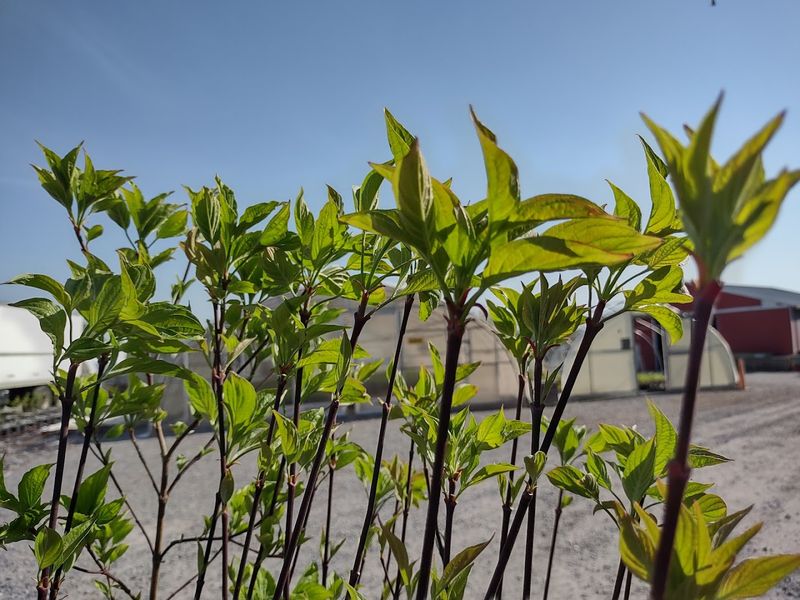
If you are the kind of gardener who shows up with a pickup truck and a long wish list, Octoraro Native Plant Nursery at 6126 Street Road in Kirkwood, Lancaster County, is your destination.
This nursery operates at a scale that sets it apart from most native plant sources in Pennsylvania. The selection is broad, the quantities are serious, and the commitment to true Pennsylvania natives is consistent and well-documented.
Octoraro regularly stocks edible native species including pawpaw, serviceberry, elderberry, and native hazelnuts depending on the season.
Their inventory is large enough that you have a real chance of finding multiple edible species in a single visit rather than striking out on one thing and settling for another.
For gardeners building an entire native edible food forest or a wildlife habitat planting, Octoraro makes the project actually feel achievable.
The nursery also serves landscape professionals, which means the stock tends to be healthy and well-maintained.
Plants here are grown for performance, not just for a single season of shelf appeal. That makes a difference when you are investing in a pawpaw tree you expect to fruit for decades.
Octoraro publishes availability lists online, and checking those before your visit saves time and prevents disappointment.
Bring cash, bring a list, and bring a friend to help carry things.
8. Keystone Wildflowers Serves Serious Plant Hunters
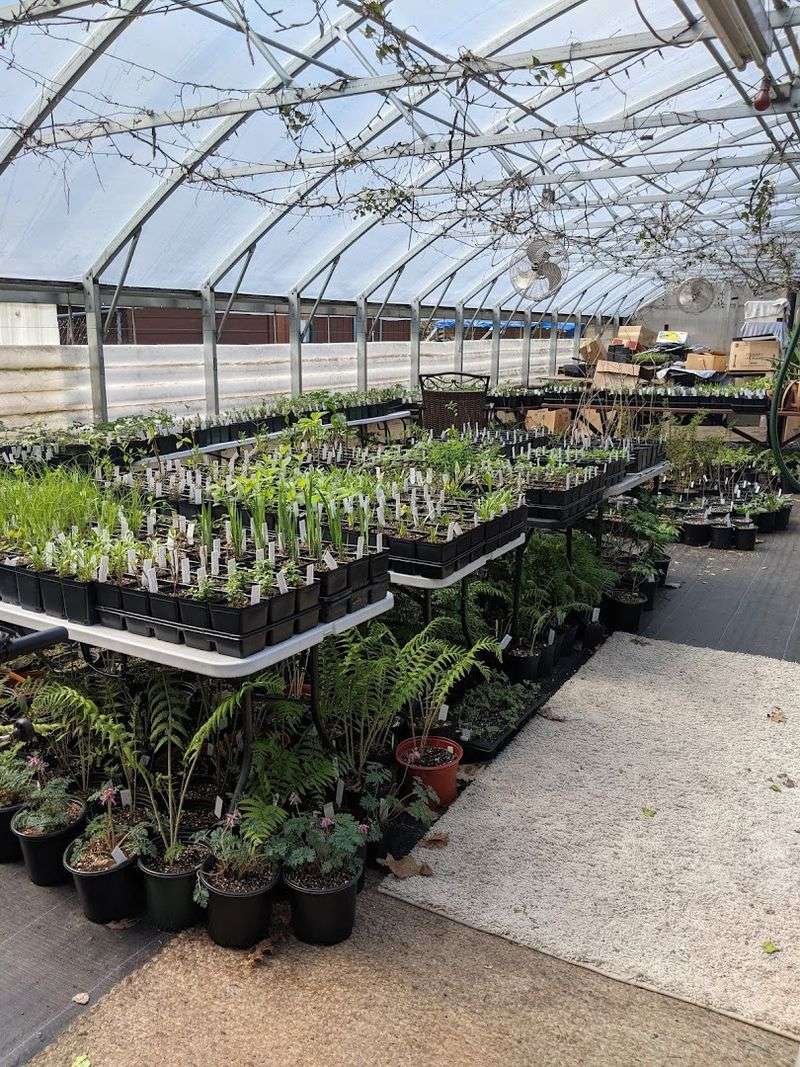
Not every edible native comes in the form of a tree or a berry bush.
Some of the most valuable edible and edible-adjacent natives are meadow plants, and Keystone Wildflowers at 675 Hill Road in Robesonia has built its entire identity around exactly that category.
For plant hunters who think beyond the orchard and into the meadow, this nursery opens up a whole new world of native plant possibilities.
Wild bergamot, Monarda fistulosa, is one example.
The leaves are aromatic and edible, used historically as a tea and flavoring. The flowers feed native bees in ways that commercial herbs simply cannot match.
Goldenrod is another meadow native with a long history of edible and medicinal use that most people overlook because they assume it causes hay fever.
Keystone Wildflowers grows plants from seed sourced from local Pennsylvania populations, which is significant for genetic integrity and long-term garden performance.
These are not plants collected from the wild or grown from distant seed sources. Local provenance matters for supporting regional pollinators who have evolved alongside specific plant populations.
The nursery is a favorite among meadow restoration enthusiasts and native plant purists who want the real thing.
Availability varies by species and season, so reaching out before your visit is always a good idea. Their plant knowledge is deep, their passion is obvious, and a conversation with the team is worth the trip on its own.