The Shovel-Headed Stranger Sliding Through Maryland Gardens Carries A Pufferfish Toxin
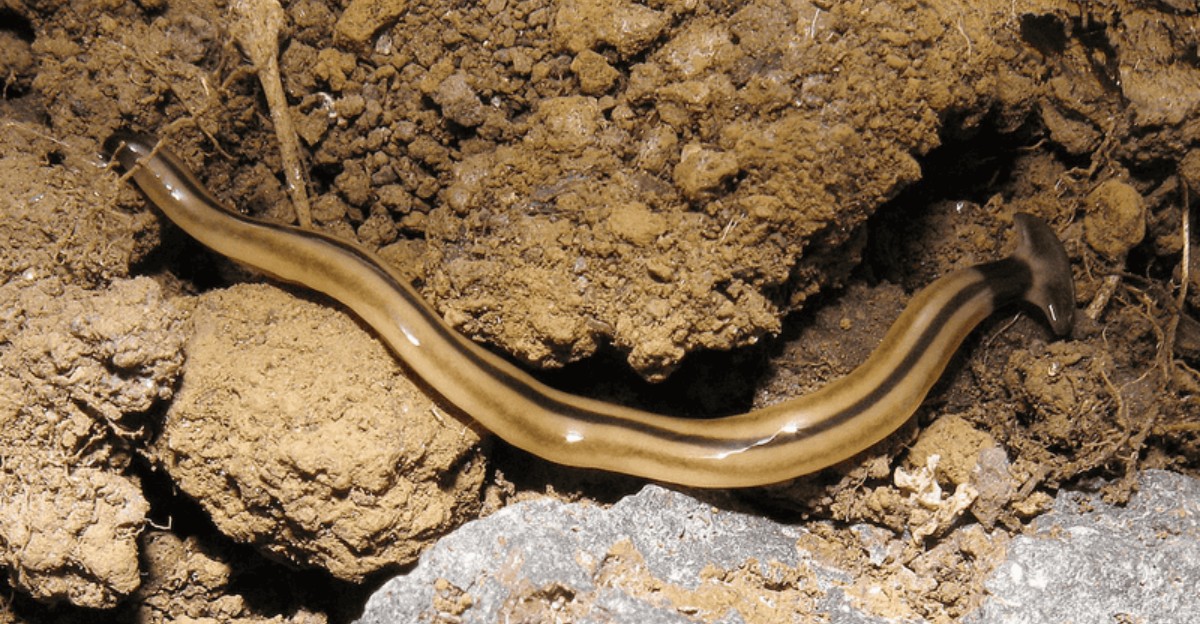
Some of the slimy visitors in a Maryland flower bed carry tetrodotoxin, the same nerve toxin found in pufferfish. I didn’t expect a garden creature to share chemistry with a fish people pay to eat under strict supervision.
This stranger glides on a ribbon of mucus. It has no legs, no eyes worth bragging about, and a head shaped like a tiny garden spade. Some grow longer than a foot.
Not going to lie, my first sighting sent me straight to the internet. It was stretched across a damp paver after a summer storm, looking like a shoelace that had wandered off. I nearly picked it up bare-handed.
You may have seen one already and shrugged it off as an odd earthworm. Truth is, it eats earthworms for dinner. So what should you do the next time one shows up near your tomatoes?
That Spade-Shaped Head Belongs To An Invasive Flatworm
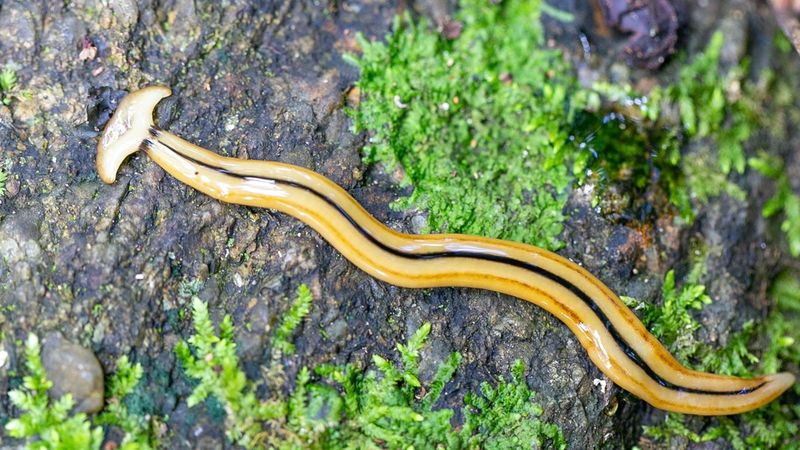
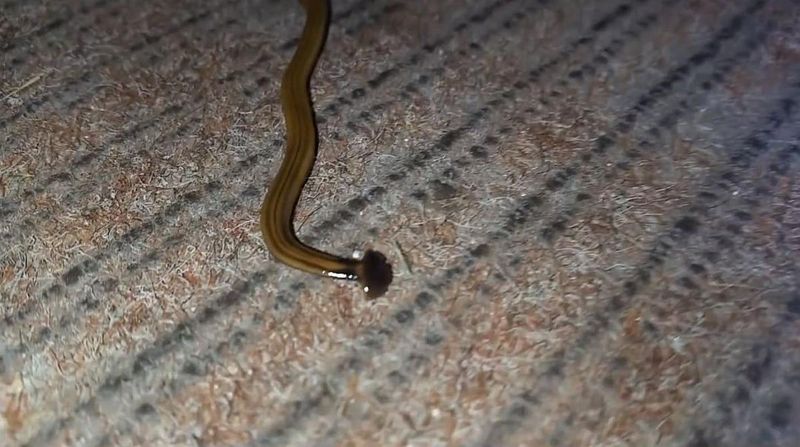
Spotted a long, flat, golden or tan worm with a head like a half-moon? You’ve met a hammerhead flatworm, a land planarian in the genus Bipalium.
Several species turn up in the United States. The most common one, Bipalium kewense, has a caramel body with thin dark stripes running down its back. Another, Bipalium vagum, is shorter with a darker, chunkier look.
The flat, fan-like head sets them apart from earthworms right away. Earthworms are round and segmented, while these are smooth, flattened, and glossy with mucus. Some stretch past 12 inches, though many you’ll find are a few inches long.
They glide rather than wriggle. Tiny hair-like cilia on the underside push them along a slick trail of slime, a bit like a snail.
Fun fact: the mouth isn’t on that fancy head at all. It sits in the middle of the belly, which makes feeding time look pretty strange.
In Maryland, sightings tend to rise during warm, humid months, especially after rain. That’s when these night wanderers end up on sidewalks, patios, and garage floors.
Snap a photo when you find one. Clear pictures help extension experts and community scientists track where these worms are spreading.
The Pufferfish Toxin Hiding In Hammerhead Worm Slime
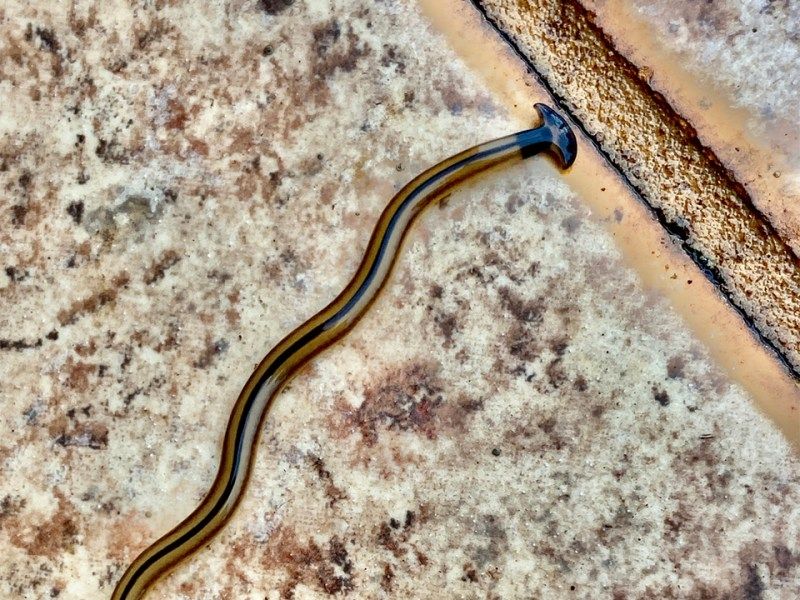
Researchers made a surprising discovery in 2014. They found tetrodotoxin, the famous pufferfish nerve toxin, in two hammerhead worm species, including Bipalium kewense.
The worm uses this chemical to subdue prey much larger than itself. It likely also helps keep hungry birds and other predators away. Scientists think the toxin may come from bacteria living with the worm, though that part is still being studied.
So, should you panic? Not really. The amounts found in these worms are small, and no serious human illness from casual contact has been reported.
Still, I treat them like a hot pan. Gloves go on before I touch one, because the slime can irritate skin and it’s hard to wash off.
If you do handle one bare-handed, scrub well with soap and water. Avoid touching your eyes or mouth until you do.
Kids are the ones to watch. A sticky striped worm looks like treasure to a curious five-year-old, so a quick talk about not picking them up is worth having.
The takeaway is simple. Respect the slime, protect your hands, and move on with your gardening day.
Chopping A Hammerhead Worm Just Makes More Of Them
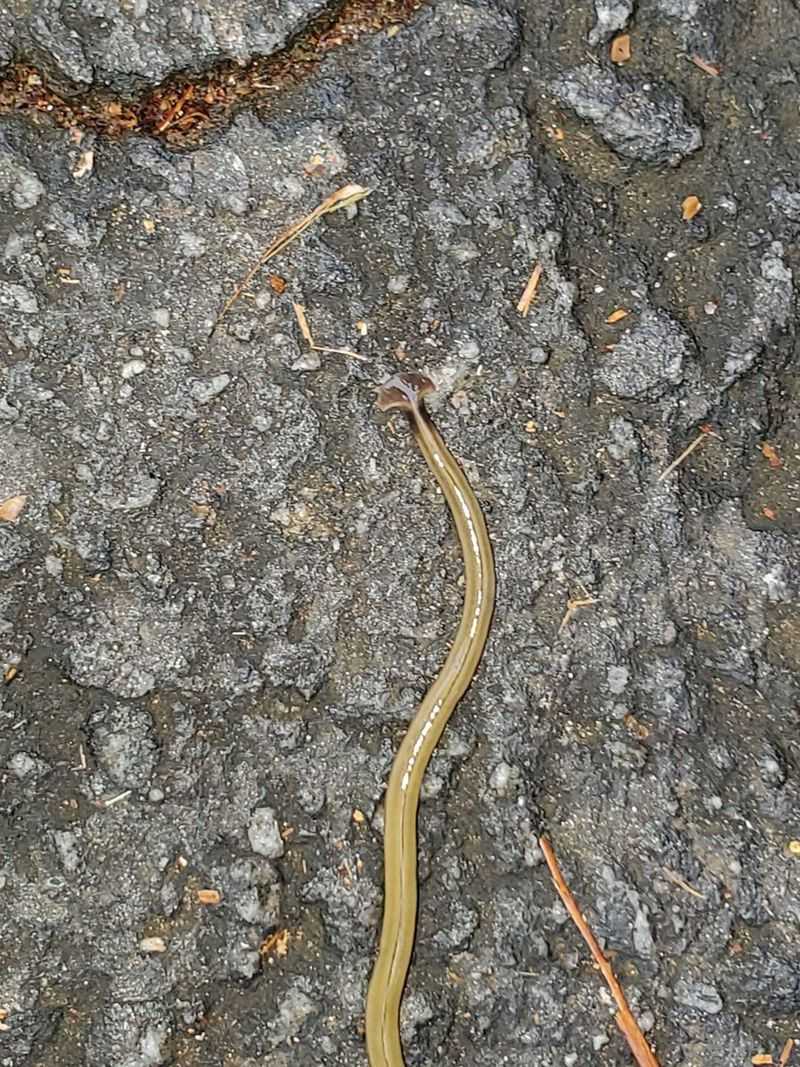
My first instinct was to grab a shovel and slice. Thankfully, I read up first, because that move backfires badly.
Hammerhead worms reproduce mainly by fragmentation. The tail end pinches off, and within about ten days that piece grows a brand-new head. Cutting one into chunks is basically handing it a cloning kit.
Fragments can regrow into full worms. A few frustrated chops could leave you with several strangers instead of one.
Stepping on them doesn’t work much better. The soft body may simply split, and the bits slide back into the mulch.
So keep the shovel blade away. Your goal is containment, not demolition.
This regeneration trick is one reason they spread so easily. Many Bipalium species rarely reproduce sexually here, yet populations still grow through these broken-off fragments.
It also explains why a single worm hitchhiking in a nursery pot can start a whole colony in a new yard. One small piece is plenty.
Remember this rule before you react. Calm, careful removal beats a quick swing every single time, and your garden will thank you for keeping the numbers low.
Bag It, Salt It, And Toss The Hammerhead Worm
Grab gloves, a zip-top bag, and a paper towel. That little kit handles the job neatly.
Use the towel or a stick to scoop the worm into the bag without squishing it. Then add a generous sprinkle of salt or a splash of vinegar before sealing it tight. Citrus oil also works, according to several extension guides.
Freezing is another tidy option. Seal the bag, pop it in the freezer for a day or two, then place it in the trash.
Please skip salting worms right on the ground. Loose salt can harm soil, nearby plants, and any earthworms close by.
Wash your gloves or hands afterward, even if you didn’t touch the slime directly. A little extra care costs nothing.
Out of curiosity, I started keeping a sealed jar of salty water in my shed during summer. When I find one, it’s a ten-second chore.
Check after evening rains with a flashlight. That’s prime time for these worms to roam, and you’ll catch more than you would at noon.
Consider snapping a photo before disposal. Reporting sightings helps researchers map the spread across Maryland neighborhoods.
Your Hardworking Earthworms Are On The Hammerhead Menu
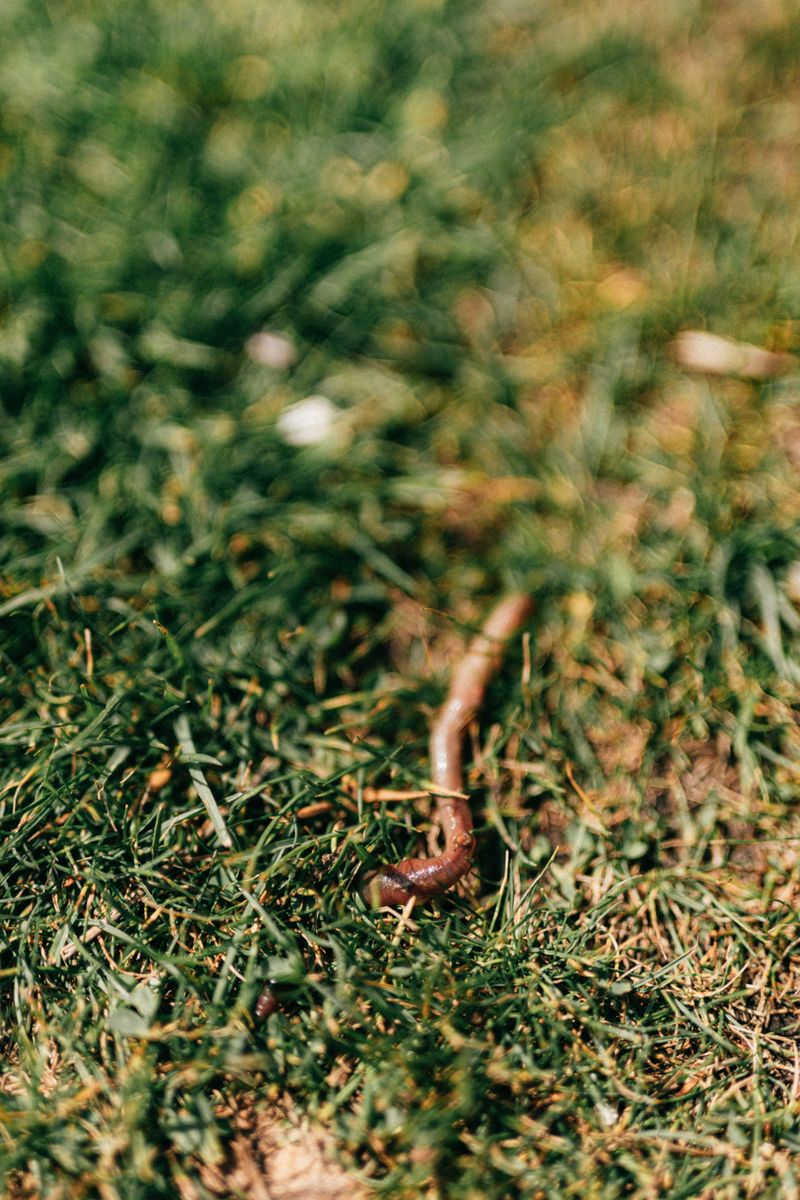
Earthworms are the quiet crew of every healthy garden. They loosen soil, pull leaves underground, and leave behind nutrient-rich castings.
Hammerhead worms hunt them. A hammerhead tracks an earthworm, wraps around it, and pins it with sticky mucus. Then it pushes a feeding tube out of its belly and releases enzymes that turn the prey into liquid.
Yes, it’s as gross as it sounds. It’s also a real concern for gardeners who rely on earthworms for good soil structure.
Scientists are still studying how much harm hammerheads cause in American gardens. A large decline in earthworms could mean firmer soil, slower leaf breakdown, and weaker plant roots over time.
They also eat slugs, snails, and insect larvae. Some people see that as a bonus, but it doesn’t outweigh the earthworm losses.
Planarians in other countries, like the New Zealand flatworm in Britain, have reduced earthworm numbers in some fields. That history makes experts cautious here.
Watch your soil. If you dig and find fewer earthworms than usual, plus hammerheads under boards or pots, it may be time to step up your removal routine.
Keep Curious Dogs Away From Striped Hammerhead Worms
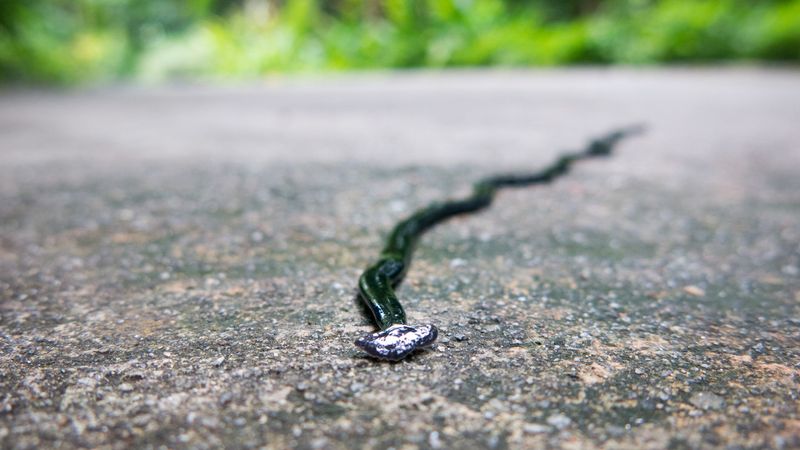
Dogs explore with their noses and mouths, and a slow-moving worm is hard to resist. My terrier once tried to lick one off the patio before I scooped him away.
Because of the tetrodotoxin, a pet that licks or chews a hammerhead worm could feel unwell. Vets report possible signs like drooling, vomiting, or general discomfort.
Serious cases appear rare, partly because the worms are small and the toxin levels are low. Still, call your veterinarian if your pet eats one and acts off.
Small dogs and cats may be more sensitive simply due to their size. Keep that in mind if you share your yard with tiny companions.
A few habits help a lot. Walk dogs on a leash during wet evenings and scan patios before letting pets roam.
Bring outdoor water bowls inside at night too. Worms seeking moisture sometimes crawl right into them.
Worm slime can also gum up fur. If your pet rolls on one, a gentle bath with pet shampoo clears it out.
A little attention keeps backyard time fun. Your four-legged helper can still enjoy the garden without snacking on trouble.
Damp Mulch And Potted Plants Help Hammerhead Worms Settle In
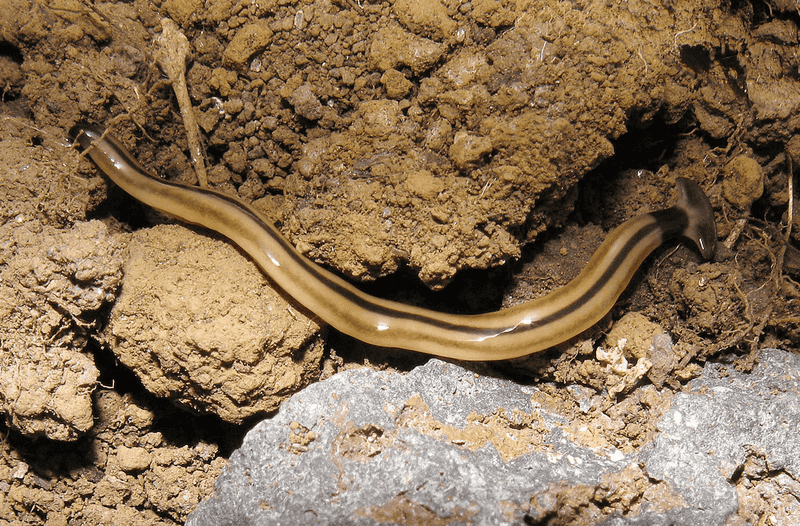
These worms aren’t from around here. Most species trace back to Southeast Asia and were first noticed in American greenhouses more than a century ago.
They most likely spread through the plant trade, hiding in pot soil and root balls. Today they’re found across much of the eastern United States, including Maryland.
Hammerheads need moisture to survive. They hide under rocks, logs, boards, thick mulch, and flower pots during the day.
You can make your yard less welcoming. Keep mulch layers around two to three inches instead of piled deep. Fix leaky hoses and avoid soggy spots near the house.
Check new plants before they go in the ground. Slide the root ball out of the pot and look for slime trails or flat striped worms.
Lift boards, pavers, and pots now and then to peek underneath. Those cool, damp hideouts are favorite resting places.
Winter slows them down, but some survive in sheltered spots like compost piles and greenhouses. Expect more sightings again when warm, rainy weather returns.
Stay watchful rather than worried. Regular checks, smart mulching, and careful plant shopping keep these strangers from getting too comfortable.